
Your front yard has about seven seconds to make an impression that’s roughly how long it takes someone walking or driving by to form an opinion about your home. A patchy lawn and a few tired shrubs won’t do it. A flower garden will.
Here’s the good news: you don’t need acres of space or a landscaper’s budget to pull this off. Whether you’ve got a wide suburban lawn, a narrow city lot, or just a strip along the walkway, there’s a flower garden style below built for it and stick around for idea #7, because it’s the one most homeowners skip and instantly regret.
Save this guide before you start digging you’ll want to come back to it as your garden fills in season by season.
1. The Classic Cottage-Style Flower Border
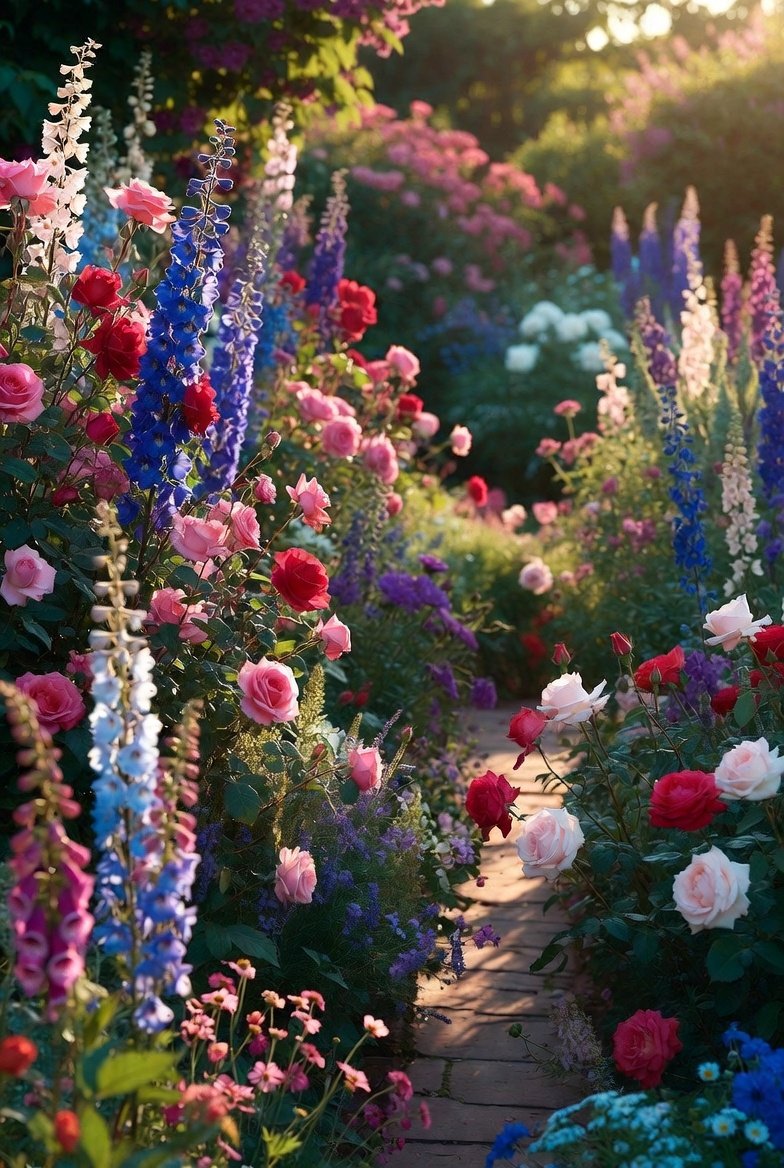
If your home has a porch, a picket fence, or anything remotely traditional, a cottage border is the fastest way to add instant charm. Think loose, romantic, slightly wild-looking plantings rather than rigid rows.
What to plant: Shrub roses, catmint, salvia, black-eyed Susans, and lady’s mantle work together beautifully tall spikes mixed with soft, spilling foliage.
Here’s the thing: cottage gardens look effortless, but the secret is repetition. Repeat the same 3-4 plants in clusters along the border instead of buying one of everything. It reads as intentional instead of cluttered.
Image idea: a wide shot of a fence-line border in full bloom, shot straight-on so the layered color reads clearly great as a standalone pin.
2. Symmetrical Formal Beds Flanking the Entryway
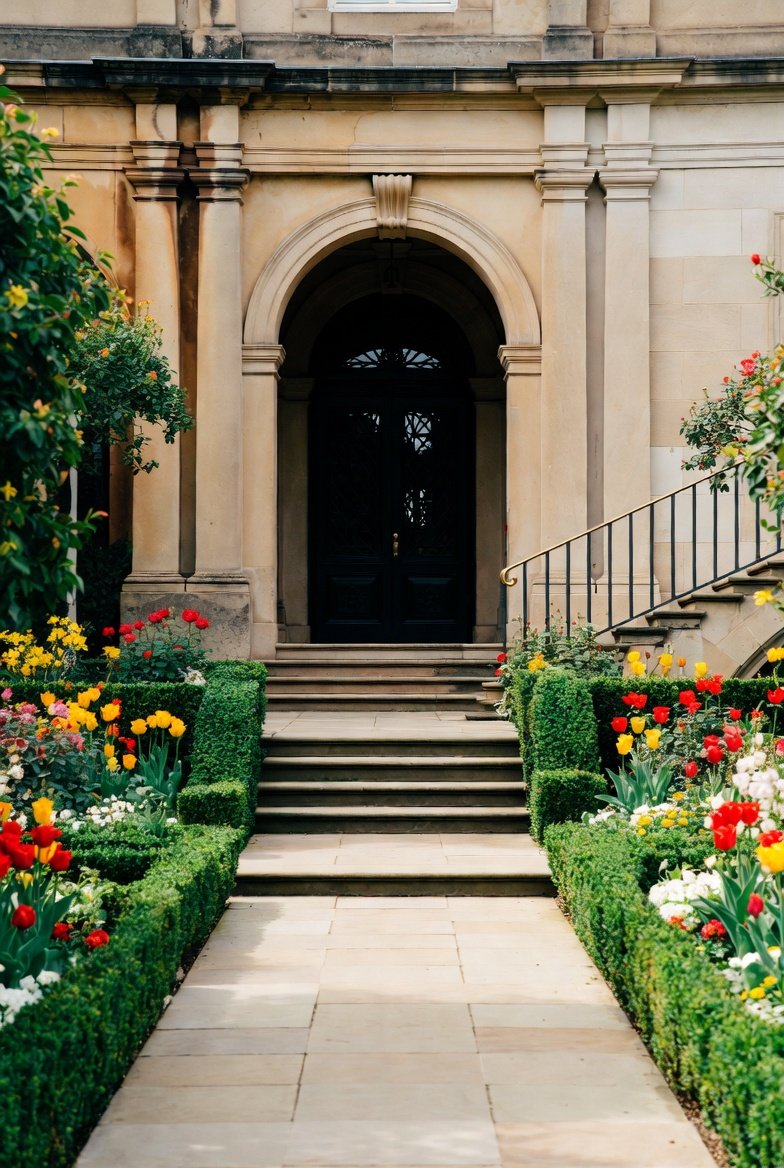
For colonial, Georgian, or craftsman-style homes, symmetry does a lot of heavy lifting. Two matching flower beds on either side of your front walk or porch steps instantly make a home look more polished even if the plants inside are simple.
What to plant: Stick to a tight palette white and one accent color works best. Boxwood or dwarf hedges for structure, with hydrangeas, peonies, or geraniums filling in.
But there’s a catch: formal gardens demand upkeep. If you can’t commit to regular trimming, a looser style further down this list will serve you better.
3. Layered, Tiered Flower Beds for Depth
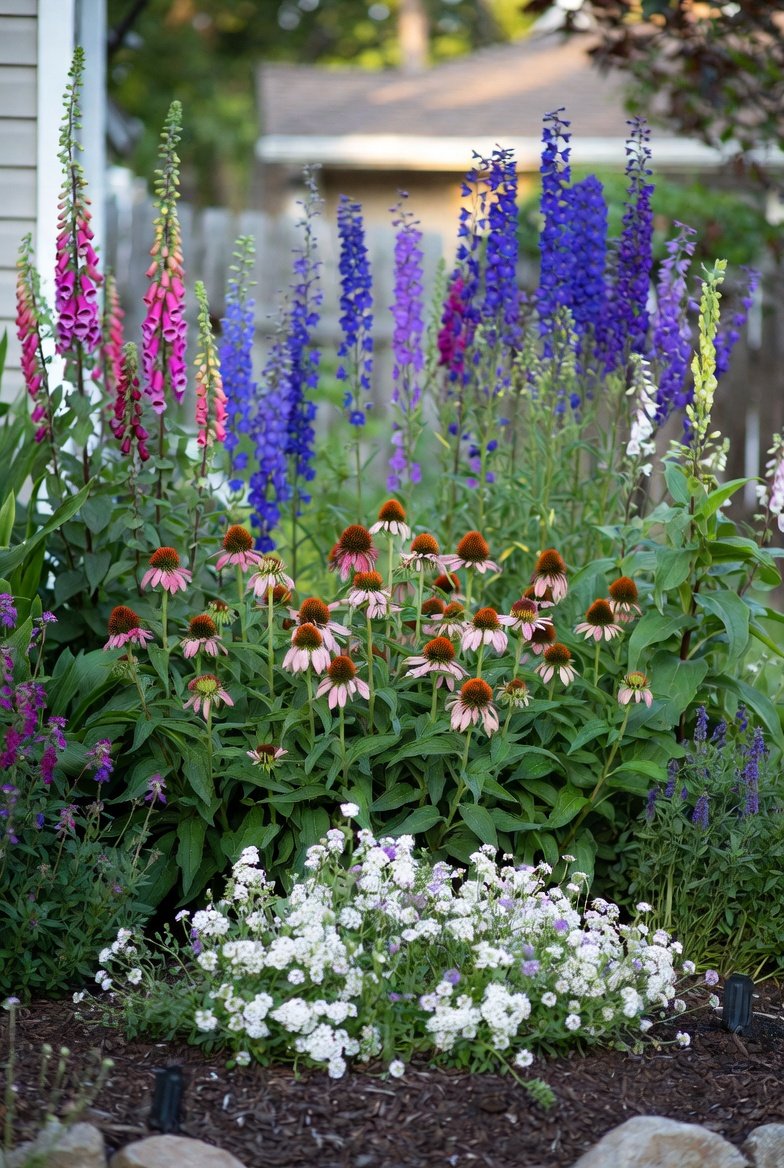
A flat row of same-height flowers reads as an afterthought. Layering by height tall in back, medium in the middle, low and spilling in front makes even a small bed look designed by a professional.
A simple formula that works:
- Back row: tall perennials like delphinium or foxglove
- Middle row: mid-height bloomers like coneflower or phlox
- Front row: low, trailing plants like sweet alyssum or creeping thyme
This is one of the easiest upgrades on this list, and it costs nothing extra just planning where each plant goes before you dig.
4. Flower-Lined Pathways
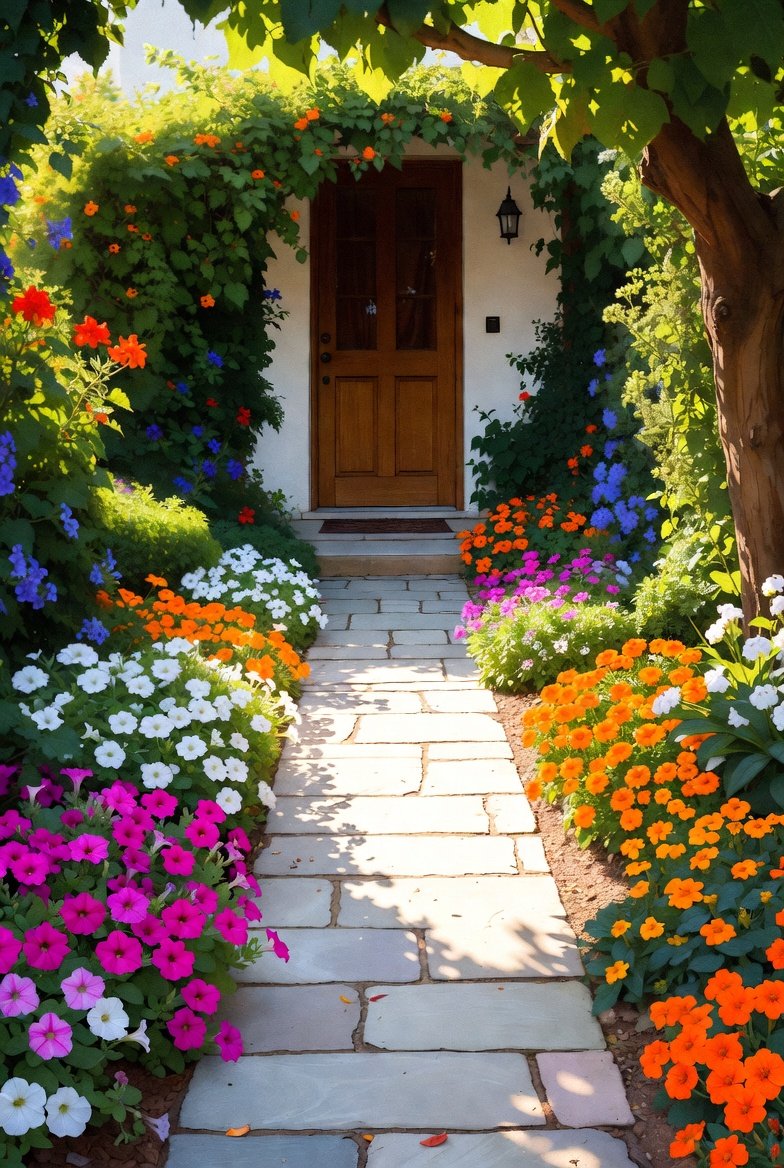
If people have to walk anywhere across your yard to reach your door, that path is prime real estate. Lining it with low, dense flowers turns a purely functional strip of concrete or gravel into part of the garden itself.
What to plant: Creeping thyme or moss between flagstone pavers softens hard edges, while dwarf marigolds or lobelia along a straight path add color without blocking foot traffic.
Quick tip to save: Keep pathway plants under 12 inches tall so they never brush against ankles or shoes function first, then beauty.
Read Also: Green Nest Hubs
5. A Statement Mailbox Garden
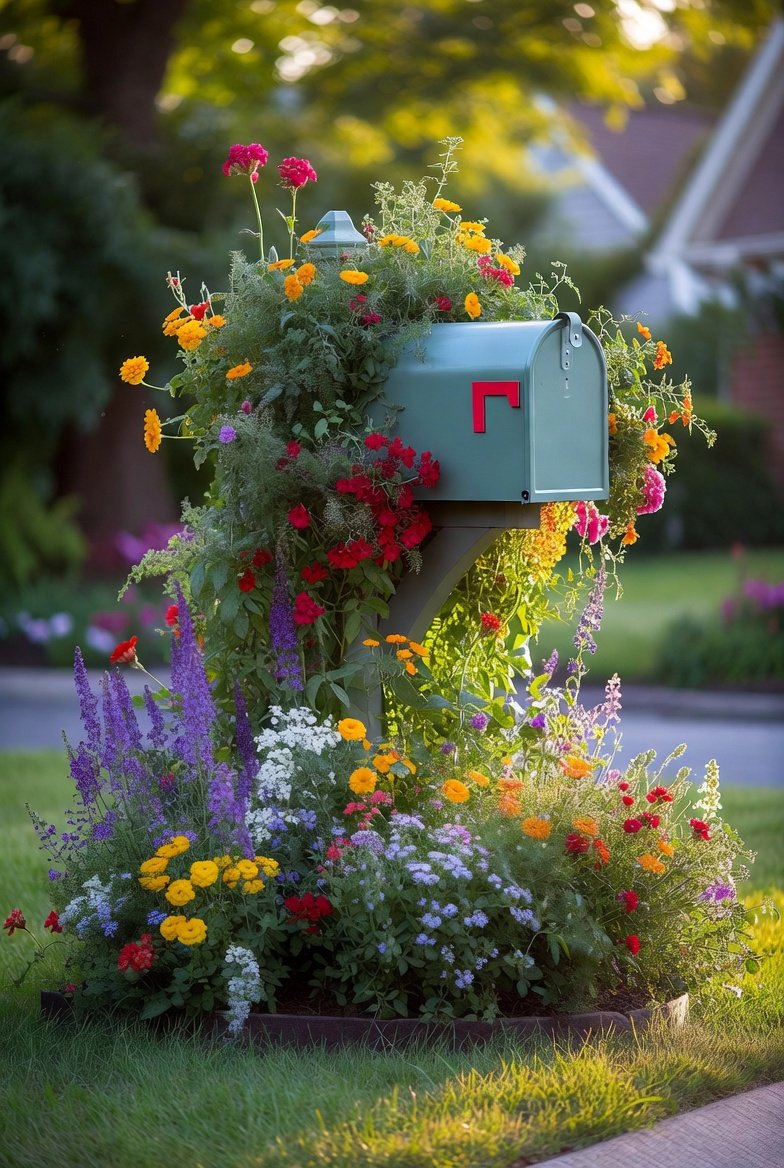
Here’s an idea most people overlook completely: the ground around your mailbox is one of the most-seen spots on your property, especially by neighbors and the mail carrier who visits daily.
A small circular or crescent-shaped bed with a mix of perennials and one taller “thriller” plant in the center turns a bare pole into a genuine focal point and it takes up almost no space.
What to plant: Daylilies or ornamental grasses in the center, ringed with petunias or coreopsis.
6. Porch and Entryway Container Gardens
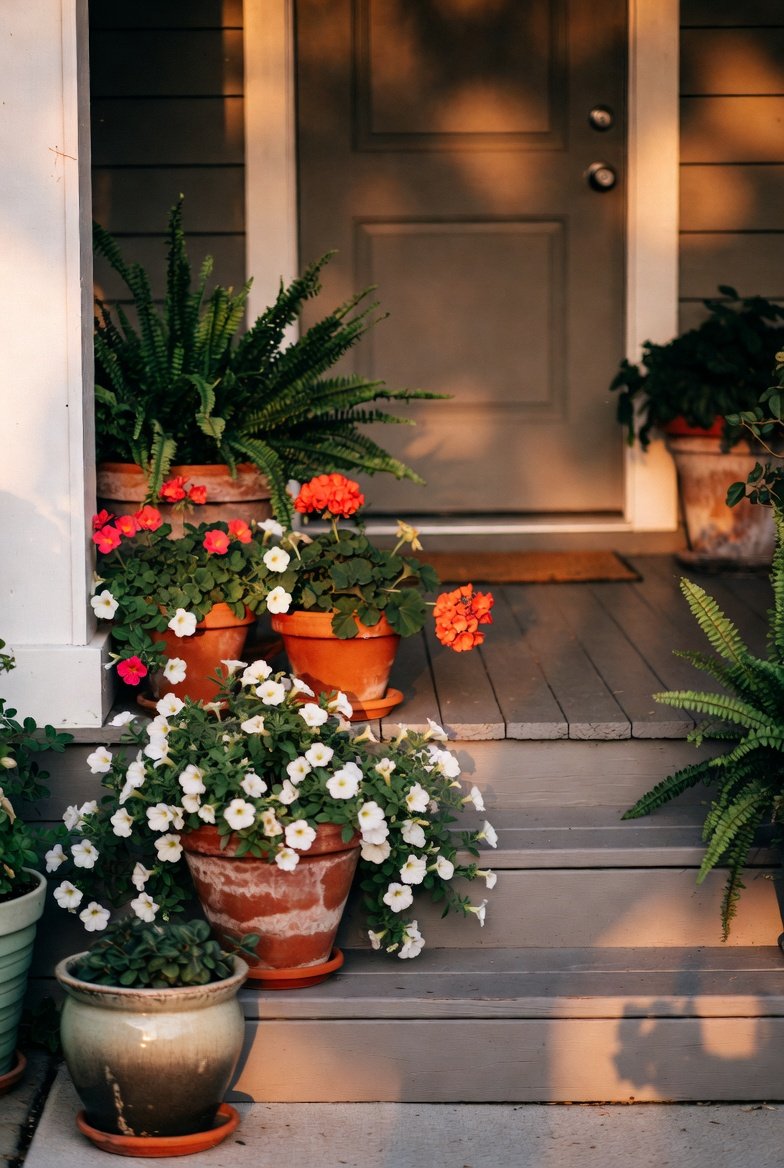
Not every flower garden needs to touch the ground. If your soil is poor, your HOA restricts in-ground beds, or you simply want flexibility to change things seasonally, containers flanking your front door do the job.
Here’s the payoff: containers let you swap flowers by season pansies in spring, geraniums in summer, mums in fall so your entryway never looks stale.
Image idea: a close-up, vertical shot of layered containers on porch steps this format is especially strong for Pinterest since it fits the vertical pin ratio naturally.
7. The Low-Maintenance, Drought-Tolerant Bed (The One Most People Skip)
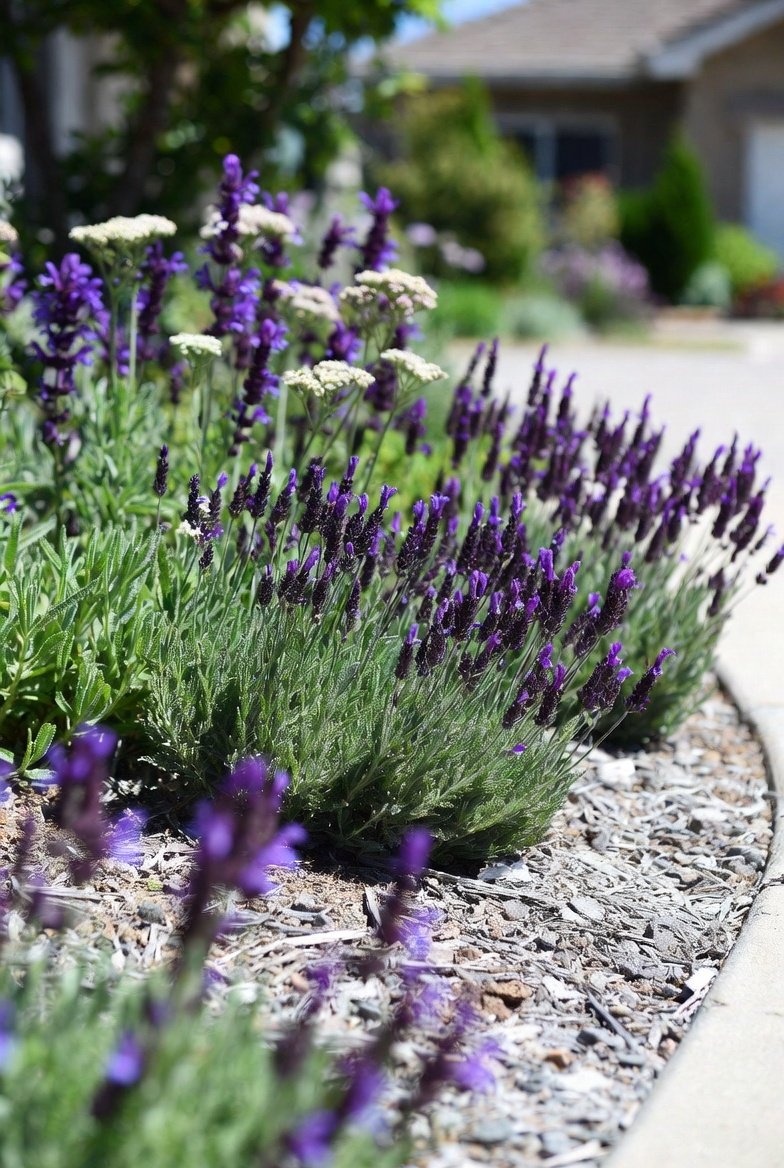
This is the idea from the intro — and it’s the one that saves the most regret. Many homeowners plant a lush, thirsty flower garden, love it for one summer, and then abandon it once watering and weeding become a chore.
The fix: build your bed around native and drought-tolerant flowers from the start. They need far less water, resist local pests better, and still deliver serious color.
What to plant: Coneflower, black-eyed Susan, yarrow, lavender, and Russian sage all thrive on neglect once established, and most are perennials meaning less replanting every year.
So what does this mean for you? A garden that still looks intentional in year three, not one you’re quietly considering ripping out.
8. A Bold Color-Block or Monochrome Garden
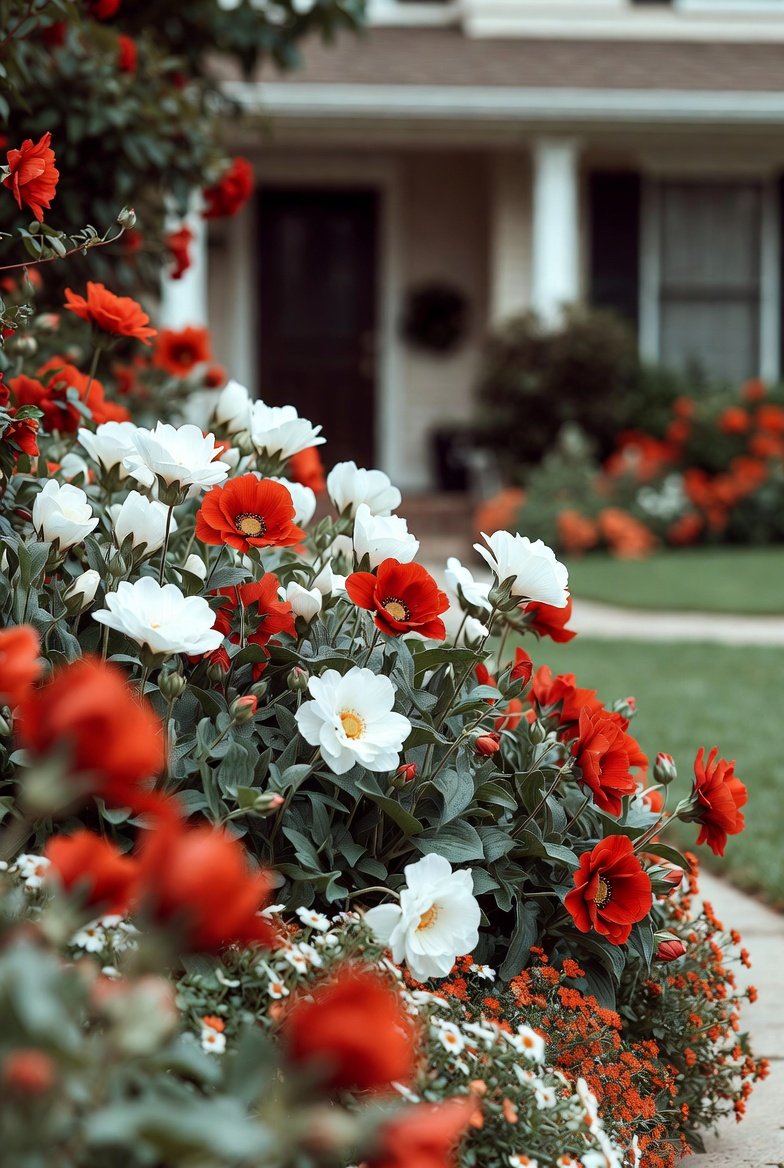
Instead of mixing every color you like, choose one dominant hue or two that sit opposite each other on the color wheel — and build the whole bed around it. A monochrome white garden glows at dusk; a hot palette of orange and purple reads as vibrant and modern.
What to plant: For a monochrome look, try white cosmos, white salvia, and white zinnias planted together. For color-blocking, pair purple salvia with orange marigolds for a striking, unified look.
9. A Fence-Line Flower Border
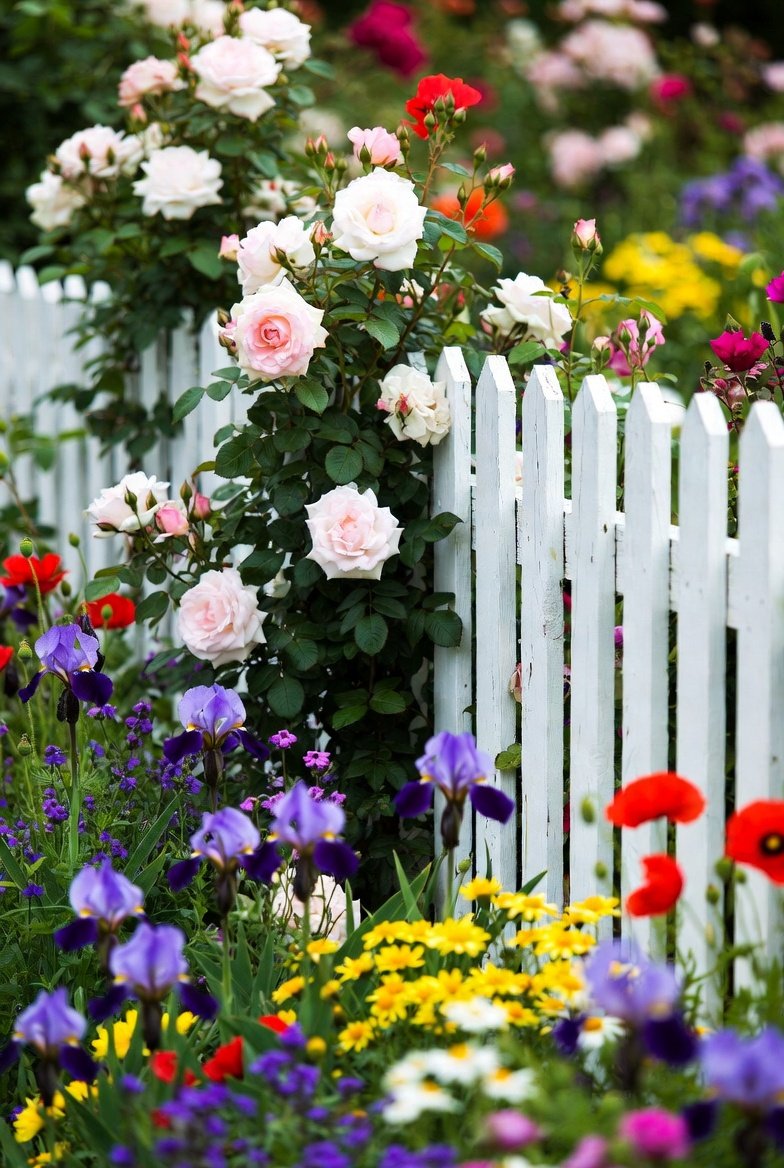
If your front yard is bordered by a fence, that’s an underused wall of potential. A fence-line border adds privacy-level height without blocking light, and it turns a plain fence into a backdrop instead of an eyesore.
What to plant: Tall perennials or climbing flowers like clematis and morning glory trained along the fence, with shorter bloomers planted in front to soften the base.
Save-worthy tip: plant taller flowers about 12-18 inches from the fence itself so air circulates and mildew doesn’t build up on the foliage closest to the structure.
10. Vertical Flower Gardens on Trellises or Arbors
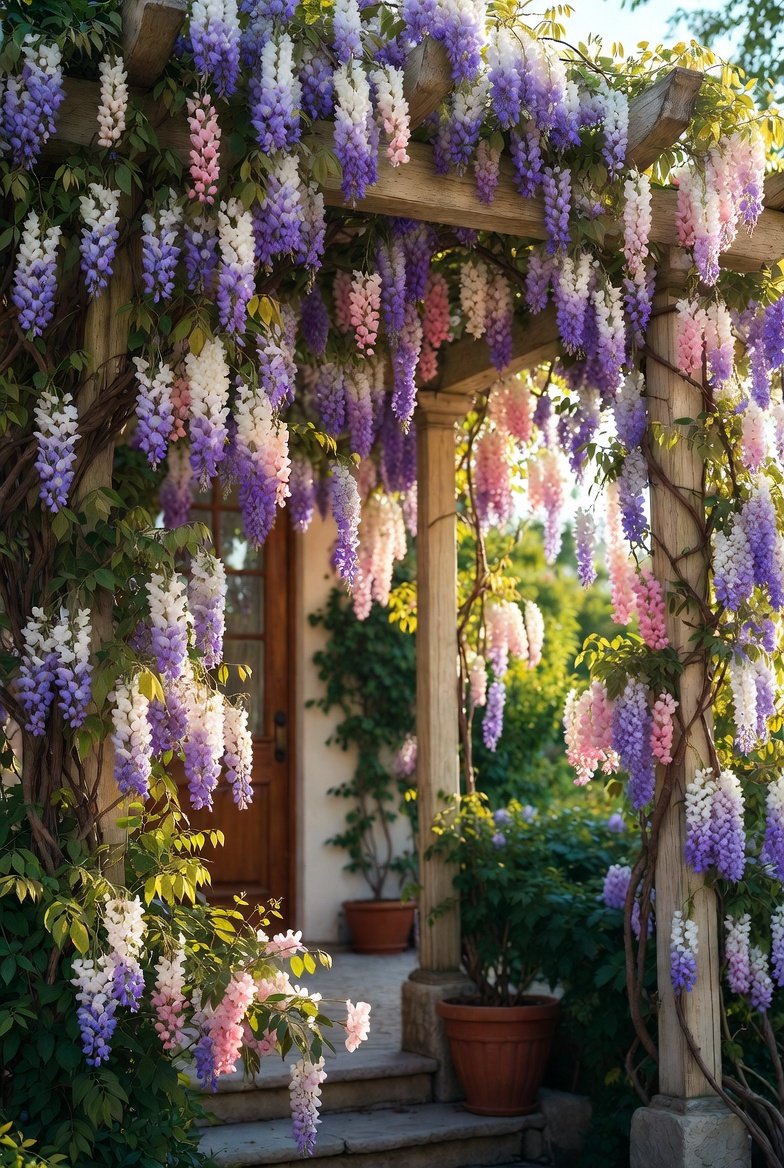
Small front yard? Go up instead of out. A trellis, arbor, or even a simple obelisk covered in climbing flowers adds serious visual height and drama without eating up ground space.
What to plant: Clematis, climbing roses, sweet peas, or morning glories all take well to vertical structures and reward you with a genuine “wow” moment by midsummer.
Image idea: a vertical shot of a flower-covered arbor framing the front door one of the strongest pinnable images in this entire list.
11. A Rock Garden Softened With Flowering Perennials
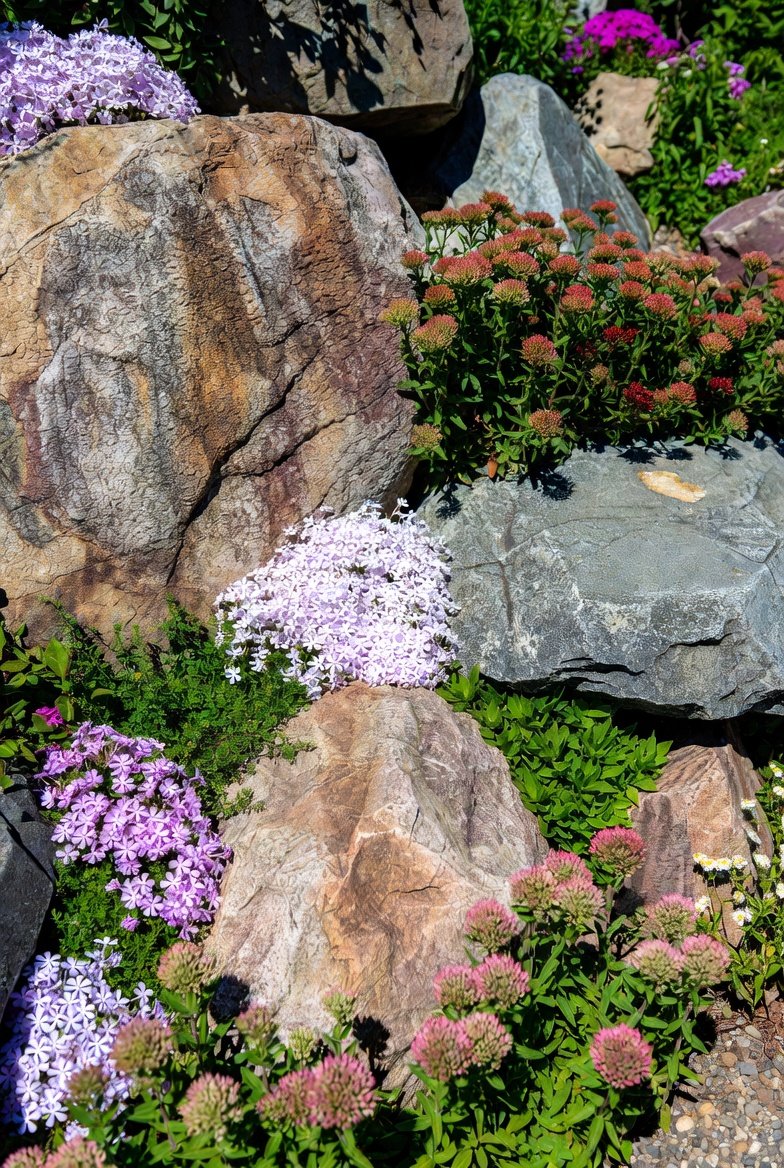
For dry climates, sloped yards, or homeowners who want less lawn to mow, a rock garden isn’t just gravel and stone the right flowering perennials tucked between rocks turn it into a genuinely beautiful, low-water feature.
What to plant: Creeping phlox, sedum, and dianthus all spill naturally over rock edges and tolerate dry, fast-draining soil.
12. A Butterfly and Pollinator Garden
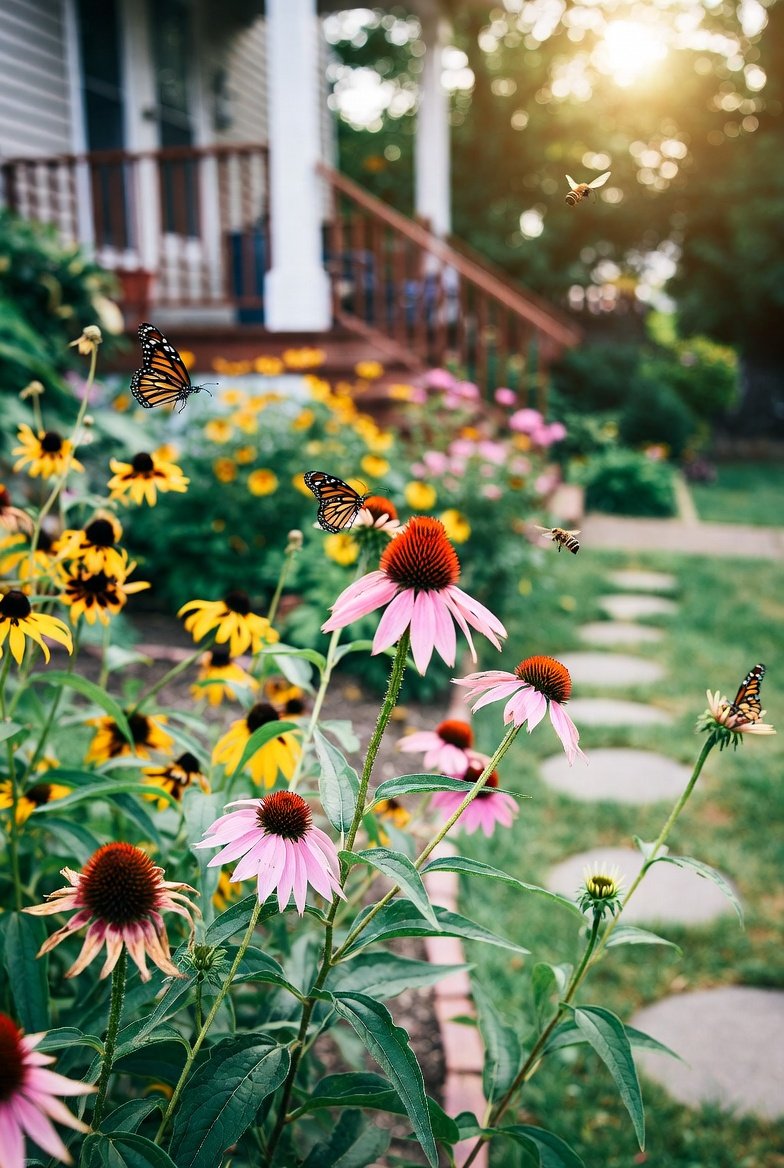
A flower garden that also supports pollinators gives you color and a genuine environmental upside and pollinator gardens tend to look fuller and more naturalistic without much fuss.
What to plant: Milkweed, coneflower, bee balm, and zinnias are magnets for butterflies and bees, and most bloom for months rather than weeks.
Quick recap you can save:
- Choose native species where possible
- Avoid pesticides near blooming plants
- Group flowers in clusters, not single plants, so pollinators find them easily
13. A Seasonal Bulb Garden for Year-Round Color
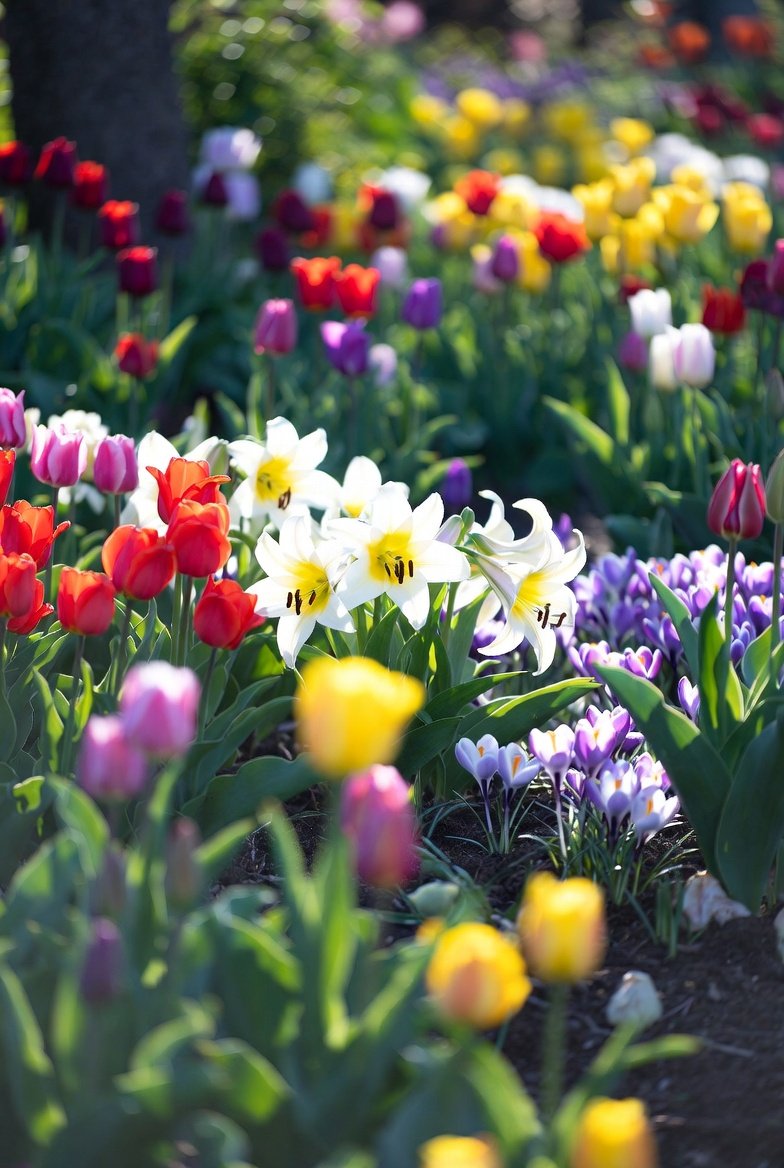
Most of the ideas above focus on spring-through-fall blooms but bulbs let you start the color show even earlier. Planted in fall, spring bulbs are one of the lowest-effort ways to guarantee your front yard isn’t bare the moment winter ends.
What to plant: Tulips and daffodils for an early spring show, followed by alliums for early summer, so as one wave fades the next is already stepping in.
Frequently Asked Questions
What are the easiest flowers to grow in a front yard garden?
Black-eyed Susans, coneflower, marigolds, and daylilies are widely considered beginner-friendly. They tolerate a range of soil types, need minimal fussing, and forgive occasional missed waterings.
How do I plan a front yard flower garden on a budget?
Start small with one bed rather than the whole yard, choose perennials over annuals so you’re not replanting every year, and propagate by dividing existing plants rather than buying new ones each season.
What flowers bloom the longest for front yard curb appeal?
Coneflower, black-eyed Susan, salvia, and zinnias are known for extended bloom windows, often flowering from early summer well into fall with regular deadheading.
Should front yard flower gardens match on both sides of the door?
It depends on your home’s style. Formal and colonial-style homes look best with symmetrical, matching beds. Cottage and naturalistic styles can look more inviting when the two sides are similar in palette but not identical.
Bringing It All Together
You don’t need to attempt all thirteen of these at once. Pick the one or two ideas that match your home’s style and your actual time commitment a low-maintenance drought-tolerant bed if you’re busy, a layered cottage border if you love to putter in the garden on weekends.
The front yards that stop people in their tracks almost always come down to the same thing: a clear idea, repeated plants instead of one-of-everything, and a little patience while it fills in.
Pin this guide now, so you’ve got all thirteen ideas ready when you’re standing in the garden center trying to remember what you came for.


Hi, this is a comment.
To get started with moderating, editing, and deleting comments, please visit the Comments screen in the dashboard.
Commenter avatars come from Gravatar.