
There’s a moment every gardener hits: the ground-level bed just isn’t cutting it anymore. Maybe it’s the endless bending, the poor soil, or the rabbits treating your lettuce like a buffet. Raised beds fix all three and the best part is you don’t need to be a carpenter to build one.
Whether you’re working with a stack of leftover lumber, a pile of bricks, or nothing but a weekend and a trip to the hardware store, there’s a DIY raised bed design here that fits your space, budget, and skill level.
Save this guide now idea #7 alone solves the single biggest complaint raised bed owners have about their gardens.
Here’s the thing about raised beds: the “best” design isn’t the fanciest one. It’s the one that matches your soil needs, your space, and how much time you actually want to spend building it. Let’s walk through the options.
Why Raised Beds Are Worth the Weekend Project
Before the ideas, a quick reason this project pays off. Raised beds give you total control over your soil from day one — no fighting compacted clay, no guessing what’s been growing there before. They also offer better soil drainage, easier access to plants, portability, and the ability to keep weeds and pests at bay.
So what does this mean for you? Almost any yard, patio, or even a small side strip can support a raised bed you just have to pick the right build for the space you’ve got.
[Image placement: A newly built wooden raised garden bed filled with fresh soil, empty and ready for planting. Alt text: “DIY raised garden bed idea ready for planting.”]
1. Classic Wood-Frame Raised Bed
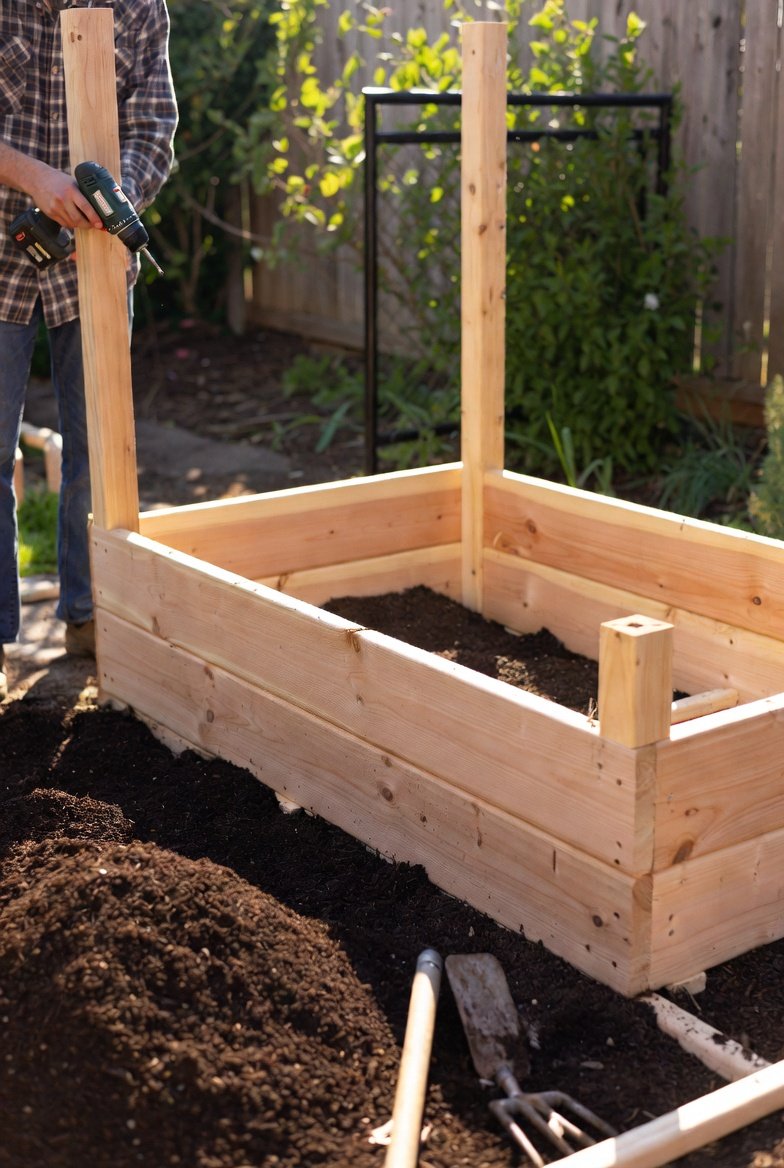
The simplest, most beginner-friendly build: four boards, screws, and a weekend afternoon. A basic rectangular frame using untreated cedar or pine boards (cedar resists rot longer) gives you a durable bed that can last 5-10 years with minimal upkeep.
- Standard size: 4×8 feet, 12 inches deep
- Use corner brackets for extra stability
- Line the bottom with cardboard to suppress weeds before adding soil
Quick tip: Avoid chemically treated lumber for beds growing edible plants stick to untreated wood or a food-safe liner.
2. Cinder Block Raised Bed
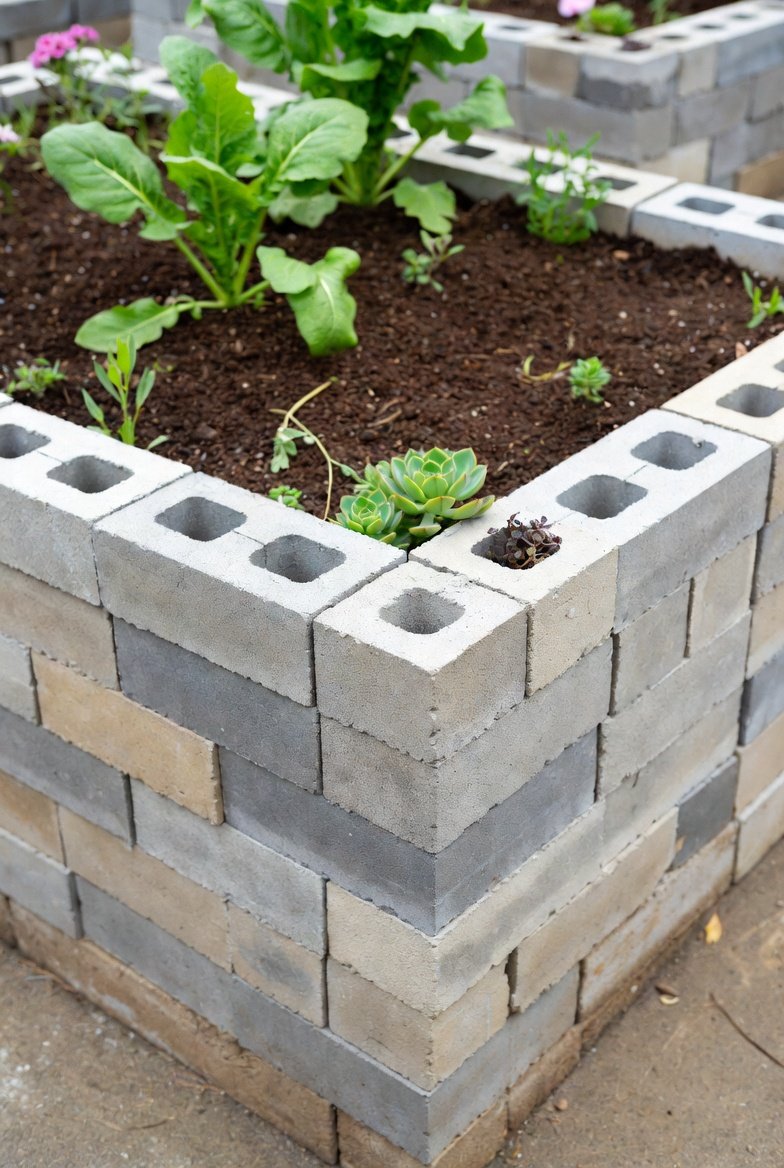
If longevity matters more than speed, cinder blocks won’t rot the way wood eventually does, making this one of the most durable DIY raised bed options around. Simply stack blocks in a rectangle (no mortar required for a low bed) and fill.
Bonus: the hollow openings in each block double as mini planting pockets for herbs, strawberries, or trailing flowers along the border.
3. Repurposed Brick or Paver Bed
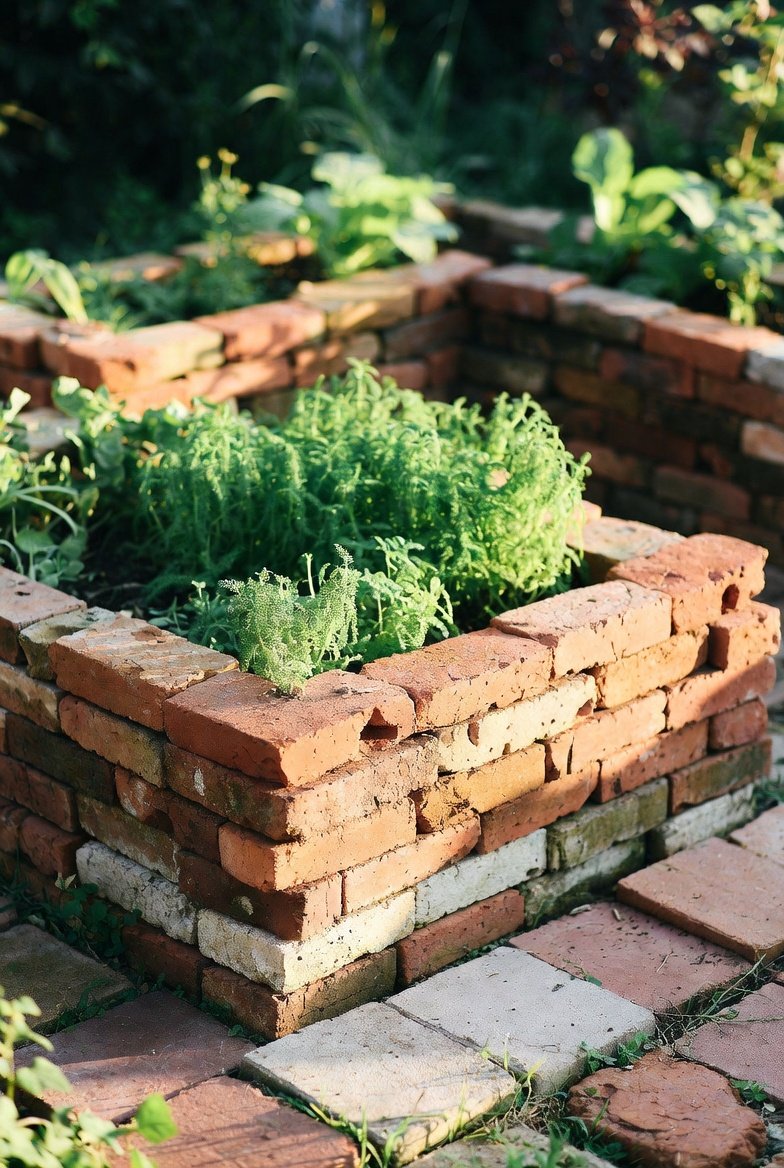
Got a pile of leftover bricks or pavers from an old patio project? Stack them into a low border and you’ve got a raised bed with zero material cost. This design pairs beautifully with a pea gravel path, giving your whole yard a cohesive, intentional look.
[Image placement: A raised bed bordered with reclaimed red bricks, planted with mixed vegetables. Alt text: “Repurposed brick raised garden bed idea for a DIY vegetable garden.”]
4. Galvanized Steel Stock Tank or Container
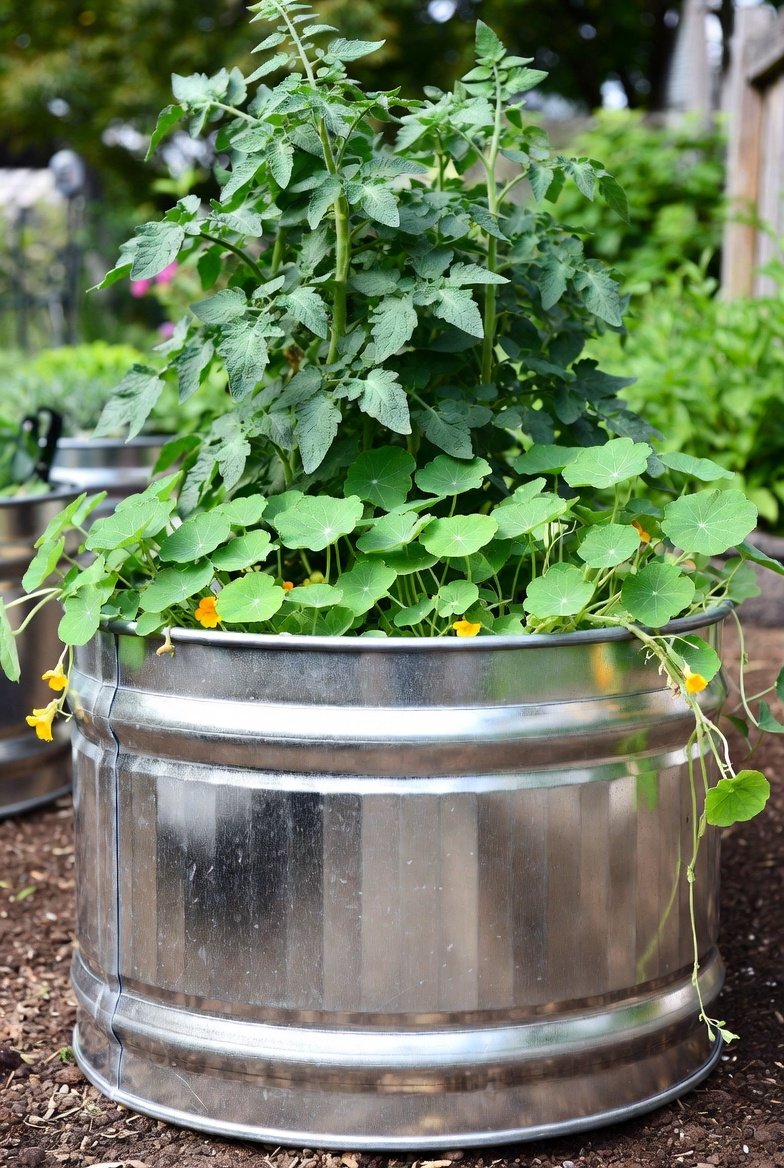
For a modern, farmhouse-style look, a galvanized steel stock tank (or repurposed steel container) makes an excellent raised bed with almost no assembly required. Just add drainage holes to the bottom if there aren’t any already, and fill with soil.
- Heats up faster in full sun, which is great for heat-loving vegetables like tomatoes and peppers
- Extremely durable no rot, no rust for years
- Works well as a striking single focal-point bed rather than a full row
Read Also: 13+ Vegetable Garden Layout Ideas for Every Size Yard
5. Pallet Raised Bed
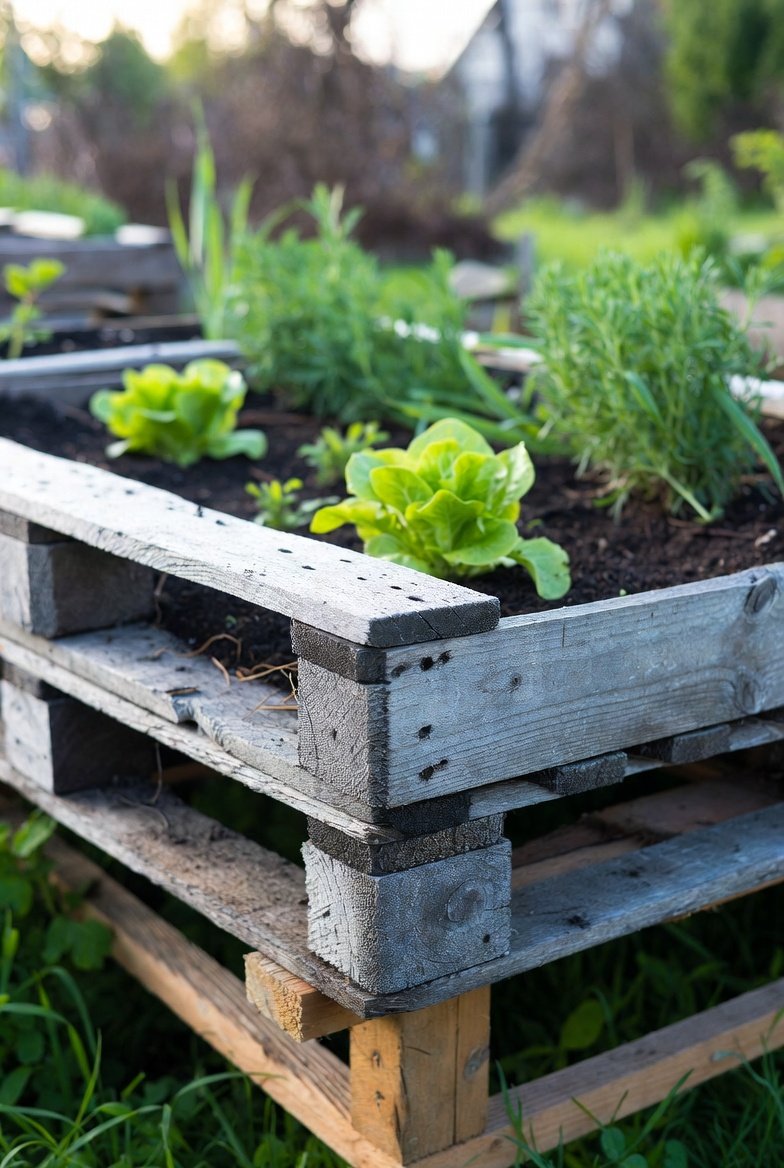
One of the cheapest possible builds: a raised bed made almost entirely from reclaimed wooden pallets. Break the pallet down into individual boards, then reassemble into a simple frame.
Important safety note: only use heat-treated pallets (stamped “HT”), never chemically treated ones, for any bed growing food.
6. Vertical Tiered Raised Bed
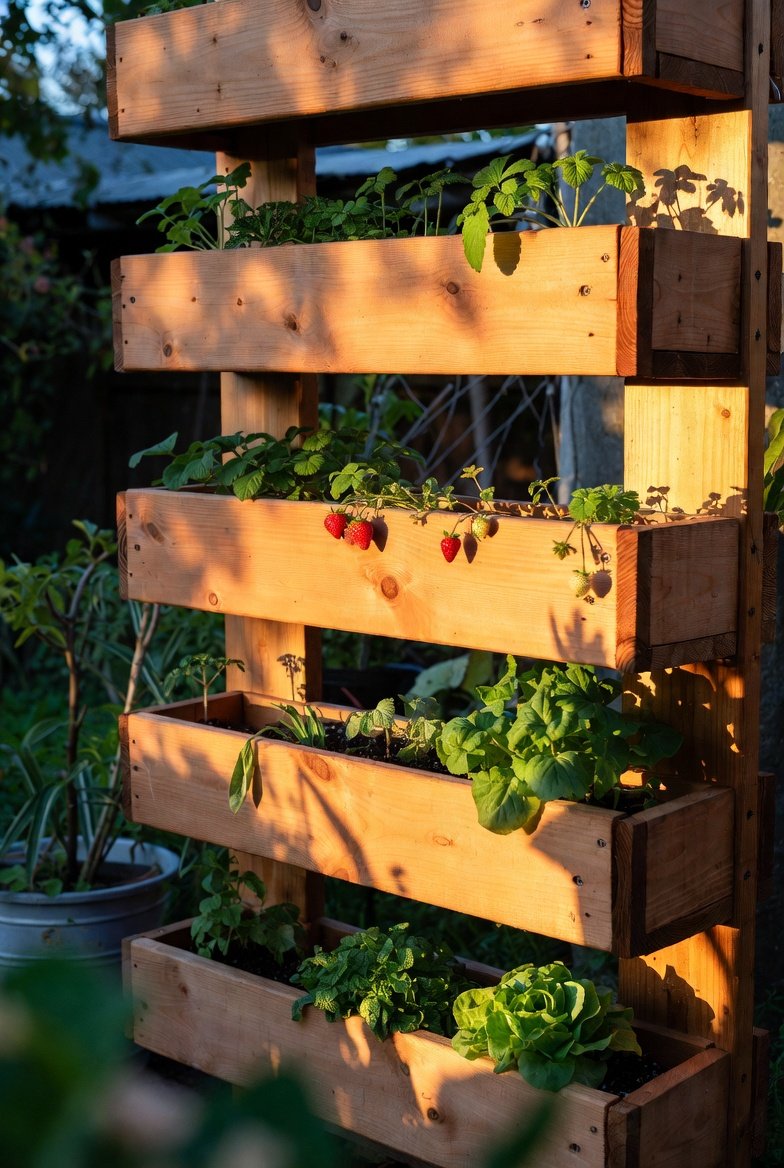
When ground space is tight, a tiered raised bed essentially several small beds stacked at increasing heights lets you grow far more in the same footprint. A tiered vertical garden bed consisting of a series of several small beds is a favorite for small yards, patios, and even balconies.
Save-worthy tip: Keep the tallest tier at the back if the bed sits against a wall or fence, so every level gets equal sun exposure.
[Image placement: A tiered wooden raised bed with three levels, each planted with different herbs and flowers. Alt text: “Tiered vertical raised garden bed idea for a small space.”]
7. Raised Bed With a Built-In Seat Ledge
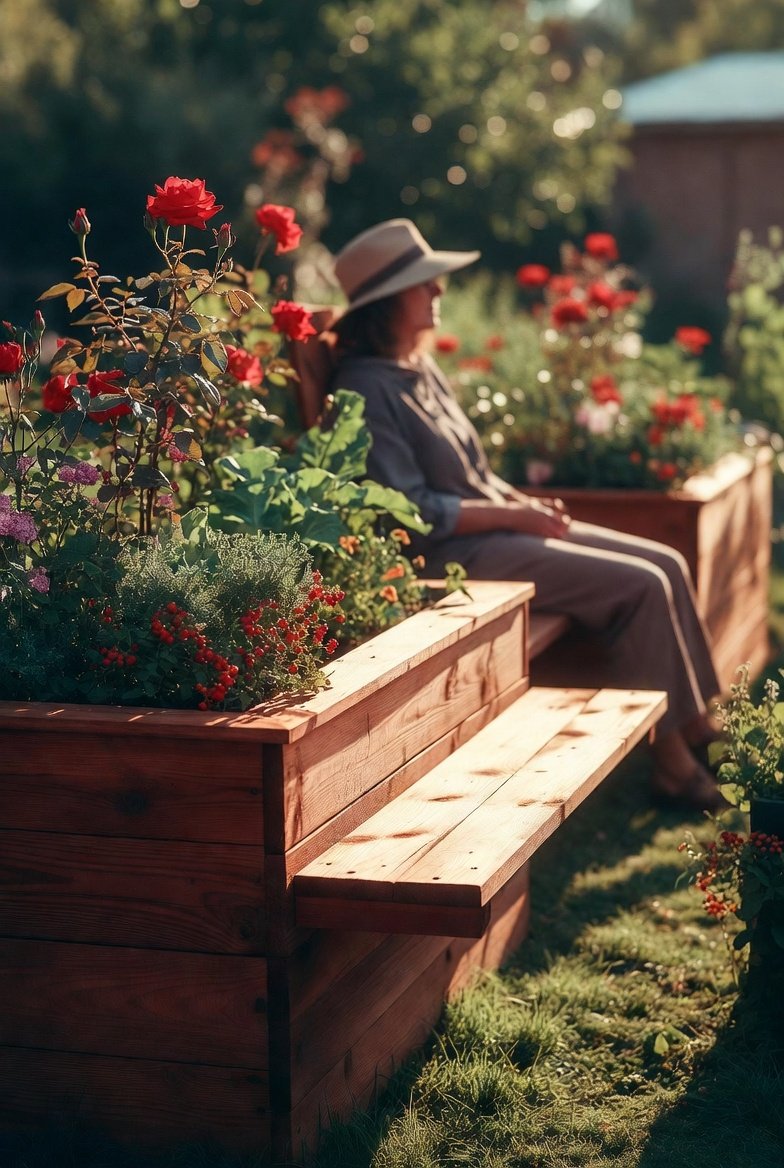
The most common complaint about raised beds is the crouching and kneeling required to tend them. The fix: attach a horizontal board along the top edge of your frame, wide enough to sit or perch on while weeding or harvesting.
It’s a small addition during the build, but it changes the entire day-to-day experience of maintaining your garden turning a chore into something far more comfortable.
8. Keyhole Garden Bed
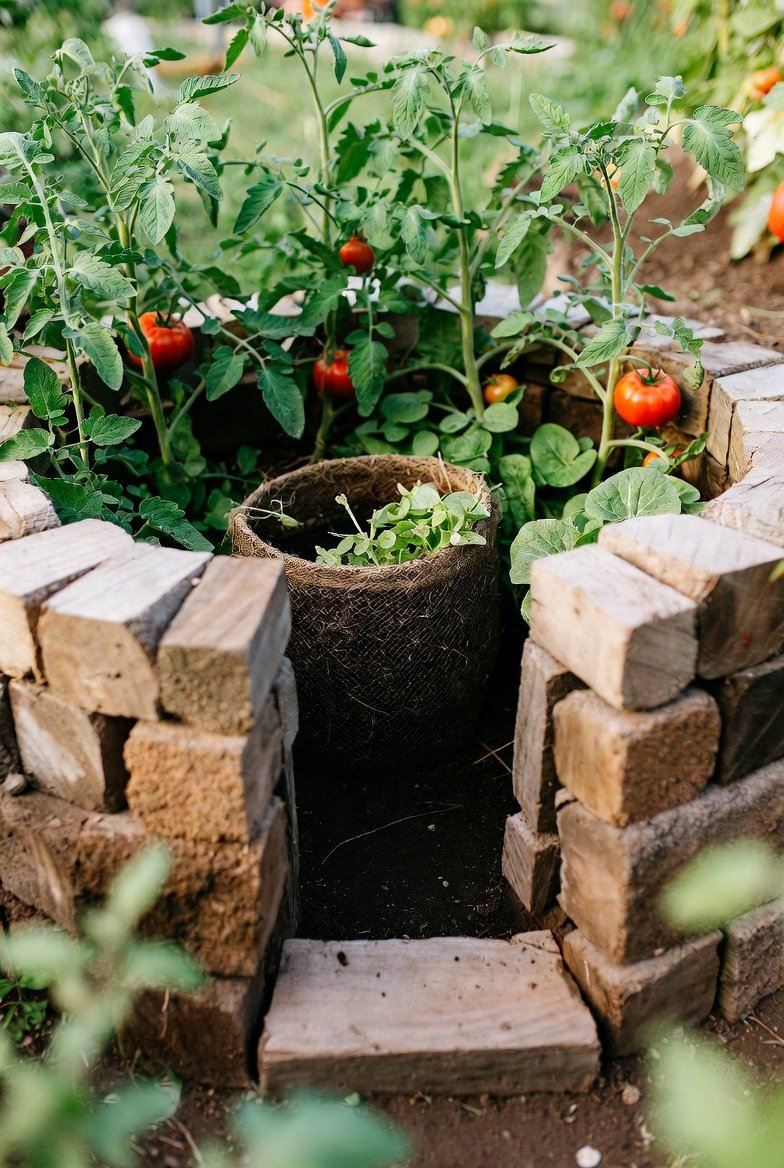
A keyhole garden is a circular or octagonal raised bed with a wedge-shaped notch cut into it, letting you walk to the center without stepping on the soil. Many designs include a compost cage in the center that feeds nutrients directly into the bed as it breaks down a genuinely clever, low-effort feeding system.
This is one of the more advanced builds on this list, but it rewards the extra effort with a self-feeding, highly efficient growing space.
9. Bathtub or Repurposed Furniture Bed
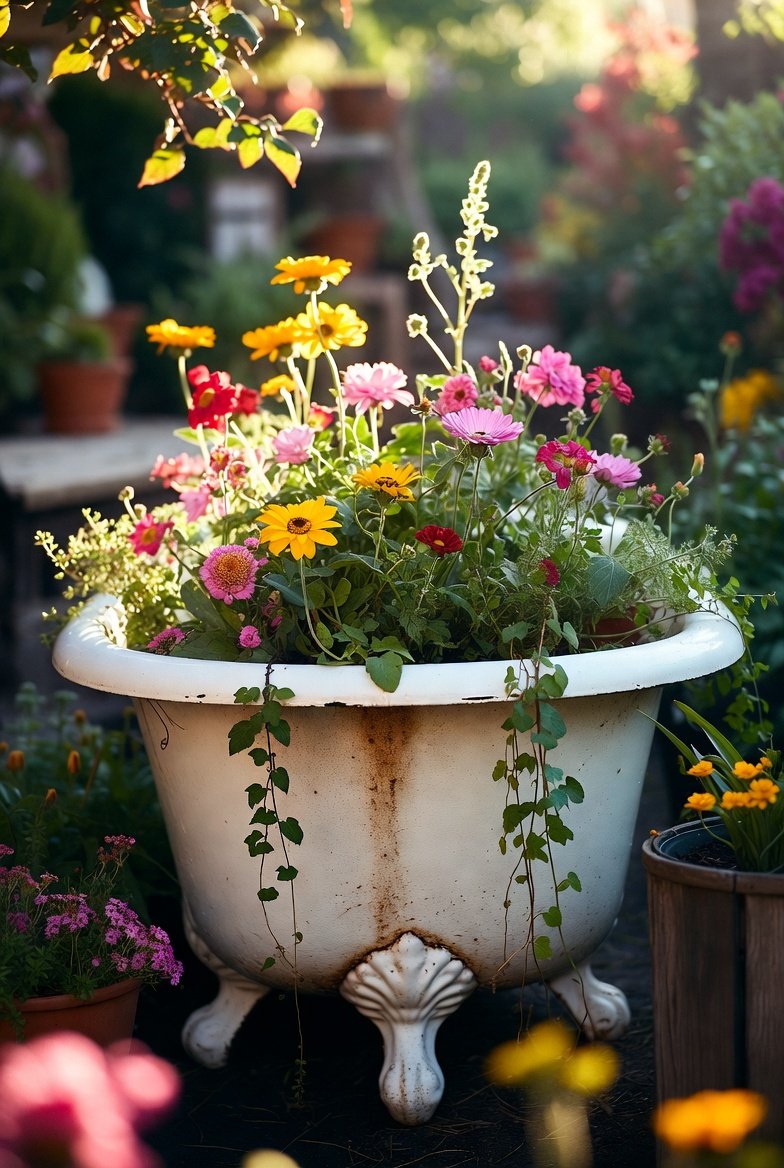
If you have an old freestanding bathtub, dresser, or similar large container heading to the dump, consider giving it a second life as a raised bed instead. Drill drainage holes in the bottom, fill with soil, and you’ve got a genuinely unique, conversation-starting planter at little to no cost.
[Image placement: A vintage claw-foot bathtub repurposed as a raised planting bed, filled with flowers. Alt text: “Repurposed bathtub raised garden bed idea for a unique DIY project.”]
10. Raised Bed With a Trellis Attached
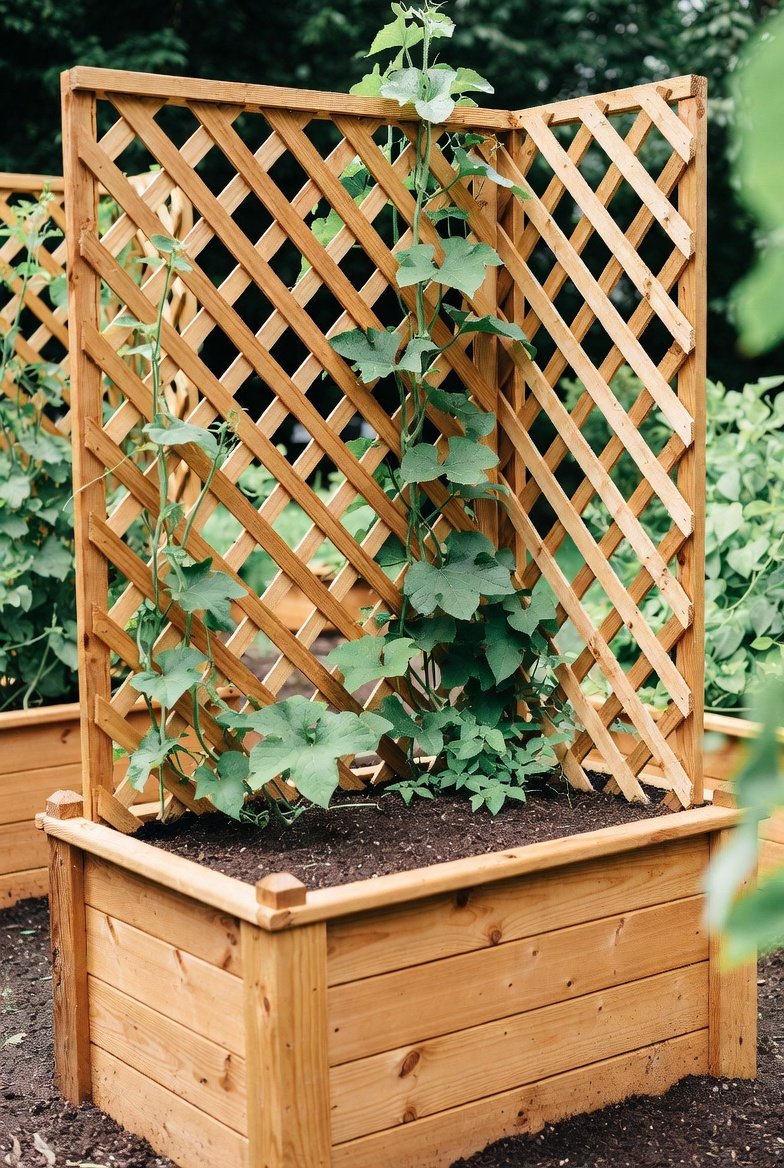
Pairing a raised bed with a built-in trellis at one end solves two problems at once: it gives climbing plants (beans, peas, cucumbers, morning glories) the vertical support they need, and it adds visual height and structure to an otherwise flat bed.
- Keep the trellis on the north side of the bed so it doesn’t shade shorter plants
- Simple cattle panel or wood-and-twine trellises both work well
11. PVC Frame Bed With Removable Cover
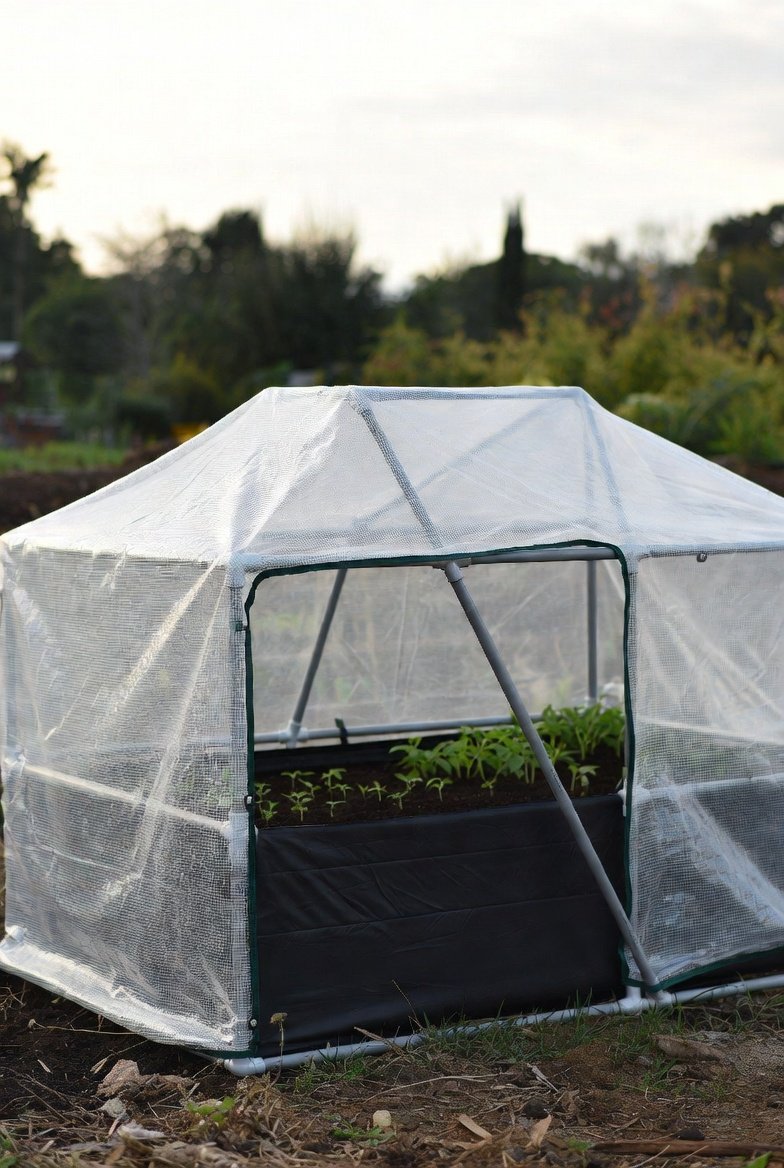
For gardeners dealing with birds, rabbits, or an early or late frost, a wood-and-PVC hybrid frame lets you add a removable mesh or greenhouse cover. You can build the frame with wood and PVC pipe, then install a mesh cover to keep birds and rabbits away.
This design is particularly useful for extending your growing season into cooler months, since a clear cover traps warmth the same way a mini greenhouse would.
12. Octagon or Curved Raised Bed
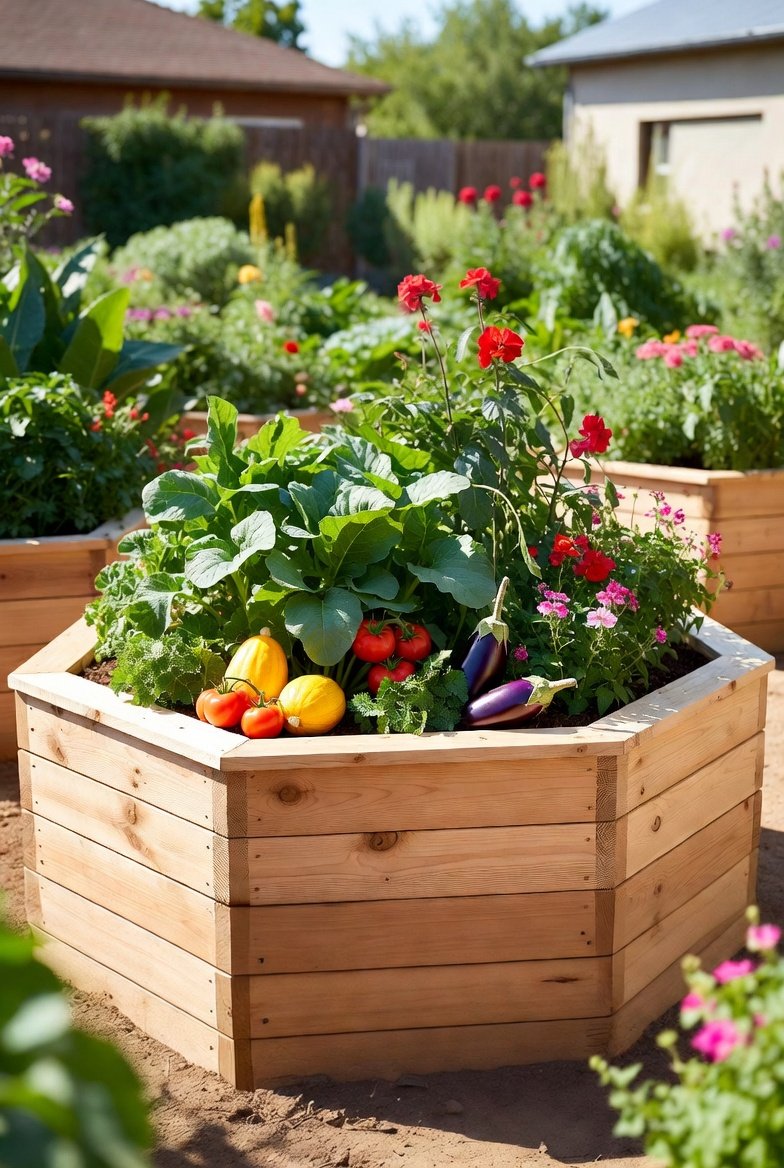
Not every raised bed needs to be a rectangle. An octagonal or gently curved bed adds visual interest to a yard that already has plenty of straight lines (fences, patios, walkways) and can make more efficient use of an oddly shaped corner or side yard.
Quick tip: Curved or angled cuts take more time and precision than a basic rectangle, so this is a better second or third raised-bed project than a first one.
13. Painted Raised Bed for Extra Color
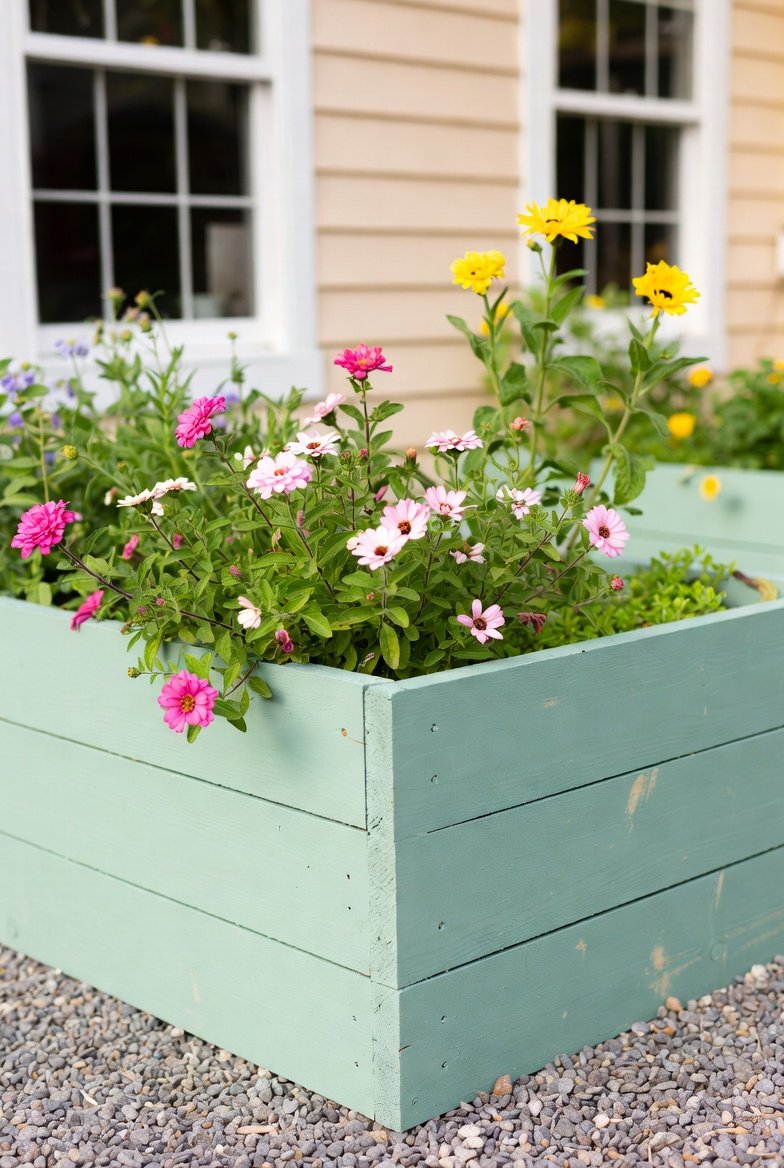
Once you’ve settled on a frame design, don’t assume it has to stay natural wood-colored. A coat of exterior-grade paint in a cheerful color turns a purely functional bed into a genuine design feature and it’s an easy weekend activity to involve kids in.
Quick recap of the fastest beginner builds if you only try three: a classic wood frame, a cinder block bed, and a repurposed brick border. All three require minimal tools and can be finished in a single afternoon.
Frequently Asked Questions
What is the cheapest material for a DIY raised garden bed?
Repurposed materials leftover bricks, pavers, or reclaimed pallet wood are typically the cheapest option, often costing little to nothing if you already have access to the materials.
How deep should a raised garden bed be?
Most vegetables and flowers do well in a bed that’s 10-12 inches deep, though shallow-rooted crops like lettuce and herbs can succeed in beds as shallow as 6-8 inches.
Do I need to line the bottom of a raised garden bed?
Lining isn’t strictly required, but it’s recommended because it helps keep burrowing animals away from the roots and supports good drainage while keeping the soil intact.
Can I build a raised garden bed without power tools?
Yes. Cinder block, repurposed brick, and stacked paver beds require no cutting or power tools at all, making them ideal for complete beginners.
Final Thoughts
A DIY raised garden bed is one of the highest-impact weekend projects a gardener can take on better soil control, easier maintenance, and a defined, polished look for very little cost. Start with a simple wood frame or a stack of reclaimed brick, and once you see how much easier gardening becomes, you’ll likely find yourself planning your second (or third) bed before the season’s over.

