
Confused about whether you’re supposed to feed your houseplants every week, every month, or barely at all? You’re far from alone fertilizing is one of the most overthought parts of houseplant care, and the conflicting advice online doesn’t help.
Here’s the reassuring truth: houseplant fertilizing follows a much simpler rhythm than most guides make it sound. Feed during active growth, ease off during dormancy, dilute more than you think you need to, and adjust slightly by plant type and that’s genuinely most of it. The rest is just building a routine you can follow on autopilot instead of guessing every time you walk past a plant.
Save this guide for later because these 15 steps will help you build a fertilizing schedule that actually matches how your plants grow through the year. And pay close attention to #6, since diluting too little is one of the most common mistakes even experienced plant owners make.
1. Understand Why Houseplants Need Fertilizer At All
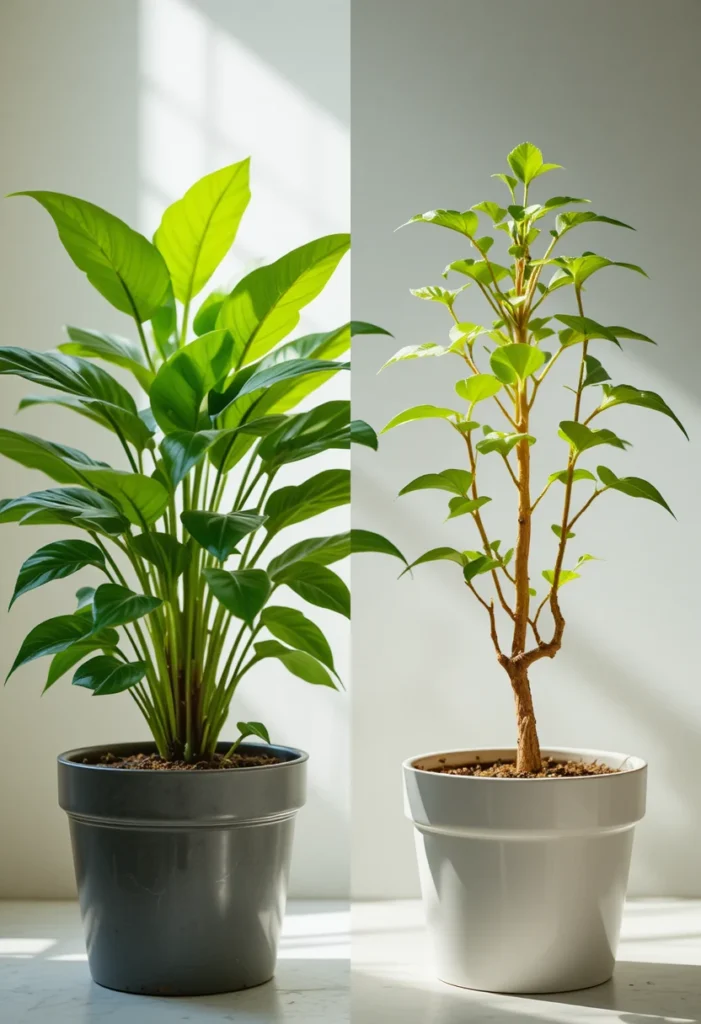
Before building a schedule, it helps to know why fertilizing matters in the first place.
In nature, plants pull nutrients from decaying organic matter and ongoing microbial activity in the soil. A houseplant confined to a pot doesn’t have access to any of that its nutrient supply is limited to whatever’s in the potting mix, and regular watering gradually washes even that away. Fertilizing simply replenishes what a contained pot can’t replace on its own.
2. Fertilize During Active Growth (Spring and Summer)
The core rule that underlies almost every houseplant fertilizing schedule: feed when your plant is actively growing, which for most houseplants means spring and summer.
During this period, most houseplants benefit from fertilizing roughly every two to four weeks, since they’re putting on new leaves and using up nutrients at a much faster rate than during the rest of the year.
Watch for: New leaves unfurling, visible stem growth, or a generally “reaching” look all signs your plant is actively growing and ready to be fed.
3. Cut Back or Stop Entirely in Fall and Winter
As daylight hours shorten and temperatures drop, most houseplants naturally slow down and enter a period of rest, often lasting from around September through March depending on your climate.
During this dormant stretch, reduce fertilizing significantly many plant owners switch to monthly feeding at most, and plenty simply stop altogether until spring. Fertilizing a dormant plant doesn’t help it grow faster; it just risks a harmful buildup of salts in soil the plant isn’t actively using.
Quick summary: Feed generously in the growing season, pull back hard in the dormant season that single seasonal swing does most of the scheduling work for you.
4. Choose the Right Fertilizer Type for Your Schedule
Different fertilizer forms release nutrients at very different speeds, and your chosen type should shape how often you actually feed.
- Liquid fertilizer: fast-acting, typically applied every two to four weeks during growth
- Granular fertilizer: slower release, generally reapplied every four to six weeks
- Slow-release formulas: the lowest-maintenance option, often lasting three to six months per application
Picking one type and sticking with it (rather than layering several at once) makes it much easier to build a predictable, repeatable schedule.
5. Always Water Before You Feed
One of the simplest habits that prevents real damage: never apply fertilizer to bone-dry soil.
Dry roots absorb fertilizer more aggressively and unevenly, which significantly raises the risk of root burn. Water your plant thoroughly first, let any excess drain away, and only then apply your diluted fertilizer solution.
Read Also:12+ Causes of Yellow Leaves on Houseplants (and How to Fix Each One)
6. Dilute to Half or Quarter Strength
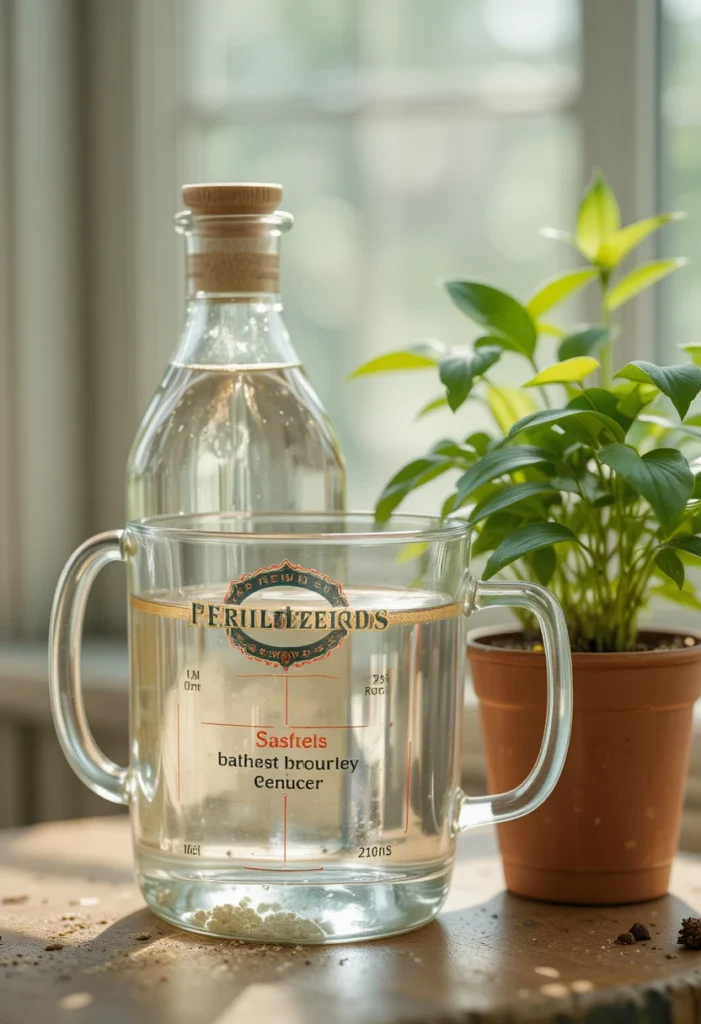
This is the adjustment most beginners skip and it’s one of the most important on this entire list.
Most fertilizer label instructions are written with outdoor garden plants in mind, which grow far more vigorously than the average houseplant. Diluting your fertilizer to half or even quarter strength for indoor plants delivers steady, gentle nourishment without overwhelming their comparatively slower growth rate.
7. Follow a Simple “Weakly, Weekly” or Monthly Routine
Rather than trying to calculate an exact schedule for every plant, most houseplant owners do well settling into one of two simple routines:
- Weakly, weekly: a quarter-strength liquid feed applied every time you water during the growing season
- Monthly: a half-strength liquid feed applied roughly once a month during growth
Both approaches work well the key is picking one and following it consistently, rather than switching methods or guessing on the spot each time.
8. Wait After Repotting Before Fertilizing
If you’ve recently repotted a plant into fresh potting mix, hold off on fertilizing for about four to six weeks.
Fresh potting soil already contains a starting supply of nutrients, and adding fertilizer on top too soon creates exactly the kind of salt overload you’re trying to avoid. Let the plant settle into its new soil first before resuming your regular feeding schedule.
9. Adjust Frequency for Fast-Growing Tropicals

Vigorous growers like monstera, pothos, and philodendron can often handle more frequent feeding than slower-growing houseplants, especially when they’re getting strong light and putting on visible new growth.
For these fast growers, a lighter, more frequent approach such as a diluted feed every one to two weeks during peak summer growth tends to support their pace better than a single monthly dose.
10. Feed Flowering Houseplants a Bit More Often
Blooming takes significantly more energy than simply producing leaves, so flowering houseplants generally benefit from a slightly more frequent feeding schedule than foliage-only plants.
Aim for roughly every two weeks during active growth and blooming, using a fertilizer formulated to support flower production rather than an all-purpose foliage blend, if you have one available.
11. Go Even Lighter for Succulents and Cacti
Succulents and cacti grow much more slowly than typical tropical houseplants, and their fertilizing schedule should reflect that.
Keep any feeding at half strength or less, applied only every two to four weeks during their active late-spring and summer growth, and let the soil dry out completely between waterings before feeding. In winter, hold off on fertilizer entirely, since these plants pause growth almost completely during the cooler, darker months.
12. Flush the Soil Periodically to Prevent Salt Buildup
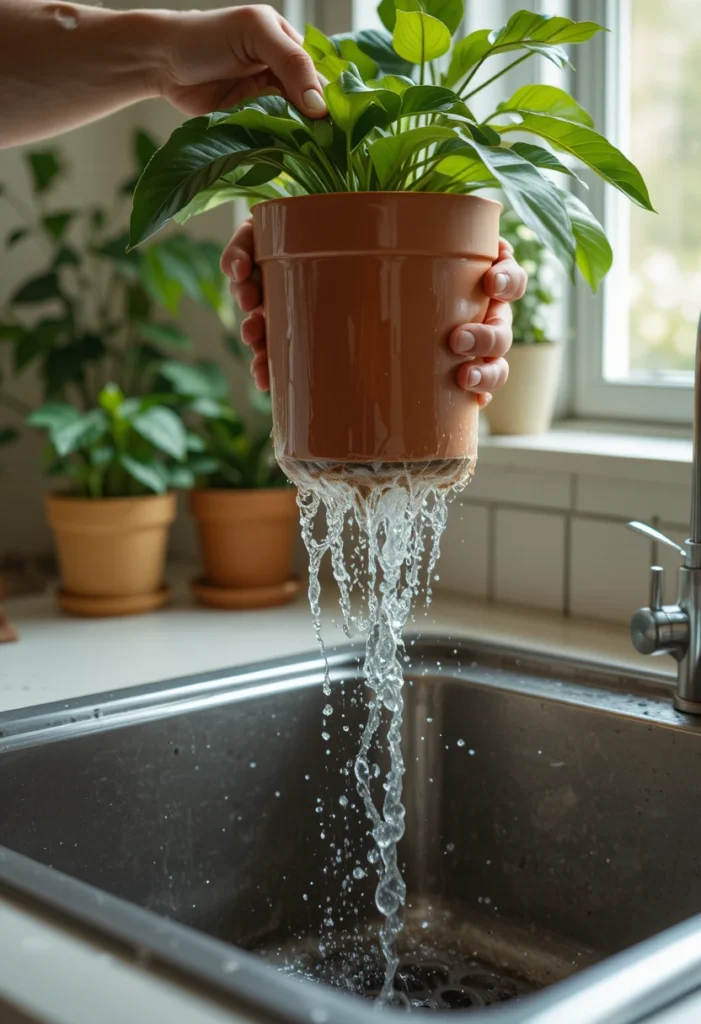
Even with careful dilution, fertilizer salts can gradually accumulate in potting soil over months of regular feeding.
Every four to six weeks, water your plant generously with plain water enough to flow freely through the drainage holes without adding any fertilizer to that particular watering. This periodic flush helps clear out accumulated salts before they build up enough to damage roots or cause visible leaf tip burn.
13. Watch for Signs of Underfeeding
If your fertilizing schedule is too light or too infrequent, your plant will usually show it in a fairly recognizable way.
Look for pale or yellowing leaves, slow or stalled new growth, and small, weak-looking new leaves compared to older growth all common signs a plant is hungry for more nutrients than it’s currently getting.
Fix: Resume or increase your regular feeding schedule gradually, and check that light and watering conditions are also adequate, since poor growth can stem from multiple causes at once.
14. Watch for Signs of Overfeeding
Overfeeding is arguably the more common mistake, especially among well-meaning plant owners trying to help a struggling plant by feeding it more.
Watch for brown, crispy leaf tips or edges, a visible white or yellow salt crust on the soil surface or around the pot’s rim, and sudden wilting or drooping shortly after a feeding.
Fix: Flush the soil thoroughly with plain water, reduce your fertilizer concentration going forward, and space out applications more generously until the plant recovers.
15. Build a Simple Year-Round Schedule You Can Follow on Autopilot
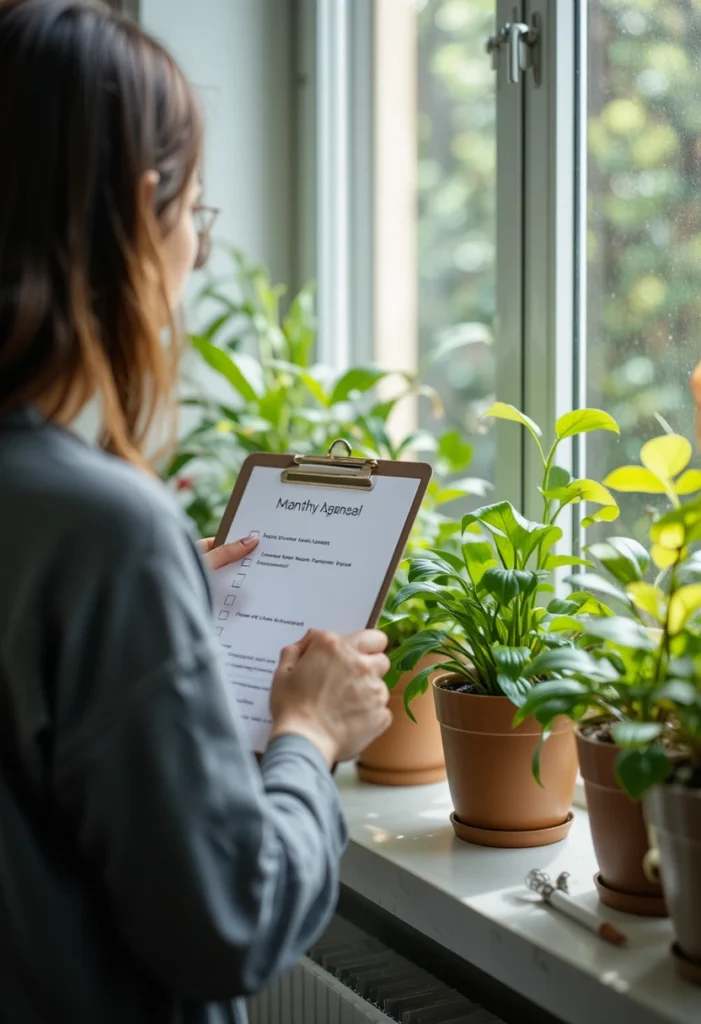
Once you understand the seasonal rhythm and your plants’ individual quirks, the final step is turning all of this into one repeatable routine rather than a decision you make fresh every time.
A simple year-round framework:
- Spring: resume feeding gradually, starting at half strength as new growth appears
- Summer: full feeding season, every two to four weeks depending on fertilizer type and plant vigor
- Fall: taper off gradually as growth slows, moving to monthly or stopping entirely
- Winter: pause fertilizing for most houseplants, resuming again as spring growth begins
Pick one consistent day each month to check your plants and apply this framework, and fertilizing stops being a source of stress and becomes just another simple part of your regular plant care routine.
Frequently Asked Questions About Houseplant Fertilizing
How often should I fertilize houseplants in general?
Most houseplants do well with feeding every two to four weeks during active growth in spring and summer, tapering to monthly or none at all during fall and winter dormancy.
Can I fertilize houseplants year-round?
It’s generally not necessary and can risk salt buildup, since most houseplants slow their growth significantly in fall and winter and don’t need the extra nutrients during that time. Plants grown under consistent grow lights year-round may be an exception.
What happens if I forget to fertilize my houseplants?
Occasional missed feedings rarely cause serious harm most houseplants will simply show slower growth or paler leaves over time rather than any sudden, dramatic decline.
Is it better to underfeed or overfeed houseplants?
Underfeeding is much easier to correct, showing up as slow growth that improves once feeding resumes. Overfeeding can cause root burn and salt damage that takes longer to reverse.
Bringing It All Together
A houseplant fertilizing schedule doesn’t need to be complicated it just needs to follow your plants’ natural rhythm: generous feeding during active growth, a real pause during dormancy, proper dilution, and the occasional soil flush to keep salts from building up. Adjust slightly for fast growers, flowering plants, and succulents, and you’ve covered nearly every houseplant in a typical collection.
Once you settle into one simple, repeatable routine, fertilizing stops feeling like a guessing game and becomes one of the easiest, most satisfying habits in your plant care routine.