
A beautiful garden does not have to depend on expensive ornaments, designer planters, or a large landscaping budget. With a little creativity, ordinary household items can become attractive decorations, planters, garden signs, lighting features, and artistic accents. These simple projects are especially useful when you want your outdoor space to feel personal without spending too much.
The best part about 13+Garden ideas is that many projects can be made from things you already have at home. Old containers, wooden pallets, glass jars, unused furniture, stones, cans, bottles, and broken pots can all be given a second life. Upcycling these materials can add character while reducing waste. Recent DIY garden guides also highlight recycled bottles, pallets, cans, jars, and old furniture as inexpensive ways to create useful outdoor features.
If your backyard, patio, balcony, or small garden feels plain, you do not need to redesign everything at once. Start with one small project, see how it changes the space, and then add another. In this guide, you will discover practical 13+Garden ideas that combine creativity, affordability, and everyday materials to create a garden that feels welcoming and uniquely yours.
1. Turn Old Tin Cans Into Colorful Planters
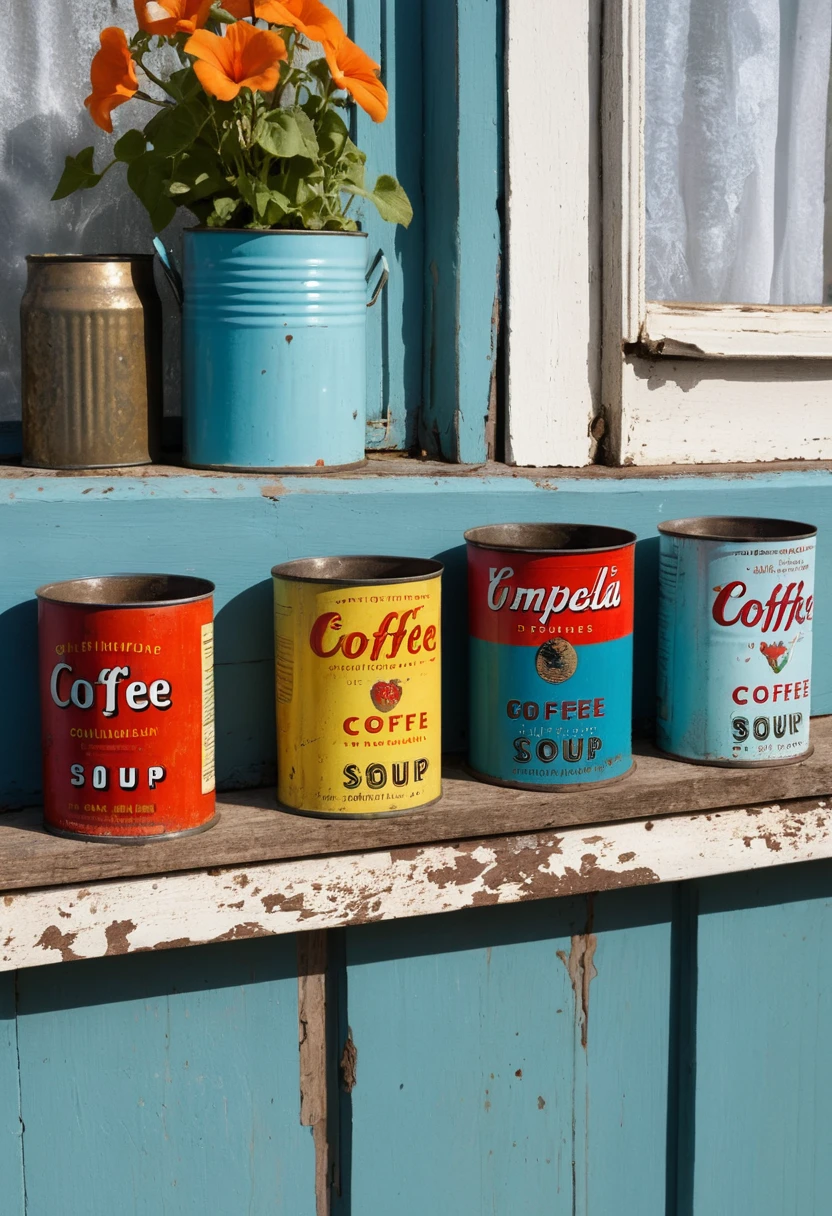
One of the easiest 13+Garden ideas is transforming empty tin cans into small planters. Wash the cans thoroughly, remove or smooth any sharp edges, and make a few drainage holes in the bottom. You can then paint them in colors that complement your garden.
Use these small planters for herbs, flowers, succulents, or compact foliage plants. Arrange several cans together on a shelf, hang them from a fence, or attach them to a wooden board for a vertical display. Recycled tin containers are particularly useful when floor space is limited, making this idea suitable for balconies and tiny patios as well.
Make a Simple Herb Display
Paint each can with the name of an herb such as mint, basil, parsley, or thyme. Place the containers where they receive suitable sunlight and keep them watered according to the needs of each plant.
This project combines decoration with usefulness. Instead of simply adding an ornament, you create something that can provide fresh herbs for your kitchen while making an otherwise empty wall more interesting.
2. Create a Painted Rock Garden
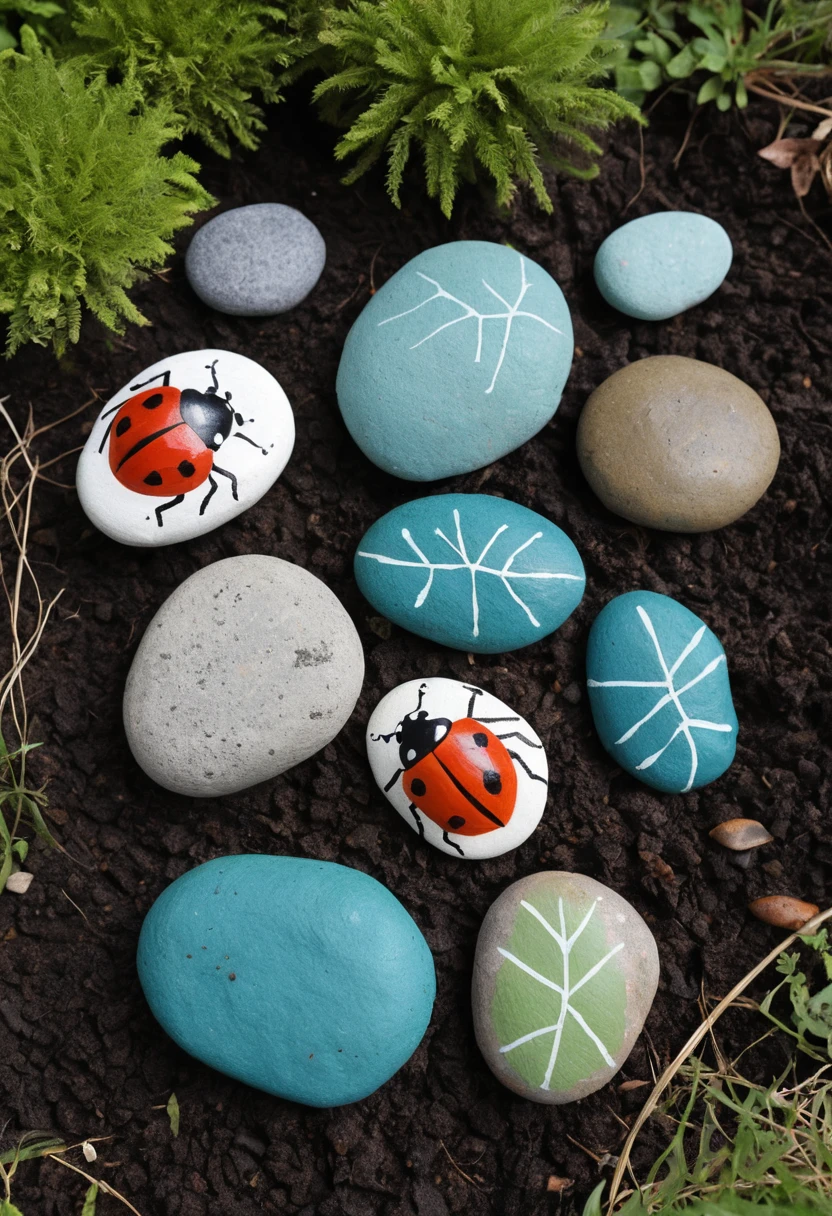
Painted stones are another inexpensive way to add personality to your garden. Collect smooth stones from a safe and appropriate source, clean them, and allow them to dry. Then use outdoor safe paint to create flowers, insects, patterns, inspirational words, or simple geometric designs.
Arrange your painted rocks along pathways, around flower beds, beside pots, or near a seating area. You can even create small garden markers by painting the names of herbs and flowers on individual stones.
Try Simple Natural Designs
You do not need advanced artistic skills. Small dots, leaves, stripes, hearts, mushrooms, bees, and flowers are easy patterns for beginners. A consistent color palette can make several different stones look like one coordinated decoration.
For durability, choose suitable outdoor paint and protect finished pieces according to the manufacturer’s instructions. Keeping the design simple often makes the final result look more polished.
3. Build a Rustic Pallet Plant Wall
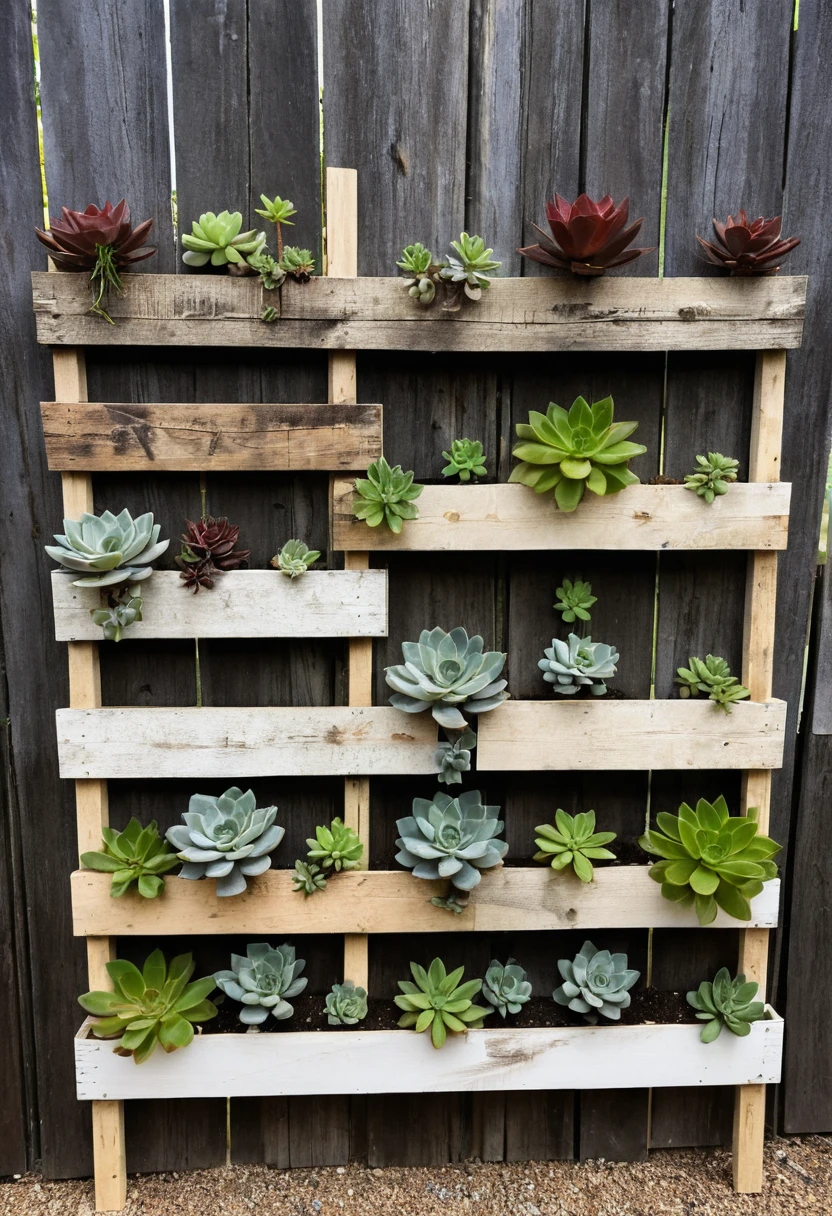
If you can find a safe, suitable wooden pallet, it can become a striking vertical garden feature. Pallet projects are popular because they can provide planting space without taking up much ground area. Current DIY garden resources also highlight pallet herb walls, vertical planters, and hanging planter displays as affordable projects.
Sand rough surfaces, inspect the wood carefully, and use appropriate outdoor treatment if needed. Attach suitable planting containers securely, fill them with appropriate growing medium, and add herbs or decorative plants.
Give the Pallet a Finished Look
You can leave the wood natural for a rustic appearance or paint it to coordinate with your outdoor furniture. Add small labels, hooks, or decorative elements to make it both attractive and practical.
A pallet wall works particularly well against a blank fence or exterior wall. It adds height and visual interest while allowing you to grow plants in a relatively small footprint.
4. Make Mason Jar Garden Lanterns
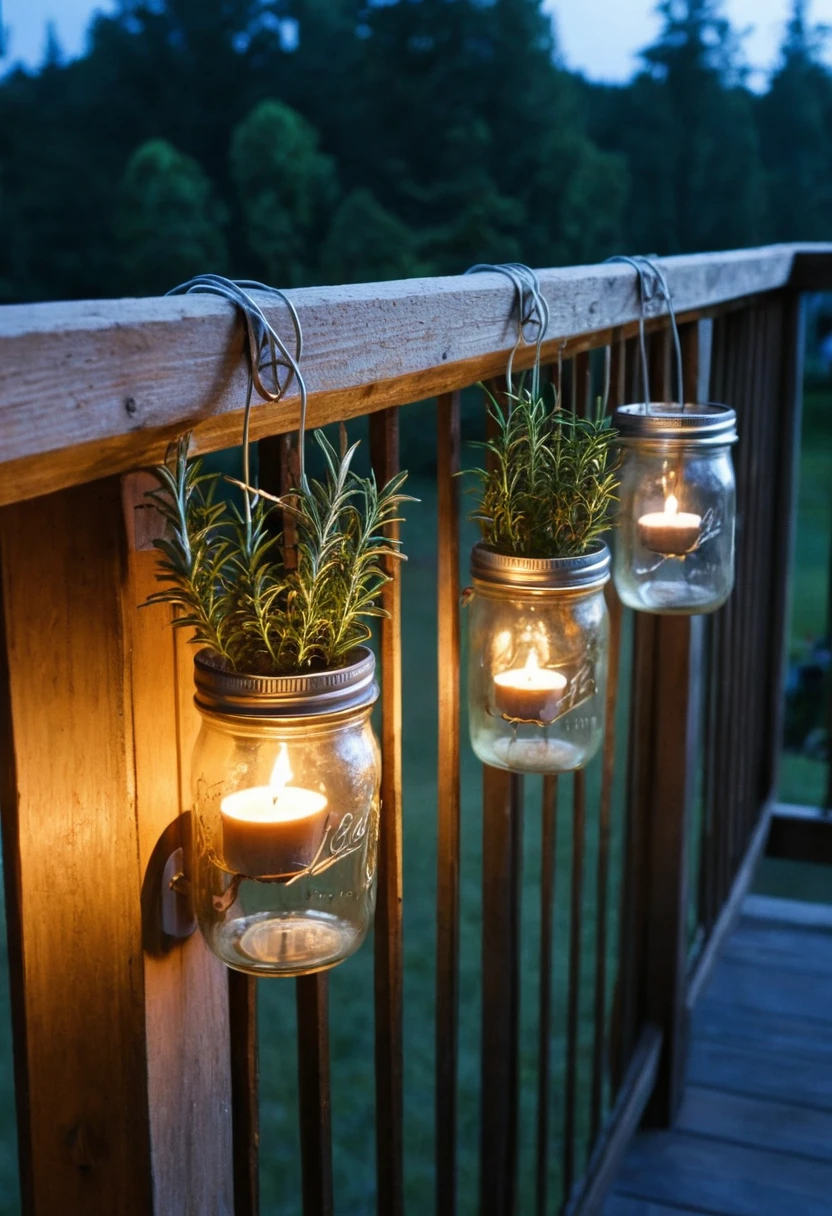
For inexpensive evening decoration, turn clean glass jars into simple lanterns. Add battery-operated or solar-compatible lights designed for outdoor use, then position the jars on tables, steps, shelves, or along a safe garden path.
This is one of the easiest 13+Garden ideas because the basic design can be completed with very few materials. You can wrap the jars with twine, add decorative wire, or paint small patterns around the outside.
Create a Warm Evening Corner
Place several jars at different heights around a seating area rather than lining them up perfectly. The variation creates a relaxed handmade appearance.
Always choose lighting products that are appropriate for outdoor conditions and keep electrical components protected from moisture according to their instructions. The goal is gentle atmosphere rather than excessive brightness.
5. Reuse Broken Pots for a Mini Fairy Garden
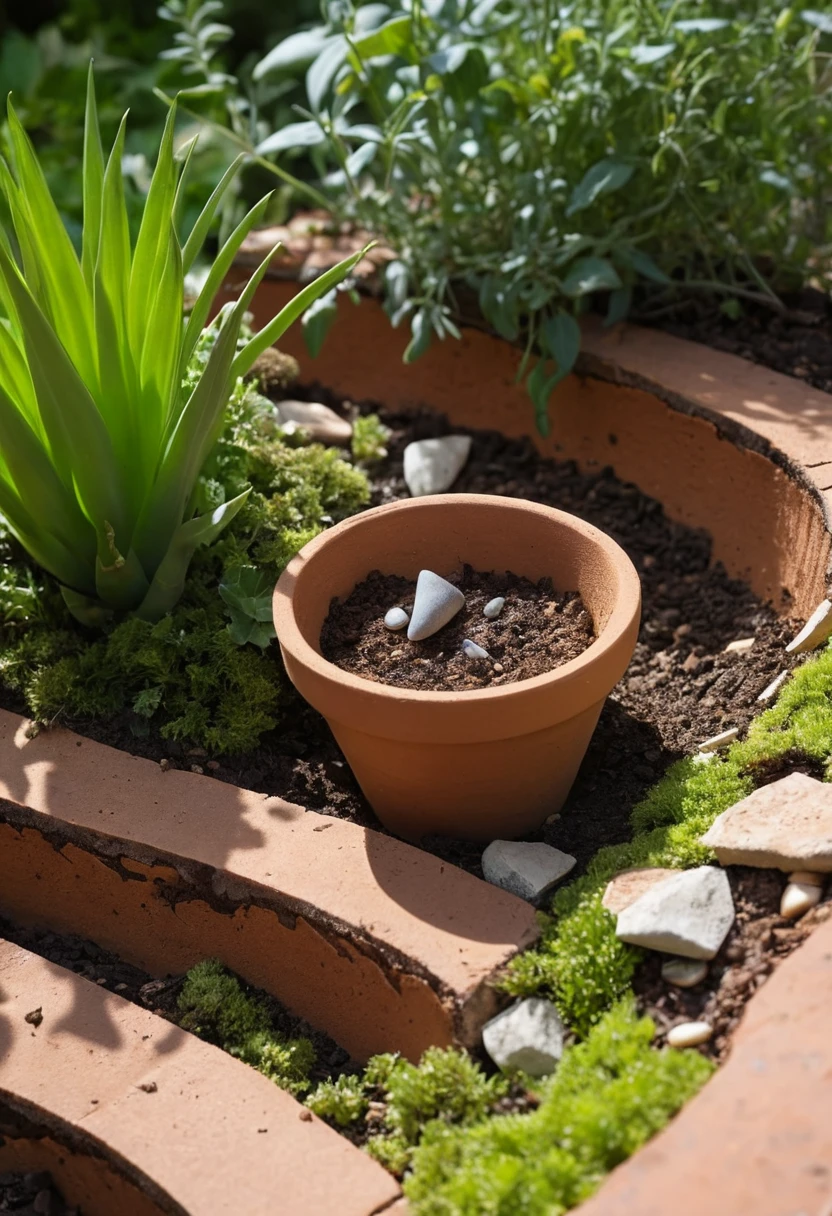
Do not immediately throw away a cracked terracotta pot. If it can be safely used, a broken section can become part of a miniature garden scene. Add small plants, stones, moss-like ground cover, and tiny decorative features to create a miniature landscape.
Broken pots can also be arranged creatively to form levels or small planting displays. This approach gives damaged containers a new purpose instead of sending them to the trash. Reusing broken terracotta pots for miniature gardens is also a common theme in recycled garden projects.
Keep the Mini Garden Simple
A tiny path made from pebbles, a miniature bench, or a small handmade sign can be enough. Avoid overcrowding the container because the plants and natural textures should remain the main attraction.
This project is particularly fun for families because children can help choose the miniature decorations and arrange the scene.
Read also: 13+ Flower Garden & Planting Ideas: Lavender Garden Ideas and Care Tips
6. Turn an Old Chair Into a Flower Display
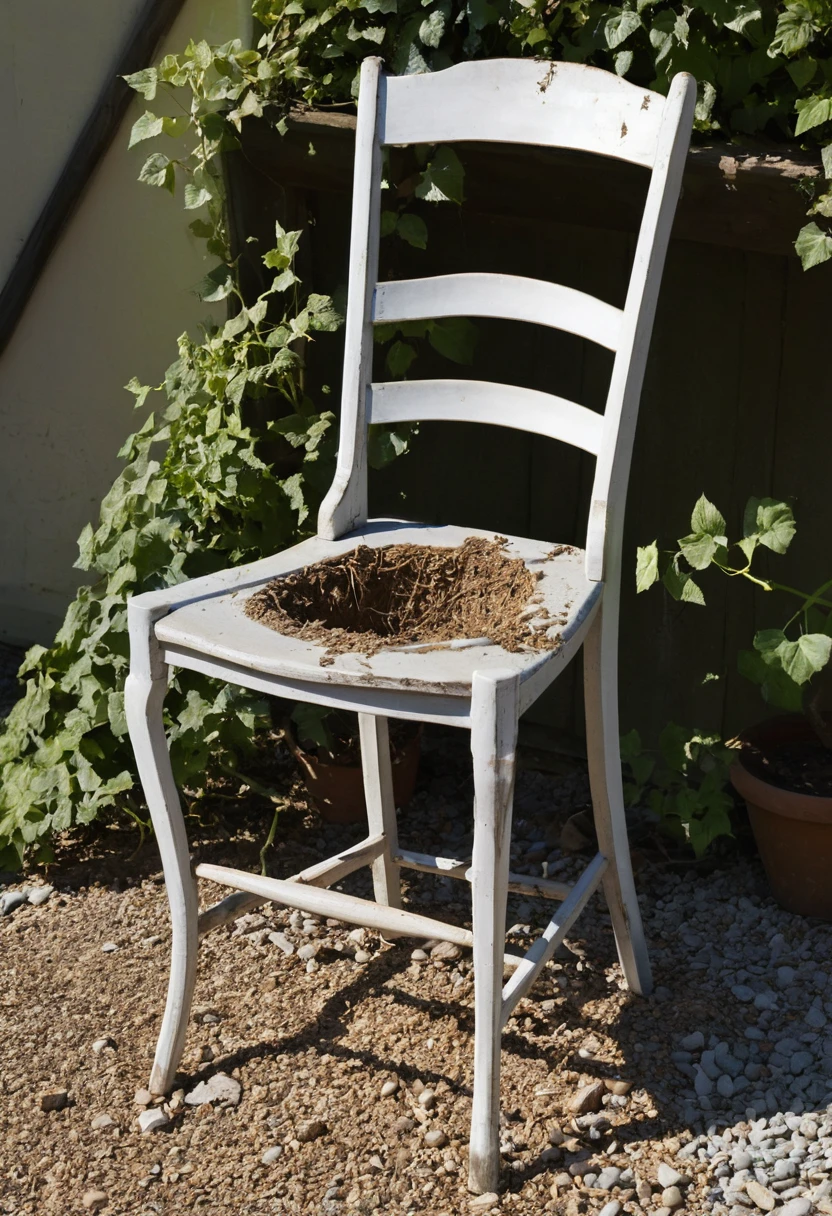
An unused wooden or metal chair can become an unusual garden focal point. Instead of keeping it in storage, place a suitable planter on the seat and allow flowers or trailing plants to create a cascading effect.
For a stronger decorative statement, paint the chair in a cheerful outdoor color before positioning it. Make sure the chair is stable and appropriate for outdoor conditions.
Choose the Right Location
An old chair planter can look beautiful beside a garden entrance, under a tree, near a shed, or at the end of a pathway. It works best when surrounded by real plants so the furniture feels integrated into the landscape.
The idea does not require expensive materials. In many cases, the chair is already available, making paint and plants the primary expenses.
7. Make a DIY Garden Sign
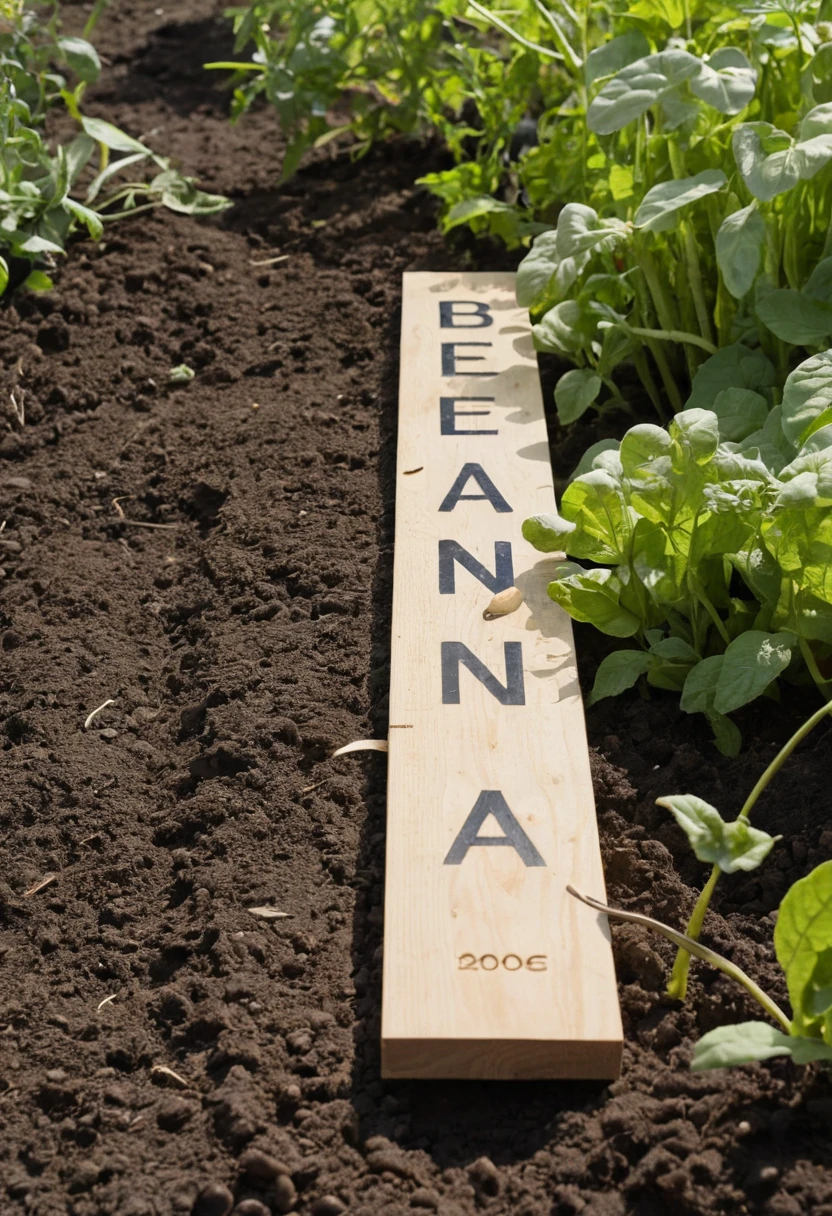
A handmade garden sign can add charm without requiring much money. Use a scrap piece of suitable wood, paint it, and write a short phrase such as “Welcome to the Garden,” “Grow,” or “Garden Corner.”
You can also create signs for specific areas, such as herb gardens, vegetable beds, or flower borders. A simple hand-painted sign often looks more natural than an expensive manufactured decoration.
Add Rustic Details
Use rope, old hooks, small wooden pieces, or leftover hardware to give the sign a rustic appearance. Slightly imperfect lettering can actually enhance the handmade character.
Keep the sign protected from weather with an appropriate exterior finish if the material and paint require it.
8. Create a Bottle Garden Border
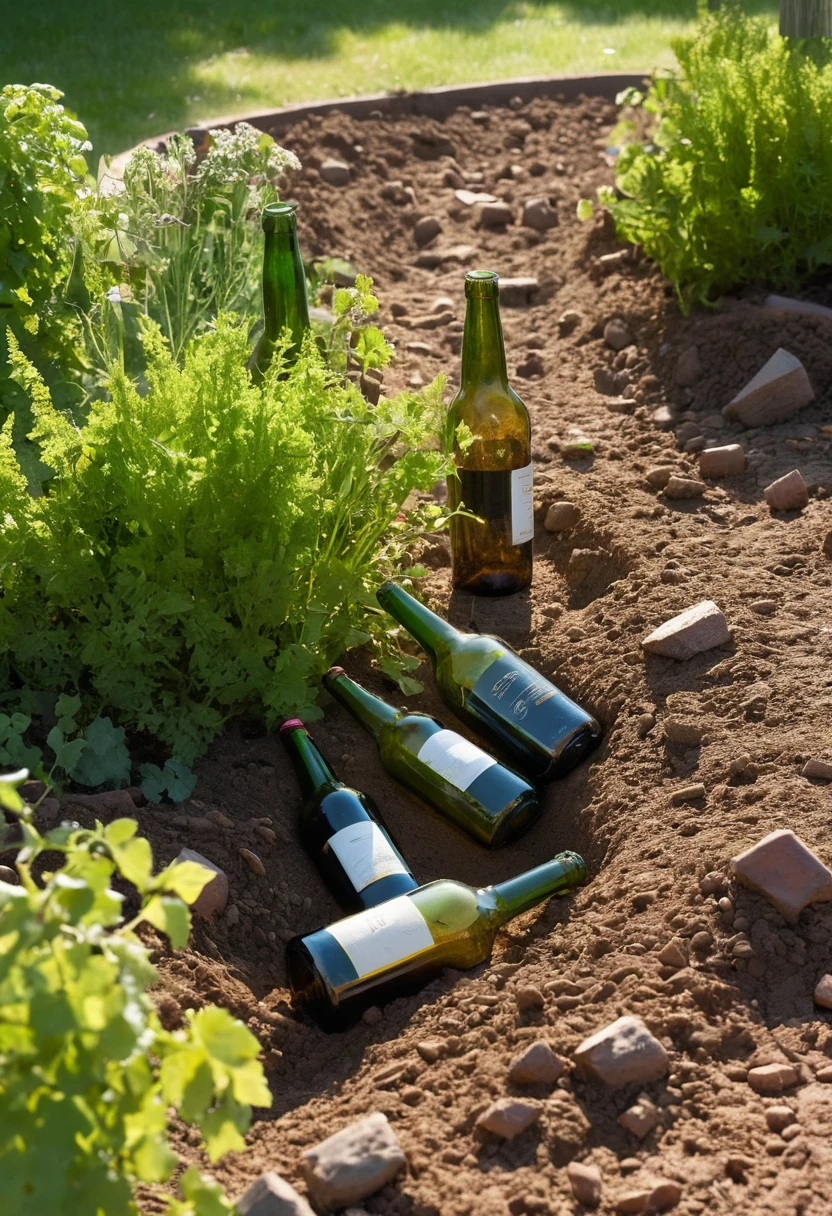
Glass bottles can become an attractive border around a flower bed or pathway when used safely and appropriately. Clean bottles can be arranged in a consistent pattern to create a decorative edge that catches sunlight.
Recent budget DIY garden articles specifically suggest reusing glass bottles as colorful garden borders.
Plan the Border First
Before installing anything, place the bottles temporarily to determine the spacing and overall shape. Keep pathways clear and make sure exposed glass does not create a safety hazard.
If you have children or pets, consider whether glass is appropriate for your garden. In areas where breakage could be a concern, choose a safer alternative such as smooth stones, wooden edging, or purpose-made garden borders.
9. Build a Twig and Branch Trellis
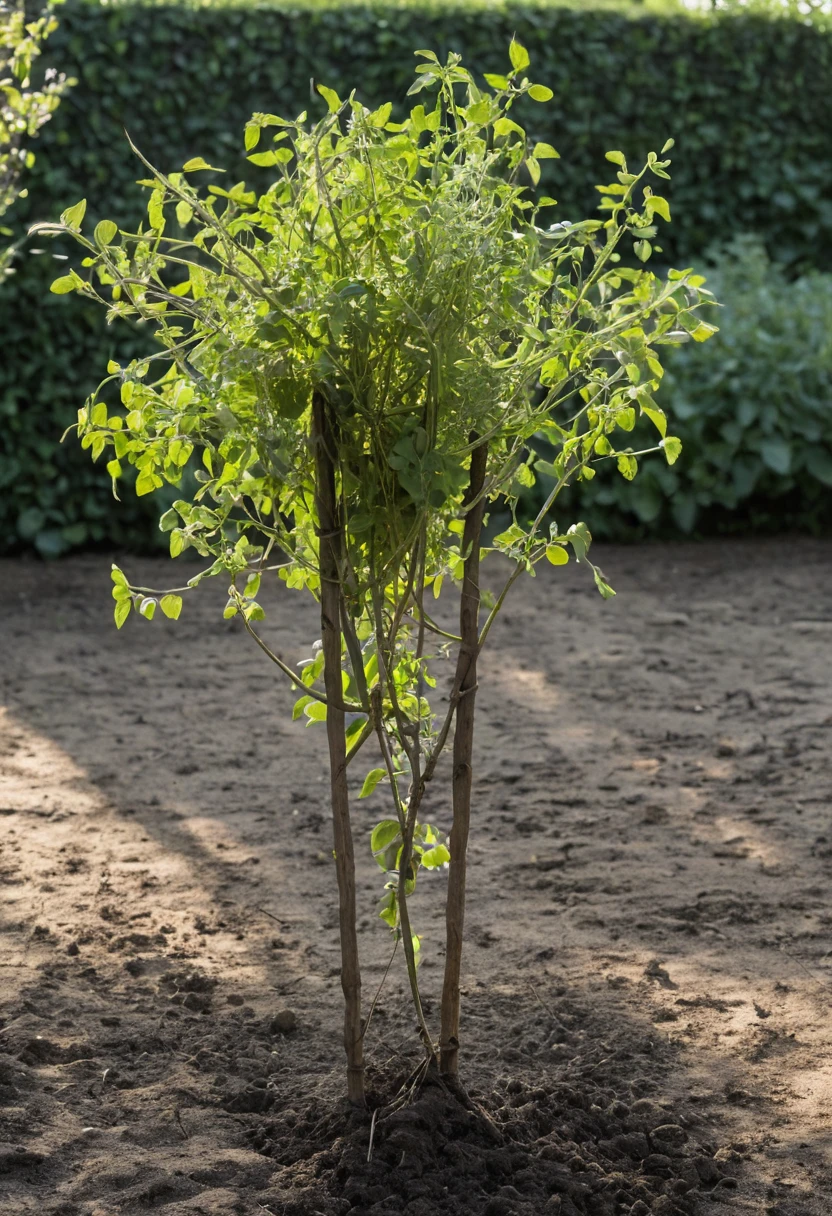
Small branches from suitable garden pruning can become a rustic trellis for climbing plants. Arrange sturdy sticks into a simple grid or fan shape and secure the intersections with garden-safe ties or strong natural twine.
This is one of the most affordable 13+Garden ideas because the primary material can come from pruning that would otherwise be discarded. A twig trellis also blends naturally with flowers, vines, and foliage.
Use It as a Garden Focal Point
Position the trellis against a wall, fence, or open area where climbing plants can grow upward. You can also use it to visually divide two garden sections.
Choose branches that are strong enough for the mature plant and secure the structure properly. A decorative trellis should be attractive, but it also needs to remain stable as the plant grows.
10. Make a Hanging Colander Planter
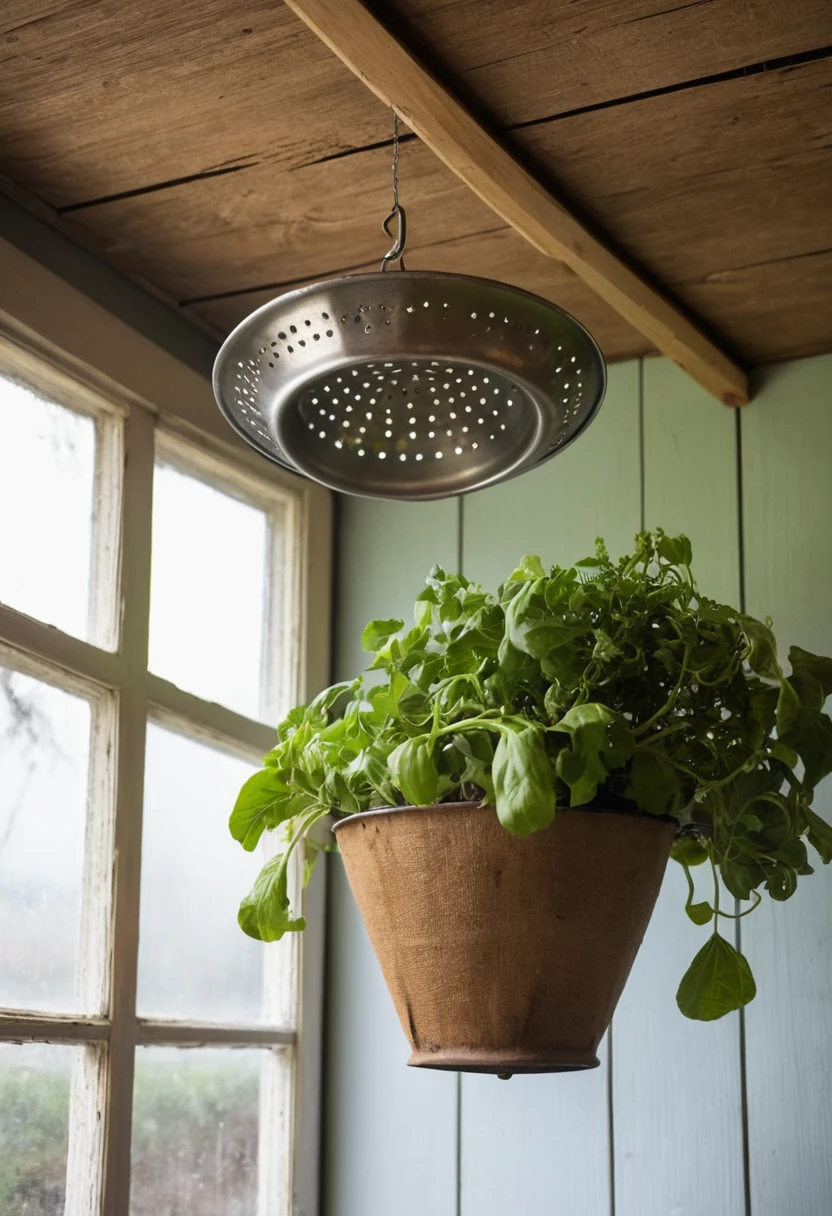
An old colander already has drainage holes, which makes it an interesting candidate for a hanging planter. Add a suitable liner, growing medium, and compact plants, then hang it securely.
HGTV also features reused colanders as hanging planters because their existing drainage holes make them practical for this purpose.
Add Trailing Plants
Plants with trailing growth can make the container look fuller as they spill over the sides. Place the planter where its weight can be safely supported and check the hanging hardware regularly.
This idea works especially well for balconies, porches, and small gardens where every square foot matters.
11. Give Old Boots a New Life as Planters
Old boots can create playful garden decorations. Fill a suitable boot with growing medium and choose a plant that fits the available space.
Arrange several boots in a row or place one beside a garden gate. Brightly painted boots can create a cheerful display, while naturally worn boots give a rustic cottage-garden appearance.
Choose Plants Carefully
Compact flowers and plants that tolerate container conditions are usually easier to manage. Make sure excess water can drain away so the roots do not remain unnecessarily wet.
This type of decoration works best as an accent rather than filling the entire garden with unusual containers.
12. Create a DIY Stepping-Stone Path
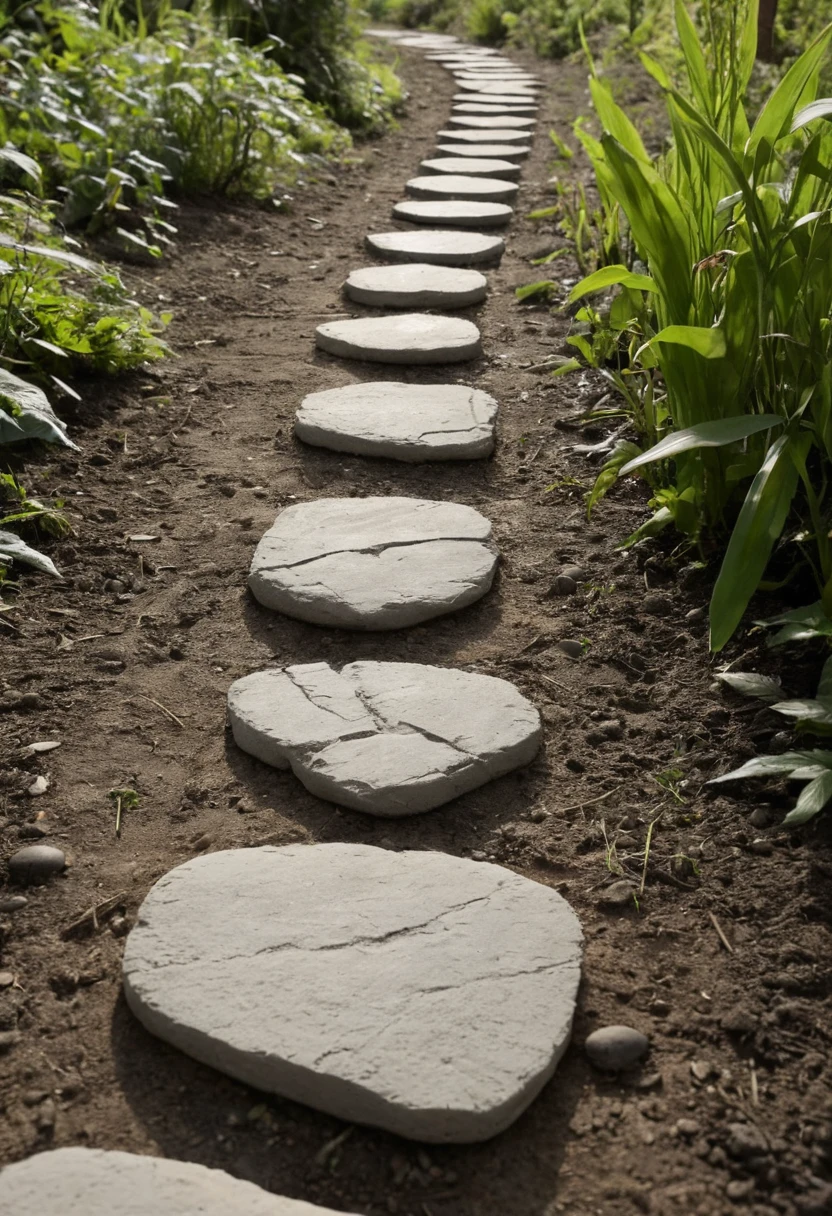
A garden path can be decorative as well as functional. Instead of covering a large area with expensive materials, create a simple path using affordable stepping stones, reclaimed materials, or suitable natural stones.
Arrange the stones so there is a comfortable walking route between major garden areas. Leave enough space between plants so the path does not feel crowded.
Add Plants Around the Edges
Low-growing plants can soften the edges of a path and make it appear established. Small stones or mulch can also help define the route.
The important thing is to make the path practical first. Decorative details should never make walking difficult or unsafe.
13. Make a DIY Wind Chime
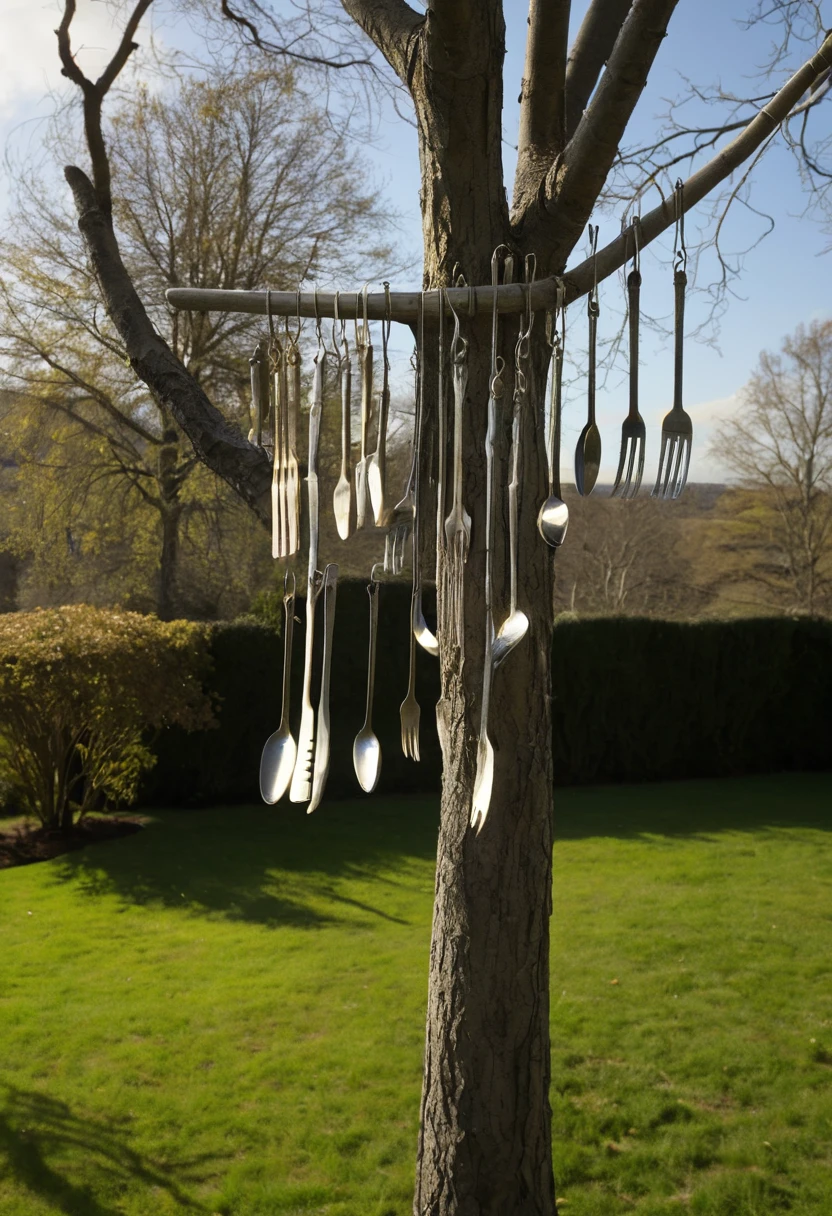
A homemade wind chime can add movement and sound to your garden. Reuse safe lightweight materials such as small pieces of wood, suitable metal pieces, beads, shells, or other craft materials.
Tie the pieces to a sturdy branch or frame and hang the finished decoration where a gentle breeze can move it. Recycled-material wind chimes are frequently included among low-cost handmade garden projects.
Match the Style to Your Garden
For a rustic garden, use natural wood and neutral materials. For a colorful family garden, paint selected pieces in cheerful shades.
Make sure every piece is securely attached and avoid materials that could create sharp edges or become dangerous if they fall.
The idea behind 13+Garden ideas is to look at ordinary objects differently. A container does not have to remain a container, and a piece of old wood does not have to remain unused. With thoughtful cleaning, preparation, and design, many everyday materials can become useful garden features.
FAQs
What is the cheapest way to decorate a garden?
The cheapest approach is to reuse items you already own. Tin cans, jars, old pots, stones, scrap wood, bottles, and unused furniture can become planters, signs, lanterns, and garden art with minimal additional cost.
How can I decorate my garden without spending money?
Start by collecting reusable materials from your home and garden. You can create painted stones, branch trellises, homemade signs, recycled planters, and simple garden art without buying expensive decorations.
What household items can be used as garden decor?
Many household items can be repurposed, including old chairs, boots, colanders, cans, bottles, jars, wooden crates, pallets, and broken pots. The most important considerations are safety, drainage, stability, and suitability for outdoor conditions.
How can I make a small garden look beautiful on a budget?
Use vertical displays, a limited color palette, recycled containers, and one or two strong focal points. Hanging planters, pallet walls, painted pots, and simple lighting can add visual interest without taking much space.
Is DIY garden decorate better than buying decorations?
DIY decor can be more affordable and personal, especially when you reuse materials you already own. It also allows you to customize the size, color, and design to match your garden instead of choosing from ready-made products.
Conclusion
Creating an attractive garden does not require a large budget. With imagination and a willingness to reuse everyday materials, you can turn old cans, jars, pallets, pots, furniture, stones, branches, and containers into decorations that make your outdoor space feel special. The strongest 13+Garden ideas are often the simplest ones because they combine useful materials with thoughtful placement.
Start with one project rather than trying to change everything at once. Paint a few pots, build a small pallet display, create a recycled lantern, or turn an unused object into a planter. As you add pieces gradually, your garden can develop its own personality while keeping costs low. Most importantly, let your creativity guide the process the goal is not to create a perfect garden, but one that feels welcoming, practical, and truly yours.

