
Summer gardening can be challenging when intense sunlight, high temperatures, dry soil, and hot winds begin putting plants under stress. +12 Seasonal Garden Guides for summer shade and heat protection can help gardeners reduce excessive sun exposure while keeping vegetables, flowers, herbs, and containers healthier. The goal isn’t to eliminate sunlight but to manage its intensity, especially during the hottest part of the day.
Have you noticed tomato leaves curling, lettuce wilting before lunchtime, flowers dropping, or container plants looking exhausted even after watering? These can be signs of heat stress rather than simply a lack of water. Extension specialists note that prolonged high temperatures can slow plant growth and cause symptoms such as leaf rolling, wilting, scorching, flower drop, and poor fruit set.
With the right approach, summer doesn’t have to become a battle between your garden and the weather. This guide explains practical +12 Seasonal Garden Guides ideas for creating shade, selecting shade cloth, watering efficiently, using mulch, protecting containers, reducing heat around vegetable beds, and recognizing signs that plants need help. The advice can be adapted to both small backyard gardens and larger growing spaces.
Understand How Summer Heat Affects Your Garden
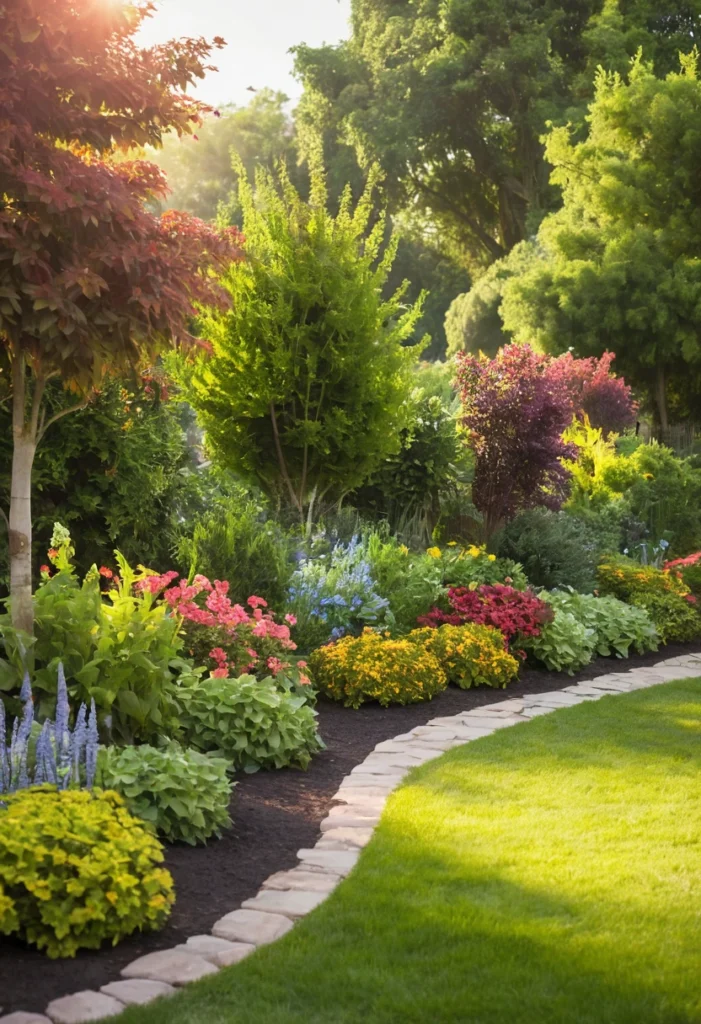
Plants naturally lose water through a process called evapotranspiration. As temperatures rise, water can leave plant tissues more rapidly, while hot soil and dry winds increase the overall stress. Oregon State University Extension explains that sustained temperatures above about 90°F can slow growth and that extreme heat can produce different symptoms depending on plant type and other environmental conditions.
For +12 Seasonal Garden Guides, it is important to remember that heat stress isn’t always caused by completely dry soil. A plant may wilt because its leaves are losing water faster than its roots can replace it, even when moisture remains in the soil. This is why combining shade, appropriate watering, mulch, and good plant placement is usually more effective than simply watering more often.
Watch for Early Warning Signs
Common signs of heat stress include drooping leaves, curled foliage, crispy brown edges, bleached patches, stalled growth, blossom drop, and sunscald on fruits. Tomatoes and peppers can be particularly vulnerable to problems associated with excessive heat and sunlight.
Check plants during the hottest part of the day and again in the evening. A plant that temporarily wilts during extreme afternoon heat may recover later, while persistent wilting, scorching, or rapidly worsening foliage deserves closer attention.
Understand the Difference Between Heat and Drought Stress
Heat and drought frequently occur together, but they’re not identical. Heat can increase water loss even when soil moisture is adequate, while drought stress results from insufficient available water around the roots.
For +12 Seasonal Garden Guides, check the soil before automatically increasing irrigation. This simple habit helps you avoid both under-watering and unnecessary overwatering.
Use Shade Cloth for Targeted Protection
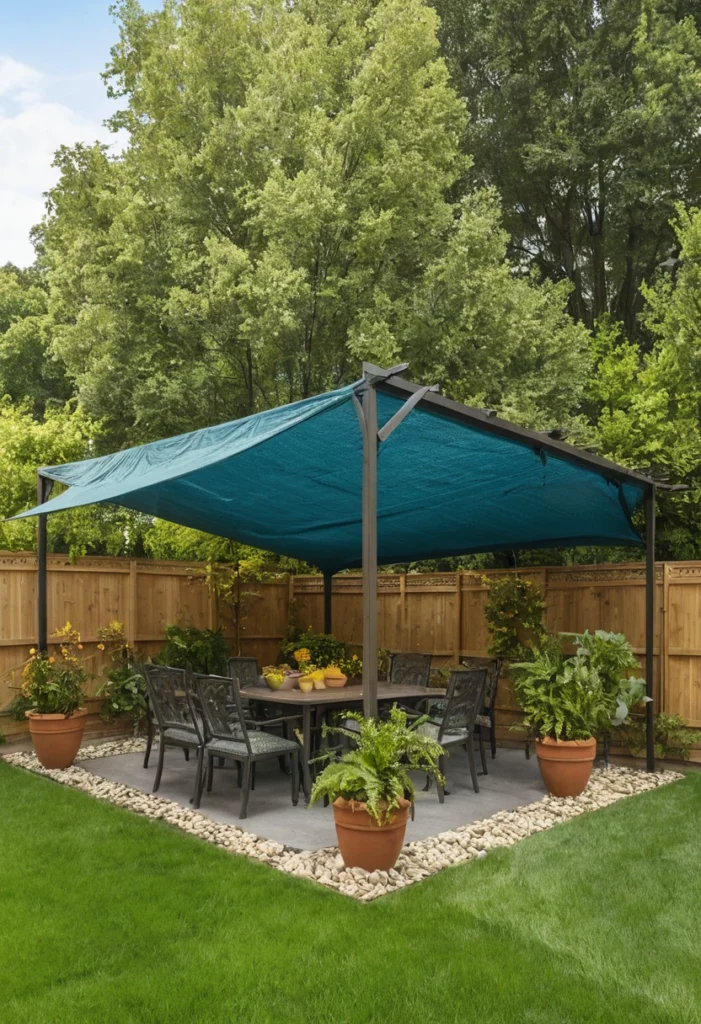
Shade cloth is one of the most practical tools for protecting a garden from intense summer sunlight. It reduces the amount of sunlight reaching plants and can lower the temperature around the growing area. University of Maryland Extension research guidance identifies 30% shade cloth as a useful starting point for reducing heat stress while allowing substantial light to reach vegetables.
For +12 Seasonal Garden Guides, shade cloth is especially useful for heat-sensitive crops such as lettuce and other cool-season vegetables, while tomatoes, peppers, and other warm-season plants can also benefit during periods of extreme heat. The appropriate shade level depends on the crop, climate, season, and duration of use.
Start With Moderate Shade
A moderate shade cloth allows much of the available sunlight to reach plants while reducing its intensity. University of Delaware Extension notes that 30% shade can provide useful cooling without blocking too much light for many vegetables, while heavier shade may be appropriate for very heat-sensitive crops.
Don’t automatically choose the darkest fabric available. Excessive shade can reduce the light plants need for photosynthesis and productivity, particularly when used continuously.
Keep the Cloth Above the Plants
Install shade cloth on hoops, posts, or another simple frame rather than laying it directly over foliage. Space between the fabric and plants improves airflow and helps prevent the fabric from transferring heat directly to leaves.
For +12 Seasonal Garden Guides, secure the structure properly so wind cannot turn the shade system into a hazard. A simple frame is often safer and more effective than loosely draping fabric over plants.
Create Afternoon Shade Naturally
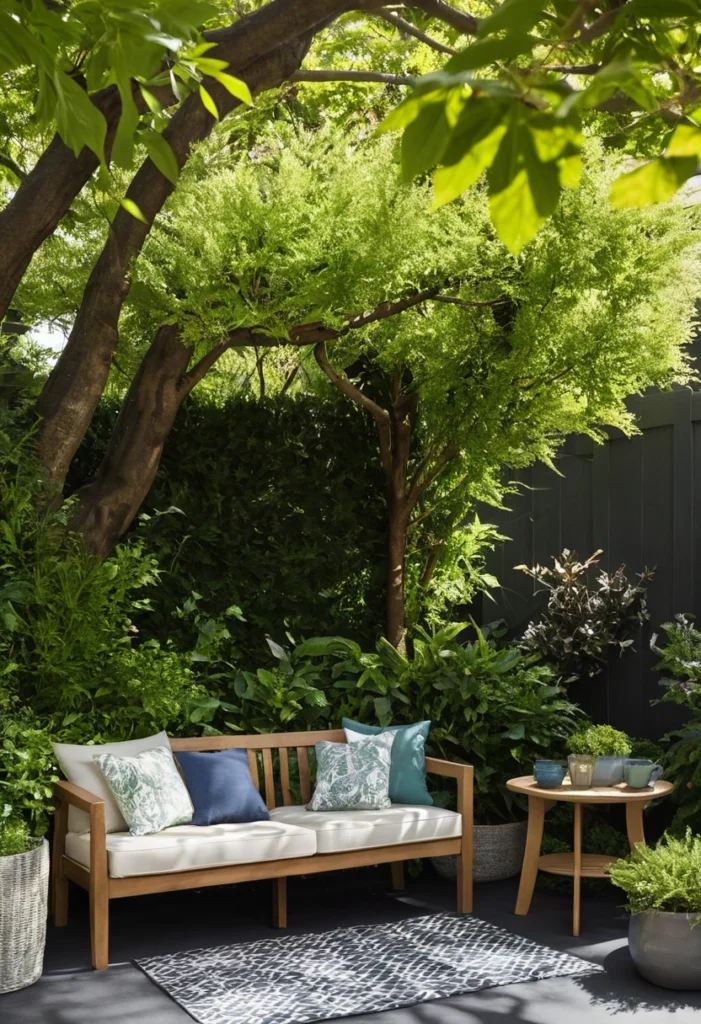
You don’t always need manufactured shade cloth. Existing structures such as fences, pergolas, trellises, trees, and nearby buildings can provide valuable afternoon protection.
For +12 Seasonal Garden Guides, observe your garden throughout the day before changing plant locations. Morning sun followed by afternoon shade can be particularly useful for plants that struggle during peak summer heat but still need substantial daylight.
Use Trellises Strategically
A trellis can create vertical structure while also casting shade. Tall crops such as beans, cucumbers, or climbing ornamentals can sometimes protect shorter plants from intense late-day sunlight when positioned thoughtfully.
Make sure the taller plant doesn’t block essential sunlight from crops that need full exposure. The objective is filtered or timed shade rather than permanent darkness.
Plant Near Useful Structures
A fence, wall, pergola, or covered patio can change the temperature and sunlight pattern around a garden. These areas may be useful for containers or plants that need protection during the hottest afternoon hours.
For +12 Seasonal Garden Guides, remember that walls and paving materials can also absorb and radiate heat. A sheltered location isn’t automatically a cool location, so observe actual conditions before planting.
Water Your Garden for Summer Conditions
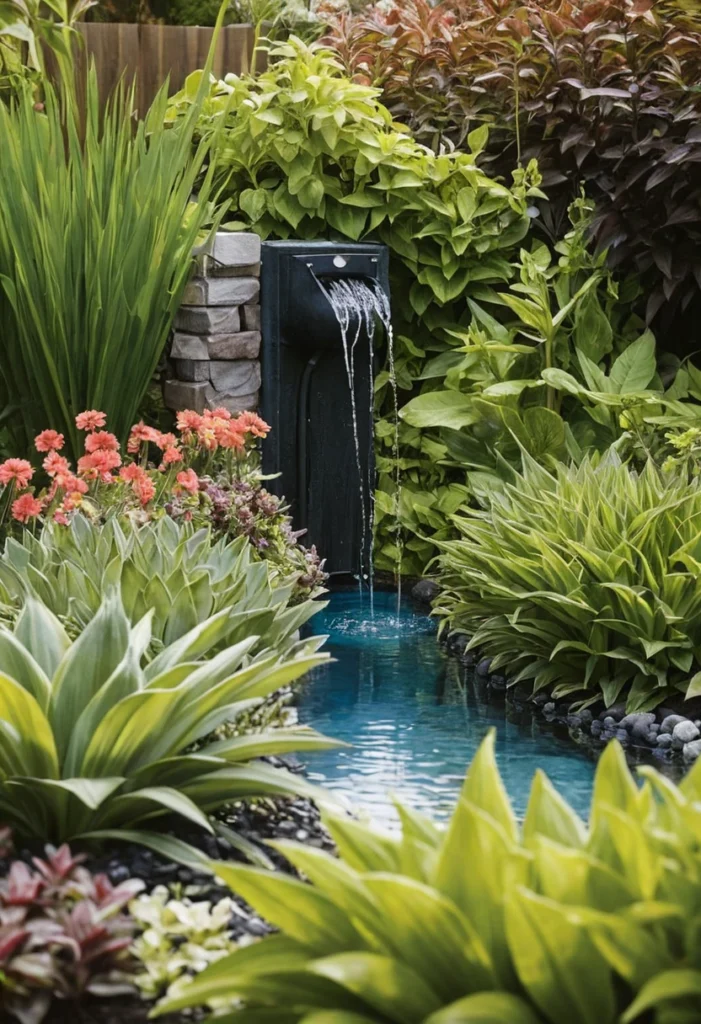
Water management becomes critical during periods of high heat. Instead of giving plants frequent shallow drinks, focus on delivering sufficient moisture to the root zone and adjusting frequency according to soil type, weather, plant size, and container conditions. Oregon State University Extension recommends watering at the base and paying particular attention to containers, which can dry quickly.
For +12 Seasonal Garden Guides, early-morning watering is often a practical choice because plants can begin the day hydrated before temperatures rise. Soaker hoses and drip irrigation can also reduce water loss compared with spraying large amounts of water into the air.
Water at the Root Zone
Direct water toward the soil beneath the plant rather than routinely wetting the foliage. This puts moisture where roots can access it and can reduce unnecessary evaporation.
For +12 Seasonal Garden Guides, inspect the soil rather than judging irrigation only by how leaves look. Some plants temporarily droop in extreme heat as a protective response, so soil moisture gives you additional information.
Check Containers More Often
Container plants usually have a smaller volume of growing medium than plants in the ground, so they can dry faster during hot weather. Small pots and hanging baskets may require particularly close monitoring.
Move portable containers to morning sun and afternoon shade during severe heat when appropriate. Avoid placing them against surfaces that become extremely hot.
Add Mulch to Keep Roots Cooler
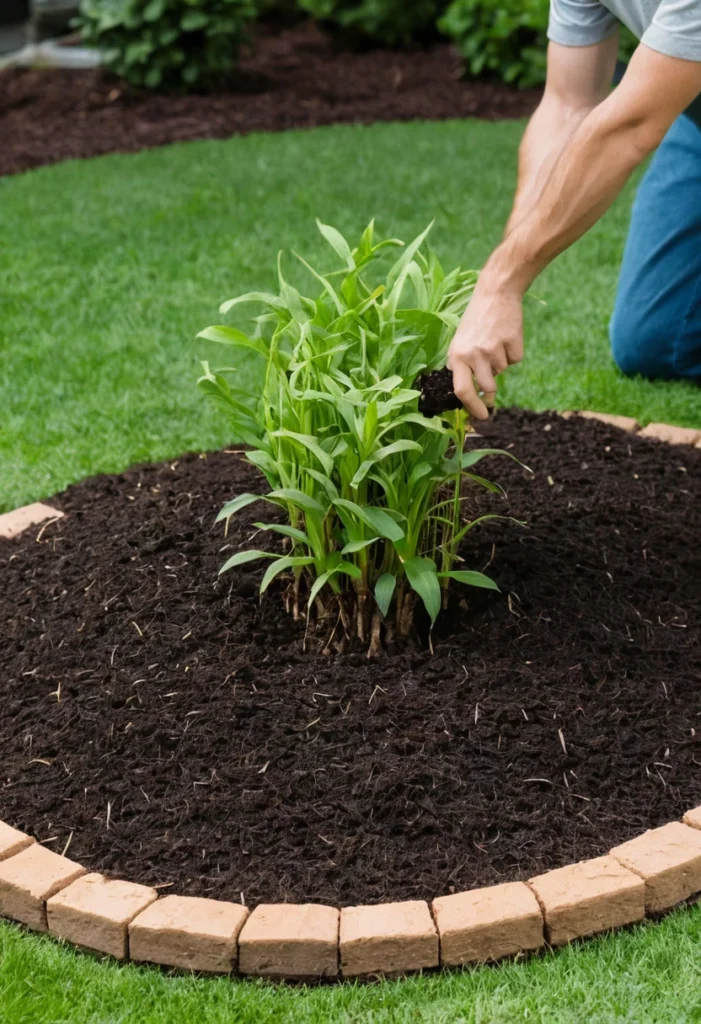
Mulch is a simple way to reduce evaporation and moderate soil temperature. Organic materials such as straw, compost, or suitable wood-based mulch can protect the soil surface and help conserve moisture.
For +12 Seasonal Garden Guides, mulch is especially valuable around shallow-rooted and young plants because the upper soil layers can become extremely hot and dry. Apply a consistent layer while leaving a small gap around plant stems and crowns.
Choose the Right Mulch
Straw can work well around vegetable beds, while compost and wood-based materials can suit other garden situations. Choose clean materials appropriate for your plants and local conditions.
Avoid using contaminated or poorly suited material simply because it is inexpensive. The goal is to protect soil while supporting healthy growing conditions.
Don’t Pile Mulch Against Stems
A thick mound of mulch pressed against stems can hold excessive moisture against plant tissue and create other problems. Spread mulch evenly around the root zone instead.
For +12 Seasonal Garden Guides, refresh mulch when it becomes thin or breaks down, but don’t continually pile new layers on top without checking what is already there.
Protect Heat-Sensitive Vegetables
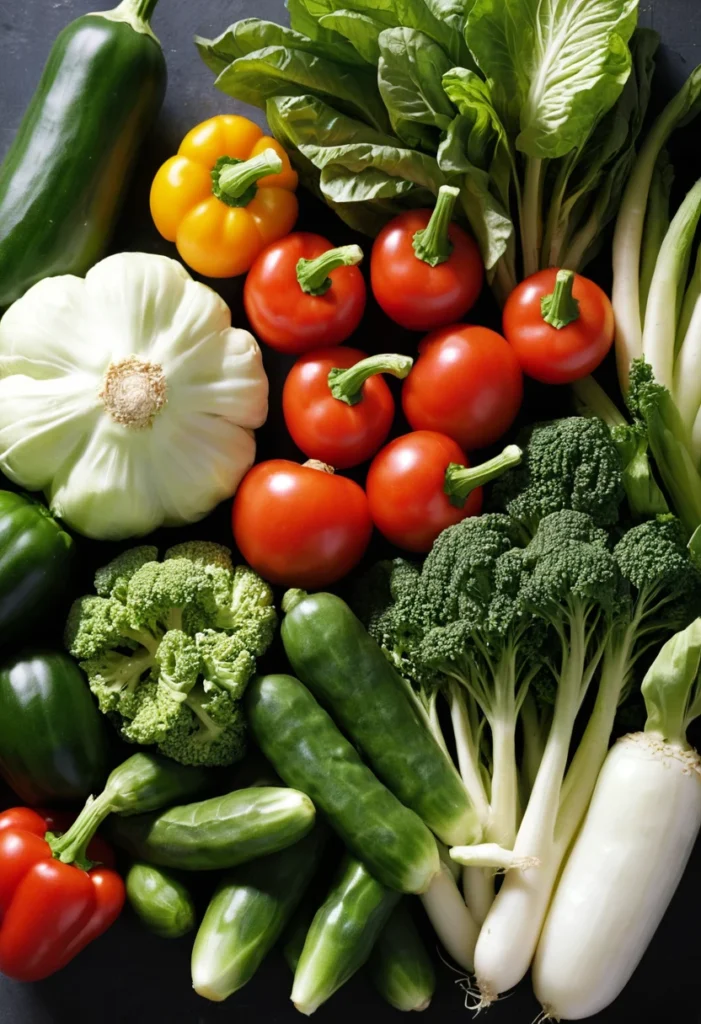
Some vegetables are much more sensitive to high temperatures than others. Lettuce and other cool-season greens can bolt or develop undesirable flavor, while tomatoes, peppers, cucumbers, and other warm-season crops can experience heat-related problems during extreme weather.
For +12 Seasonal Garden Guides, consider protecting vulnerable crops during the hottest part of the season rather than assuming every plant should receive identical treatment. Crop-specific shade and watering can help maintain production during difficult weather.
Give Lettuce Temporary Shade
Lettuce prefers cooler growing conditions and can struggle when summer temperatures become intense. Temporary shade can reduce heat exposure and help extend the harvest period.
If plants are already mature and beginning to bolt, shade may not reverse the process completely. In that situation, harvesting promptly and planning another planting window may be more practical.
Protect Tomatoes and Peppers
Tomatoes and peppers generally need plenty of sunlight, but extreme heat can interfere with flowering, fruit set, and fruit quality. Shade cloth can be particularly useful during severe heat events.
For +12 Seasonal Garden Guides, don’t keep these crops heavily shaded without reason. Use temporary or moderate protection when extreme conditions justify it, while maintaining adequate light for growth.
Protect Flowers From Intense Summer Sun
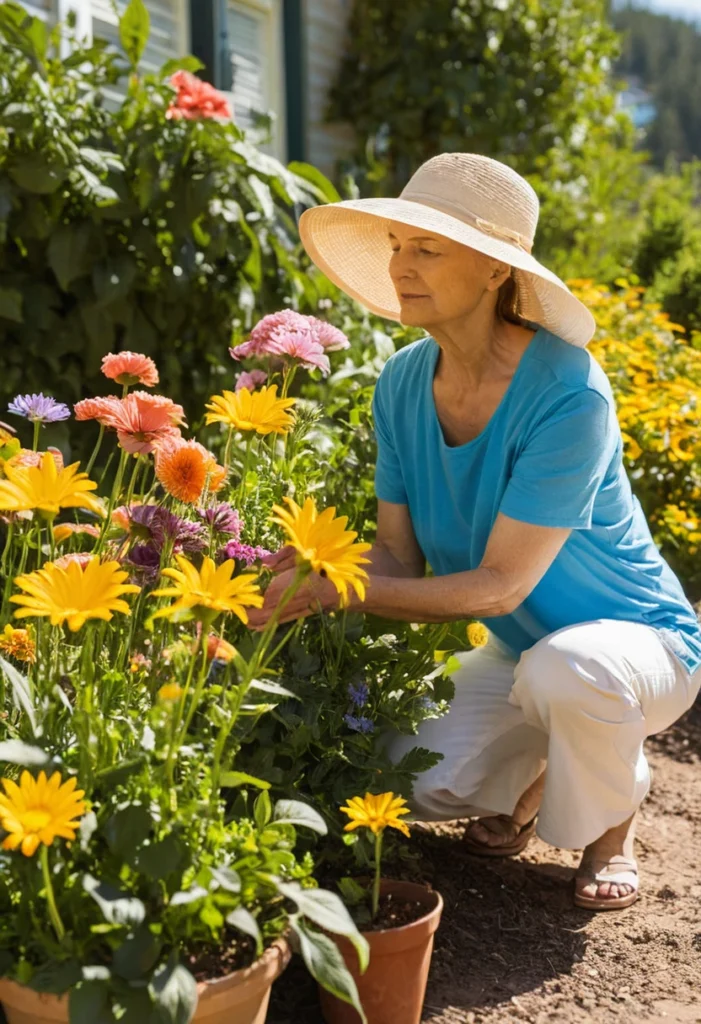
Flowers can also suffer from heat stress, particularly newly planted annuals, young perennials, and plants that naturally prefer cooler conditions. Wilting, scorched leaves, faded flowers, and reduced flowering can occur when heat combines with dry soil.
For +12 Seasonal Garden Guides, group plants according to their sunlight and water preferences. A plant that naturally thrives in full sun may not need the same protection as a shade-loving species.
Use Afternoon Shade for Tender Flowers
Temporary shade can be especially useful during the hottest afternoon hours. A pergola, patio umbrella, shade cloth, or strategically positioned taller plant can provide relief.
Avoid moving permanent landscape plants simply because of a few hot days. Temporary protection may be sufficient when the heat event is short-lived.
Protect Newly Planted Flowers
Recently planted flowers have smaller root systems and can be more vulnerable to heat and drought than established plants. They may need closer monitoring during the first summer.
For +12 Seasonal Garden Guides, prioritize young plants when water and shade resources are limited. Established plants with deeper root systems may tolerate short periods of heat better.
Arrange Your Garden for Better Airflow
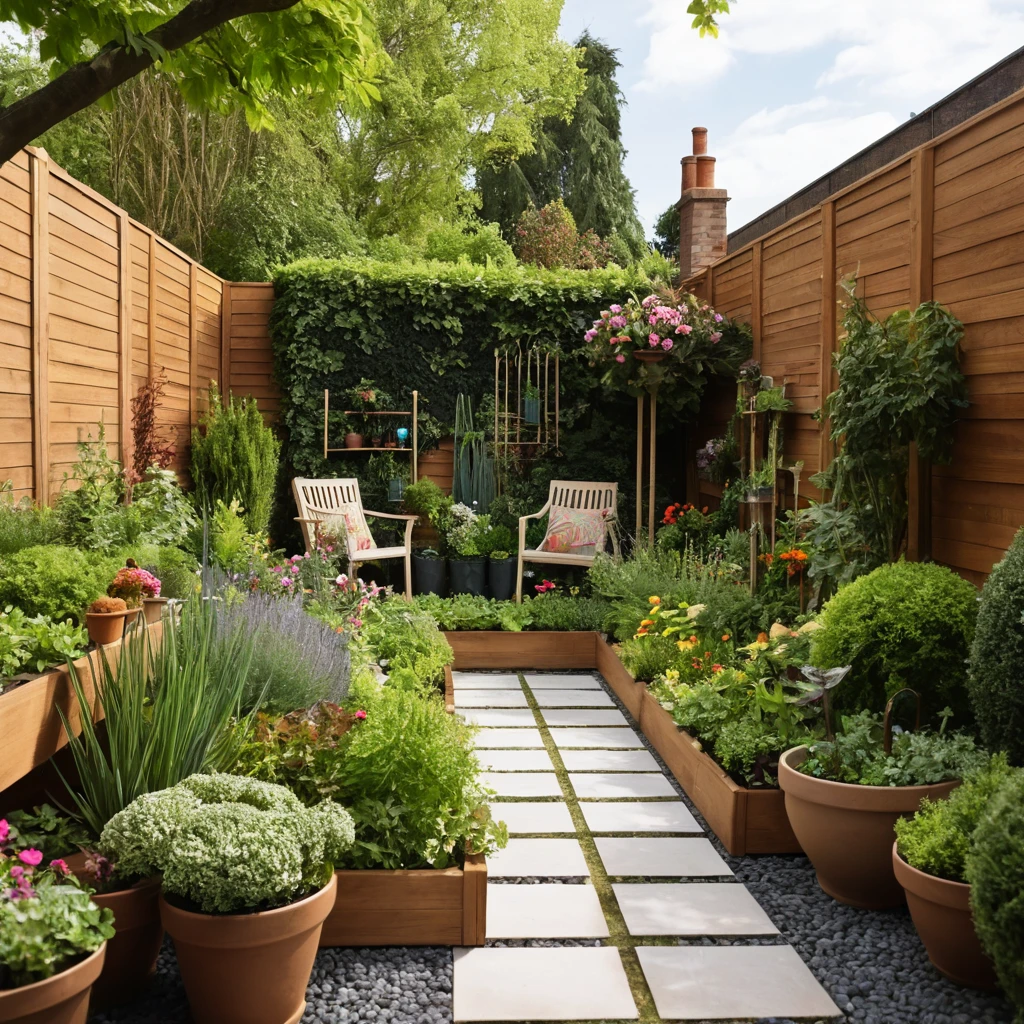
Shade should not mean trapping plants in a hot, enclosed space. Good airflow helps reduce stagnant conditions and allows excess moisture to evaporate from foliage and surrounding surfaces.
For +12 Seasonal Garden Guides, avoid overcrowding beds simply to create shade. Plants still need adequate spacing for growth, air movement, and maintenance access.
Give Plants Enough Space
Follow the mature spacing recommendations for each crop rather than planting according to the size of young seedlings. Overcrowding can make the garden difficult to water and inspect.
Adequate spacing also makes it easier to install shade cloth or protective structures without damaging plants.
Keep Shade Structures Ventilated
Shade cloth should be supported above the plants with enough open space around the sides for air movement. University extension guidance specifically recommends creating separation between shade cloth and foliage.
For +12 Seasonal Garden Guides, avoid creating a sealed enclosure unless you are intentionally managing a specific protected growing system. Summer shade works best when it reduces intense radiation without trapping excessive heat.
Protect Container Gardens From Summer Heat
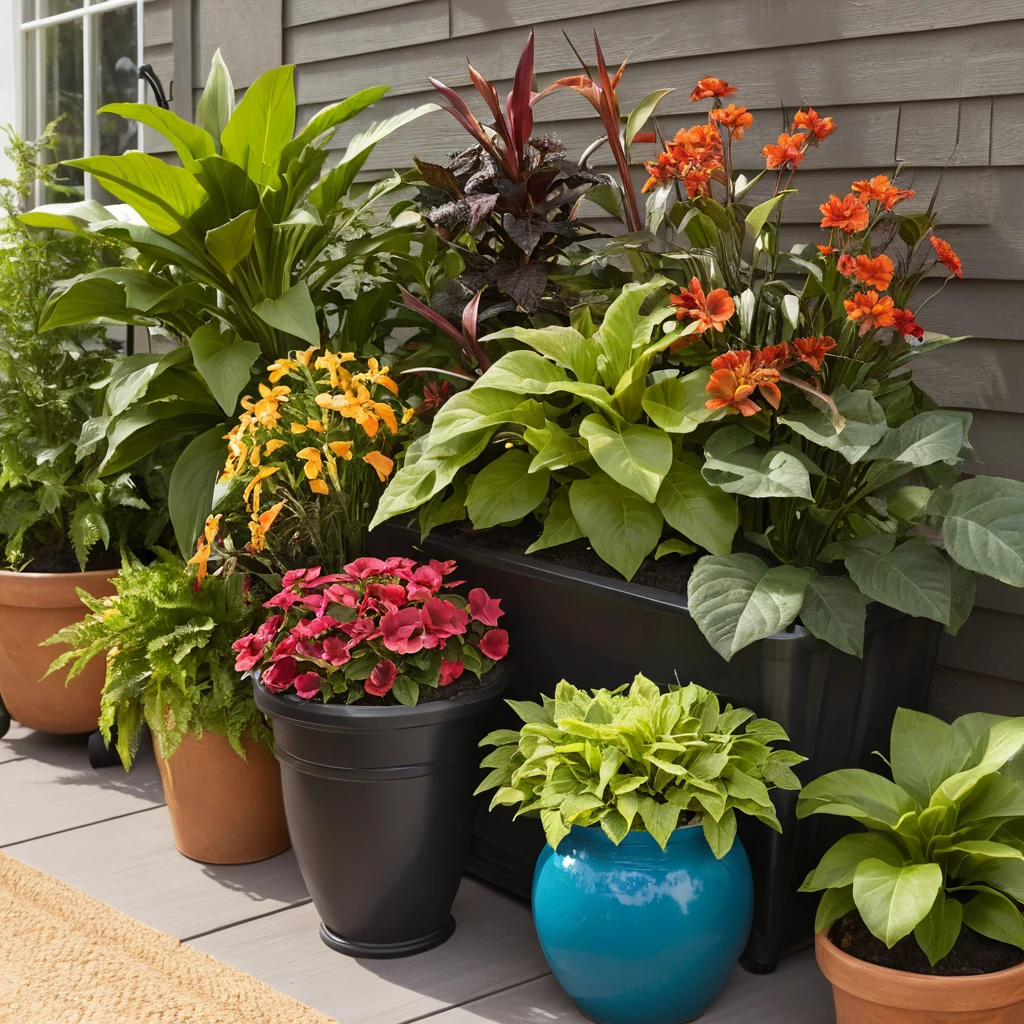
Containers are convenient, but they can be among the first garden areas to show heat stress. Their limited root volume can warm and dry quickly, particularly when pots sit on concrete, brick, or other heat-absorbing surfaces.
For +12 Seasonal Garden Guides, move containers when possible. Place them where they receive suitable morning light and afternoon protection during extreme weather.
Choose Larger Containers
Larger containers generally provide more growing medium around roots and can be easier to manage during hot weather than very small pots.
Make sure every container has adequate drainage. A large pot that cannot drain properly can create an entirely different set of problems.
Insulate Hot Surfaces
If containers sit directly on very hot paving, consider moving them to a cooler surface or using a suitable stand that creates separation from the ground.
University of California guidance notes that radiant heat from patios and walkways can contribute to water stress in nearby plants.
Choose Heat-Tolerant Plants
One of the smartest summer strategies is selecting plants that match your climate rather than trying to force unsuitable crops through extreme conditions. Some vegetable varieties have been selected for better performance under heat stress.
For +12 Seasonal Garden Guides, read seed packets and plant descriptions carefully. Look for information about heat tolerance, bolting resistance, drought tolerance, and suitability for your growing region.
Select Heat-Tolerant Varieties
Heat-tolerant cultivars can be particularly helpful for vegetables that normally struggle in hot conditions. University of Delaware Extension provides examples of heat-tolerant varieties for crops including lettuce, tomatoes, broccoli, snap beans, and Brussels sprouts.
Local garden centers and regional extension services can often provide more relevant recommendations because climate performance varies between locations.
Match Plants to Your Microclimate
A garden can contain several microclimates. One corner may receive intense afternoon sun while another stays cooler because of a tree or building.
For +12 Seasonal Garden Guides, use these natural differences to your advantage. Place heat-sensitive plants in the most protected suitable areas and reserve hotter locations for plants that tolerate stronger sun.
Avoid Fertilizing During Extreme Heat
When plants are already under severe heat stress, adding unnecessary fertilizer can create additional stress rather than solving the underlying problem. Extension guidance recommends avoiding fertilizing during extreme heat.
For +12 Seasonal Garden Guides, focus first on water, shade, mulch, and stable growing conditions. Once temperatures moderate, normal feeding can resume according to crop requirements and your soil-management plan.
Don’t Force New Growth
Fertilization encourages growth, but heat-stressed plants may not be ready to use nutrients effectively. Stabilize the plant first.
If soil testing shows a genuine nutrient deficiency, address it when environmental conditions are more favorable.
Avoid Pruning and Transplanting During Heat Waves
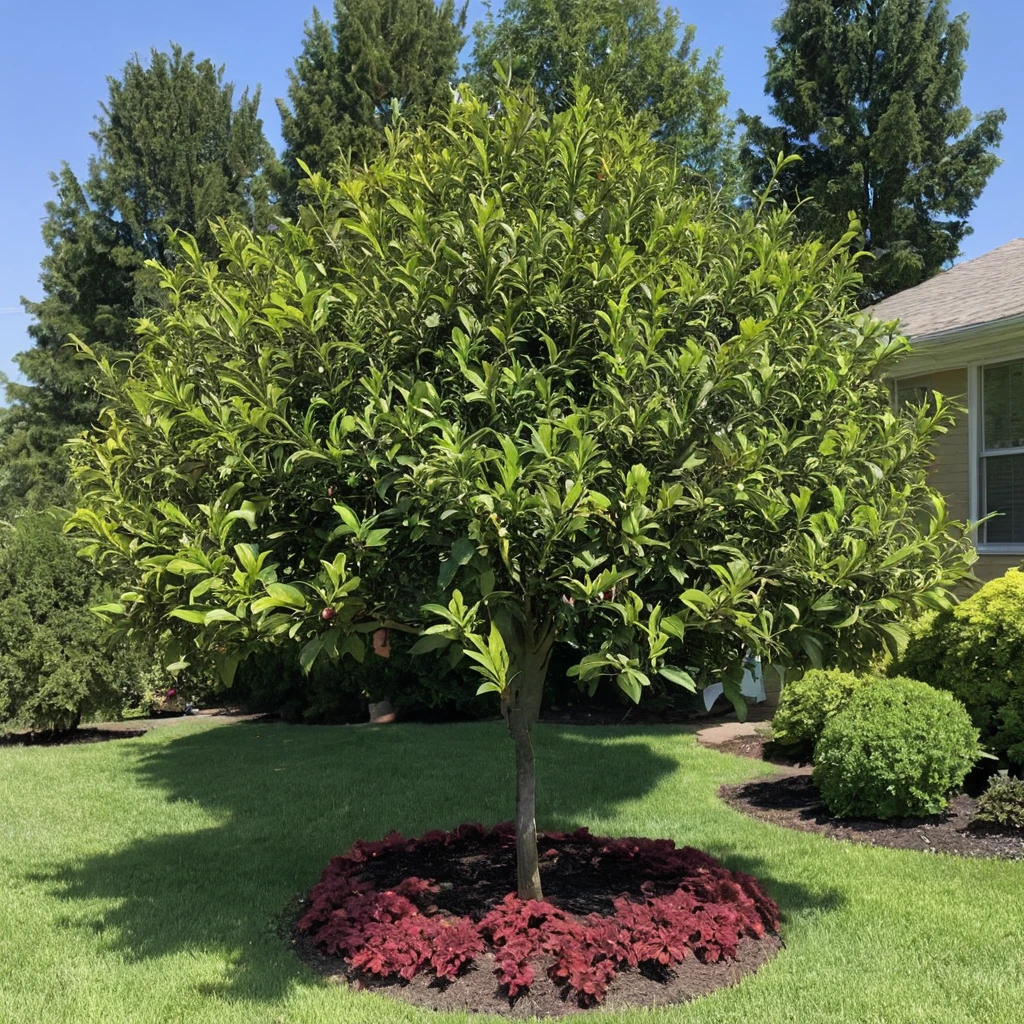
Extreme heat is not the ideal time for major garden changes. Pruning creates wounds, while transplanting disrupts roots at exactly the moment plants are already struggling with water loss.
For +12 Seasonal Garden Guides, postpone nonessential pruning, dividing, transplanting, and similar work until temperatures moderate. University of Vermont Extension also recommends doing necessary gardening tasks during cooler periods of the day.
Work During Cooler Hours
Early morning or later in the day is generally more comfortable for both gardeners and plants. Harvesting and watering can be scheduled around the hottest part of the afternoon.
Protect yourself as well by drinking water, wearing appropriate clothing, and taking breaks when conditions become excessively hot.
Create a Simple Summer Shade Plan
You don’t need to shade the entire garden. Start by identifying which plants experience the most stress and which locations receive the strongest afternoon sunlight.
For +12 Seasonal Garden Guides, create a small protection plan with three priorities: identify vulnerable plants, decide how much shade they need, and determine how you’ll maintain adequate water and airflow.
A practical plan might include:
- 30% shade cloth for selected vegetable beds
- Temporary afternoon shade for lettuce
- Mulch around shallow-rooted plants
- Drip or soaker irrigation at the root zone
- Relocated containers during heat waves
- Trellises for natural filtered shade
- Extra attention to newly planted crops
- Regular checks for scorching and wilting
This targeted approach is usually easier to maintain than attempting to cover every plant.
Prepare Before a Heat Wave Arrives
The best time to install shade structures is before plants begin showing severe stress. Watch the forecast and prepare frames, shade cloth, irrigation, mulch, and containers in advance.
For +12 Seasonal Garden Guides, preparation can turn an emergency into a routine task. A shade frame that is already installed can be covered quickly when temperatures rise.
Keep protective materials accessible rather than buried in storage. The faster you can respond, the easier it is to protect vulnerable plants.
Common Summer Heat Protection Mistakes
Many summer gardening problems come from using too much or too little protection. Heavy shade can reduce needed light, while no shade at all can leave sensitive crops exposed to extreme radiation.
For +12 Seasonal Garden Guides, aim for balance. Shade should reduce excessive stress while still allowing plants to receive enough light and airflow.
Avoid these common mistakes:
- Using excessively dark shade cloth without considering the crop
- Laying shade cloth directly against foliage
- Watering shallowly every few hours
- Ignoring container plants
- Allowing mulch to touch plant stems
- Fertilizing severely heat-stressed plants
- Transplanting during extreme heat
- Overcrowding beds
- Ignoring radiant heat from paving
- Waiting until plants are severely damaged before providing shade
Build a More Heat-Resilient Garden
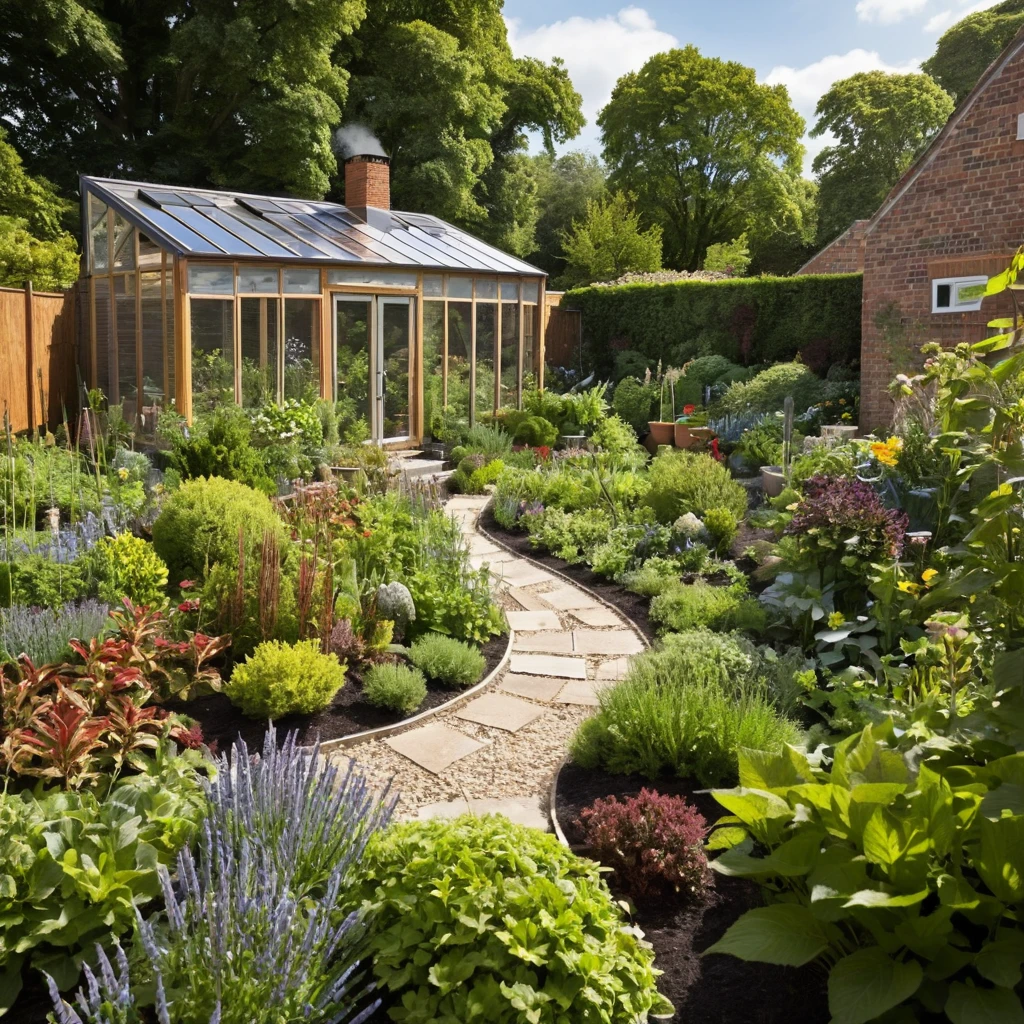
Summer protection isn’t only about reacting to heat waves. Over time, you can design your garden to cope better with hot weather through plant selection, soil improvement, thoughtful placement, efficient irrigation, and permanent structures that create useful shade.
For +12 Seasonal Garden Guides, think of heat resilience as a long-term design goal. A garden with healthy soil, appropriate plants, good mulch, efficient watering, and planned shade is easier to manage than one that depends on emergency watering every afternoon.
Observe what survives your hottest periods and what struggles. Those observations can guide your future planting choices and help you create a garden that is both productive and easier to maintain.
FAQs
What is the best shade cloth percentage for a vegetable garden?
Around 30% shade is a useful starting point for many vegetables, although very heat-sensitive crops may benefit from heavier shade depending on the climate and conditions.
Should I water my garden every day during summer?
Not necessarily; check soil moisture and water deeply at the root zone when needed rather than relying on frequent shallow watering.
Does shade cloth help tomatoes and peppers?
Yes. Moderate shade can reduce heat and excessive sunlight, which may help protect tomatoes and peppers during periods of extreme heat.
Is morning or evening better for watering plants in hot weather?
Early morning is generally a good time because plants begin the hot period hydrated, although watering later can also be appropriate when conditions require it.
Can mulch really protect plants from summer heat?
Yes. Organic mulch can reduce evaporation and moderate soil temperature, helping protect shallow roots during hot, dry conditions.
Conclusion
A summer garden doesn’t need to be completely hidden from the sun to remain healthy. The most effective strategy is targeted protection: provide moderate shade where necessary, keep roots supplied with moisture, use mulch to reduce evaporation, protect vulnerable containers, and select plants suited to your local climate. These practical +12 Seasonal Garden Guides methods can help reduce the effects of intense summer heat without sacrificing the sunlight plants need for healthy growth.
Start by observing your garden rather than changing everything at once. Identify the plants that struggle most, install simple shade where it will make the biggest difference, and improve your watering and mulching routine. With thoughtful planning, +12 Seasonal Garden Guides can help you create a garden that handles hot summer days more confidently and remains productive throughout the season.

