
Winter is an important season for garden maintenance, and pruning is one of the most useful jobs to tackle while many woody plants are dormant. +13 Seasonal Garden Guides for winter pruning can help gardeners understand which trees and shrubs benefit from dormant-season cuts, which plants should be left alone, and how to make clean, purposeful cuts. With fewer leaves on deciduous plants, the branch structure is also much easier to inspect.
Have you ever looked at an overgrown tree in winter and wondered which branches should actually be removed? Perhaps there are crossing limbs, dead branches, crowded growth, or shrubs that have become too large for their space. Pruning can solve some of these problems, but cutting without knowing the plant and its flowering or growth habit can create new ones.
This +13 Seasonal Garden Guides article explains how to approach winter pruning safely and effectively. You’ll learn when to prune, what to remove first, how to prune deciduous and evergreen plants, how flowering shrubs differ, how to handle fruit trees, which common mistakes to avoid, and when a professional arborist is the better choice.
Why Winter Is a Good Time for Pruning
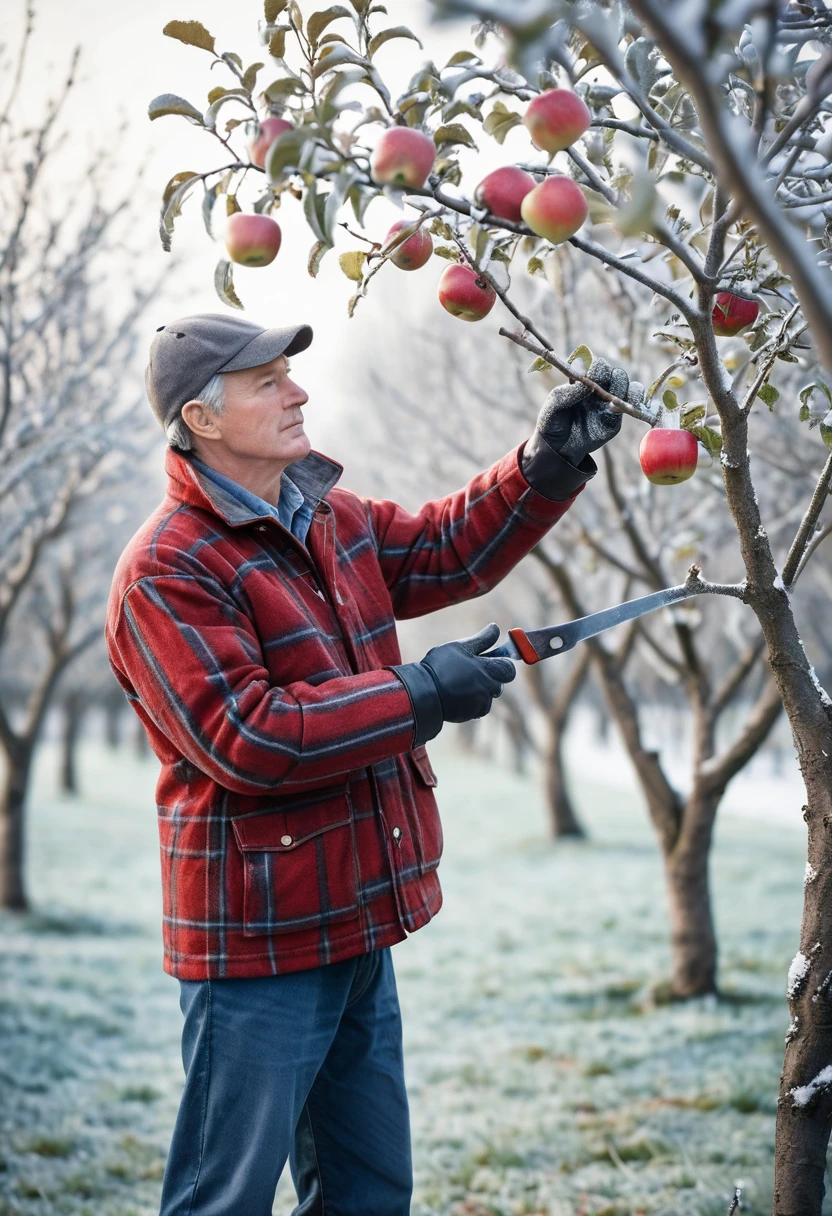
For many trees and shrubs, late winter or the late dormant season is an excellent time for structural pruning. Deciduous plants have lost their leaves, making crossing, damaged, crowded, and poorly positioned branches easier to identify. University extension guidance generally recommends late winter to early spring for many landscape trees and shrubs because plants are dormant and new growth is approaching.
A major advantage of +13 Seasonal Garden Guides is learning to think about pruning according to plant growth cycles rather than simply choosing a date on the calendar. Late winter is often preferable to very early winter because severe cold is less likely to immediately follow the cuts, while spring growth is close enough to begin the natural wound-response process.
Dormancy Makes Branch Structure Easier to See
Without leaves blocking your view, you can examine the framework of a deciduous tree more carefully. This makes it easier to identify branches that cross, rub, grow inward, or compete with the main structure.
For +13 Seasonal Garden Guides, this visibility is one of the strongest practical reasons to prune during dormancy. A clear view encourages selective pruning instead of blindly cutting the outer canopy.
Know What You Want to Achieve Before Cutting
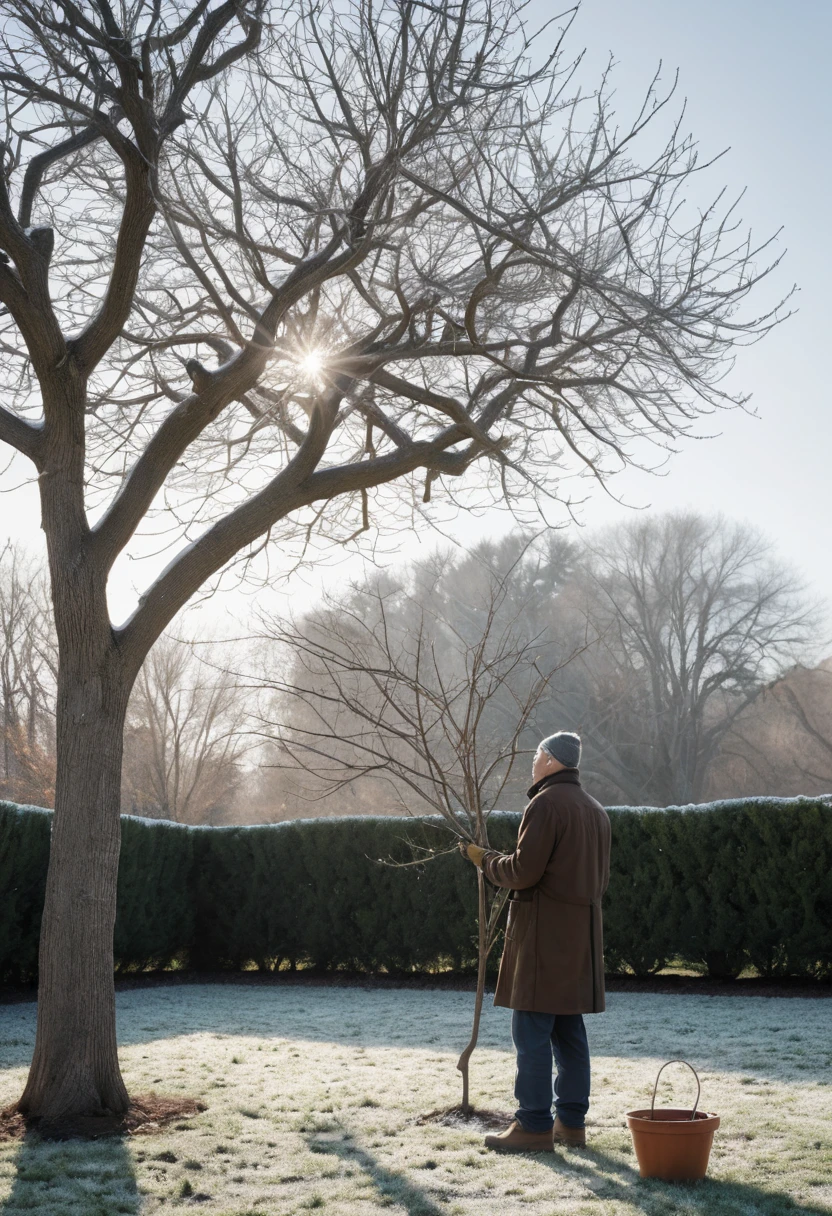
Pruning should have a purpose. Common objectives include removing dead or diseased wood, improving structure, controlling size, increasing light penetration, improving airflow, encouraging flowers or fruit, and correcting hazardous growth. Montana State University Extension lists health, vigor, structure, flowering, fruiting, shape, and safety among the major reasons gardeners prune trees and shrubs.
Before picking up your tools, step back and inspect the entire plant. Ask whether the branch is genuinely causing a problem or whether you’re simply tempted to make the plant look smaller. Excessive pruning can stimulate vigorous regrowth and may weaken or distort a plant’s natural form.
Follow the Three Ds First
A simple starting point is to look for branches that are dead, damaged, or diseased. Removing these problematic branches is generally a priority and, unlike many cosmetic cuts, can often be performed when necessary outside the normal pruning window.
For +13 Seasonal Garden Guides, this rule keeps pruning focused. Once the obvious problems are removed, reassess the plant before making additional cuts.
When Should You Prune Trees in Winter?

For many deciduous landscape trees, late winter is the preferred pruning period. Iowa State University Extension, for example, identifies February through March as a general best period for many deciduous trees in Iowa. The exact timing varies with climate, tree species, and local weather.
The safest approach is to avoid treating “winter” as one universal date range. In regions with extremely cold winters, pruning immediately before severe freezes may be undesirable. In warmer areas, plants may begin breaking dormancy earlier, so the appropriate window can arrive sooner.
Avoid Pruning During Severe Cold
Choose a mild, dry day whenever practical. An extension response on winter pruning recommends avoiding pruning when temperatures are below about 25°F because branches can become more brittle in very cold conditions.
For +13 Seasonal Garden Guides, weather should therefore be part of your pruning plan. If a major freeze is expected immediately after pruning, waiting for a more favorable window may be the wiser choice.
Start With Dead, Damaged, and Diseased Branches
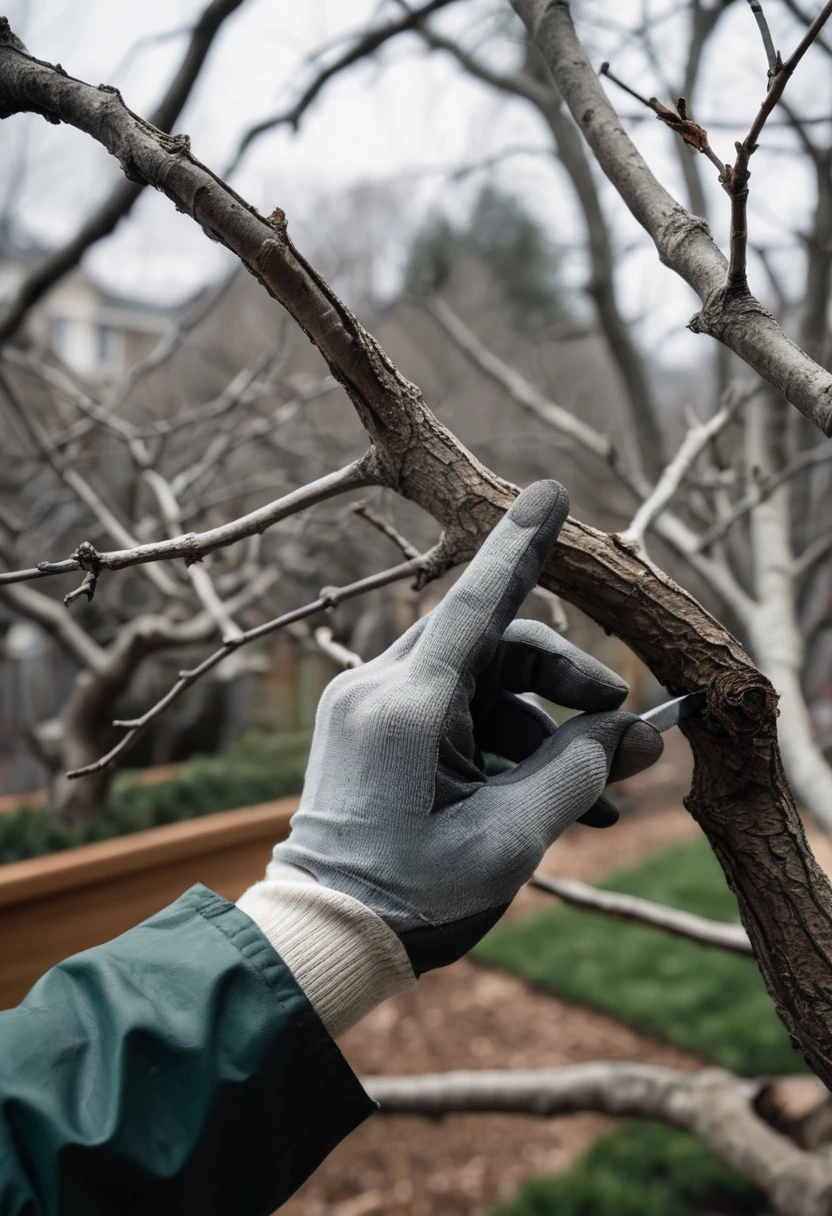
Dead branches should be among the first things you identify. They no longer contribute to the plant and can become weak or hazardous. Broken branches may also provide entry points for decay organisms, while diseased wood may need careful removal to protect healthier portions of the plant.
For +13 Seasonal Garden Guides, don’t confuse dead wood with dormant wood. A dormant branch can look inactive during winter while remaining completely healthy. Check buds, bark, flexibility, and the overall condition of the branch before deciding that it is dead.
Remove Damaged Wood Carefully
A broken limb should generally be cut back to healthy, structurally appropriate wood. Avoid leaving long stubs because they can interfere with the plant’s natural wound response.
When disease is suspected, clean tools between cuts where appropriate and avoid spreading contaminated material around the garden. If a major tree has extensive disease or decay, professional evaluation is preferable.
Read also: Prune Trees and Shrubs Safely
Learn the Difference Between Thinning and Heading Cuts
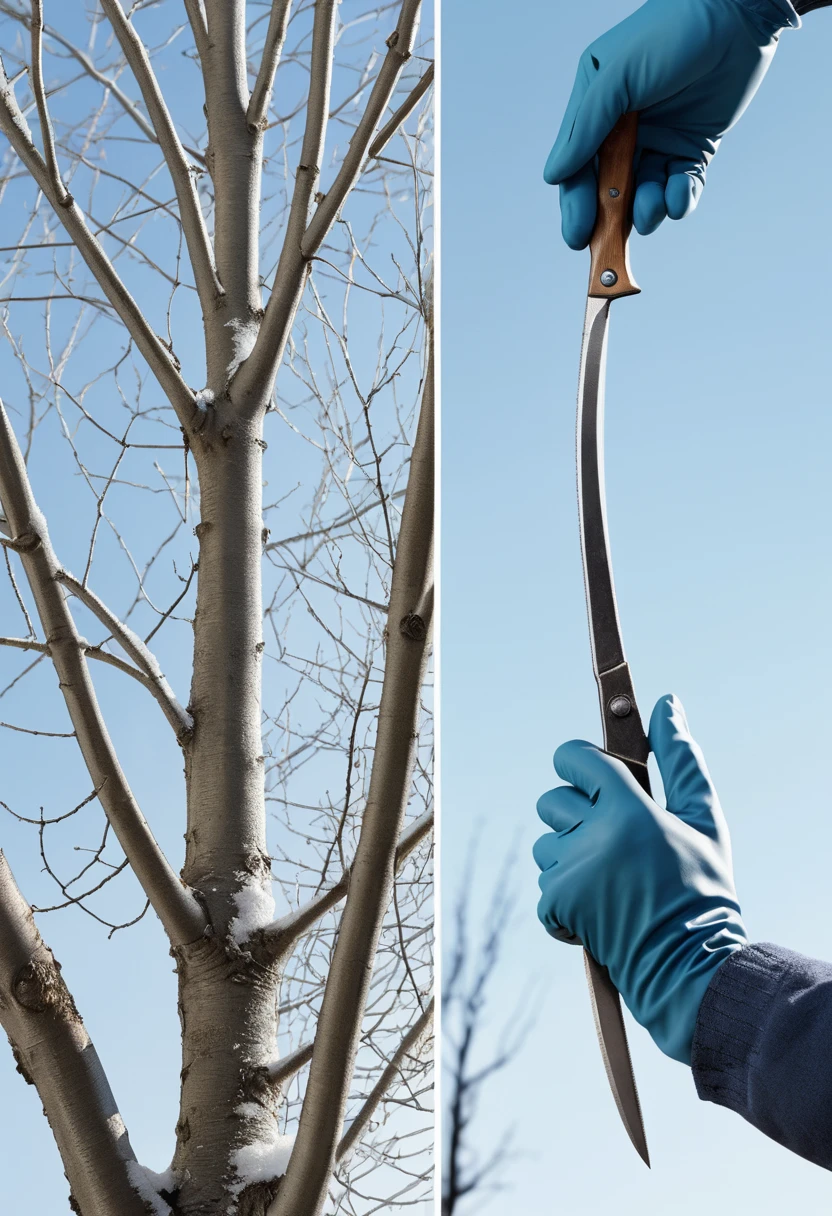
Two basic pruning approaches are thinning cuts and heading cuts. A thinning cut removes a branch or shoot back to its point of origin, while a heading cut shortens a branch and can stimulate branching near the cut.
University of New Hampshire Extension explains that thinning cuts generally open a plant without creating the same vigorous flush of new shoots associated with heading cuts.
For +13 Seasonal Garden Guides, understanding this difference is important because the type of cut changes how the plant responds. If you simply shorten every branch, you may create dense clusters of new shoots rather than improving the structure.
Use Thinning Cuts for Structure
When the goal is to remove an unwanted branch and preserve a natural framework, a thinning cut is often more appropriate.
Make the cut near the branch collar without damaging it. Extension guidance emphasizes preserving the branch collar because it contains tissue involved in the plant’s wound-response process.
How to Prune Deciduous Trees
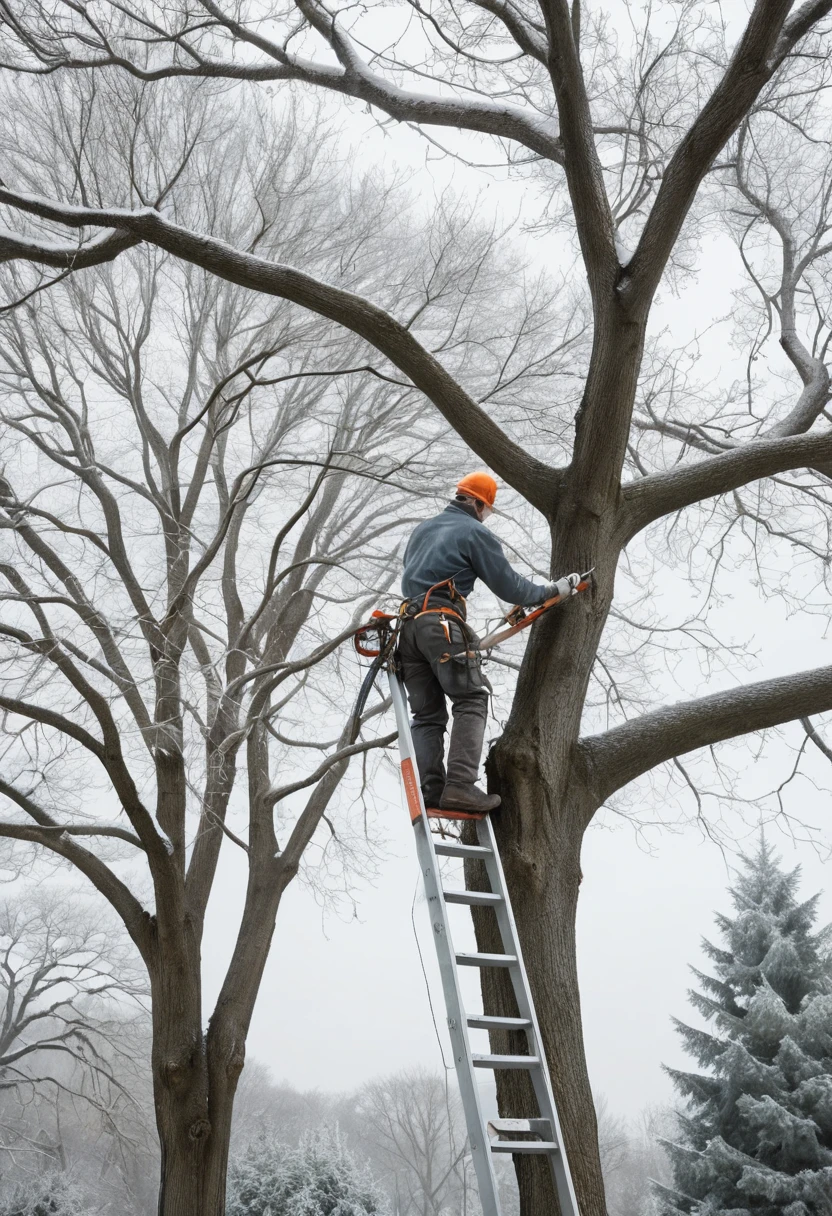
Deciduous trees are among the easiest plants to assess in winter because their leaves have fallen. Start by examining the trunk and major limbs, then work outward toward smaller branches. Look for dead wood, rubbing branches, weak attachments, competing leaders, and growth that interferes with buildings, walkways, or other plants.
For +13 Seasonal Garden Guides, resist the temptation to make the canopy perfectly symmetrical. Healthy trees naturally have irregular branching patterns, and removing healthy branches simply to create an artificial shape can do more harm than good.
Remove Crossing and Rubbing Branches
Branches that rub against one another can create wounds and weaken the structure over time. Where appropriate, remove one of the competing branches while preserving the stronger, better-positioned limb.
Avoid removing several major limbs simply because the canopy looks crowded. Make individual decisions based on structure, health, and the mature shape of the tree.
Preserve Strong Branch Attachments
Branches with strong, well-spaced attachments generally form a better structural framework than a cluster of competing limbs. Selective removal can help the remaining branches develop without excessive competition.
For +13 Seasonal Garden Guides, young trees deserve particular care because early structural pruning can influence their future shape. Moderate, thoughtful cuts are usually preferable to drastic removal.
Winter Pruning for Evergreen Trees
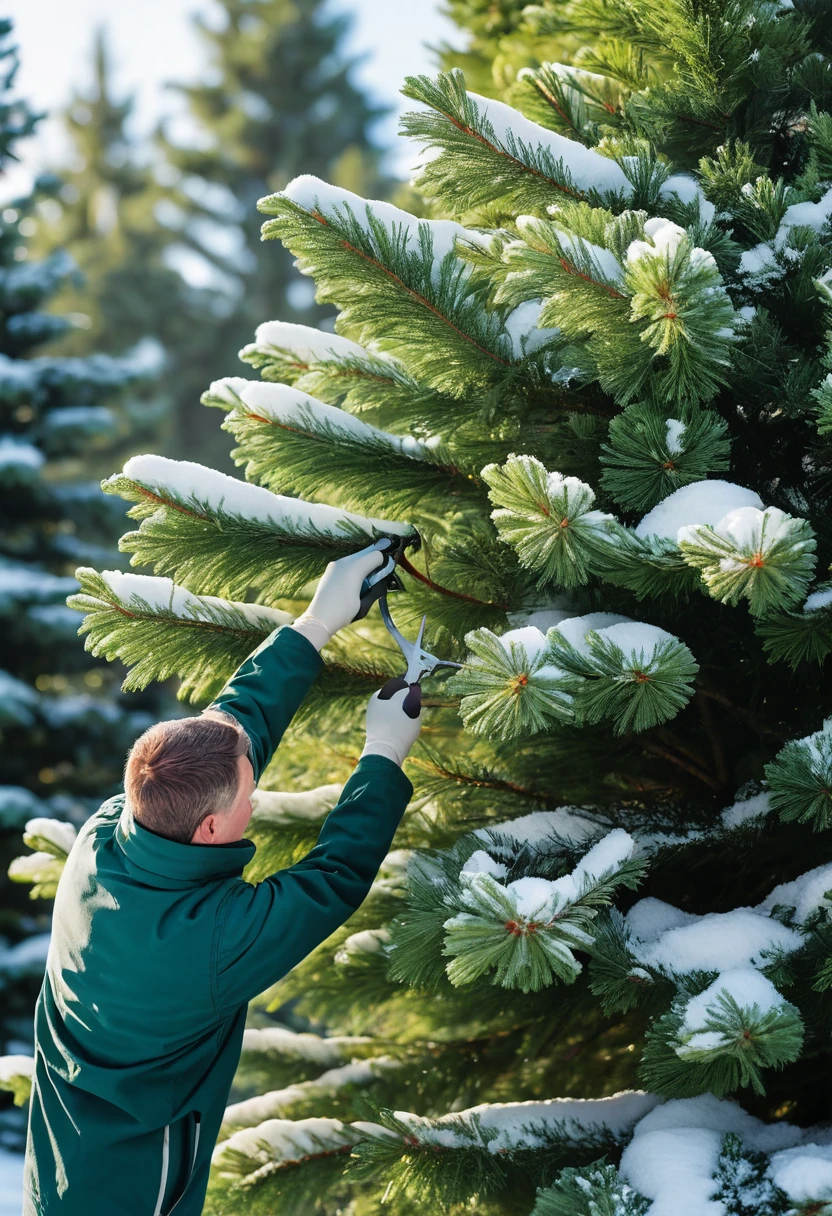
Evergreen trees and shrubs don’t always follow the same pruning rules as deciduous plants. Iowa State Extension notes that evergreen trees such as pine, spruce, and fir generally require little pruning, although dead, broken, and diseased branches can be removed as needed.
Before pruning an evergreen, identify the species and understand how it produces new growth. Pines are particularly important because their growth pattern differs from that of spruce and fir. A cut into older, bare pine wood may not produce new shoots.
Prune Spruce and Fir With Care
Spruce and fir can be selectively pruned to manage unwanted growth or improve structure. Iowa State guidance indicates that cuts can be made back to lateral buds or side branches when appropriate.
For +13 Seasonal Garden Guides, avoid turning a naturally shaped evergreen into a heavily sheared object unless it is specifically being maintained as a formal hedge.
Be Careful With Pines
Pines have a different growth habit and should not be treated like every other evergreen. Their new growth develops from terminal buds, often called candles.
If you aren’t confident identifying pine growth points, avoid major cuts into older branches. Species-specific advice is much safer than applying a generic pruning formula.
Winter Pruning for Flowering Shrubs
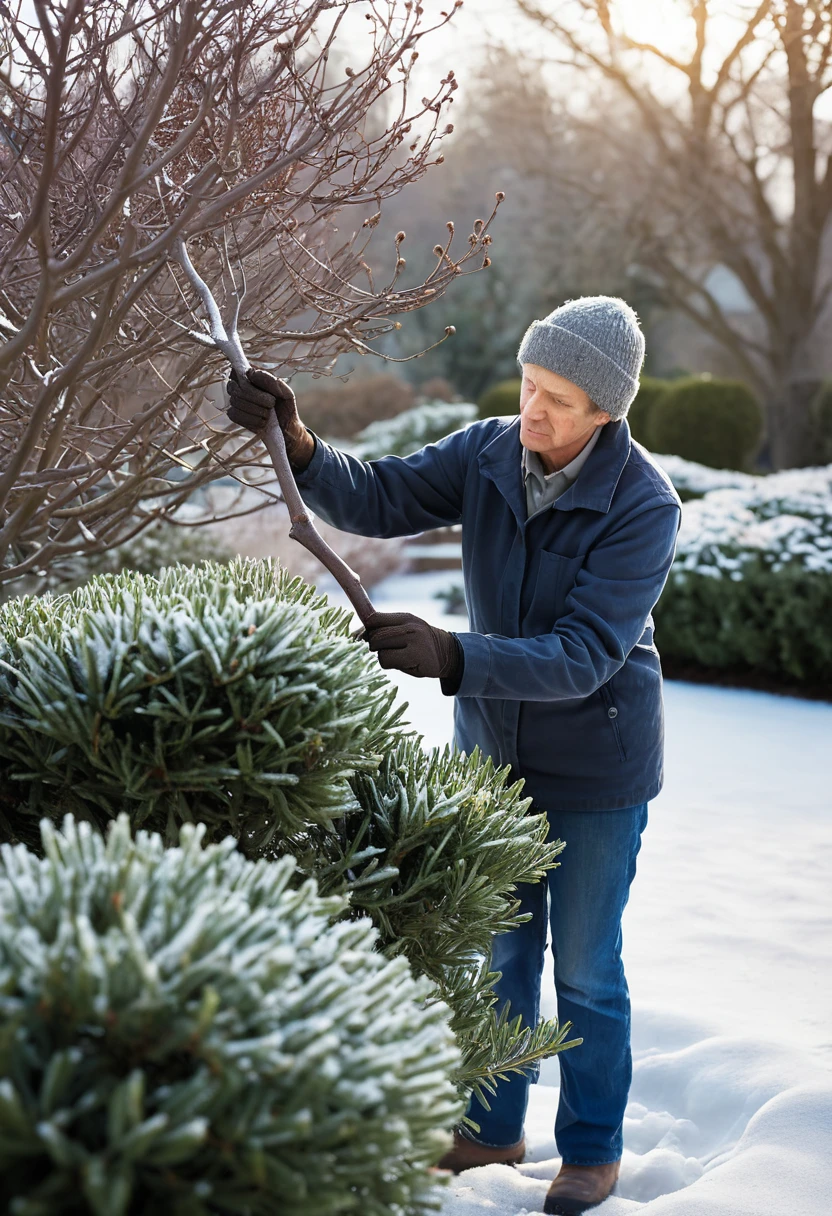
Flowering shrubs require special attention because pruning time can determine whether you’ll have flowers in the coming season. Spring-flowering shrubs often form flower buds on older wood, so heavy winter pruning can remove those buds.
Iowa State and other extension resources emphasize that pruning time should depend on flowering period and growth habit. Spring-flowering shrubs are generally pruned after flowering, while many summer-flowering shrubs that bloom on new growth can be pruned during the dormant season.
Protect Spring Flower Buds
If a shrub blooms early in spring, pause before cutting healthy branches. The buds may already be waiting on those stems.
For +13 Seasonal Garden Guides, a little research before pruning can preserve an entire season of flowers. When uncertain, identify the shrub and check its recommended pruning period.
Prune Summer-Flowering Shrubs Differently
Shrubs that produce flowers on new growth are often better candidates for late-winter or early-spring pruning. Examples include several summer-blooming shrubs, depending on species and climate.
The important distinction is whether the plant flowers on old wood or new wood. Don’t rely solely on whether a plant is technically a “shrub.”
Pruning Fruit Trees in Winter
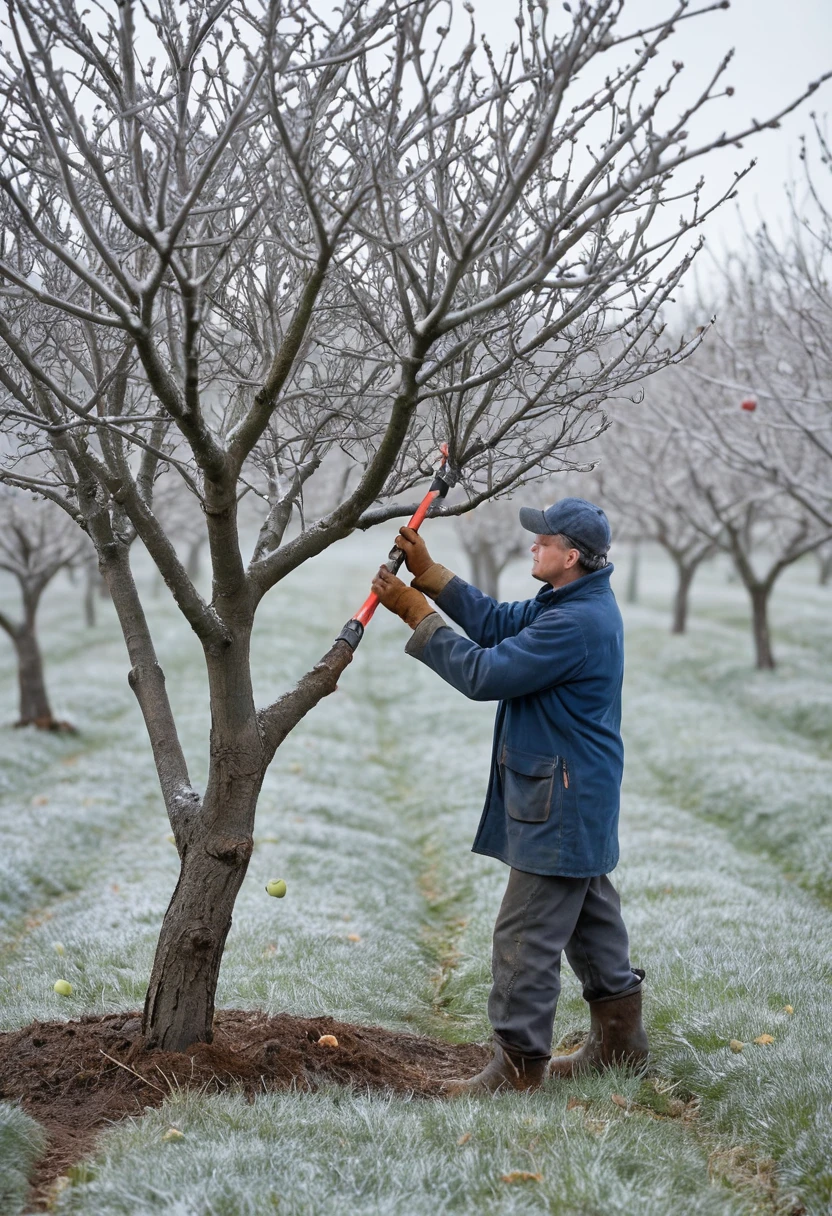
Winter pruning is especially useful for many deciduous fruit trees because the leafless canopy makes structure easier to inspect. Apples and pears, for example, can benefit from dormant pruning that removes dead, damaged, crowded, or inward-growing branches and improves light penetration.
University of Maryland Extension recommends pruning fruit plants while dormant, with late winter often being the preferred period, and notes that pruning can help control size, improve sunlight and airflow, and remove unhealthy wood.
Open the Canopy
A productive fruit tree needs a useful balance between branches and foliage. Removing selected crowded branches can allow more light and air into the interior of the canopy.
For +13 Seasonal Garden Guides, don’t strip the tree completely open. Fruit production depends on retaining productive wood, and each fruit species has its own training system and pruning requirements.
Follow Species-Specific Advice
Apple, pear, peach, plum, cherry, and other fruit trees don’t all respond identically to pruning. Some also differ in disease risk and preferred training systems.
For +13 Seasonal Garden Guides, identify the fruit tree before making major cuts. A species-specific pruning guide from a local extension service can prevent costly mistakes.
How Much Should You Remove?
One of the most common pruning mistakes is removing too much at once. University of New Hampshire Extension gives a general rule of removing no more than about one-third of a plant in a year, while noting that particular renovation situations can differ.
The exact amount should depend on species, age, health, structure, and the reason for pruning. A young, vigorous plant and an old, declining tree should not automatically receive the same treatment.
Step Back Between Cuts
After every few cuts, move away from the plant and inspect the overall result. This simple habit helps prevent over-pruning.
For +13 Seasonal Garden Guides, think in stages: remove obvious problems, reassess the structure, and then decide whether another cut is genuinely necessary.
Use Clean, Sharp Pruning Tools
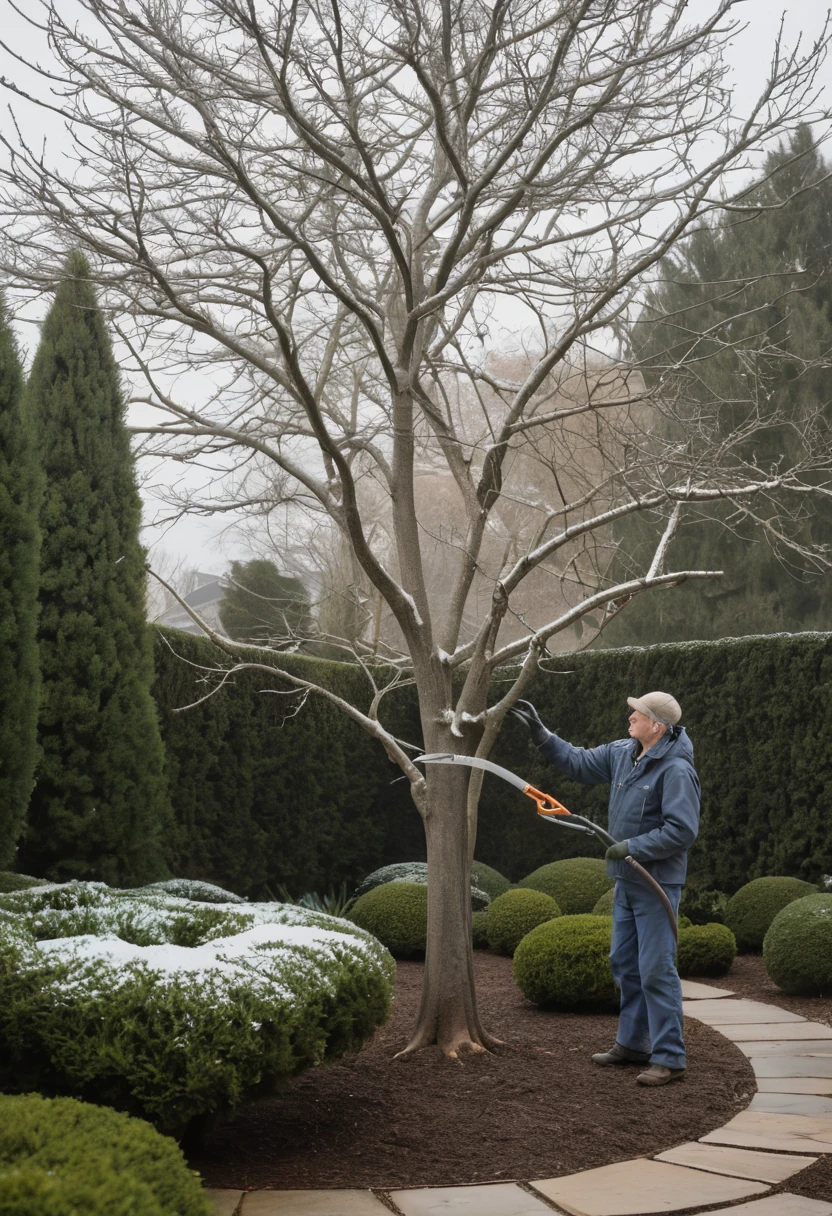
Sharp tools make cleaner cuts and are easier to control. Depending on branch size, gardeners may use hand pruners, loppers, pruning saws, or other purpose-built equipment.
Keep tools clean and maintained. Dull blades can crush or tear tissue, while poorly maintained equipment makes precise cuts more difficult.
Match the Tool to the Branch
Hand pruners are suited to smaller branches, loppers provide greater leverage for larger shoots, and pruning saws are appropriate for branches beyond the practical capacity of shears.
For +13 Seasonal Garden Guides, don’t force a hand pruner onto a branch that requires a saw. The right tool improves both safety and cut quality.
Make Proper Pruning Cuts
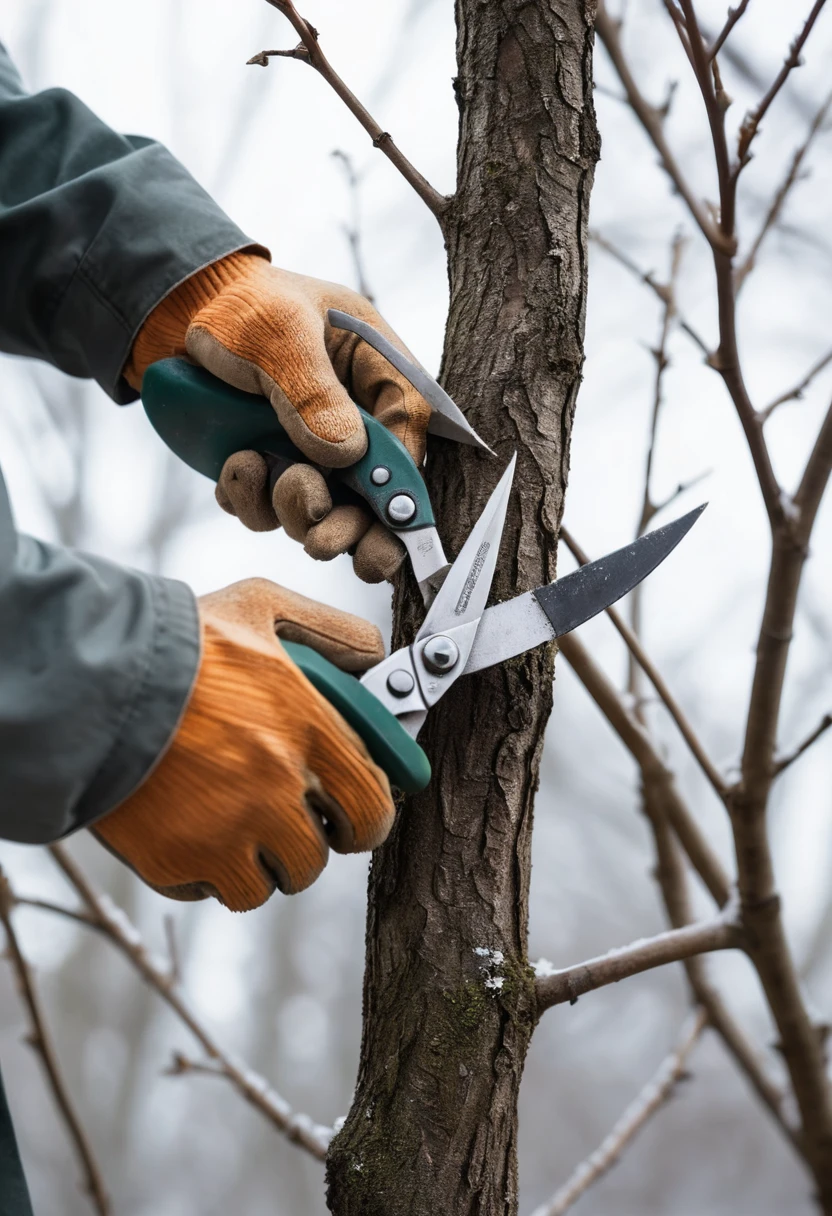
A good pruning cut should remove the unwanted branch without unnecessarily damaging the remaining trunk or limb. Avoid flush cuts that remove the branch collar, and don’t leave long stubs. University of New Hampshire Extension explains that both damaging the branch collar and leaving stubs can interfere with normal wound closure.
Take your time before cutting. Identify the branch collar and branch bark ridge where visible, determine the exact portion you intend to remove, and make a controlled cut.
Avoid Flush Cuts
Cutting tightly against the trunk can remove important protective tissue. Instead, preserve the branch collar when removing a limb.
For +13 Seasonal Garden Guides, this small detail can make a major difference in the long-term quality of a pruning job.
When You Should Leave a Plant Alone
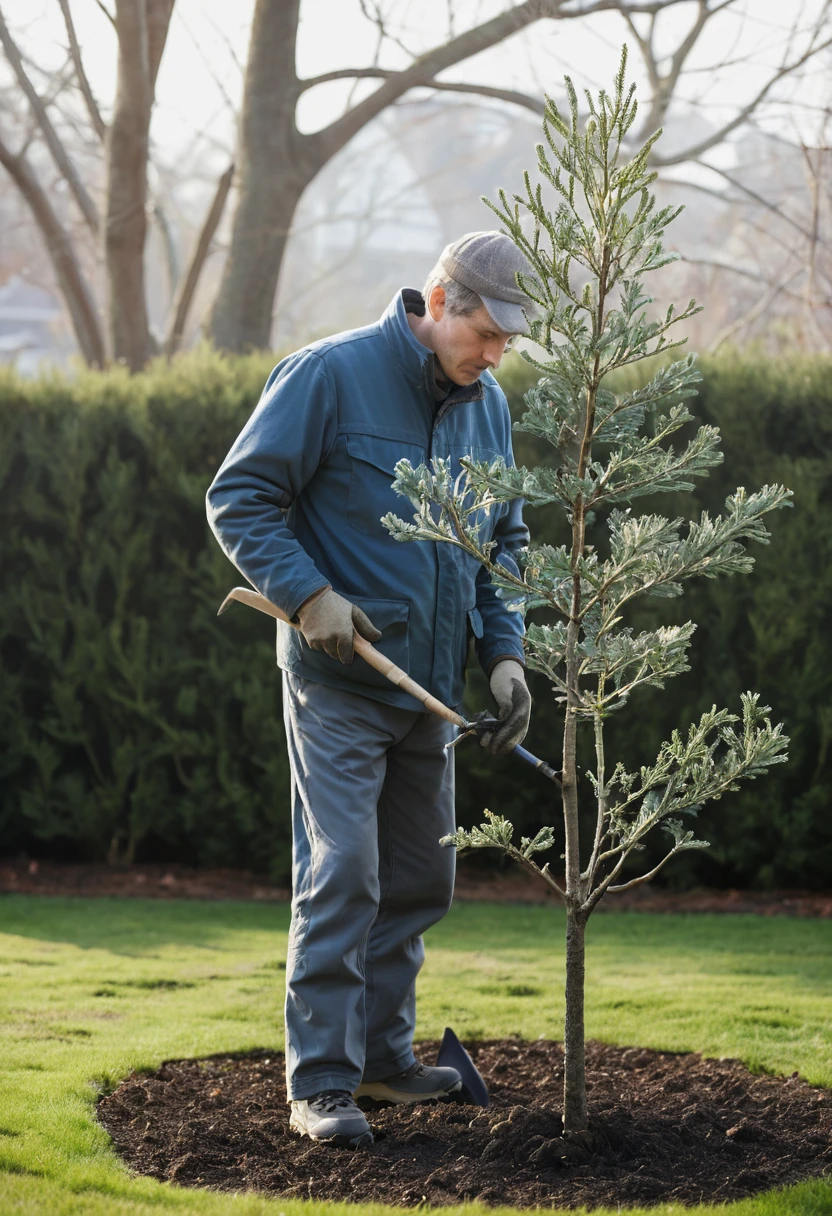
Winter doesn’t automatically mean every tree or shrub should be pruned. Plants that bloom on old wood may need to wait until after flowering, while some tender or cold-sensitive plants may require different timing.
University of Florida Extension specifically notes that spring-flowering shrubs such as azaleas and camellias may be better left until after their flowering period, while cold-sensitive plants and some evergreens may also require different timing.
For +13 Seasonal Garden Guides, the safest rule is simple: identify the plant first, then choose the pruning window.
Avoid These Winter Pruning Mistakes
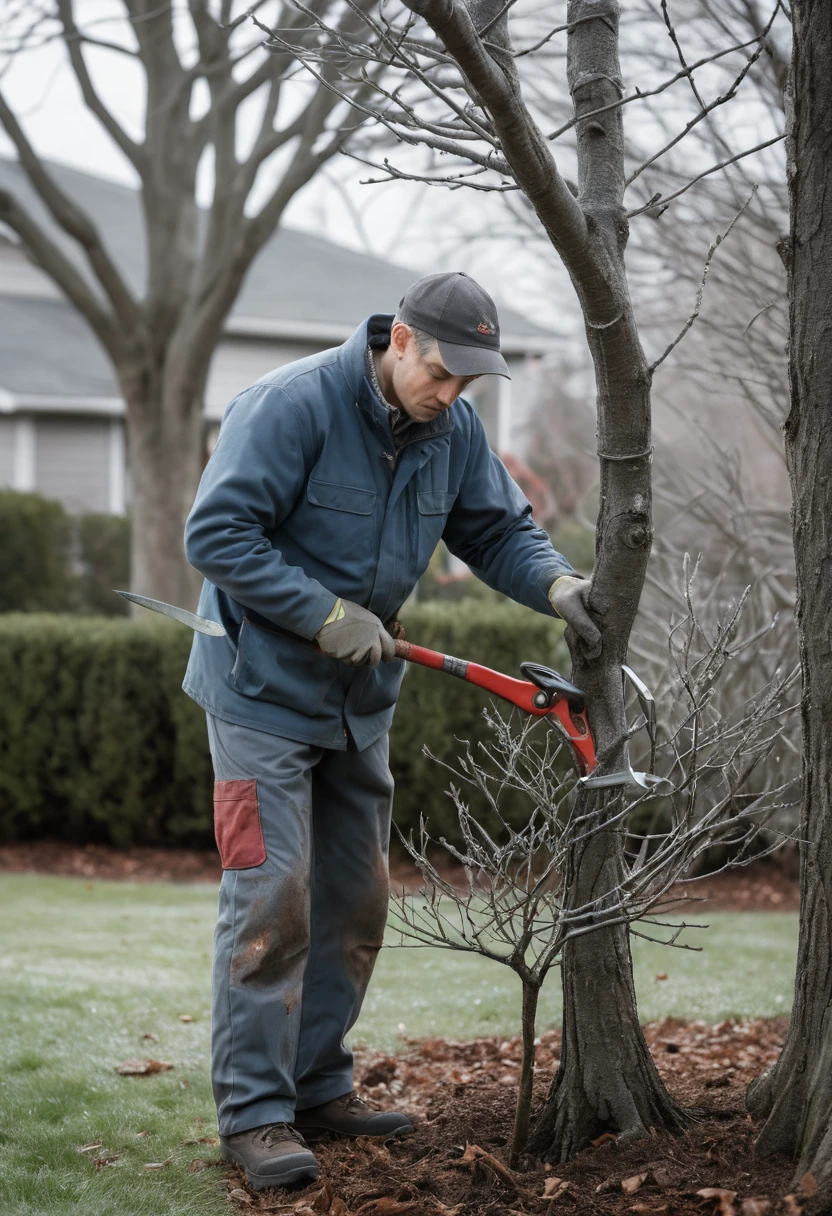
Good pruning isn’t about cutting as much as possible. It’s about making the smallest number of useful cuts that improve the plant’s health, structure, appearance, or productivity.
Before finishing your winter pruning, check that you haven’t fallen into one of these common habits:
- Pruning without identifying the plant
- Removing healthy branches unnecessarily
- Cutting more than necessary
- Making flush cuts
- Leaving long branch stubs
- Shearing naturally shaped shrubs excessively
- Removing spring flower buds
- Ignoring disease symptoms
- Pruning during extreme cold
- Using dull or damaged tools
- Making large cuts without considering safety
- Treating every tree species the same
For +13 Seasonal Garden Guides, avoiding these mistakes is just as important as learning the correct cutting technique.
Know When to Call a Professional
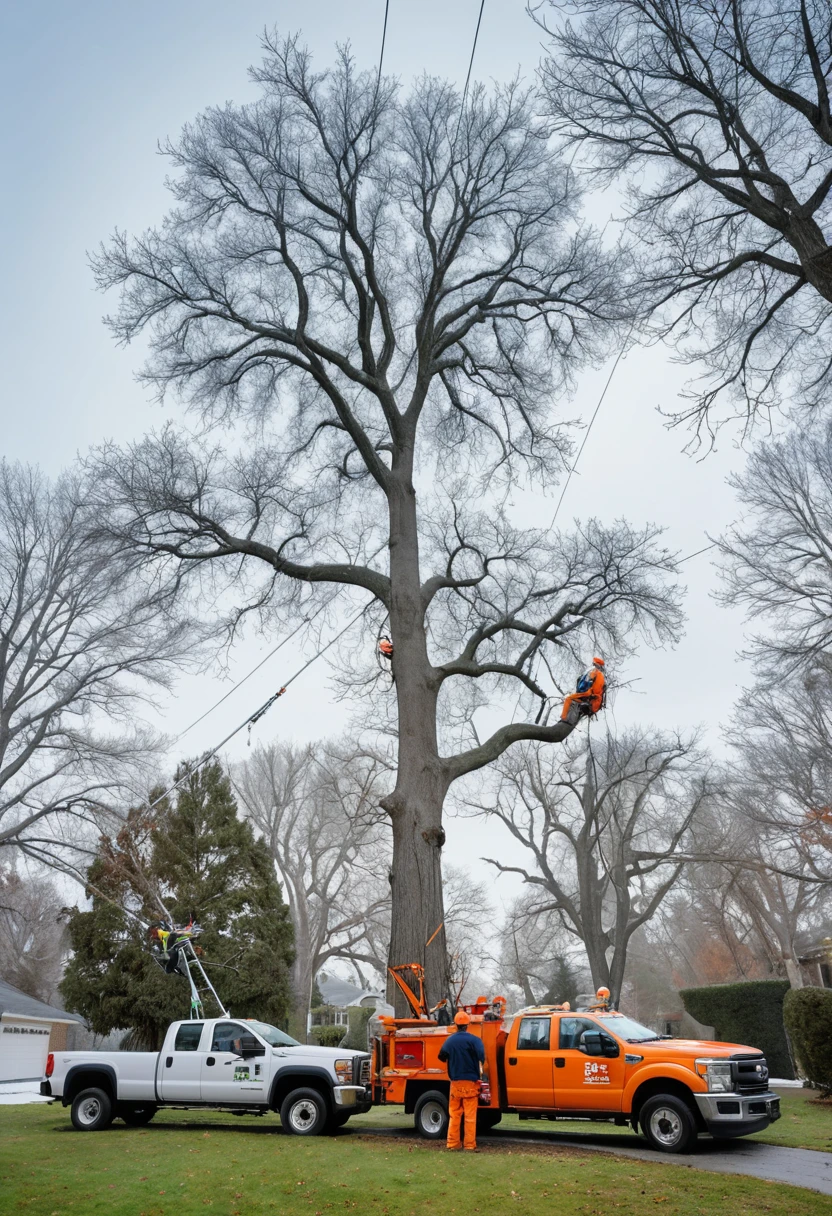
Small shrubs and manageable branches are often suitable for careful homeowner maintenance, but large trees require a different level of safety consideration. Working above ground, near power lines, or with large heavy limbs can create serious hazards.
If a tree has major structural defects, large dead limbs, storm damage, extensive decay, or branches close to utility lines, consult a qualified tree professional rather than attempting the work yourself.
Don’t Take Risks With Large Trees
A pruning job isn’t worth an injury or property damage. Professionals have the equipment and training required for difficult tree work.
For +13 Seasonal Garden Guides, remember that knowing when not to prune yourself is part of responsible garden care.
Build a Winter Pruning Routine
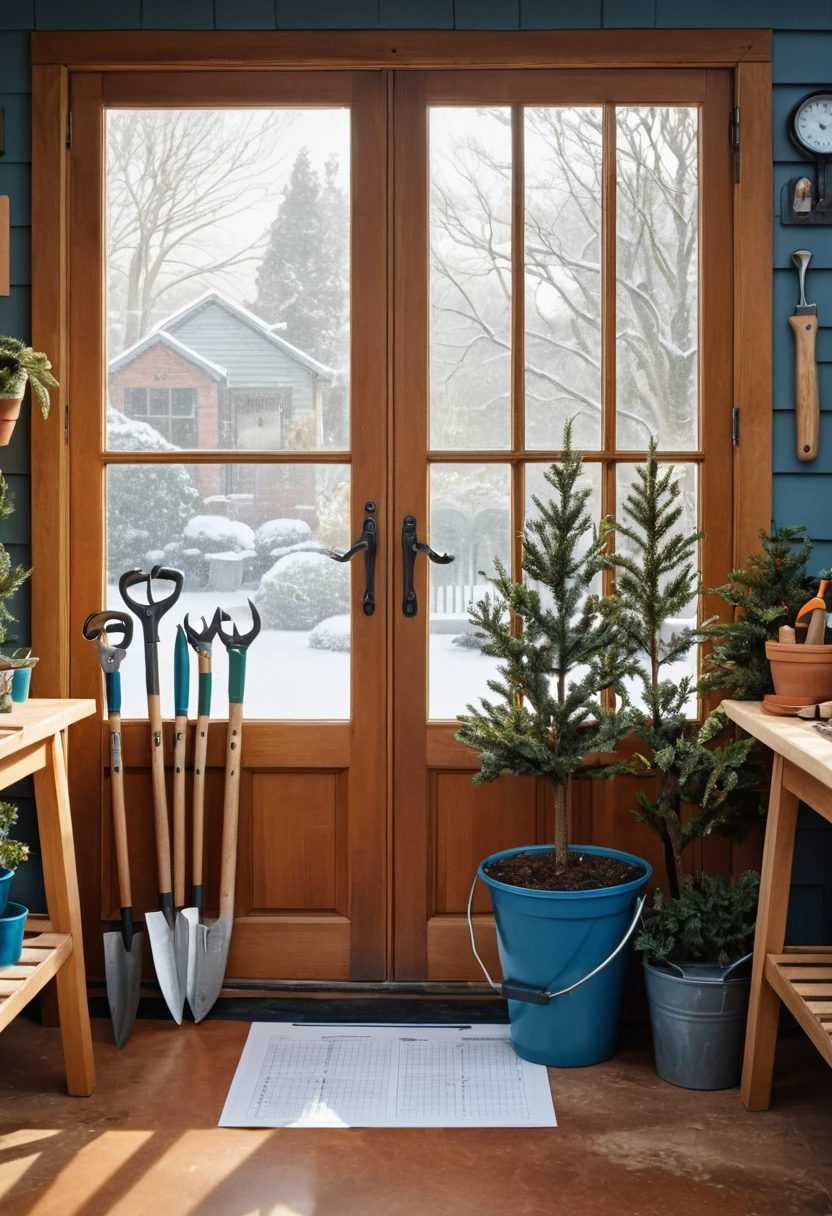
A successful pruning routine begins with observation. Walk through your garden when plants are dormant and make notes about dead branches, crowded areas, damaged limbs, flowering times, and plants that may need attention later.
Create a simple seasonal record for each major tree and shrub. Note the species, approximate age, previous pruning, flowering period, and any structural concerns. This makes future decisions much easier.
Mark Plants That Need Spring Attention
Some plants should wait until after flowering. Marking them now prevents accidental winter pruning later.
For +13 Seasonal Garden Guides, keeping a basic garden notebook can turn pruning from an uncertain task into a planned part of seasonal maintenance.
FAQs
Is winter the best time to prune trees?
Late winter or the late dormant season is best for many deciduous trees because their structure is visible and new spring growth is approaching, but timing varies by species and climate.
What trees should not be pruned in winter?
Some trees and shrubs should be pruned at other times, particularly plants that flower on old wood; species-specific timing should be checked before pruning.
Can I prune shrubs in winter?
Yes, many shrubs can be pruned during dormancy, especially those that flower on new growth, but spring-flowering shrubs often should be pruned after they bloom.
How much of a tree can I prune at once?
A general guideline is to avoid removing more than about one-third of a plant in a year unless a specific renovation or safety situation calls for a different approach.
Should dead branches be removed in winter?
Dead, damaged, and diseased branches can generally be removed when needed, although large or hazardous branches should be handled by a qualified professional.
Conclusion
Winter pruning is most successful when it is selective rather than aggressive. Start with dead, damaged, and diseased wood, evaluate the plant’s natural structure, understand whether it flowers on old or new growth, and use clean tools with properly positioned cuts. The right timing can improve structure, airflow, light penetration, flowering, and overall plant health.
Use +13 Seasonal Garden Guides as a practical seasonal reminder to slow down and observe before you cut. Identify every plant, check local growing conditions, protect valuable flower buds, and leave difficult or hazardous tree work to professionals. A few careful cuts during the dormant season can set your trees and shrubs up for stronger, healthier growth when spring returns.

