
A thoughtfully planned flower bed can completely change the character of a garden. It can brighten an empty lawn, frame a walkway, soften a fence, or create a colorful focal point near your patio. The best results come from combining attractive flowers with a practical layout, suitable growing conditions, and a clear sense of rhythm.
You do not need a large yard or expensive landscaping materials to create an impressive planting area. A small curved border, a simple raised bed, or a few coordinated flower groups can make a noticeable difference. The key is to choose a layout that works with your available space rather than trying to copy a design that does not suit your garden.
These ideas cover different styles, sizes, colors, and purposes. Whether you want a cottage-style display, a modern border, a pollinator-friendly space, or a low-maintenance garden, you can adapt one of these approaches to your own yard.
How to Choose the Right Flower Bed Layout
Before buying plants, look carefully at the location. Notice how much sunlight the area receives, whether water collects after rain, how easily you can reach the plants, and what the bed will look like from windows, paths, or seating areas.
Think about the mature height and spread of every plant. Tall flowers can create a beautiful backdrop, but they may hide smaller varieties if placed incorrectly. A simple approach is to arrange taller plants toward the back, medium-height varieties through the middle, and shorter flowers around the front edge.
Color also deserves planning. Two or three main colors can create a more coordinated appearance than using every shade available. You can then introduce contrast through foliage, flower shapes, or a small number of accent plants.
13 Flower bed design Ideas
1. Curved Border Along the Lawn
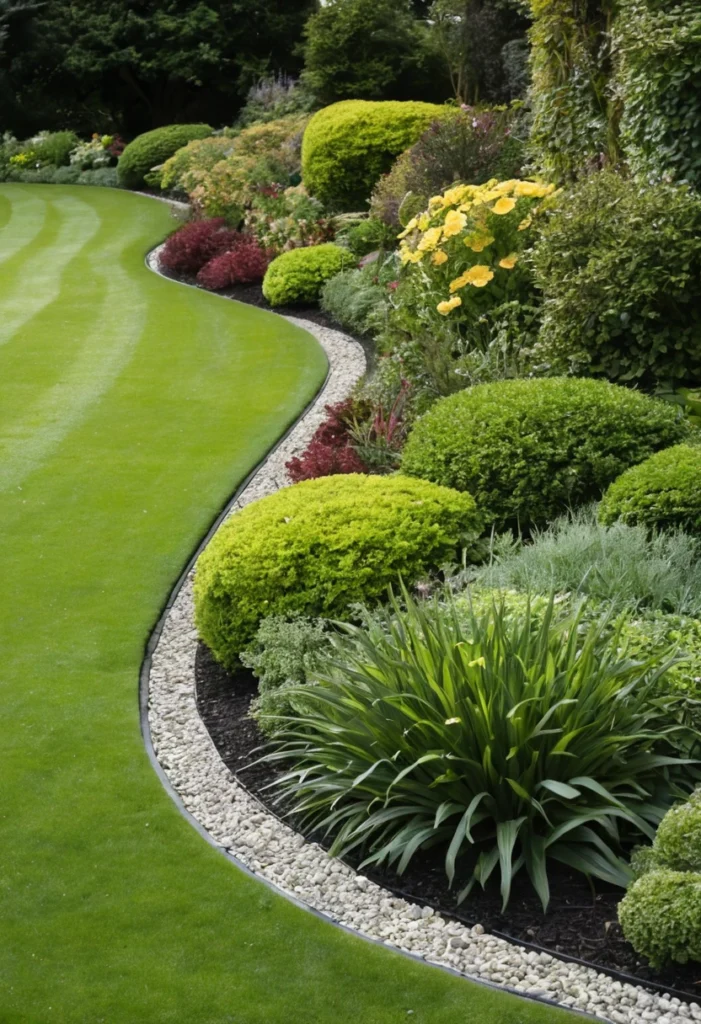
A sweeping curved bed is an easy way to make a flat lawn feel more interesting. Instead of creating a perfectly straight boundary, use a gentle arc that follows the natural shape of the yard.
Plant taller flowers toward the back and repeat several varieties along the curve. Low-growing flowers can soften the outer edge and create a smooth transition between the lawn and planting area.
Curved beds work particularly well around trees, patios, walkways, or large open lawns. Keep the curves broad rather than creating several tight turns, which can make mowing and maintenance more difficult.
2. Three-Level Layered Flower Bed
Layering gives a flower bed depth and makes more plants visible from a distance. Place tall varieties such as sunflowers, hollyhocks, or ornamental grasses toward the rear, followed by medium-height flowers such as coneflowers or salvias.
Use compact plants along the front edge to finish the design. This arrangement works especially well against a wall, fence, hedge, or house exterior.
For a more natural appearance, repeat the same plants in small groups instead of creating a separate row for every variety. Repetition helps the whole bed feel connected.
3. Cottage-Style Flower Garden
A cottage garden is perfect if you prefer a relaxed, colorful, slightly informal appearance. Mix flowers with different heights, shapes, and blooming periods rather than following a rigid geometric pattern.
Roses, daisies, lavender, foxgloves, cosmos, and other cottage-style favorites can create a soft and abundant display. Add herbs or decorative foliage plants if you want more texture.
Although the planting can look spontaneous, some planning is still useful. Leave enough space for mature plants and repeat a few colors throughout the bed so the garden does not become visually chaotic.
4. Circular Island Bed
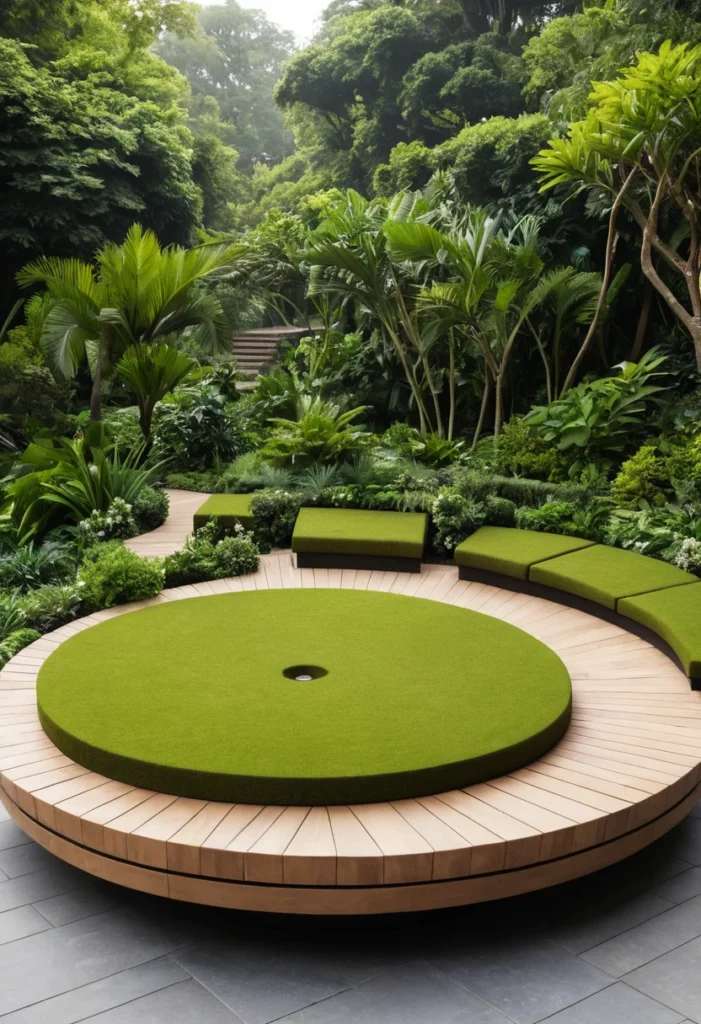
A circular island bed creates a focal point in the middle of a lawn or open garden. Because it can be viewed from several directions, arrange the tallest plants near the center and gradually reduce the height toward the outside.
Choose one strong focal plant or a central group, then surround it with complementary flowers. A neat edging material such as stone, brick, or metal can give the circle a polished finish.
This design is especially attractive when positioned where it can be viewed from several windows or from an outdoor seating area.
5. Fence-Line Flower Border
Turn an ordinary fence into a colorful garden backdrop by planting a narrow border along its base. Taller flowers can stand close to the fence while medium and low plants fill the space in front.
This layout is useful for making plain fencing feel softer and more decorative. Repeating the same flower every few feet can create rhythm without making the planting look overly formal.
If the fence receives strong afternoon sunlight, select plants that tolerate those conditions. For shaded fences, choose varieties suited to lower light instead.
Read Also: 15 Easy DIY Home Decorate Projects for 2026 (Budget-Friendly Ideas Anyone Can Actually Finish)
6. Raised Flower Bed With Defined Edges
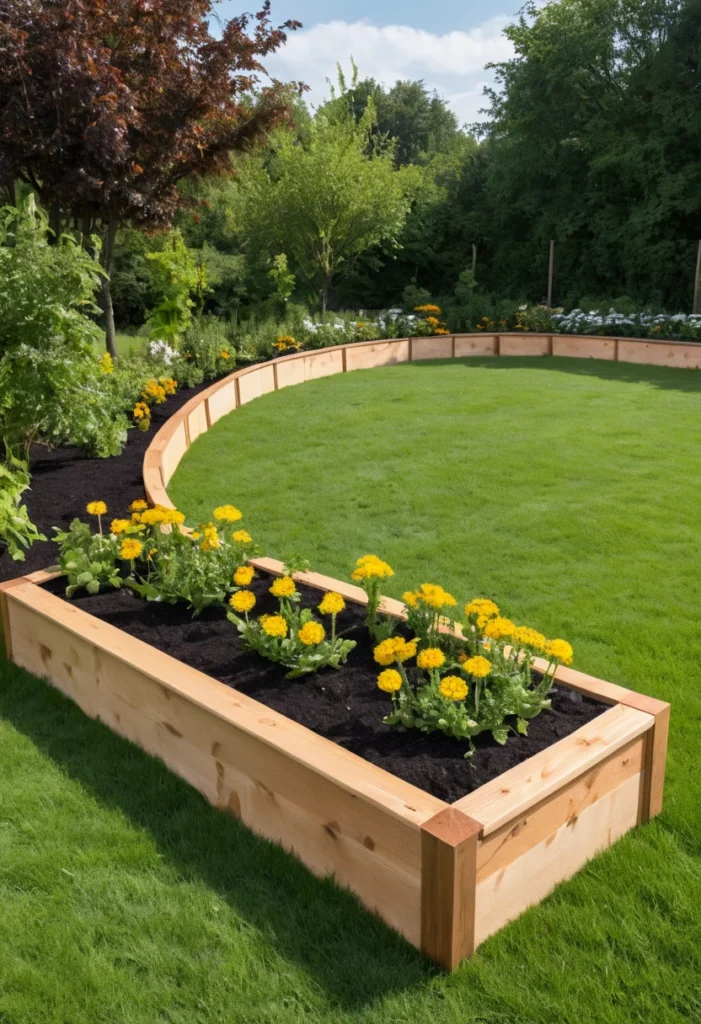
Raised beds add structure while making the planting area visually distinct from the rest of the yard. They can be built from timber, brick, stone, or other suitable landscape materials.
A raised design is particularly useful when the existing soil is poor or drainage needs improvement. It also gives you greater control over the soil mixture used for your flowers.
Keep the width manageable so you can reach the middle without stepping into the bed. A well-defined edge can also make routine trimming and weeding easier.
7. Monochromatic Color Bed
A monochromatic garden uses different flowers within one main color family. For example, you could combine pale pink, rose, and deep magenta flowers for a soft romantic effect.
Another option is a blue-and-purple planting scheme with white flowers used sparingly as highlights. Limiting the main palette gives the bed a calm, coordinated appearance.
Use foliage to prevent the design from becoming flat. Different leaf shapes, textures, and shades of green can provide interest even when several flowers share the same color.
8. Pollinator-Friendly Flower Bed
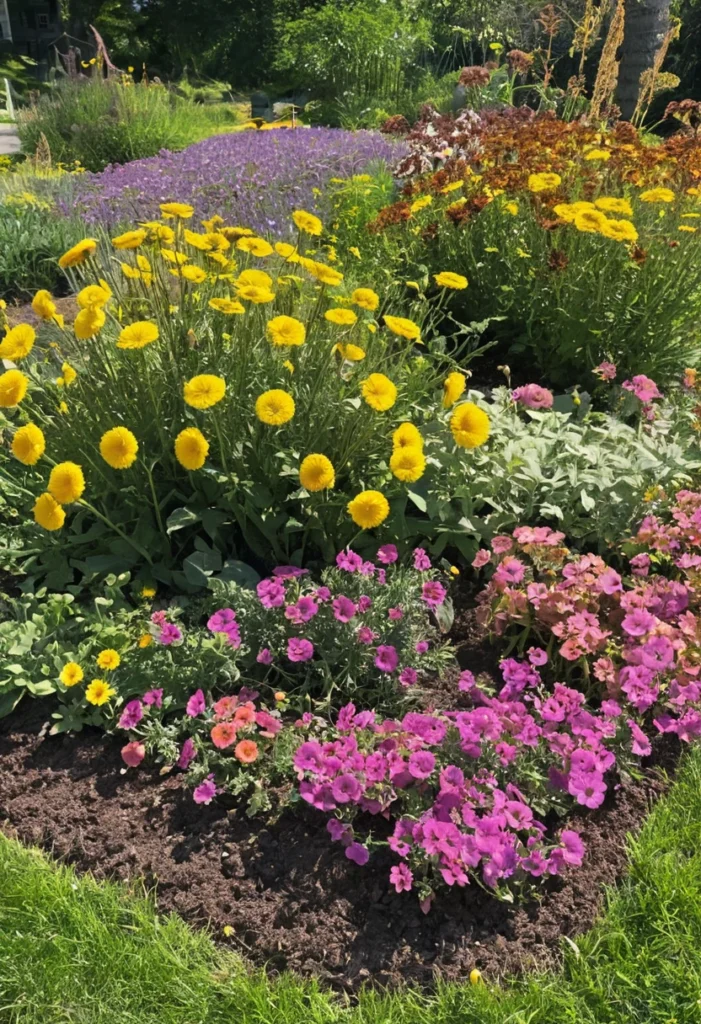
A pollinator garden can be both beautiful and useful. Choose a mixture of flowering plants that provide nectar and pollen and aim for blooms across different parts of the growing season.
Plants such as coneflower, bee balm, salvia, zinnia, lavender, and native flowering species can provide valuable resources for bees and butterflies, depending on your region.
Planting groups of the same flower together can create stronger blocks of color than scattering individual plants throughout the bed. Avoid relying on a single species, and choose plants that are appropriate for your local growing conditions.
9. Small Front-Yard Flower Bed
You do not need a large garden to create curb appeal. A compact bed beneath a front window, beside the entrance, or along a walkway can provide plenty of visual impact.
Choose plants based on mature size so they do not quickly overwhelm the available space. Compact annuals, dwarf perennials, and low-growing ground covers can work well.
Keep the design relatively simple. A small number of repeated plants often looks more polished than a crowded collection of many different varieties.
10. Flower Bed Around a Tree
The area around a mature tree can become an attractive garden feature when planned carefully. Start by considering the tree’s existing roots, shade level, and moisture competition.
Choose shade-tolerant plants if the canopy blocks much of the sunlight. Avoid piling soil deeply against the trunk, and give the tree enough open space around its base.
A ring of low flowers and foliage plants can create a finished appearance without competing visually with the tree. Use curved edging to emphasize the circular shape.
11. Modern Geometric Flower Bed
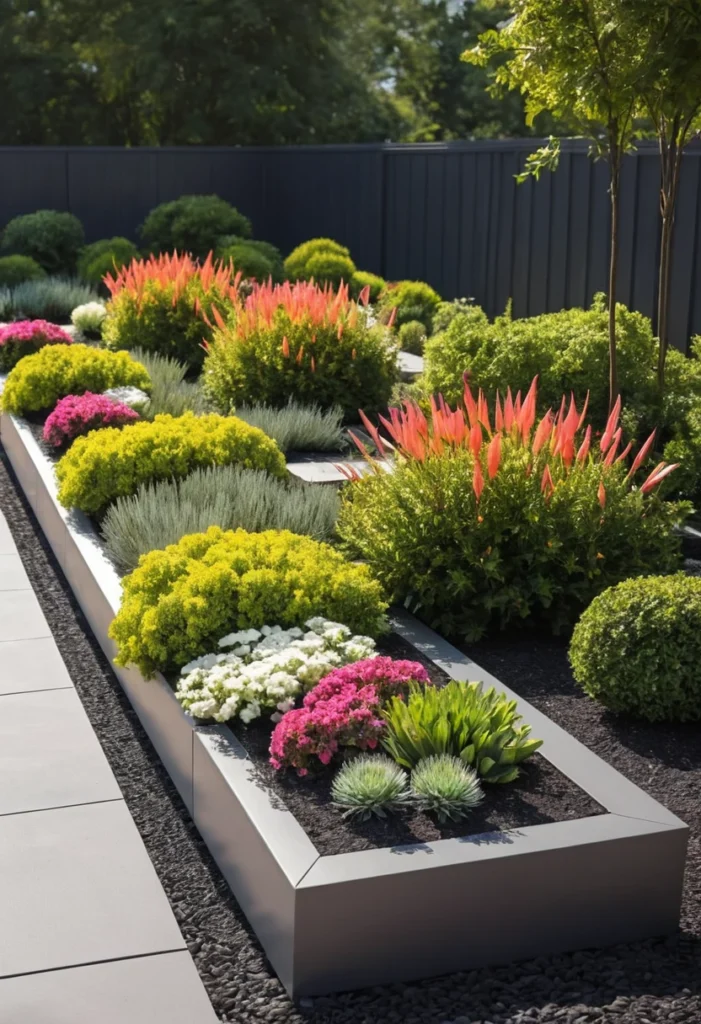
For a cleaner, contemporary look, use straight lines, repeated shapes, and a limited plant palette. Rectangular or square beds can look particularly effective beside modern patios, pathways, or buildings.
Choose a few plants with strong forms and repeat them throughout the space. Ornamental grasses, structured shrubs, compact flowering plants, and simple edging can create a sophisticated appearance.
Keep the color scheme restrained. White, purple, blue, pink, or one strong accent color against green foliage can produce a modern result without requiring complicated landscaping.
12. Layered Walkway Flower Border
A flower border beside a path can make an ordinary walkway feel more inviting. Keep the plants low enough near the walking edge so they do not obstruct feet, gates, or sightlines.
Place medium-height flowers farther from the path and taller plants toward the rear. This creates depth while keeping the walkway accessible.
Consider bloom timing as well. Combining early, mid-season, and late-season flowers means the path can remain colorful for a longer period rather than looking impressive for only a few weeks.
13. Low-Maintenance Perennial Bed
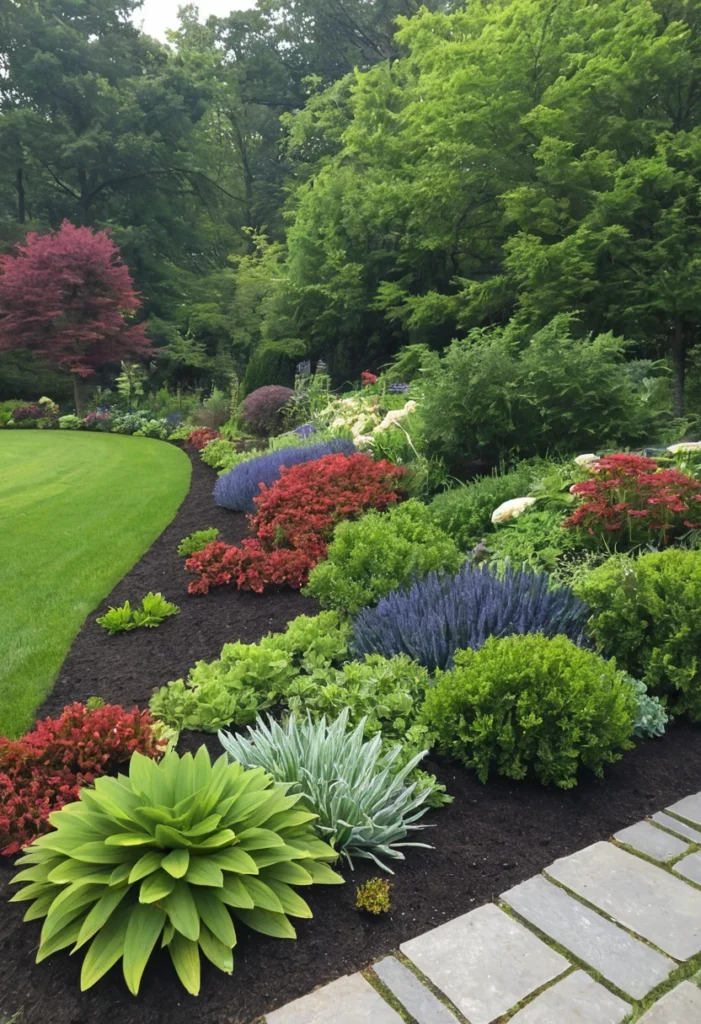
If you want a garden that does not require seasonal replanting every year, build the design around suitable perennial plants. Combine several reliable varieties with different heights, textures, and bloom periods.
Leave enough room for plants to reach their mature size. Overcrowding may look attractive immediately after planting but can create competition, poor airflow, and extra maintenance later.
Add a few long-lasting foliage plants or ornamental grasses to keep the bed interesting between flowering periods. A simple perennial planting can become more attractive each year as the plants establish themselves.
How to Make a Flower Bed Look Full and Balanced
One of the easiest ways to improve a planting is to use repetition. Instead of buying one plant of every type, select a smaller collection and repeat them throughout the bed. This creates visual rhythm and makes the garden feel intentionally designed.
Height is equally important. A front-facing border usually looks best when plants rise gradually from the edge toward the back. For an island bed that can be viewed from every direction, the tallest plants generally work better near the center.
Texture should also be considered. Combine rounded flowers with vertical spikes, fine foliage with broad leaves, and soft mounding plants with upright forms. These differences create interest even when the flower colors are similar.
Choosing Flowers for Sun, Shade, and Soil
Start with the conditions you already have rather than forcing unsuitable plants into the space. Full-sun areas can support many flowering annuals and perennials, while shaded locations require plants adapted to lower light.
Drainage matters as well. Some flowers prefer consistently moist soil, while others perform poorly when their roots remain wet. Check the soil before planting and improve it where necessary with suitable organic material.
Your local climate should guide plant selection. A flower that performs beautifully in one region may struggle in another because of heat, humidity, frost, or rainfall differences. Native and well-adapted plants are often a practical starting point.
Simple Flower Bed Maintenance Tips
Regular maintenance keeps even a simple planting looking intentional. Remove faded flowers when appropriate, control weeds before they become established, and water according to the needs of the plants rather than following a fixed schedule.
Mulching can help conserve soil moisture and reduce weed growth, but keep mulch away from direct contact with plant stems and tree trunks. Check plants regularly for signs of stress, disease, or pest activity.
Do not try to make every plant bloom at exactly the same time. A good garden changes throughout the season. Plan for different flowering periods so one group can take over as another begins to fade.
Frequently Asked Questions
What is the best shape for a flower bed?
The best shape depends on the garden and how the space will be used. Curved beds suit informal landscapes, while rectangular or geometric beds often work well in modern gardens.
How should flowers be arranged in a flower bed?
Arrange plants according to mature height, with taller varieties generally positioned behind shorter ones in a front-facing bed. Repeating plants in groups can also create a more balanced and cohesive appearance.
How many types of flowers should I plant together?
There is no fixed number, but using a smaller selection of complementary plants often produces a more organized result. Repeat several varieties rather than placing one of every flower in the same area.
How can I make a small flower bed look bigger?
Use a limited color palette, curved edges, and plants with different heights to create depth. Cooler flower colors and lighter foliage can also make a compact area feel more open.
What flowers are good for a pollinator garden?
Good choices depend on your region, but many gardens can include flowers such as coneflower, bee balm, salvia, lavender, zinnia, and locally native flowering plants. Aim for plant diversity and flowers that bloom at different times.
How do I create a low-maintenance flower bed?
Choose plants that naturally suit your soil, sunlight, and climate, and give them enough space to reach mature size. Perennials, reliable ground covers, and plants with long-lasting foliage can reduce the need for frequent replanting.
Final Thoughts
A successful flower bed does not depend on having rare plants or a huge amount of space. Good proportions, thoughtful plant placement, repeated colors, and suitable growing conditions can turn even a small garden area into an attractive feature.
Start with one layout that matches your space, then adapt the plant choices to your sunlight, soil, climate, and maintenance preferences. With a little planning, your new planting can become a colorful part of the garden that looks better as it matures.