
City living does not have to mean giving up the pleasure of growing plants. A balcony, narrow patio, rooftop, front stoop, or small side yard can hold flowers, herbs, leafy greens, and even a few compact vegetables when every part of the space has a purpose.
The best urban garden ideas for small spaces make use of vertical surfaces, containers, corners, and movable planters without blocking doors or walkways. They also account for sunlight, wind, drainage, and the time you can realistically spend on care.
Quick answer: Start by measuring the usable area and tracking its sunlight. Then choose one main growing method—containers, a raised bed, railing planters, or a trellis—and select plants that match the light and climate. Keep a clear route for walking and watering.
Table of Contents
- Plan your space before buying plants
- 15 urban garden ideas for small spaces
- Choose plants by sunlight and climate
- Set up containers that stay healthy
- Make watering and maintenance manageable
- Small-space garden mistakes to avoid
- Frequently asked questions
- Final thoughts
Plan Your Space Before Buying Plants
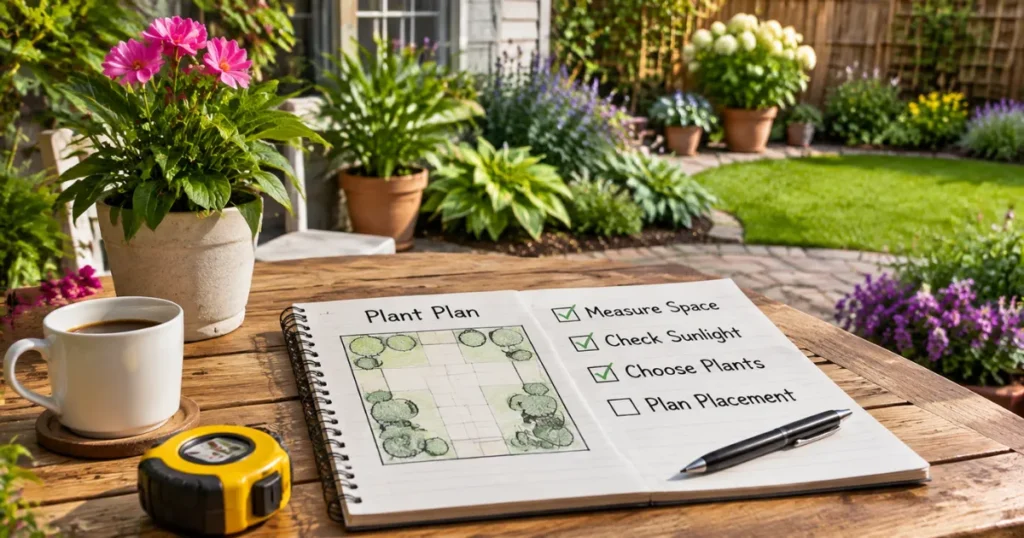
Measure the area you can actually use, not just the full balcony or patio. Mark doors, drains, outdoor outlets, air-conditioning units, and the route you need to keep open. A simple sketch helps you see where a planter can fit without turning the space into an obstacle course.
Watch the area at different times of day before choosing plants. A sunny wall can become very hot, while a corner behind a railing may receive much less light than it appears to. Also note wind exposure, access to a hose or tap, and whether water can drain without bothering a neighbor below.
- Sun: Record direct sunlight in the morning, midday, and afternoon.
- Weight: Check balcony or rooftop rules before adding large planters, wet soil, or heavy furniture.
- Water: Place the main growing area close enough to a practical water source.
- Movement: Leave room to open doors, reach plants, and move safely through the space.
15 Urban Garden Ideas for Small Spaces
You do not need to use all 15 ideas. Choose the layouts that suit your property, climate, and gardening goals. A few well-placed containers can look calmer and be easier to maintain than a crowded collection of pots.
Create a Container Garden in One Corner
Group three or four containers of different heights in an unused corner instead of spreading small pots across the entire floor. Put the tallest plant at the back, medium pots beside it, and low herbs or flowers near the front. Repeating one or two pot colors makes the arrangement feel planned.
For an edible corner, combine a compact pepper or patio tomato with basil, parsley, or lettuce. Match each plant to a suitable pot size rather than squeezing several large plants into one shallow container.
Build a Vertical Herb Wall
A wall-mounted rack, sturdy grid, or purpose-made pocket planter can turn a blank fence into a growing area. Use it for shallow-rooted herbs and small leafy plants, and keep the most frequently harvested pots at a comfortable height.
Check that the wall or fence can support the loaded system. Use containers with drainage and make sure runoff will not stain the wall or drip onto a lower balcony. Start with a small section before covering the whole surface.
Use Balcony Railings for Planters
Railing planters keep the main floor clear and bring flowers or herbs closer to eye level. Choose a box designed for the exact railing width, attach it according to the manufacturer’s directions, and position it on the safe side of the railing whenever building rules require it.
Wind can dry plants quickly at balcony height. Select sturdy varieties, secure the containers, and use a tray or a self-watering design if it helps control runoff. Check apartment or homeowners’ association rules before installing anything outside the railing.
For more layout inspiration, see our balcony garden ideas for small spaces guide.
Fit a Compact Raised Bed into a Small Yard
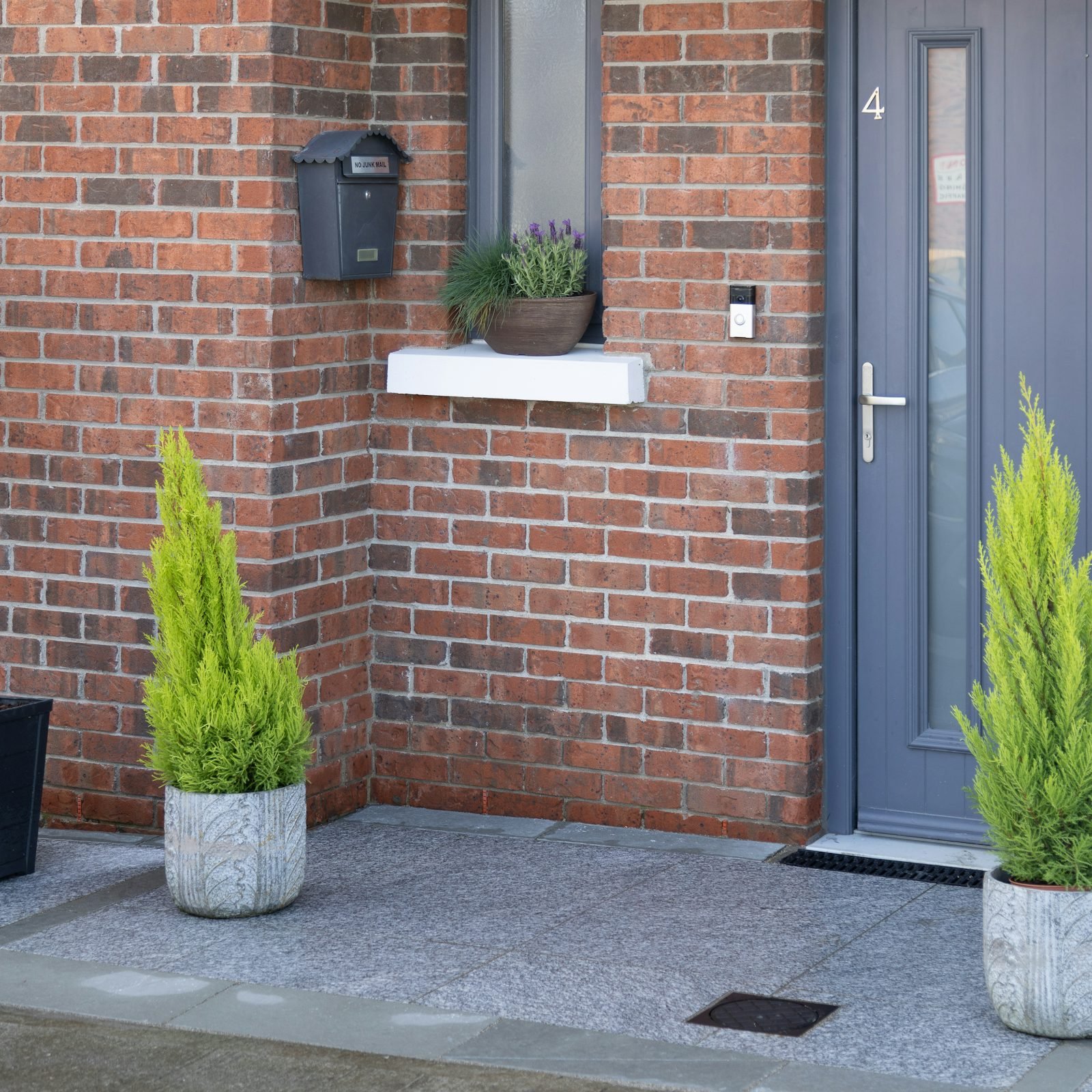
If you have a patch of ground, one narrow raised bed can provide a tidy place for salad greens, herbs, or compact vegetables. Position it where plants receive the light they need and where you can reach the center from the sides without stepping on the growing soil.
Keep the bed narrow enough for comfortable access and use a layout that leaves a path around it. If the only available surface is a roof or balcony, use containers only after checking the structure’s load limits.
If you prefer a lower-disturbance planting layout, explore our no-dig garden bed ideas for more ways to organize a compact growing area.
Turn a Narrow Side Yard into a Green Corridor
A side yard often becomes a forgotten strip for bins and tools. Move storage to one defined spot, keep the walking route open, and line one edge with slim planters or a shallow planting bed. A trellis can add height without taking much ground space.
Choose plants that will not spread across the path as they mature. Low-growing ground covers, compact shrubs, and restrained climbing plants can soften a fence while keeping access to gates, meters, and drains clear.
You can also borrow path and planting-border ideas from our front yard landscaping ideas guide and adapt them to a narrow side space.

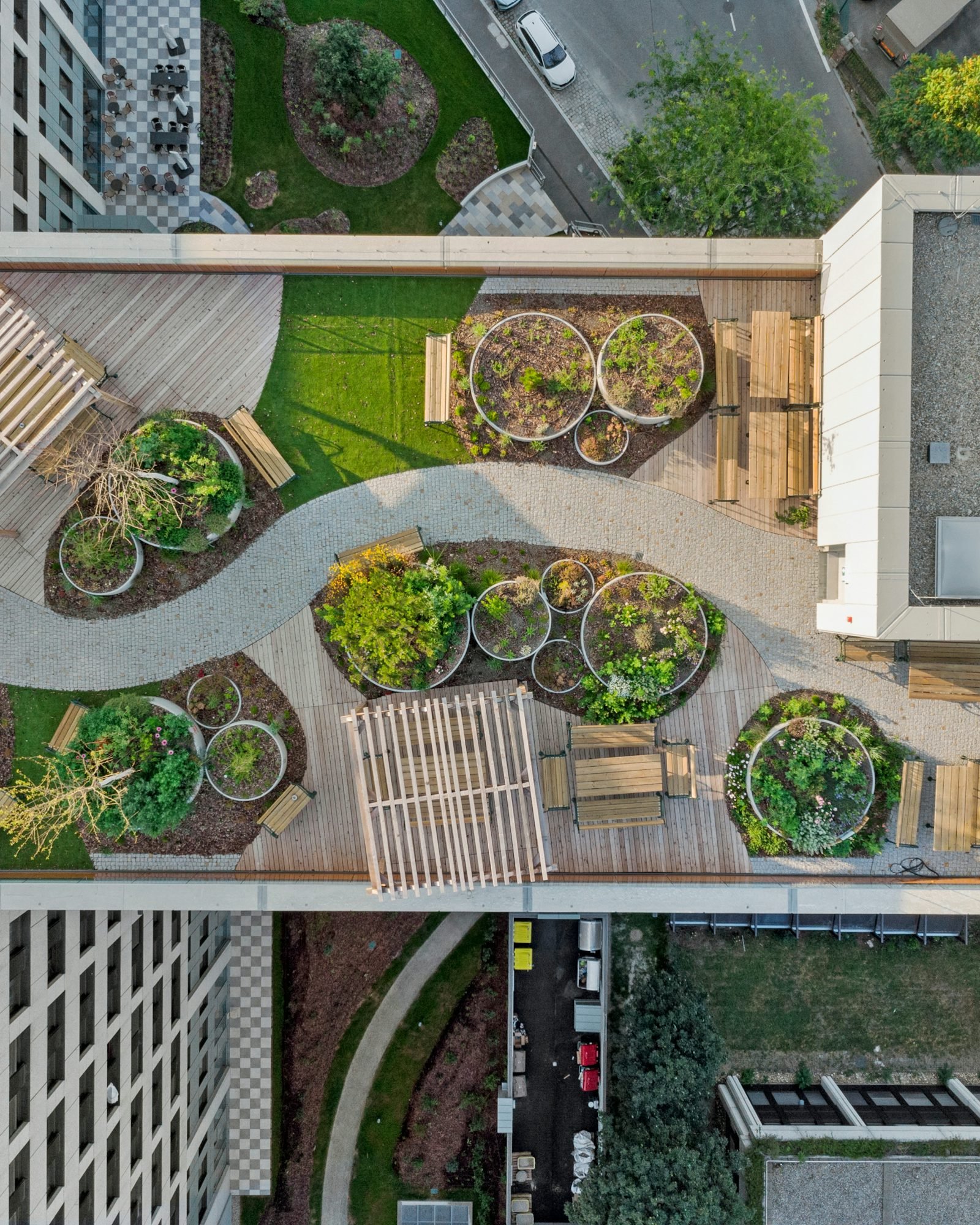
Make a Rooftop Garden with Lightweight Containers
A rooftop can offer strong sunlight and room for a productive container garden, but it is not automatically suitable for heavy planters. Before bringing up soil, water tanks, large pots, or furniture, ask the building owner or a qualified structural professional about the roof’s permitted load and waterproofing requirements.
Where the structure allows it, use lightweight containers, stable bases, and wind-resistant supports. Keep drainage outlets accessible and avoid placing tall, top-heavy planters where gusts could knock them over.
Read Also:Snake Plant Care: The Easiest Houseplant Guide for Beginners
Grow a Small Kitchen Garden Near the Door
A sunny doorstep or patio edge can hold a practical herb collection. Put frequently used herbs such as parsley, chives, thyme, and basil in separate containers so you can water and harvest each one according to its needs. Mint is best kept in its own pot because it spreads vigorously.
Place the kitchen garden where you will notice it when cooking or coming home. Easy access makes regular harvesting more likely and helps you spot dry soil or pests before they become bigger problems.
Train Climbing Plants on a Trellis
A trellis adds growing height without using much floor area. Pole beans, peas, and suitable cucumber varieties can climb upward from a large container or narrow bed. Flowering vines can also soften a fence and provide a green backdrop for smaller pots.
Anchor the support securely and choose a container wide and heavy enough to remain stable. Leave space for air to move around the foliage, and position the trellis so it does not shade every plant behind it.
Use Tiered Shelves for Small Pots
A tiered plant stand can hold several herbs, succulents, or compact flowers in the footprint of one larger pot. Put heavier containers on the lowest shelf and place plants with the greatest light needs where they receive enough sun.
Check that each shelf is rated for the combined weight of wet pots. Leave gaps between containers so leaves can dry after watering and so you can remove a pot without disturbing the others.
Add Rolling Planters for Flexible Layouts
Planters on locking wheels are useful when sunlight changes through the season or when you need to clear space for cleaning. They can also make it easier to move a heavy container a short distance without lifting it.
Use wheels rated for the full weight of the planter when the soil is wet. Lock them after positioning, and do not roll a large pot across a sloped balcony or uneven surface unless the route is safe.
Create a Green Privacy Screen
A slim trellis with climbing plants or a row of tall, narrow containers can soften an exposed fence and create a more private seating area. Choose plants based on the amount of sun and the mature height you can accommodate.
Avoid blocking emergency access, windows, vents, or a neighbor’s view of a safety route. A few well-spaced plants usually create a more natural screen than a solid wall of foliage.
Combine Seating with Planting
A small bench beside a planter, a folding bistro set, or a seat with a narrow planting box can make a patio feel like an outdoor room. Keep the furniture simple and let the plants frame the seating rather than surround it on every side.
Choose containers that will not spill soil onto cushions or collect water where people walk. A comfortable place to sit also gives you a reason to spend time in the garden and notice what needs attention.
Make a Pollinator-Friendly Container Group
A few flowering containers can provide nectar and pollen for visiting bees and butterflies. Choose native plants suited to your region and try to include different bloom times so the display does not offer flowers for only a short part of the year.
The U.S. Fish and Wildlife Service provides region-by-region suggestions in its pollinator garden plant guide. Treat regional lists as a starting point, then check the plant’s light, soil, and mature-size needs before buying.
Design a Shade-Friendly Mini Garden
Not every city space receives full sun. If a wall, tree, or neighboring building creates shade, use plants that suit those conditions rather than trying to force tomatoes or peppers to grow there. Leafy greens such as lettuce and spinach can tolerate less direct sun than many fruiting vegetables.
For ornamental planting, look for locally suitable shade-tolerant foliage and flowers at a reputable nursery. Watch the area through the season because a spot that is shaded in summer may receive more light after nearby trees lose their leaves.
Refresh the Garden with Seasonal Containers
Use the same sturdy pots for different seasonal displays. Cool-season greens and spring flowers can give way to summer herbs, then fall foliage or cold-tolerant plants. This keeps the layout familiar while allowing the garden to change with local weather.
Before replacing plants, check expected frost dates and the needs of each variety. In colder areas, move suitable containers to a protected spot or insulate them when temperatures drop.
Choose Plants by Sunlight and Climate
Sunlight is one of the biggest limits in a small urban garden. The University of Maryland Extension container guide recommends about 6–8 hours of direct sun for warm-season crops such as tomatoes, peppers, eggplant, and squash. Cool-season crops such as lettuce, spinach, and Asian greens can often manage with around 3–5 hours.
Use those ranges as a guide, not a guarantee. Reflected heat from brick, concrete, and glass can stress plants even when the light level looks suitable. Check the growing instructions for the exact variety and observe how quickly the area heats up on a sunny afternoon.
- Sunny spots: Try compact tomatoes, peppers, basil, beans, or flowering annuals that suit your local season.
- Part-shade spots: Consider lettuce, spinach, chard, parsley, or ornamentals that tolerate lower light.
- Windy spots: Favor compact plants and stable containers; add a secure support for anything that climbs.
- Pollinator corners: Choose native flowers recommended for your state or region.
For perennial flowers, shrubs, and other plants that must survive winter outdoors, check the 2023 USDA Plant Hardiness Zone Map. It is based on average annual extreme minimum winter temperatures. A hardiness zone is useful, but it does not replace local advice about summer heat, rainfall, shade, or urban microclimates.
Set Up Containers That Stay Healthy
Choose a container that gives the plant enough room for its mature roots. Small herbs and leafy greens can use modest pots, while tomatoes, peppers, and other larger crops need deeper, more generous containers. If you are unsure, check the seed packet or plant label before buying the pot.
Every outdoor container needs drainage holes. Use a lightweight potting mix made for containers instead of dense garden soil, which can compact and drain poorly in a pot. Oregon State University Extension explains these basics in its guide to growing vegetables in containers without a yard.
Place saucers or trays where runoff could stain a deck or drip onto the space below. Raise pots slightly if needed so water can escape, but make sure the stands are stable. For edible plants, use clean containers that have not held paint, fuel, pesticides, or other chemicals.
Make Watering and Maintenance Manageable
Containers usually dry faster than garden beds, especially on hot concrete, in strong sun, or in windy locations. Check the growing mix with a finger rather than following a rigid calendar. Water thoroughly when the mix begins to dry, allowing excess water to drain from the bottom.
Group plants with similar water needs together. A thirsty lettuce box should not share the same watering routine as a drought-tolerant succulent. In hot, dry weather, some containers may need daily attention; the University of Maryland Extension notes that watering frequency depends on heat and conditions.
Feed edible plants with a fertilizer suitable for the crop and follow its label. Nutrients in a container are limited, but adding more fertilizer than directed can harm roots. Remove damaged leaves, harvest herbs often, and check the undersides of leaves for pests during routine watering.
Small-Space Garden Mistakes to Avoid
- Buying plants before checking sunlight: A beautiful plant will struggle if its light needs do not match the location.
- Using too many tiny pots: Many small containers can dry out quickly and create more watering work than a few well-sized planters.
- Blocking the only walkway: Keep access to doors, drains, windows, and storage clear from the beginning.
- Ignoring wind and weight: Secure trellises and railing boxes, and check building requirements before adding rooftop or balcony loads.
- Using the wrong growing mix: Dense soil can stay wet and limit root growth in containers.
- Planting everything at once: A small first group makes it easier to learn the space before adding more plants.
Frequently Asked Questions
What is the easiest urban garden idea for beginners?
A small container garden is usually the easiest place to begin. Choose two or three pots, grow plants that match the available sunlight, and place them near a water source. This lets you learn how quickly the location dries out before investing in shelves or a larger system.
What vegetables grow well in a small urban garden?
Lettuce, spinach, radishes, herbs, compact peppers, bush beans, and suitable patio tomatoes can work well in containers. Oregon State University Extension also lists crops such as carrots, kale, chard, and strawberries for small-space growing. Match the pot size and sunlight to the crop.
Can I make a garden on a small apartment balcony?
Yes, if your lease and building rules allow it. Use stable containers, secure railing planters properly, keep the exit route open, and control drainage so water does not fall onto the balcony below. Check the balcony’s load limits before adding heavy pots or furniture.
How much sunlight does a small vegetable garden need?
It depends on the crop. Many warm-season fruiting vegetables need roughly 6–8 hours of direct sun, while some leafy greens can grow with around 3–5 hours. Track direct sunlight at the actual planting spot and follow the instructions for the variety you choose.
Is a rooftop garden safe for every building?
No. A rooftop must be approved for the extra weight of containers, wet growing mix, stored water, and people using the space. Ask the building owner or a qualified structural professional before installing a rooftop garden, and keep roof drains and waterproofing systems accessible.
How can I make a small garden look bigger?
Use a simple color palette, repeat a few container styles, and place taller plants toward the back or along a boundary. Keep the center or main path open so the eye can travel through the space. A single clear focal point often looks better than many unrelated decorations.
Final Thoughts
A successful urban garden is not the one with the most pots. It is the one whose plants fit the light, weight limits, and watering routine of the space. Choose one productive corner, protect the walking route, and expand only after the first group is growing well. That is how a small city space becomes a garden you can actually enjoy and maintain.