
Flower bulbs planted in fall are one of the easiest ways to prepare a colorful garden for the following spring. Many spring-flowering bulbs spend autumn and winter developing roots underground before emerging when temperatures become suitable. Classic choices include tulips, daffodils, crocuses, hyacinths, alliums, snowdrops, and grape hyacinths. The exact planting window depends on the bulb and your climate, but the general goal is to give hardy bulbs time to establish roots before the ground freezes.
Think about the difference between a garden that looks empty after summer and one that suddenly wakes up with golden daffodils, purple crocuses, fragrant hyacinths, and colorful tulips. That transformation begins months earlier, when the garden is quieter and the soil is still workable. Choosing the right bulbs, arranging them thoughtfully, and planting them at the correct depth can make the spring display much fuller and more interesting.
These 11+Flower Garden & Planting ideas will help you plan a spring-flowering bulb garden with both beauty and practicality in mind. From classic tulip borders and naturalized daffodils to fragrant containers, pollinator-friendly alliums, layered bulb pots, and small-space designs, you’ll learn which bulbs to choose, where to plant them, how to arrange them, and how to care for them after planting.
Why Fall Is the Best Time to Plant Spring Bulbs
Fall is the natural planting season for many hardy spring-flowering bulbs because they need time underground before they bloom. The RHS recommends planting spring-flowering bulbs in autumn, with many types going into the ground in September and October and tulips generally planted later, around October and November.
The timing isn’t exactly the same everywhere. In colder climates, bulbs are generally planted early enough to establish roots before the ground freezes, while gardeners in warmer regions may have a later window. The Old Farmer’s Almanac recommends using soil temperature and the local first-hard-frost timing as practical guides rather than relying on one calendar date for every location.
Give Bulbs Time to Root
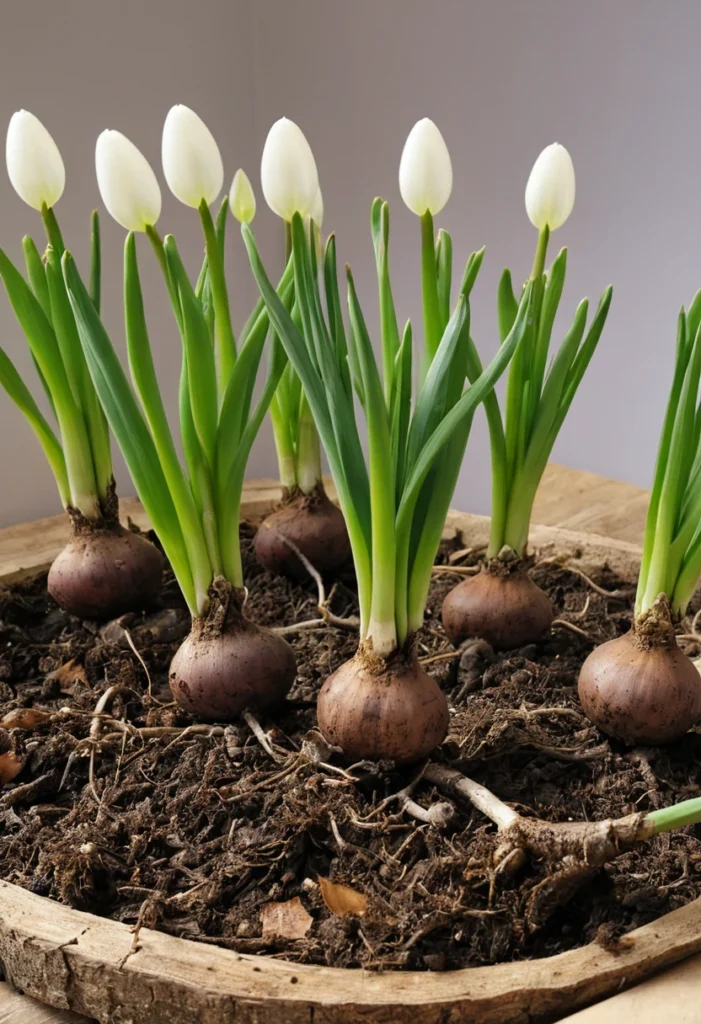
The important thing is to plant early enough for roots to establish while the soil is still workable. A bulb planted correctly can then remain dormant through winter and begin its spring growth cycle when conditions become favorable.
Check Your Local Conditions
Always consider your local climate, soil temperature, and the planting instructions supplied with the bulbs. A timing recommendation suitable for a northern garden may not be appropriate for a warm winter region.
1. Plant Classic Tulips for Bold Spring Color
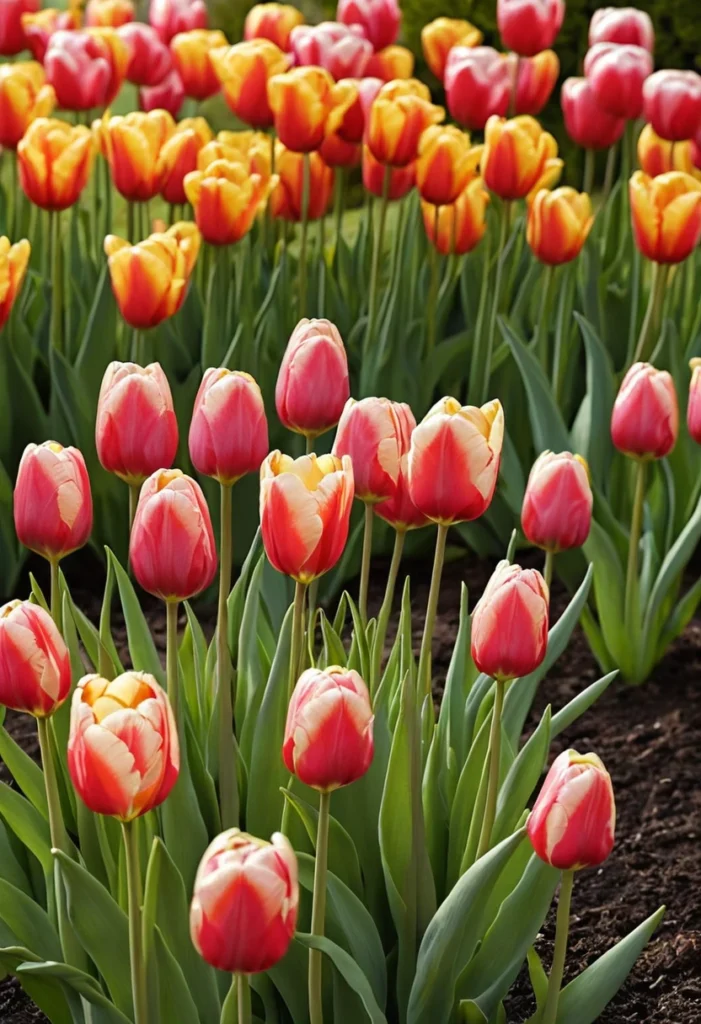
Tulips are among the most recognizable choices for fall planting and one of the strongest options for 11+Flower Garden & Planting designs. They come in an enormous range of colors, heights, petal forms, and flowering periods. This makes them useful for everything from formal borders to relaxed cottage gardens.
For a dramatic display, plant one color in a large group rather than scattering individual bulbs throughout the garden. You can also combine early-, mid-, and late-season tulips to stretch the period of interest. Martha Stewart’s 2026 bulb guide specifically notes that tulips have different bloom periods, making it possible to layer varieties for a longer spring display.
Choose Tulips for Your Design
Use tall tulips toward the back of a border and shorter varieties near pathways or container edges. Species and perennializing tulips can be useful when you want a greater chance of repeat performance.
Plant More Than One Color
A two- or three-color scheme often looks more intentional than a random mixture. Try pink and white for a soft garden or purple, orange, and yellow for stronger contrast.
2. Create a Sunny Daffodil Border
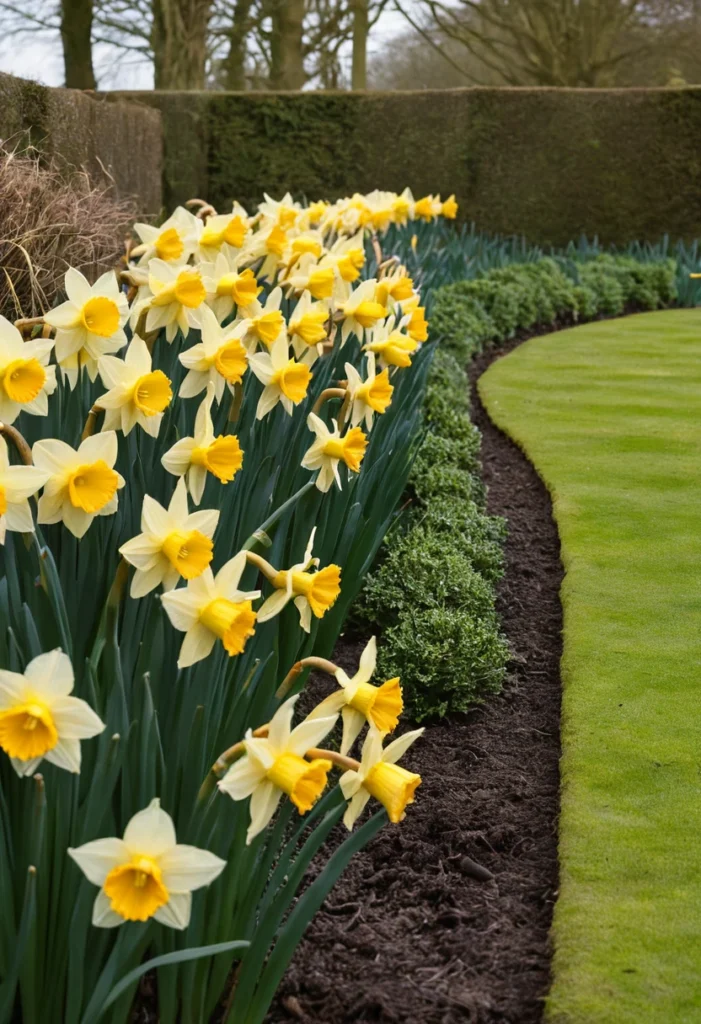
Daffodils are excellent choices when you want dependable spring color with relatively little fuss. They are available in yellow, white, orange, and combinations of these shades, and they can work in borders, containers, and naturalized plantings.
A long border filled with daffodils can become a cheerful focal point when spring begins. Plant bulbs in groups rather than isolated spots, and allow the foliage to remain after flowering so the bulb can replenish its energy for future growth.
Try Different Flower Forms
Trumpet, double, miniature, and multi-flowered daffodils can create variation without requiring many different plant families. Compact cultivars are particularly useful for smaller borders and containers.
Think About Foliage
Daffodil leaves eventually turn yellow as the plant finishes its cycle. Position bulbs among later-emerging perennials or ornamental plants that can eventually help disguise fading foliage.
3. Add Early Crocuses for the First Spring Color
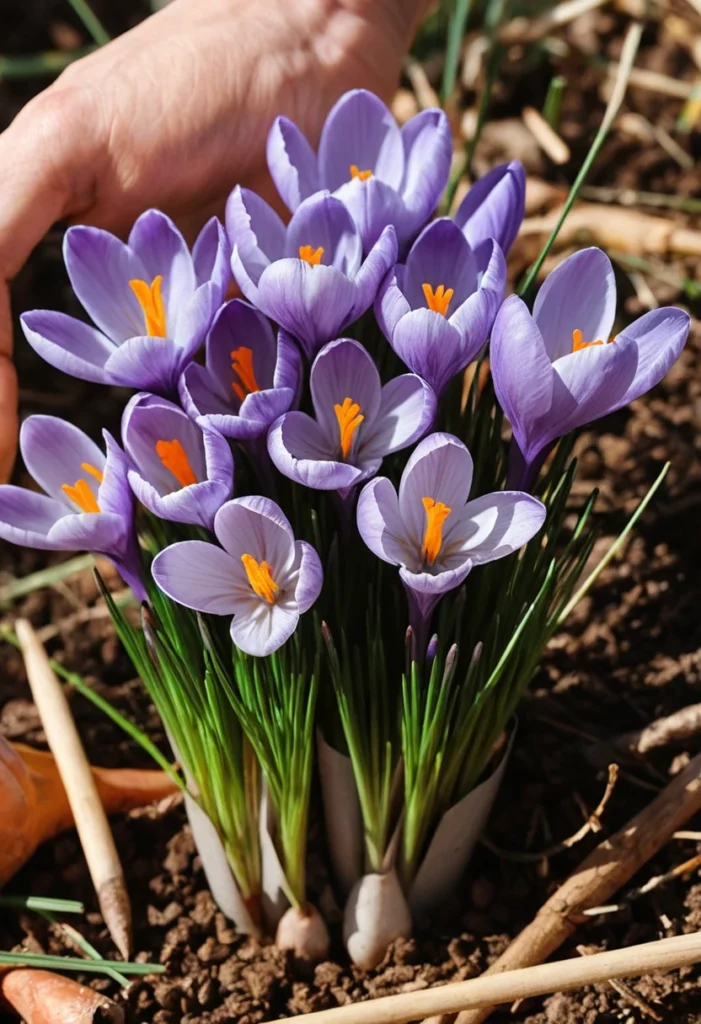
Crocuses are small but powerful additions to 11+Flower Garden & Planting plans. Many spring crocuses bloom very early, sometimes appearing when much of the garden is still dormant. The Chicago Botanic Garden highlights crocus alongside snowdrops, scilla, and other small early bulbs as important sources of early-season color.
Because they are short, crocuses work especially well near paths, under deciduous trees, along lawn edges, and at the front of borders. Their small size means they can be planted in generous groups without dominating larger plants.
Create Natural-Looking Clumps
Instead of placing each corm at identical distances, arrange them in small groups or loose drifts. This creates a more natural appearance.
Use Several Colors
Purple, white, yellow, and striped forms can be combined to create a lively early-spring carpet.
Read Also: 12+ Flower Garden & Planting Ideas With Beautiful Stone Edging
4. Plant Fragrant Hyacinths Near Walkways
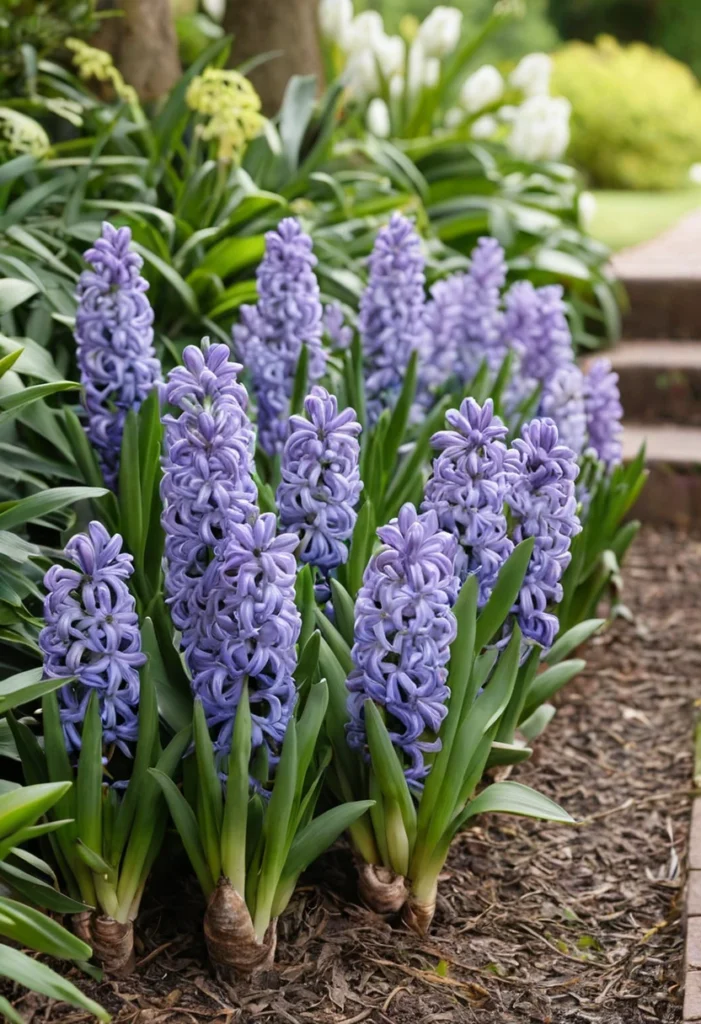
If fragrance is important to your 11+Flower Garden & Planting design, include hyacinths. Their dense flower spikes can provide a strong scent in a relatively small area, making them especially effective near entrances, paths, seating areas, and doors. Hyacinths are also commonly recommended as fall-planted spring bulbs.
Plant them in groups so their flowers make a stronger visual impact. Their relatively compact height makes them useful in formal beds, containers, and the front portion of larger borders.
Put Fragrant Bulbs Where You Pass
A fragrant flower hidden at the back of a large yard may go unnoticed. Place hyacinths where you regularly walk so their scent becomes part of your everyday spring garden.
Combine With Later Flowers
Pair them with perennials that emerge later. This lets the planting transition naturally after the hyacinths finish.
5. Use Alliums for Tall Architectural Flowers
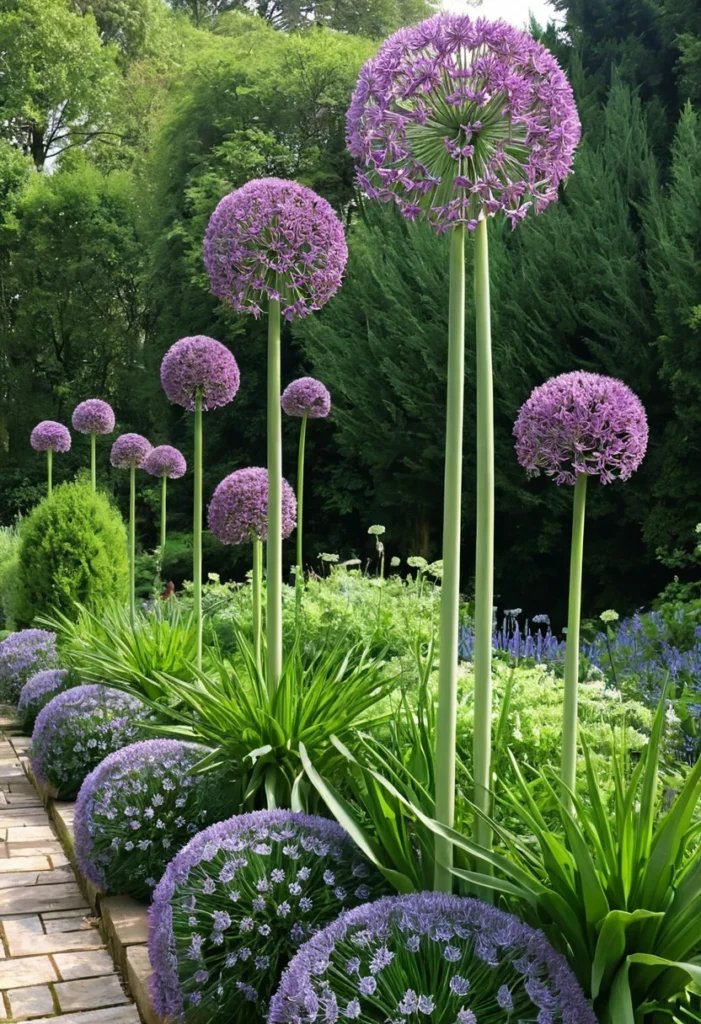
Alliums are excellent for adding height and a distinctive shape to 11+Flower Garden & Planting arrangements. Their rounded flower heads rise above slender stems and contrast strongly with cup-shaped tulips and daffodils.
They can also provide late-spring interest after some earlier bulbs have finished. Alliums prefer suitable well-drained conditions, and many types are attractive to pollinators.
Plant Them Behind Shorter Bulbs
Their height makes alliums ideal for the middle or rear of a border. Put shorter crocuses and daffodils in front so the different layers remain visible.
Repeat the Same Shape
Several clusters of alliums distributed through a border can create stronger design continuity than one isolated group.
6. Make a Snowdrop and Early-Blooming Bulb Garden
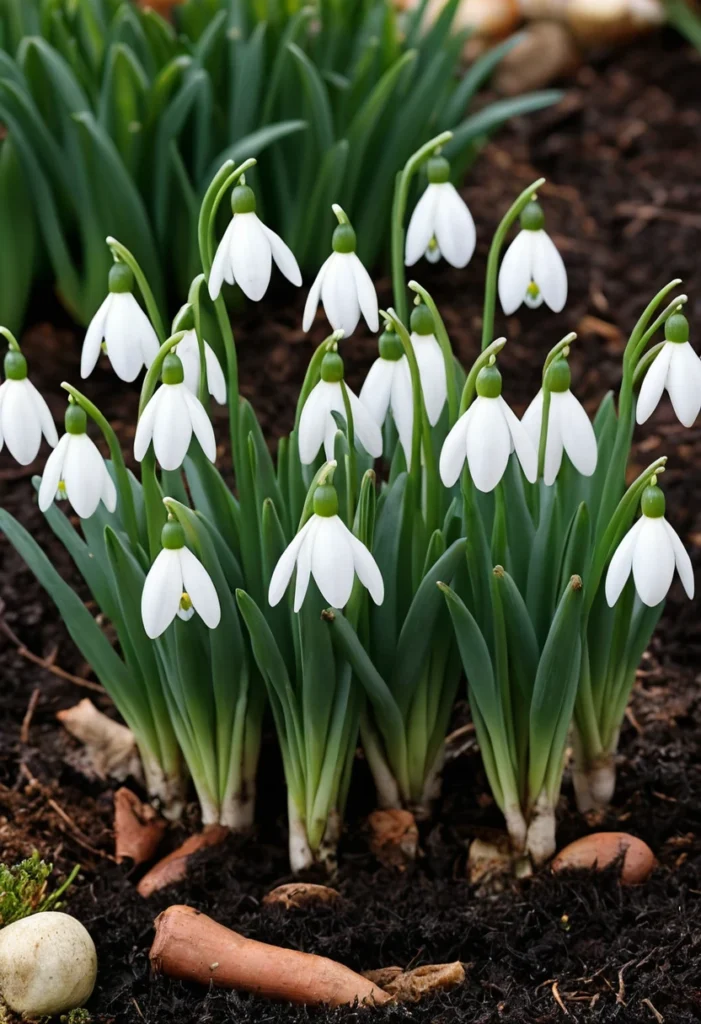
Snowdrops are among the small bulbs that can provide early-season interest. The Chicago Botanic Garden recommends considering snowdrops, scilla, chionodoxa, puschkinia, and grape hyacinths alongside crocuses for an extended early-spring display.
This makes them valuable for gardeners who want 11+Flower Garden & Planting ideas that start flowering before the main tulip and daffodil season. Plant them in informal groups beneath suitable deciduous trees, along paths, or at the front of borders.
Build a Woodland Effect
Combine small bulbs beneath deciduous trees or shrubs where sufficient spring sunlight reaches the ground before the canopy fills out.
Keep the Look Natural
Small bulbs often look better in drifts than rigid lines. Allow clusters to create the feeling of flowers appearing naturally across the landscape.
7. Grow Grape Hyacinths for a Blue Flower Carpet
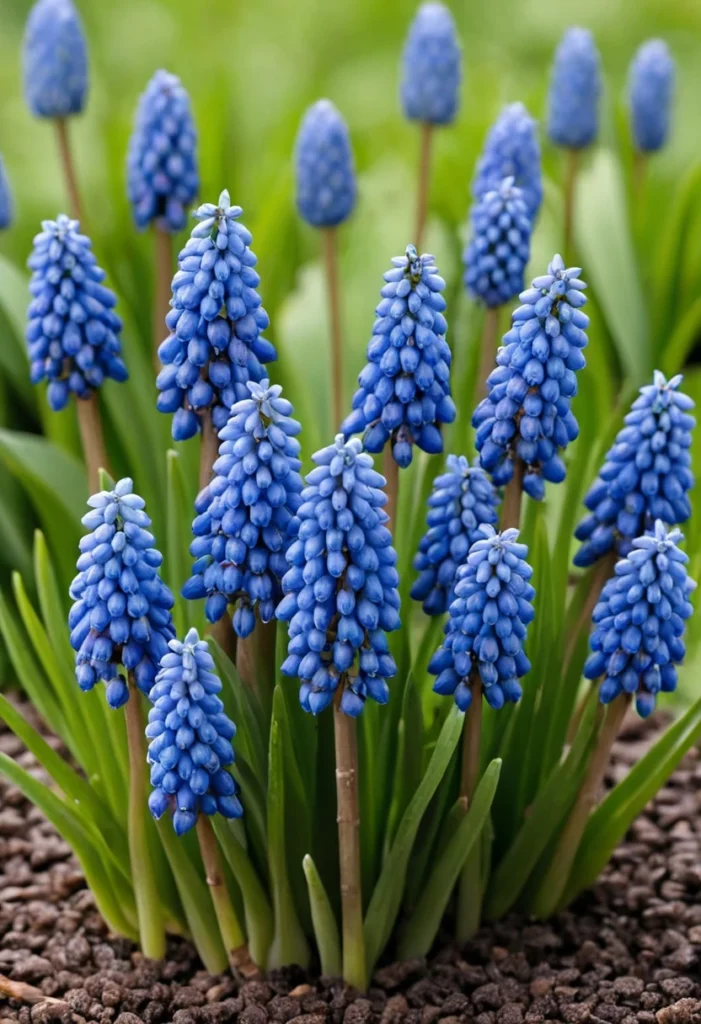
Grape hyacinths, or Muscari, provide compact spikes of blue-purple flowers and can be used to fill spaces around taller bulbs. They are particularly attractive when planted in larger groups.
Use them at the front of a border, around larger daffodils, or in containers. Their short stature makes them excellent for creating a layered spring display.
Pair Them With Yellow
Blue and yellow create strong visual contrast. Plant grape hyacinths around golden daffodils for a cheerful spring combination.
Use Them as an Edge
A narrow line of grape hyacinths can define the front edge of a bulb border without creating a heavy visual barrier.
8. Create a Bulb-Layered Container
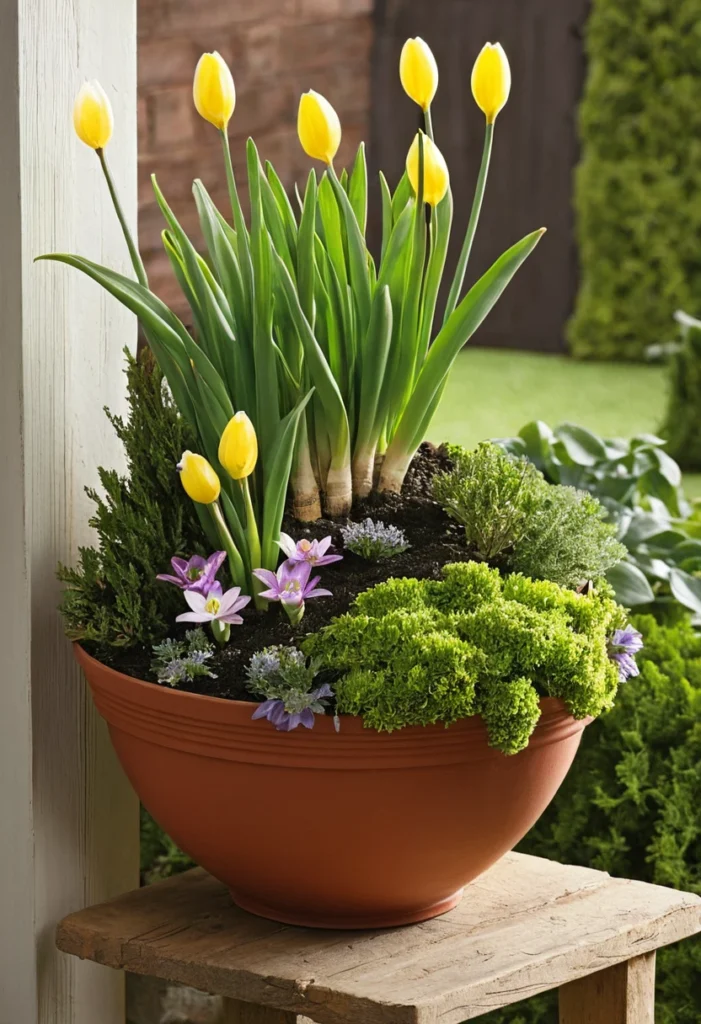
Containers give you another creative option for 11+Flower Garden & Planting, especially if you have a patio, balcony, courtyard, or small backyard.
University of Vermont Extension explains that different-sized bulbs can be layered in a container, with larger bulbs planted deeper and smaller bulbs placed above them at their appropriate planting depths.
Start With the Largest Bulbs
Place the bulbs that require the deepest planting level toward the bottom of the container. Add soil, then position the next layer according to its recommended depth.
Finish With Smaller Bulbs
Small crocuses, grape hyacinths, or similar bulbs can occupy the upper layer. When correctly planned, different bulbs can emerge at different times and create a succession of flowers.
9. Design a Spring Bulb Cottage Garden
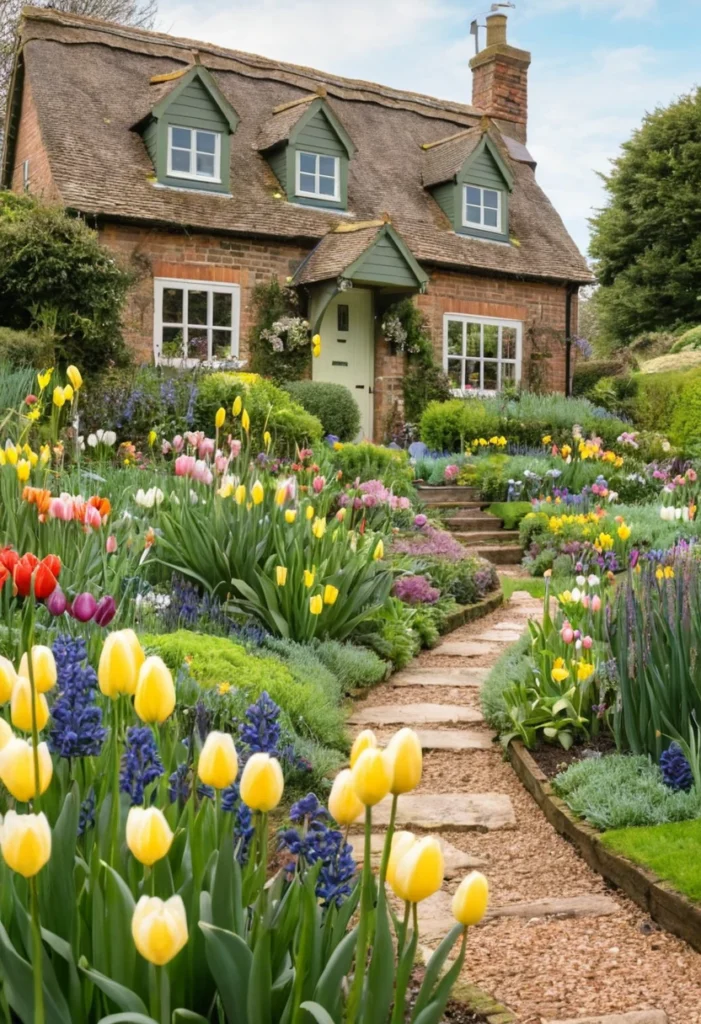
A cottage garden does not need to wait until summer for color. Fall-planted bulbs can provide an early foundation for a relaxed cottage-style border.
Combine groups of daffodils, tulips, crocuses, hyacinths, alliums, and suitable small bulbs rather than placing each type in perfectly separated blocks. University of Vermont Extension recommends planting spring bulbs in clumps or waves to create bold displays and scattered color.
Use Repeated Color
Choose a few main colors and repeat them throughout the garden. This keeps a mixed planting from appearing random.
Add Summer Perennials
Plant later-flowering perennials among the bulbs so the garden transitions from spring flowers to summer color.
10. Plant Bulbs Along a Garden Path
A pathway can become much more inviting when its edges are filled with spring bulbs. This is one of the most practical 11+Flower Garden & Planting approaches because you can enjoy the flowers at close range.
Use compact crocuses and grape hyacinths near the path, with taller daffodils or tulips farther back. Keep taller plants far enough from the walking area that mature leaves and flowers do not interfere with movement.
Create a Repeated Border
Repeat the same bulb combination on both sides of the path for symmetry. Alternatively, use one side for bulbs and the other for a mixed perennial border.
Guide the Eye
A line of colorful flowers can naturally lead visitors toward a doorway, bench, arbor, or other garden focal point.
11. Create a Pollinator-Friendly Spring Border
Early spring can be a challenging period for pollinators, so including flowering bulbs can add useful seasonal resources. Crocuses and other early bulbs are highlighted by garden organizations as important early flowers, while alliums are also recognized for their attractiveness to pollinators.
Build a diverse planting rather than relying on one species. Combine early crocuses and snowdrops with later daffodils, tulips, and alliums to create a sequence of flowers.
Extend the Bloom Period
Mix early-, mid-, and late-season bulbs. University of Vermont Extension specifically recommends combining bloom periods to extend the overall display.
Add Non-Bulb Flowers
Once bulb flowering declines, later-flowering perennials can take over. This keeps the garden useful to both people and pollinators for a longer season.
12. Make a Formal Tulip Garden
For a clean and sophisticated look, plant tulips in geometric blocks or repeated rows. This works especially well around patios, entrances, and symmetrical garden features.
Use the same cultivar in large groups if you want a formal effect. The RHS recommends planting bulbs in groups because larger groupings generally create a stronger visual display.
Keep the Palette Simple
Choose one dominant color with a second supporting shade. For example, white tulips mixed with deep purple can create an elegant appearance.
Add Low Edging
A neat edge around the bed can emphasize the geometric design and keep the planting visually separate from surrounding lawn or paths.
13. Try a Naturalized Daffodil Meadow
If you have a larger property, naturalized bulbs can create a relaxed spring landscape. Daffodils are particularly suitable for this type of planting because they can persist and multiply under favorable conditions.
Scatter groups of bulbs through suitable grass or beneath deciduous trees, provided the site meets their growing requirements. Avoid mowing or cutting foliage too early because the leaves need time to replenish the bulbs.
Plant in Irregular Groups
A naturalized design looks better when bulbs are arranged in uneven clusters rather than identical rows.
Mix Early Bulbs
Add crocuses or other small bulbs to create multiple layers of spring color.
14. Add Fritillaria for an Unusual Flower Shape
If you want something less predictable, consider fritillaria. These bulbs can produce distinctive bell-shaped flowers and add a different silhouette to traditional tulip and daffodil plantings.
Bob Vila includes fritillaria among fall-planted bulbs and notes its unusual spring flowers and range of forms.
Use Them as Accent Plants
Rather than planting huge quantities, use fritillaria as occasional focal points among more familiar bulbs.
Combine With Low Flowers
Their unusual flowers can stand out when surrounded by smaller spring bulbs or emerging perennials.
15. Plant Winter Aconite for Very Early Color
Winter aconite is another small bulb-grown plant that can bring bright yellow flowers very early in the season. Bob Vila describes it as one of the earliest spring bloomers and notes that it works well in mass plantings and naturalized settings.
It can be useful when the goal is to make the garden attractive before tulips and many daffodils reach their peak.
Use It Beneath Deciduous Trees
Where conditions are suitable, winter aconite can work beneath deciduous trees because early spring sunlight reaches the ground before the canopy becomes dense.
Plant in Groups
Its small size means a single plant can easily disappear visually. Larger groups make the yellow flowers much more noticeable.
How to Choose the Best Bulbs for Your Garden
Choosing bulbs should begin with the garden conditions rather than the flower catalog. Consider sunlight, drainage, climate, mature height, bloom period, and whether you want the bulbs to return year after year.
For 11+Flower Garden & Planting, it helps to divide your choices into three categories: early bloomers, main-season flowers, and late spring flowers. Crocuses and snowdrops can begin the show, daffodils and tulips can provide the main display, and alliums can extend interest toward late spring.
Consider Bulb Quality
Choose firm, healthy bulbs without obvious soft spots, severe mold, or damage. Larger bulbs can often have greater flowering potential, although performance also depends on variety and growing conditions.
Match Plants to Your Climate
Check the recommended hardiness range and local growing advice. Some bulbs perform differently in warm-winter climates than they do in regions with reliable winter cold.
When Should You Plant Flower Bulbs in Fall?
There is no single universal planting date. RHS guidance recommends autumn planting for spring-flowering bulbs, with daffodils, crocuses, and hyacinths generally planted earlier and tulips later in autumn.
The Old Farmer’s Almanac recommends planting when soil temperatures fall below about 60°F and allowing several weeks for roots to establish before the ground freezes. It gives September or October as a general window for northern regions and October or November for southern regions, although local conditions matter.
The best approach is to check the planting instructions for your specific bulb and combine them with local frost and soil conditions.
How Deep Should Fall-Planted Bulbs Be?
Planting depth varies by bulb, but a useful general principle is to plant most bulbs at approximately two to three times their own height. RHS guidance gives this as a typical rule and recommends positioning the bulb with its growing point upward.
University of Vermont Extension similarly explains that larger bulbs should generally be planted deeper than smaller bulbs and that layered containers should follow each bulb’s appropriate depth.
Always check the packaging for the exact variety because soil type, climate, bulb size, and species can affect the ideal depth.
Prepare the Soil Before Planting
Good drainage is essential for many spring bulbs. Waterlogged soil can encourage bulb rot, so avoid areas where water consistently collects.
Before planting, remove persistent weeds and loosen only the area necessary to make a suitable planting hole. Add appropriate organic matter if your soil needs improvement, but avoid creating an excessively rich or poorly drained planting pocket.
The RHS recommends fertile, well-drained conditions for many bulbs and notes that bulbs can be planted in both borders and containers.
How to Plant Fall Flower Bulbs Correctly
Start by selecting a suitable location and marking your planting area. Dig holes to the recommended depth and place each bulb with its pointed growing tip facing upward.
Cover the bulbs with soil and water them after planting if conditions require it. A layer of mulch can help protect the soil surface and improve moisture management.
Plant in Groups
For stronger visual impact, plant at least several bulbs together rather than scattering single bulbs. RHS guidance recommends groups of six or more for many border displays and notes that larger quantities can create an especially impressive effect.
Avoid Straight-Line Spacing Everywhere
Formal rows can work beautifully in certain designs, but irregular clusters often look more natural in cottage, woodland, and informal gardens.
What to Do After Bulbs Finish Flowering
One of the most important maintenance rules is to resist cutting bulb foliage immediately after flowering. The leaves need to continue functioning so the plant can replenish its underground storage.
Allow foliage to yellow naturally before removing it. Bob Vila’s fall-bulb guide emphasizes allowing spring-bulb foliage to die back naturally after flowering.
This can influence your planting design. Place bulbs among later-growing plants that can gradually hide the fading leaves while allowing enough sunlight for the bulbs to complete their growth cycle.
Protect Bulbs From Common Problems
Bulbs can face several challenges, including poor drainage, disease, animal damage, and incorrect planting depth. Choosing a suitable location and healthy bulbs is the first line of defense.
Some bulbs are less appealing to deer and rodents than others. Daffodils, for example, are widely regarded as relatively resistant to browsing, while tulips can be more vulnerable in some gardens.
If squirrels or other animals disturb newly planted bulbs, consider physical protection such as appropriate netting or another garden-safe barrier.
Design a Small Bulb Garden for Limited Space
You can create beautiful 11+Flower Garden & Planting displays even without a large yard. Use containers, narrow borders, window boxes where appropriate, and small clusters along paths.
Focus on compact bulbs and choose a few varieties that bloom at different times. A small garden with three well-planned flowering periods can feel more impressive than a larger space filled randomly with dozens of bulbs.
Use Vertical Interest
Add alliums or taller tulips toward the back of a narrow border. Smaller crocuses and grape hyacinths can occupy the front.
Choose Multipurpose Plants
Select bulbs that look good in the garden and work well as cut flowers if you enjoy bringing flowers indoors. Tulips and daffodils can both be useful for spring arrangements.
Combine Bulbs With Existing Perennials
Bulbs don’t need their own isolated bed. They can be planted between established perennials as long as there is sufficient space and the growing conditions are compatible.
This is a smart way to make 11+Flower Garden & Planting ideas work throughout the entire year. Spring bulbs provide early color, then perennial foliage and summer flowers gradually take over.
Planting bulbs among deciduous shrubs can also be effective. Early bulbs receive sunlight before the shrubs develop full foliage, creating a seasonal sequence without requiring separate garden beds. University of Vermont Extension specifically suggests planting early bulbs under deciduous trees and shrubs where spring light is available.
FAQs About Flower Bulbs to Plant in Fall
What flower bulbs should I plant in the fall?
Popular spring-flowering choices include tulips, daffodils, crocuses, hyacinths, alliums, snowdrops, grape hyacinths, fritillaria, and winter aconite.
When is the best month to plant fall bulbs?
The best month depends on your climate and bulb type; many bulbs are planted in September or October, while tulips are often planted later in October or November.
How deep should bulbs be planted?
A common guideline is to plant most bulbs at about two to three times their height, but always follow the instructions for the specific variety.
Can flower bulbs be planted in containers?
Yes. Containers can grow tulips, daffodils, crocuses, hyacinths, and many other bulbs, provided they have adequate drainage and appropriate planting depth.
Should I cut bulb leaves after flowering?
No. Allow the foliage to yellow and die back naturally so the leaves can replenish the bulb’s stored energy for future growth.
Conclusion
The best 11+Flower Garden & Planting plans begin months before the flowers appear. Fall gives gardeners an opportunity to build the foundation for a colorful spring by choosing bulbs suited to the climate, preparing well-drained soil, and arranging early, middle, and late bloomers for a longer display. Tulips, daffodils, crocuses, hyacinths, alliums, snowdrops, grape hyacinths, and less-common choices such as fritillaria can each bring a different shape, color, height, or season of interest to the garden.
Start with a few reliable bulbs and expand your planting as you discover what performs best in your space. Think about where you will see the flowers most often, combine different heights and flowering periods, and give every bulb the depth and drainage it needs. With thoughtful 11+Flower Garden & Planting choices this fall, your garden can emerge next spring with layers of color that make the wait worthwhile.

