
A backyard kitchen garden is a practical way to grow fresh vegetables, herbs, and edible plants close to home. You don’t need a huge yard or professional gardening experience to get started. With thoughtful planning, even a modest outdoor space can become a productive garden that supplies ingredients for everyday meals. These 11+ Garden ideas focus on making a kitchen garden attractive, manageable, and useful rather than simply filling every available area with plants.
Imagine stepping outside your back door and picking fresh coriander for dinner, a few ripe tomatoes for a salad, or handfuls of herbs for a weekend meal. That’s one of the biggest advantages of growing food at home: the garden becomes part of your daily routine. Current backyard vegetable-garden guidance consistently emphasizes sunlight, access to water, sensible spacing, crop selection, and easy access as the foundations of a productive garden.
Whether you have a large backyard, a narrow side garden, or only a small sunny corner, the right layout can make a major difference. In this guide, you’ll discover practical 11+ Garden ideas for raised beds, containers, vertical growing, herb borders, compact layouts, pathways, seasonal planting, composting, and beginner-friendly vegetables. You’ll also learn how to avoid overcrowding and design a garden that looks good while still producing food.
Start With the Sunniest Part of the Backyard
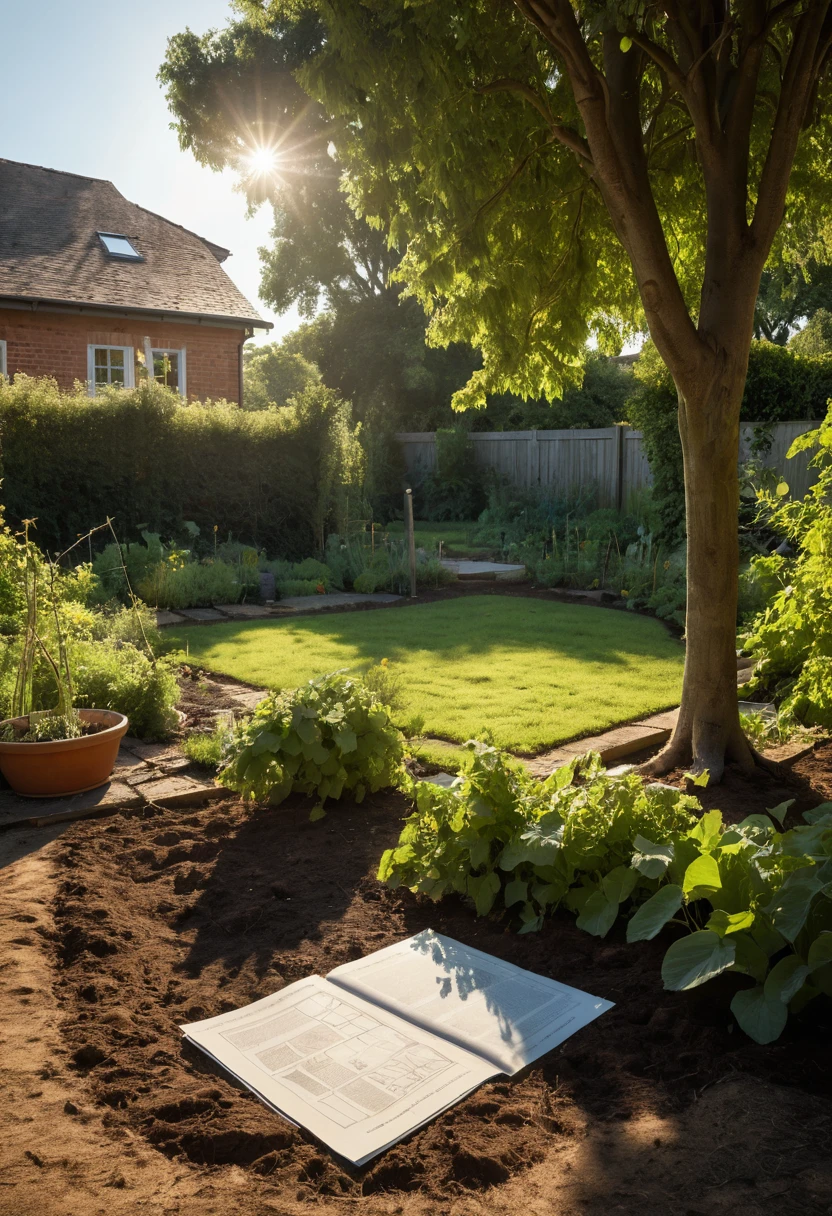
Sunlight should be one of the first things you consider before choosing plants or building beds. Many fruiting vegetables perform best with around six or more hours of direct sunlight, while some leafy greens and herbs can tolerate somewhat less. University of Maryland Extension recommends choosing a level garden location with at least six hours of full sun and easy access to water.
Spend a day observing where sunlight falls in the backyard before committing to a layout. Notice morning, midday, and afternoon shadows from walls, fences, buildings, and trees. A beautiful garden placed in a permanently shaded corner may be far less productive than a simple bed in the sunniest practical location.
Map the Light Before Planting
Mark the areas that receive strong direct sunlight and those that become shaded later in the day. Put tomatoes, peppers, cucumbers, and other fruiting crops in brighter positions, while crops such as leafy greens and herbs can occupy areas with slightly less intense light when appropriate.
Keep Water Nearby
A garden that is difficult to water is much harder to maintain consistently. If possible, place beds close enough to an outdoor tap or hose connection that watering doesn’t become a chore. Convenience matters because gardens that are easy to reach are more likely to receive regular attention.
Build Raised Beds for a Neat Kitchen Garden
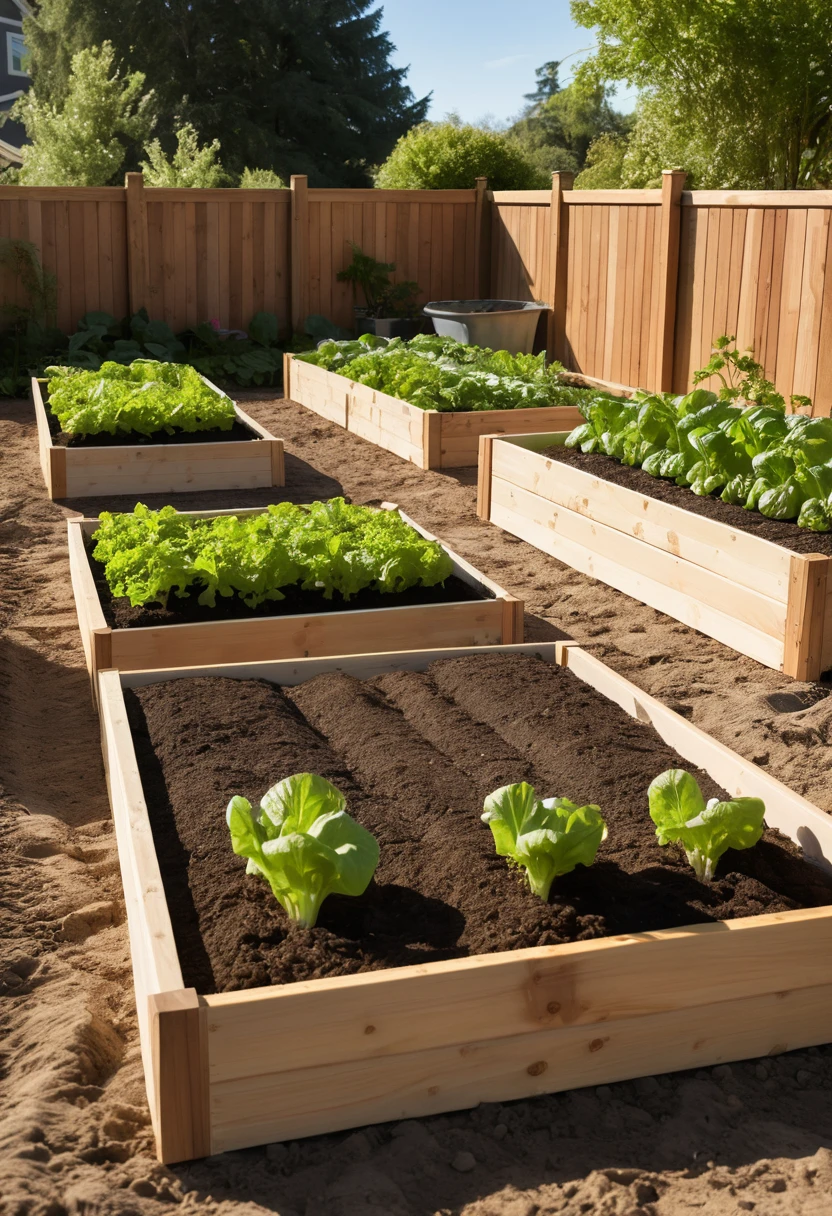
Raised beds are among the most practical 11+ Garden ideas for backyard food growing. They create clearly defined planting areas, make soil management easier, and can improve accessibility. Raised beds are also useful when existing backyard soil is compacted, rocky, or otherwise unsuitable for vegetables.
A raised-bed layout can give your backyard a structured appearance while keeping vegetables organized. Instead of one large patch of mixed crops, you can create separate beds for herbs, salad greens, root vegetables, and larger fruiting plants.
Choose a Comfortable Bed Width
Make beds narrow enough that you can reach the middle from either side without stepping into the growing soil. This reduces soil compaction and makes planting, weeding, and harvesting easier.
Leave Space Between Beds
Paths should be wide enough for you to walk comfortably while carrying a watering can, basket, or small gardening tool. A practical path is more valuable than squeezing an extra row of plants into the garden.
Create a Small Backyard Vegetable Garden
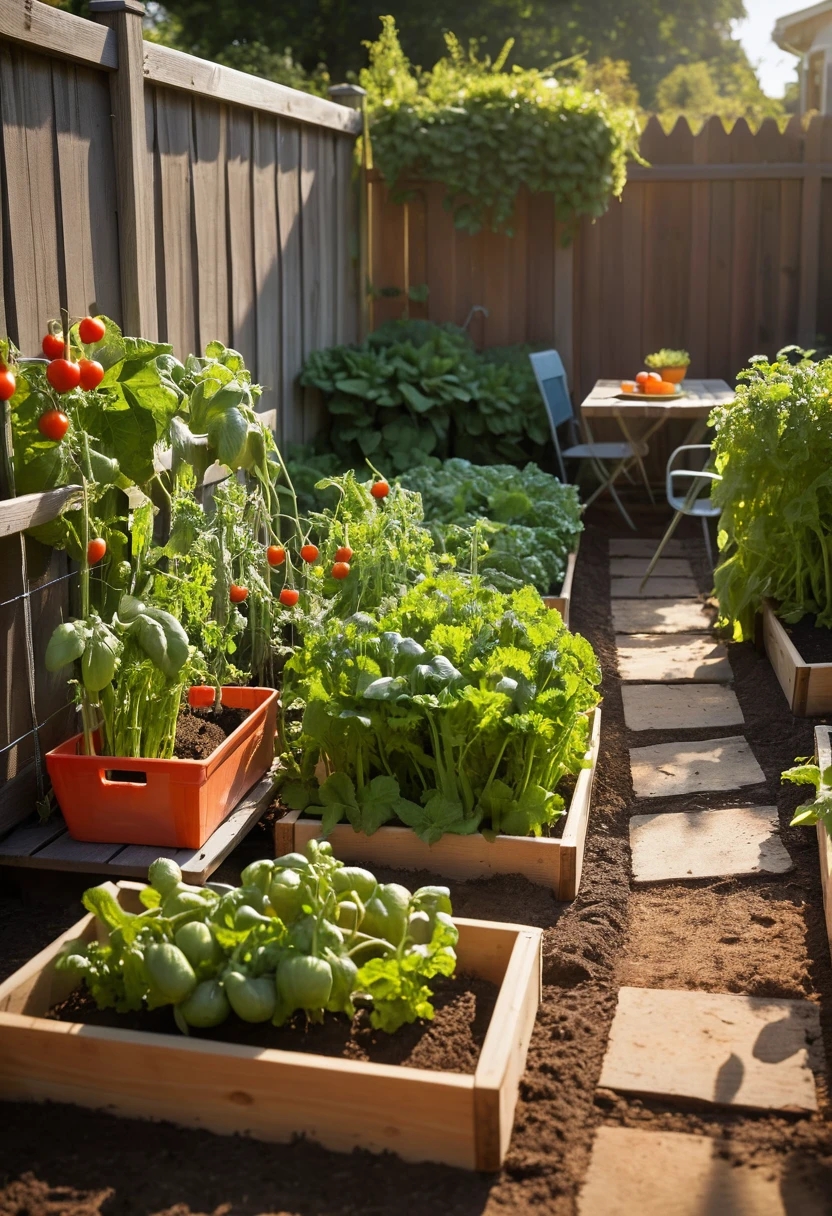
You don’t need a large plot to create a productive kitchen garden. A compact space can produce plenty of useful crops when you select vegetables carefully and avoid wasting valuable growing area. Recent small-space garden planning emphasizes vertical growing, succession planting, and choosing crops that provide worthwhile harvests from limited space.
A small garden is also easier for beginners to maintain. Instead of starting with ten different vegetable varieties, choose a manageable collection that your household actually eats. A few productive plants can provide more value than a crowded garden filled with vegetables that are rarely harvested.
Use a 4×4 Starter Layout
A 4×4-foot bed can be divided into smaller planting sections for herbs, salad greens, radishes, beans, and other compact crops. The exact arrangement should depend on your climate and the mature size of the plants.
Grow What You Actually Eat
Before buying seeds, make a list of vegetables and herbs your household regularly uses. Fresh herbs, salad leaves, chillies, cherry tomatoes, spring onions, and similar crops can be especially useful because they are harvested frequently.
Add a Dedicated Herb Corner
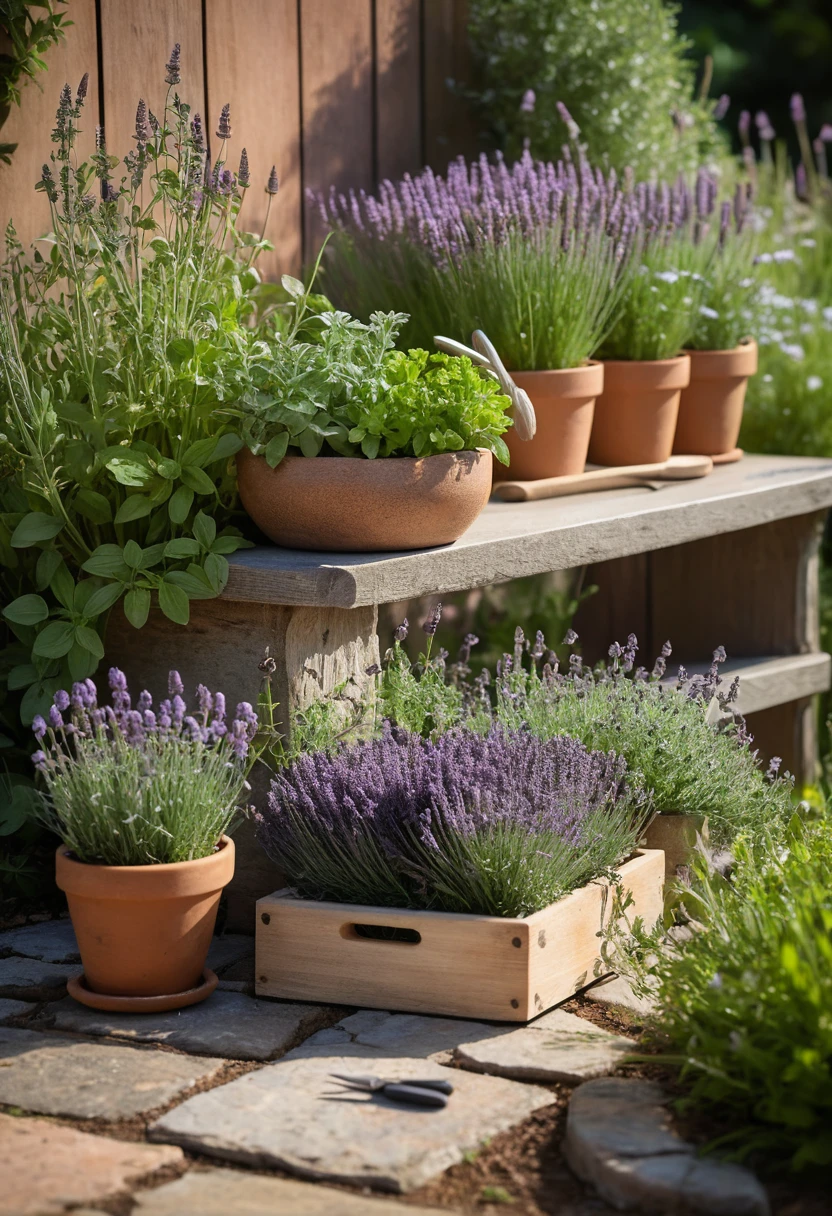
Herbs are ideal for a backyard kitchen garden because many don’t require large amounts of space. A small herb bed near the kitchen door can make harvesting extremely convenient and can add fragrance and texture to the garden.
Popular choices include basil, coriander, parsley, mint, chives, rosemary, thyme, and other herbs suited to your climate. Keep in mind that different herbs have different moisture and light preferences, so avoid treating the entire herb collection as one identical crop.
Put Frequently Used Herbs Closest to the House
If you use coriander or basil almost every day, place them somewhere you can reach quickly. Herbs that require frequent harvesting should not be hidden at the far end of the backyard.
Control Spreading Herbs
Some herbs can spread aggressively when planted directly into the ground. Growing vigorous spreaders such as mint in containers can make them much easier to manage.
Read also: 14+ Flower Garden & Planting Ideas: Creative Mixed Flower Garden Planting Ideas
Try a Container Kitchen Garden
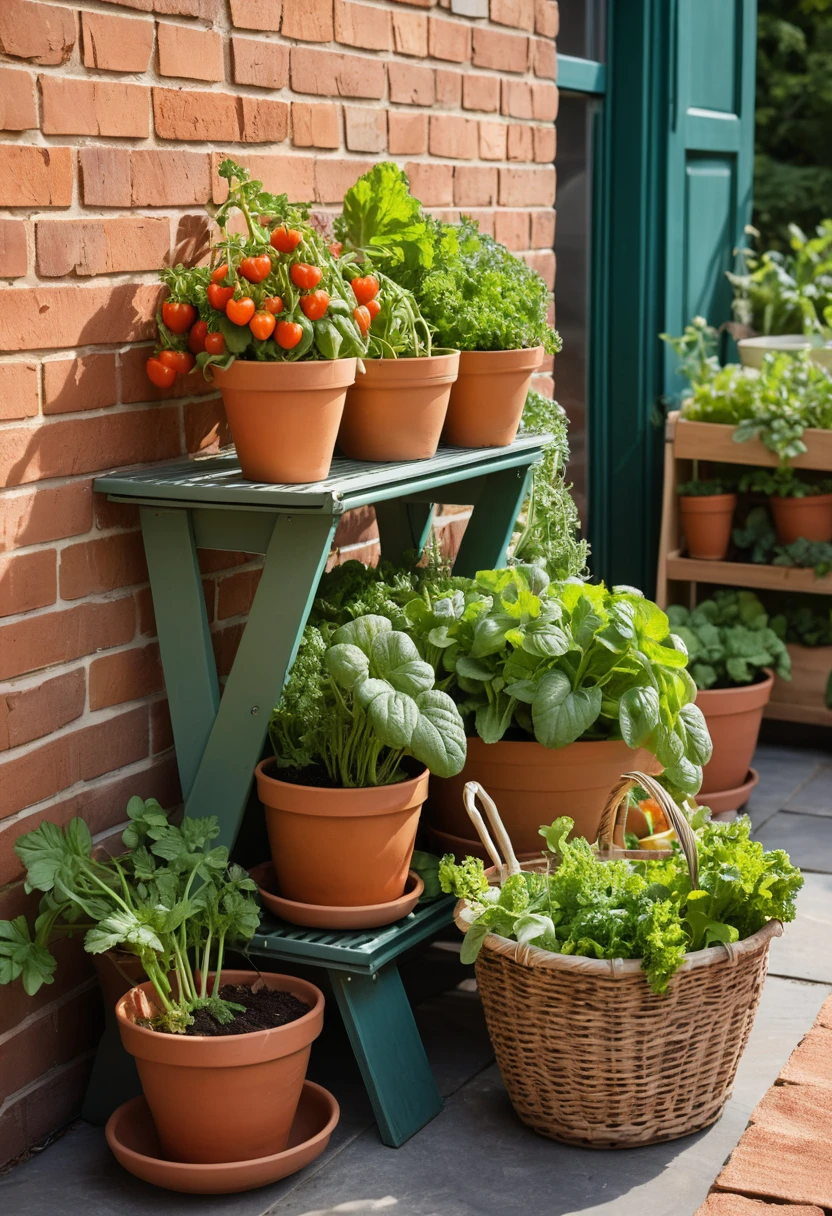
Containers are one of the most flexible 11+ Garden ideas for backyards. They allow you to grow vegetables even where the ground is unsuitable and make it possible to rearrange the garden when necessary. Horticultural experts also note that containers allow gardeners to control the growing medium and move plants according to seasonal needs.
Use containers for herbs, salad greens, chillies, tomatoes, leafy vegetables, and other crops suited to container growing. Choose a container size appropriate for the mature plant rather than selecting very small pots simply because they take up less space.
Use Grow Bags
Grow bags can provide a lightweight alternative to traditional garden beds. They are particularly useful for temporary layouts, rented properties, patios, and areas where digging isn’t practical.
Group Similar Containers
Arrange containers according to sunlight and watering requirements. Keeping plants with similar needs together makes daily maintenance easier and reduces the risk of accidentally overwatering one plant while trying to care for another.
Grow Vegetables Vertically
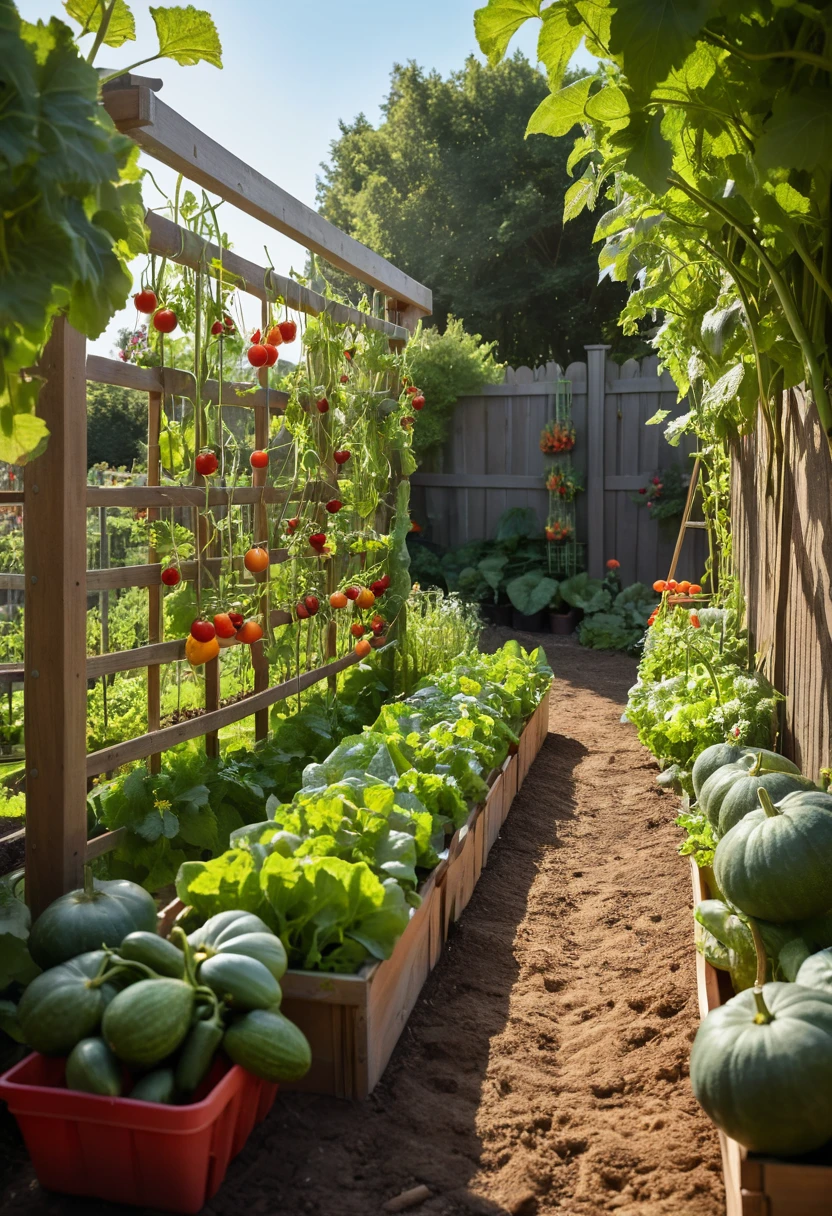
Vertical growing can transform a small backyard. Instead of allowing crops such as cucumbers, beans, and some climbing vegetables to spread across the ground, provide a trellis or suitable support and encourage them to grow upward.
Recent small-backyard planning guides identify vertical growing as one of the main ways to increase productivity when ground space is limited.
Add a Trellis
A trellis can be positioned at the back or north side of a bed, depending on local sunlight patterns, so taller plants don’t unnecessarily shade smaller crops.
Use Arches for a Decorative Effect
A strong garden arch can support climbing vegetables while also becoming an attractive entrance feature. It turns a practical growing structure into part of the backyard design.
Design a Kitchen Garden With Paths
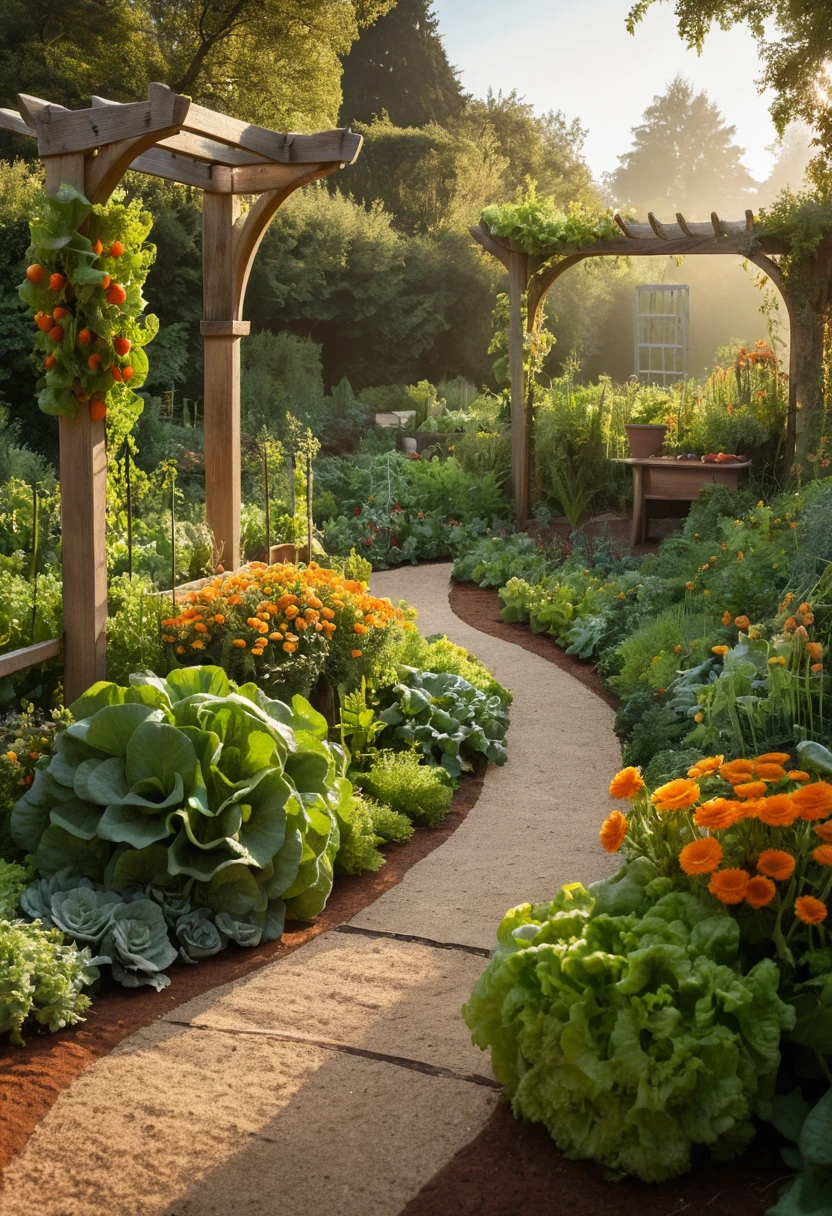
Paths are not wasted space. They make harvesting, watering, weeding, and inspecting plants much easier. A well-designed backyard kitchen garden should allow you to reach every bed without stepping through the growing area.
Paths can also visually divide the garden into zones. Gravel, paving stones, bricks, wood chips, or other suitable materials can give the space a finished appearance while keeping muddy feet away from the planting beds.
Use Straight Paths for a Modern Look
Straight paths between rectangular raised beds create a clean and organized appearance. This layout is particularly suitable for modern backyards.
Try Curved Paths for a Softer Style
Curved paths can make a kitchen garden feel more relaxed and informal. They work especially well when vegetables are mixed with flowers, shrubs, and ornamental planting.
Mix Vegetables With Flowers
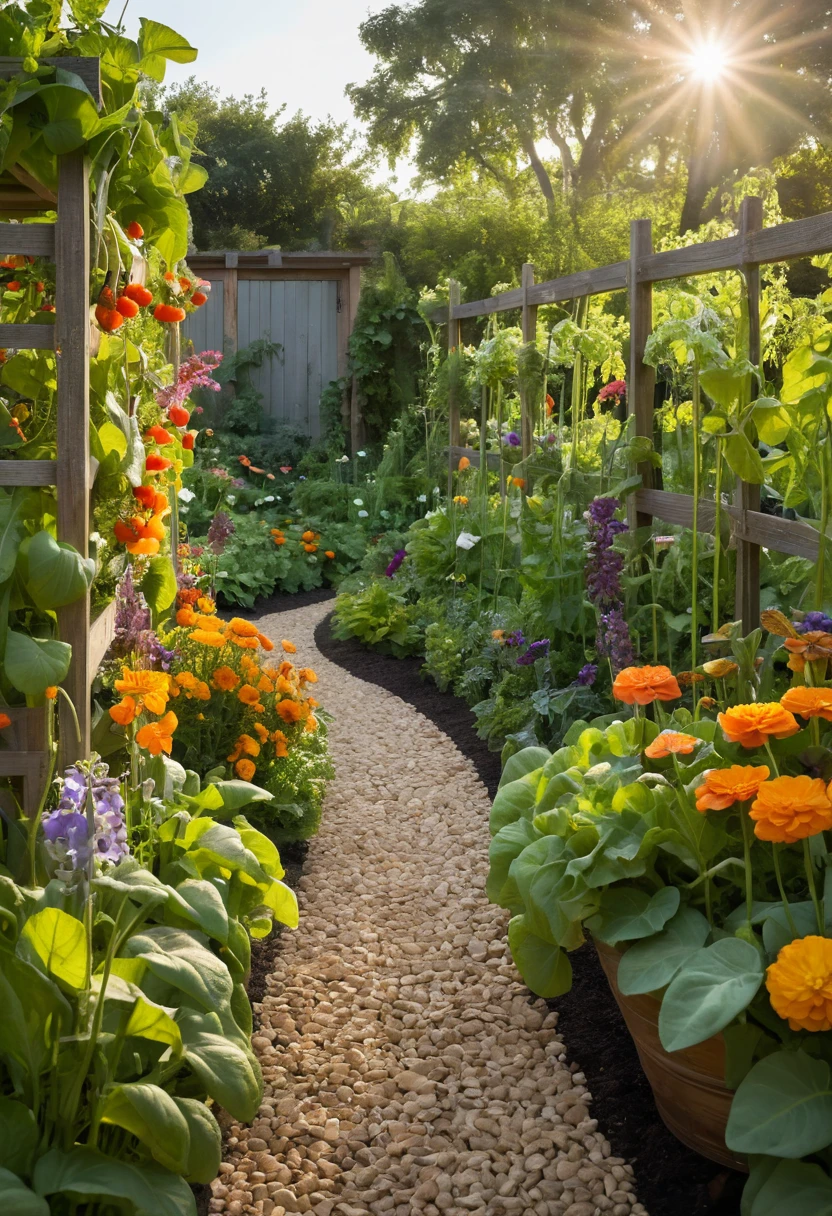
A productive garden doesn’t have to look like a purely functional vegetable plot. Mixing edible crops with flowers can create a more attractive backyard and may provide habitat and food sources for beneficial insects.
Flowers can also help break up rows of vegetables visually. Instead of seeing a wall of green foliage, you’ll have a garden with different colors, heights, and textures.
Add Flowers Along Bed Edges
Compact flowers can be planted around the edges of vegetable beds where they won’t interfere with harvesting or shade smaller crops excessively.
Choose Plants for Your Conditions
Select flowers that are suited to your local climate and growing conditions. A healthy plant is more useful than one chosen solely for appearance.
Create a Salad Garden Near the Kitchen
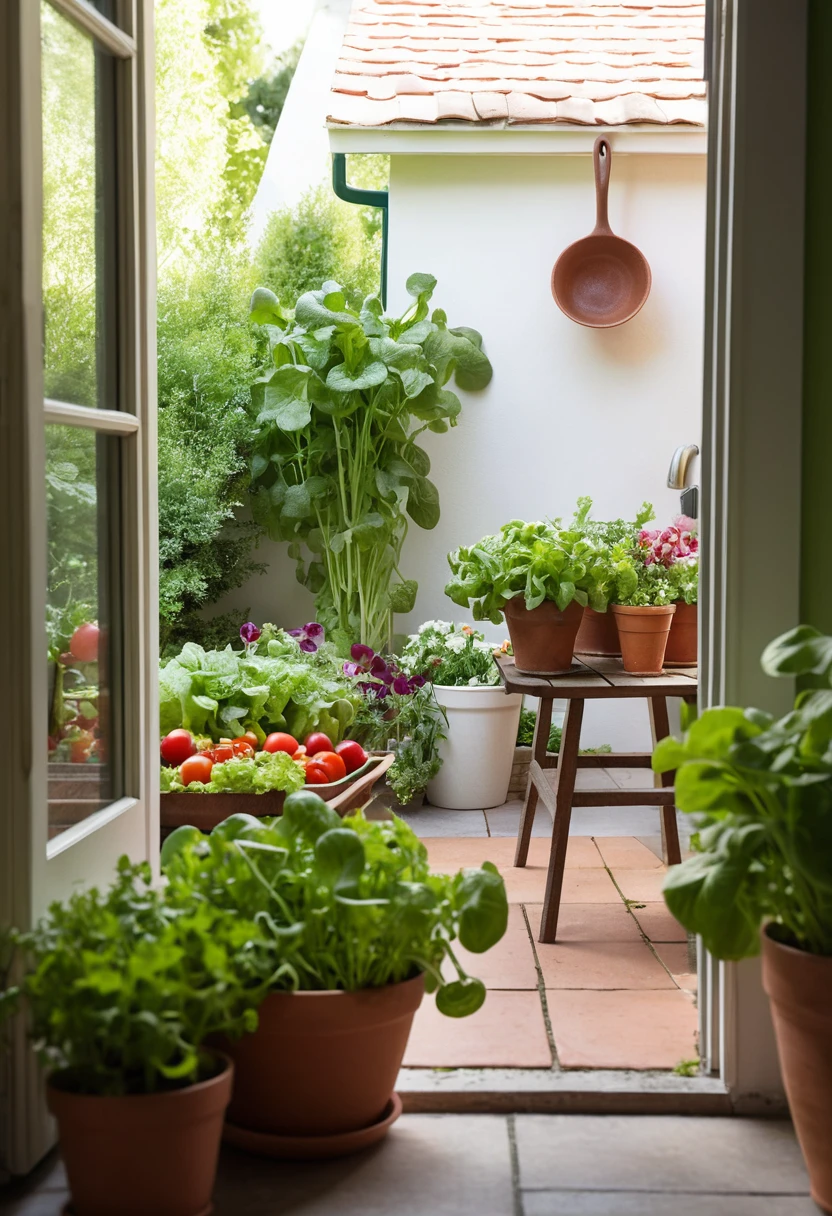
A salad garden is one of the most convenient 11+ Garden ideas for beginners because many salad crops can be harvested repeatedly or grown in succession.
Consider leafy greens, lettuce, rocket, radishes, spring onions, and suitable herbs. Instead of planting everything at once, sow small amounts at intervals when local growing conditions allow.
Practice Succession Planting
Succession planting means replacing harvested crops with new ones so that the garden doesn’t produce everything during one short period.
This can help maintain a more consistent supply of fresh ingredients throughout the growing season.
Harvest Young Leaves
Many leafy greens can be harvested when young rather than waiting for the entire plant to reach maximum size. This can be particularly useful in compact gardens.
Give Tomatoes Their Own Space
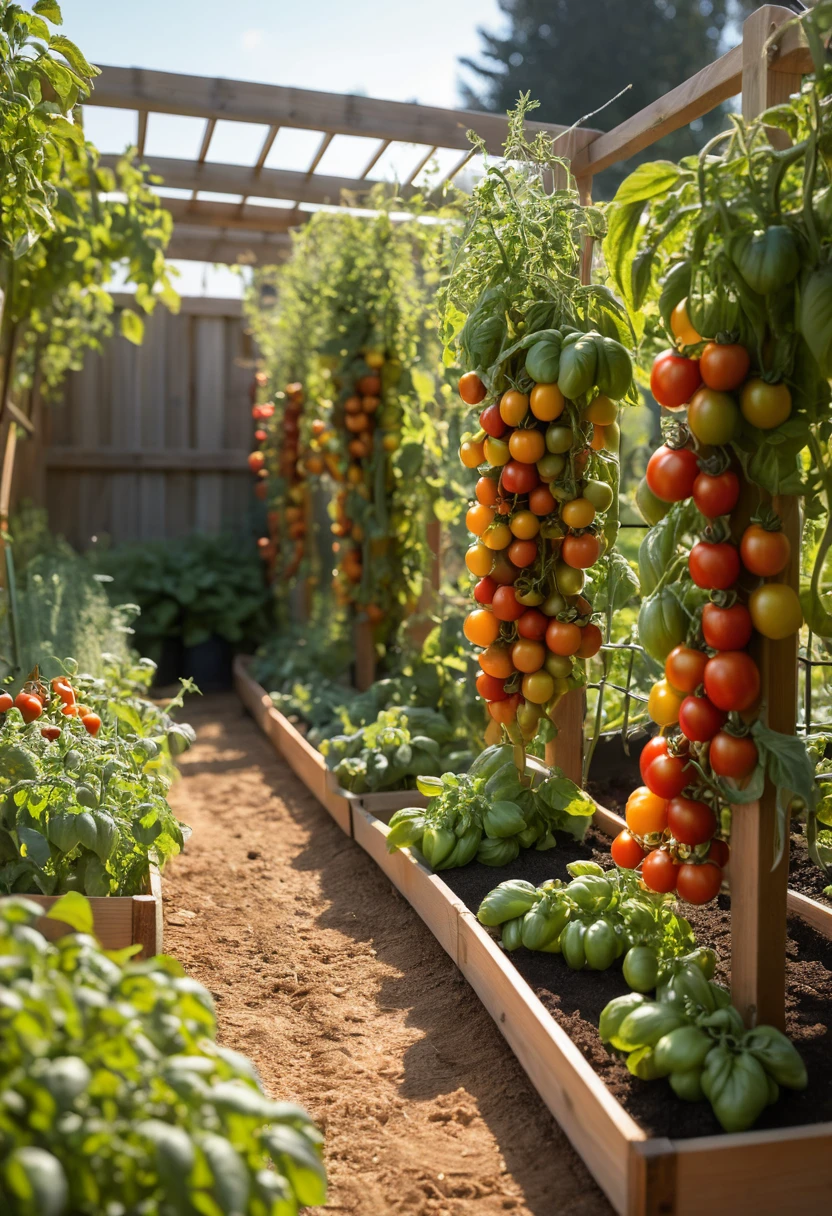
Tomatoes are popular backyard crops, but they can become large and require support. Give them enough room for airflow, sunlight, root development, and access for harvesting.
Choose varieties appropriate for your available space. Compact or determinate varieties can be easier to manage in smaller gardens, while larger plants may need strong cages or trellises.
Add Strong Supports Early
Install tomato supports before plants become large. Waiting until a plant is heavy with foliage can make supporting it much harder and can disturb the roots if stakes need to be pushed into the soil later.
Keep Leaves Off the Ground
Good spacing and support can help improve airflow and make it easier to inspect plants for pests and disease. Avoid creating an overcrowded jungle where leaves remain wet and difficult to inspect.
Create a Backyard Kitchen Garden for Families
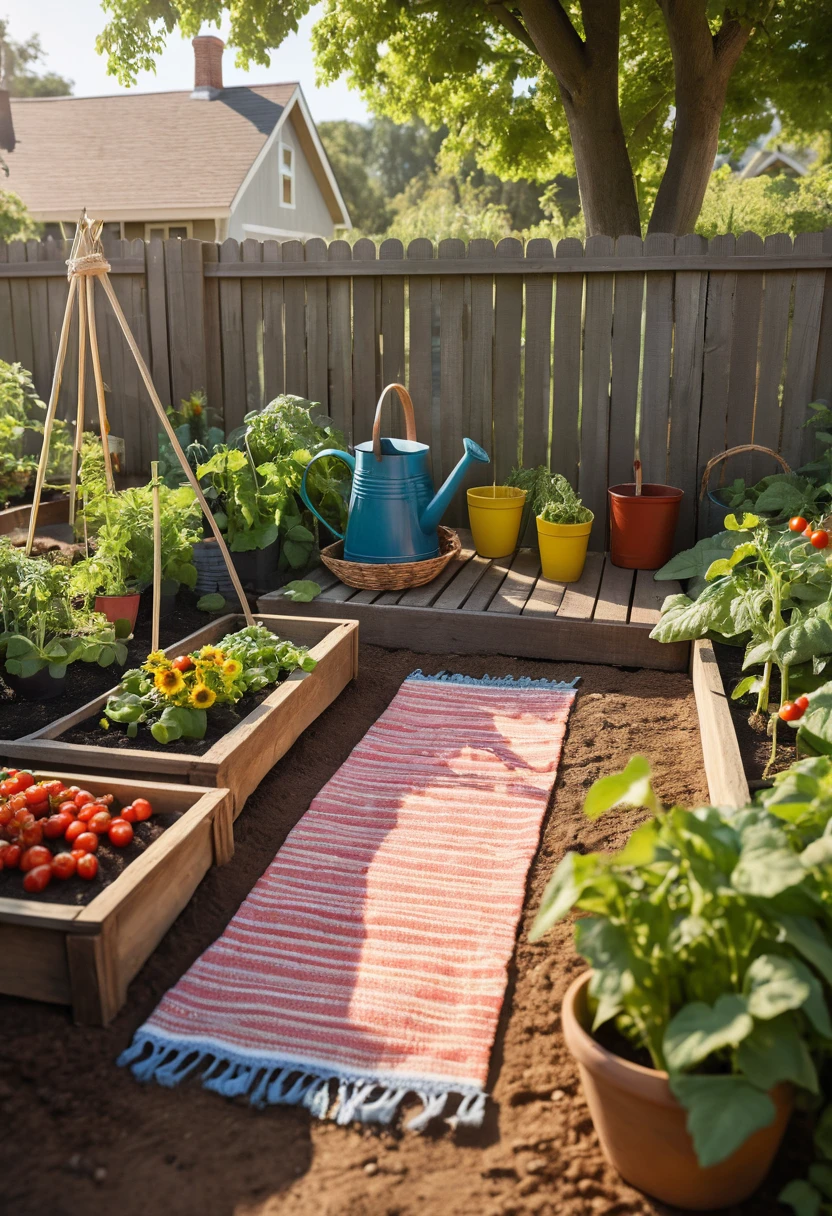
A family kitchen garden can become more than a food-growing project. It can be a practical way for children and adults to learn where food comes from and how plants develop.
Choose a few crops that produce visible changes quickly. Radishes, salad greens, herbs, beans, and other suitable plants can provide rewarding observations during the growing season.
Create a Child-Friendly Bed
Give children a small, clearly defined area where they can choose what to plant and help with watering or harvesting.
Avoid placing delicate or thorny plants in areas where young children regularly work.
Add Labels
Plant labels make it easier for everyone to identify crops. They can also turn the garden into an informal learning space where children can track planting and harvest dates.
Common Kitchen Garden Mistakes to Avoid
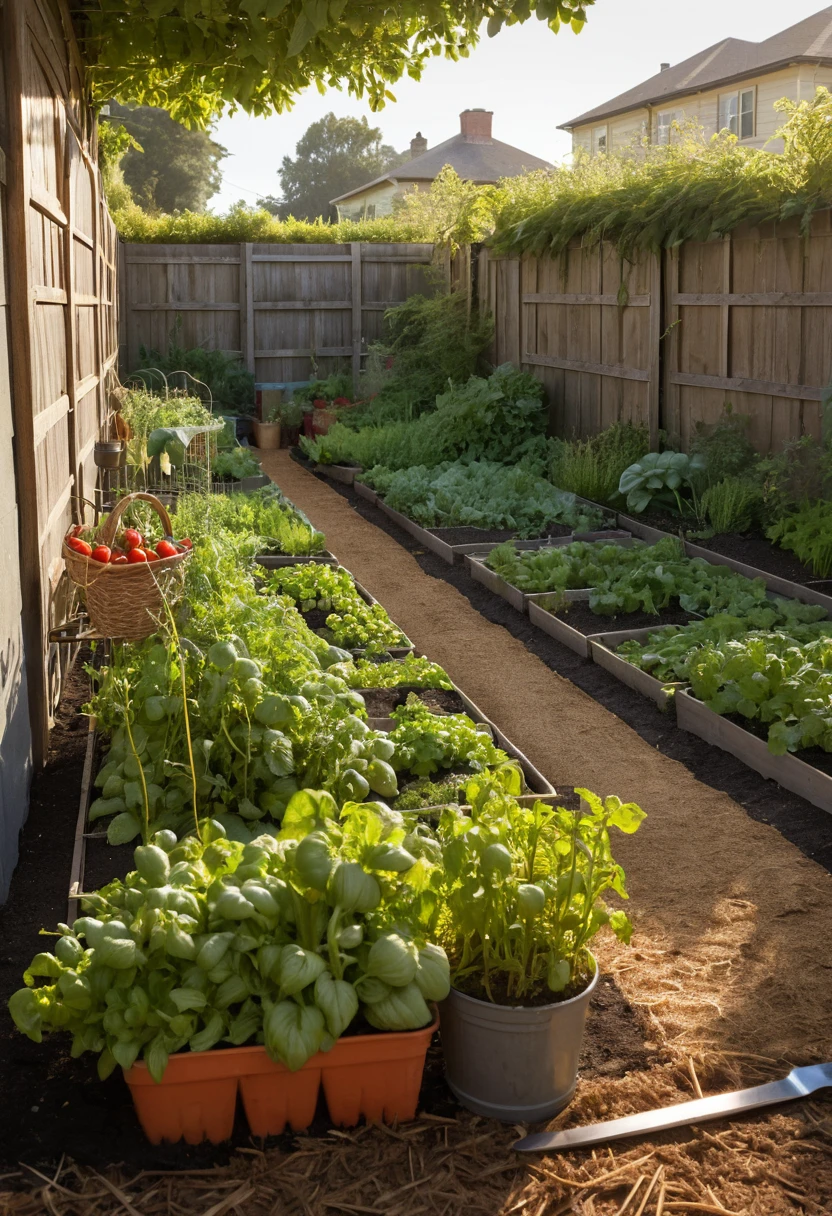
Even the best 11+ Garden ideas can fail if the basic planning is overlooked. Beginners often choose plants before studying sunlight, build beds that are difficult to reach, plant too densely, or grow more vegetables than they can actually use.
Current garden-planning guidance repeatedly emphasizes starting with sunlight, space, crop choice, spacing, height, and access rather than simply copying an attractive garden picture.
Avoid these common problems:
- Choosing a shaded location for sun-loving vegetables.
- Planting too many crops in a small bed.
- Ignoring mature plant size.
- Making paths too narrow.
- Growing vegetables your household doesn’t eat.
- Forgetting access to water.
- Using containers without adequate drainage.
- Ignoring local growing seasons.
- Placing tall crops where they block shorter plants.
- Starting with a garden that’s too large to maintain.
.
FAQs
1. What is the best location for a backyard kitchen garden?
Choose a level, convenient location with strong sunlight and easy access to water; many vegetables perform best with at least six hours of direct sun.
2. What vegetables are easiest to grow in a backyard kitchen garden?
Beginner-friendly choices often include leafy greens, radishes, herbs, beans, spring onions, chillies, and compact tomatoes, depending on your local climate and season.
3. Can I create a kitchen garden in a small backyard?
Yes. Raised beds, containers, grow bags, vertical trellises, and succession planting can help you produce useful crops even when ground space is limited.
4. Are raised beds good for a kitchen garden?
Raised beds can make soil and drainage easier to manage while providing a defined growing area and more comfortable access.
5. How much sunlight does a vegetable garden need?
Many fruiting vegetables perform best with around six or more hours of direct sunlight, although individual crops have different requirements and some leafy vegetables tolerate less.
Conclusion
A successful backyard kitchen garden doesn’t need to be enormous or complicated. The best 11+ Garden ideas start with practical decisions: choose a sunny location, keep water accessible, select crops your household actually uses, provide suitable spacing, and design paths that make maintenance easy. Raised beds, containers, vertical supports, herb corners, and seasonal planting can then be combined according to the space you have available.
Start with a manageable garden and allow it to grow with your experience. Keep notes about what you plant, observe how sunlight changes through the seasons, and pay attention to which vegetables are harvested most often. With thoughtful planning and consistent care, an ordinary backyard can become a productive kitchen garden that provides fresh ingredients while adding beauty and purpose to your outdoor space.

