
A moon garden is a planting space designed to look and feel beautiful after sunset, using white or pale flowers, silvery foliage, reflective surfaces, and fragrant plants that become especially noticeable in the evening. Unlike a traditional garden planned mainly around daytime color, a moon garden considers moonlight, twilight, fragrance, texture, and nighttime enjoyment. A carefully planned 12+Flower Garden & Planting scheme can make a patio, pathway, balcony, or backyard corner feel completely different once the sun goes down.
Have you ever looked outside at night and realized that your colorful flowers almost disappear in the darkness? White blooms solve part of that problem because they remain visually noticeable as daylight fades. Add silver foliage, soft lighting, fragrant flowers, and a comfortable place to sit, and an ordinary garden can become an inviting evening retreat. Moon gardens are also more than decoration because fragrant night-blooming plants can support nighttime pollinators such as moths and other insects.
The good news is that you don’t need a huge yard or an elaborate landscape plan. This guide explains practical 12+Flower Garden & Planting ideas for creating a moon garden with white flowers, including choosing the right location, selecting plants, arranging different heights, adding fragrance, creating a nighttime focal point, and caring for the finished garden. You can use the ideas together or simply choose a few that fit your available space and growing conditions.
Choose the Right Location for Your Moon Garden
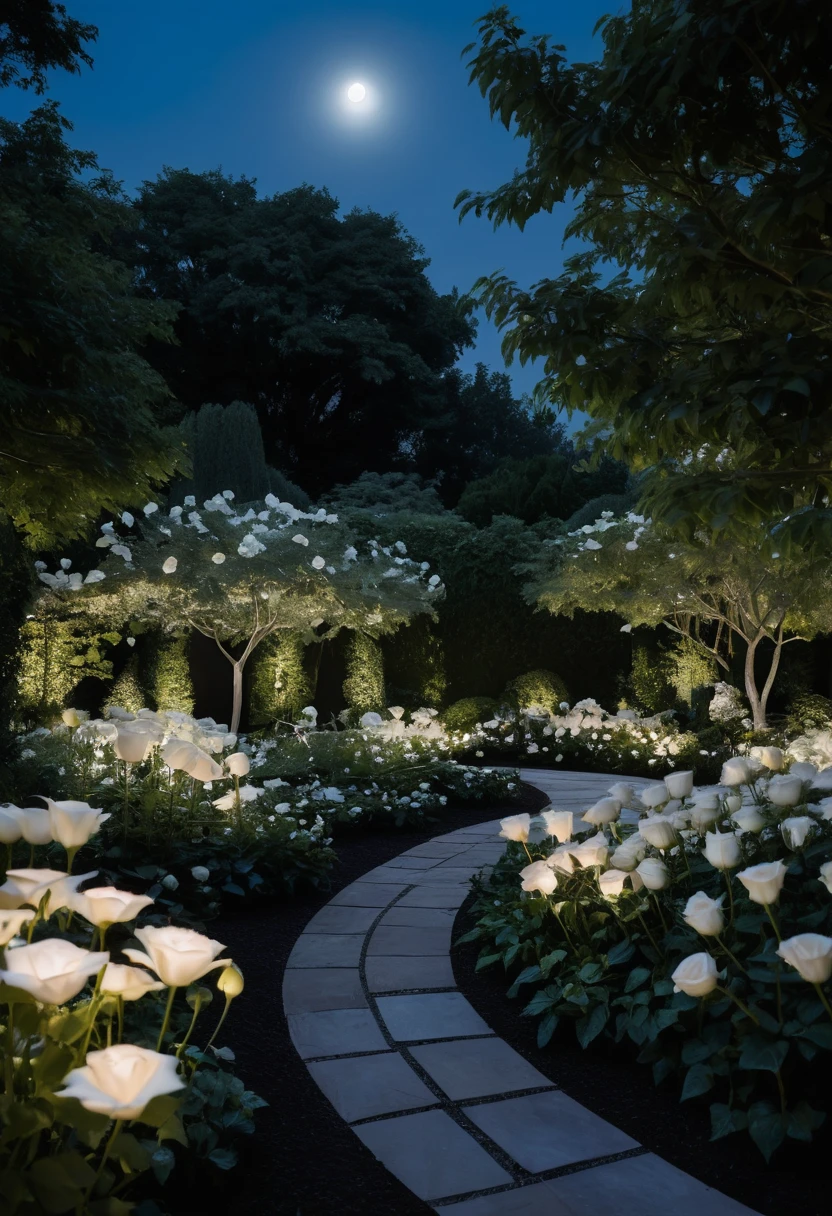
The location is one of the most important decisions because a moon garden is meant to be enjoyed after dark. A space close to a patio, deck, porch, bedroom window, or frequently used pathway can give you more opportunities to experience the flowers and fragrance. The University of Missouri Extension recommends placing a twilight garden where it can receive moonlight and remain close enough to the house for evening enjoyment.
For 12+Flower Garden & Planting, observe the area at different times of day before you start digging. Check how much sunlight reaches the bed, where shadows fall, and whether the area stays wet after rain. Most flowering plants need adequate sunlight during the day even though their visual purpose is to shine at night.
Plant Near an Evening Seating Area
A seating area can make your moon garden much more useful. Place a bench, outdoor chair, or small table where you can see the white flowers without walking through the planting bed.
Keep strongly fragrant plants close enough to enjoy but not so concentrated that several powerful scents compete with one another. A few carefully selected fragrant plants can create a more pleasant experience than filling every available space with heavily scented flowers.
Consider the View From Indoors
A garden visible from a kitchen, living room, or bedroom window can provide nighttime interest even when you don’t go outside. Position taller plants toward the sides or rear and leave some lower flowers visible from the window.
This approach makes 12+Flower Garden & Planting useful throughout the evening. A moon garden doesn’t have to be experienced only from a chair; it can become part of the nighttime view from your home.
Build Your Plant Palette Around White Flowers
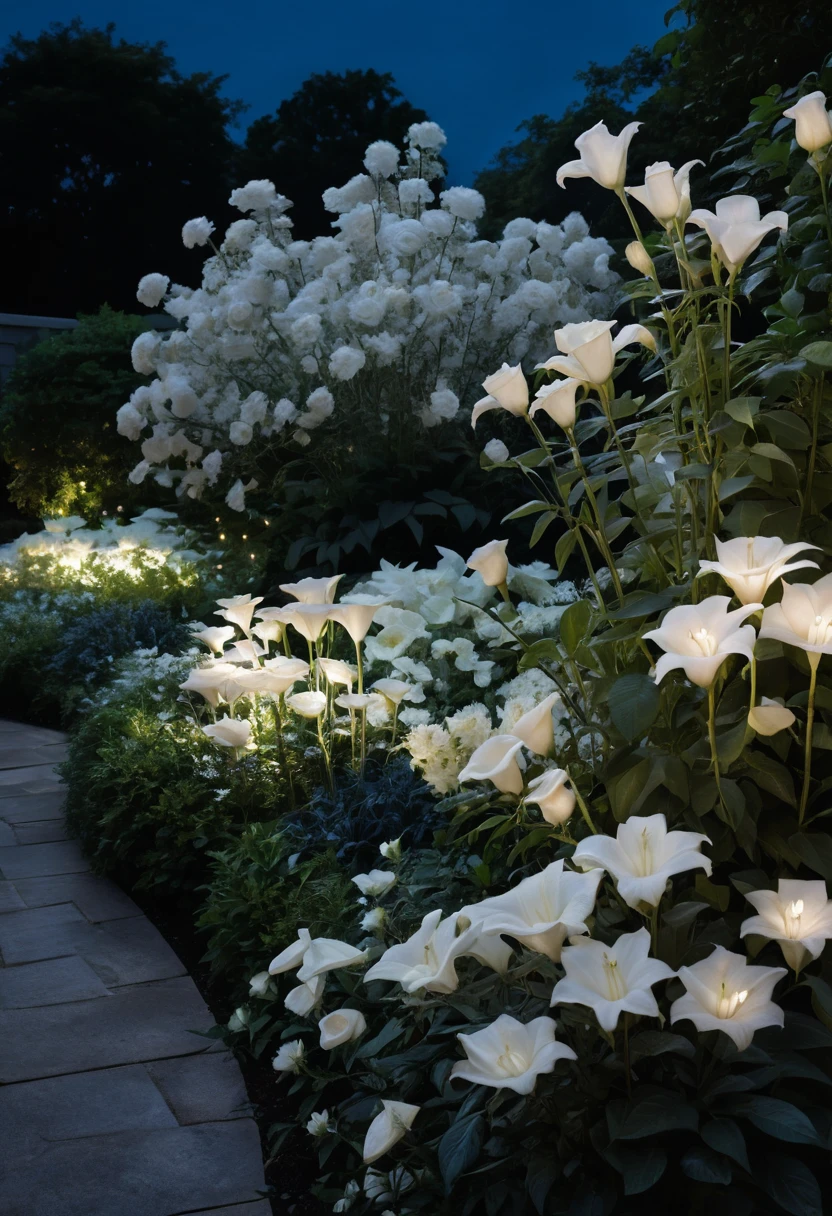
White flowers are the foundation of a traditional moon garden because they remain more visible in low light than many darker blooms. The University of Missouri Extension describes moon gardens as spaces using white flowers and plants to capture reflected moonlight, while pale yellow, lavender, silver, and gray can complement the main palette.
When creating 12+Flower Garden & Planting, don’t assume that every white flower performs the same way. Look at bloom season, mature size, sunlight requirements, soil preferences, fragrance, and whether the flowers remain open in the evening.
Good possibilities include white roses, Shasta daisies, white phlox, sweet alyssum, white petunias, white hydrangeas, white lavender cultivars, and other locally suitable plants. Almanac also lists white lilies, candytuft, mock orange, moonflower, and white lilacs among possible moon-garden choices.
Try White Roses for Structure
White roses can provide a strong focal point in a larger moon garden. Their flowers offer daytime beauty while their pale petals remain visible afte
Choose a rose suited to your climate and available space. Place it where you can appreciate its form and fragrance without allowing mature growth to block pathways.
Add White Shasta Daisies
Shasta daisies provide a familiar, cheerful flower shape that works well toward the middle or front of a planting bed. Their bright petals can stand out against darker green foliage.
For 12+Flower Garden & Planting, repeat several plants rather than relying on one isolated daisy. A group creates a stronger visual effect and makes the white palette feel intentional.
Include Night-Blooming Flowers
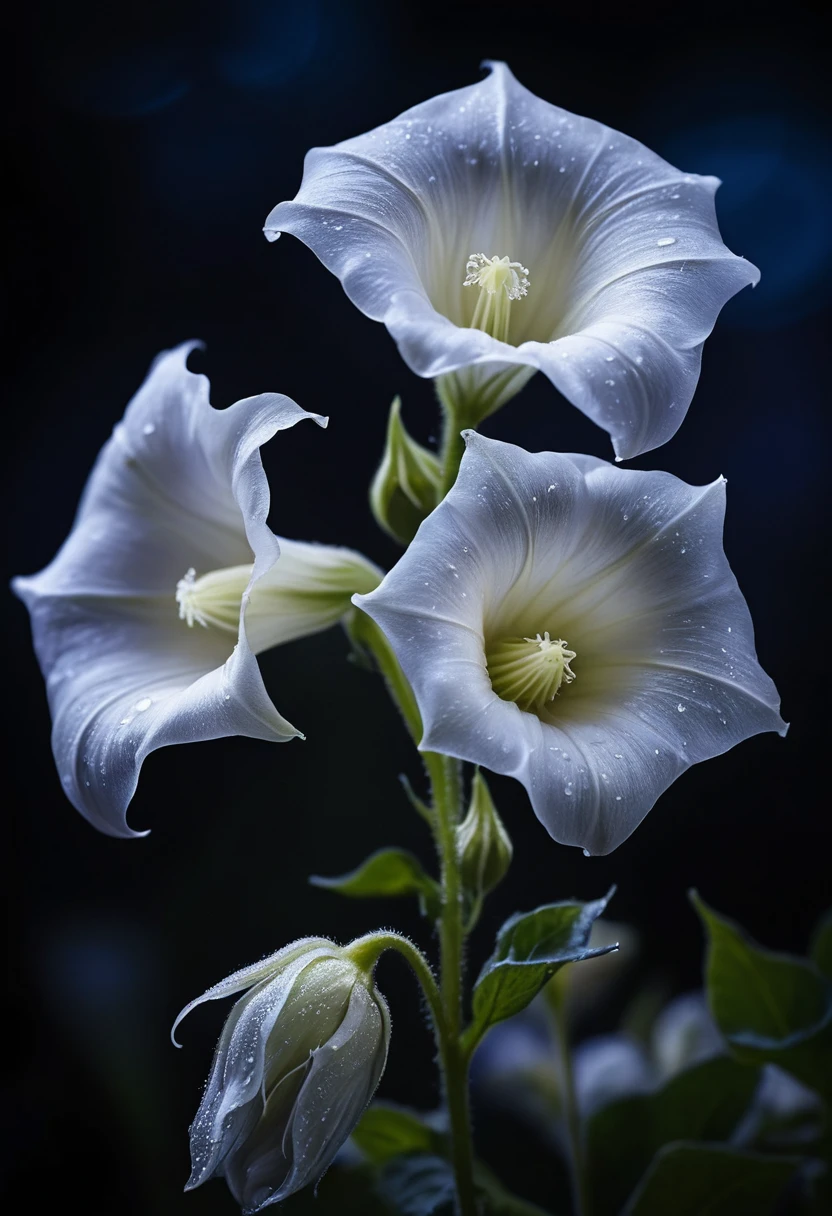
A moon garden becomes particularly interesting when some plants open or release stronger fragrance after sunset. The famous moonflower, for example, produces large white flowers that open around twilight and can develop into a climbing vine. The University of Missouri Extension notes that moonflower can grow into a vine reaching around 10 feet under suitable conditions.
For 12+Flower Garden & Planting, consider night bloomers as accents rather than assuming every plant must bloom at night. A combination of flowers that remain visible after dark and flowers that actively open in the evening can provide a longer-lasting display.
Grow Moonflower on a Trellis
Moonflower is particularly useful when you want vertical interest. Give the vine a sturdy support such as a trellis, arch, or fence structure.
Because growth can be vigorous, check the mature size and local growing requirements before planting. Also verify safety information for the specific plant you choose, especially if children or pets use the garden.
Add Evening Primrose
Evening primrose can contribute pale flowers and an evening-oriented character to suitable gardens. Its growth habit and behavior vary by species, so choose a variety that matches your local conditions.
Place it where its flowering habit can be appreciated rather than hiding it behind taller plants. A moon garden benefits from flowers being visible from the places where you spend your evenings.
Use Silver and Gray Foliage
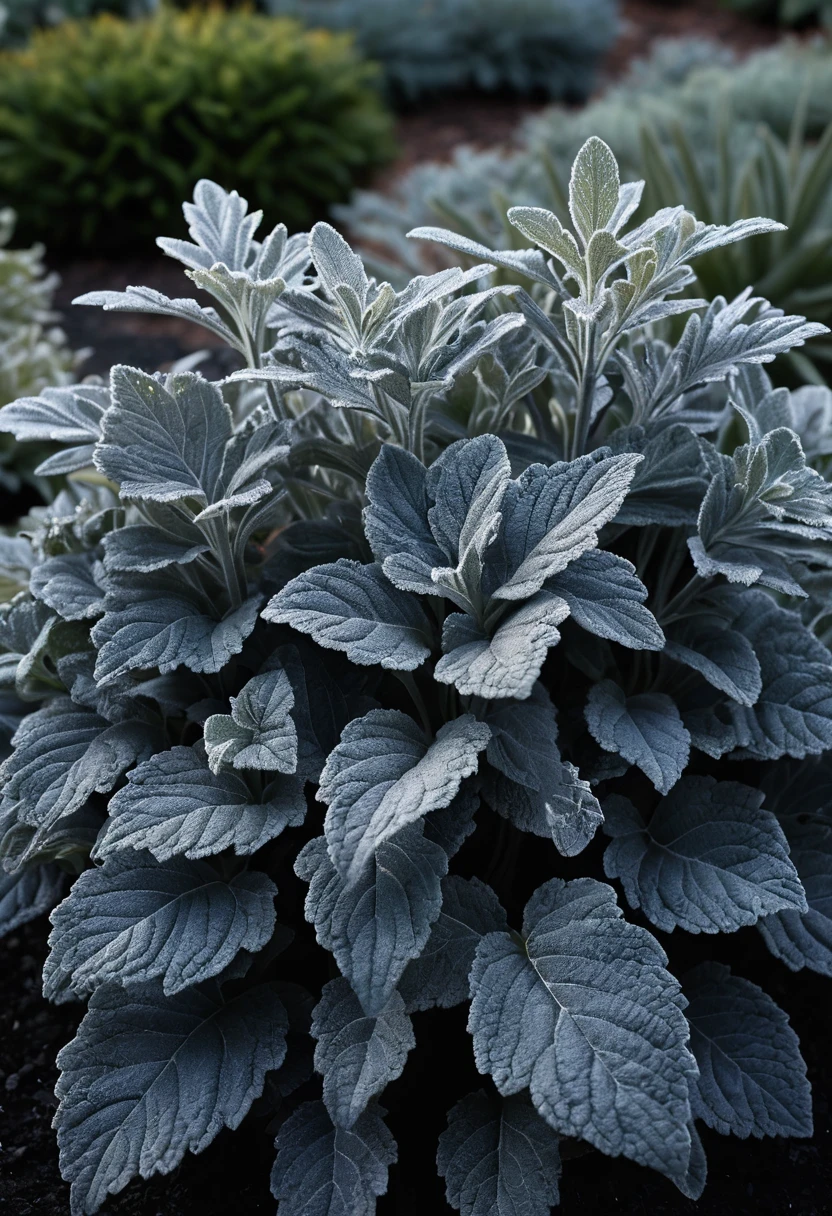
A moon garden doesn’t have to depend entirely on flowers. Silver and gray foliage can continue providing visual interest when individual flowers close or fade.
In 12+Flower Garden & Planting, plants such as artemisia, dusty miller, lamb’s ear, and silvery forms of sage or lavender can create contrast against white flowers. The University of Missouri Extension specifically recommends silver foliage plants such as dusty miller, pussy toes, some sages, lavender, and artemisia for twilight gardens.
Foliage also gives the garden texture. Fine leaves can contrast with broad leaves, while upright forms can sit beside low mounds. This prevents an all-white garden from becoming visually flat during the day.
Use Artemisia as a Foliage Accent
Artemisia can provide silvery foliage that catches available evening light. Depending on the species, it may form a low mound or become a larger structural plant.
Use it where the soil and drainage requirements suit the species. Avoid automatically pairing every silver plant together without checking whether their growing conditions are compatible.
Read Also: 11+ Thrifted Home Decor Ideas That Look Way More Expensive Than They Cost
Add Lamb’s Ear Along the Edge
Lamb’s ear can provide soft, silvery foliage and a low-growing texture. It can work well near the front of a flower bed or along a pathway.
For 12+Flower Garden & Planting, repeat small groups rather than scattering single plants everywhere. Repetition creates a more polished landscape design.
Plan Flowers for Different Blooming Seasons
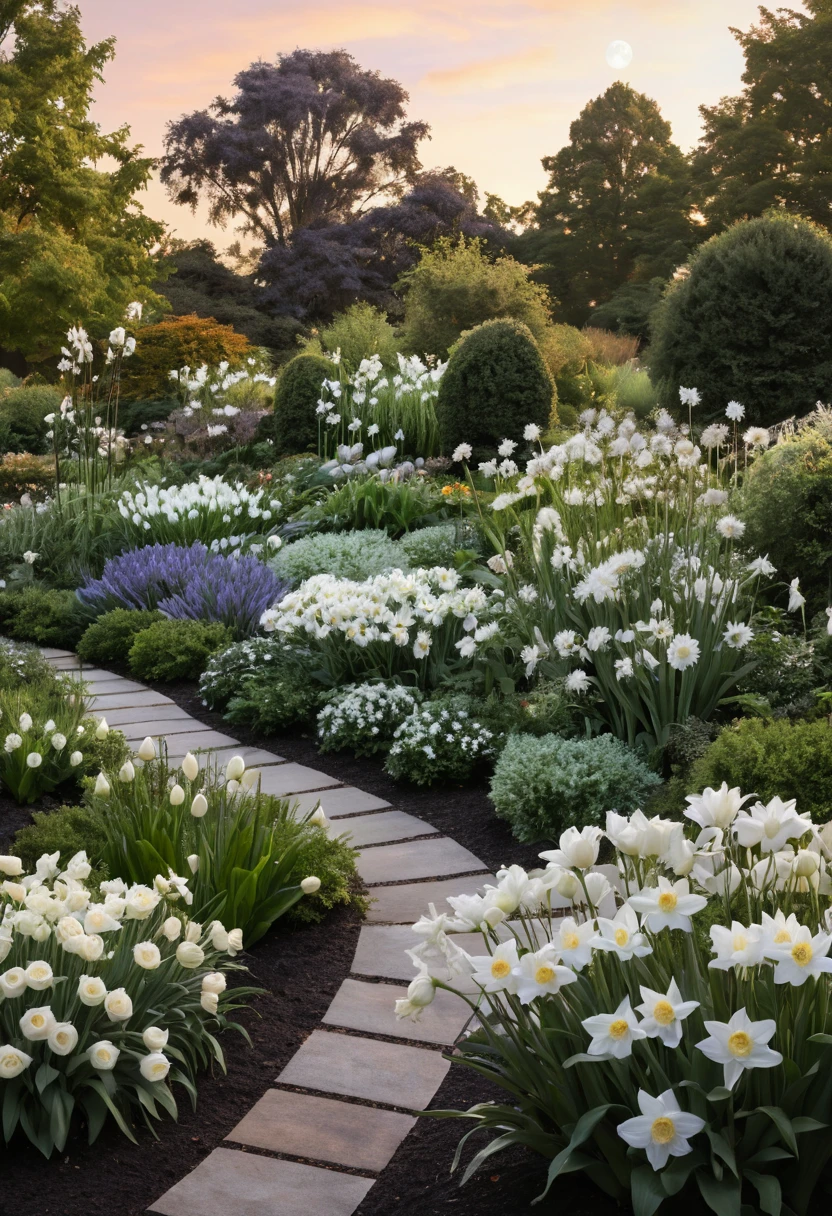
A moon garden can lose much of its impact if everything flowers for only a few weeks. Instead, plan for a sequence of blooms so that white or pale flowers appear at different times.
When planning 12+Flower Garden & Planting, make a simple seasonal list. Identify which plants bloom in spring, early summer, midsummer, late summer, and fall, then look for empty periods.
A diverse seasonal palette can include spring bulbs, summer perennials, annuals, shrubs, and late-season flowers. The exact combination should depend on your climate and local growing zone.
Add Spring White Flowers
Spring bulbs and early flowering plants can introduce the moon garden concept before summer arrives. White narcissus, suitable white tulips, and other locally adapted spring flowers can provide early highlights.
Plant bulbs in groups for greater impact. A single white flower may disappear visually, while a cluster can create a recognizable patch.
Continue With Summer Bloomers
Summer is often the strongest period for a moon garden because many fragrant and white-flowering plants are available. White phlox, daisies, roses, petunias, hydrangeas, and suitable annuals can provide different forms and heights.
For 12+Flower Garden & Planting, avoid relying on one species. Mixing bloom shapes helps the garden look interesting both during the day and under evening light.
Design the Garden in Layers
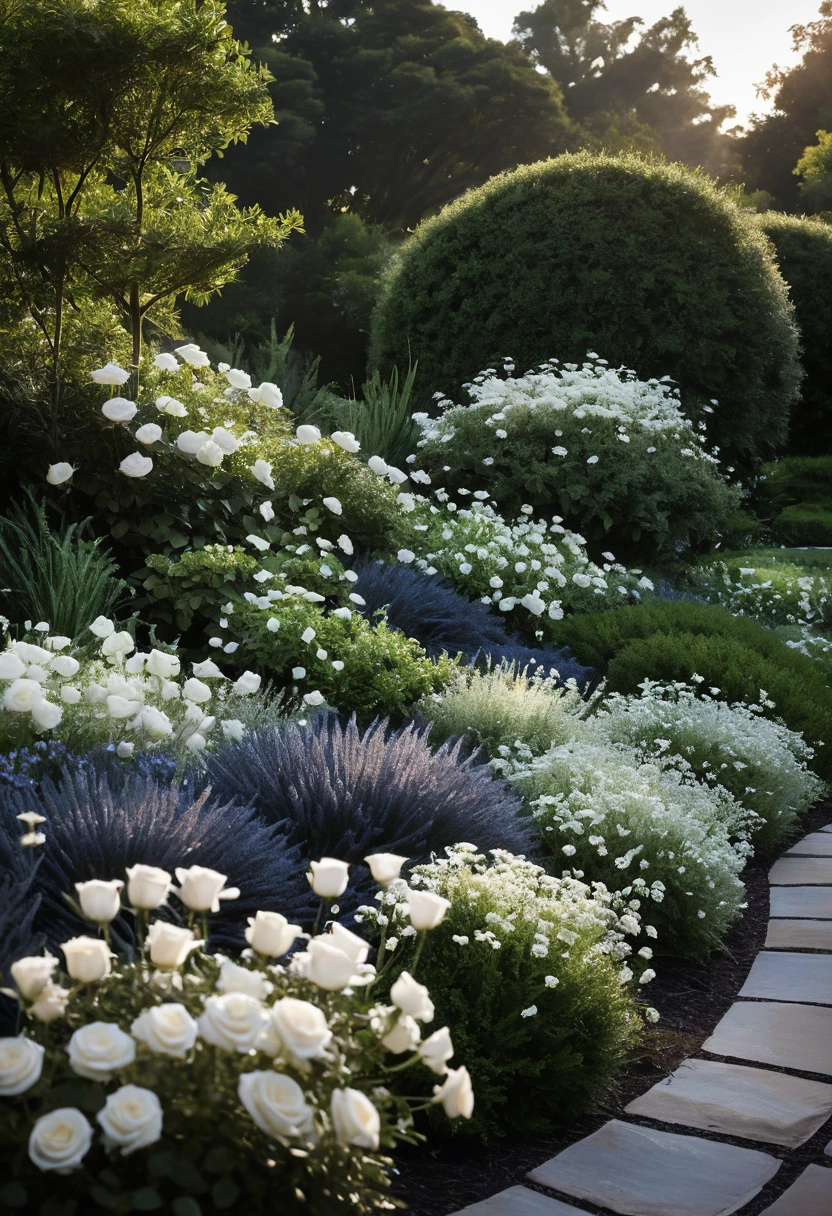
Plant height is just as important as flower color. A layered design ensures that smaller plants aren’t hidden behind tall stems and that the garden has depth when viewed from a seating area.
A practical 12+Flower Garden & Planting layout can place taller shrubs or climbing plants toward the back, medium-height flowers in the middle, and low-growing plants along the front.
This technique works for rectangular beds, curved borders, crescent-shaped beds, and containers. The exact arrangement should be adjusted according to how the garden is viewed.
Place Tall Plants at the Back
Tall plants such as climbing vines, shrubs, or larger perennials can create a backdrop. A darker fence or hedge behind pale flowers can increase contrast and make white blooms stand out.
Don’t plant tall species too close to windows or pathways. Allow room for mature growth and maintenance access.
Use Low Flowers Along Paths
Low-growing white flowers can soften the edge of a path while keeping taller plants behind them visible. Sweet alyssum and suitable creeping plants can be useful depending on climate and soil.
For 12+Flower Garden & Planting, make sure spreading plants won’t invade walking surfaces. Keep pathways clear enough for safe nighttime movement.
Add Fragrance to Your Moon Garden
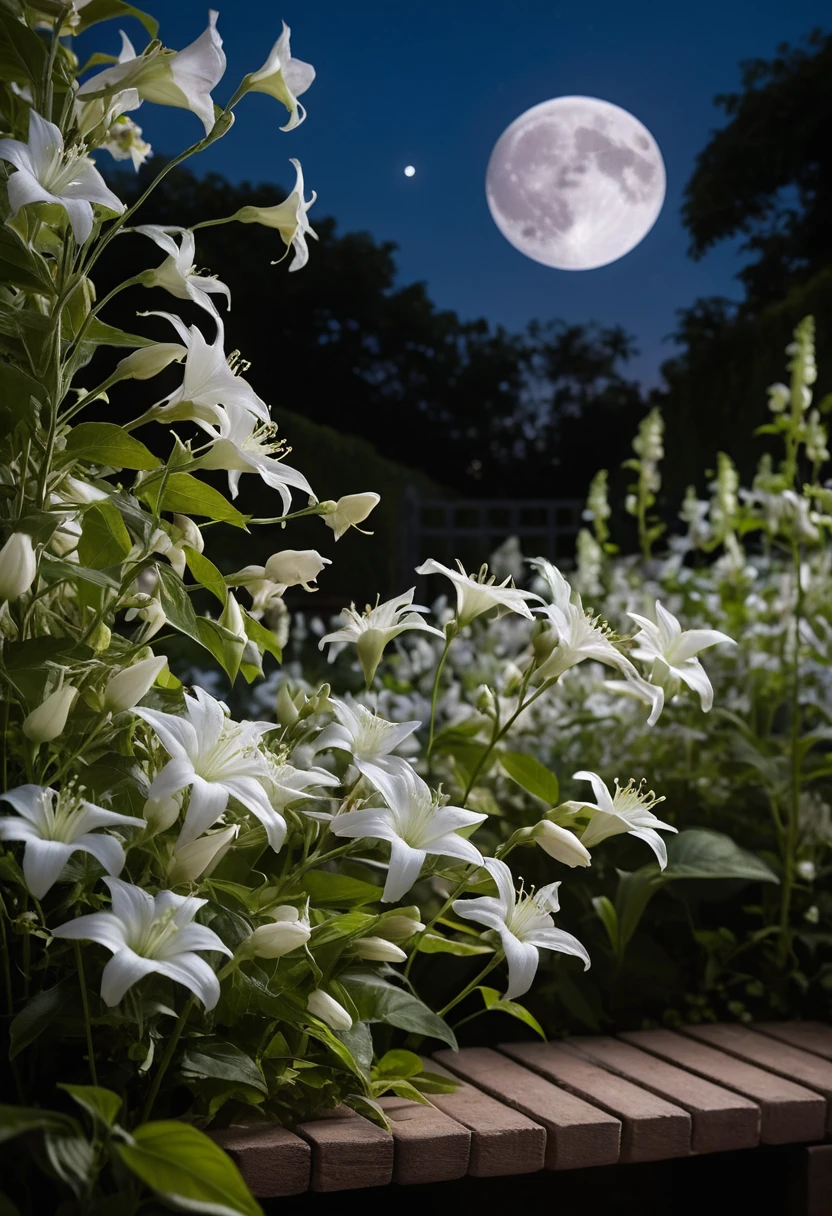
Sight is only one part of the moon-garden experience. Fragrance can become especially noticeable at night, particularly when evening-blooming or night-scented plants are placed close to seating and pathways. Current moon-garden guidance emphasizes fragrance as a major sensory feature.
For 12+Flower Garden & Planting, think about where fragrance will travel. A scented plant near the house may be far more enjoyable than the same plant at the far end of a large yard.
Avoid placing too many strongly scented plants in one small area. Instead, distribute them so individual fragrances can be noticed.
Place Scented Plants Near Seating
Plants with noticeable evening fragrance can be positioned beside a bench, patio, or outdoor dining area. This turns ordinary seating into a sensory garden experience.
Check the mature size before planting close to doors or windows. You want fragrance without creating a maintenance problem.
Mix Strong and Subtle Scents
A successful fragrant garden doesn’t have to smell overwhelmingly floral. Combine a few strongly scented plants with subtler flowers and fragrant foliage.
This makes 12+Flower Garden & Planting feel more balanced. You can also change the fragrance experience throughout the seasons by selecting plants with different blooming periods.
Create a White Flower Crescent or Oval Bed
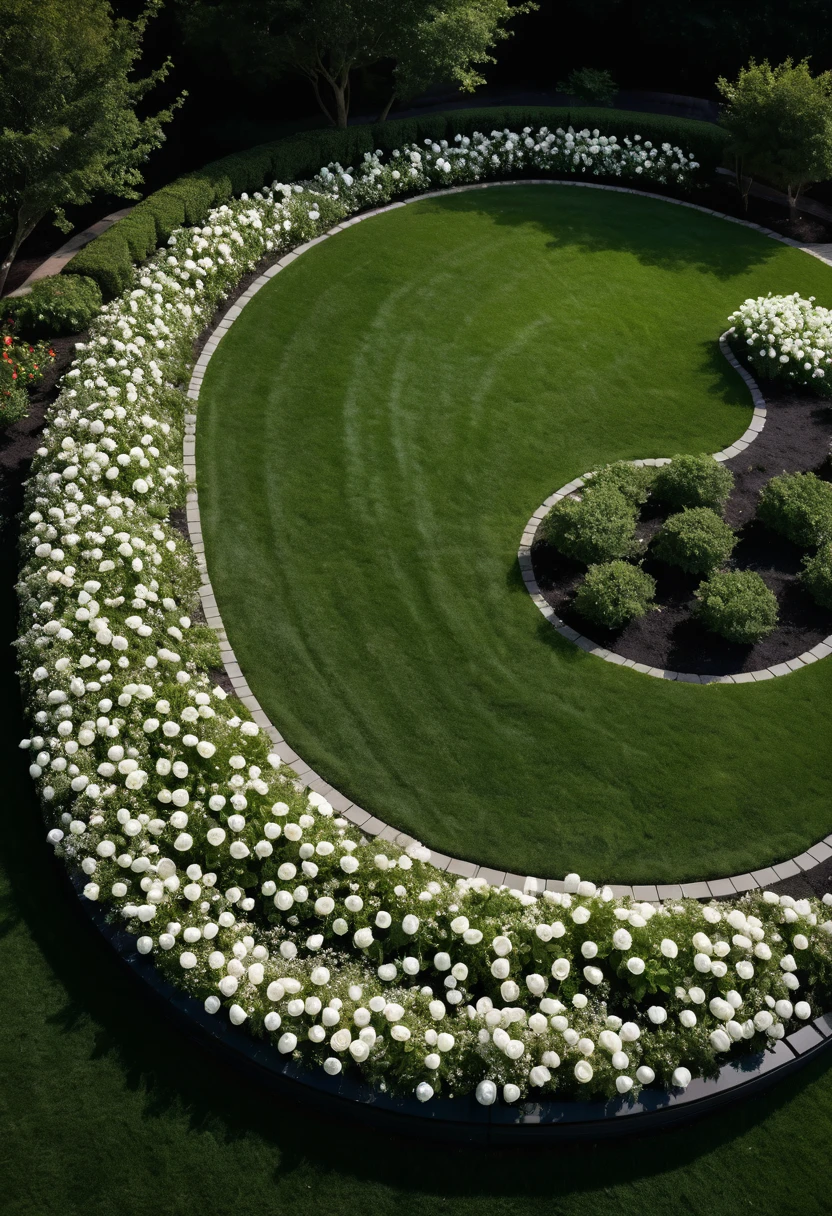
A crescent or oval-shaped bed can make a moon garden feel deliberately themed without requiring complicated construction. Curved shapes also work well around a seating area or small lawn.
For 12+Flower Garden & Planting, mark the shape with a garden hose before digging. Stand in the location where you plan to sit and check whether the curve looks balanced from that viewpoint.
A crescent design can have taller plants along the outer curve and lower flowers around the inner edge. This creates a natural frame around the central viewing area.
Add Light-Colored Hardscape
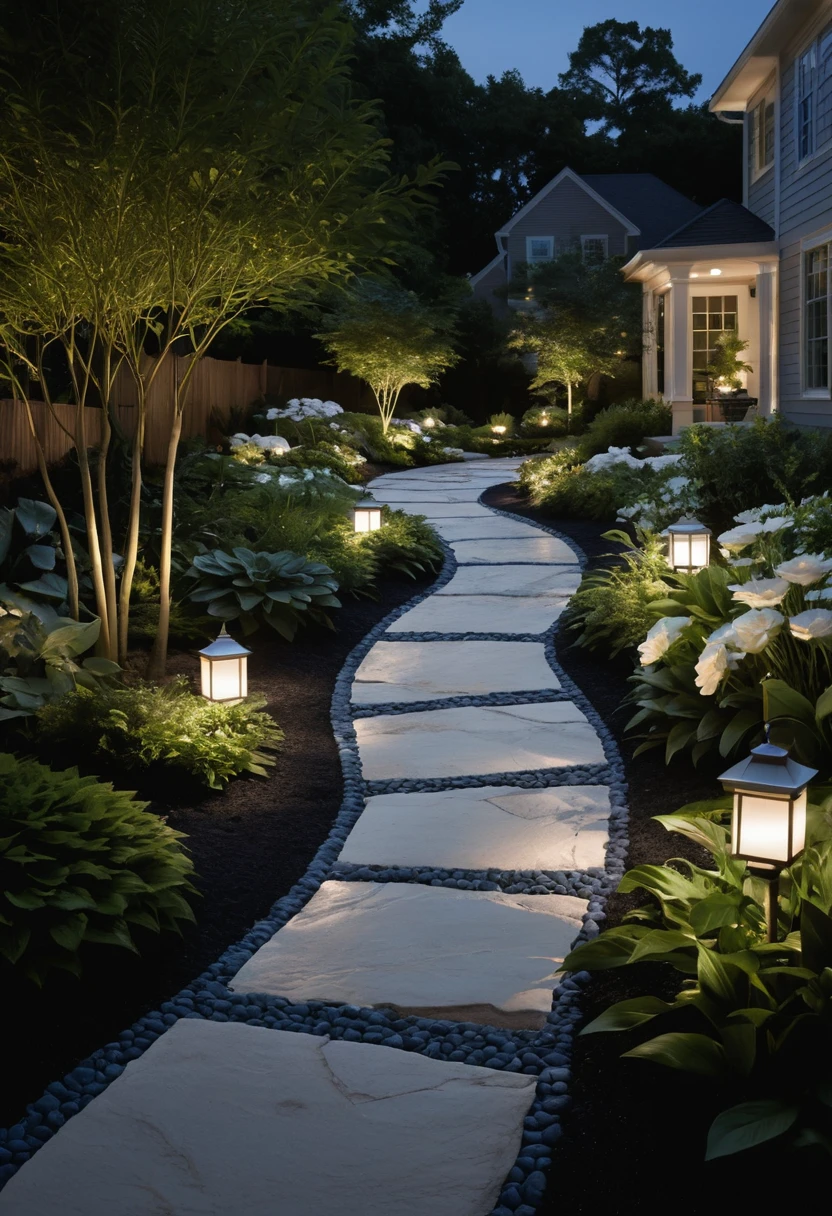
Plants are the stars, but the surrounding materials can enhance the nighttime effect. Light-colored gravel, pale stone, white stepping stones, or a light patio surface can reflect some available light.
For 12+Flower Garden & Planting, keep hardscape materials subtle. Too much white or highly reflective material can make the space feel harsh rather than peaceful.
Natural gray, cream, pale beige, and soft stone colors can provide a gentler transition between plants and outdoor living areas.
Use Gentle Outdoor Lighting
Moonlight should remain part of the design rather than being replaced by bright artificial lighting. If you need lights for safety, use them carefully and avoid turning the entire garden into a brightly illuminated space.
The University of Missouri Extension recommends subdued lighting for pathways and uneven surfaces and suggests warmer, amber-colored light rather than blue light to reduce potential confusion for nighttime pollinators.
For 12+Flower Garden & Planting, prioritize safety lighting along steps, paths, and changes in elevation. Keep decorative lighting low and subtle.
Light the Path, Not Every Plant
A softly illuminated pathway can help you move through the garden without destroying the atmosphere. Small, low-level fixtures can be enough.
Avoid bright floodlights pointed directly into flower beds. The goal is to preserve contrast between shadow, foliage, and pale flowers.
Highlight One Focal Plant
Instead of illuminating everything, choose one important feature such as a white rose, trellis, sculpture, or pale flowering shrub.
This gives the eye somewhere to rest and keeps the garden from looking overdesigned.
Add a Small Water Feature
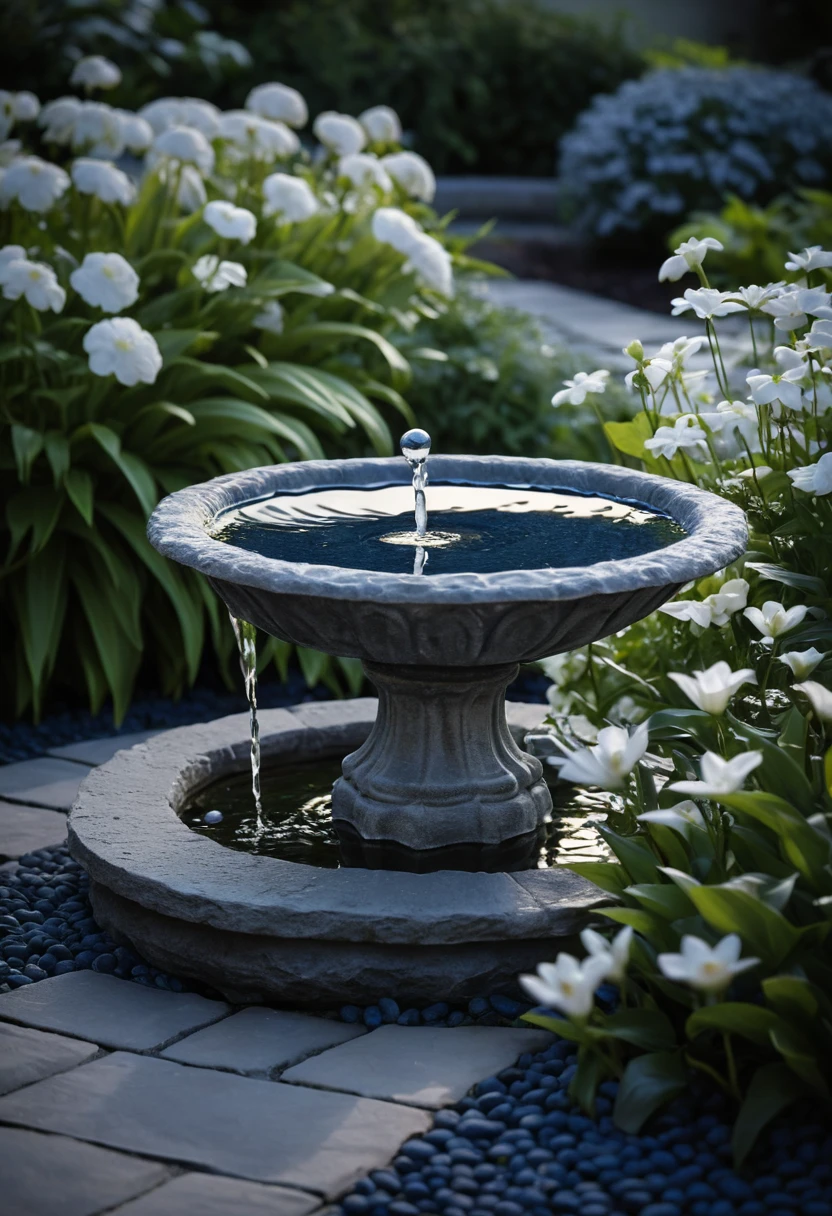
Water can add another sensory element to a moon garden through sound and reflection. A small pool, basin, or fountain can reflect the surrounding pale plants and provide gentle nighttime interest.
For 12+Flower Garden & Planting, choose a water feature appropriate for the available space and maintenance level. Keep walking areas safe and prevent standing water from becoming an unwanted nuisance.
The University of Missouri Extension notes that a water feature can contribute sound and reflective interest in a twilight garden.
Create a Moon Garden in Containers
You can enjoy the same concept on a balcony, small patio, porch, or compact yard. Grouping several containers allows you to create a miniature evening garden without permanently changing the landscape.
A container-based 12+Flower Garden & Planting design might combine white petunias, sweet alyssum, white geraniums, suitable lavender, and silver foliage plants.
Use containers with drainage holes and match plants according to sunlight and watering requirements. Place the most fragrant containers closest to your seating area.
Choose Plants That Match Your Climate
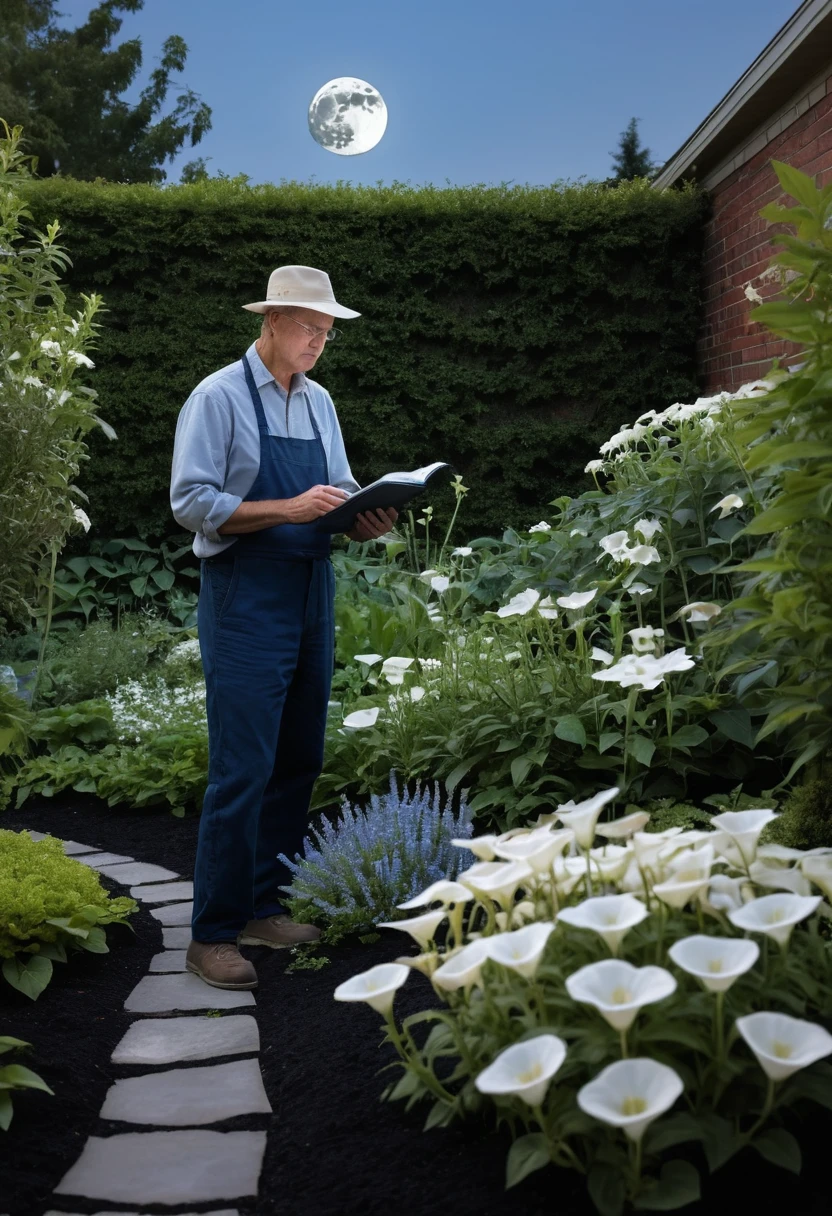
One of the biggest mistakes in themed gardening is choosing plants solely because they look perfect in photographs. A beautiful moon-garden plant is only useful if it can actually grow successfully in your conditions.
Before finalizing 12+Flower Garden & Planting, check your local climate, hardiness zone, sunlight exposure, soil type, drainage, mature plant size, and water needs. Local extension services and native-plant organizations can help you make better regional choices.
A plant list from one country or climate should never be treated as a universal planting plan. Even two gardens only a short distance apart can have different soil, shade, wind, and moisture conditions.
Choose Host-Friendly Plants for Night Pollinators
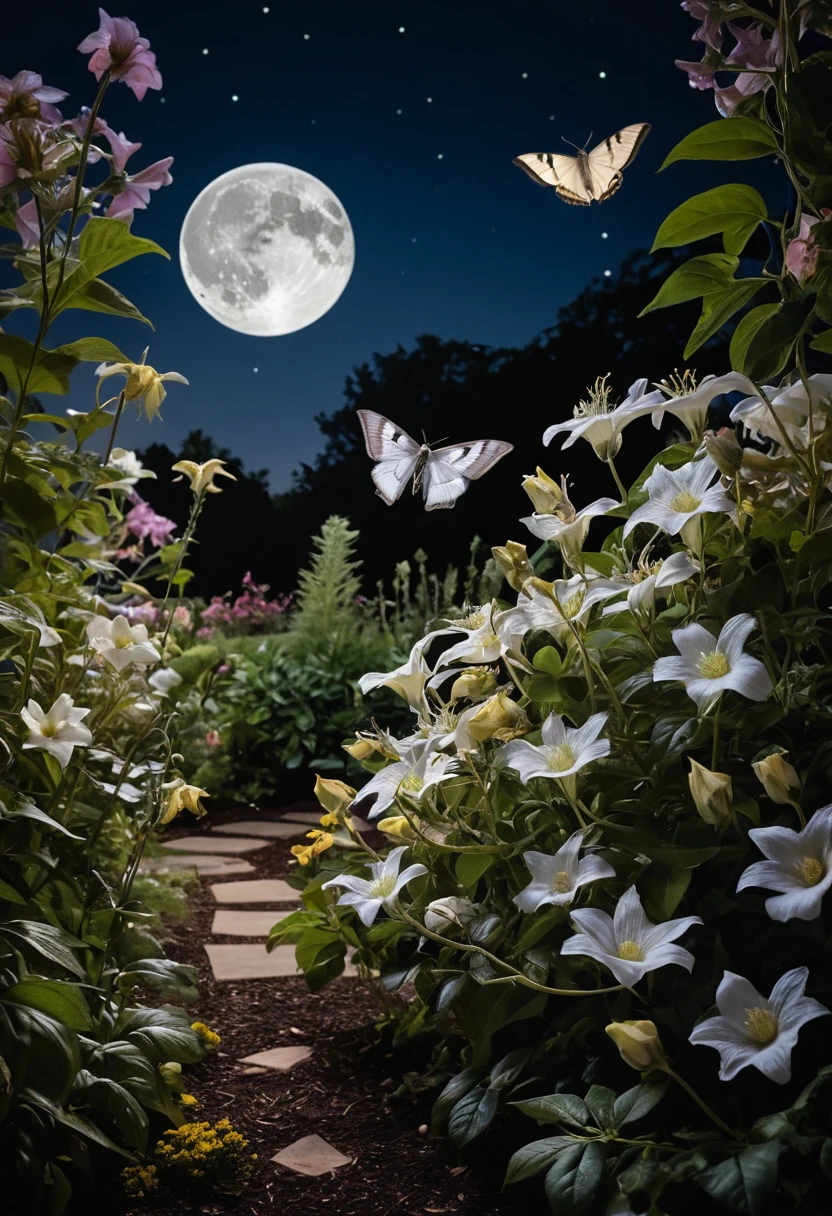
Night gardens can provide resources for nocturnal pollinators, particularly moths. Fragrant flowers and evening-opening blooms can make the garden active after many daytime pollinators have become less visible.
For 12+Flower Garden & Planting, avoid treating every nighttime insect as a pest. Observe which insects visit the flowers before deciding that they need to be controlled.
Reducing unnecessary pesticide use can make the garden more welcoming to beneficial insects and other wildlife. A diverse planting with flowers, foliage, and shelter is generally more useful than a perfectly sterile landscape.
Maintain Your Moon Garden Throughout the Season
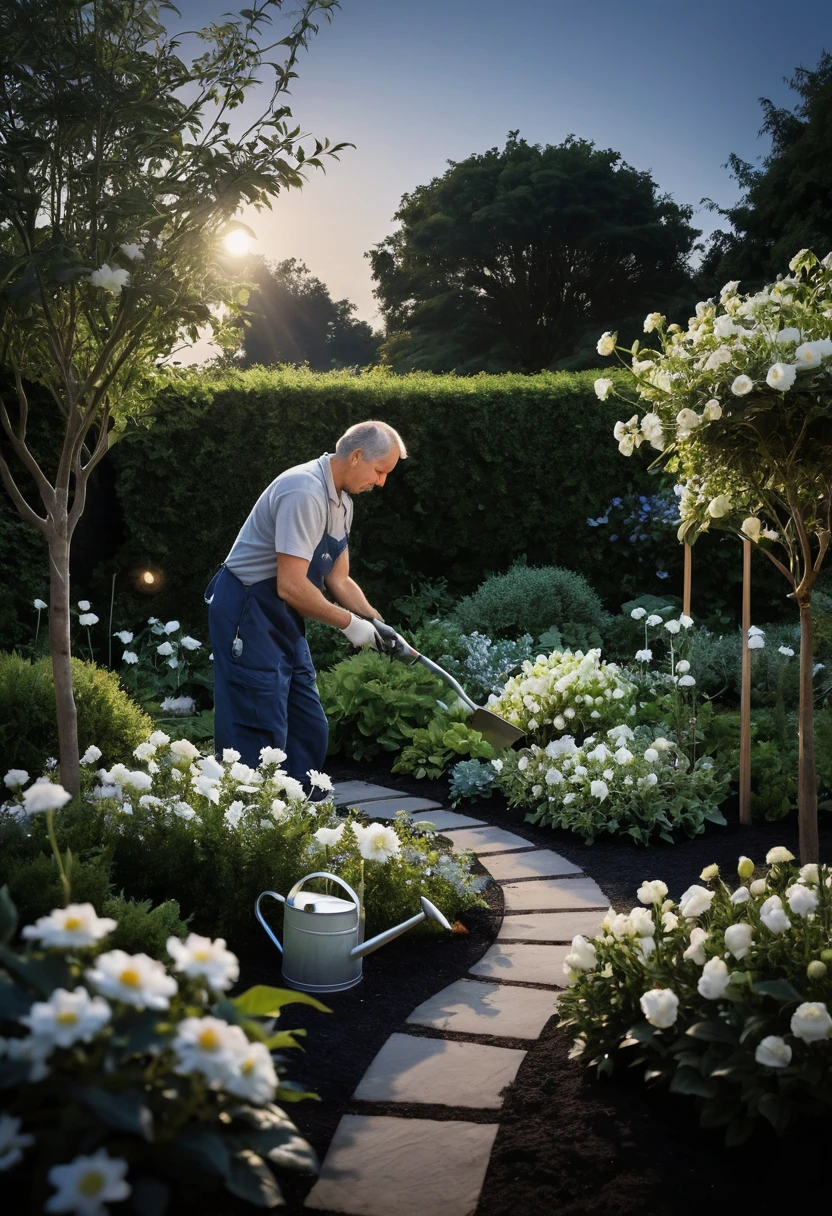
A moon garden needs regular but sensible care. Water plants according to their individual requirements, remove invasive weeds, monitor disease, and prune plants according to their species.
For 12+Flower Garden & Planting, deadhead selected flowers when it encourages continued blooming, but don’t feel that every fading flower must be removed immediately. Some seed heads can provide winter structure or wildlife value.
Keep pathways clear and check lighting, stones, containers, and water features periodically. Nighttime safety is especially important because uneven surfaces that are obvious during the day can become difficult to see after dark.
Avoid Common Moon Garden Mistakes
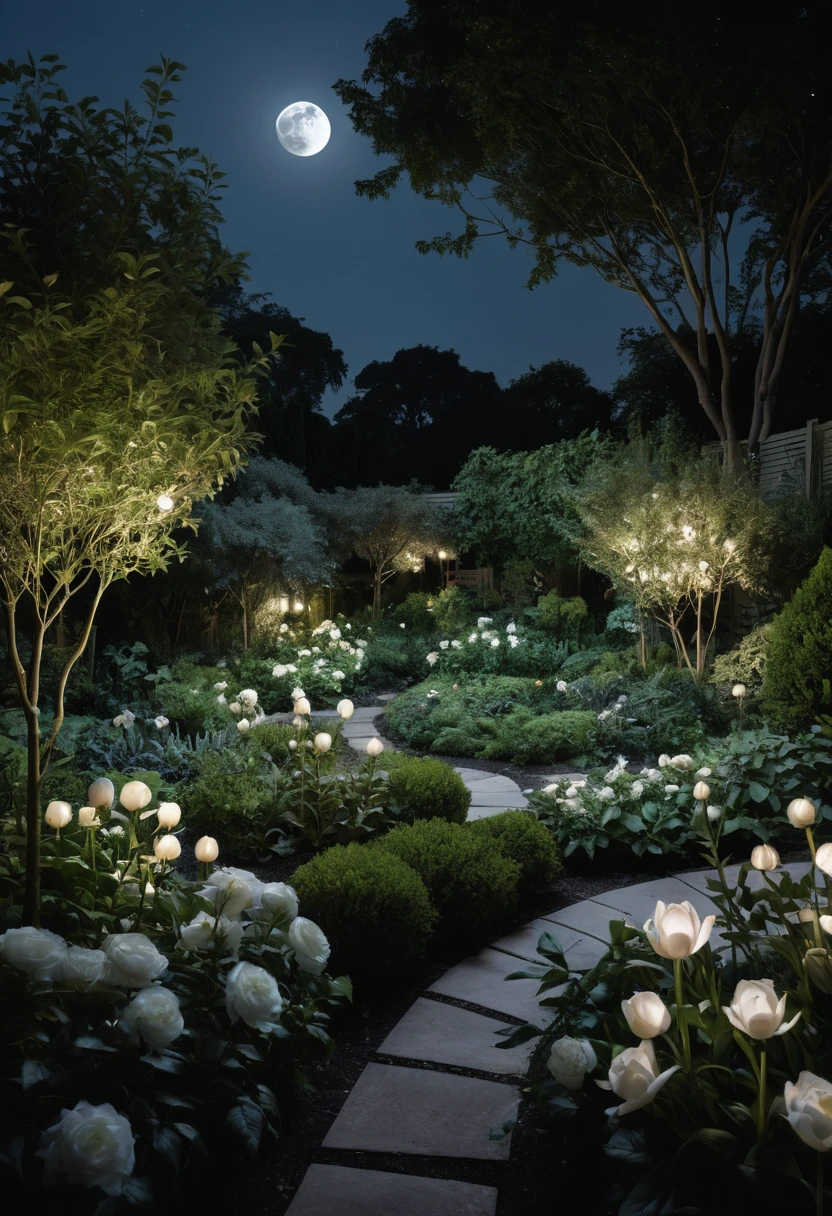
A moon garden is simple in concept, but several common mistakes can weaken the final effect. Planting too many unrelated varieties can make the space look chaotic during the day, while using only one flower type can leave major gaps when it stops blooming.
Another issue is choosing a location that looks attractive on a planting plan but is rarely visible or used after sunset. A moon garden works best when it becomes part of your evening routine.
When planning 12+Flower Garden & Planting, avoid:
- Choosing plants without checking their mature size
- Ignoring sunlight requirements
- Planting only one flowering season
- Using too many competing fragrances
- Overcrowding the bed
- Installing harsh artificial lighting
- Forgetting safe nighttime pathways
- Selecting plants without checking local suitability
- Removing every natural insect visitor
- Focusing only on flowers and ignoring foliage texture
Easy Beginner Moon Garden Planting Plan
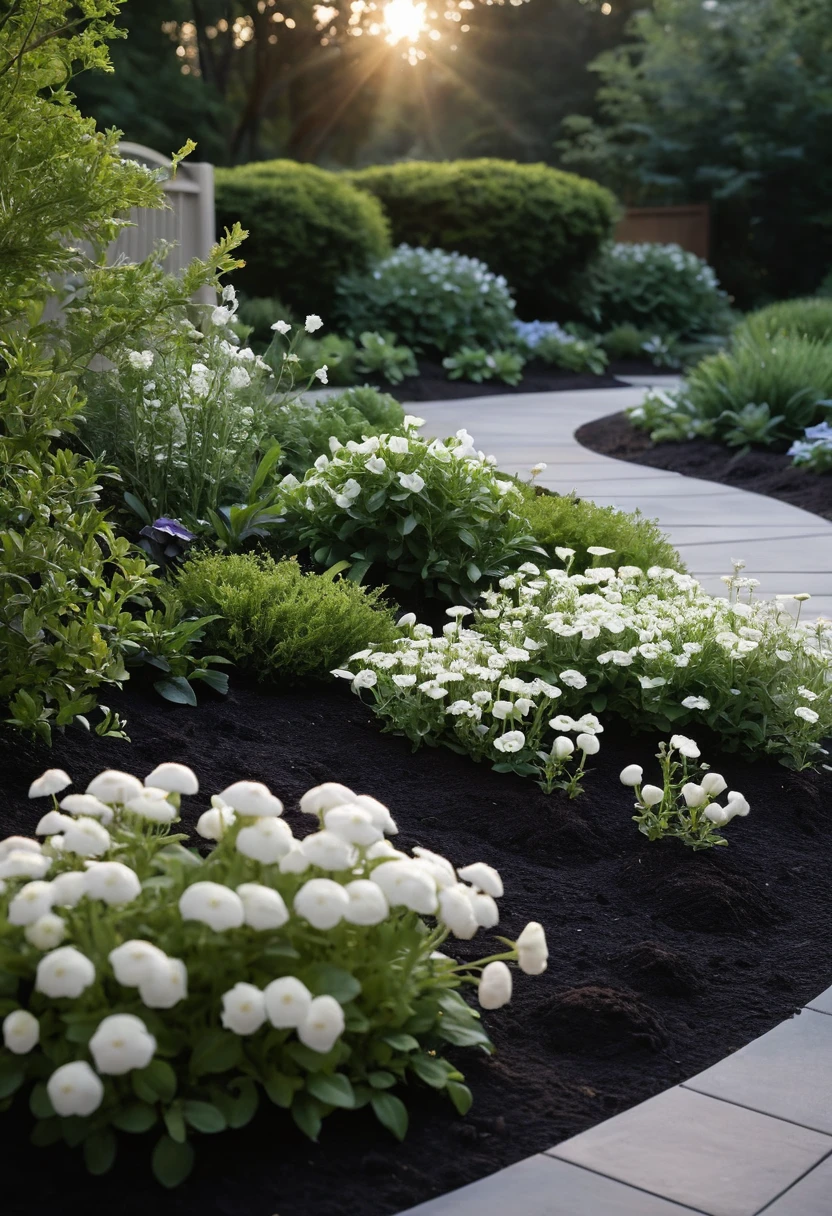
If you’re creating your first moon garden, keep the initial design manageable. You can begin with one small bed containing several white-flowering plants, one silver-foliage plant, and one fragrant evening bloomer.
A simple 12+Flower Garden & Planting starter arrangement could include:
- White annual flowers for quick seasonal color
- White daisies or another suitable perennial
- A fragrant plant near seating
- Silver foliage along the front edge
- One taller plant or trellis as a backdrop
- Pale gravel or stone as an accent
- A small bench or chair
- Soft pathway lighting where needed
Once you see how the space performs at dusk, expand gradually. Your own observations will tell you which plants thrive, which flowers remain visible, and which fragrances you enjoy most.
FAQs About Planting a Moon Garden With White Flowers
What is a moon garden?
A moon garden is a landscape designed for evening enjoyment, using white or pale flowers, silvery foliage, and often fragrant or night-blooming plants that remain attractive after sunset.
What white flowers are best for a moon garden?
Popular choices include white roses, Shasta daisies, white phlox, sweet alyssum, white petunias, moonflowers, and other white-flowering plants suited to your local climate.
Where should I plant a moon garden?
Choose a sunny location that is close to a patio, porch, window, or pathway where you can enjoy the garden in the evening and where the plants receive appropriate daytime light.
Does a moon garden need night-blooming flowers?
No. White flowers that remain visible at dusk can form the foundation, while night-blooming and fragrant plants add an extra sensory dimension.
What foliage looks good in a moon garden?
Silver, gray, white-variegated, and soft green foliage can complement white flowers and add texture when blooms are not open.
Conclusion
A moon garden gives you a reason to experience your outdoor space after sunset instead of treating nighttime as the end of the gardening day. White flowers, silver foliage, evening fragrance, thoughtful plant heights, reflective materials, and gentle lighting can work together to create a calm and memorable setting. The most effective 12+Flower Garden & Planting design doesn’t depend on expensive features; it depends on selecting plants and features that work together.
Start with the space you already have, choose flowers suited to your climate, and build the design gradually around the way you actually spend your evenings. Add a few fragrant plants near a favorite chair, use white flowers in groups, introduce silver foliage for texture, and keep pathways safe and softly lit. With thoughtful 12+Flower Garden & Planting, even a modest backyard or patio can become an enchanting evening garden.

