
Winter changes the way indoor plants use light, water, nutrients, and energy. 13+ Plant care during this season means adjusting your routine to match those changes instead of continuing the same schedule used during summer. Lower light and cooler conditions can slow growth, while dry indoor air can create additional stress for many tropical plants.
Have you ever noticed a plant looking completely healthy in summer but suddenly stopping new growth when winter arrives? Maybe the soil stays wet for much longer, a few leaves turn yellow, or the plant simply seems to be resting. These changes are often normal. Many houseplants experience a winter slowdown called quiescence, while some plants can enter a deeper dormancy.
The good news is that winter plant care does not have to be complicated. By understanding dormancy, checking soil before watering, improving available light, protecting plants from temperature extremes, managing humidity, and reducing unnecessary fertilizer, you can help your indoor garden stay healthy until active growth returns.
Why Winter Causes Plants to Slow Down
A major part of 13+ Plant care is understanding why a plant behaves differently during winter. Indoor plants still respond to seasonal changes even when they are protected inside a home. Shorter days and weaker daylight reduce the energy available for photosynthesis, so many plants naturally slow their production of new leaves, stems, and flowers. University Extension guidance describes this winter resting period as quiescence for many indoor plants.
This slowdown does not automatically mean a plant is unhealthy. Some plants, including certain alocasias and caladiums, may lose leaves during their resting period and then recover when conditions improve. Some cacti and succulents can also experience a deeper dormancy. The important thing is to understand the normal seasonal behavior of the particular species you are growing.
Dormancy Is Not Always the Same
True dormancy and a simple winter slowdown are not identical. A dormant plant may stop visible growth almost completely, while an evergreen tropical houseplant may continue functioning but at a much slower rate.
This distinction matters because you should not try to force a resting plant to grow by adding extra water or fertilizer. In many cases, patience is more useful than intervention. 13+ Plant care should follow the plant’s biology rather than a fixed calendar.
1. Change Your Winter Watering Routine
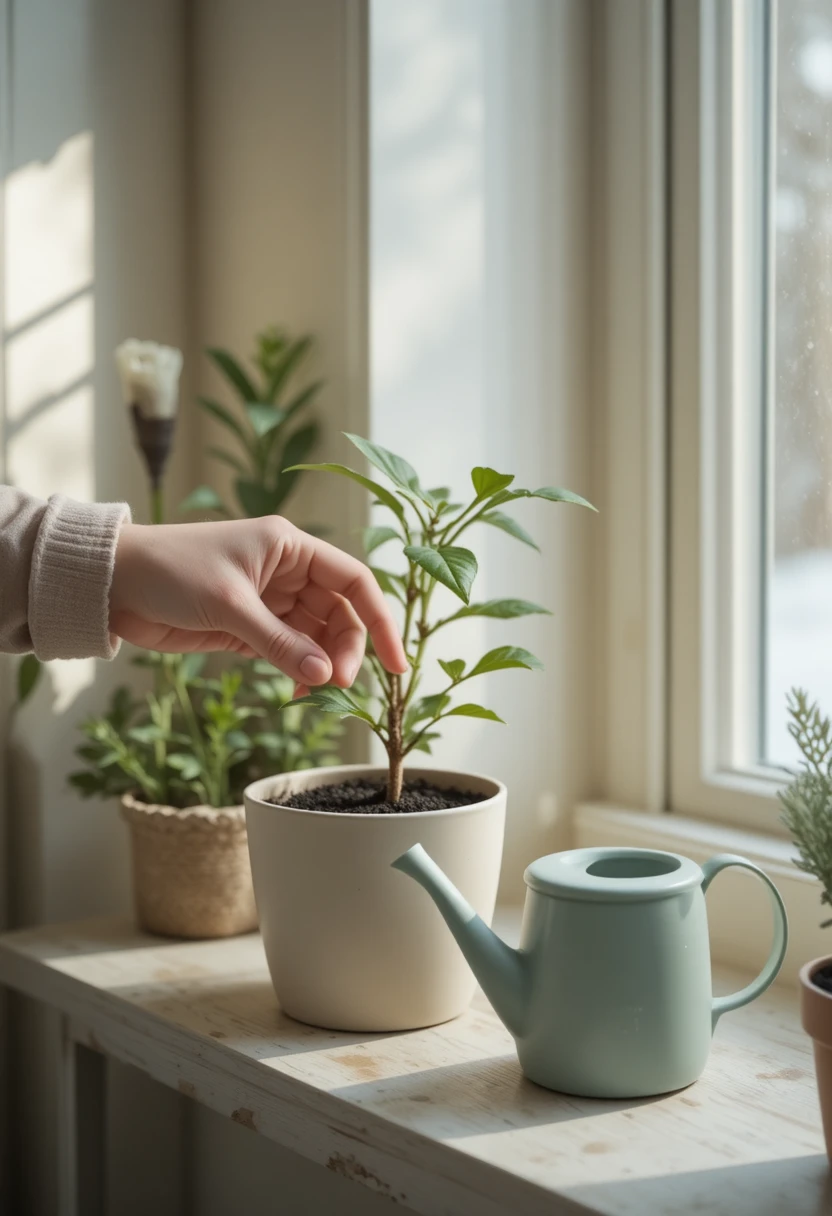
Watering is one of the most important parts of 13+ Plant care because plants often use less water when light levels and growth rates decrease. The RHS specifically warns against overwatering during winter because lower light and cooler conditions mean many plants grow less and therefore need less water.
Instead of watering on the same day every week, check the potting mix first. The correct interval depends on species, pot size, soil composition, room temperature, humidity, and light exposure. A large plant in a cool, dim room may remain wet for much longer than a small plant sitting in a bright, warm location.
Check the Soil Before Watering
Use your finger to feel the soil or use a moisture meter if you prefer a more consistent method. If the plant’s soil is still appropriately moist, wait before adding more water.
When watering is necessary, water thoroughly enough for excess moisture to drain from the container. Do not allow the pot to sit in standing water because constantly saturated conditions can deprive roots of air and encourage root problems.
Avoid Following a Fixed Schedule
A calendar reminder can tell you to check a plant, but it should not automatically tell you to water it. Winter drying rates can change significantly depending on weather, heating, sunlight, and the plant’s location.
A better approach is to combine observation with a simple record. If you notice that one plant takes two weeks to dry while another needs attention sooner, use those observations to develop an individualized routine.
2. Give Plants Better Winter Light
Light becomes especially important in 13+ Plant care because winter daylight is usually shorter and less intense. A location that seemed bright enough during summer may provide much less usable light during winter. The RHS recommends moving plants from darker areas toward brighter locations during the darker months.
Place light-loving plants near an appropriate bright window while protecting them from cold glass and drafts. If natural light is inadequate, artificial grow lighting can provide additional support. Low light can also contribute to weak, stretched growth, making light management an important part of maintaining healthy foliage.
Clean Dusty Leaves
Dust can accumulate on broad leaves and make an already limited winter light supply less useful. Gently cleaning suitable foliage can improve the appearance of the plant and make it easier to inspect for pests or leaf damage.
Use a soft, clean cloth and be careful with delicate, hairy, or textured leaves. Do not use aggressive household cleaning products on foliage unless the plant’s care instructions specifically recommend them.
Consider a Grow Light
If your home has very little natural light, a suitable grow light can help maintain plants through the darker season. This can be especially useful for plants that need brighter conditions than your windows provide.
Remember that stronger light can change the plant’s behavior. A plant receiving enough supplemental light may remain actively growing and therefore have different water and nutrient requirements from a plant resting in a dim room.
3. Protect Plants From Cold and Heat
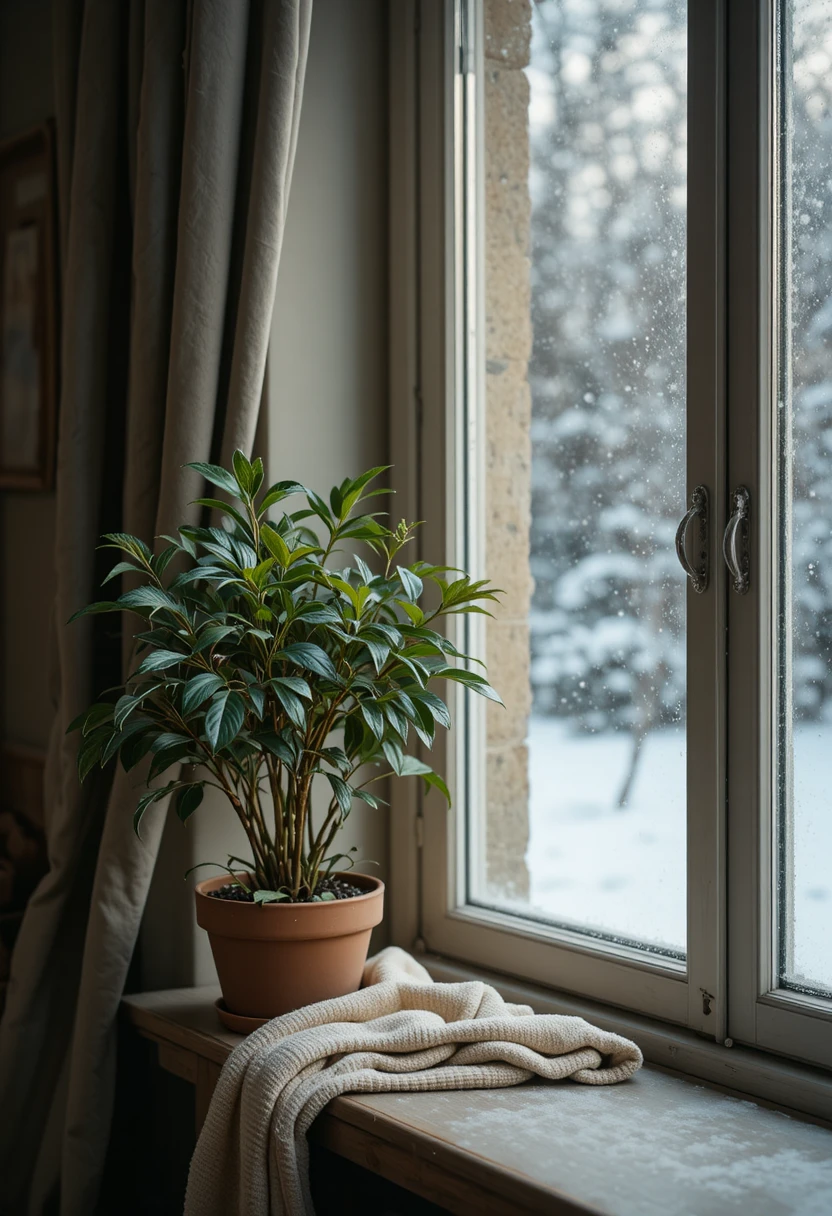
Temperature management is another essential part of 13+ Plant care. Most common houseplants prefer relatively stable indoor conditions and can react badly to sudden exposure to cold drafts, hot air, radiators, fireplaces, or heating vents. Illinois Extension recommends avoiding extreme temperature changes and keeping plants away from direct blasts of hot or cold air.
Winter windows can be especially tricky. A plant may receive excellent light near a window but also experience cold temperatures when the glass becomes chilly. On the other hand, moving it directly beside a heater may expose it to hot, dry air. The goal is to find a position that provides useful light without exposing the plant to environmental extremes.
Keep Plants Away From Cold Drafts
Cold air entering through doors, windows, or gaps can stress sensitive plants. If leaves near a window repeatedly develop damage while the rest of the plant remains healthy, consider whether cold exposure could be contributing.
You do not necessarily need to move every plant into a dark interior room. Instead, look for a bright position that offers more stable temperatures, particularly during the coldest part of the night.
Avoid Direct Heating
Radiators and heating vents can rapidly dry the air around foliage. The RHS notes that close proximity to radiators can cause leaves to dehydrate and develop brown margins.
Give plants some distance from direct heat and observe their leaves. If brown edges appear, do not immediately assume the plant needs more water. Check humidity, soil moisture, temperature, and airflow before changing your watering routine.
4. Increase Humidity Carefully
Indoor humidity often falls during winter, particularly when homes are heated. Humidity-loving plants such as ferns and some tropical foliage plants can struggle when the surrounding air becomes very dry. The University of Minnesota recommends grouping plants, using suitable pebble trays, or considering a terrarium for plants that require higher humidity.
A humidifier is often a more consistent option when a room is very dry. Grouping plants can also create a more humid microenvironment around their foliage. However, different plants have different humidity preferences, so increasing humidity should be based on the species rather than applied equally to every plant.
Group Plants Together
Placing compatible plants near one another can help create a slightly more humid local environment. This can be particularly useful for tropical foliage plants that dislike very dry air.
Make sure there is still enough airflow around the plants. A crowded, poorly ventilated arrangement can make it harder to inspect foliage and may create conditions that encourage certain problems.
Use Pebble Trays Correctly
A pebble tray can provide some localized humidity as water evaporates. The pot should sit above the water rather than directly in it. Illinois Extension specifically warns that containers should not sit directly in water when using this approach.
If the room is extremely dry, a humidifier may provide more consistent results. Do not rely on frequent misting as the only humidity solution because its effect can be temporary, and repeated wet foliage can be unsuitable for some plants.
5. Reduce Fertilizer During Dormancy
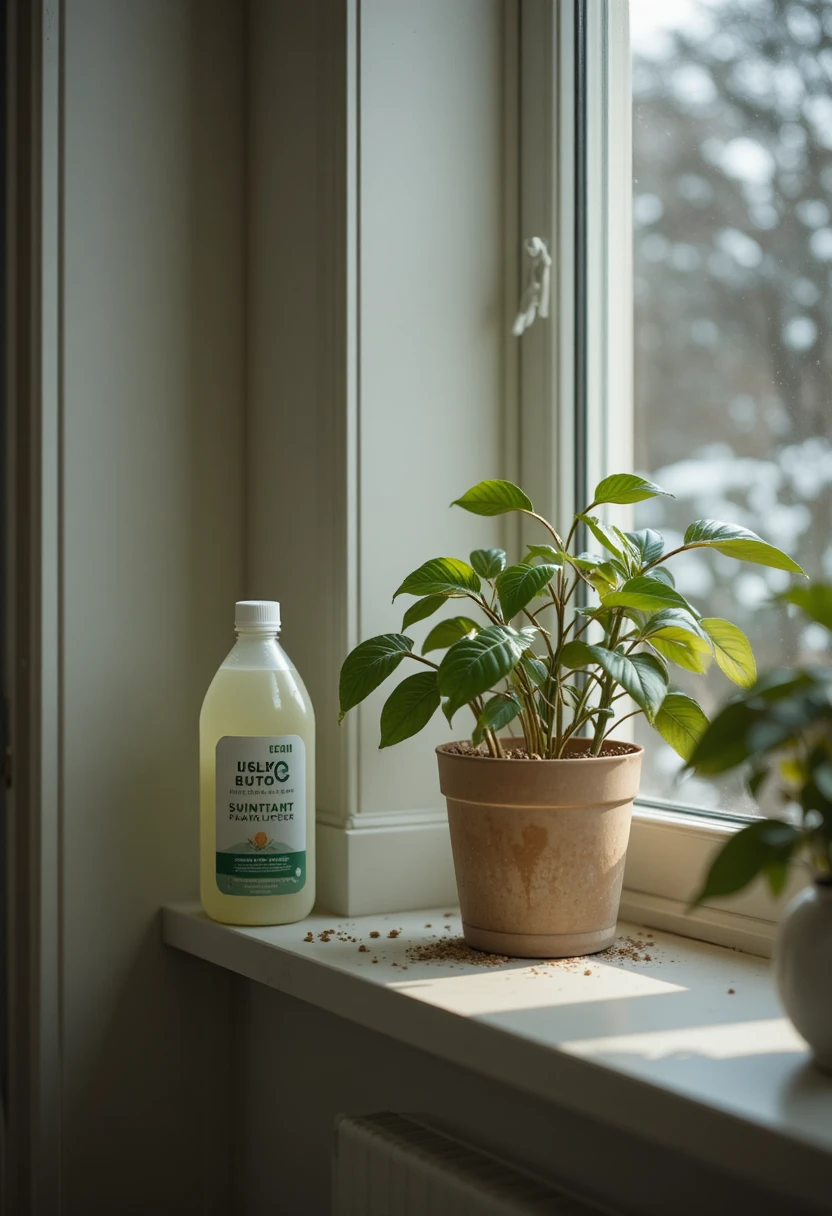
Fertilizing is another area where 13+ Plant care needs to change during winter. Many houseplants require little or no fertilizer when they are resting or producing very little new growth. Illinois Extension recommends fertilizing houseplants only when they are actively growing, noting that winter’s shorter days often create a rest period.
Adding extra fertilizer to a plant that lacks sufficient light or is not actively growing will not necessarily solve the problem. Excess nutrients can accumulate in the growing medium and may damage roots. Missouri Extension similarly advises against using fertilizer to force growth when poor growing conditions are the real issue.
Feed Only Active Growers
If your plant is producing healthy new leaves during winter because it receives strong natural or artificial light, its nutritional needs may be different from a dormant plant.
Follow the fertilizer label and the specific needs of the plant. Avoid increasing the dose simply because growth appears slow. First determine whether the real issue is insufficient light, unsuitable temperature, or incorrect watering.
Know When to Resume Feeding
As days become brighter and the plant begins producing fresh growth, you can gradually return to its normal feeding routine.
Do not rush the transition. New growth is a better signal than the calendar alone. Once the plant is clearly active, normal seasonal fertilization can be resumed according to its species and growing conditions.
6. Avoid Unnecessary Repotting
Routine repotting is usually better timed with active growth rather than a period of winter rest. During 13+ Plant care, stability is often more useful than making several major environmental changes at once.
If the plant has a serious root problem, broken container, drainage failure, or another urgent issue, action may be necessary regardless of season. Otherwise, consider waiting until the plant shows stronger growth before undertaking routine repotting.
Check Drainage First
A container needs effective drainage so excess water can leave the root zone. Houseplants should not remain in standing water after irrigation.
Before replacing a pot, check whether the existing container is actually causing a problem. Sometimes the issue is simply excessive watering or unsuitable soil moisture rather than a need for a larger pot.
Do Not Repot Just Because Growth Stops
Slower growth is often normal during winter. Repotting solely because a plant has stopped producing leaves can create unnecessary root disturbance.
Instead, observe the plant and review its light, moisture, and temperature. If everything appears appropriate and the plant is otherwise healthy, seasonal patience may be the best solution.
7. Watch for Winter Pests
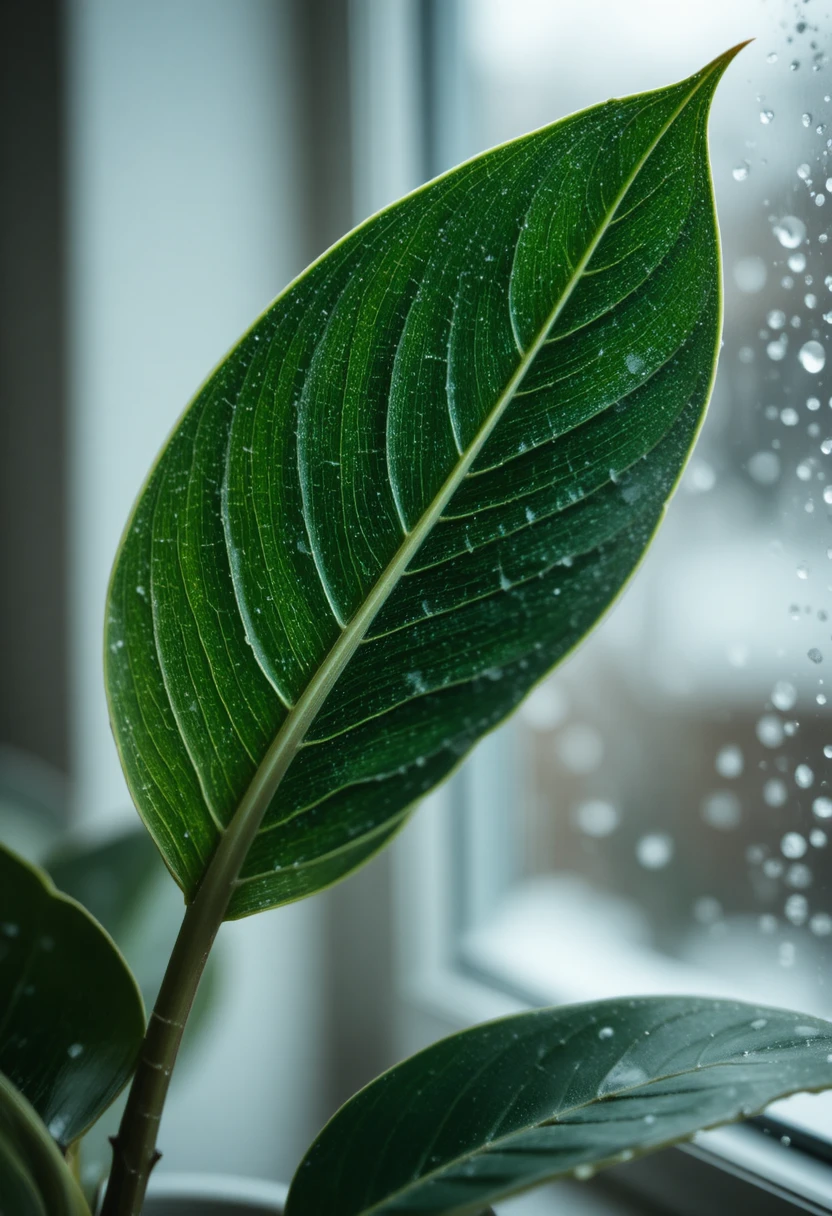
Pest inspection should remain part of 13+ Plant care throughout winter. Indoor conditions do not make plants immune to pests, and dry environments can be particularly challenging for some foliage plants.
Inspect both the upper and lower surfaces of leaves, along stems, and around leaf joints. Early detection is much easier to manage than discovering a large infestation after pests have spread between plants.
Look Under the Leaves
Check for fine webbing, clusters of small insects, sticky residue, scale-like bumps, or unusual discoloration. A magnifying glass can help when pests are very small.
If a plant appears to have a pest problem, separate it from healthy plants when practical. This reduces the chance of pests spreading while you identify the issue.
Inspect New Plants
Any plant brought indoors from another location should be checked carefully before being placed with an established collection. This is particularly important during winter when windows may remain closed and plants stay grouped together for longer periods.
Quarantine can give you time to observe a new plant before introducing it to the rest of your collection. It is a simple preventative step that can save considerable effort later.
8. Understand Yellow, Brown, and Dropping Leaves
One of the most useful skills in 13+ Plant care is learning not to diagnose a plant from one symptom alone. Yellow leaves can result from several causes, including natural aging, overwatering, poor light, or environmental stress.
Brown leaf tips can also have multiple explanations. Dry air, inconsistent moisture, excessive fertilizer, cold exposure, or other environmental factors may contribute. Look at the entire growing environment before deciding what action to take.
Yellow Leaves
If several leaves begin turning yellow while the soil remains wet for a long time, overwatering should be considered. Reduced winter growth means the plant may not use moisture as quickly as it did during summer.
However, one older yellow leaf does not necessarily indicate a serious problem. Evaluate the overall plant, recent care changes, and location before making a major adjustment.
Brown Leaf Tips
Brown, crispy edges can be associated with dry indoor air or other environmental stress. Plants positioned directly beside heating equipment may be especially vulnerable because warm moving air can increase moisture loss from leaves.
Do not automatically respond by watering more often. First check the soil. If it is already wet, additional water may create a separate problem while doing nothing to address dry air.
9. Adjust Care for Different Plant Types

There is no single winter routine that works for every plant. A cactus, snake plant, fern, pothos, orchid, and flowering houseplant can have very different requirements.
Effective 13+ Plant care therefore starts with identifying the plant and understanding its natural preferences. Species-specific care should always take priority over a general seasonal rule.
Succulents and Cacti
Many succulents and cacti can tolerate longer dry periods than thin-leaved tropical plants. During a cool, low-light winter, excessive moisture can be particularly risky.
Give them appropriate bright light, use a well-draining growing medium, and allow the soil to dry according to the plant’s requirements before watering again. Avoid increasing humidity simply because other tropical plants need it.
Tropical Foliage Plants
Pothos, philodendrons, monstera, and similar plants may remain evergreen through winter but often grow more slowly. Their care should focus on adequate light, stable temperatures, suitable humidity, and careful watering.
If a tropical plant continues growing under strong artificial light, it may require more active care than one sitting in a dim winter corner. Observe the plant instead of assuming that every specimen enters the same level of dormancy.
Ferns and Humidity-Loving Plants
Ferns and other humidity-loving plants can be sensitive to dry indoor air. The University of Minnesota identifies ferns among plants that may be negatively affected by low winter humidity.
Group compatible plants, consider a humidifier when needed, and keep them away from direct heating. Avoid keeping their soil permanently saturated just because their leaves prefer humid air; humidity and soil moisture are separate issues.
Flowering Houseplants
Some houseplants naturally flower during cooler months or under specific day-length conditions. These plants may have different watering and feeding needs from plants that are simply resting.
If a flowering plant is actively producing buds or flowers, follow its species-specific care requirements. Do not automatically stop every aspect of care simply because it is winter.
10. Create a Simple Weekly Winter Checklist
A good 13+ Plant care routine should be practical enough to maintain. You do not need to inspect every plant for hours every day. A short weekly check can help you identify changes before they become serious.
During your inspection, look at the soil, leaves, temperature exposure, light, and general growth. If you keep many plants, a simple notebook or digital record can help you remember when each plant was watered and whether it has shown new growth.
Your Winter Checklist
Use these points as a simple reminder:
- Check soil moisture before watering.
- Look beneath leaves for pests.
- Remove dead or badly damaged foliage when appropriate.
- Check plants for cold drafts.
- Keep foliage away from direct heating vents.
- Move plants toward suitable winter light.
- Empty excess water from saucers.
- Check humidity for tropical plants.
- Avoid fertilizer when plants are not actively growing.
- Monitor new growth as spring approaches.
This routine is intentionally simple. The purpose is to observe rather than constantly interfere. In many winter situations, doing less is better than trying to compensate for slow growth with excessive water, fertilizer, or repotting.
11. Know When Winter Is Ending
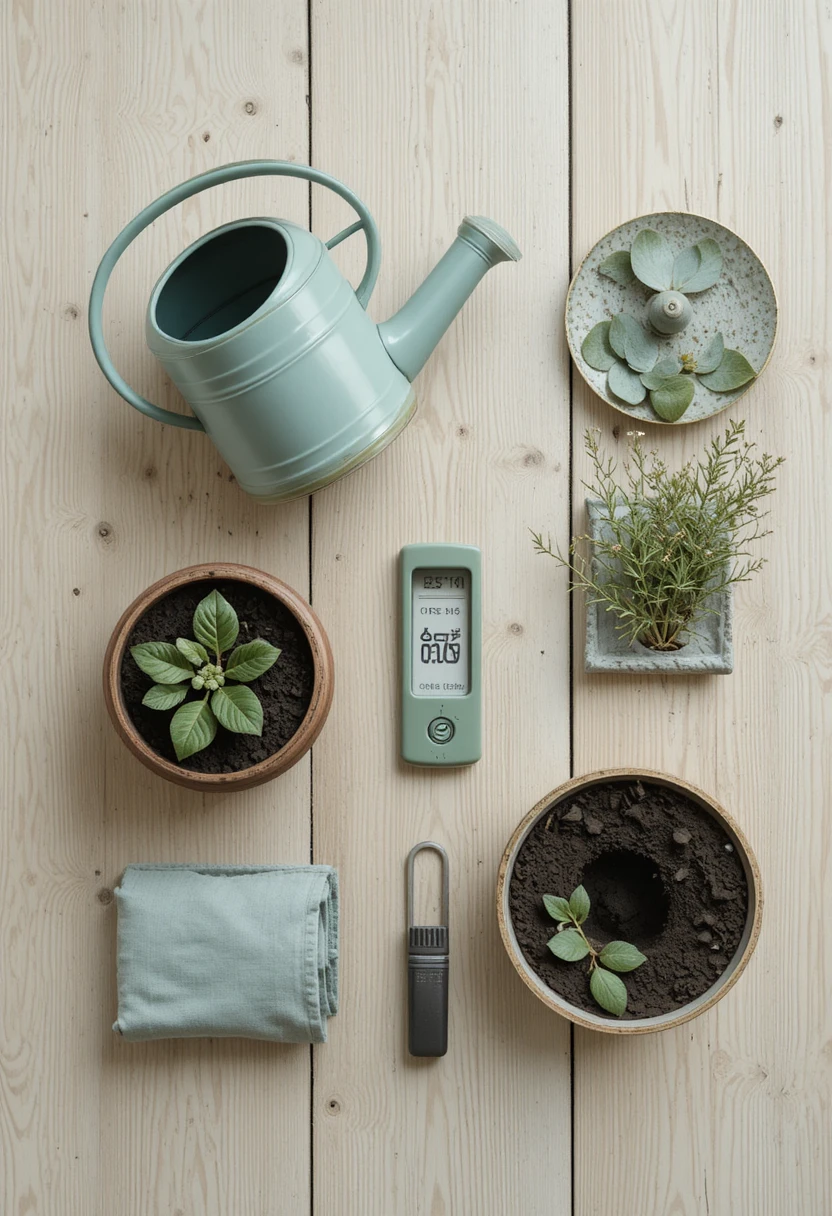
As daylight increases, plants may gradually become more active. New leaves, fresh shoots, faster soil drying, or renewed flowering can all indicate that the plant is leaving its winter rest.
At this stage, 13+ Plant care should gradually shift toward a spring routine. Avoid changing watering, lighting, fertilizer, and repotting all at once. Let the plant’s growth tell you when it is ready for increased care.
Increase Watering Gradually
When the growing medium starts drying faster and the plant produces new growth, you may need to water more frequently.
Still, check the soil before every watering. A warm spring day does not automatically mean every plant is ready for its summer schedule.
Restart Fertilizer Carefully
Once active growth is clearly visible, consider resuming fertilizer according to the plant’s normal feeding requirements. Start conservatively and follow product instructions.
Fertilizer should support healthy growth rather than compensate for inadequate light or poor watering. Missouri Extension specifically notes that lack of growth is often related to growing conditions rather than a need for additional fertilizer.
12. Common Winter Plant Care Mistakes
Many winter problems come from good intentions. A plant stops growing, so its owner adds fertilizer. The leaves look dry, so the plant receives more water. The room feels cold, so the plant is moved beside a heater.
The problem is that these actions may treat the wrong cause. Strong 13+ Plant care depends on diagnosing the environment first. Check light, soil moisture, temperature, humidity, and pests before making a major change.
Avoid these common mistakes:
- Watering according to a fixed calendar.
- Keeping soil permanently wet.
- Fertilizing plants that are not actively growing.
- Placing plants directly beside heaters.
- Leaving tropical plants against cold glass.
- Assuming every plant becomes completely dormant.
- Ignoring pests because plants are indoors.
- Repotting healthy plants unnecessarily.
- Using extra fertilizer to force winter growth.
- Treating all plant species exactly the same.
13. Build a Plant-by-Plant Winter Strategy
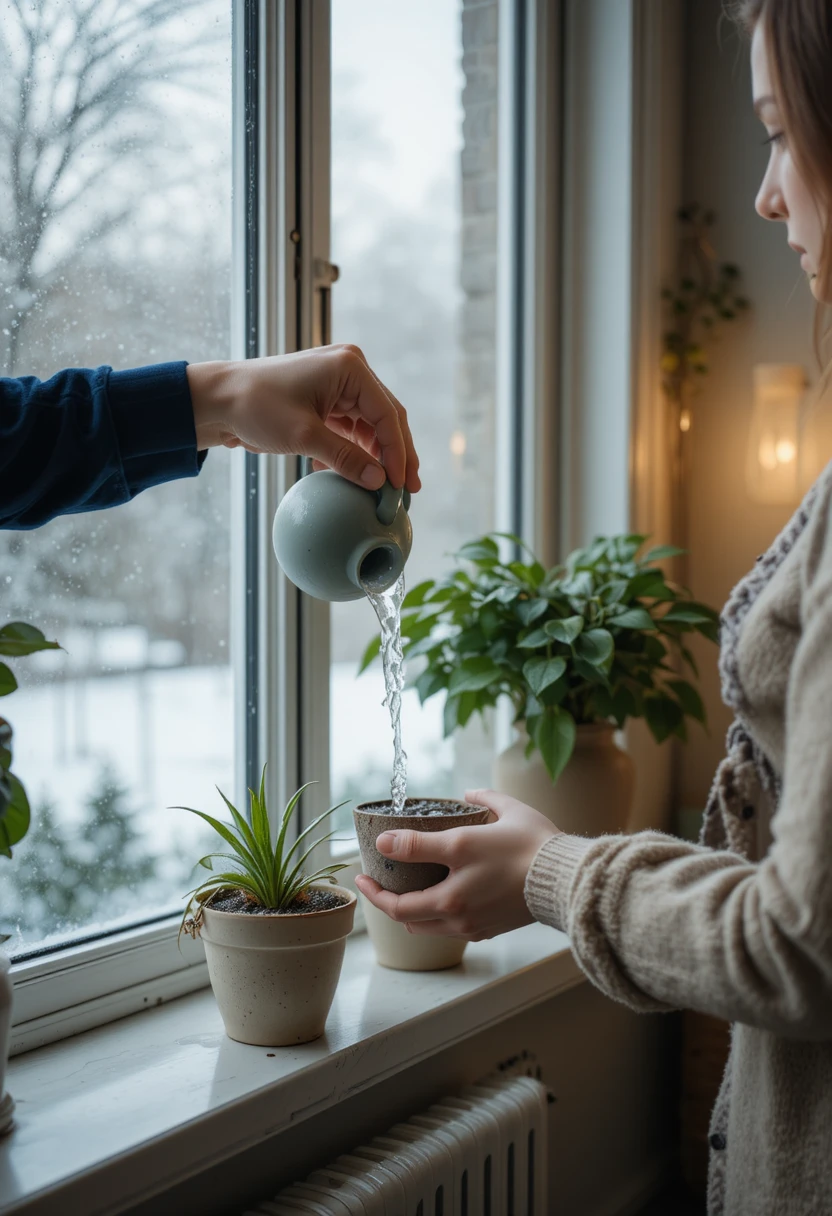
The final principle of 13+ Plant care is personalization. Your plant collection may include species with completely different needs, so creating one universal winter schedule can lead to overwatering some plants while underwatering others.
Instead, divide plants into practical groups such as drought-tolerant plants, tropical foliage, humidity-loving species, flowering plants, and true or deeper-dormancy plants. Then observe how each group responds to your home’s winter conditions.
Make Notes for Each Plant
Record the plant’s location, watering behavior, light level, and growth pattern. You do not need complicated data. Even simple notes such as “soil stays wet for two weeks” or “new leaves appearing near window” can become useful over time.
These observations give you a personal care history that can be more valuable than a generic watering chart. Your home has its own temperature, humidity, windows, airflow, and light conditions, so your plants’ behavior provides the most relevant feedback.
Use Spring as a Reset Point
When stronger light returns, review what worked during winter. Which plants stayed healthy? Which ones developed brown tips? Which pots remained wet too long? Which plants responded well to additional light?
Use those observations to improve your next seasonal routine. Good plant care becomes easier when each season teaches you something about your specific growing environment.
FAQs
1. Do houseplants go dormant in winter?
Some houseplants enter true dormancy, while many indoor plants experience a slower resting period called quiescence because of shorter and less intense daylight.
2. Should I water my houseplants less in winter?
Usually, yes, but the exact amount depends on the species and growing conditions; check the soil before watering rather than following a fixed schedule.
3. Should I fertilize houseplants during winter?
Most resting houseplants need little or no fertilizer during winter, while actively growing plants may have different requirements.
4. How do I give houseplants enough light in winter?
Move suitable plants toward brighter locations and consider supplemental grow lighting when natural winter light is insufficient.
5. How can I protect houseplants from winter damage?
Keep plants away from cold drafts and direct heating, manage humidity where needed, avoid overwatering, and monitor plants regularly for pests and environmental stress.
Conclusion
Successful 13+ Plant care in winter is mostly about adapting rather than adding more work. Lower light and slower growth often mean less frequent watering and little or no fertilizer, while dry indoor air and temperature extremes require thoughtful environmental management. Understanding these seasonal changes helps you distinguish normal dormancy from genuine plant problems.
As spring approaches, let new growth guide your next steps. Gradually increase watering and feeding when plants become active, continue providing appropriate light, and use what you learned during winter to improve your routine. With careful observation and species-specific care, your indoor plants can finish their winter rest ready for another strong growing season.

