
A mixed flower garden brings together different flowers, foliage, colors, heights, and bloom times to create a planting space that feels full of life. Instead of relying on one type of flower, you can combine annuals, perennials, bulbs, herbs, ornamental grasses, and flowering shrubs to build a layered display. These 14+Flower Garden & Planting ideas can work in backyards, front gardens, narrow borders, raised beds, cottage gardens, and even containers.
Have you ever planted several beautiful flowers only to find that they bloom at different times, grow to unexpected heights, or compete for the same space? A mixed garden looks effortless when it is well planned, but the best results usually come from thinking about sunlight, mature size, soil, water needs, color, and flowering seasons before putting plants into the ground.
This guide explores practical 14+Flower Garden & Planting ideas for creating a beautiful mixed flower garden, from simple color combinations and layered borders to pollinator-friendly beds, small-space designs, cottage-style arrangements, and low-maintenance planting schemes. You’ll also find practical advice for choosing plants, preparing soil, arranging flowers, watering, mulching, and maintaining the garden throughout the growing season.
1. Build a Layered Mixed Flower Border
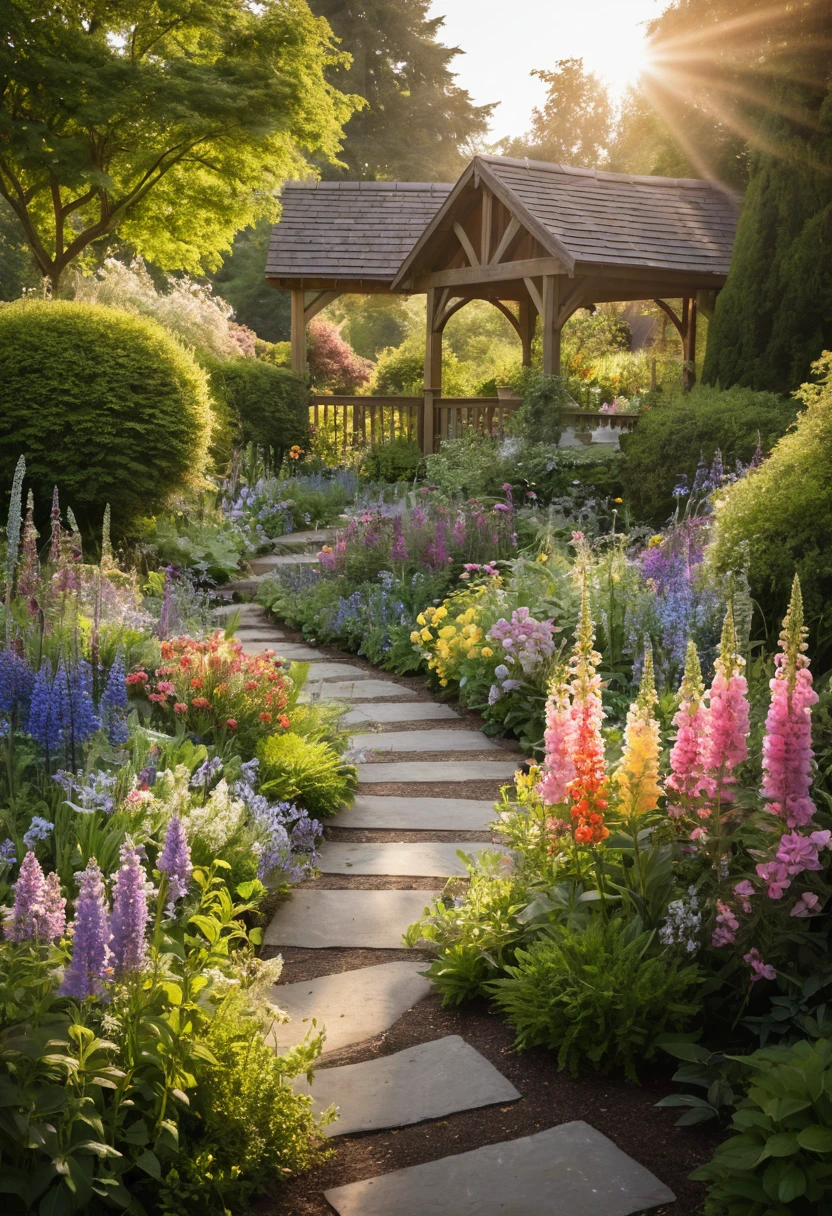
A layered flower border is one of the easiest ways to make a mixed garden look balanced. Tall flowers form the background, medium-height plants occupy the center, and shorter flowers create a colorful foreground. This arrangement allows different plants to be visible rather than having large varieties hide everything behind them.
For 14+Flower Garden & Planting, start by measuring the available space and observing how sunlight moves across it. Put taller plants toward the back if the bed is viewed from one direction, or toward the center if it can be seen from multiple sides. This simple approach creates depth while keeping the planting practical.
Consider a combination such as:
- Tall ornamental flowers for vertical interest
- Medium-height perennials for the main display
- Low flowers for edging
- Decorative foliage plants for contrast
- Ground covers for selected open spaces
Repeat a few plants throughout the border instead of using a different species in every small gap. Repetition creates rhythm and makes a mixed garden feel intentional.
2. Create a Cottage-Style Flower Garden
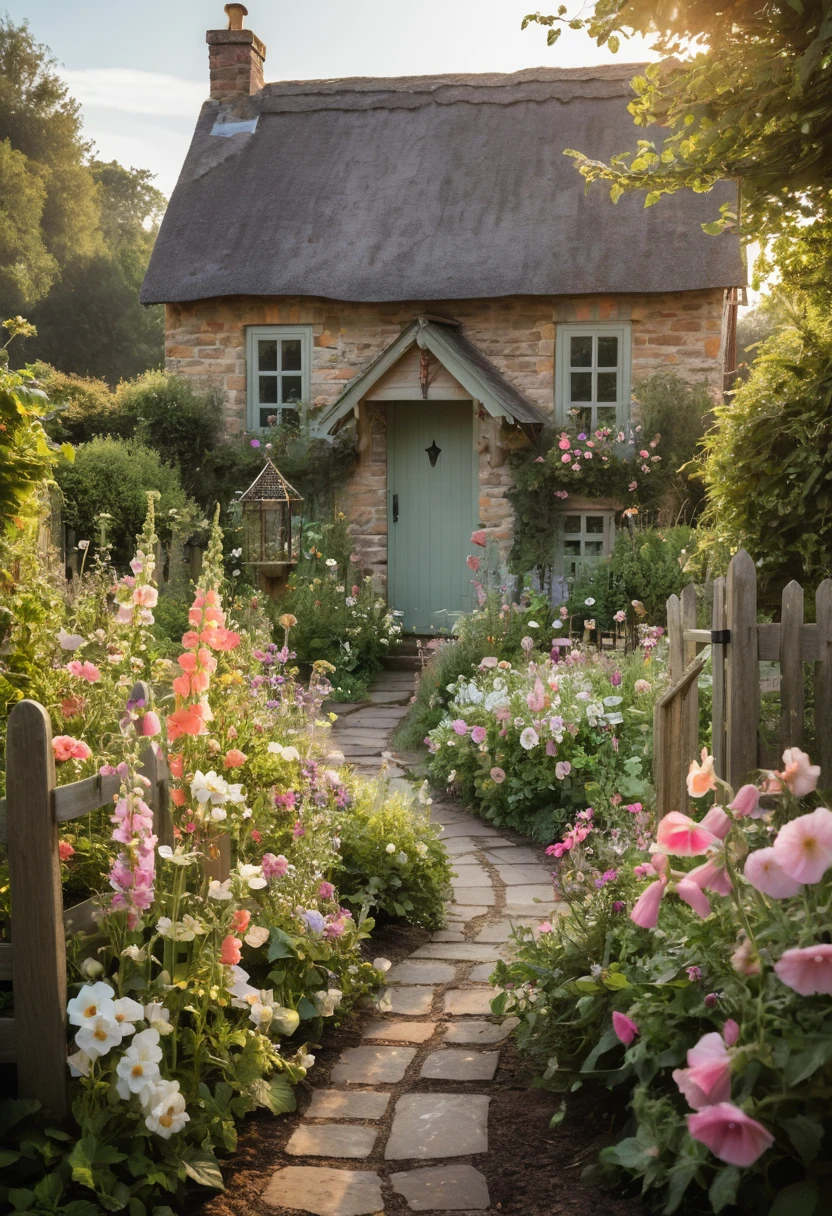
Cottage gardens are known for their relaxed appearance and generous mixture of flowers. Rather than arranging every plant in strict geometric rows, you can allow compatible flowers to overlap naturally while maintaining enough space for healthy growth.
A cottage-style 14+Flower Garden & Planting scheme can combine roses, daisies, lavender, coneflowers, cosmos, salvias, foxgloves, and other regionally suitable flowers. Choose plants according to your local climate rather than copying a planting list designed for a completely different growing region.
The most attractive cottage gardens usually have repetition underneath their informal appearance. Repeat favorite colors and plant forms throughout the bed, and use foliage to connect flowers that otherwise look unrelated.
3. Use a Warm Yellow, Orange, and Red Color Scheme
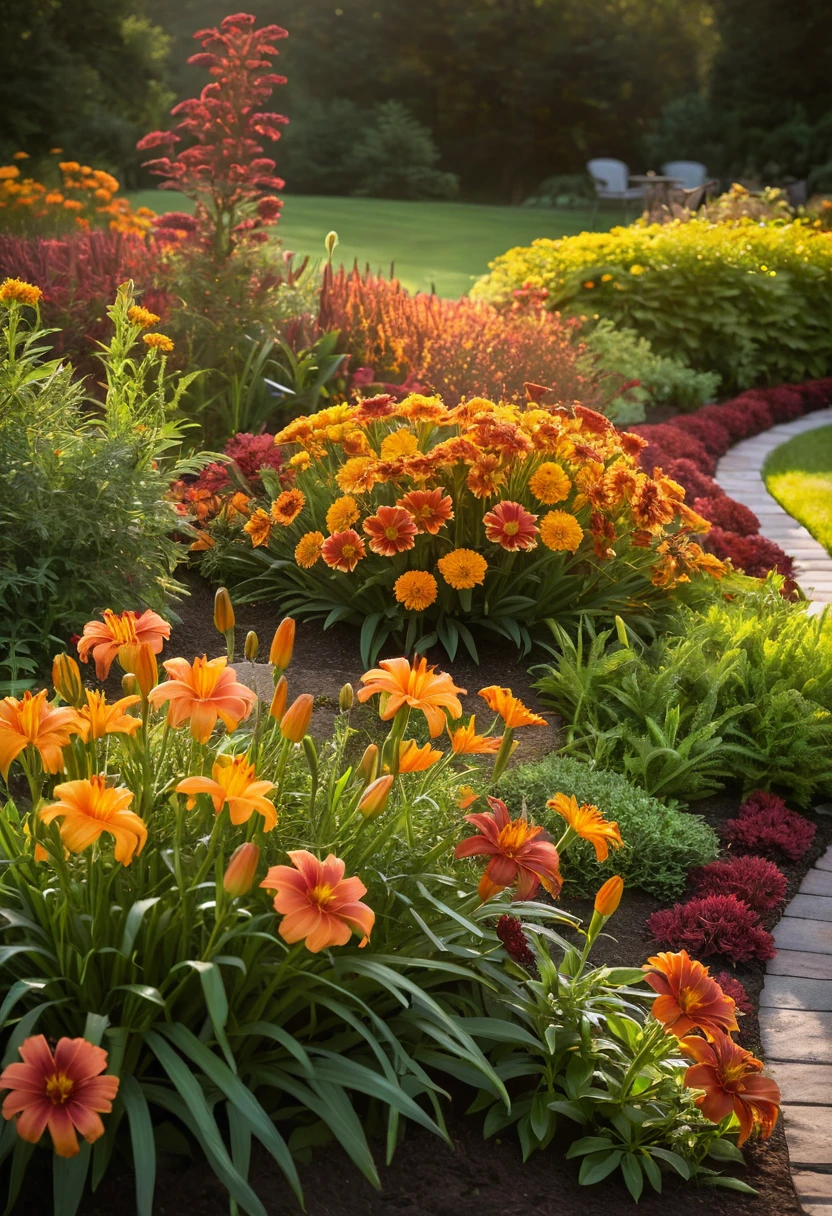
Warm colors can make a flower garden feel energetic and welcoming. Yellow, orange, coral, and red blooms can create a strong summer display, especially when surrounded by green foliage.
For, place the brightest colors where you want attention. A warm-colored bed near a patio, entrance, or seating area can become a natural focal point.
Balance intense colors with neutral foliage or softer flowers so the planting doesn’t become visually overwhelming. White, cream, silver, or soft-green foliage can provide useful breathing space.
4. Design a Cool Blue, Purple, and White Garden
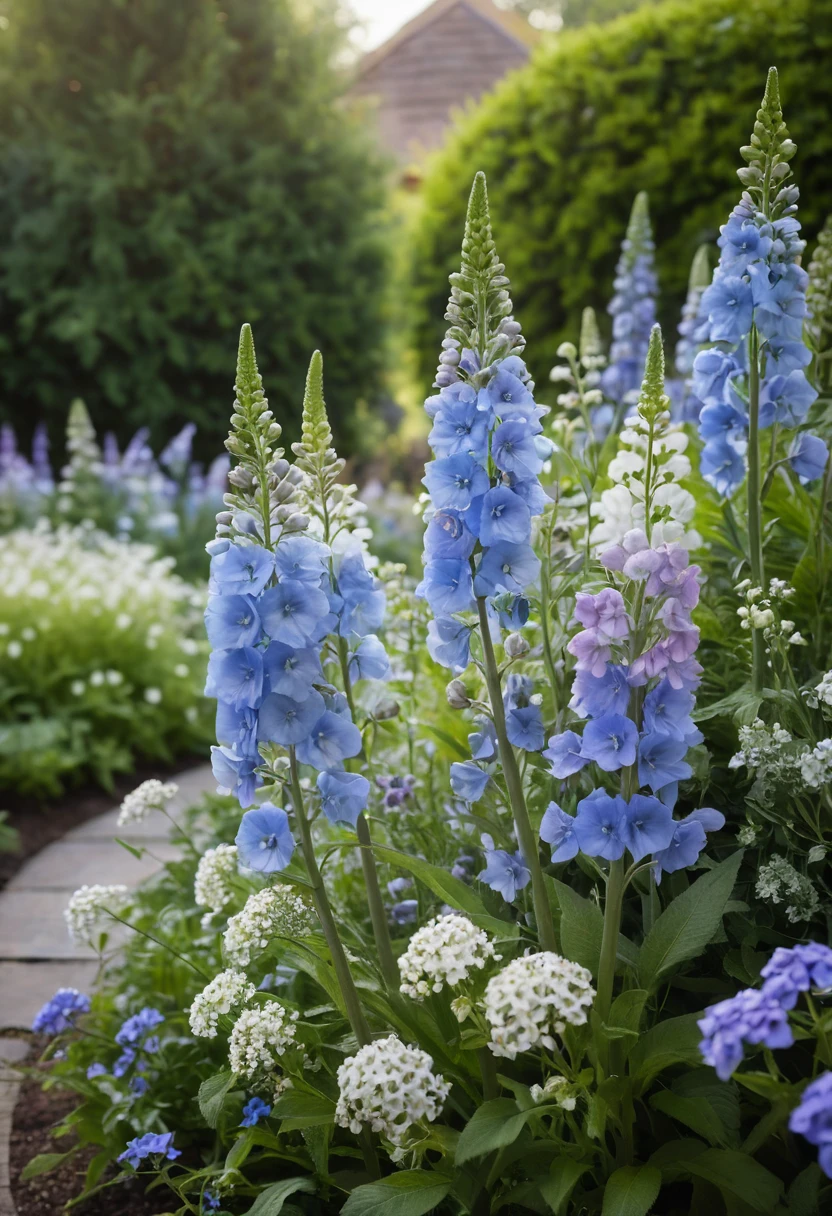
If you prefer a calmer appearance, combine flowers in blue, purple, lavender, and white shades. This palette can feel particularly elegant around paths, patios, and quiet seating areas.
A cool-toned design can use plants with different flower shapes and foliage textures to prevent the color scheme from looking flat. For example, upright flower spikes can be paired with rounded blooms and fine-textured leaves.
Remember that flower color can vary with cultivar and growing conditions. Check mature plant characteristics before purchasing seeds or plants.
Read also: Best Flower Bulbs to Plant in Fall for Spring Color
5. Mix Annuals and Perennials
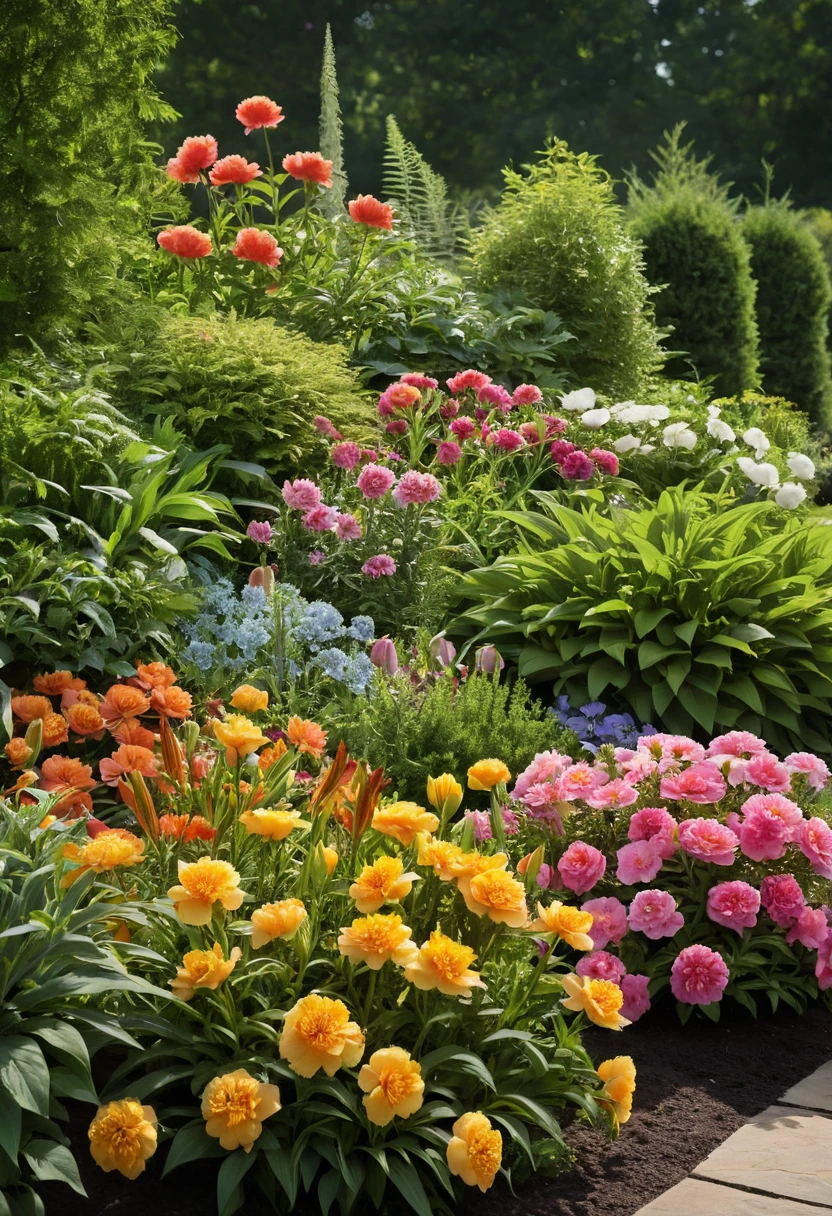
Combining annuals and perennials allows you to enjoy both dependable structure and seasonal flexibility. Perennials can return for multiple growing seasons under suitable conditions, while annuals give you opportunities to change colors and arrangements from year to year.
For 14+Flower Garden & Planting, use established perennial plants as the framework of the bed and fill selected spaces with annual flowers. This can help the garden evolve without requiring a complete redesign every season.
Leave enough room for perennial plants to reach their mature size. A gap between young plants can disappear quickly as they develop.
6. Create a Pollinator-Friendly Flower Bed
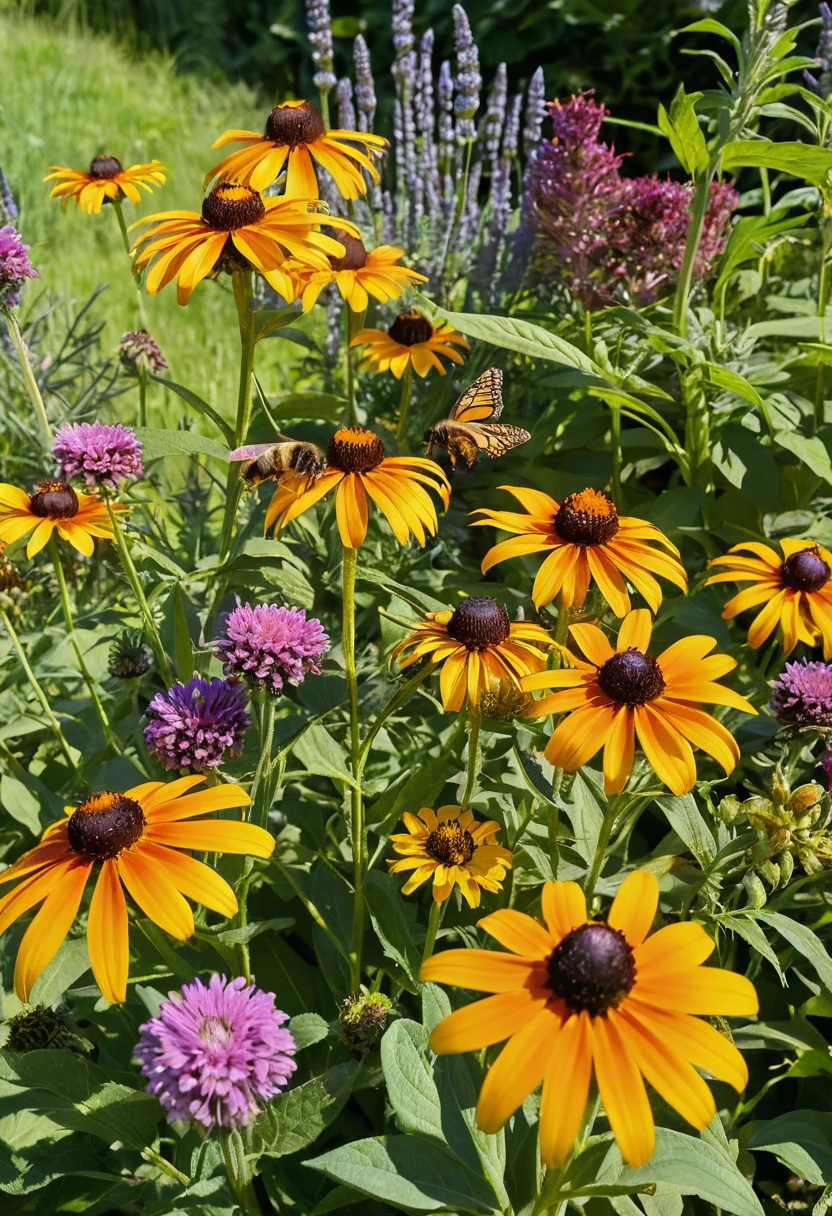
A mixed flower garden can also become a valuable space for pollinators when it contains diverse flowering plants. Choose flowers that provide nectar and pollen and aim for a succession of blooms throughout the season.
A pollinator-focused 14+Flower Garden & Planting plan should prioritize plants suited to your region. Native plants can be especially valuable for local wildlife, although suitable non-native garden plants can also contribute resources.
Instead of concentrating all flowers in one short bloom period, select varieties that flower at different times. This creates a garden that remains useful and attractive for longer.
7. Plant Flowers Around a Garden Path
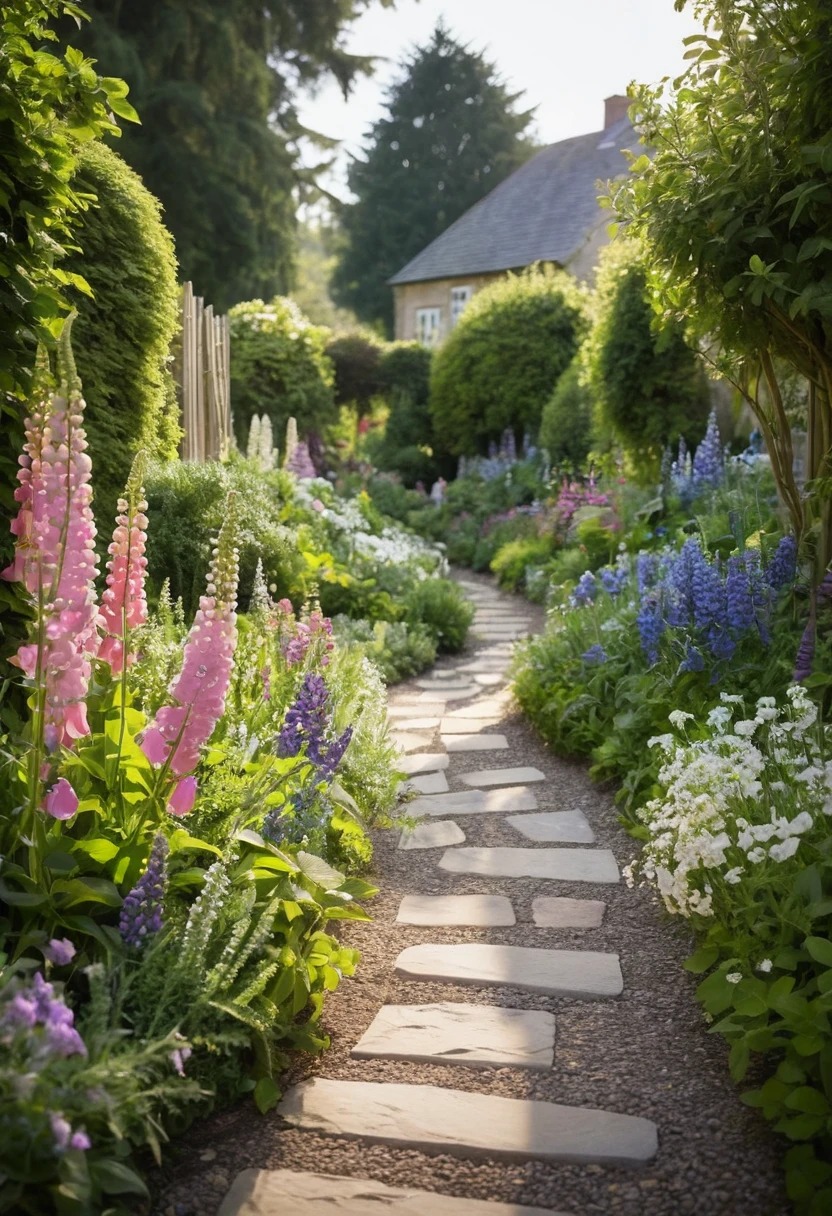
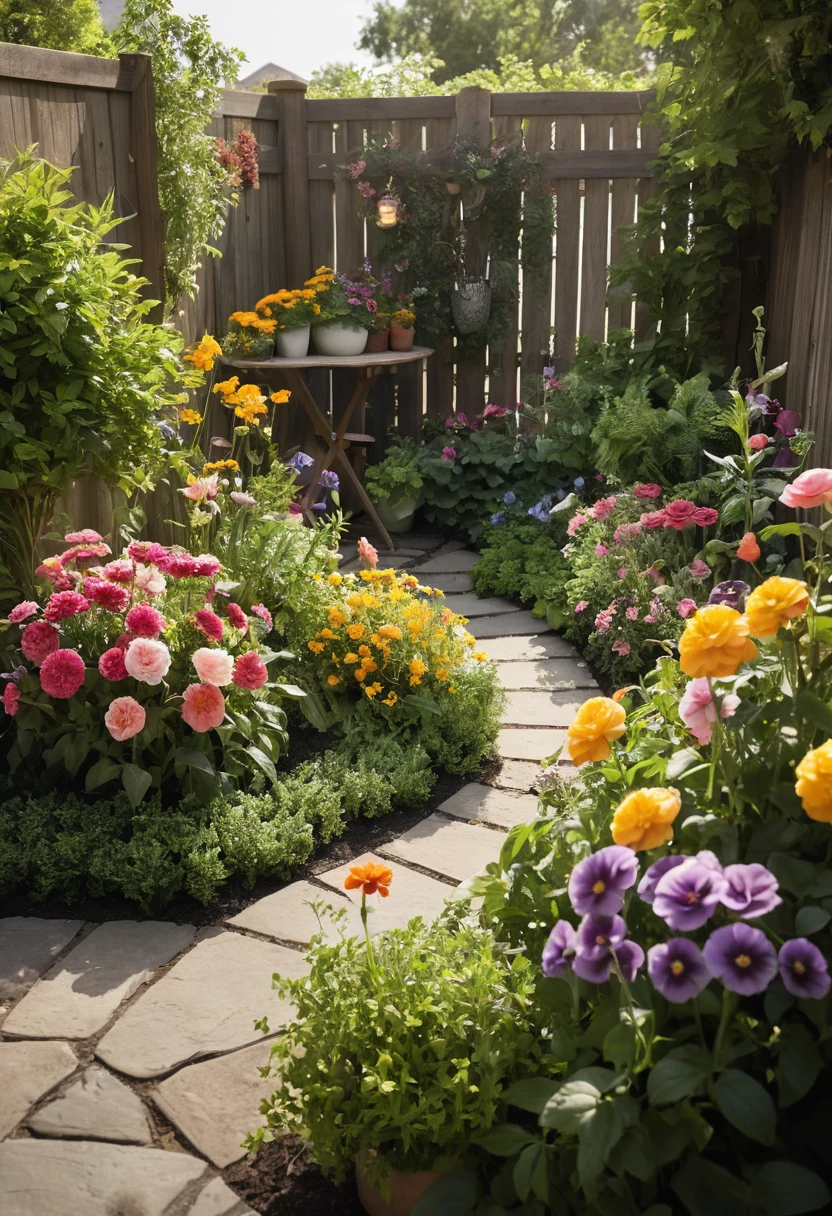
A pathway becomes more inviting when surrounded by flowers at different heights. Low-growing plants can form the edge, while medium and tall flowers create a colorful background.
Check their mature width before planting, particularly beside narrow paths. Repeating the same flower at intervals along the path can create continuity. You can then introduce smaller groups of complementary flowers between those repeated plants.
8. Make a Small Mixed Flower Garden
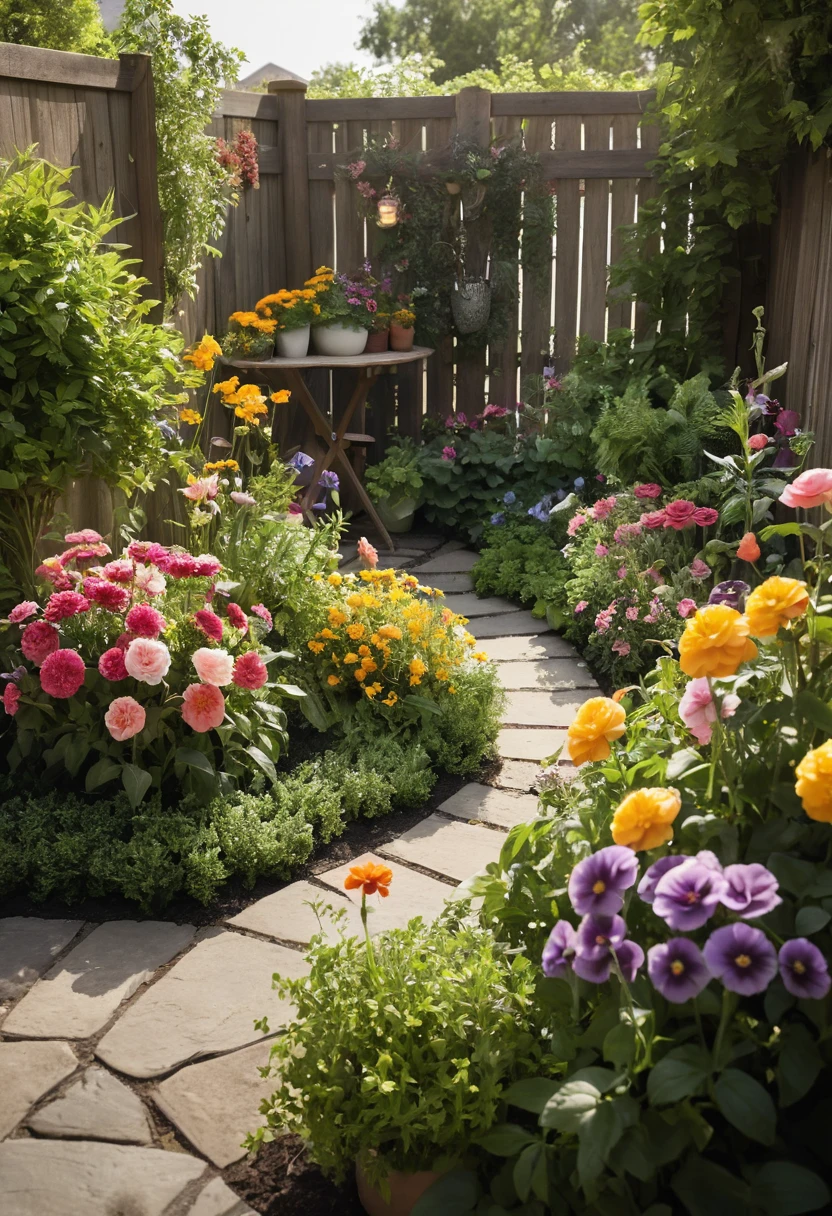
Small spaces don’t need to be boring. A compact bed can look surprisingly rich when plants are chosen according to height, bloom time, and mature width.
For a small 14+Flower Garden & Planting area, avoid trying to squeeze too many varieties into one bed. Instead, choose a limited group of plants that perform different roles.
A simple small-garden structure might include:
- One taller flowering plant
- Two or three medium-height varieties
- A low edging plant
- One foliage plant for texture
- Seasonal bulbs or annuals for extra color
This creates variety without producing an overcrowded appearance.
9. Try a Circular Mixed Flower Bed
Circular beds can become strong focal points in lawns or larger gardens. Their rounded shape naturally draws attention and can be planted in concentric layers.
A circular 14+Flower Garden & Planting design might use taller flowers toward the center, medium-height plants around them, and low-growing flowers around the outer edge.
If the bed can be viewed from all directions, remember that there isn’t really a traditional “back.” Arrange the plants so that the height gradually decreases toward the perimeter.
10. Create a Raised Flower Garden
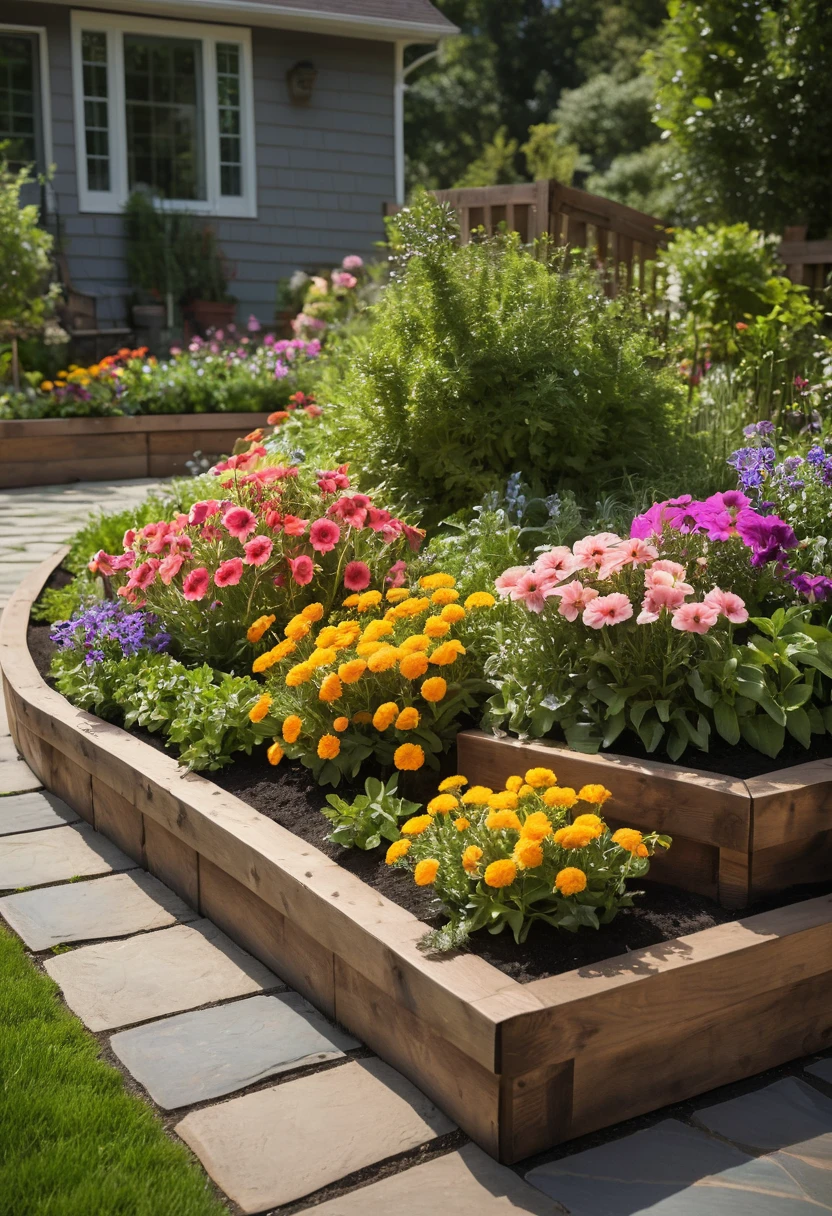
Raised beds can provide a defined growing area and make soil management easier. They can also give a mixed flower arrangement a polished architectural appearance.
For 14+Flower Garden & Planting, choose plants that share similar growing requirements. A raised bed is not automatically suitable for every flower; sunlight, drainage, soil type, and watering requirements still matter.
Avoid filling the bed with too many plants simply because the soil is fresh. Allow each variety enough space to reach its mature dimensions.
11. Combine Flowers With Ornamental Grasses
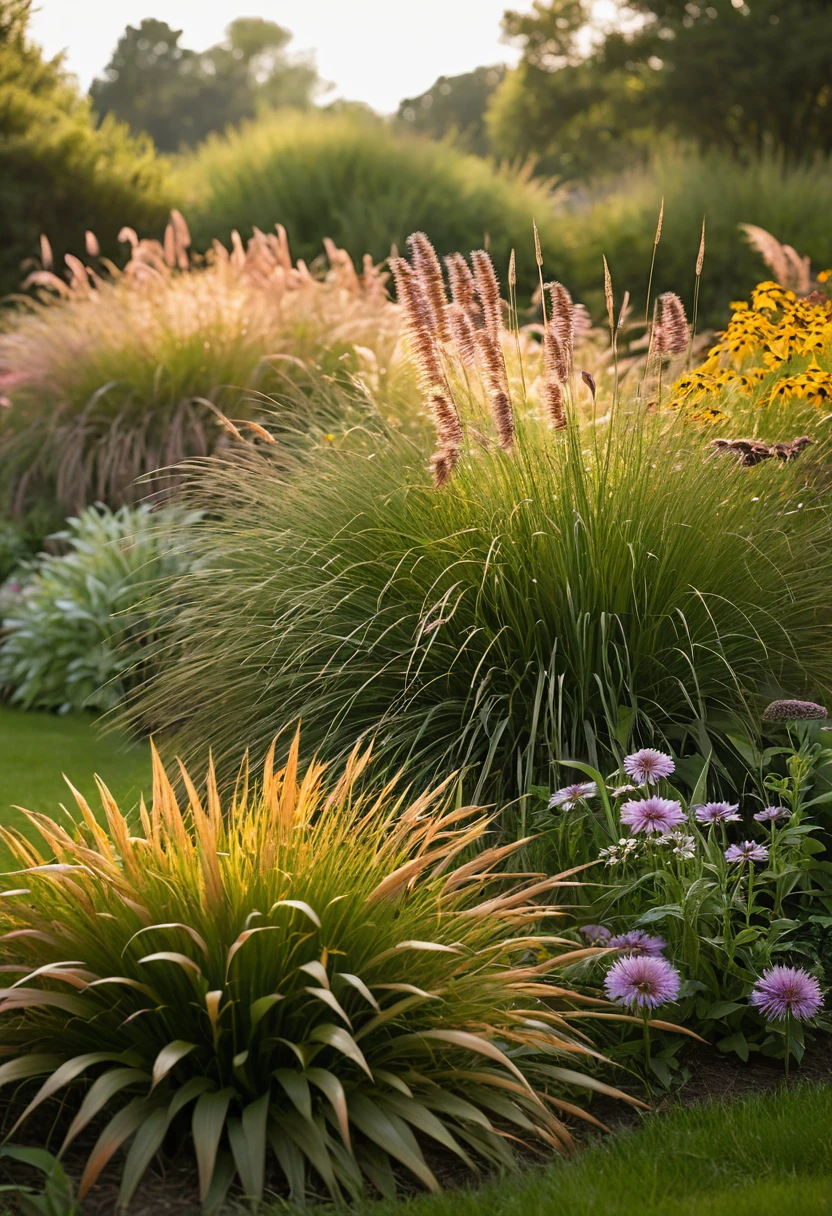
Flowers provide color, while ornamental grasses can contribute texture and movement. Their narrow leaves can soften the appearance of larger blooms and provide interest between flowering periods.
In 14+Flower Garden & Planting, use grasses according to their mature height and spread. Taller varieties can become background plants, while smaller grasses can fit into the middle or front of the border.
Choose grasses suited to your local climate and soil conditions. Some prefer dry conditions, while others require more consistent moisture.
12. Add Flowering Herbs to the Garden
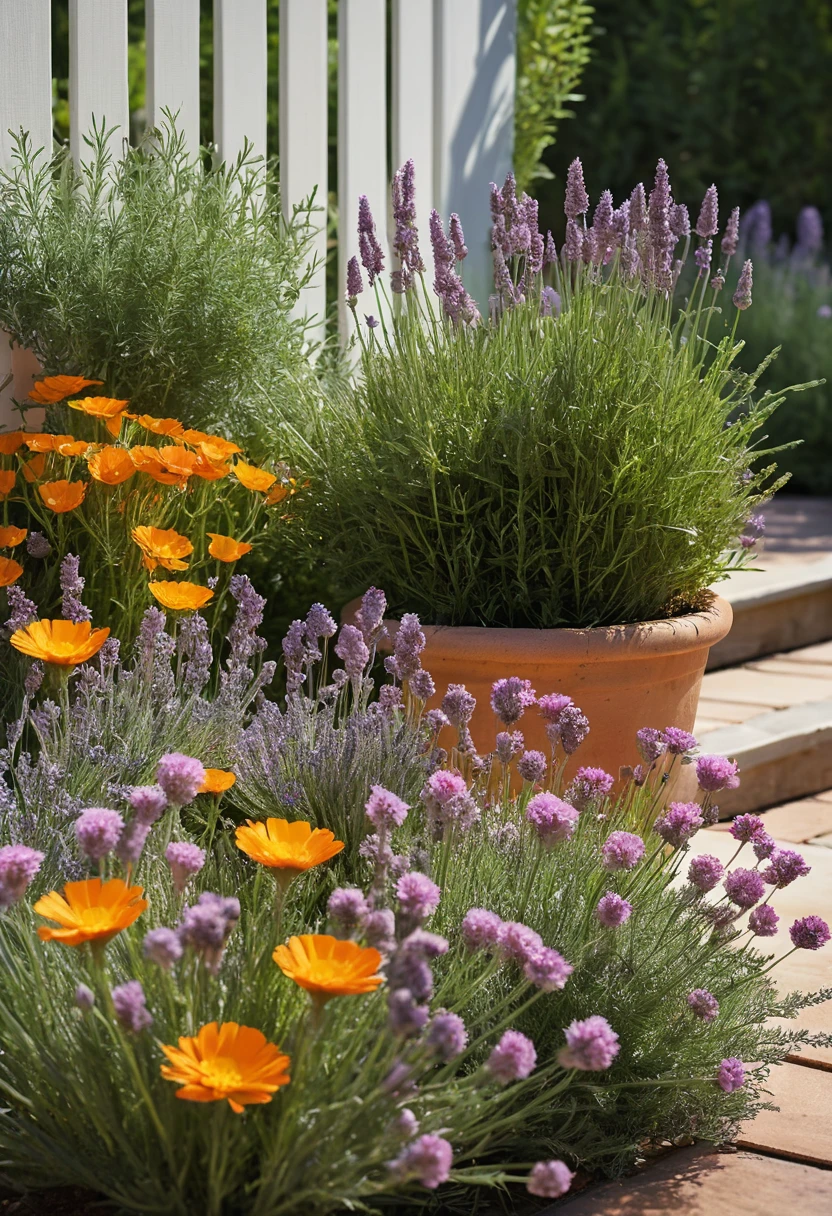
Herbs can contribute both useful foliage and attractive flowers. Lavender, thyme, oregano, sage, and other suitable herbs can fit into mixed planting designs when their growing conditions match the surrounding flowers.
For 14+Flower Garden & Planting, consider placing herbs near pathways where their fragrance can be enjoyed. Many herbs prefer sunny locations and well-drained soil, but individual requirements vary.
Avoid planting a moisture-loving flower directly beside an herb that prefers dry conditions. Group plants according to their care requirements as well as their appearance.
FAQ’s
How do I plan a mixed flower garden?
Start by assessing sunlight, soil, drainage, available space, and climate, then select plants with compatible growing requirements and arrange them by mature height and spread.
What flowers grow well together in a garden?
Flowers grow well together when they have similar requirements for sunlight, soil, moisture, and climate; combinations should be chosen according to local growing conditions.
How many types of flowers should I plant together?
There is no fixed number, but repeating a smaller selection of compatible plants often creates a more cohesive design than using many different varieties only once.
How can I make my flower garden bloom all season?
Choose plants with different flowering periods and combine early bulbs, summer flowers, long-blooming plants, and late-season varieties to create a succession of color.
How do I keep a mixed flower garden low maintenance?
Choose well-adapted plants, group species with similar water needs, mulch appropriately, provide adequate spacing, and select varieties that don’t require intensive seasonal care.
Conclusion
A mixed flower garden gives you the freedom to combine colors, textures, heights, fragrances, and flowering seasons in one cohesive outdoor space. The strongest 14+Flower Garden & Planting designs aren’t necessarily the most complicated. They are the ones where plants are matched carefully to the available sunlight, soil, moisture, climate, and mature space.
Start small if you’re creating a new bed. Choose a few dependable structural plants, add complementary flowers, repeat key colors, and leave enough room for everything to mature. With thoughtful planning and regular observation, your mixed flower garden can become a colorful, welcoming space that changes beautifully throughout the growing season.

