
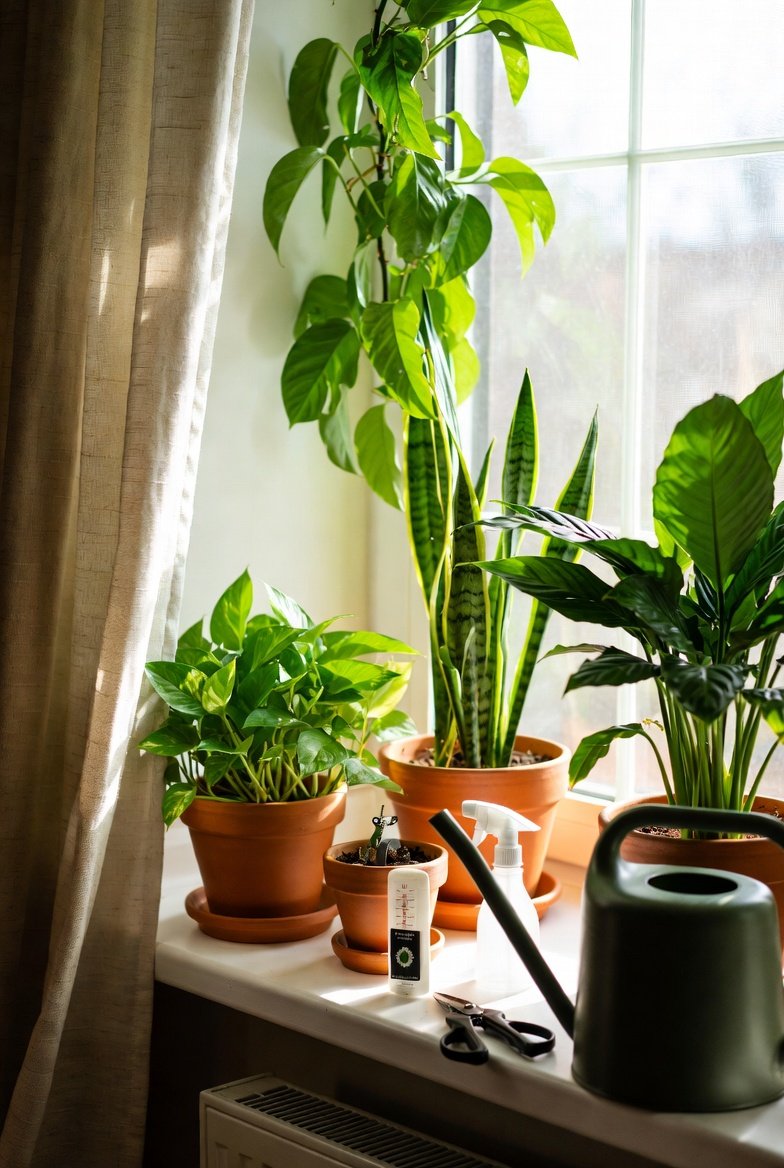
You bought the plant with the best intentions. It looked thriving at the store, you found it the perfect spot on the windowsill, and three weeks later the leaves are yellow, crispy, or mysteriously drooping. If this sounds familiar, you’re not bad at plants. You just haven’t been told the few things that actually matter.
Most beginner plant care advice throws too much at you at once: soil pH, humidity percentages, misting schedules, fertilizer ratios. In reality, keeping a houseplant alive and thriving comes down to a handful of basics done consistently. Below are 14+ plant care tips for beginners that cover exactly what your plants need, in plain language, so you can stop guessing and start actually growing.
Why Beginner Plants Usually Die (And It’s Not What You Think)
Here’s the truth almost nobody says out loud: overwatering, not underwatering, kills more houseplants than anything else. New plant parents tend to love their plants a little too much, watering on a fixed schedule instead of checking what the plant actually needs. Once you understand light, water, and a few other basics, plant care stops feeling like guesswork.
Save this list, you’ll want to reference it every time you bring home something new.
14+ Plant Care Tips for Beginners
1. Start With Truly Beginner-Friendly Plants
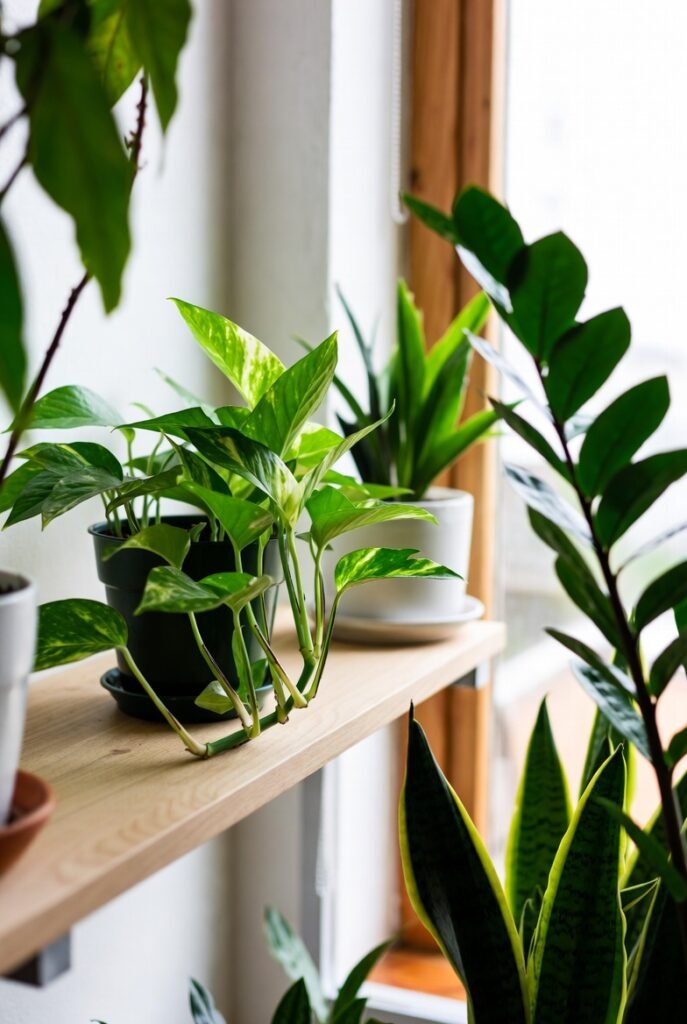
Not all plants are created equal when it comes to forgiveness. Skip the finicky fiddle leaf fig or picky peace lily for your first few plants. Instead, start with pothos, snake plants, ZZ plants, or spider plants. These tolerate inconsistent watering, low light, and the occasional forgotten week, which makes them ideal for building confidence before moving on to needier varieties.
[Image 1: A collection of easy beginner houseplants including pothos, snake plant, and ZZ plant arranged on a shelf, vertical shot, 2:3 ratio. Alt text: “Easy beginner houseplants for plant care tips including pothos and snake plant.”]
2. Figure Out Your Light Before You Buy Anything
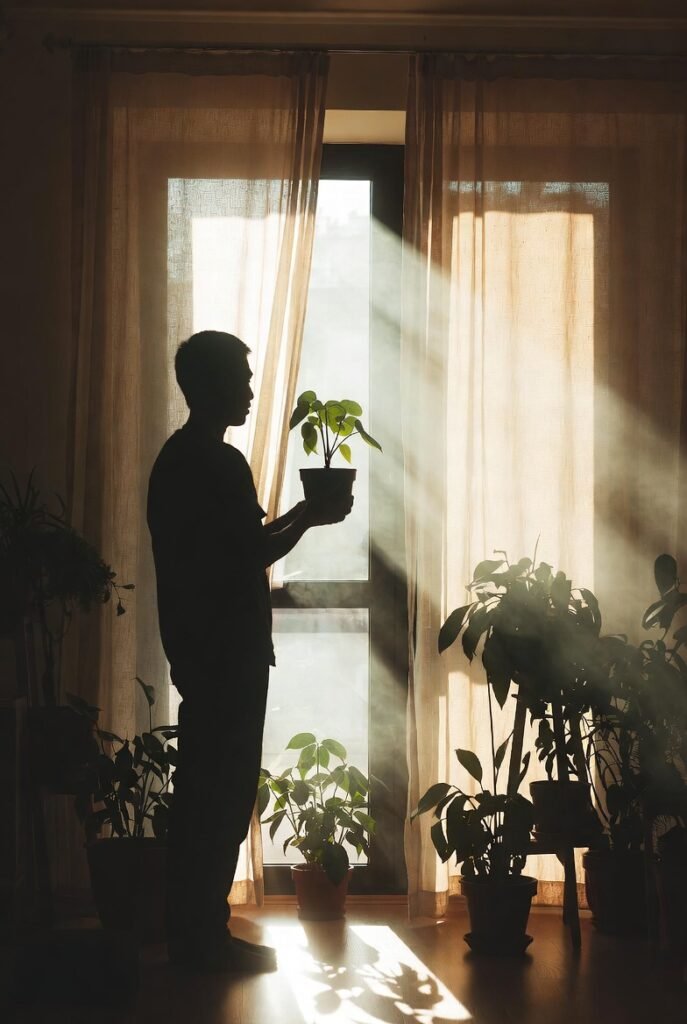
This is the single most important step, and most beginners skip it. Every plant has a light requirement, and matching the plant to your actual space matters more than any other single factor. South-facing windows give the brightest light, east and west-facing windows give moderate light, and north-facing windows give the lowest light.
Quick tip to save: Stand where you want the plant to live and watch the light for a full day before buying anything. It tells you more than any label ever will.
3. Learn to Water by Feel, Not by Schedule
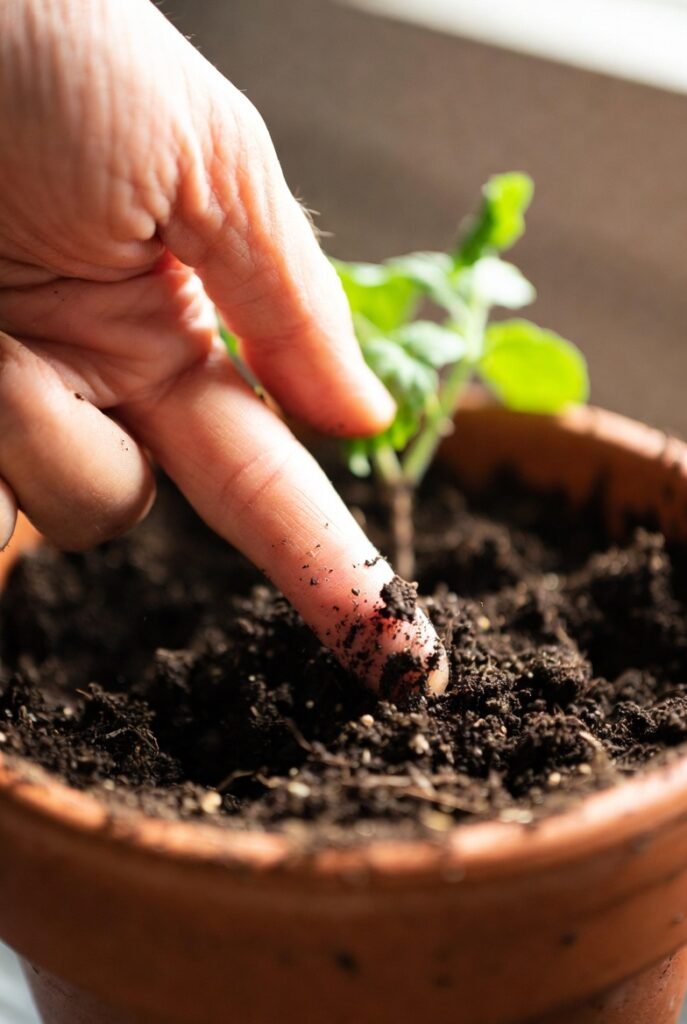
Watering on a fixed calendar (every Sunday, for example) is one of the most common beginner mistakes. Instead, stick your finger about one to two inches into the soil. If it feels dry, water thoroughly until it drains from the bottom of the pot. If it’s still damp, wait a few more days and check again.
4. Always Use Pots With Drainage Holes
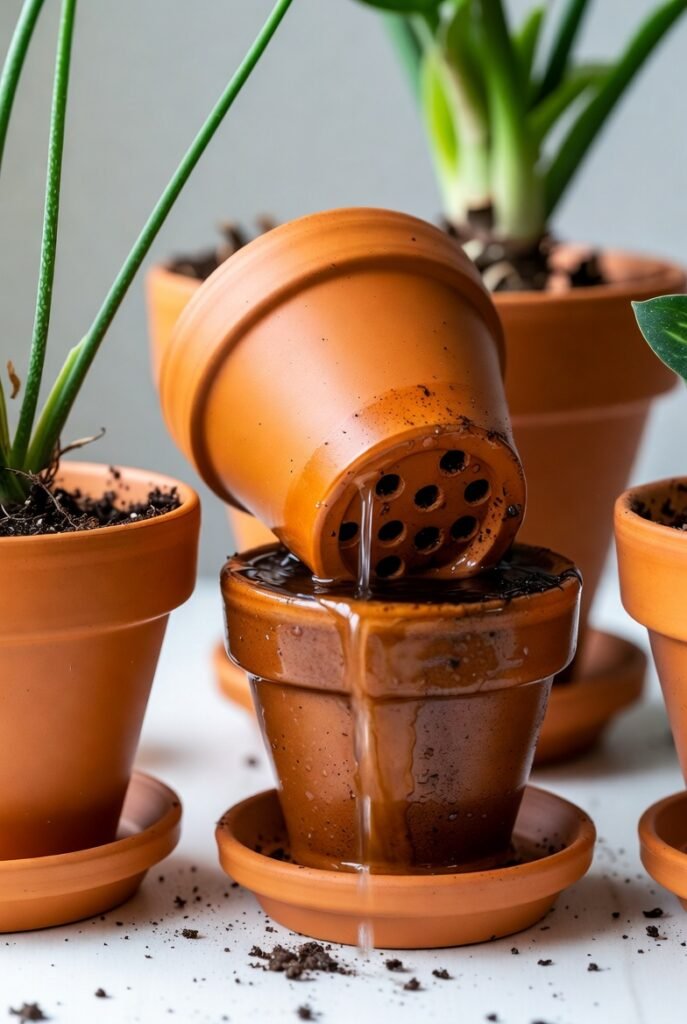
A pot without a drainage hole traps excess water at the bottom, which slowly suffocates the roots and leads to root rot, one of the most common ways beginner plants die. If you love a pot without drainage, use it as a decorative outer cover and keep the plant in its original nursery pot inside.
Read Also: Green Nest Hubs
5. Choose the Right Soil for the Plant
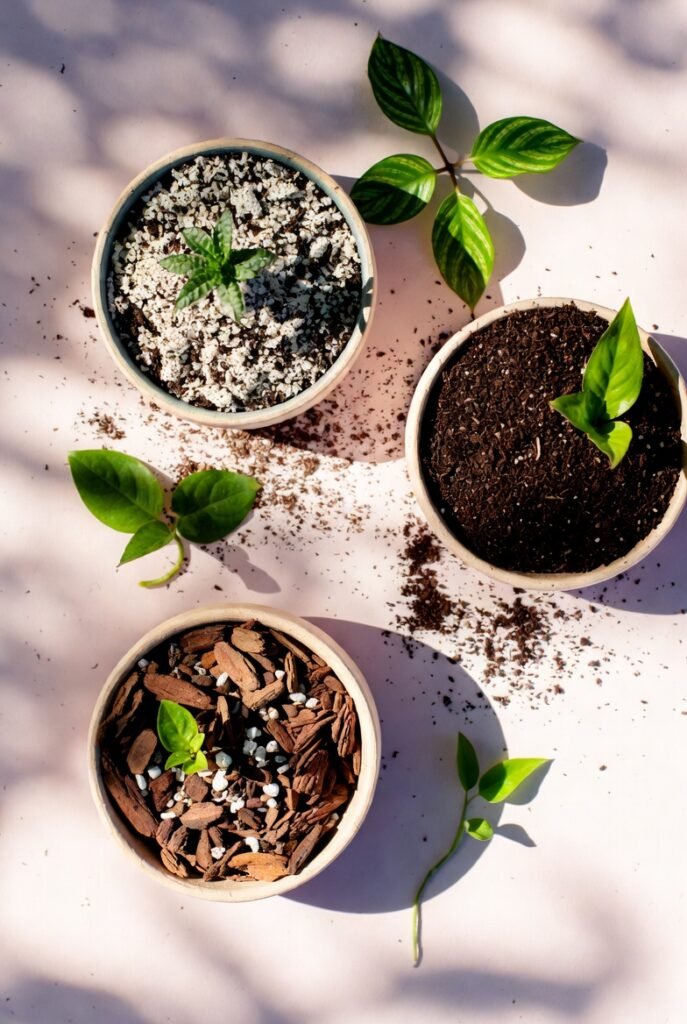
Regular garden soil is too dense for most houseplants and holds too much water. Use a well-draining potting mix formulated for indoor plants, and go a step further for succulents and cacti by choosing a gritty, fast-draining cactus mix. The right soil solves half your watering problems before they start.
6. Know the Signs Your Plant Is Trying to Tell You Something
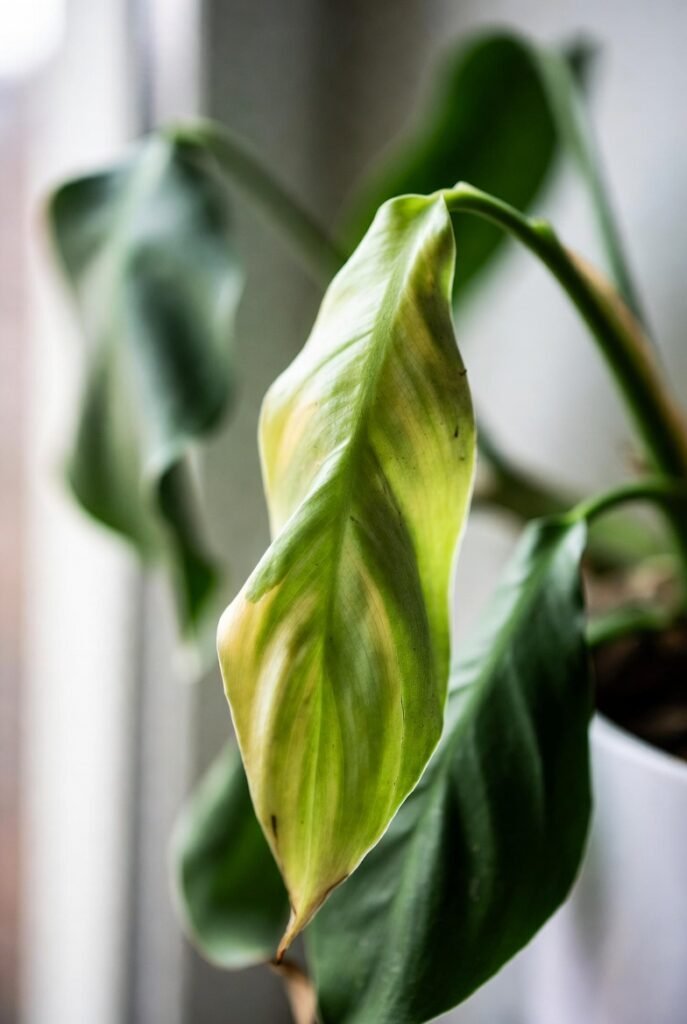
Plants can’t speak, but their leaves are constantly sending signals. Yellowing leaves often mean overwatering or too little light. Brown, crispy tips usually point to low humidity or inconsistent watering. Drooping can mean either too much or too little water, so check the soil before assuming which one it is.
Save-worthy tip: When in doubt, check the soil first. It answers more watering questions than the leaves do.
7. Don’t Skip Fertilizer, But Don’t Overdo It Either
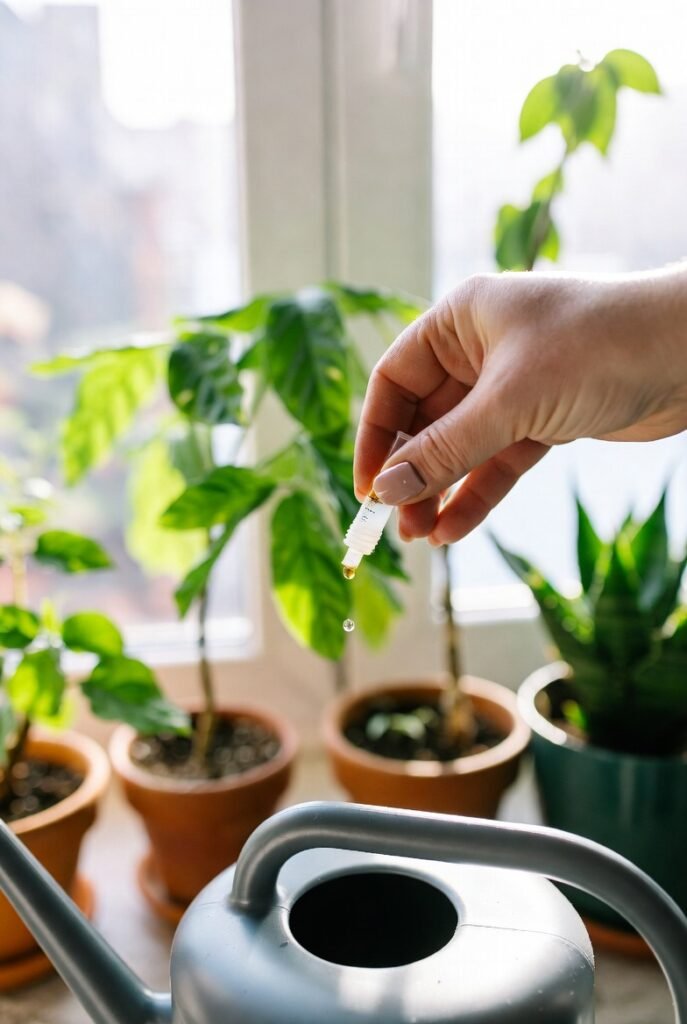
Houseplants use up the nutrients in their potting soil over time, so an occasional boost keeps them growing strong. Feed with a balanced, diluted liquid fertilizer roughly once a month during spring and summer, when plants are actively growing, and skip fertilizing almost entirely in winter when growth naturally slows.
8. Adjust Your Care by Season
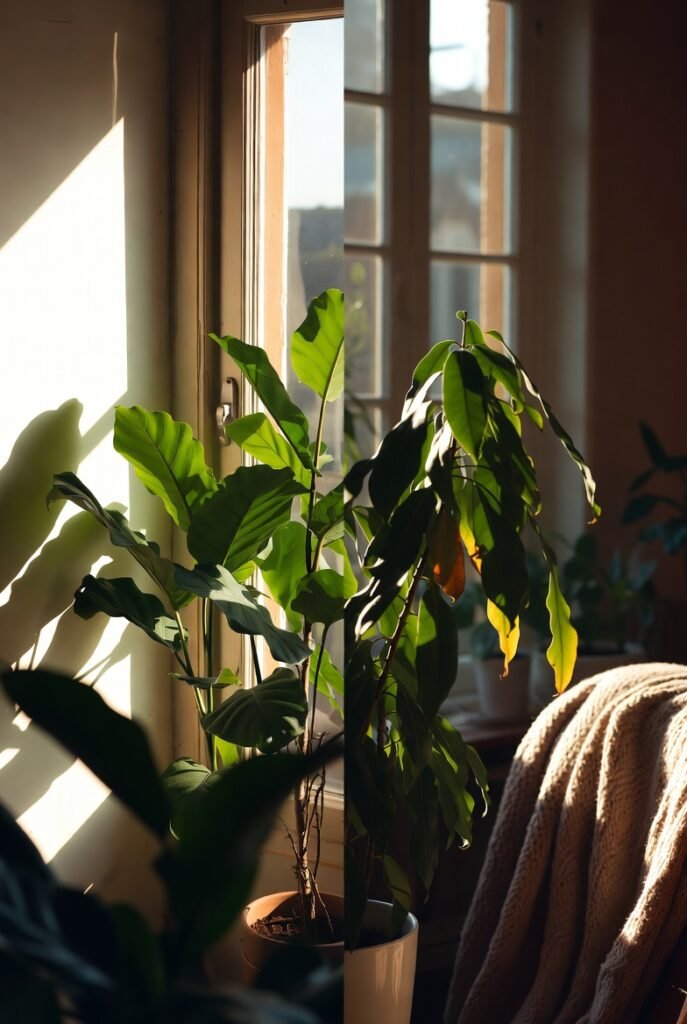
Plant care isn’t a “set it and forget it” routine year-round. In spring and summer, plants are actively growing and typically need more water, light, and food. In fall and winter, growth slows down, so most houseplants need less frequent watering and no fertilizer at all.
[Image 3: A cozy indoor plant corner styled for winter with warm lighting and dormant houseplants, vertical shot. Alt text: “Seasonal plant care tip for houseplants during winter months.”]
9. Keep an Eye on Humidity
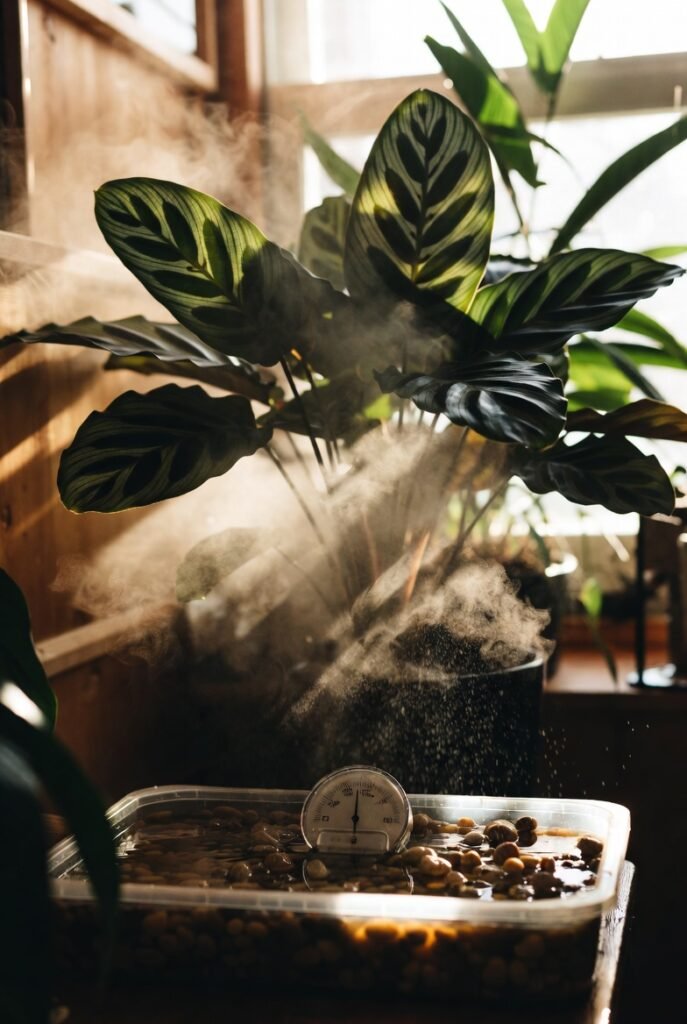
Many popular houseplants, like ferns, calatheas, and philodendrons, originate from humid tropical environments and struggle in dry indoor air, especially near heating vents. A simple pebble tray with water underneath the pot, regular misting, or a small humidifier nearby can make a noticeable difference for humidity-loving plants.
10. Watch the Temperature and Avoid Drafts
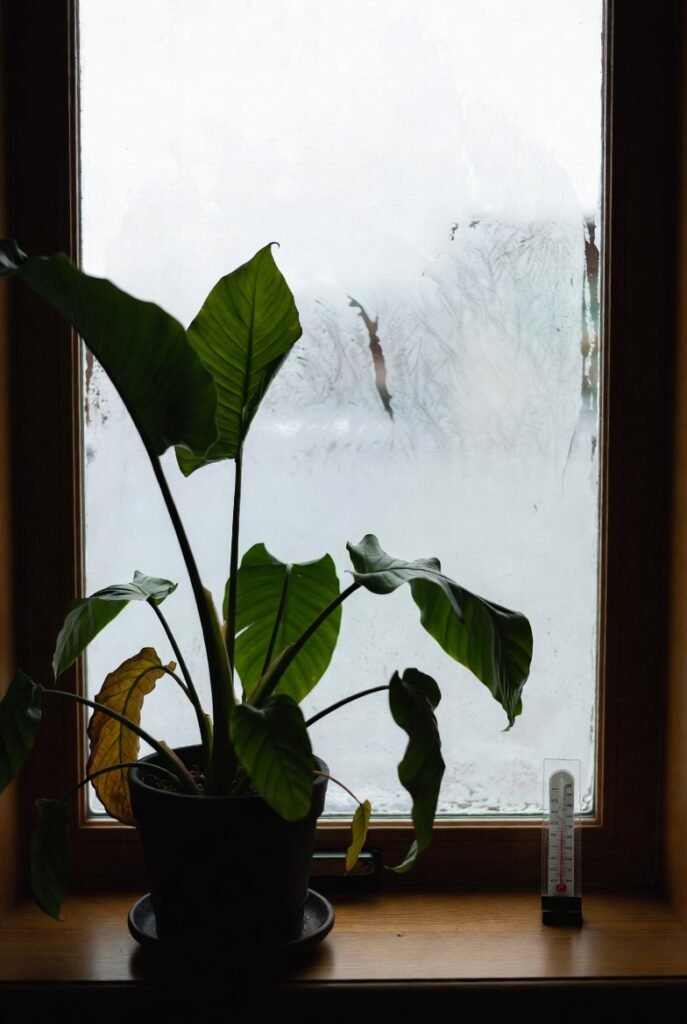
Most houseplants are happiest in a temperature range similar to what’s comfortable for people, roughly 65 to 80 degrees Fahrenheit. Keep plants away from cold drafts near windows and doors, as well as hot air from radiators, vents, or air conditioning units, since sudden temperature swings stress plants more than people realize.
11. Clean the Leaves Regularly
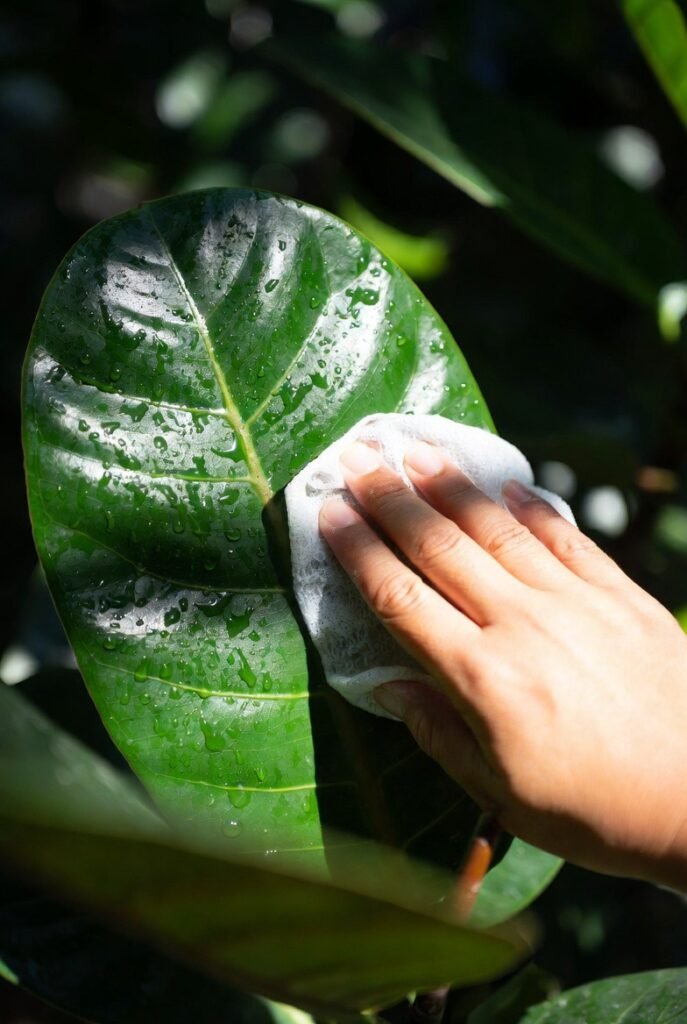
Dust builds up on broad leaves faster than you’d expect, and a dusty leaf can’t absorb light efficiently. Wipe leaves gently with a damp cloth every few weeks. It’s a small habit that noticeably improves how much light your plant can actually use for photosynthesis.
[Image 4: Close-up of hands gently wiping dust off a large houseplant leaf with a damp cloth, vertical shot. Alt text: “Beginner plant care tip showing how to clean houseplant leaves.”]
12. Inspect for Pests Before They Spread
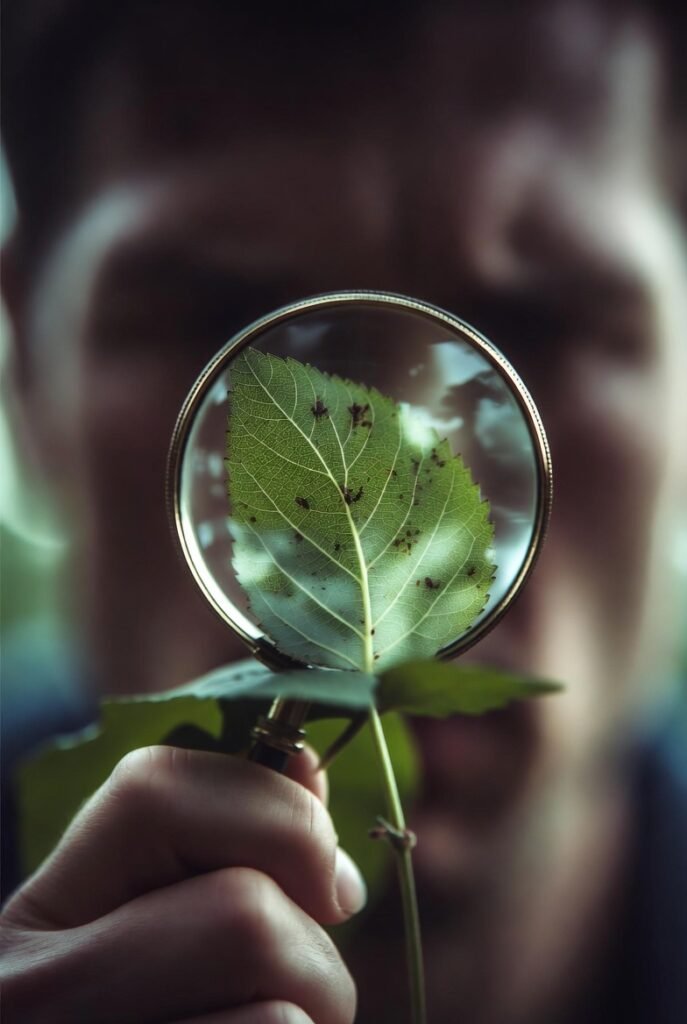
Common houseplant pests like spider mites, fungus gnats, and aphids are easier to manage the earlier you catch them. Check the undersides of leaves and the soil surface every time you water. A simple insecticidal soap or neem oil spray handles most beginner pest problems before they become a full infestation.
13. Repot When Your Plant Outgrows Its Home
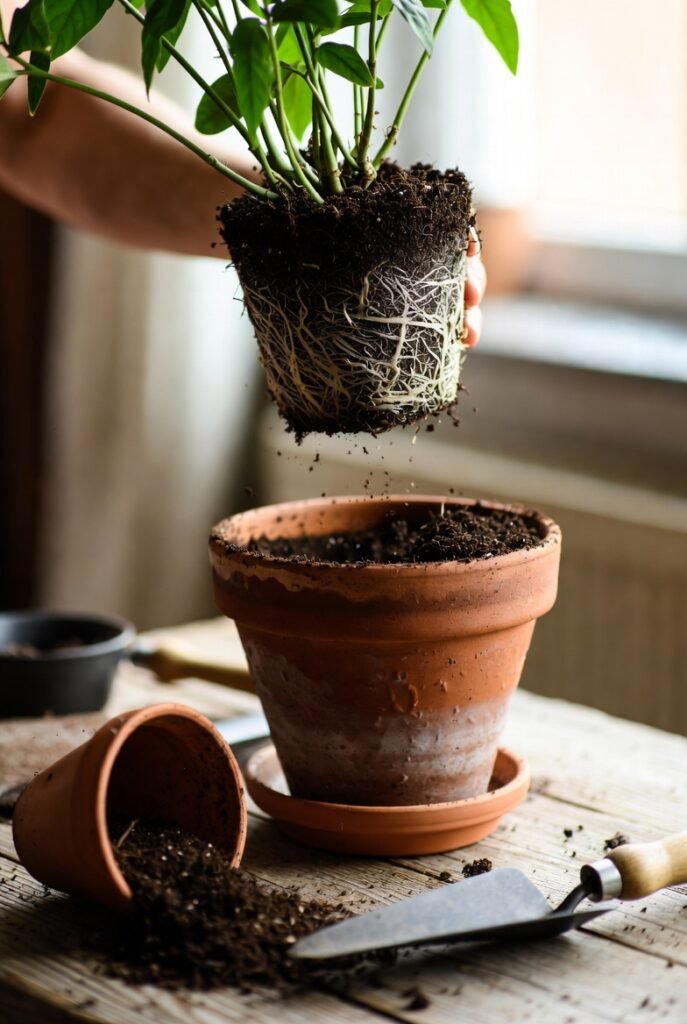
If roots are circling tightly at the bottom of the pot or poking out of the drainage holes, it’s time to size up. Choose a new pot only one or two inches larger in diameter, since an oversized pot holds excess moisture the roots can’t use, which increases the risk of root rot.
Pin this idea: Spring is the best time to repot, since plants are entering their active growing season and recover from the disruption fastest.
14. Trim Dead or Yellowing Leaves
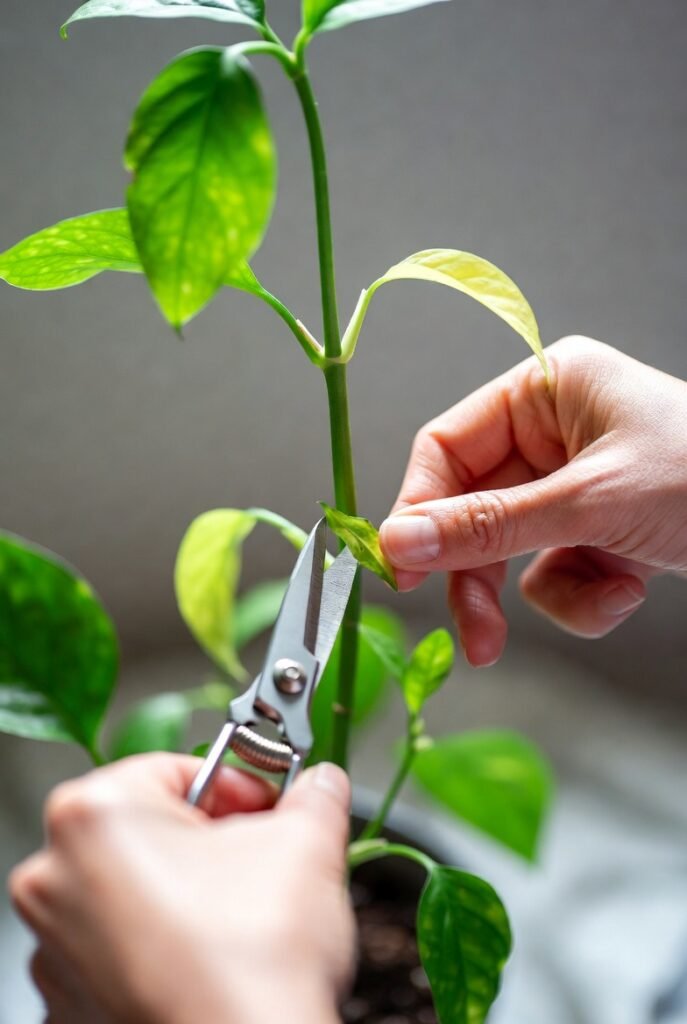
Regularly removing dead, yellowing, or damaged leaves keeps your plant looking healthy and redirects its energy toward new growth instead of maintaining struggling foliage. Use clean, sharp scissors or pruning snips, and cut close to the stem for the cleanest result.
[Image 5: A person trimming a yellowing leaf off a healthy houseplant with small scissors, vertical shot. Alt text: “Trimming dead leaves as part of beginner plant care routine.”]
15. Consider the Plant’s Toxicity if You Have Pets
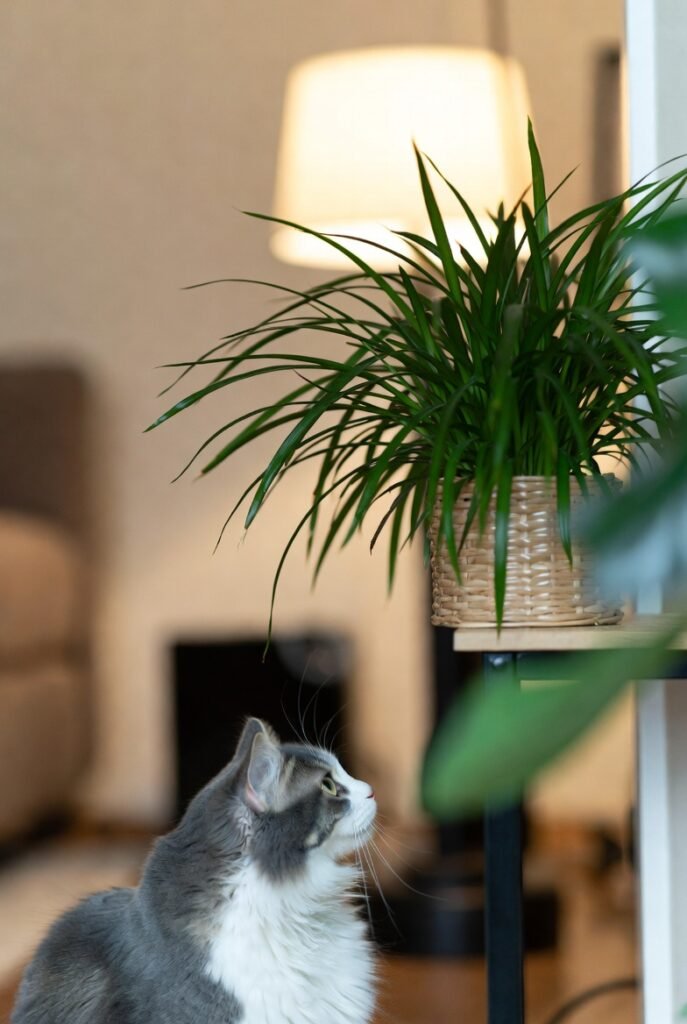
Not every popular houseplant is pet-safe. Some, like pothos and philodendrons, can cause irritation if chewed by cats or dogs. If pets are part of your household, look for pet-friendly options like spider plants, parlor palms, or peperomias, all of which are beginner-friendly and considered safe.
Bonus: Start With Fewer Plants Than You Want
It’s tempting to fill every windowsill on day one, but starting with two or three plants lets you actually learn their individual rhythms, how quickly their soil dries, how they respond to your light, before scaling up. A smaller, thriving collection beats a large, struggling one every time.
Common Beginner Plant Care Mistakes to Avoid
- Watering on a fixed schedule instead of checking the soil. Every plant, room, and season is different.
- Buying a plant before checking the light in that spot. This single mismatch causes most early plant deaths.
- Using a pot with no drainage hole. It’s one of the fastest paths to root rot.
- Fertilizing in winter. Dormant plants can’t use the extra nutrients, and it can actually harm the roots.
- Panicking and repotting immediately after a plant looks stressed. Give it time to adjust to its new home first; repotting adds extra stress on top of whatever is already wrong.
Frequently Asked Questions
How often should beginners water their houseplants?
There’s no single answer, it depends on the plant, pot size, light, and season. Check the soil with your finger and water only when the top one to two inches feel dry.
What are the easiest plants for a first-time plant owner?
Pothos, snake plants, ZZ plants, and spider plants are widely considered the most forgiving choices for beginners, tolerating inconsistent care and low light.
Why are my plant’s leaves turning yellow?
Yellowing is most commonly caused by overwatering or insufficient light, though it can occasionally signal a nutrient deficiency. Check the soil moisture first before adjusting anything else.
Do all houseplants need fertilizer?
Most benefit from occasional fertilizing during their active growing season (spring and summer), but it’s not urgent for new plants and should be skipped entirely in winter.
Final Thoughts
Plant care for beginners really comes down to a few consistent habits: matching the plant to your light, watering based on the soil rather than the calendar, and paying attention when your plant tries to tell you something is off. Start small, be patient, and you’ll build the kind of green thumb that only comes from a little trial and error.
