
15+ Plant care becomes much easier when you learn to recognize what your plants are telling you. Light is one of the most important factors in indoor plant growth because plants use light to power photosynthesis. When a plant doesn’t receive enough suitable light, growth can slow, leaves may change color, stems can stretch, and the plant may gradually lose its healthy appearance.
Have you ever noticed a houseplant leaning toward a window, producing unusually small leaves, or becoming tall and sparse even though you’re watering it correctly? These can be signs that the plant isn’t receiving enough light. The tricky part is that symptoms such as yellow leaves or slow growth can also have other causes, so it’s important to look at the whole growing environment before making a change.
This guide explains the most common signs of insufficient light and shows you how to distinguish light problems from watering, pest, soil, or temperature issues. You’ll also learn where to place different types of houseplants, how to increase light safely, and how to build a practical 15+ Plant care routine that supports stronger indoor growth.
1: Your Plant Is Becoming Tall and Leggy
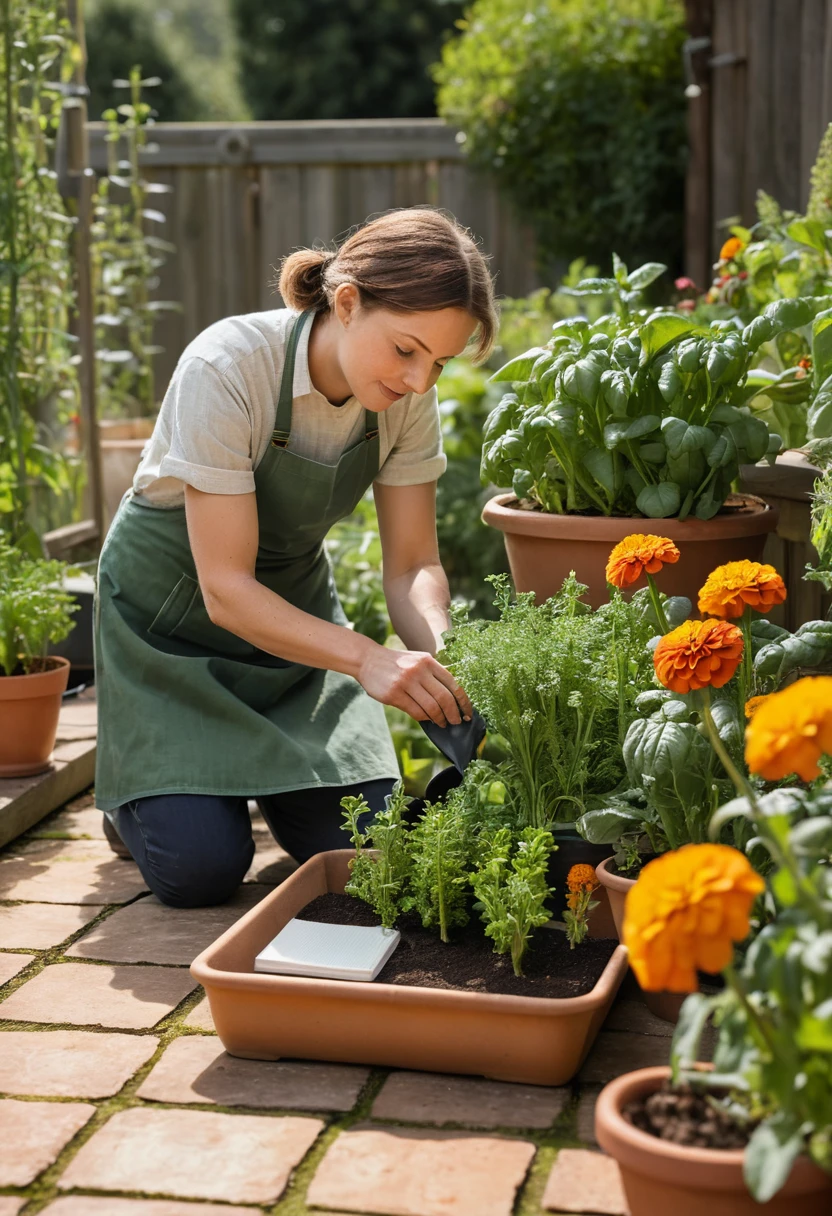
One of the clearest 15+ Plant care warning signs is unusually long, weak, or widely spaced growth. A plant may stretch toward the nearest light source as it tries to capture more illumination.
This process is often called etiolation or legginess. The stems can become thin, internodes may lengthen, and leaves may appear farther apart than they did on healthier growth.
Look at New Growth
New growth provides particularly useful clues. If older growth looks normal but recent stems are noticeably longer and weaker, the plant’s current environment may not provide enough light.
Compare new growth with older growth rather than judging one leaf in isolation.
2: The Plant Is Leaning Toward a Window
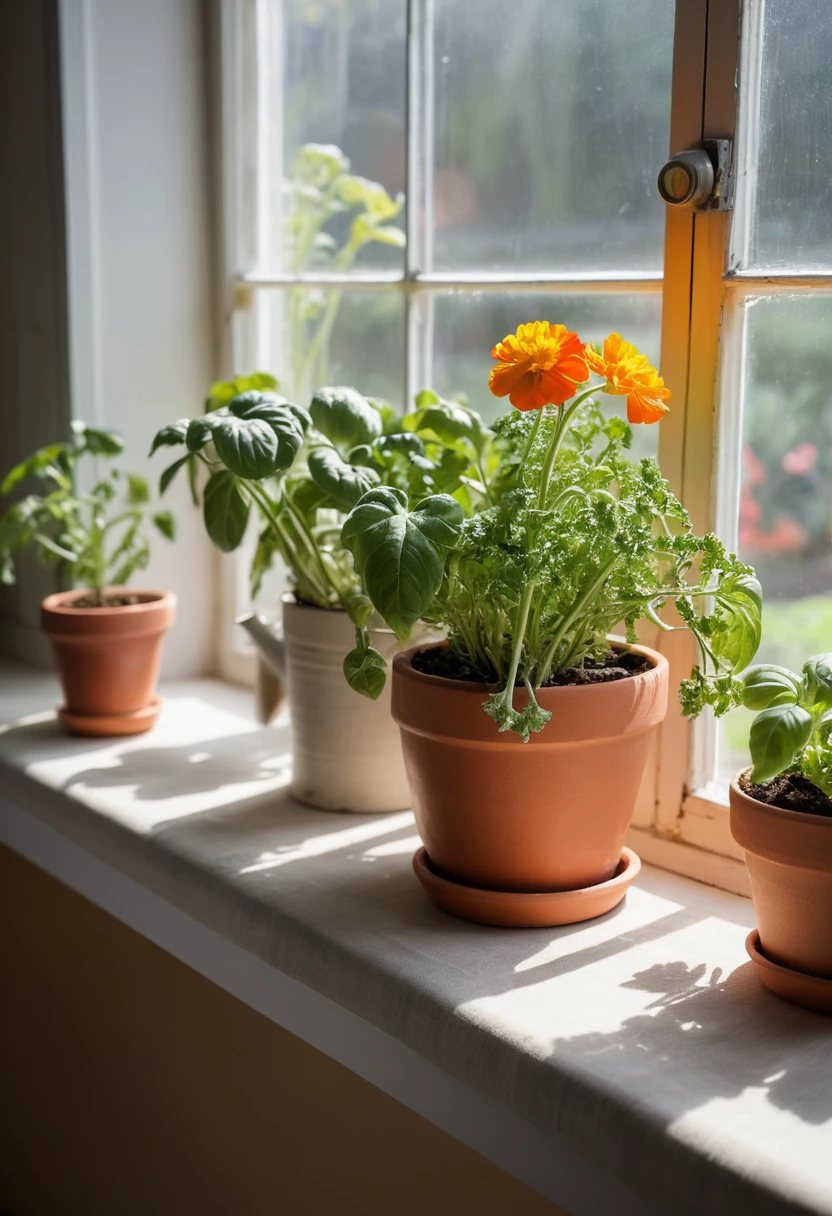
A plant that consistently bends or turns toward a window may be responding to uneven light. This behavior, known as phototropism, allows plants to orient growth toward a light source.
A slight turn isn’t necessarily a problem, but dramatic leaning combined with sparse growth is a stronger indication that the plant may need better illumination.
Rotate the Plant Carefully
For plants that tolerate their current light level, rotating the pot occasionally can encourage more even growth. However, rotation doesn’t solve genuinely inadequate light.
If the plant is strongly stretching toward the window, consider whether it needs to be moved closer to a suitable source of indirect light.
3: New Leaves Are Smaller Than Normal
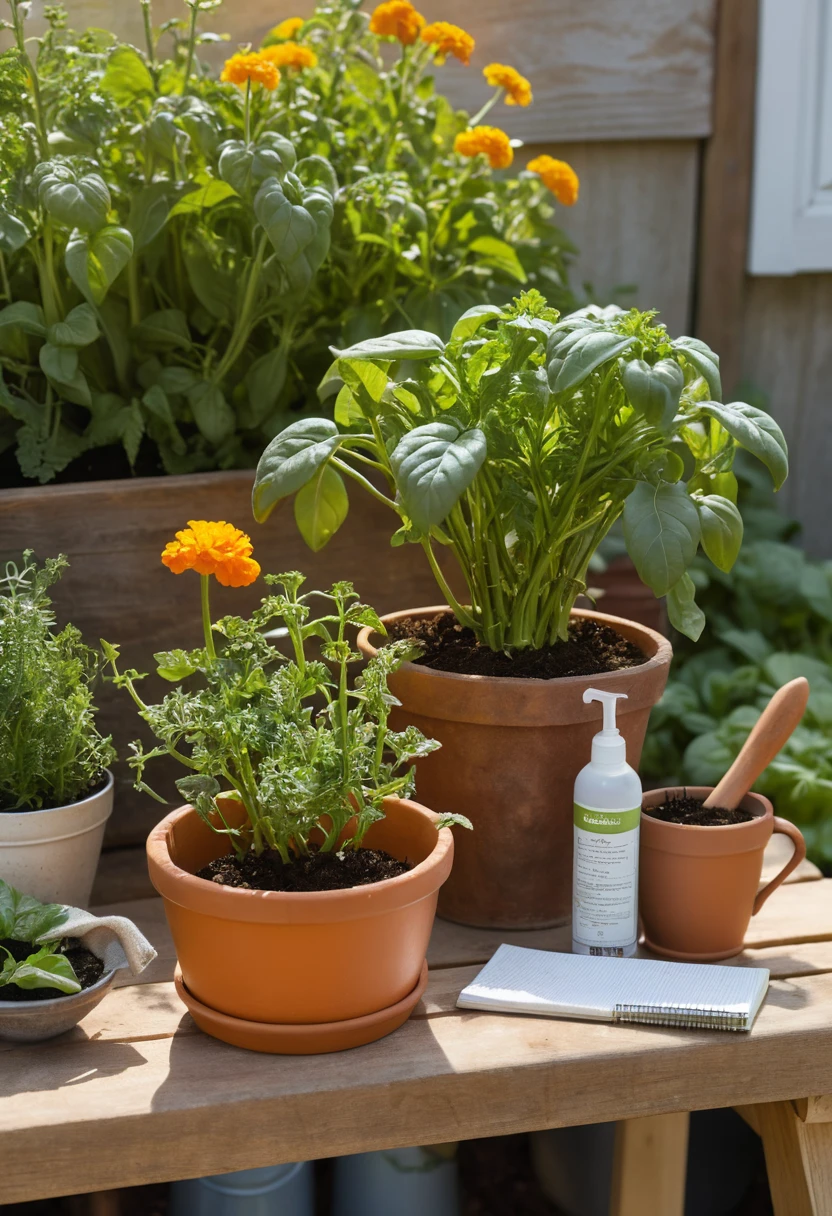
Smaller-than-usual new leaves can be another 15+ Plant care clue. When a plant doesn’t have enough energy available for strong growth, newly produced foliage may be noticeably smaller.
This is especially useful when comparing leaves produced under different conditions. If older leaves are large but recent leaves are consistently tiny, examine the plant’s light exposure.
Compare Leaves From Different Periods
Look at the last few leaves rather than one isolated leaf. A pattern of progressively smaller growth is more informative than a single small leaf.
Other factors such as root restriction, nutrient problems, pests, and watering issues can also affect leaf size, so consider those possibilities if improving light doesn’t help.
4: Growth Becomes Slow
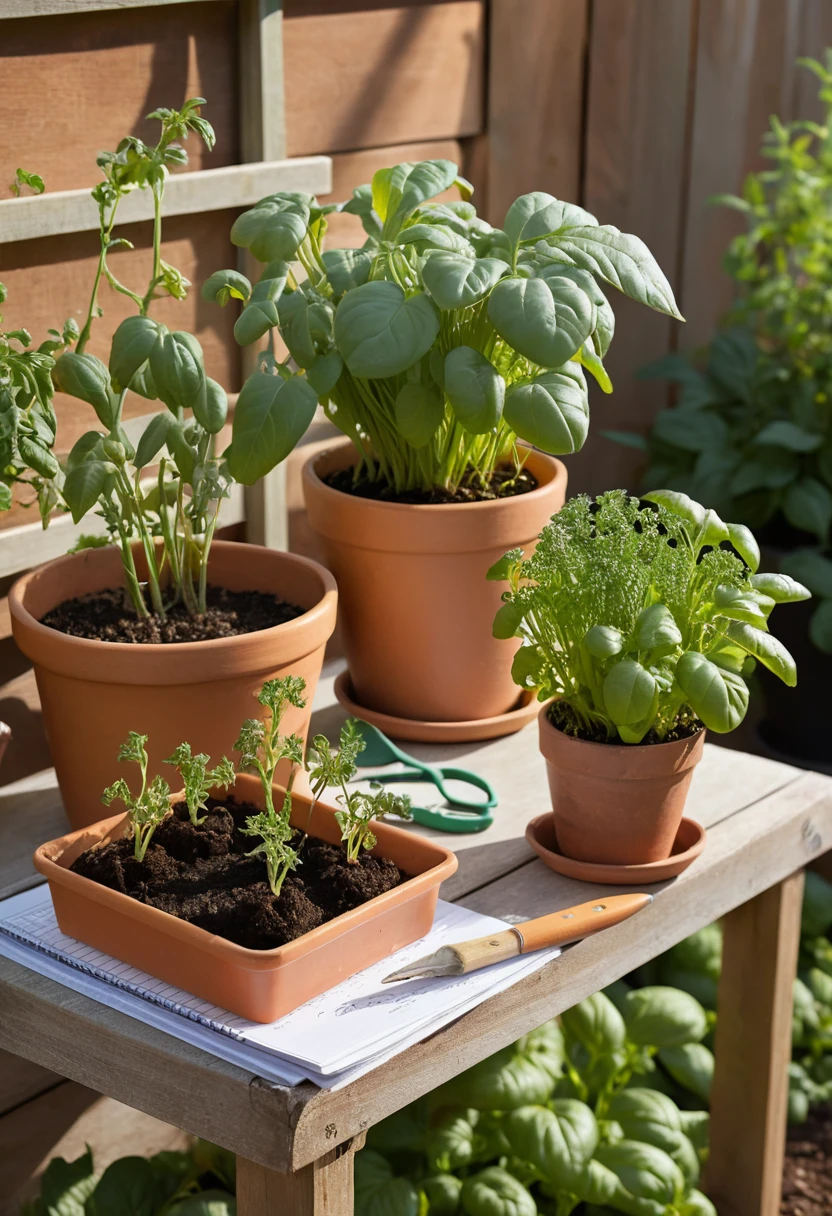
Slow growth can have many causes, but inadequate light is one of the environmental factors worth checking. A plant may remain alive while producing very little new foliage.
During naturally darker seasons, slower growth may be completely normal. However, if growth has slowed dramatically during a period when the plant should be actively growing, review its location and light.
Check Seasonal Changes
A plant that receives bright light in summer may receive much less light in winter because the sun is lower, daylight hours are shorter, or the plant is farther from the window.
This is why 15+ Plant care should change with seasonal conditions rather than relying on exactly the same setup throughout the year.
5: Leaves Are Becoming Pale
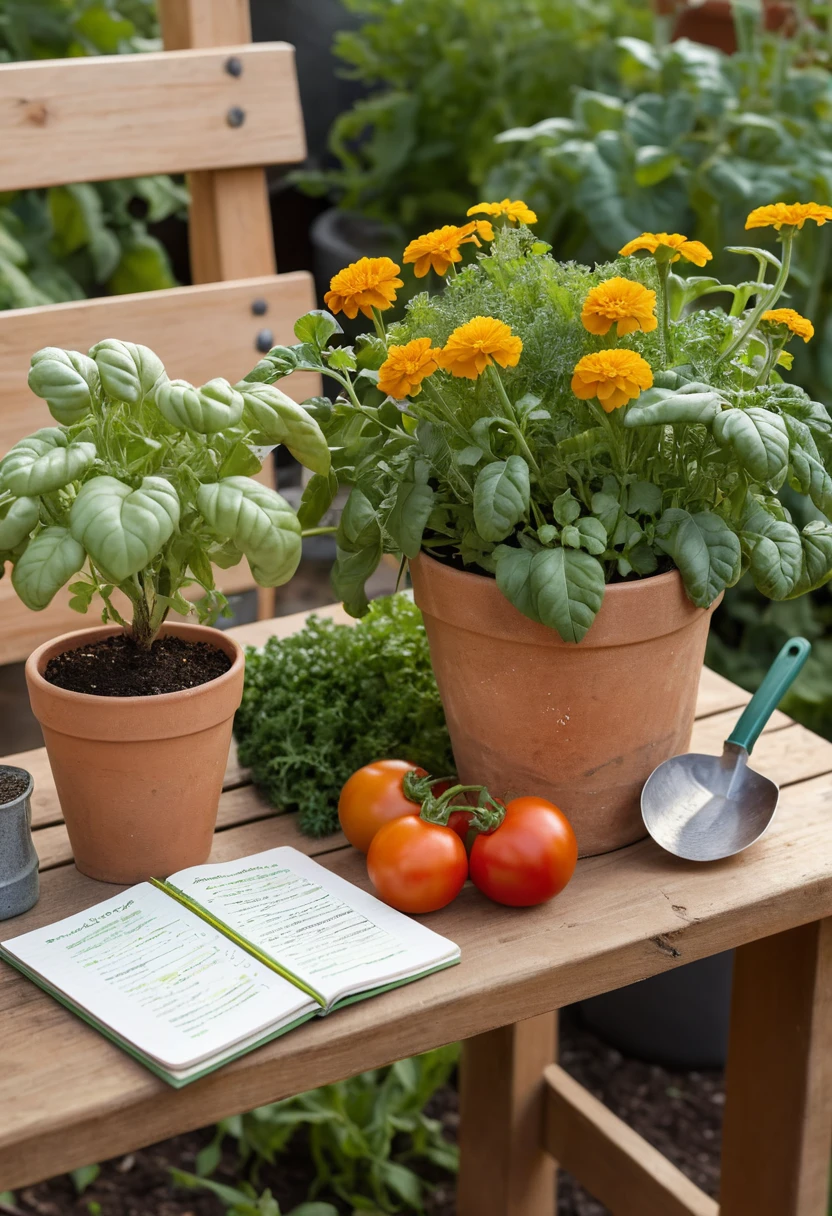
Pale foliage can sometimes indicate insufficient light, particularly when the plant’s overall growth is weak. However, pale or yellow leaves can also result from watering problems, nutrient deficiencies, pests, aging foliage, or environmental stress.
Avoid moving a plant into intense direct sunlight immediately just because its leaves look pale. First determine what type of light the species prefers.
Look for a Pattern
If most new foliage is becoming pale and growth is weak, light deserves attention. If only one old leaf is yellowing while the rest of the plant looks healthy, the cause may be completely different.
Observing patterns is an important part of good 15+ Plant care.
Read also: 13+ Flower Garden & Planting Ideas for a Beautiful Corner Yard
6: Variegated Leaves Are Losing Their Pattern
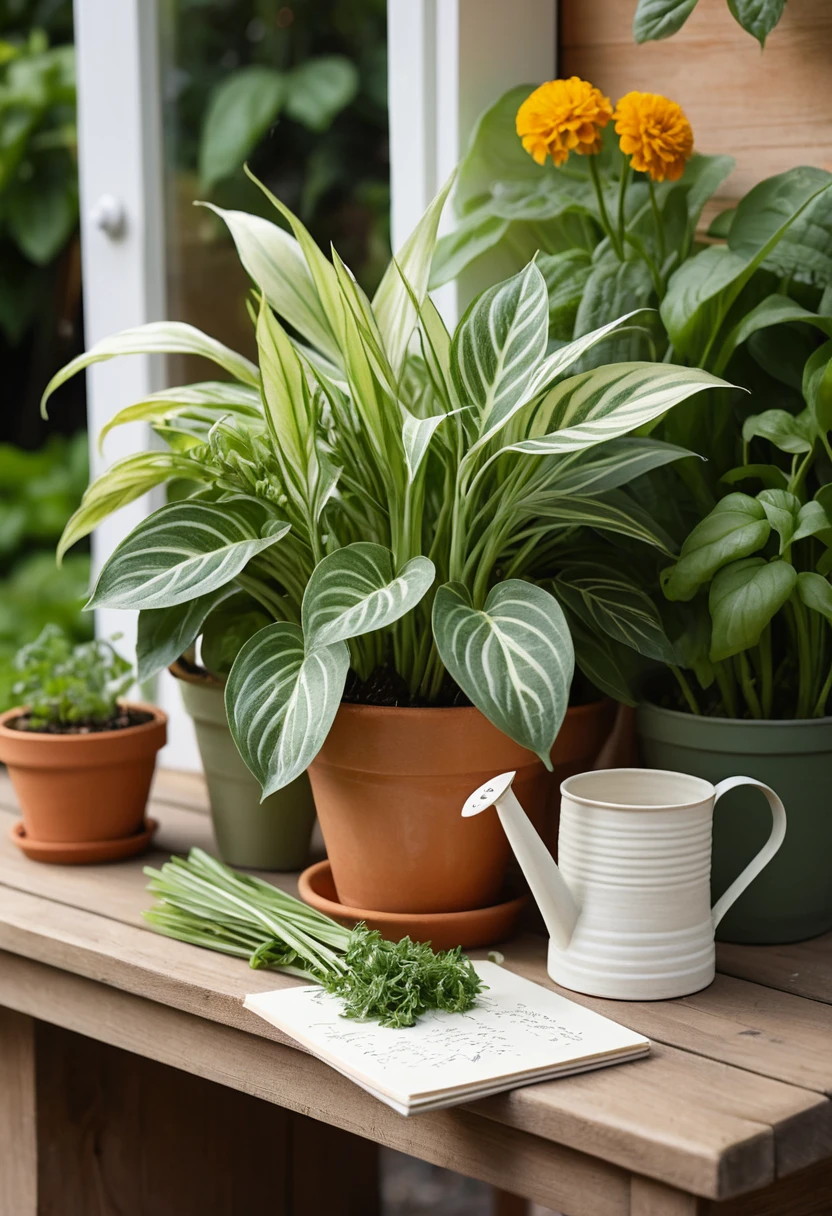
Variegated plants often require adequate light to maintain their characteristic patterns. Some variegated varieties may produce greener leaves when light is insufficient.
The amount of variegation naturally varies between plants and varieties, so this isn’t an absolute diagnostic test. Still, a noticeable change toward greener growth can be a useful reason to reassess light.
Give Variegated Plants Suitable Light
Don’t automatically place a variegated plant in harsh direct sunlight. Many prefer bright indirect light, and sudden exposure to intense sun can damage foliage.
Increase light gradually when necessary and monitor the leaves for stress.
7: Your Plant Stops Flowering
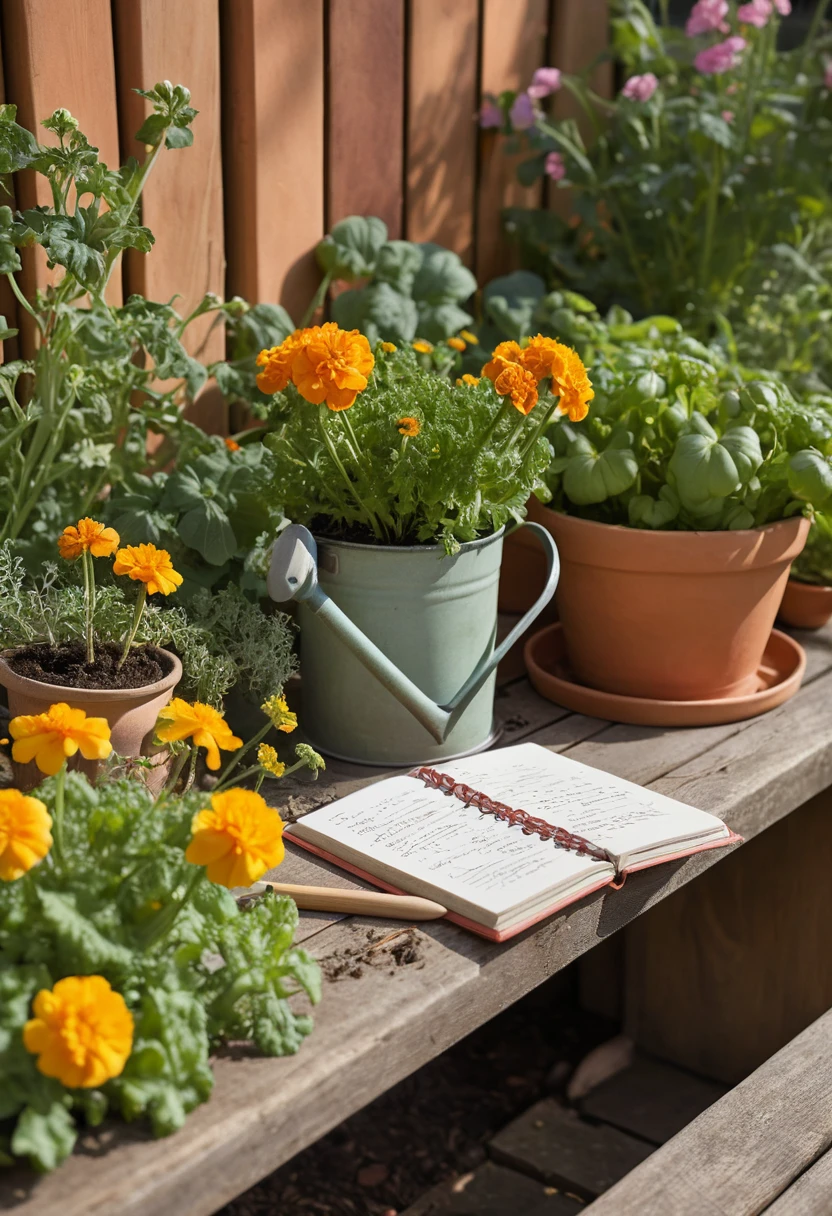
Flowering plants often need sufficient light to produce and maintain blooms. If a plant that previously flowered stops producing flowers while remaining otherwise alive, inadequate light may be one factor.
Different flowering species have very different requirements, so check the particular plant’s recommended light level before making changes.
Flowering Requires Energy
Producing flowers requires resources. If the plant isn’t receiving enough light to support strong photosynthesis, it may prioritize survival and foliage maintenance over flowering.
Improving light can help, but flowering also depends on maturity, temperature, nutrition, watering, and seasonal cycles.
8: Leaves Are Spaced Far Apart
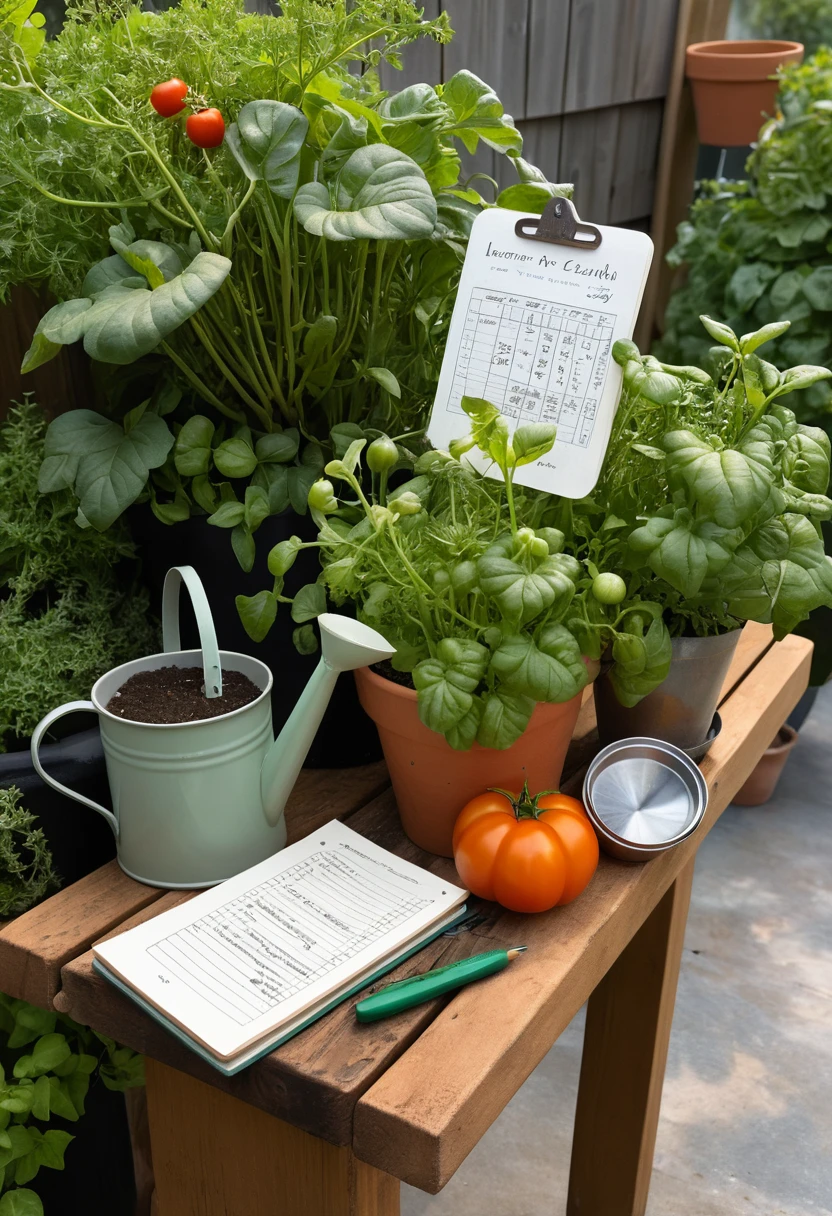
Wide gaps between leaves can indicate that stems are stretching in search of light. This is particularly easy to notice on vining plants such as pothos and philodendrons.
A healthy plant’s natural spacing depends on its species, so compare current growth with the plant’s previous appearance rather than assuming every large gap is abnormal.
Examine the Stem
Look at the distance between successive leaves on newer stems. If the spaces have suddenly become much longer than before, investigate the plant’s recent light exposure.
Moving the plant to brighter suitable conditions may encourage more compact future growth.
9: The Plant Has Weak, Thin Stems
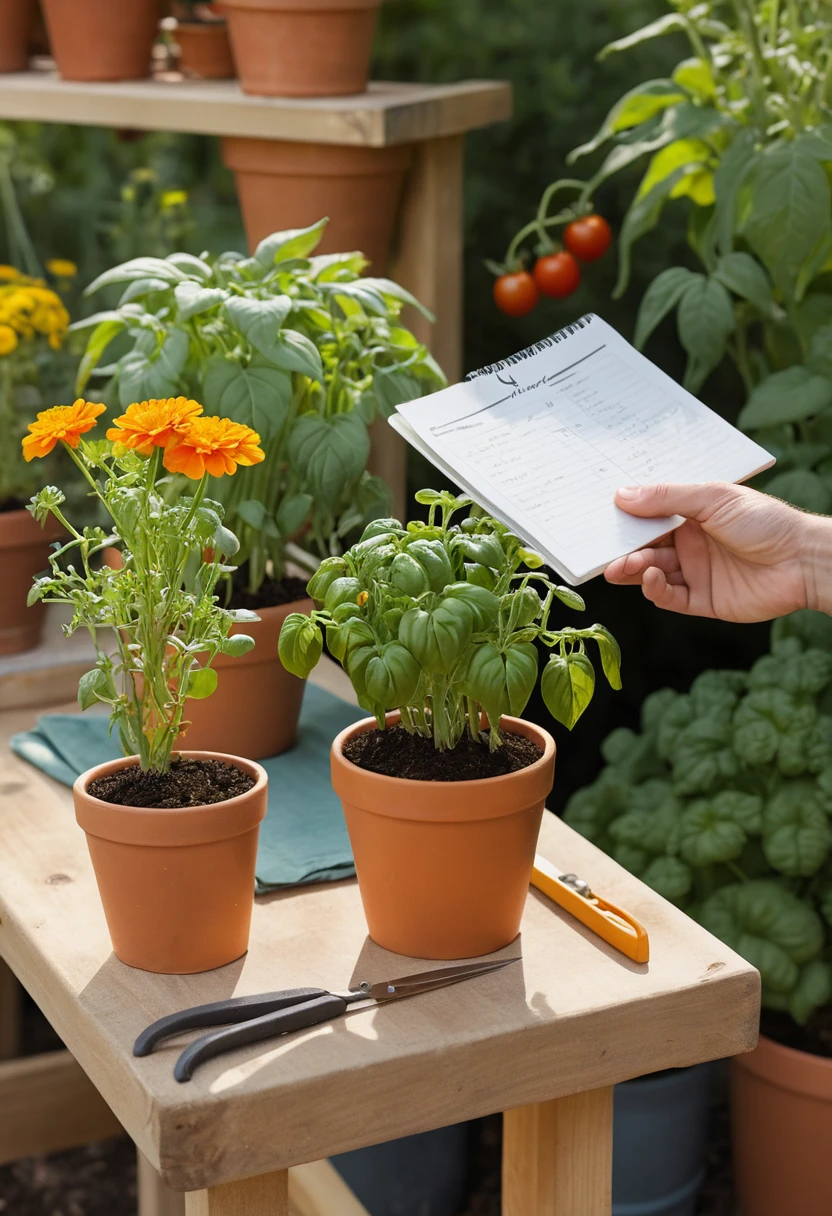
Another 15+ Plant care sign is weak or unusually thin new stems. Insufficient light can result in elongated growth that lacks the compact structure seen under better conditions.
This can make climbing, trailing, or upright plants appear floppy or poorly supported.
Support Isn’t the Real Solution
A stake can keep a weak stem upright, but it doesn’t address the reason the stem became weak. If inadequate light is responsible, improving illumination is more useful than simply adding physical support.
Check the plant’s natural light preference before relocating it.
10: The Plant Is Losing Its Compact Shape
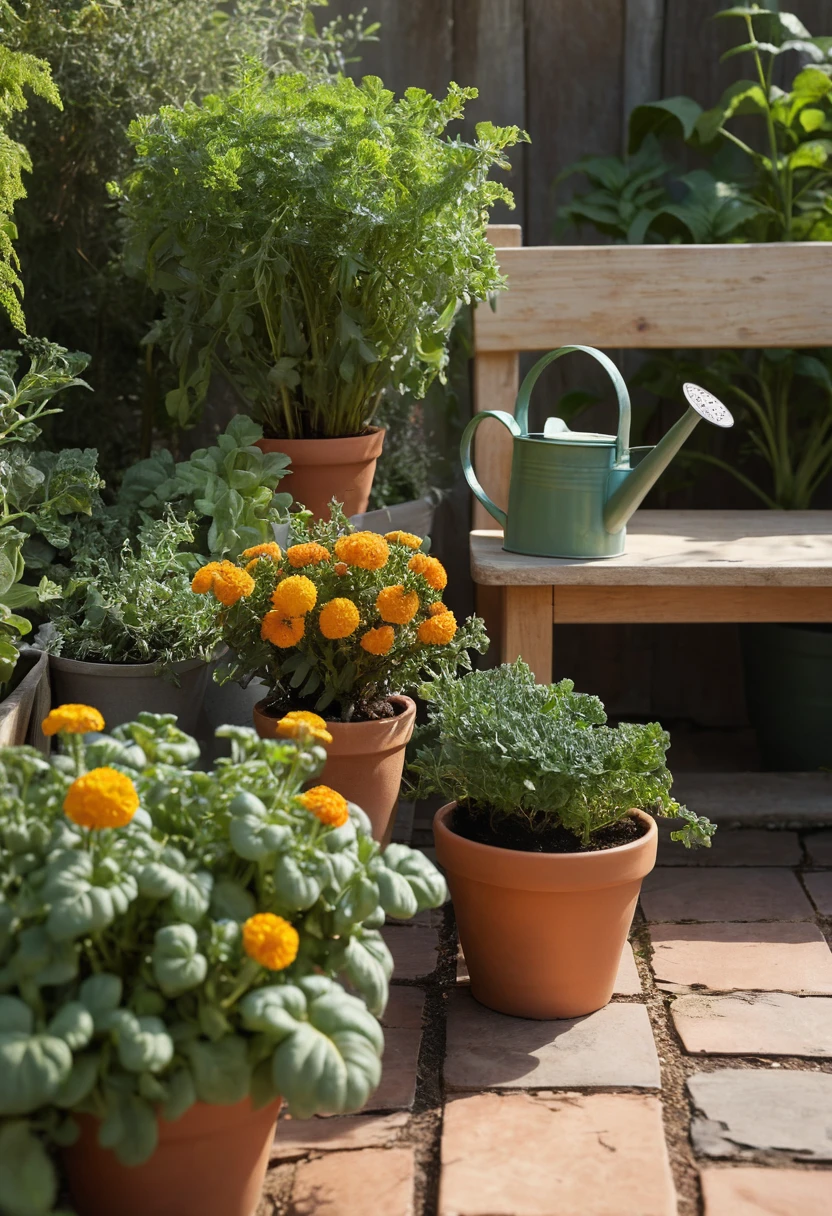
Some plants naturally grow compactly when they receive suitable light. If the same plant becomes sparse, open, or stretched over time, its light conditions may have changed.
Furniture placement, seasonal sun angles, curtains, nearby buildings, and even newly installed blinds can alter the amount of light reaching a plant.
Reassess the Location
Don’t assume that a plant’s location is permanent. A spot that worked six months ago may provide very different light now.
Observe the plant during different times of day and consider whether nearby objects are blocking available illumination.
If several answers are yes, inadequate light becomes more likely.
Check the Soil Too
If the plant is growing slowly while its soil remains wet for a long time, low light may be contributing indirectly. Lower light can reduce water use, which means the soil may take longer to dry.
This is why changing only the watering schedule without considering light can create additional problems.
These are broad categories rather than exact measurements. Individual varieties can differ, so plant-specific requirements should always take priority.
A Practical 15+ Plant Care Light Checklist
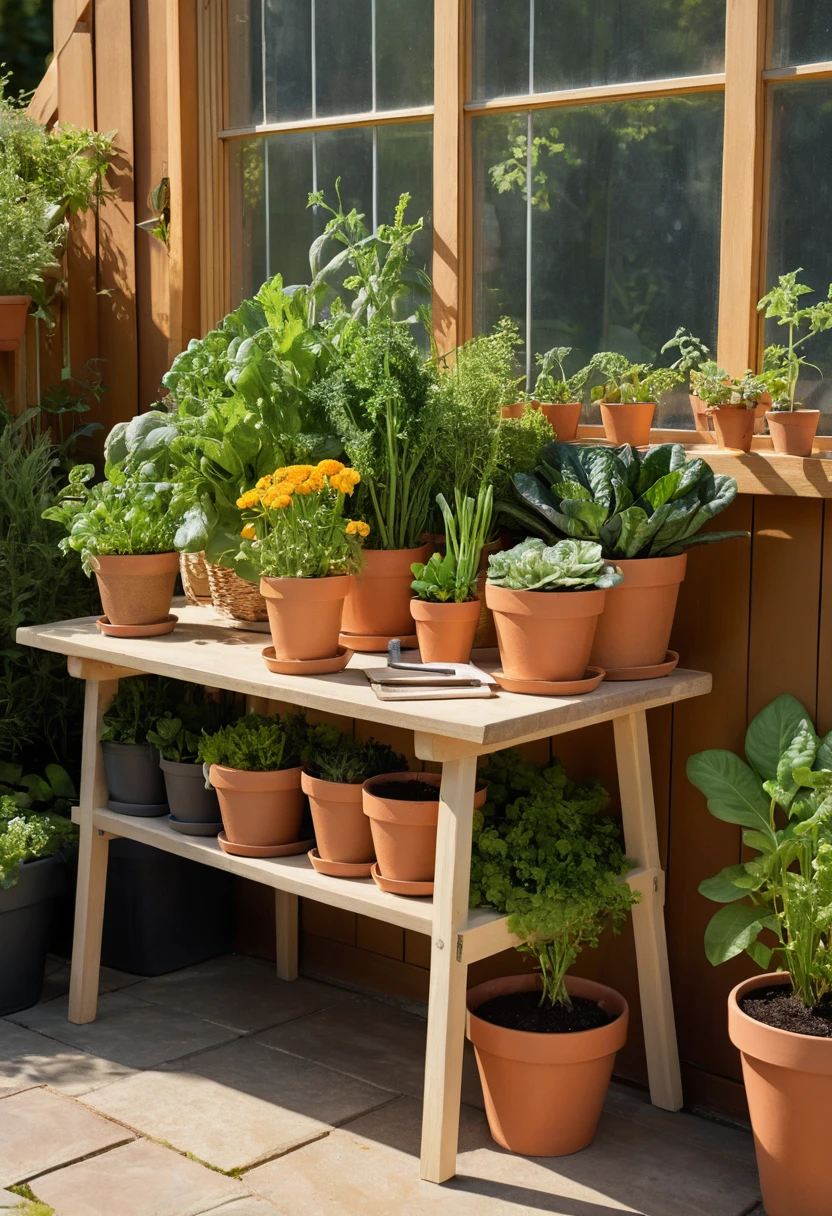
If you suspect your plant needs more light, work through a simple checklist rather than changing everything at once.
- Identify the plant species or variety.
- Check its preferred light level.
- Observe where the plant is currently positioned.
- Look for stretched or sparse new growth.
- Check whether it is leaning toward a window.
- Compare recent leaves with older leaves.
- Inspect the soil before watering.
- Check for pests.
- Look for sudden environmental changes.
- Move the plant gradually if more suitable light is needed.
- Filter strong direct sun when appropriate.
- Consider a grow light for genuinely dark spaces.
- Monitor new growth after the change.
- Adjust watering as light conditions change.
- Give the plant time to respond.
This approach keeps 15+ Plant care practical and prevents you from making several unnecessary changes simultaneously.
FAQs
1. How do I know if my houseplant needs more light?
Common signs include stretched stems, sparse growth, smaller new leaves, slow growth, leaning toward windows, and reduced flowering.
2. Can yellow leaves mean a plant needs more light?
Yes, but yellow leaves have many possible causes, including overwatering, aging, nutrient problems, pests, and environmental stress, so light should not be assumed to be the only cause.
3. Can a plant get too much light?
Yes. Excessive direct sunlight can cause scorched, bleached, or brown patches on foliage, particularly when a plant has not been acclimated gradually.
4. What is the best light for most houseplants?
Many tropical houseplants prefer bright indirect light, while some low-light plants tolerate less and many cacti and succulents require considerably brighter conditions.
5. Can grow lights help plants that don’t get enough sunlight?
Yes. Appropriate grow lights can supplement natural light when indoor conditions are too dark, provided they are used according to the plant’s needs.
Conclusion
Recognizing light-related symptoms is one of the most useful skills in 15+ Plant care. Stretching, sparse growth, smaller new leaves, leaning, weak stems, reduced flowering, and slow development can all indicate that a plant isn’t receiving enough suitable light. At the same time, these symptoms can overlap with watering, pest, root, temperature, and nutrition problems, so diagnosis should always consider the entire growing environment.
Instead of simply moving every plant closer to a window, match the light level to the species and make changes gradually. Observe new growth, adjust watering when conditions change, and use supplemental lighting when natural light isn’t enough. With consistent observation and the right placement, you can give your houseplants the light they need to develop stronger, healthier growth.

