
Your backyard doesn’t need a five-figure landscaping budget to look like something out of a magazine. It needs a little creativity, a few smart swaps, and the willingness to repurpose what you already have.
If you’ve ever scrolled past gorgeous garden transformations and thought “sure, but that cost thousands,” this is the guide that proves you wrong. Every idea below has been used by real homeowners to turn plain, forgettable yards into spaces people actually want to sit in — most for less than the cost of a nice dinner out.
Save this guide now, because by the time you reach idea #9, you’ll want to come back and try at least three of these this weekend.
Here’s the thing: budget gardening isn’t about doing less. It’s about spending smarter. Let’s get into it.
Why “Budget” Doesn’t Have to Mean “Boring”
Before the list, a quick mindset shift. The most expensive-looking backyards rarely use the most expensive materials. They use repetition, texture, and intention — the same cheap gravel path looks premium when it’s edged cleanly and leads somewhere. The same $8 paint can transforms a tired fence into a backdrop worth photographing.
Keep that in mind as you read. Every idea here leans on that same principle: small, deliberate choices that add up to a yard that feels designed, not decorated.
1. Sketch Your Layout Before You Spend a Dime
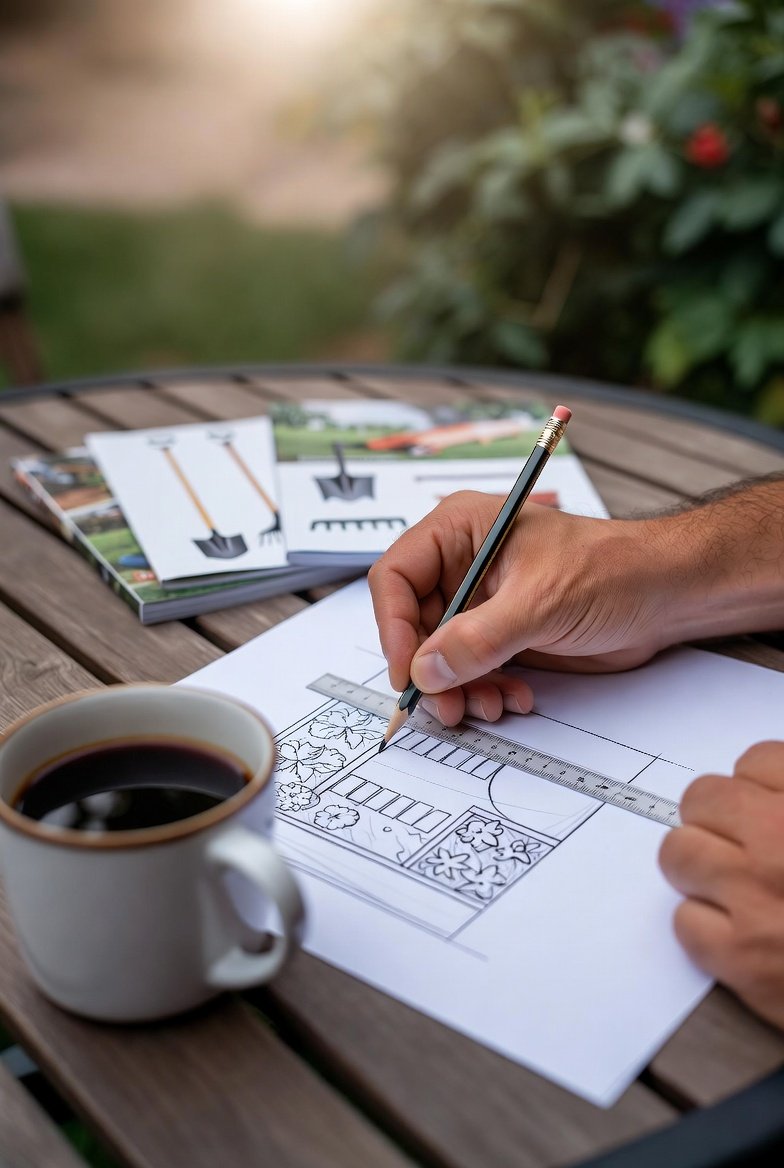
The single cheapest tool in budget gardening is a piece of paper. Before buying a single plant, sketch your yard’s rough shape and mark where the sun hits at 9 a.m., noon, and 4 p.m.
This five-minute exercise prevents the most expensive budget-gardening mistake: buying plants that die in the wrong light and having to replace them.
- Note existing hardscape (patio, fence lines, trees)
- Mark full-sun, part-shade, and full-shade zones
- Circle 2-3 “focal point” spots where a visitor’s eye naturally lands
Quick tip: Your focal points are where you’ll want to spend slightly more — everything else can be filled with budget plants and repurposed materials.
[Image placement: A flat-lay photo of a hand-drawn garden sketch with a coffee mug and pencil beside it. Alt text: “Simple backyard garden layout sketch for planning a budget-friendly design.”]
2. Build Raised Beds From Reclaimed Wood
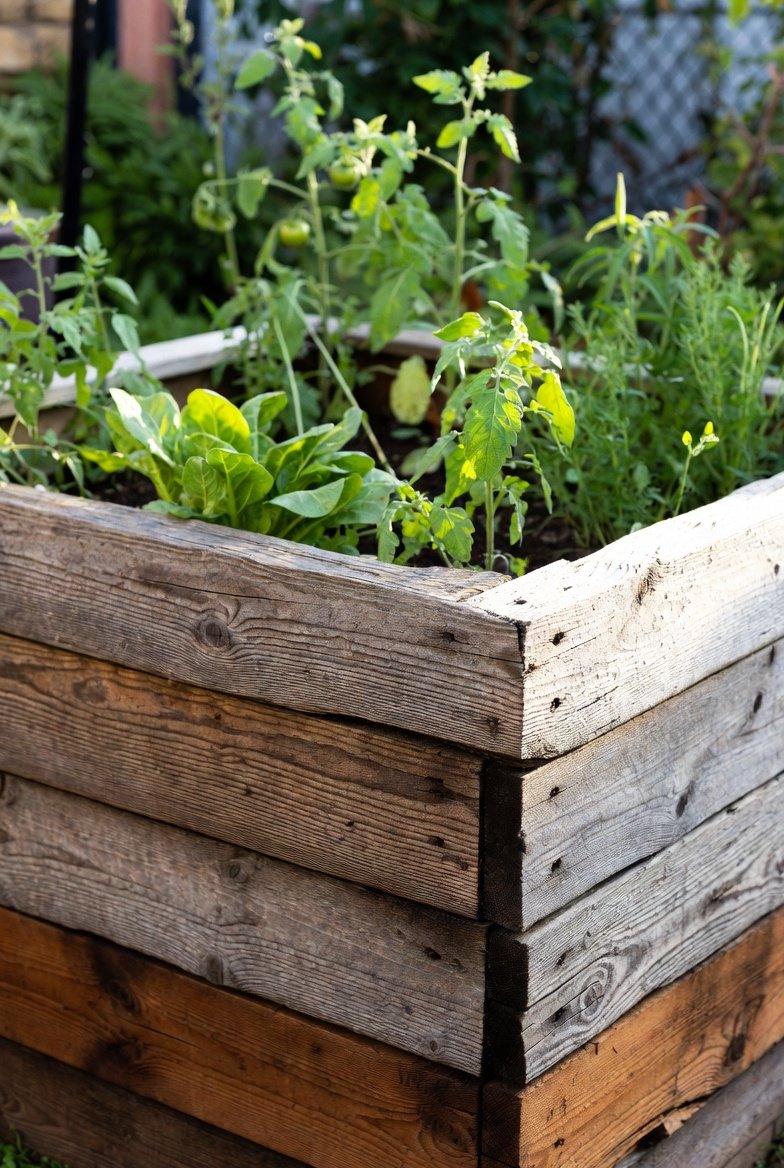
Raised garden beds solve two budget problems at once: they let you control soil quality cheaply (instead of amending an entire yard), and they can be built almost entirely from free or discounted materials.
Check local classifieds, construction sites, and pallet recycling centers for untreated wood, old fence boards, or cinder blocks. A simple 4×4 foot bed needs just four boards and a handful of screws.
Why this works so well: raised beds create instant visual structure — the kind that usually signals a “professionally landscaped” yard — for a fraction of the cost of retaining walls or built-in planters.
So what does this mean for you? Even one raised bed, placed near your patio, can anchor your whole backyard design.
3. Turn an Old Ladder Into a Vertical Planter
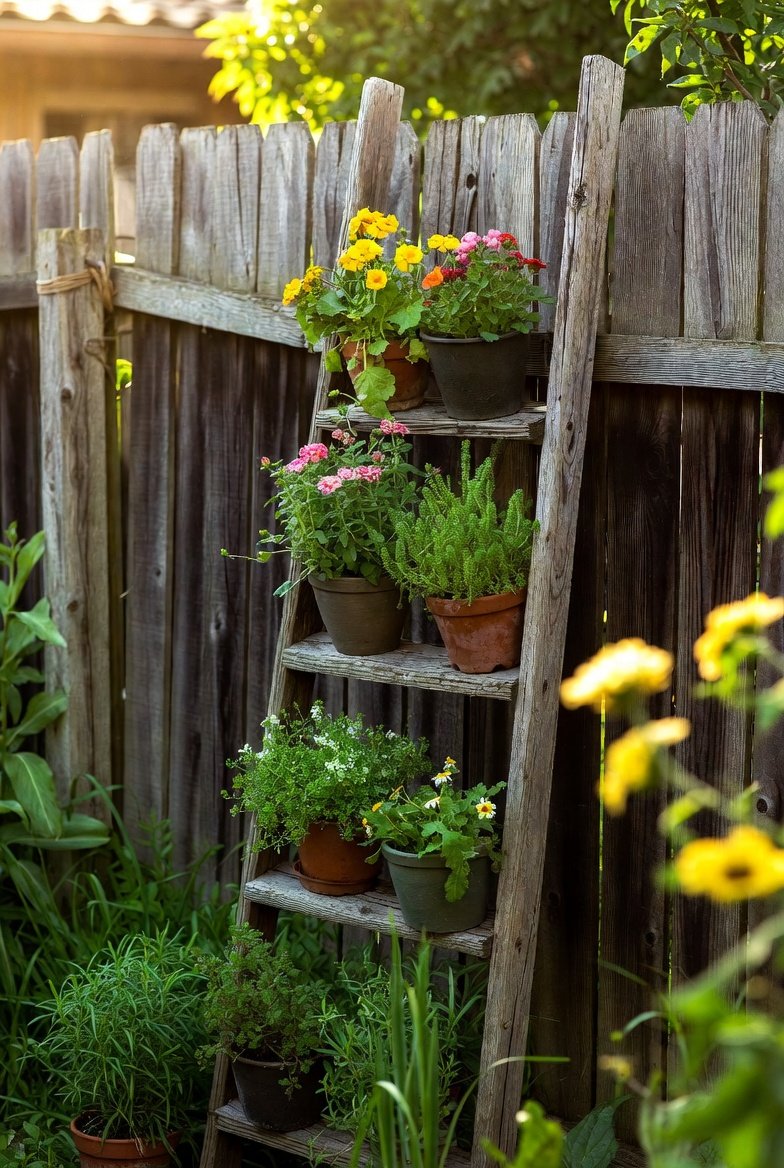
If you’re short on ground space (or just want more visual height), an old wooden ladder — the kind gathering dust in a garage or found at a yard sale for a few dollars — makes a stunning tiered planter.
Lean it against a fence, add small pots or hanging baskets to each rung, and fill with herbs, trailing plants, or annual flowers. It’s one of the most Pinterest-favorite budget garden hacks for a reason: it’s visually striking and costs almost nothing if you already have the ladder.
- Best for: herbs, succulents, strawberries, trailing petunias
- Cost: $0-15 if you source the ladder secondhand
[Image placement: A wooden ladder leaning against a fence with terracotta pots of herbs on each rung. Alt text: “DIY vertical ladder planter idea for a budget backyard garden.”]
4. Propagate Plants Instead of Buying Them
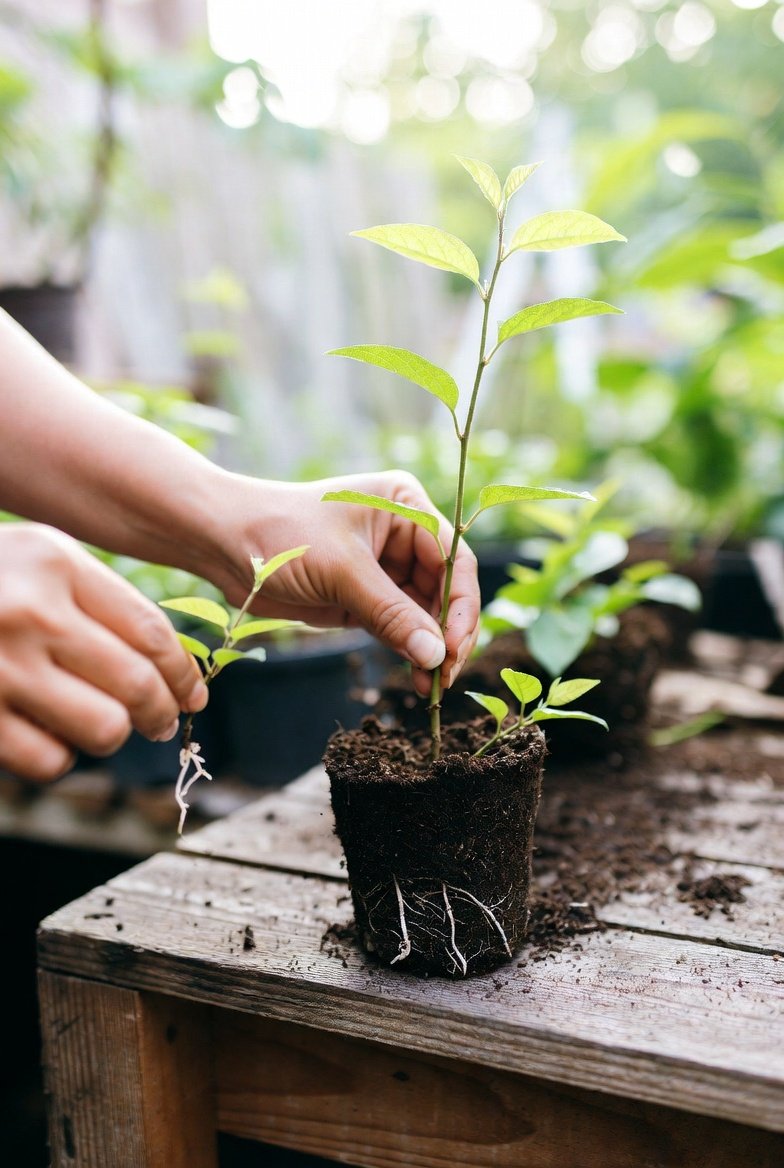
Here’s a tip most “budget garden” articles skip entirely: you rarely need to buy full-grown plants at all.
Many popular garden plants — pothos, spider plants, succulents, mint, lavender, and even tomatoes — can be propagated for free from a single cutting. Ask a neighbor, friend, or family member if you can snip a few cuttings from their established plants. Most gardeners are thrilled to share.
But there’s a catch: propagation takes patience. If you need instant impact for a specific event, mix a few purchased plants with propagated ones so your garden still looks full right away while the free cuttings catch up.
Read Also: Green Nest Hubs
5. Source Free Mulch From Local Tree Services
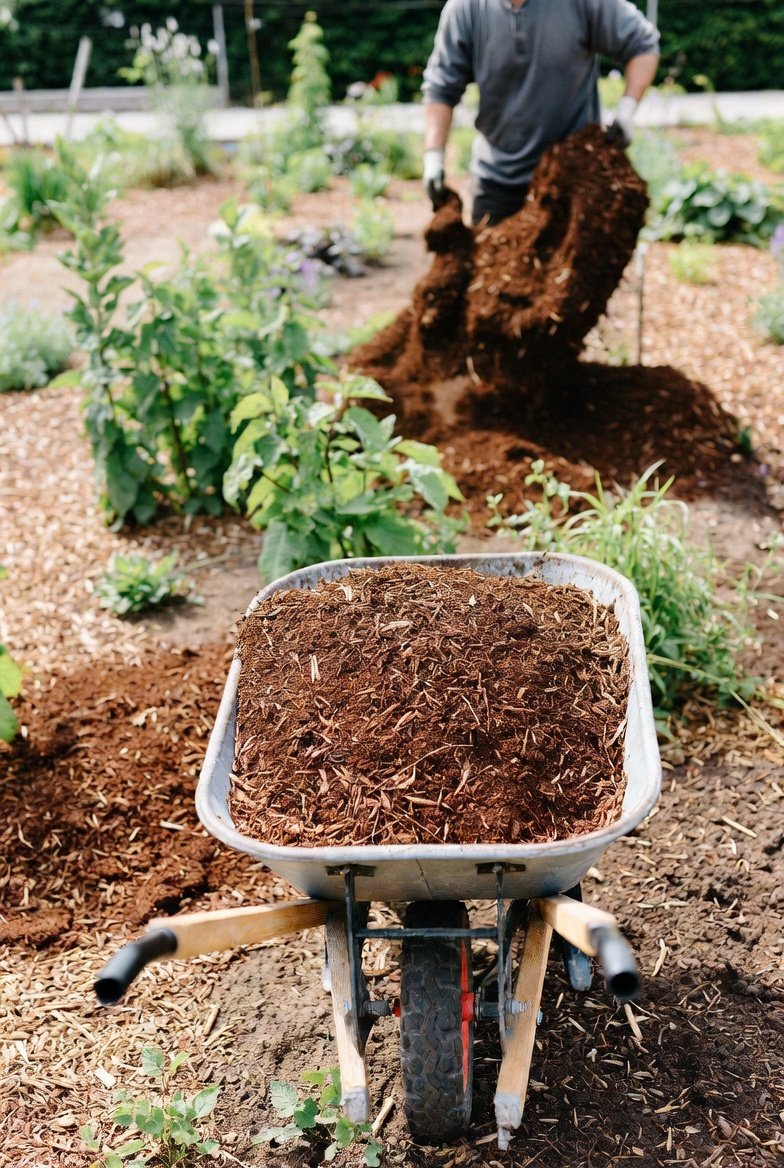
Mulch instantly makes garden beds look tidy and finished, but bagged mulch from a garden center adds up fast if you have more than a small bed.
Local tree-trimming and arborist companies often give away wood chips for free — they’d otherwise pay to dispose of them. A quick search or phone call to nearby tree services can get a full truckload delivered to your driveway at no cost.
- Spread 2-3 inches around beds and pathways
- Keep mulch a few inches away from plant stems and tree trunks
- Refresh once a year for the neatest look
6. Repurpose Containers You Already Own
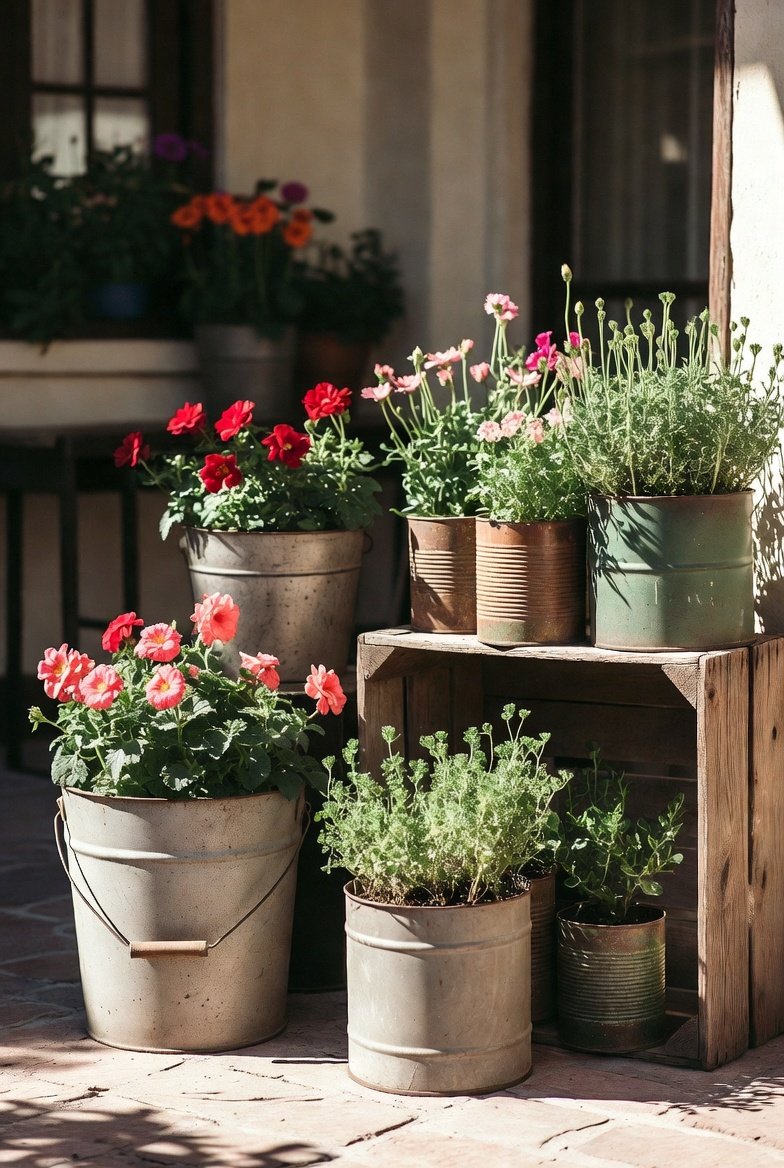
Before buying a single new planter, do a “container audit” around your house: old buckets, chipped teapots, wooden crates, tin cans, even worn-out boots can all become charming plant containers with a drainage hole drilled in the bottom.
This is a save-worthy tip on its own: grouping 3-5 mismatched-but-coordinated containers (same color family, different shapes) creates a curated, collected-over-time look that’s genuinely hard to fake with store-bought matching planters.
[Image placement: A grouped vignette of repurposed containers — a galvanized bucket, wooden crate, and vintage tin — each planted with flowers. Alt text: “Repurposed container garden ideas for a budget-friendly backyard.”]
7. Lay a Gravel Path Instead of Pavers
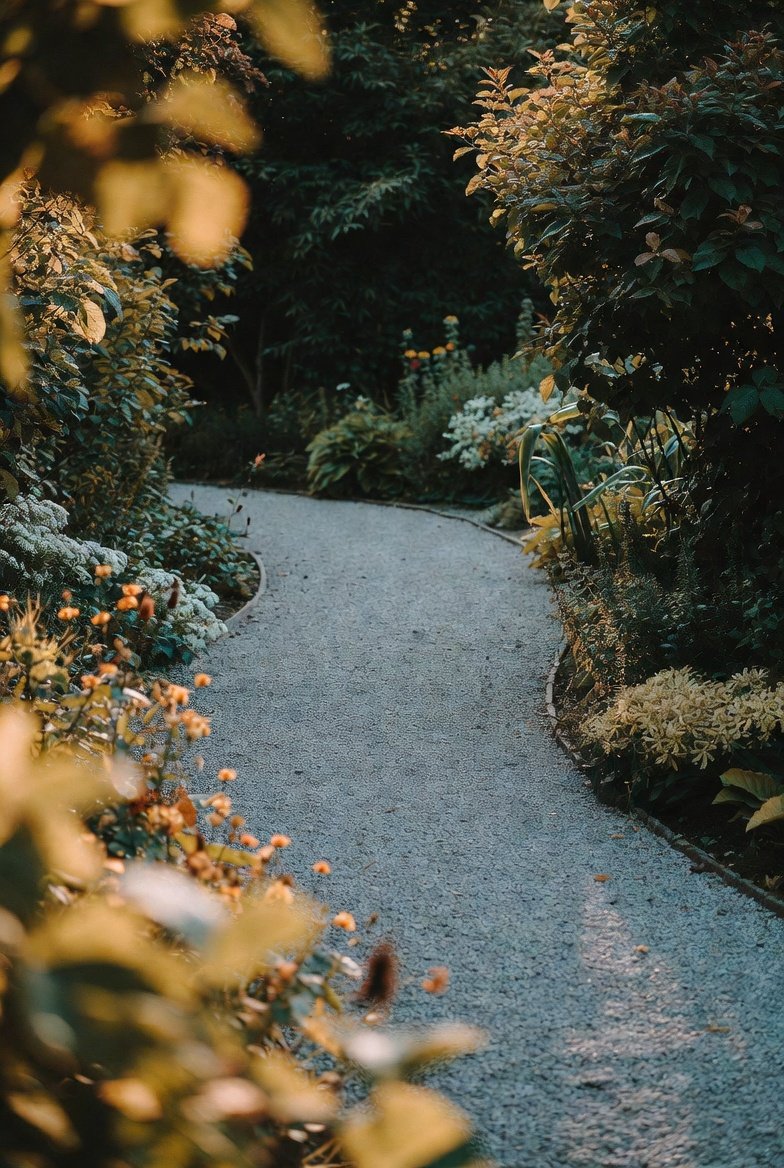
Stone or brick pavers look beautiful, but they’re one of the priciest hardscaping choices. Pea gravel achieves a similar finished, intentional look for a fraction of the price.
To DIY it: roll out landscape fabric to block weeds, secure it with garden staples, then spread a layer of pea gravel 2-3 inches deep. Buying gravel in bulk from a local landscape supplier — rather than in small bags from a hardware store — cuts the cost dramatically, and most suppliers deliver.
Edge the path with reclaimed brick, leftover pavers, or even upcycled wine bottles buried neck-down for a cottage-garden touch.
8. Grow From Seed, Not Starter Plants
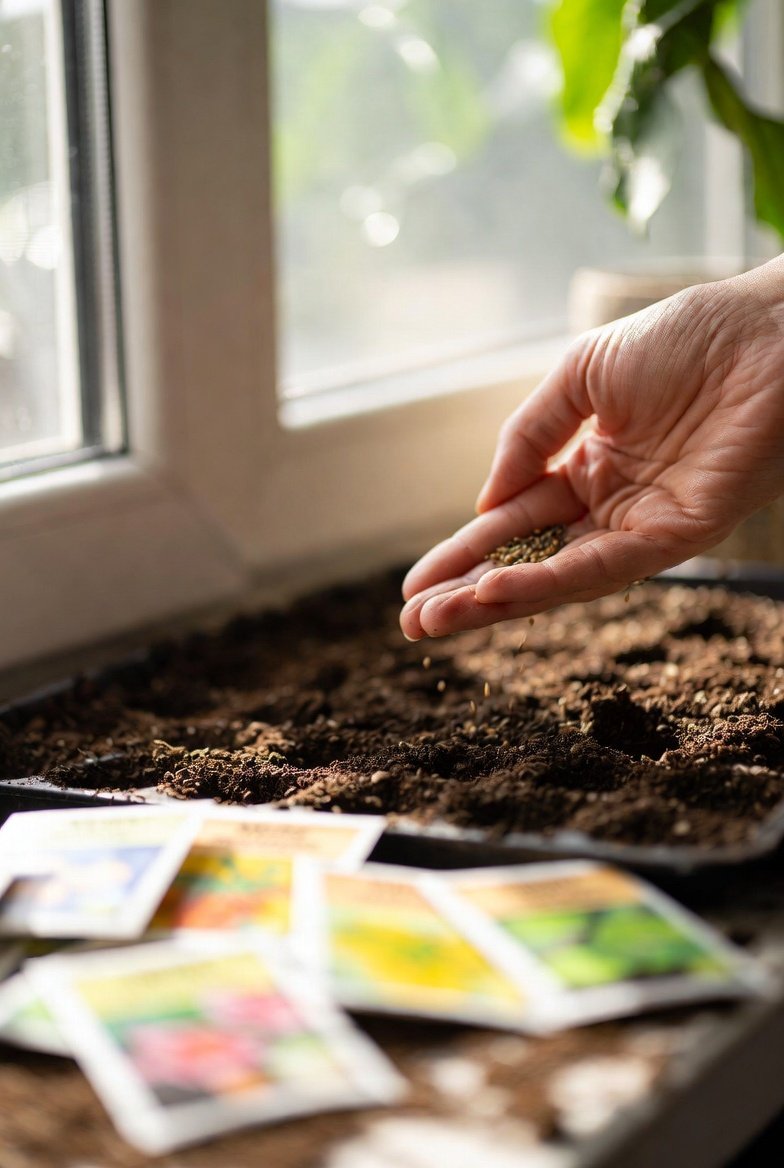
Starter plants (called “starts”) from a nursery are convenient, but they can cost 5-10 times more per plant than growing the same variety from seed.
For budget backyard gardens, prioritize seeds for:
- Sunflowers and zinnias (fast, dramatic color)
- Basil, cilantro, and other herbs
- Beans, peas, and other quick-germinating vegetables
Save-worthy tip: Start seeds indoors in repurposed egg cartons or yogurt containers a few weeks before your last frost date, and you’ll have transplant-ready seedlings for pennies each.
9. Build a DIY Trellis From Fallen Branches
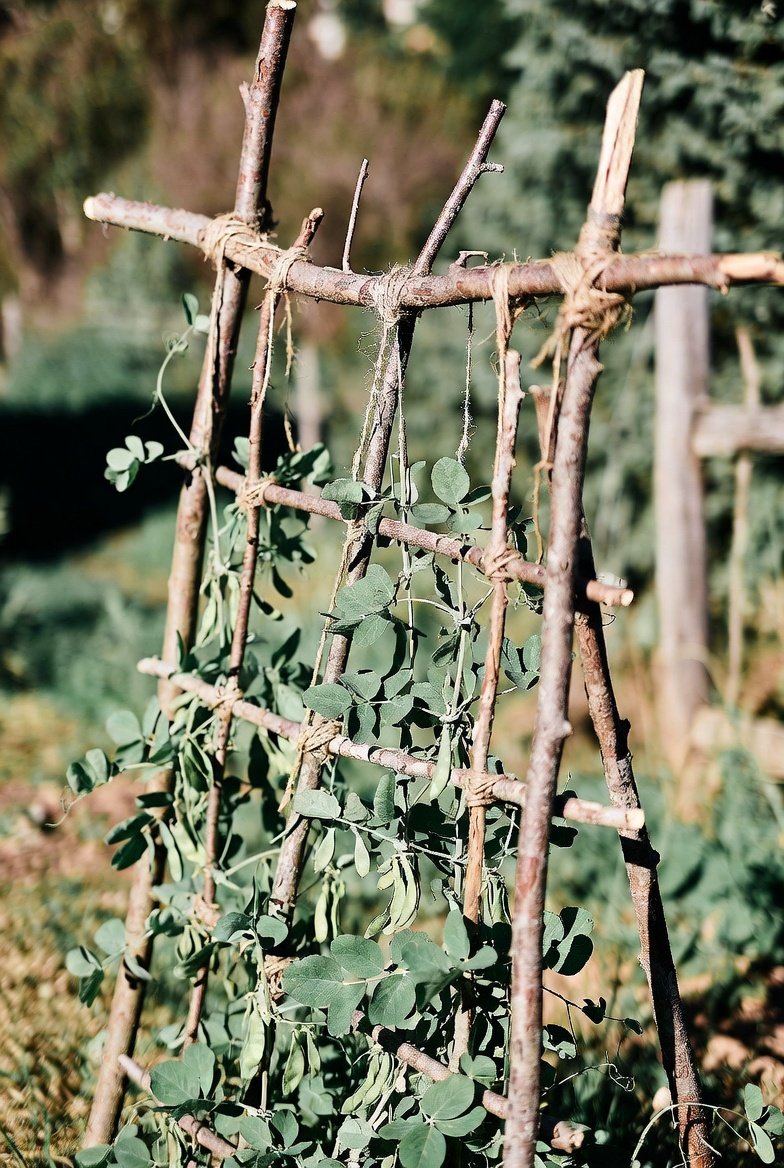
If you have climbing plants — peas, beans, morning glories, or clematis — skip the store-bought trellis entirely. Fallen branches, bamboo stakes, or even leftover tomato cages lashed together with twine create a rustic, natural-looking support structure that costs nothing but a little time.
This is also one of the most photogenic ideas on this list — a woven branch trellis covered in blooming vines is exactly the kind of image that performs well when saved and shared.
[Image placement: A rustic branch trellis covered in climbing flowering vines against a garden bed. Alt text: “DIY branch trellis idea for climbing plants in a budget backyard garden.”]
10. Add Solar Lights for Evening Ambiance
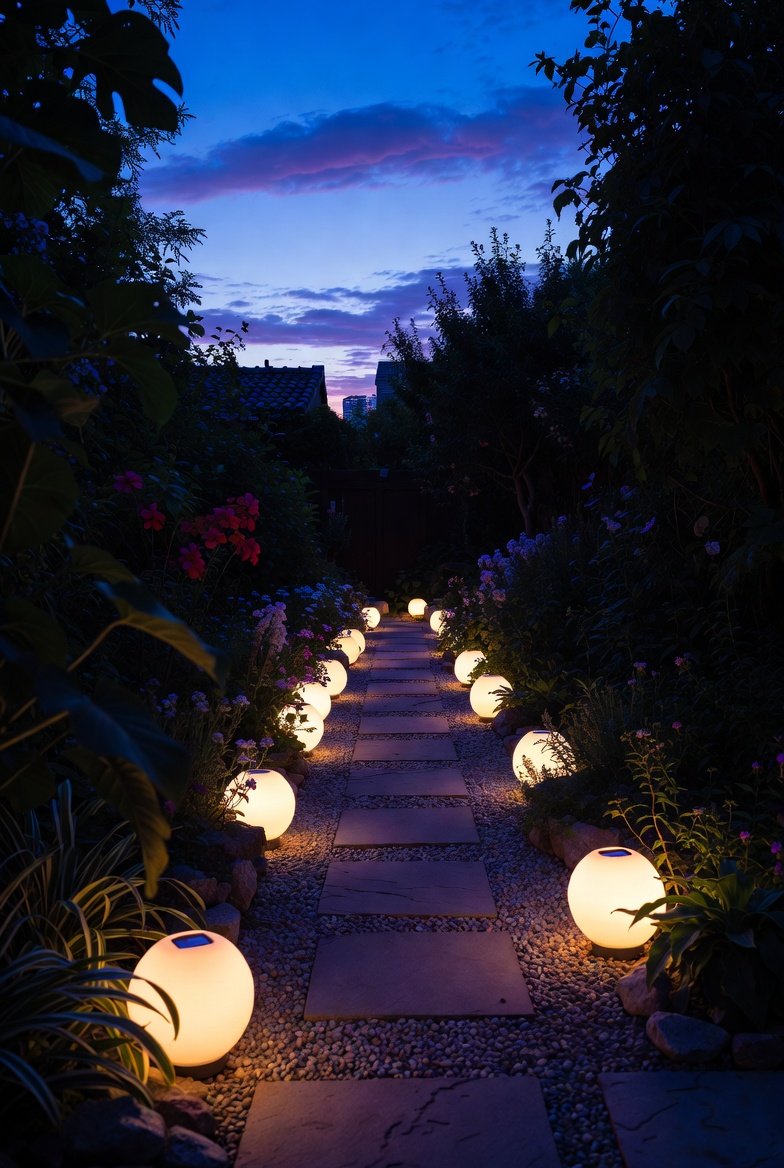
Nothing changes the feel of a backyard after sunset like lighting — and solar options mean you get that upgrade without touching your electric bill or hiring an electrician.
Budget-friendly lighting options include:
- Solar string lights woven through a pergola or fence line
- Solar path lights lining a walkway
- Solar lanterns clustered on a table or ledge
Bucket brigade moment: So what’s the catch with solar lights? Cheap models can fade fast in direct sun. Spend slightly more on a mid-range brand with replaceable batteries, and they’ll last several seasons instead of one.
11. Build a Fire Pit From Reclaimed Bricks or Pavers
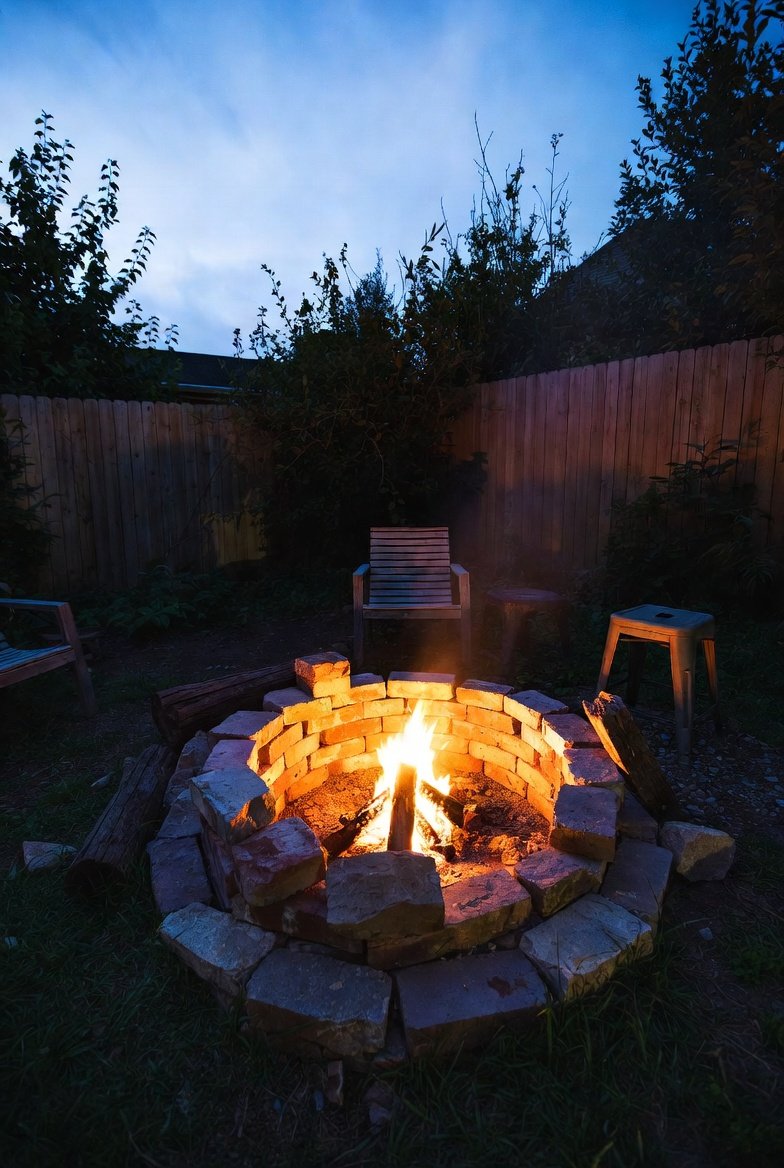
A fire pit instantly turns a yard into a gathering space, and a simple DIY version can be built in an afternoon using reclaimed bricks, concrete blocks, or leftover pavers stacked in a circle.
Check with local demolition sites, construction companies, or online marketplace listings for free or heavily discounted brick and block — it’s one of the most commonly given-away materials because it’s heavy and expensive to haul away.
Always check local fire codes and keep a clear buffer zone from structures, fences, and overhanging branches.
12. Swap High-Maintenance Grass for Ground Cover
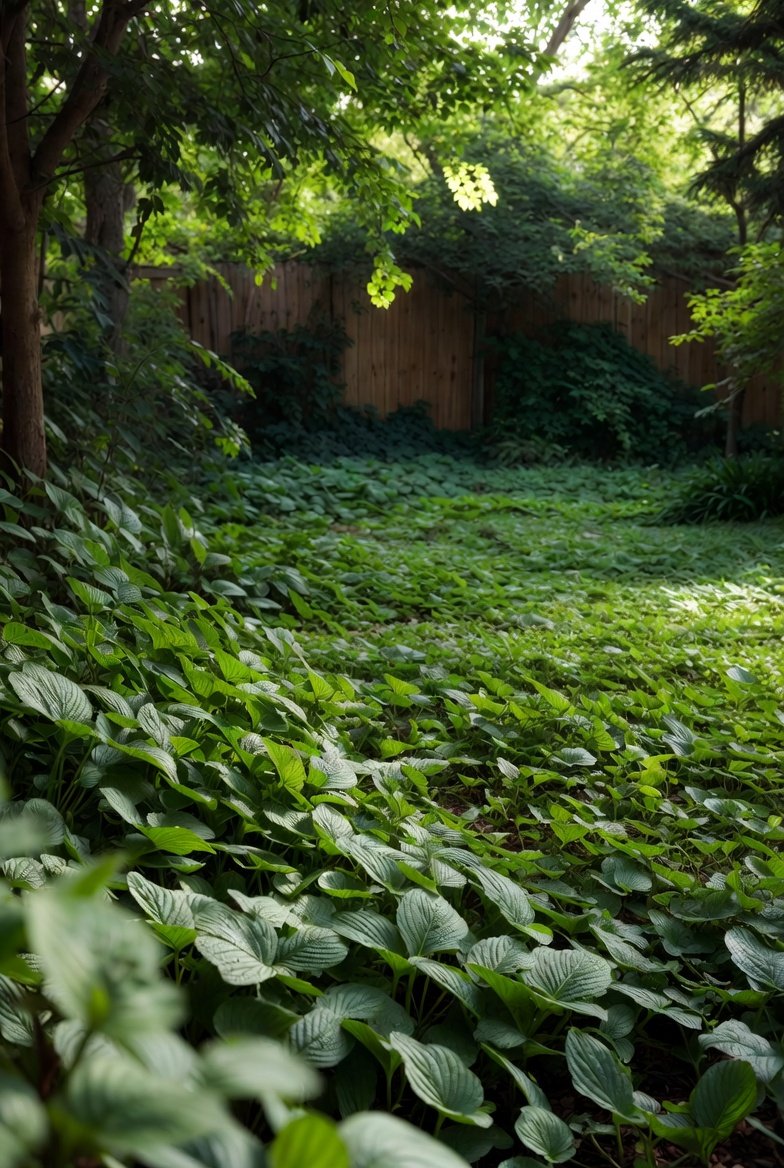
Lawn care — water, fertilizer, mowing — is one of the most expensive ongoing costs in a backyard. Replacing struggling or high-traffic lawn sections with low-cost ground cover plants (creeping thyme, clover, or sedum, depending on your climate) cuts long-term costs while adding texture and even fragrance.
Many ground covers spread on their own, meaning a small initial investment fills in over a season or two at no extra cost.
13. Build a Compost Bin for Free Fertilizer
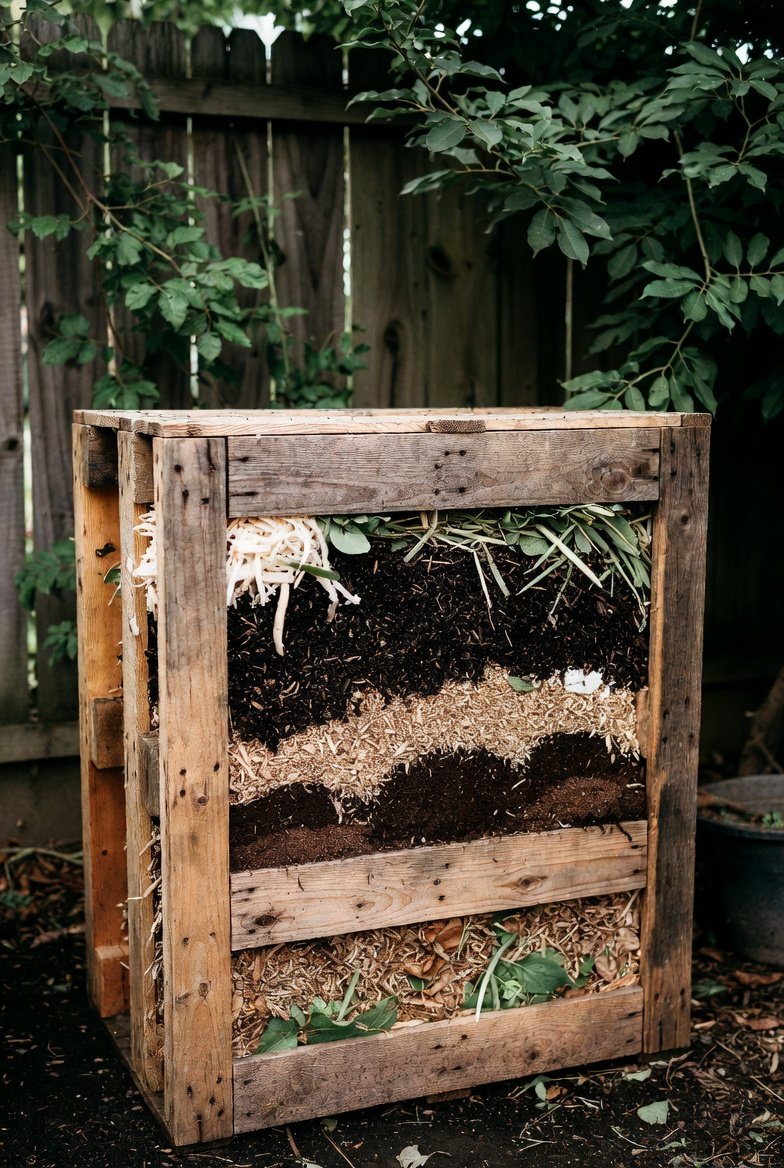
Store-bought fertilizer and soil amendments are an easy budget-buster. A basic compost bin — built from wooden pallets, a repurposed trash can with drilled holes, or simple wire fencing formed into a cylinder — turns kitchen scraps and yard waste into free, high-quality fertilizer.
Composting also reduces what you send to the curb, which is a nice side benefit if reducing waste matters to you.
[Image placement: A simple pallet-built compost bin in a corner of a backyard garden. Alt text: “DIY pallet compost bin idea for a low-cost backyard garden.”]
14. Host (or Join) a Plant Swap
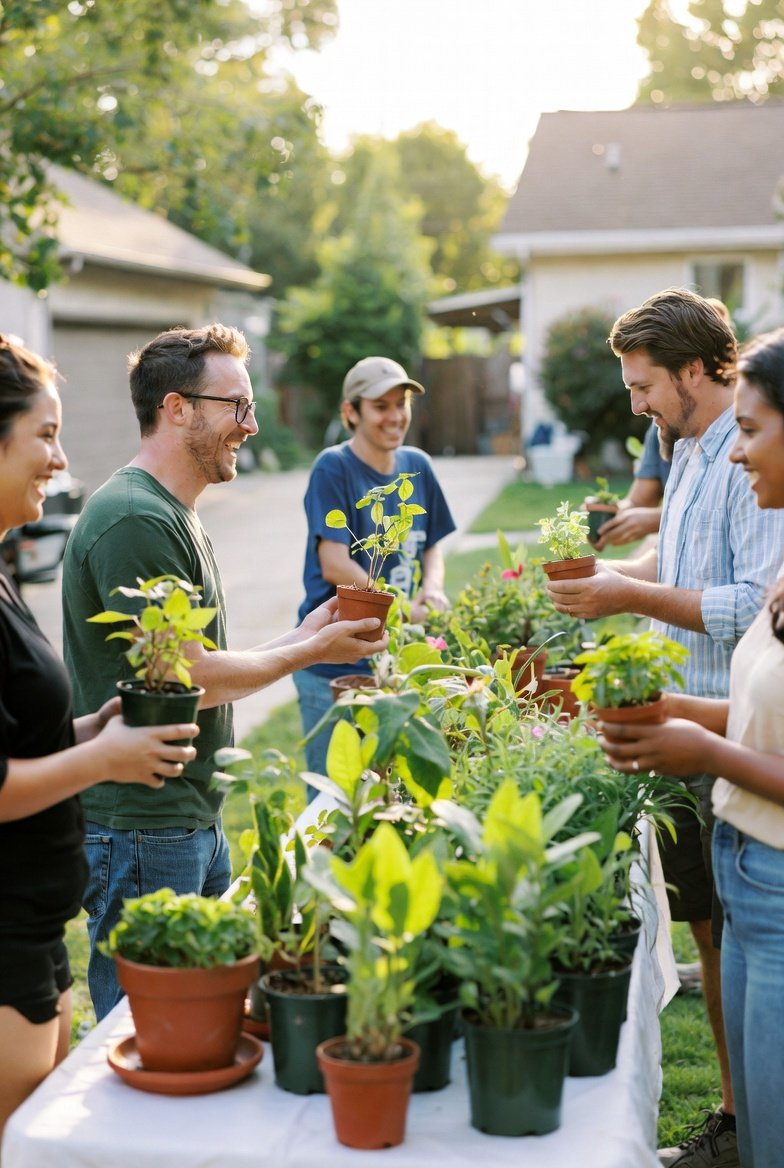
One of the most overlooked budget garden ideas isn’t a project at all — it’s a habit. Local plant swaps, community garden groups, and neighborhood social media pages are full of gardeners with more divisions, cuttings, and seedlings than they know what to do with.
Bringing a few of your own extra plants to trade means you can fill out an entire garden bed without spending anything beyond a bit of time and gas money.
15. Add a Simple Water Feature From a Repurposed Barrel
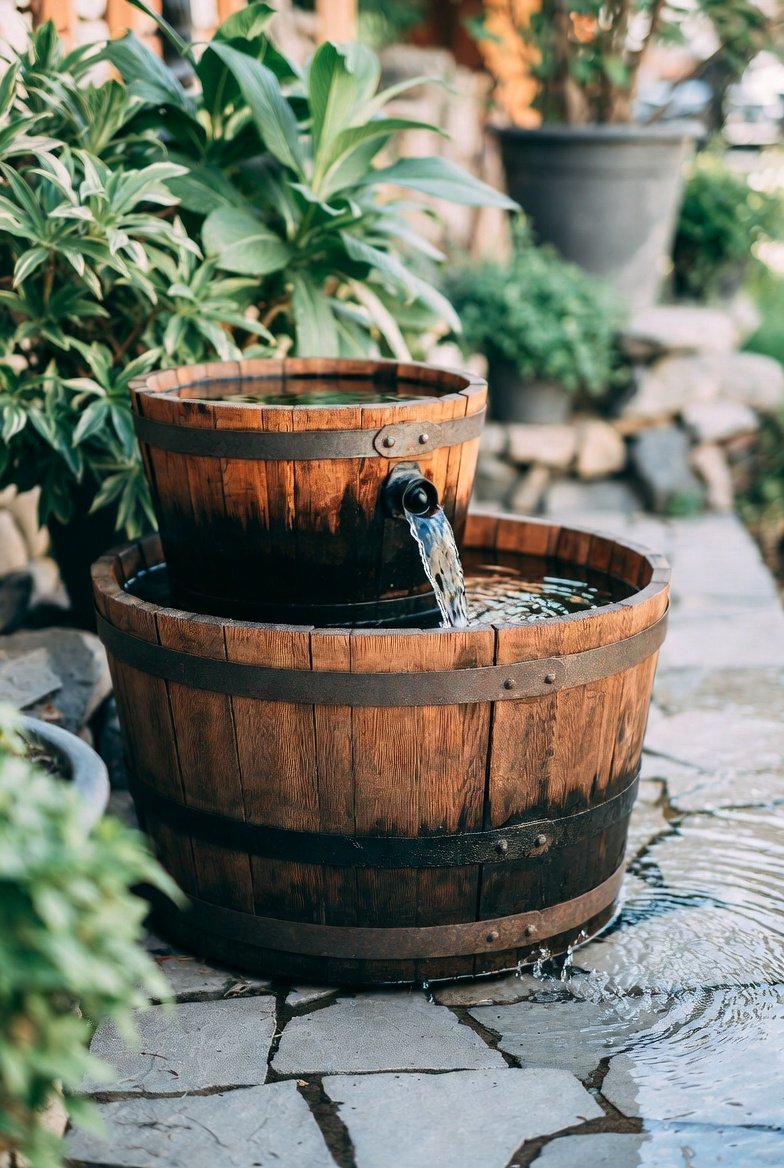
Water features are usually one of the priciest backyard upgrades — unless you build one from a repurposed half-barrel, ceramic pot, or galvanized tub fitted with an inexpensive submersible pump.
The sound of moving water adds a surprisingly high-end feel for a relatively small investment, and a barrel water feature doubles as a small habitat for pollinators if you add a few aquatic or marginal plants.
Quick recap of the fastest wins if you only try three: raised beds from reclaimed wood, free mulch from a tree service, and propagated plants from friends. Those three alone can transform a bare backyard for well under $100.
Frequently Asked Questions
How much does it cost to start a budget backyard garden?
Many of the ideas above — propagating plants, sourcing free mulch, repurposing containers — can be done for under $50 total. A more ambitious project involving raised beds and a small hardscape update typically lands between $150-$400, still far below a professionally landscaped yard.
What’s the cheapest way to add color to a backyard on a budget?
Fast-growing annual flowers grown from seed, such as zinnias, cosmos, and sunflowers, deliver the most color per dollar and often bloom within 6-8 weeks of planting.
Can a small backyard look expensive without a big budget?
Yes. Vertical elements (ladders, trellises, hanging planters), grouped containers, and clean edging create the illusion of an intentionally designed space, regardless of yard size or total spend.
What backyard upgrades give the best return for the least money?
Mulch, a clean gravel path, and consistent plant grouping (rather than scattered single plants) tend to have the biggest visual impact relative to their low cost.
Final Thoughts
A beautiful backyard doesn’t come from a big budget — it comes from a handful of smart, intentional choices repeated consistently. Start with one or two ideas from this list this weekend, whether that’s a reclaimed-wood raised bed or a truckload of free mulch, and build from there.

