
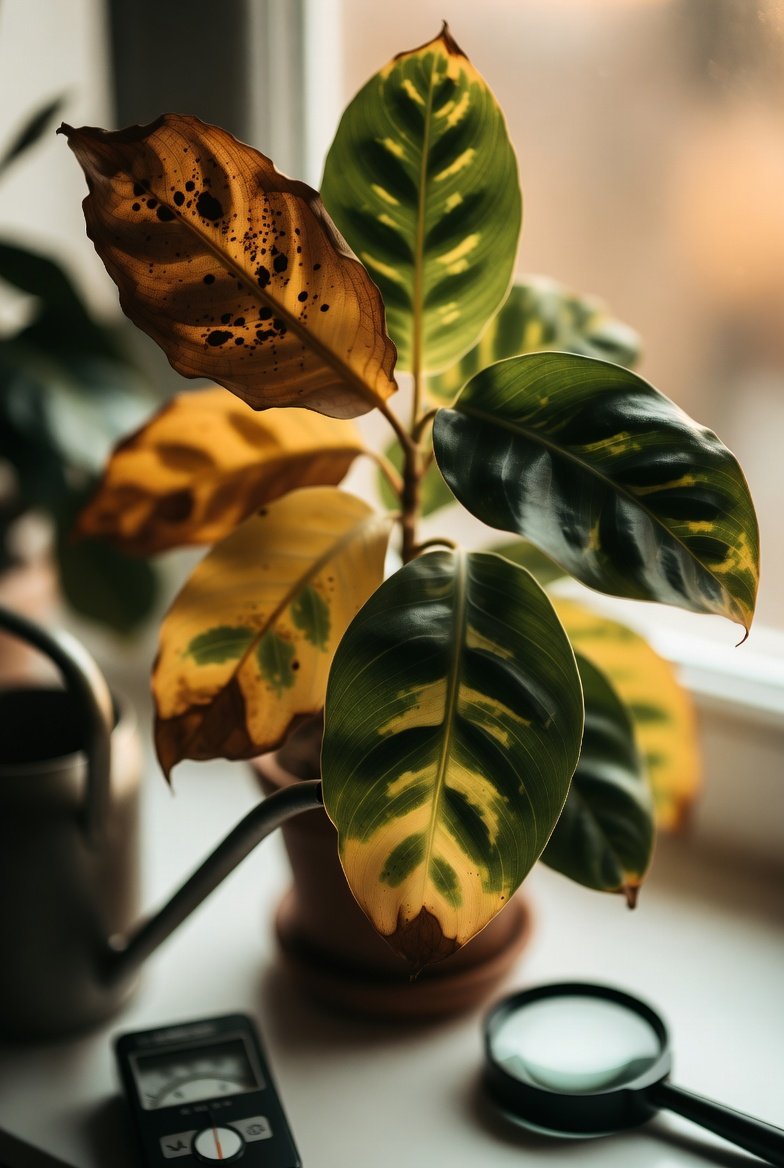
You walk past your plant shelf and there it is a single yellow leaf staring back at you. By tomorrow, it’s two. By next week, you’re googling in a mild panic, because nobody warned you that “yellow leaves” could mean sixteen completely different things.
Here’s the relief: yellow leaves are almost never a mystery once you know what to look for. The color is a symptom, not a diagnosis and the pattern of that yellowing (which leaves, how they feel, how fast it’s spreading) points straight to the cause.
This guide breaks down every major reason your houseplant’s leaves turn yellow, organized so you can go straight to your plant’s specific symptoms and get a fix today not after three weeks of guessing.
Save this now. You’ll be back here the next time a new leaf starts to fade.
Quick Diagnosis: Match the Pattern to the Cause
Before you scroll through every cause below, use this fast pattern check it narrows things down in seconds:
- Oldest, lowest leaves yellowing first, feel soft or mushy → likely overwatering or root rot
- Leaves yellow, then turn crispy and curl, soil bone-dry → likely underwatering
- New growth yellow, veins stay green → likely iron or nutrient deficiency
- Yellow patches or bleached spots on the sun-facing side → likely too much direct light
- Yellowing starts low and the plant looks generally pale or leggy → likely too little light
- Sticky residue, tiny webbing, or visible bugs → likely a pest issue
- One or two old leaves yellow per month, rest of plant looks healthy → likely natural aging, not a problem at all
Keep that mental map handy as you read through the causes below it will save you from treating the wrong problem.
Watering-Related Causes
Watering mistakes cause the majority of yellow-leaf cases, and they sit at opposite ends of the same spectrum.
1. Overwatering
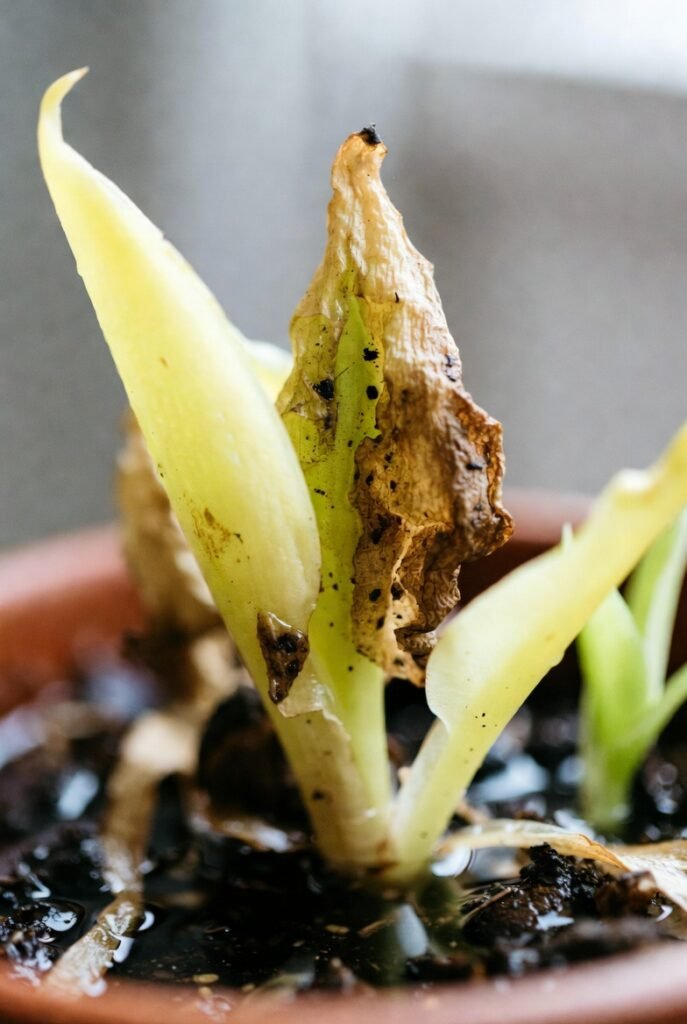
This is the single most common cause of yellow leaves. When soil stays wet too long, roots sit in oxygen-starved conditions, begin to suffocate, and lose their ability to take up nutrients the plant responds by yellowing its oldest, lowest leaves first, and they often feel soft or fall off with a light tug.
Fix: Let the top 1-2 inches of soil dry out fully before watering again. Confirm your pot actually has drainage holes, and empty any saucer within 20 minutes of watering so roots never sit in standing water.
2. Underwatering
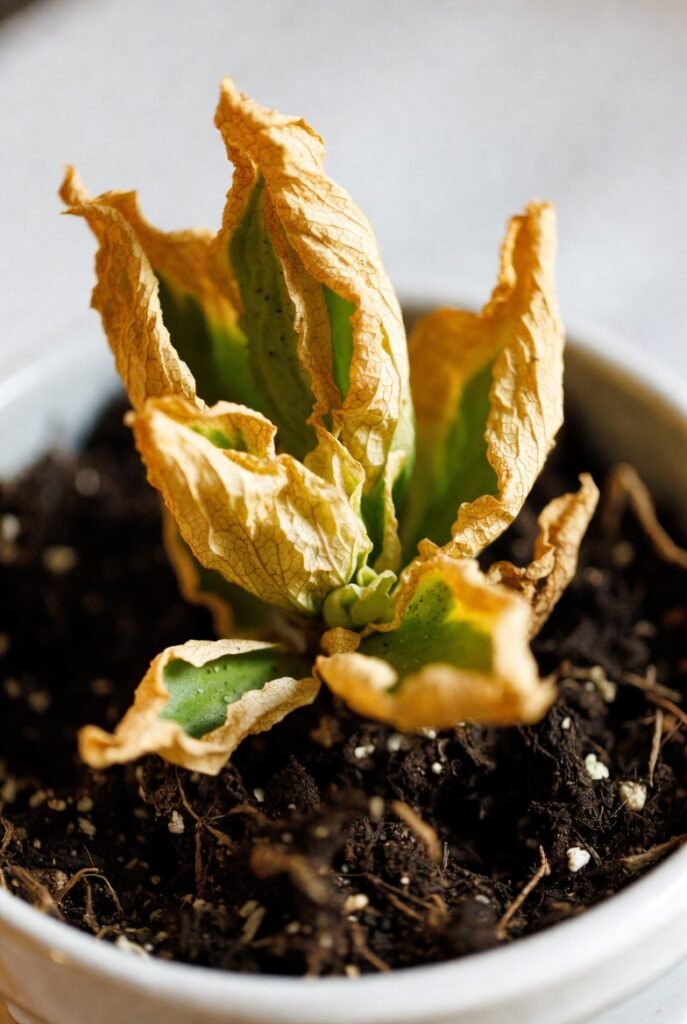
Without enough moisture, a plant can’t transport the nutrients it needs to keep producing chlorophyll the pigment that keeps leaves green. Leaves yellow, then dry out and crisp from the edges inward, and the soil pulls visibly away from the pot’s sides.
Fix: Bottom-water by setting the pot in a shallow tray of water for 15-20 minutes, then return to a more consistent watering rhythm check soil moisture every few days rather than on a rigid schedule.
3. Watering With Cold Water
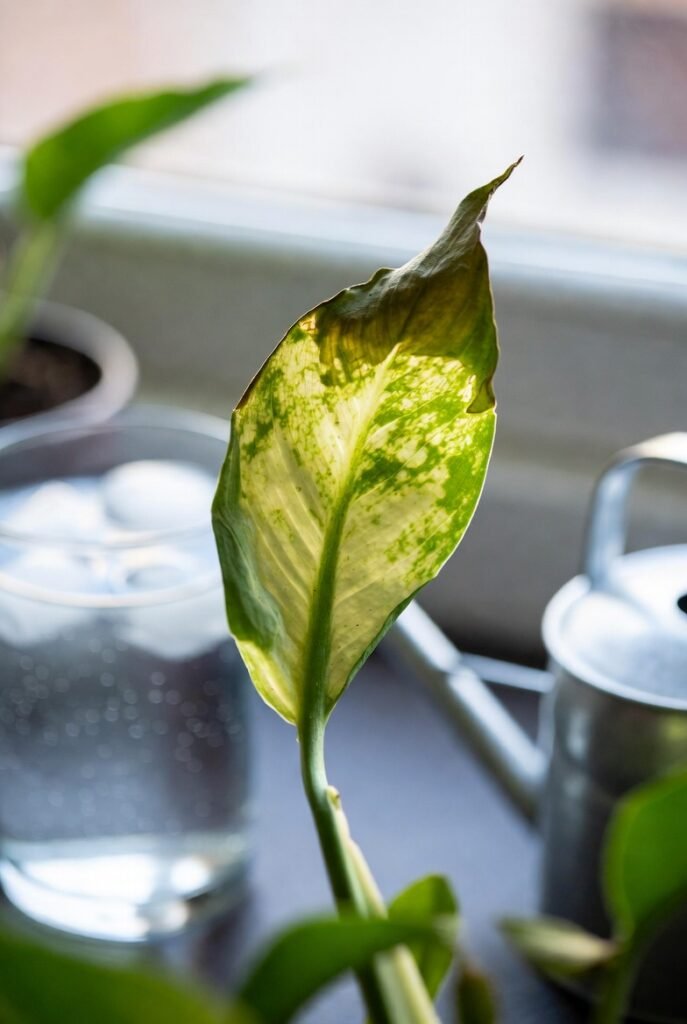
Cold water straight from the tap can shock root systems, particularly in tropical houseplants used to warm, humid environments. The stress response often shows up as yellowing on newer leaves within days of a cold watering.
Fix: Let water sit out until it reaches room temperature before using it, especially in winter when tap water runs colder.
4. Poor Drainage or a Waterlogged Pot
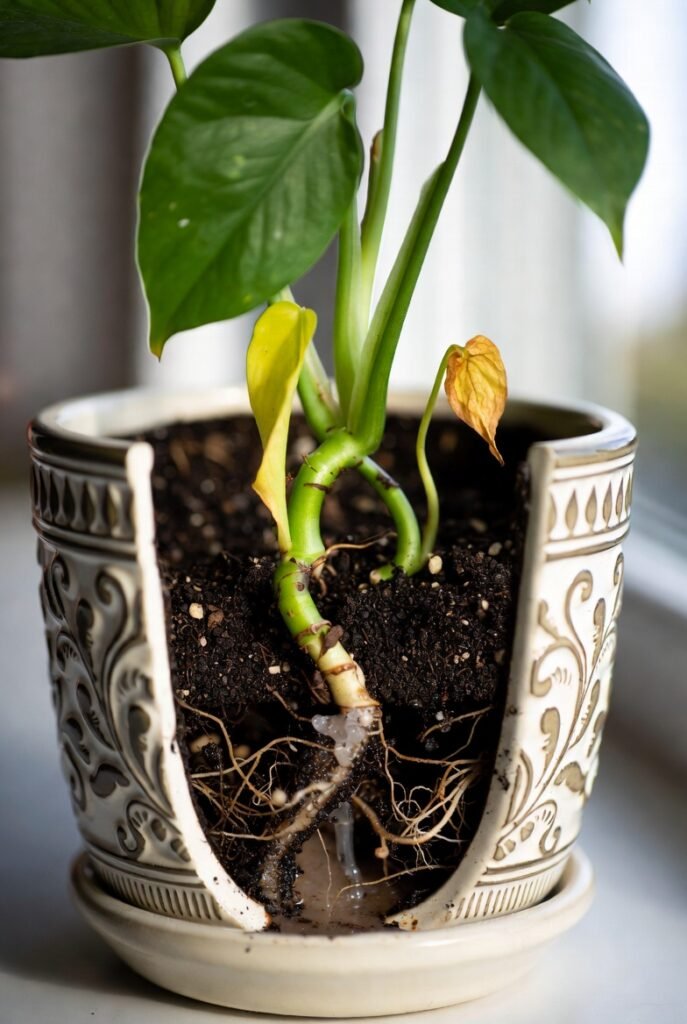
Even correct watering habits fail if water has nowhere to go. A pot without drainage holes, or soil so compacted that water can’t pass through, traps moisture at the root zone no matter how carefully you measure your watering.
Fix: Repot into a container with drainage holes and a well-aerated potting mix. If you love a decorative pot without holes, use it as a cachepot and keep the plant in a properly draining nursery pot inside it.
Read Also: Green Nest Hubs
Light-Related Causes
Light problems are easy to miss because the fix often has nothing to do with your watering can at all.
5. Too Little Light
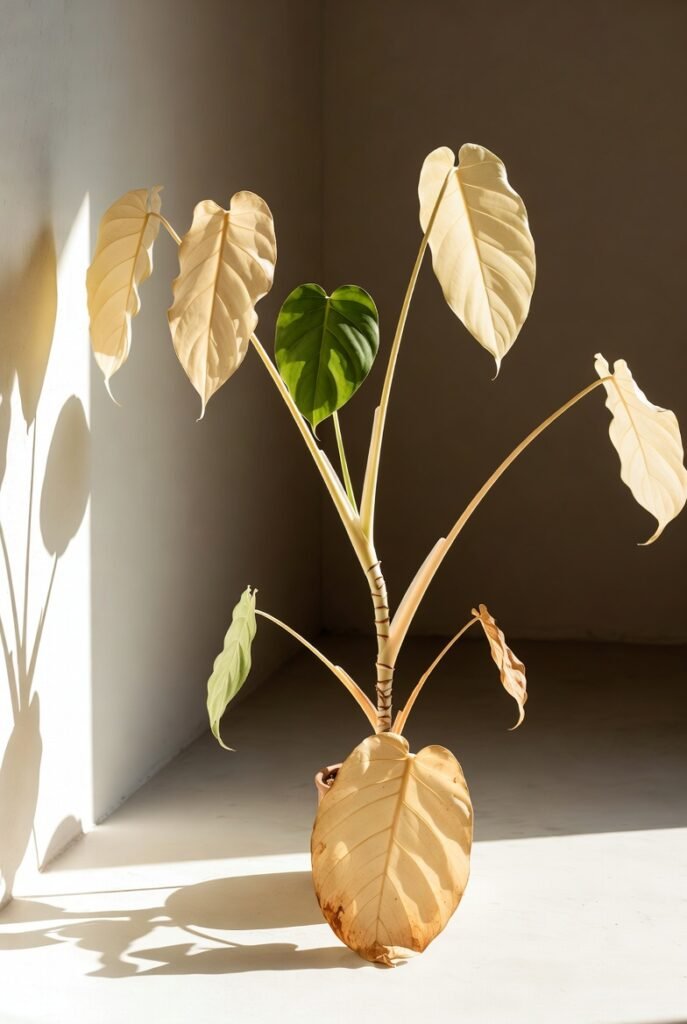
Plants placed too far from a window struggle to photosynthesize efficiently. Because the plant can’t support all its foliage on limited light, it often sacrifices its oldest, lowest leaves first yellowing them and eventually dropping them to conserve energy for new growth.
Fix: Move the plant closer to a bright, indirect light source, or supplement with a grow light during darker months. Rotate the pot weekly so all sides get even exposure.
6. Too Much Direct Light
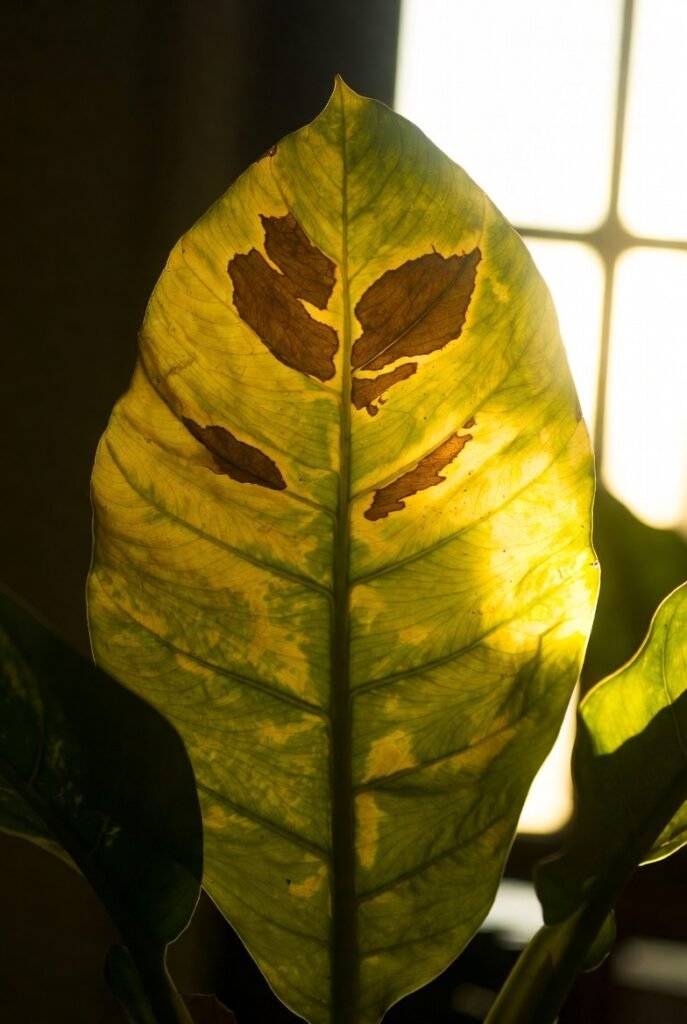
Sudden or intense direct sun can scorch leaf tissue, especially on plants adapted to filtered light in their native habitat. This typically shows as yellow or bleached patches on the sun-facing side of the plant rather than an even, whole-plant yellowing.
Fix: Move the plant a few feet back from direct sun or add a sheer curtain to diffuse intense afternoon light.
7. A Sudden Change in Light Levels
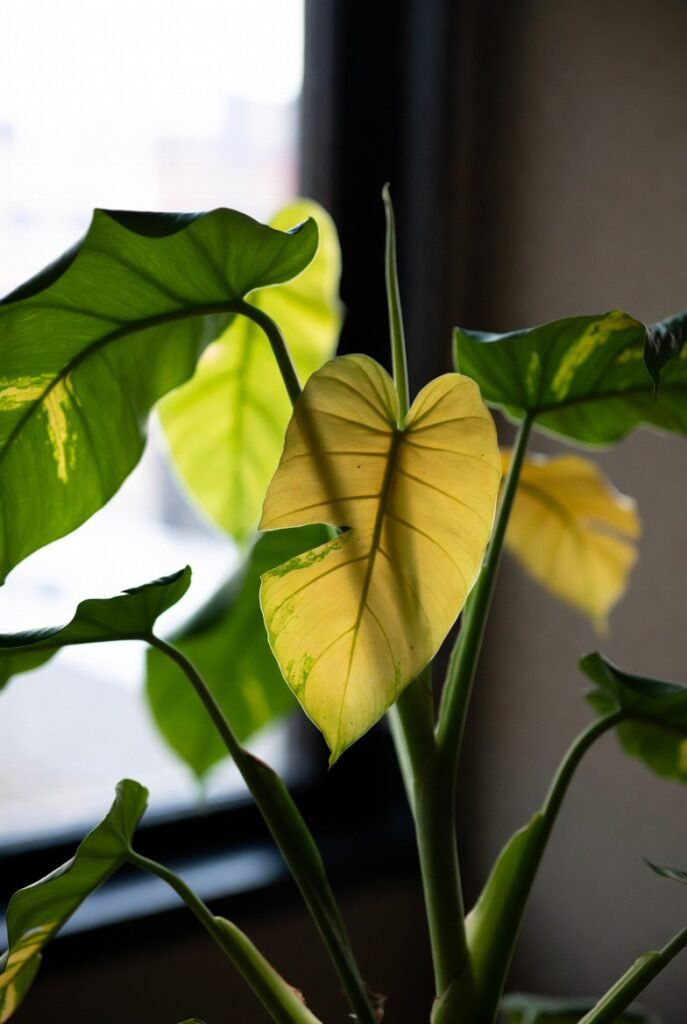
Moving a plant abruptly from a dim spot to a bright window (or vice versa) including right after bringing it home from a nursery can trigger a stress response. Newly acquired plants are especially prone to this kind of “adjustment yellowing” in their first few weeks.
Fix: Transition plants gradually, moving them a little closer to (or further from) a light source every few days rather than making one dramatic change.
Nutrient-Related Causes
Nutrient issues are the ones most plant owners overlook, because they assume yellowing always means a watering problem.
8. Nitrogen Deficiency
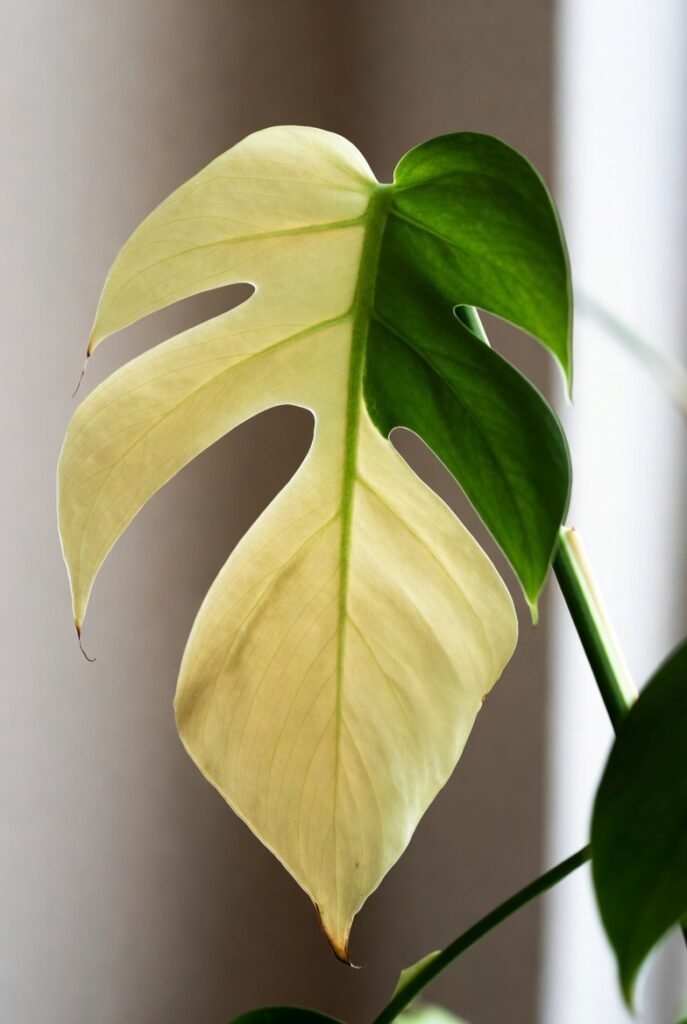
Nitrogen is essential for chlorophyll production. When a plant runs low often in pots that haven’t been fertilized in a long time — older leaves yellow uniformly, starting from the tip and working inward, while the plant’s overall growth slows.
Fix: Feed with a balanced, diluted liquid houseplant fertilizer during the growing season, following label instructions closely.
9. Iron Deficiency (Chlorosis)
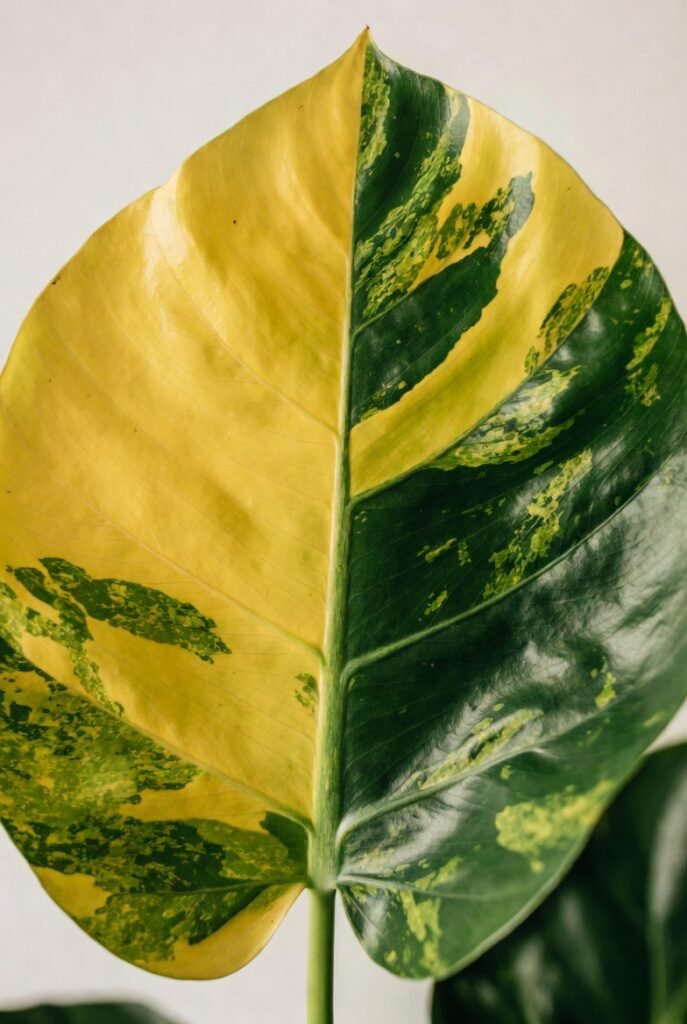
Unlike nitrogen deficiency, iron deficiency shows up on new growth: young leaves turn yellow while their veins stay strikingly green, a pattern called interveinal chlorosis. It’s often triggered by soil pH that’s too alkaline for the plant to absorb iron properly.
Fix: Use a chelated iron supplement formulated for acid-loving houseplants, and check that your soil pH suits the specific plant.
10. Magnesium Deficiency
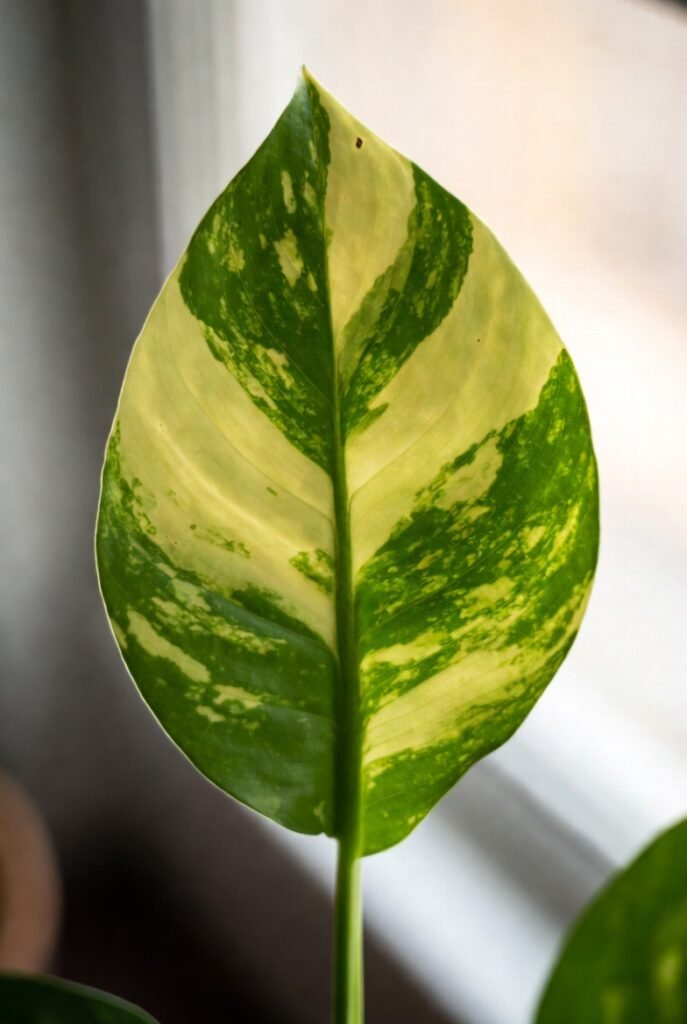
Less common but still worth ruling out, magnesium deficiency also produces interveinal yellowing, typically starting on older leaves rather than new growth the opposite pattern from iron deficiency.
Fix: A diluted Epsom salt solution (used sparingly and only occasionally) or a fertilizer containing magnesium can correct this over a few feeding cycles.
11. Over-Fertilizing (Fertilizer Burn)
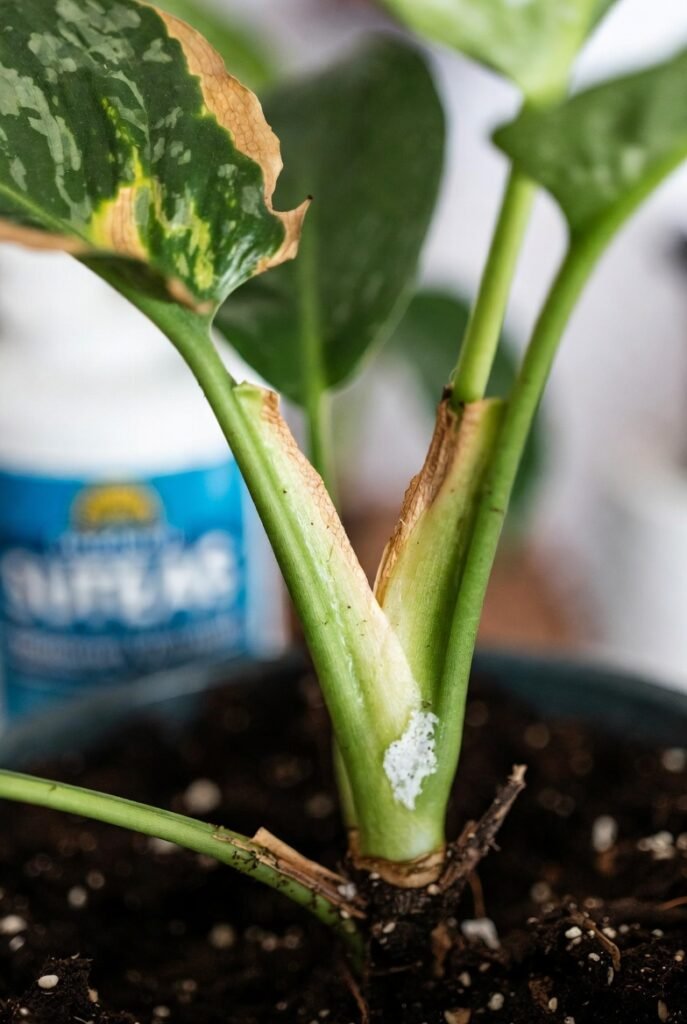
More fertilizer is not better. Excess salts build up in the soil, drawing moisture out of roots rather than into them leaves yellow, sometimes with crisped brown tips or edges, and the soil surface may show a white, crusty mineral buildup.
Fix: Flush the soil thoroughly with plain water to leach out excess salts, and cut back to half-strength fertilizer applied less frequently going forward.
Root & Pot-Related Causes
Sometimes the problem is happening entirely underground, invisible until yellow leaves force you to investigate.
12. Root Rot
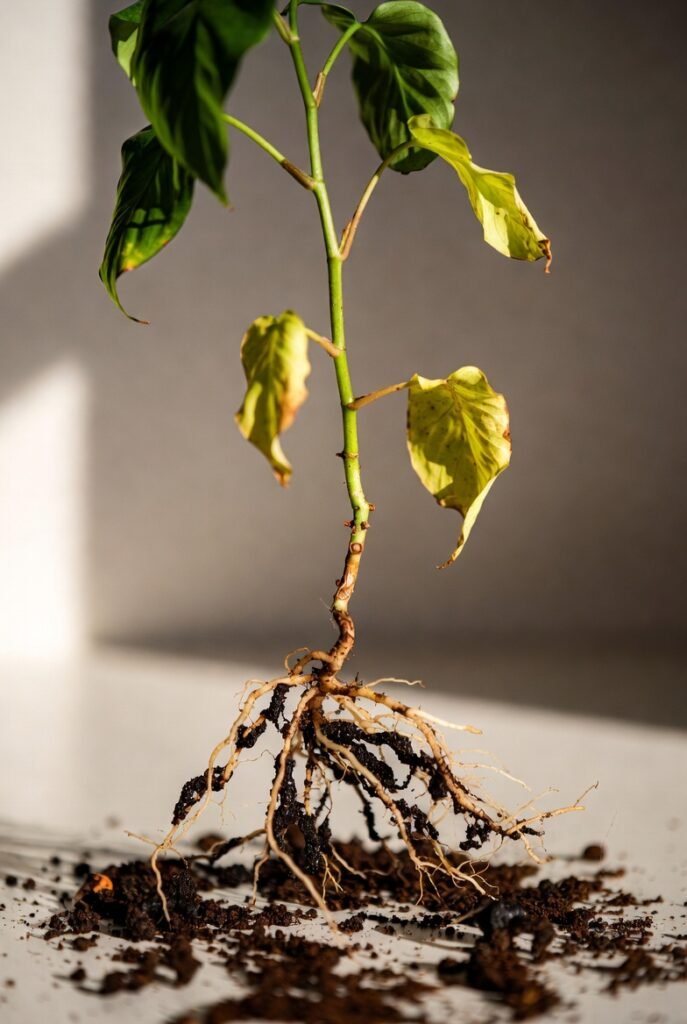
A step beyond simple overwatering, root rot occurs when waterlogged conditions allow fungal pathogens to attack roots directly. Leaves yellow and wilt even though the soil feels wet, and the base of the stem may feel soft or smell sour.
Fix: Remove the plant from its pot, trim away any black or mushy roots with clean scissors, and repot into fresh, dry, well-draining mix. Hold off on watering for about a week to let the remaining roots recover.
13. A Root-Bound Plant
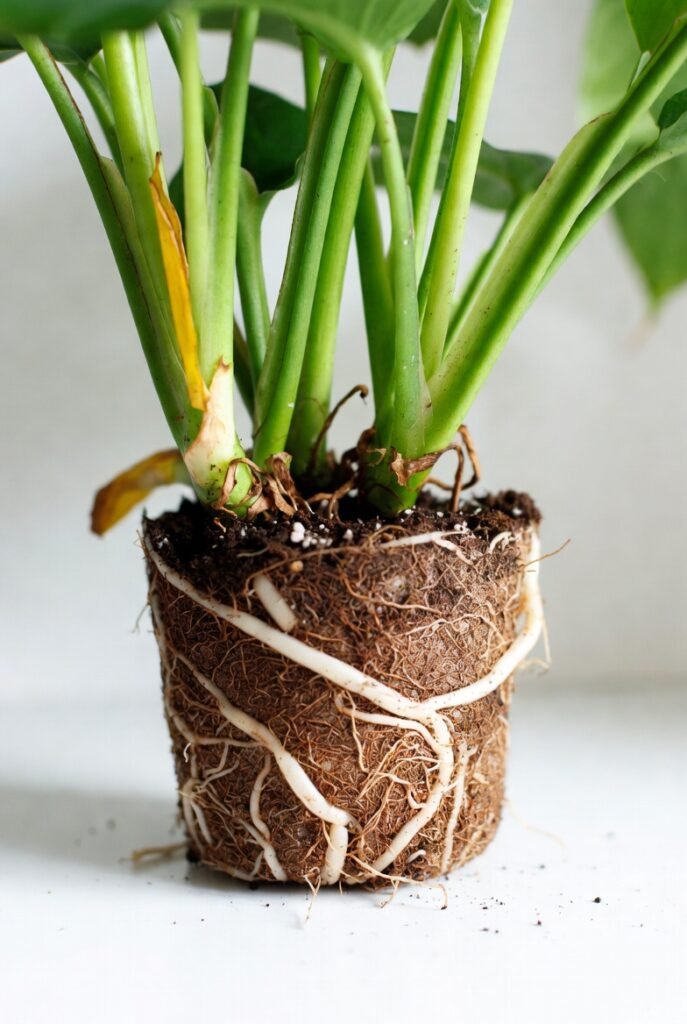
When roots outgrow their pot, they circle tightly and lose the ability to absorb water and nutrients efficiently, even with a perfect watering routine. Yellowing shows up alongside slowed growth and roots visibly emerging from drainage holes.
Fix: Repot into a container one size larger, gently teasing apart circled roots before placing the plant in fresh soil.
14. Transplant Shock
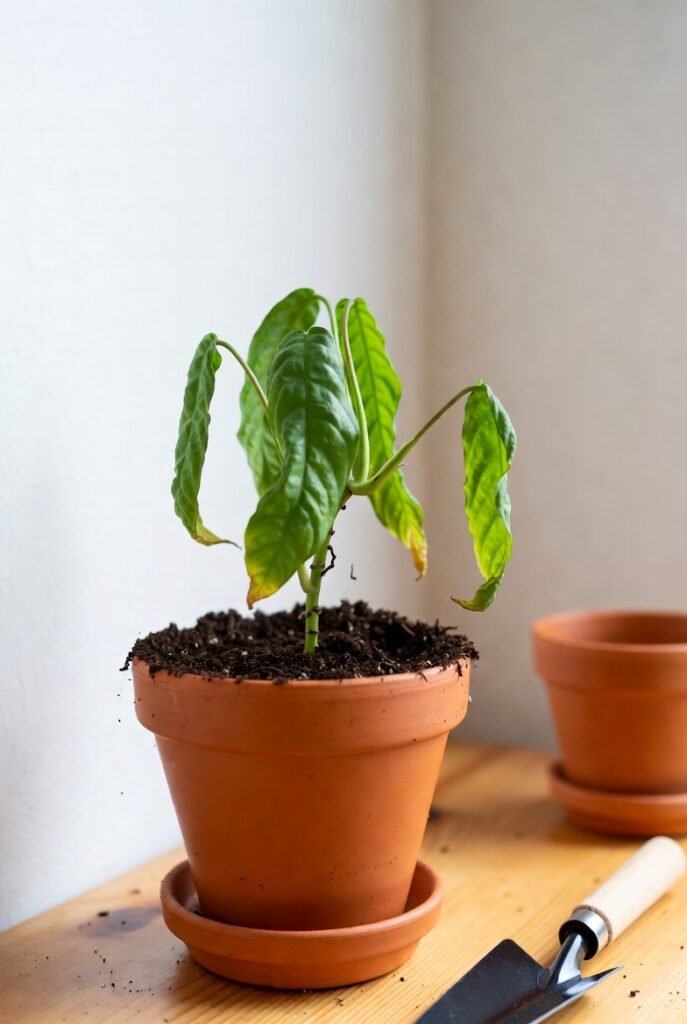
Repotting disturbs roots no matter how careful you are, and many plants respond with temporary yellowing or leaf drop in the days or weeks afterward as they adjust to their new soil and container.
Fix: Keep post-repot care gentle stable light, no fertilizer for several weeks, and consistent (not excessive) moisture — and give the plant a month before judging whether it’s recovering.
Pest & Disease-Related Causes
If watering, light, and nutrients all check out, it’s time to look closely at the leaves themselves.
15. Spider Mites
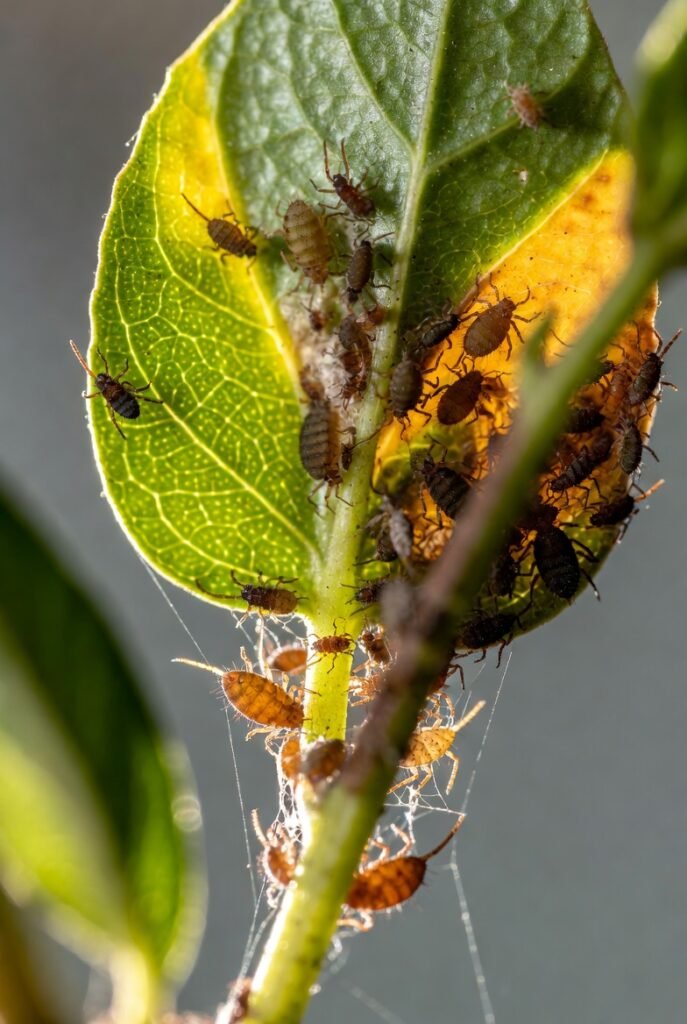
These tiny pests thrive in dry indoor air and feed on leaf tissue from the underside, causing a stippled, pale-yellow speckling across leaves along with fine webbing in severe infestations.
Fix: Isolate the plant immediately, wipe down leaves (top and underside) with a damp cloth, and treat with insecticidal soap or neem oil, repeating every 7-10 days until mites are gone.
16. Mealybugs and Scale
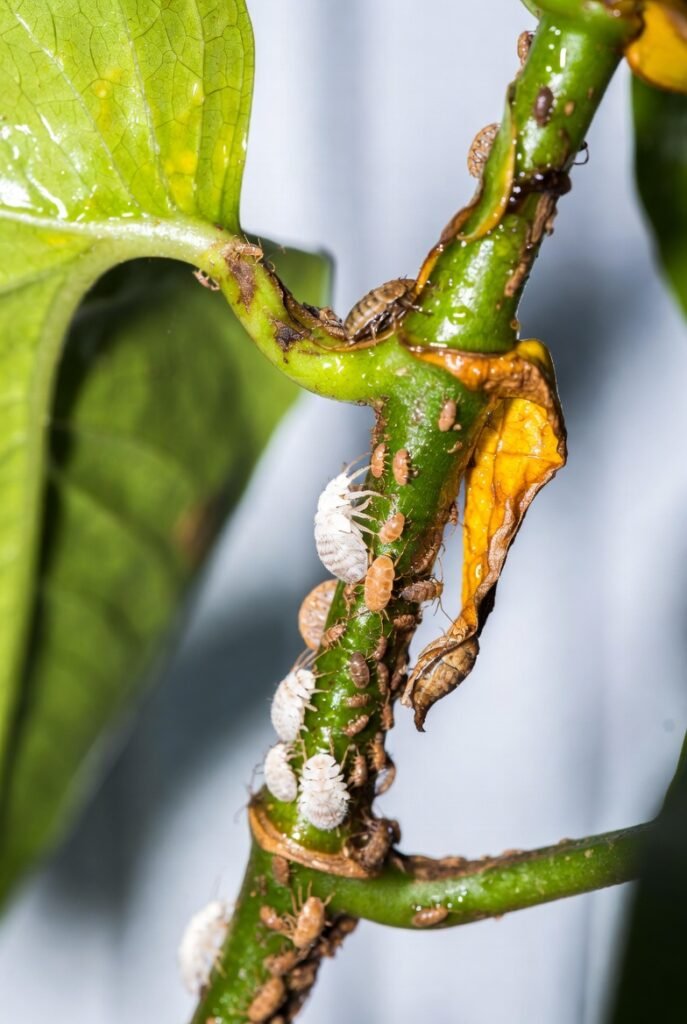
These pests attach themselves to stems and leaf undersides, feeding on plant sap and leaving behind a sticky residue. Affected leaves yellow and weaken, particularly near infestation sites.
Fix: Dab visible pests with a cotton swab dipped in rubbing alcohol, then follow up with insecticidal soap across the whole plant, isolating it from your other plants in the meantime.
17. Fungal or Bacterial Disease
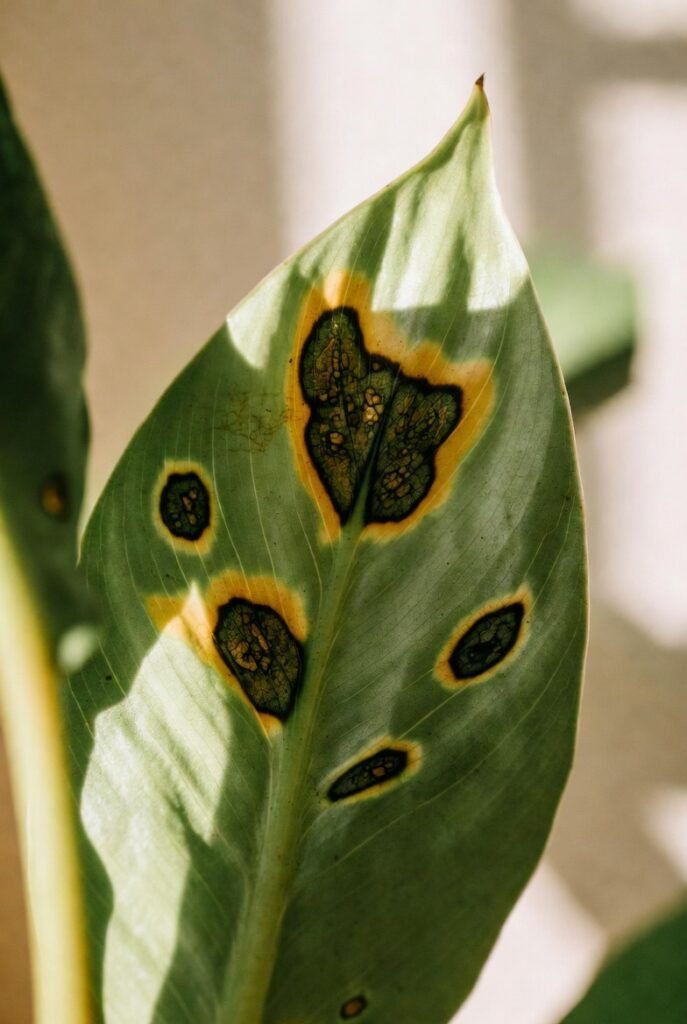
Overly damp conditions and poor air circulation create ideal conditions for fungal and bacterial pathogens, which can cause irregular yellow blotching, sometimes accompanied by spots, mold, or a soft, rotting texture.
Fix: Remove affected leaves, improve airflow around the plant, avoid wetting foliage when watering, and treat with a fungicide labeled safe for houseplants if the issue persists.
Environmental Stress Causes
Sometimes the culprit isn’t the plant’s soil at all it’s the room itself.
18. Temperature Stress and Cold Drafts
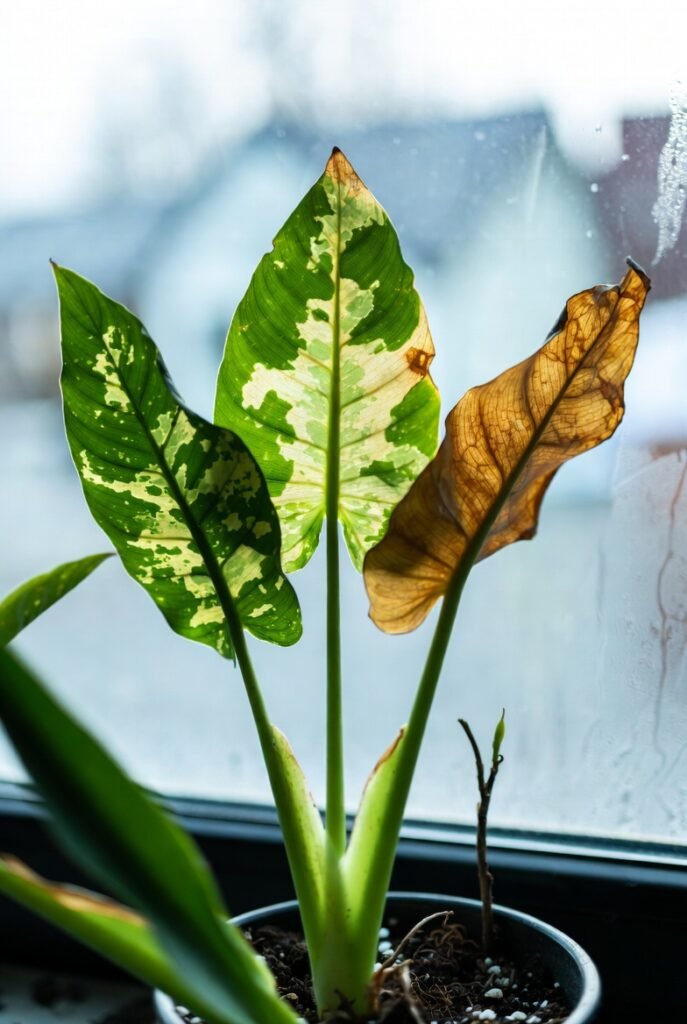
Most tropical houseplants are sensitive to sudden temperature swings. A spot near a drafty window, an exterior door, or an air-conditioning vent can stress a plant enough to trigger yellowing, particularly on the side facing the draft.
Fix: Relocate the plant away from drafts, vents, and exterior doors, aiming for a stable spot with consistent room temperature.
19. Low Humidity
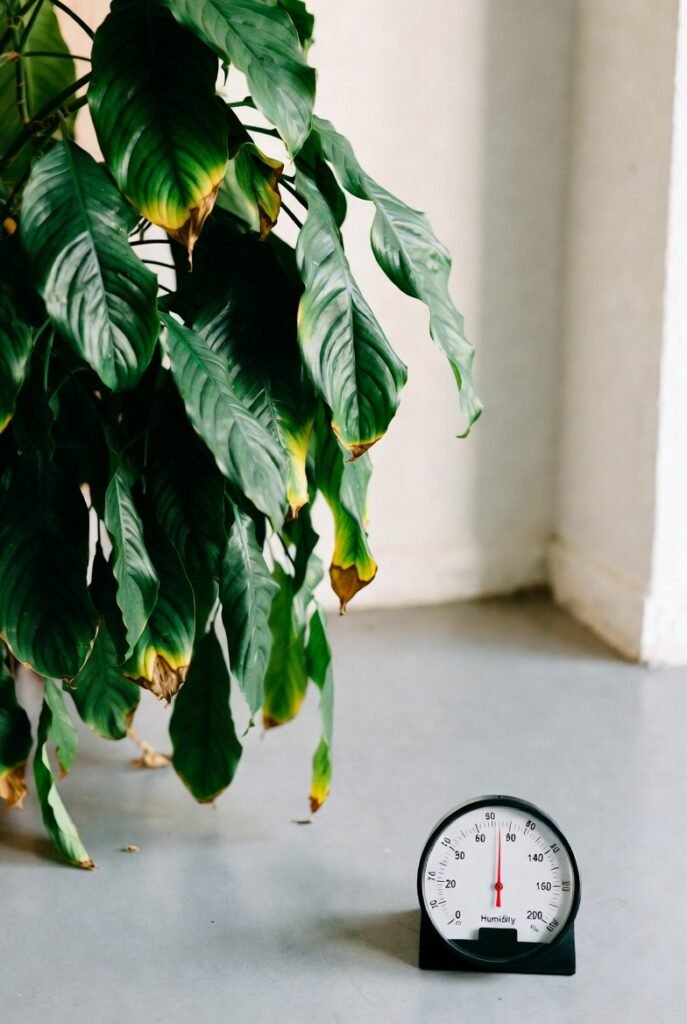
Many popular houseplants originate in humid tropical climates and struggle in the dry air common in heated or air-conditioned homes, especially in winter leaf edges yellow and crisp as a result.
Fix: Group humidity-loving plants together, use a pebble tray or humidifier nearby, and mist occasionally if the specific plant benefits from it.
20. Chemical Exposure
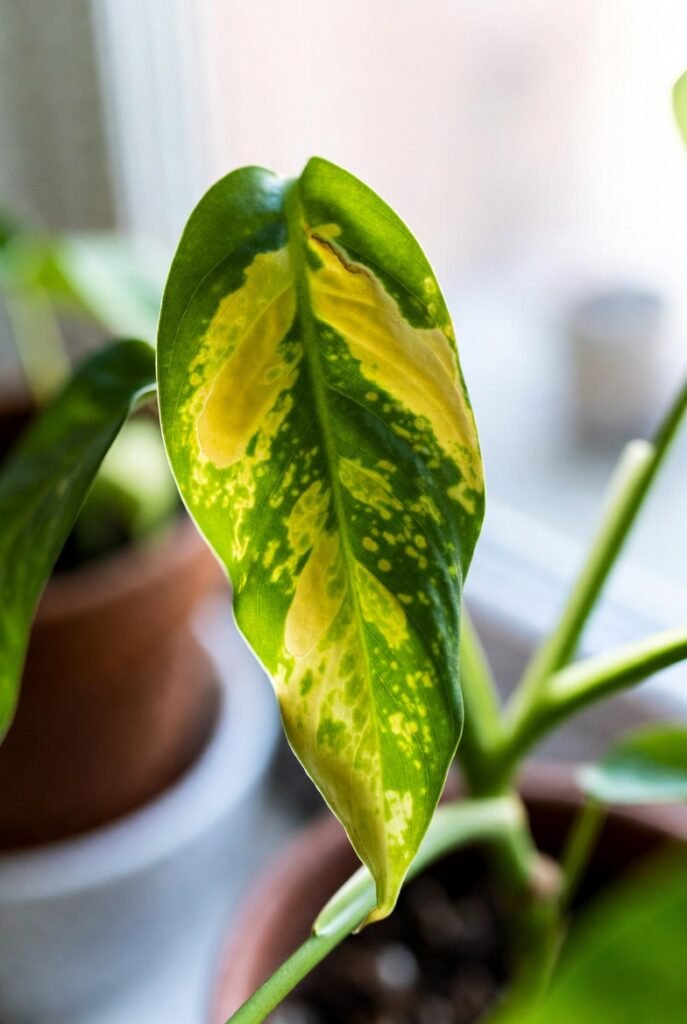
Household products furniture polish, cleaning sprays, even air fresheners can land on nearby leaves and cause chemical burn that presents as yellowing or blotchy discoloration on the affected area.
Fix: Keep houseplants away from areas where you spray cleaning products, and wipe down any leaves that may have been accidentally exposed.
21. Hard Water or Mineral Buildup
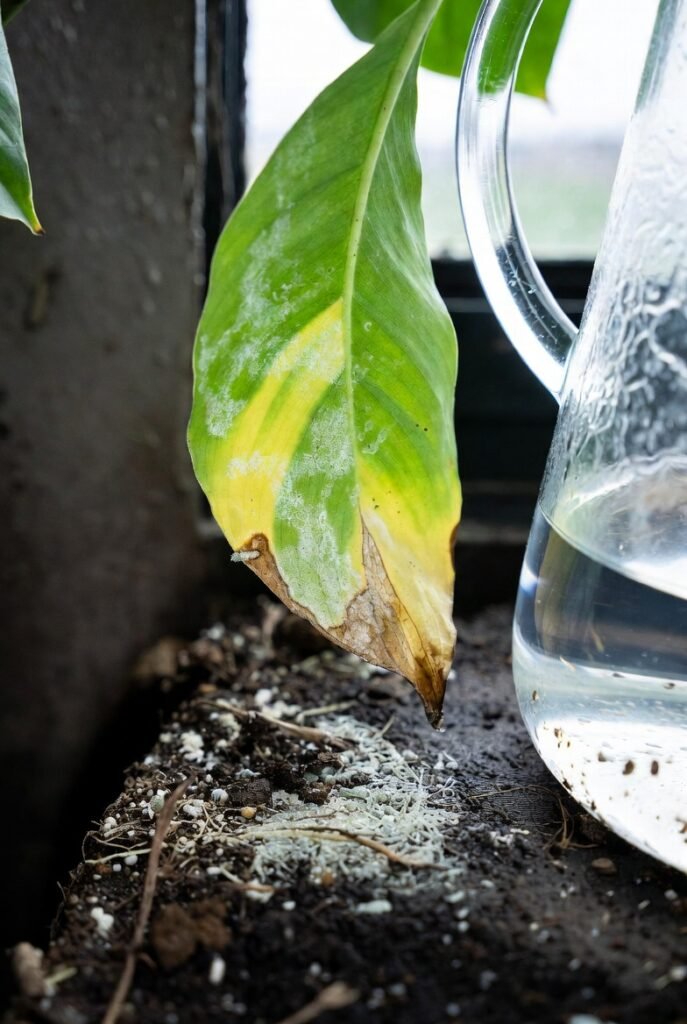
Over time, minerals from tap water or from a home water softener accumulate in soil and can interfere with nutrient uptake, leading to yellowing along with a visible white crust on the soil surface or pot rim.
Fix: Flush the soil periodically with a generous amount of plain water to leach out mineral buildup, and consider filtered or distilled water for particularly sensitive plants.
Natural Causes (Not a Problem to Fix)
Not every yellow leaf is a symptom some are simply part of a healthy plant’s life cycle.
22. Natural Aging and Leaf Shedding
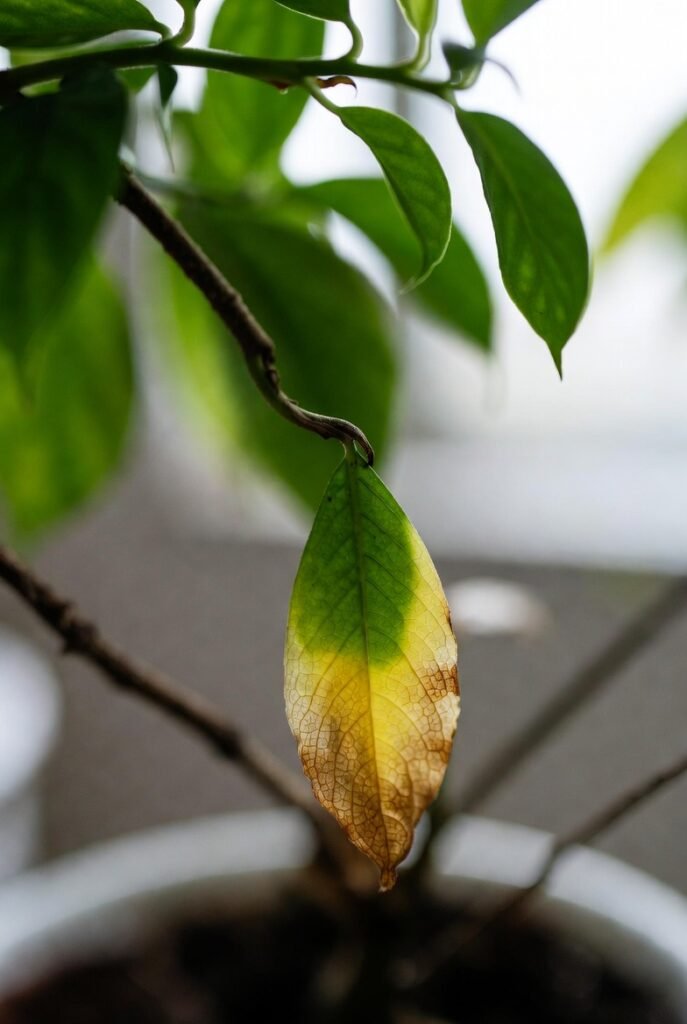
Plants continuously shed their oldest leaves to redirect energy toward new growth. One or two lower leaves yellowing per month, while the rest of the plant looks vibrant and is actively producing new leaves, is completely normal.
Fix: None needed simply remove the spent leaf once it’s fully yellow to keep the plant tidy.
23. Seasonal Dormancy
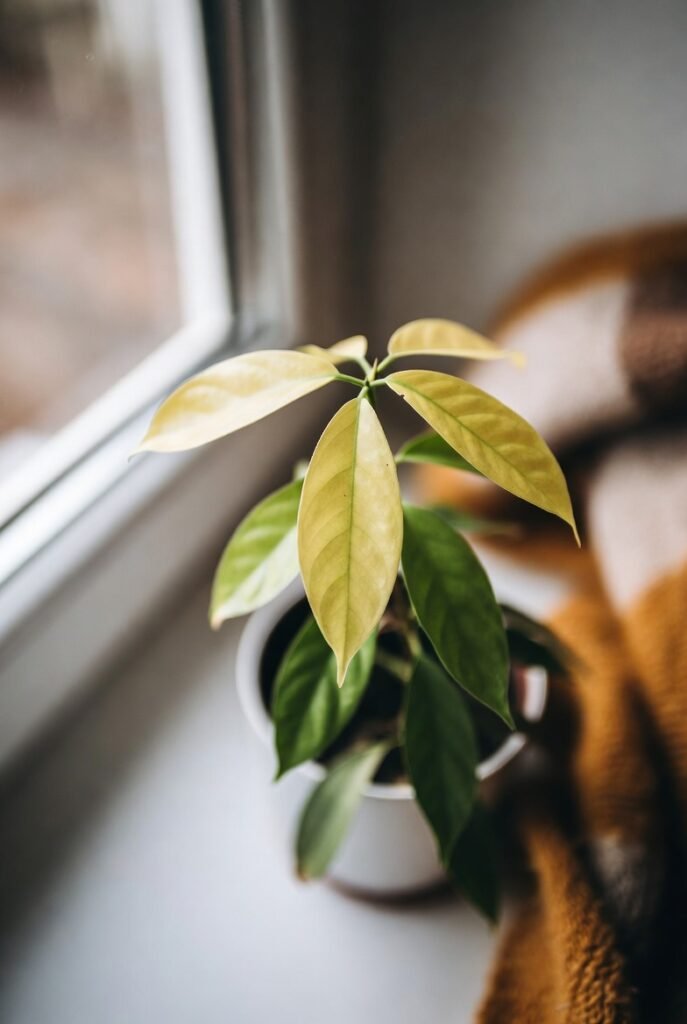
Many houseplants slow down or partially go dormant in fall and winter as daylight shortens, sometimes shedding a handful of leaves as part of that natural seasonal rhythm.
Fix: Reduce watering and fertilizing slightly through the dormant season and expect new growth to resume in spring.
A quick reminder before you panic: one yellow leaf on an otherwise healthy, actively growing plant is rarely an emergency — it’s usually just the plant tidying up after itself.
How to Actually Diagnose Your Plant (Step by Step)
When you’re staring at a yellow leaf and not sure where to start, work through these questions in order:
- Which leaves are affected oldest, newest, or scattered throughout? Oldest often points to watering or nitrogen; newest often points to iron deficiency or light.
- How does the leaf feel crispy or soft/mushy? Crispy usually means underwatering; soft and wet usually means overwatering or root rot.
- Is the yellowing solid, patchy, or between the veins? Solid yellowing often means watering or nitrogen; interveinal yellowing (veins staying green) usually points to a nutrient deficiency like iron or magnesium.
- Do you see pests, webbing, or sticky residue? If yes, start there before adjusting anything else.
- Has anything changed recently a move, a repot, a new spot near a vent? Recent changes are often the real trigger, even if the yellowing shows up days or weeks later.
Working through these five questions in order will get you to the right cause faster than randomly trying fixes one at a time.
Frequently Asked Questions
Is it normal for houseplants to have some yellow leaves?
Yes one or two older, lower leaves yellowing occasionally is a normal part of a plant’s growth cycle, especially as it redirects energy toward new leaves.
Should I cut off yellow leaves or leave them?
Once a leaf has fully yellowed, it won’t turn green again, so it’s fine to trim it off with clean scissors close to the stem. This tidies the plant and lets it focus energy on healthy growth.
Can a yellow leaf turn green again if I fix the problem?
Usually not. A leaf that has already yellowed is unlikely to recover its color, but fixing the underlying cause will stop further leaves from yellowing and support healthy new growth.
How do I tell the difference between overwatering and underwatering?
Check the soil and the leaf texture together: soggy soil with soft, yellow, lower leaves points to overwatering, while bone-dry soil with crispy, yellow-then-brown leaves points to underwatering.
Why are the new leaves on my plant yellow while old leaves stay green?
This pattern usually points to a nutrient issue, most often iron deficiency, especially if the veins on the new leaves remain green while the rest of the leaf yellows.
What’s the fastest way to narrow down which of these causes applies to my plant?
Use the quick diagnosis section above match which leaves are affected, how they feel, and whether you’ve made any recent changes to the plant’s environment or routine.
The Bottom Line
Yellow leaves feel alarming, but they’re almost always a solvable clue rather than a death sentence. Whether the cause is watering, light, nutrients, pests, roots, environment, or simple natural aging, the pattern of yellowing will point you to the right fix you just have to know what to look for.
Work through the quick diagnosis above, match your plant’s symptoms to the right cause, and apply the specific fix. Most houseplants bounce back within a few weeks once the real issue is addressed.
