
Minimalist decor has a reputation problem. For years it’s been shorthand for stark white rooms, bare walls, and furniture that looks better in photos than it feels to actually live with. But that version of minimalism has quietly been rewritten the calmest, most compelling minimalist homes today aren’t the emptiest ones. They’re intentional ones.
If you’ve tried “going minimalist” before and ended up with a room that felt cold instead of calm, these 13 minimalist home decor tips will help you get it right this time less clutter, more cohesion, and a space that still feels like yours.
The Biggest Misconception About Minimalist Decor
One of the most common myths about minimalist decor is that every surface has to stay completely empty. In reality, the difference between a minimalist room that feels lifeless and one that feels calm isn’t the amount of stuff in it’s whether the objects in the room compete with each other or work together.
A room becomes exhausting not because it has too many things, but because every item is trying to be the center of attention at once. Minimalist decor done well isn’t about subtraction for its own sake it’s about cohesion: materials, colors, and proportions that work together instead of fighting for attention.
Keep that principle in mind as you go through the tips below it changes almost everything about how you apply them.
1. Define Each Room’s Purpose First
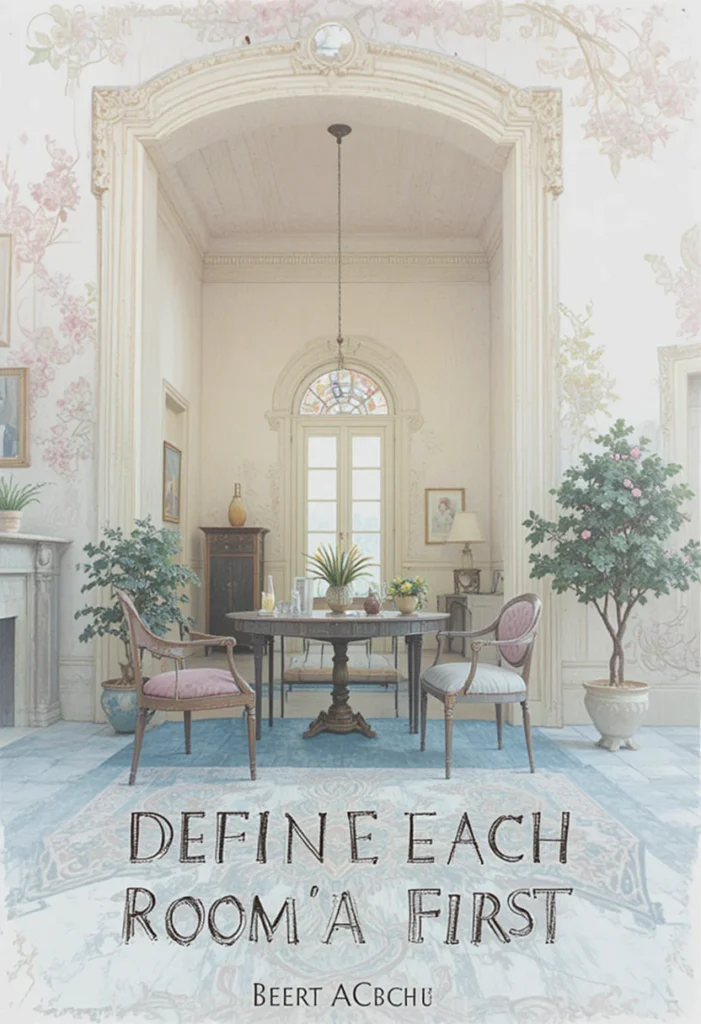
Before decluttering or decorating anything, get clear on what each room is actually for. If your bedroom’s purpose is rest, does a TV on the dresser support that goal, or work against it? Once a room’s purpose is defined, deciding what stays and what goes becomes far easier.
This single step prevents the most common minimalist mistake: removing things randomly instead of removing things that don’t serve the room’s function.
2. Clear (Most Of) Your Flat Surfaces

Countertops, dressers, and side tables should stay mostly clear, with just one or two simple, intentional decorations left out. Everything else should be donated, stored, or moved out of sight. This single habit does more to make a room look minimal than almost any other change.
The key word is “intentional” a single ceramic bowl or a small plant left out reads as styled; ten scattered items reads as clutter, no matter how nice each individual piece is.
3. Distinguish Between Minimizing and Organizing

A tidy, organized room isn’t automatically a minimized one. Organized clutter is still clutter neatly stacked bins full of things you don’t need are not a minimalist solution, just a hidden version of the same problem.
Before organizing anything, ask whether it needs to be kept at all. Minimizing comes first; organizing is just the last step.
4. Choose a Restrained Color Palette
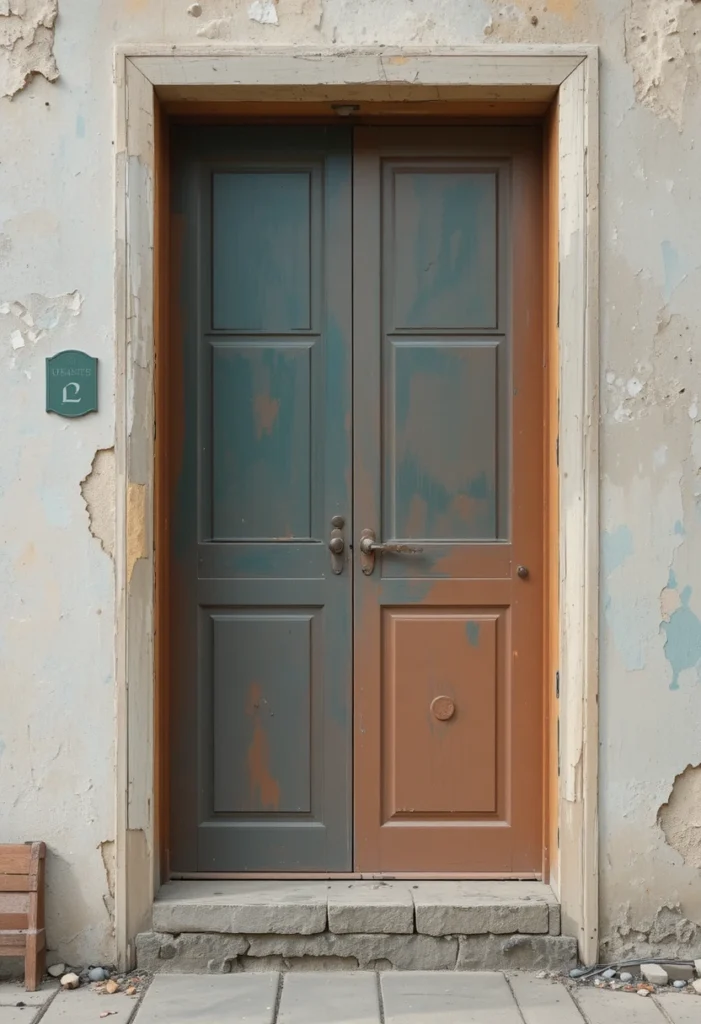
Minimalist design typically leans on a limited color palette whites, grays, and soft earth tones rather than a wide mix of colors and patterns. This restraint is part of what creates the “calm” feeling minimalist spaces are known for.
That doesn’t mean color is banned. It means picking a small, cohesive palette and repeating it throughout the space rather than introducing a new color with every new item.
Read Also: Green Nest Hubs
5. Let Texture Do the Decorating
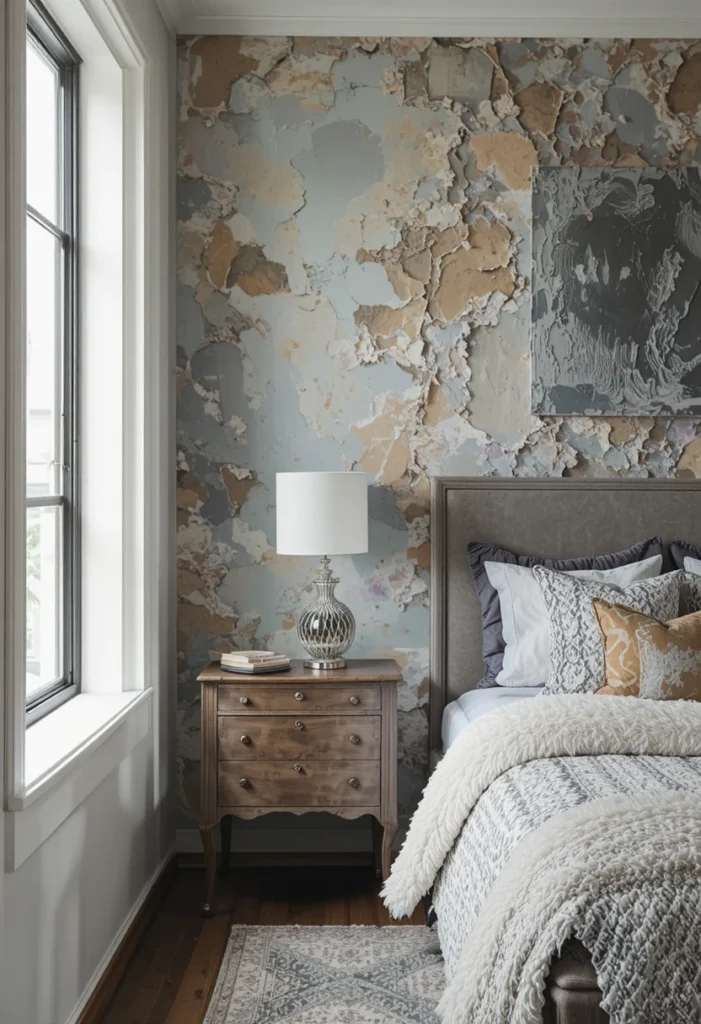
Instead of filling a room with decorative accessories, minimalist interiors increasingly rely on materiality texture as the decoration itself. A boucle throw, a raw linen curtain, a piece of natural wood furniture with visible grain: these add depth and interest through touch and craftsmanship rather than through more stuff.
This is the single biggest shift separating a “sparse and cold” minimalist room from a “calm and rich” one.
6. Simplify Your Walls
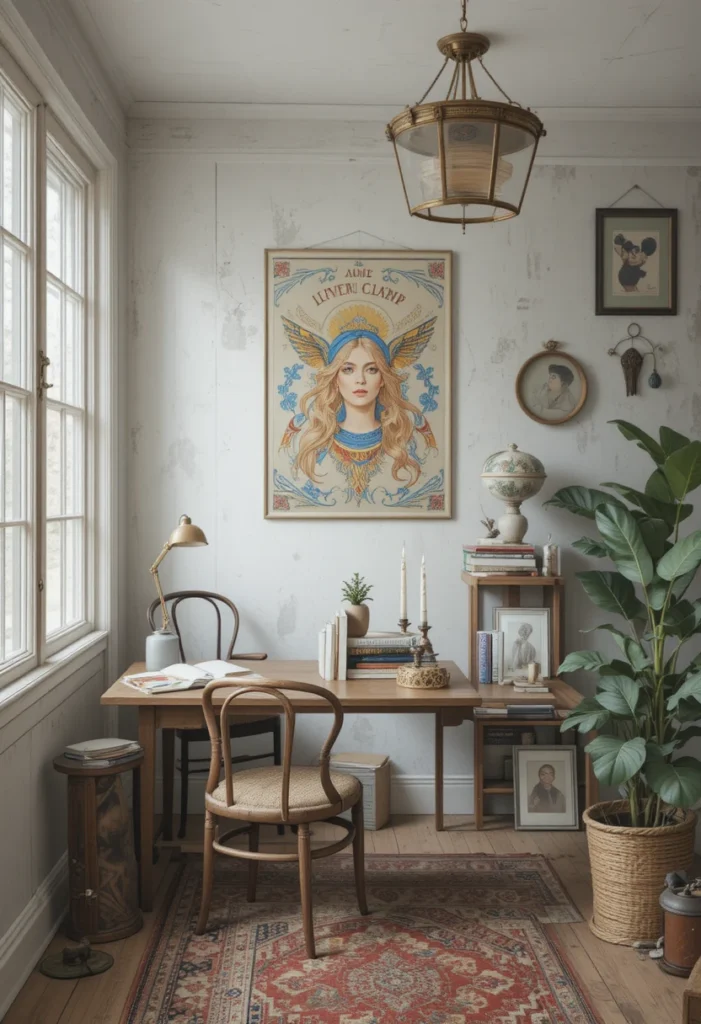
Walls get cluttered just like closets and drawers full of mismatched frames, outdated pieces, or decor bought only because it matched the sofa at the time. Clear your walls except for one or two meaningful, well-chosen pieces of art.
Curated, sparse walls that display something with real meaning communicate more than a wall crowded with knickknacks ever could.
7. Keep Some Wall Space Genuinely Empty
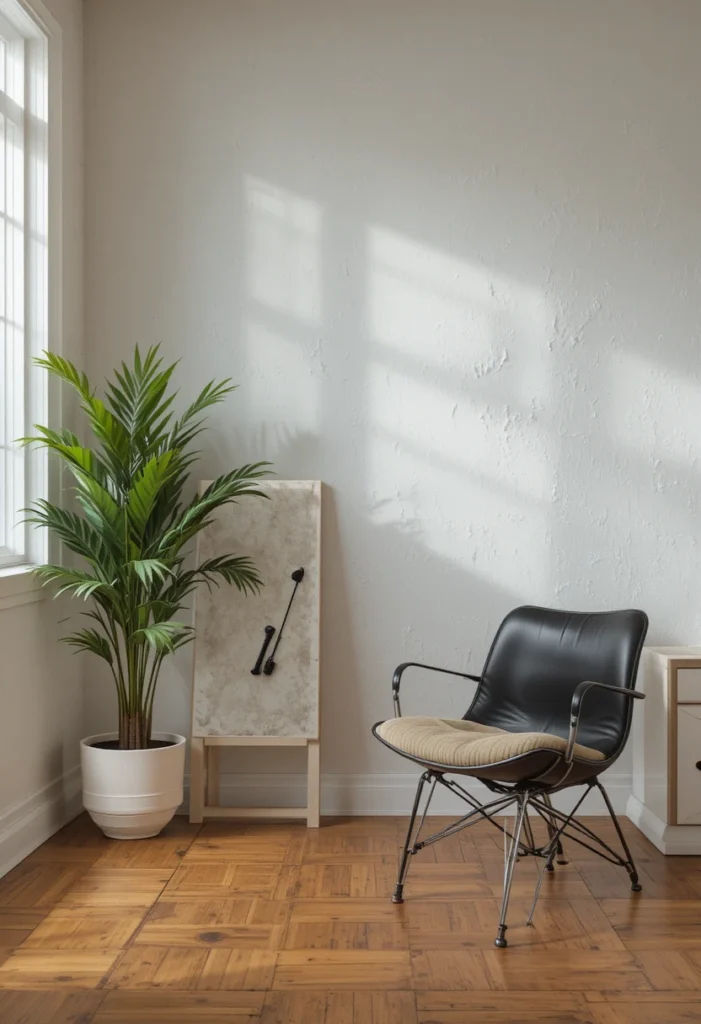
Related to the tip above: leaving some walls completely bare, rather than filling every available surface, makes a room feel more open and spacious. This is one of the easiest, lowest-cost minimalist changes it costs nothing and simply requires resisting the urge to fill every blank space.
8. Use Closed Storage to Hide Everyday Clutter
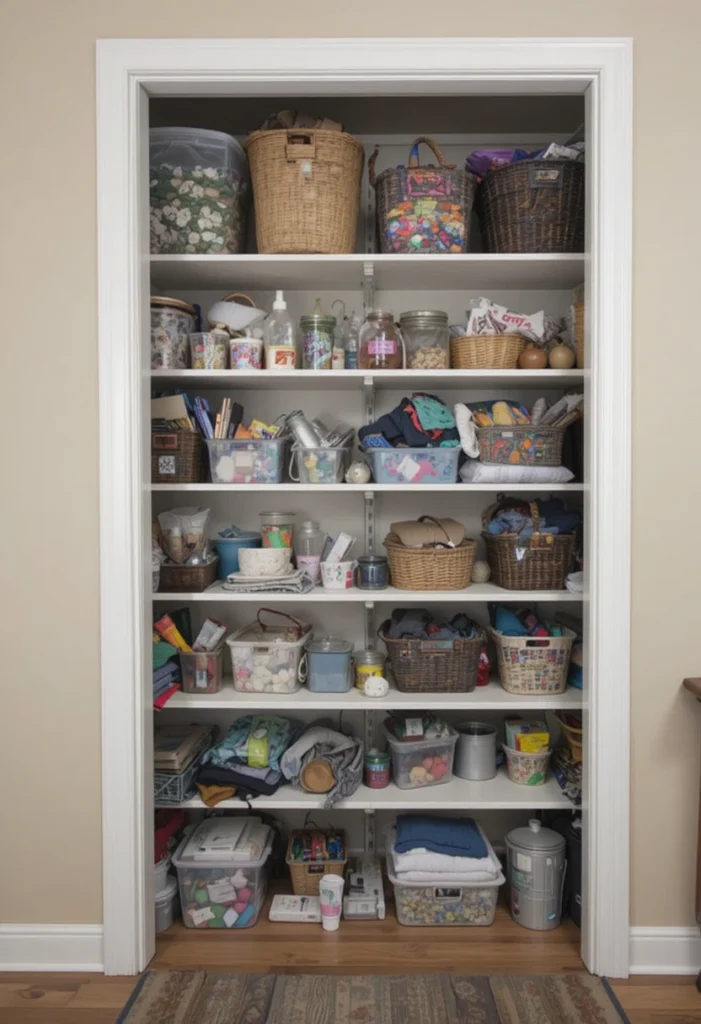
Minimalist design still requires somewhere for everyday items to live the trick is keeping them out of sight. Sideboards, buffets, and cabinets with simple, clean hardware let you store daily-use items without visual clutter breaking the calm look of the room.
Budget tip: If new closed storage furniture isn’t in the budget, simple decorative bins or baskets slid into existing shelving can convert open storage into effectively “closed” storage for very little cost.
9. Declutter Storage Areas Too, Not Just Visible Ones
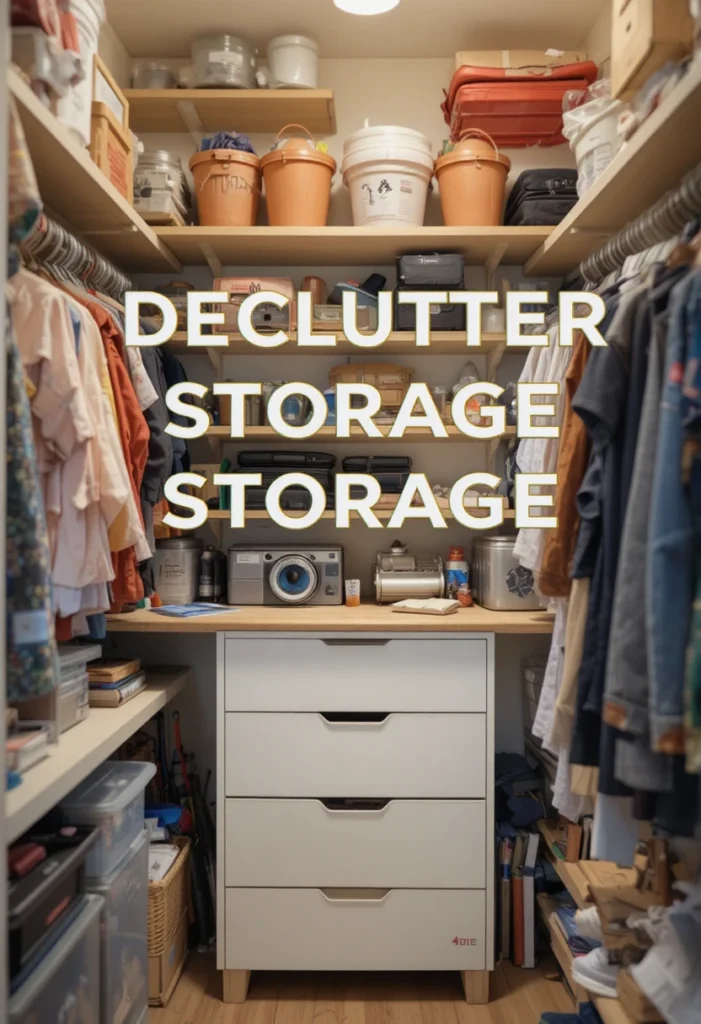
It’s tempting to focus only on what’s visible, but closets, drawers, and cabinets need the same decluttering treatment. A minimalist look that’s only skin-deep tidy on the surface, chaotic in every drawer tends to creep back into visible clutter over time.
10. Display Sentimental Items Intentionally, Not All at Once
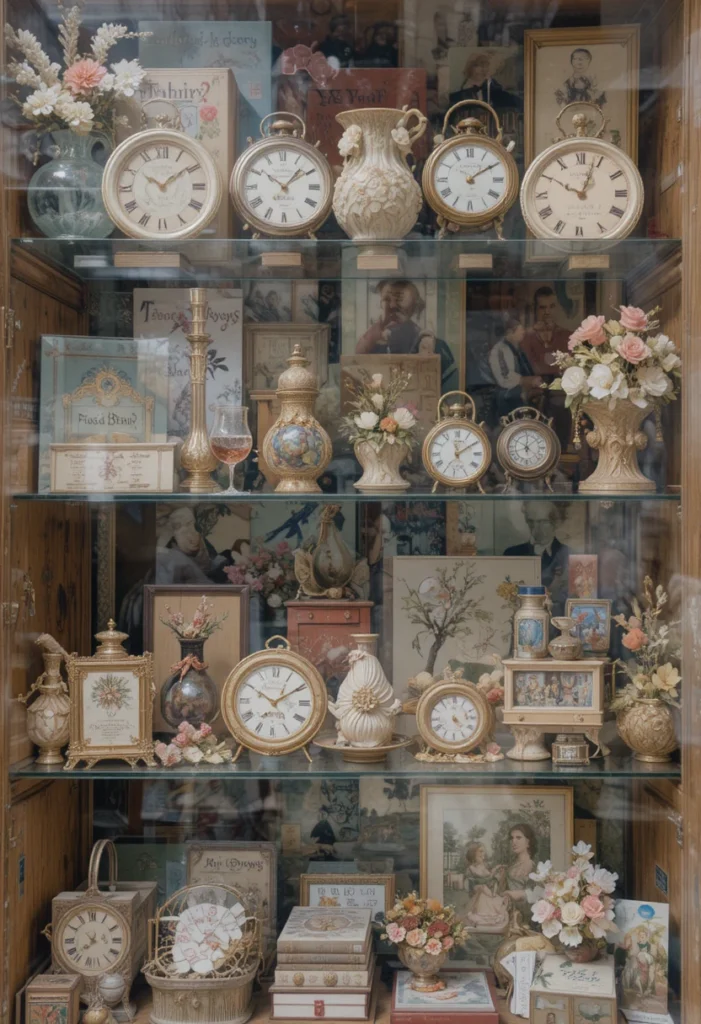
Minimalism doesn’t require giving up things you love it requires being selective about what you display and how. Rather than boxing away every sentimental object, choose a few meaningful pieces and give them real visual space: frame a handwritten letter, display one cherished object per shelf, rotate items seasonally instead of showing everything at once.
This keeps a minimalist home from feeling impersonal while still respecting the “less competition between objects” principle.
11. Use Fewer, Larger Furniture Pieces Instead of Many Small Ones
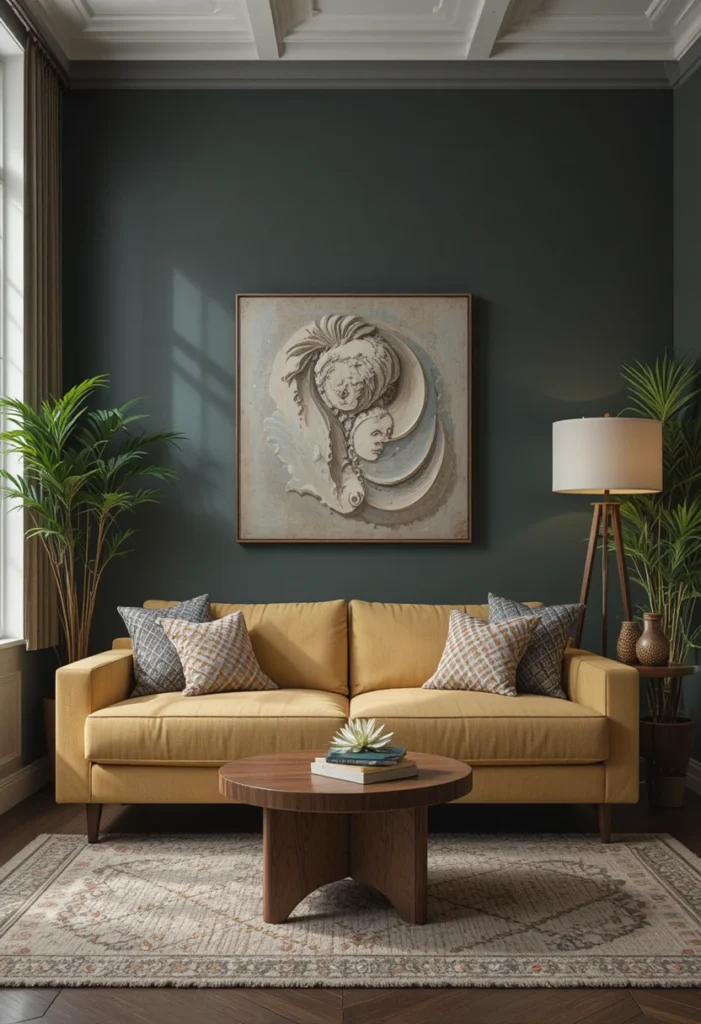
Minimalist rooms typically use a limited amount of furniture, chosen for clean lines and simple silhouettes, rather than many smaller pieces filling every corner. One well-chosen sofa and coffee table combination does more for a calm, spacious feel than several smaller furniture pieces competing for attention.
12. Limit Collections to One Curated Display
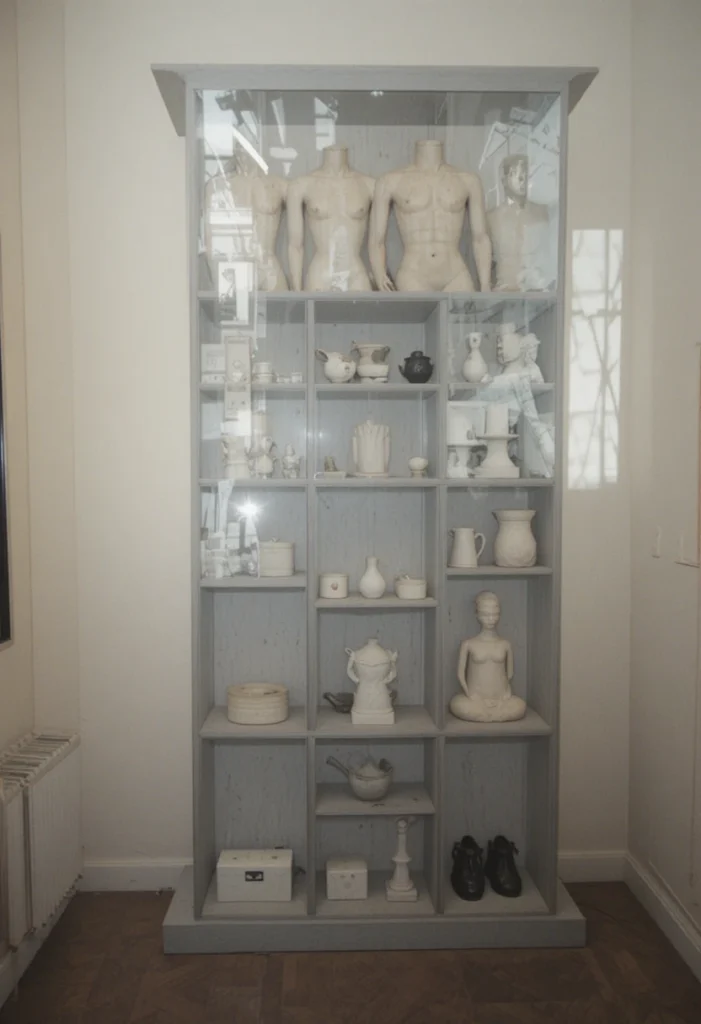
Collections of books, ceramics, souvenirs, or anything else are one of the fastest ways clutter creeps back into a minimalist space. Rather than displaying an entire collection at once, choose a handful of standout pieces to display and store or rotate the rest.
13. Add Living Elements With Intention

A single well-placed houseplant does a lot of work in a minimalist room it introduces color, life, and texture without adding visual noise. Before buying, check a plant’s light requirements against your space, since a dying plant undercuts the calm, cared-for feeling minimalist decor is going for.
Room-by-Room Minimalist Quick Guide
| Room | Minimalist Priorities |
|---|---|
| Living Room | Fewer, larger furniture pieces; one wall art focal point; closed storage for media/remotes |
| Bedroom | Clear nightstands, hidden storage, one calming color palette, no TV if rest is the priority |
| Kitchen | Closed cabinets over open shelving, one countertop appliance limit, simple hardware |
| Bathroom | Clear counters, closed storage for toiletries, one plant or simple accent |
| Home Office | Cord management, closed filing storage, single art piece, clear desk surface |
Frequently Asked Questions
Does minimalist decor mean having an empty house?
No. The goal is intentionality, not emptiness. Many well-regarded minimalist interiors include books, textured materials, and personal objects what they avoid is clutter and visual competition between too many things at once, not the presence of objects altogether.
How do I start decluttering for a minimalist home if I don’t know where to begin?
Start with the easiest spaces first a single shelf, a countertop, one drawer rather than jumping straight to the garage or attic. Building confidence in smaller spaces makes it easier to tackle bigger, harder areas later.
Can minimalist decor still feel warm and cozy?
Yes, and this is actually the current direction of the style. Layering in natural textures wood, linen, wool alongside a restrained color palette creates warmth without adding visual clutter.
What’s the difference between minimalist and Japandi style?
Japandi blends Japanese and Scandinavian design principles, and it shares minimalism’s emphasis on simplicity and natural materials, but it typically leans warmer and more textured, with an emphasis on craftsmanship and imperfection rather than stark, uniform surfaces.
Final Thoughts
The minimalist homes that actually feel good to live in aren’t the ones with the least stuff they’re the ones where every object earns its place. Start by defining what each room is for, clear the obvious clutter first, and replace the instinct to fill space with an instinct to choose fewer, better things. That’s the real difference between a minimalist room that feels sparse and one that feels calm.