
Here’s something every plant parent eventually learns the hard way: pests don’t wait for a convenient moment to show up. One week your monstera looks perfect, and the next you’re staring at silvery streaks or cottony white fuzz wondering what on earth happened and more importantly, whether it’s too late to fix it.
It’s almost never too late. Most houseplant pests, caught early, are manageable without losing the plant. The thirteen pests below cover everything you’re likely to encounter, with the specific signs that give each one away and the treatment that actually works not just generic “spray it with something” advice.
Save this guide now you’ll want to come back to it the next time something looks off on a leaf and you can’t quite place what you’re seeing.
Why Houseplants Get Pests in the First Place
Before the pest-by-pest breakdown, it helps to understand why indoor plants are vulnerable at all. Pests often thrive indoors precisely because of stable temperatures and the absence of natural predators that would otherwise keep populations in check outdoors. Overwatering, poor air circulation, and over-fertilizing all increase a plant’s susceptibility to infestation as well.
The two habits that prevent the most damage: regular inspection (so you catch problems in the earliest, most treatable stage) and quarantining any new plant for a few weeks before it sits near your existing collection.
1. Aphids
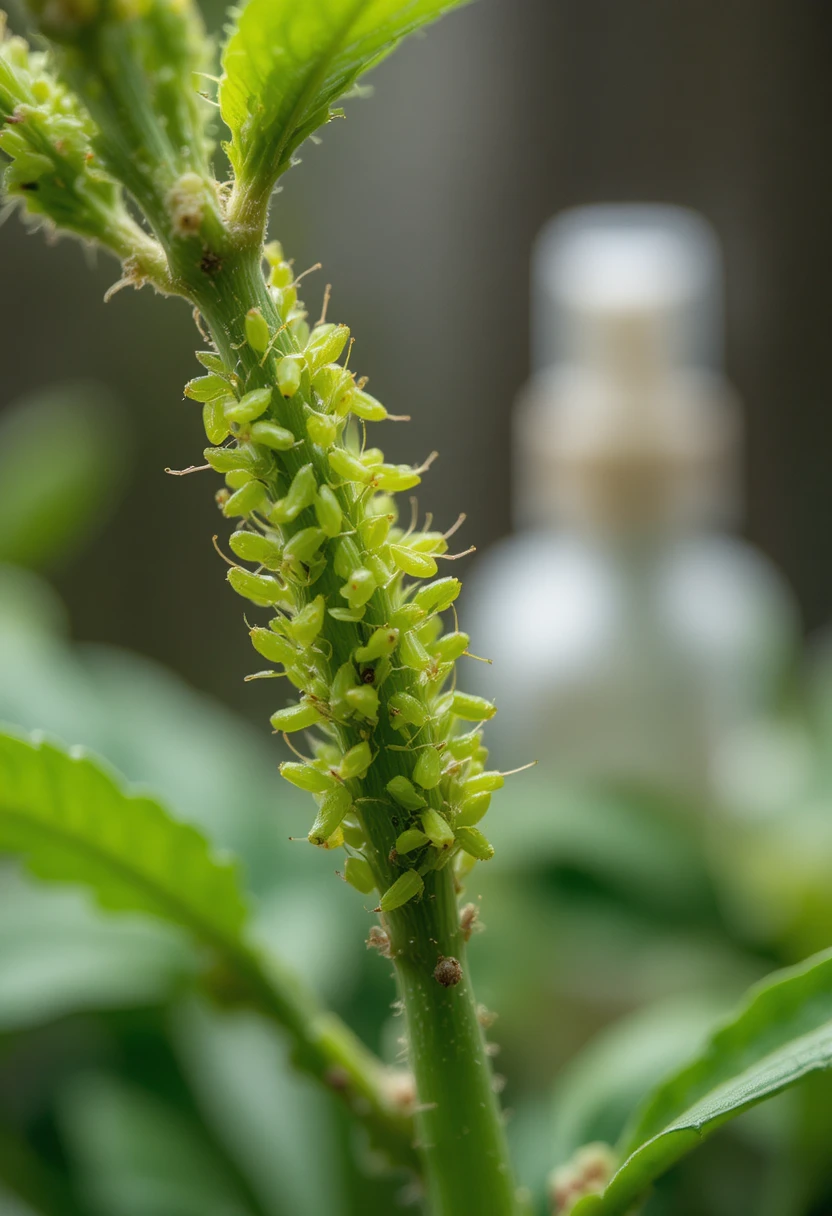
What they look like: Small, pear-shaped insects, often green but sometimes black, yellow, or pink, typically clustered on new growth with two small tube-like structures at their rear.
Signs of infestation: Yellowed, curled, or distorted leaves, along with a sticky residue called honeydew that can lead to sooty mold if left untreated.
Treatment: For light infestations, a strong, direct spray of water knocks most aphids off. For larger populations, insecticidal soap applied directly to affected areas is effective and low-risk for the plant.
2. Mealybugs
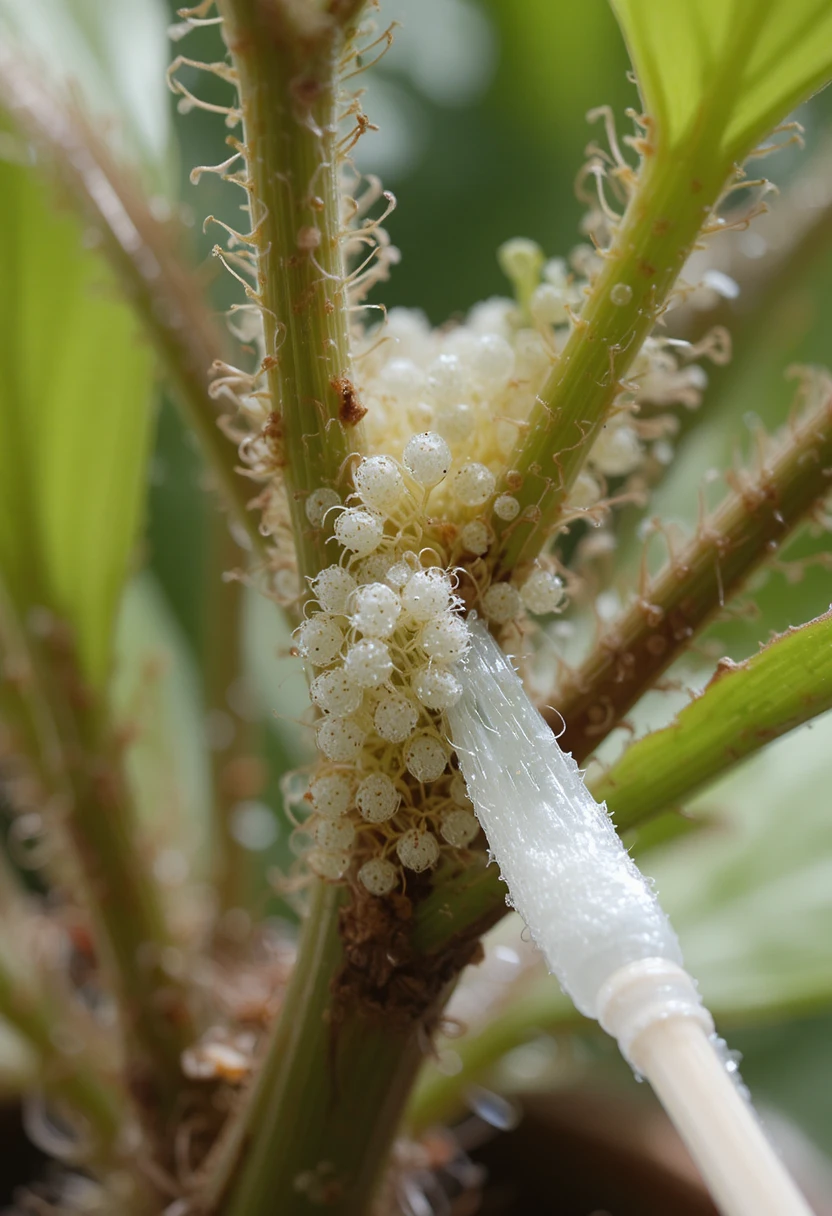
What they look like: Small, white, cottony-looking pests often found clustered on stems, leaf undersides, and in leaf joints.
Signs of infestation: Stunted or deformed new growth, along with the visible cottony masses themselves, which are hard to mistake once you know to look for them.
Treatment: Dab individual mealybugs directly with a cotton swab dipped in rubbing alcohol this kills them on contact. For heavier infestations, follow up with insecticidal soap across the whole plant.
Image idea: a close-up vertical shot of a cotton swab treating mealybugs on a stem a genuinely useful “how-to” pin.
3. Spider Mites
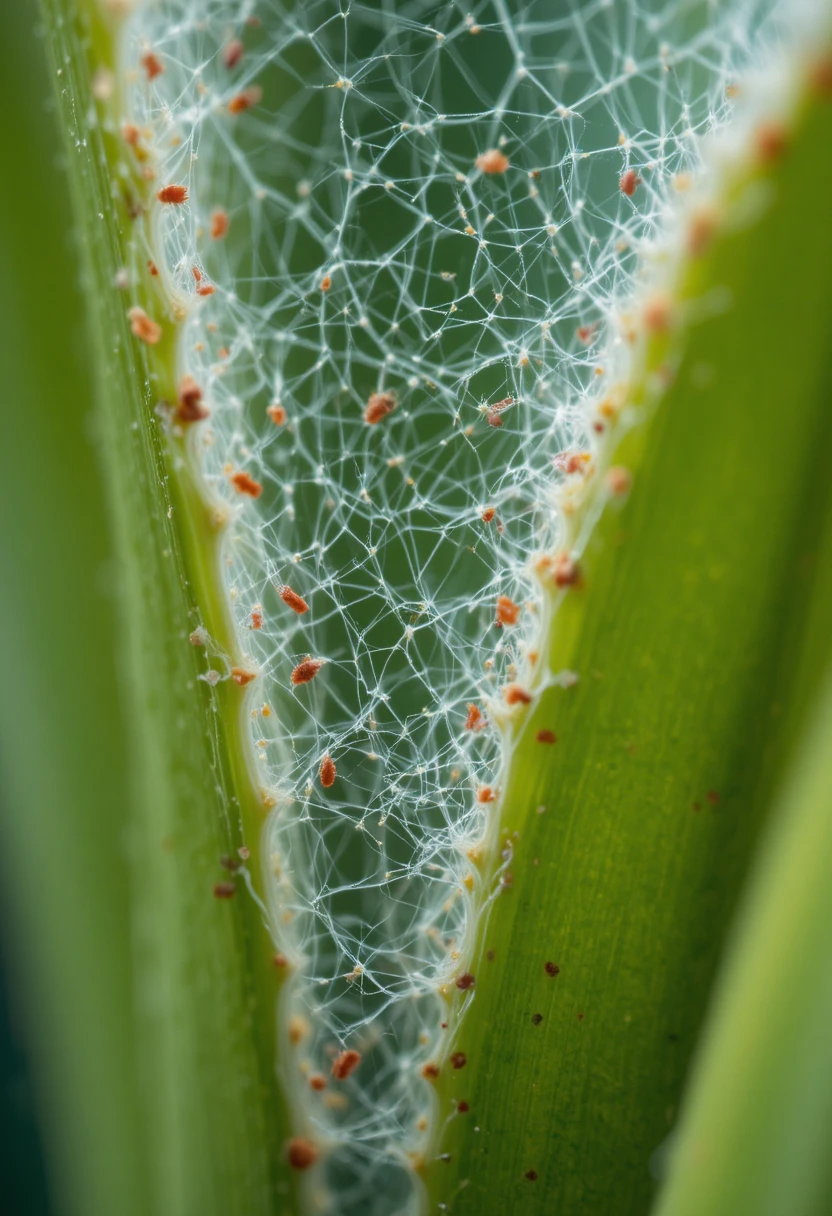
What they look like: Tiny arachnids, nearly invisible to the naked eye, that spin fine webbing across leaves and stems.
Signs of infestation: Stippled, faded, or yellowing leaves, along with visible fine webbing in more advanced cases plants like alocasias, palms, and English ivy are especially prone to spider mite damage.
Treatment: Spray the entire plant thoroughly to physically dislodge mites and destroy webbing, then follow with insecticidal soap, neem oil, or a sulfur-based treatment. Full control typically takes several consecutive weeks of repeated treatment, not a single application.
4. Fungus Gnats
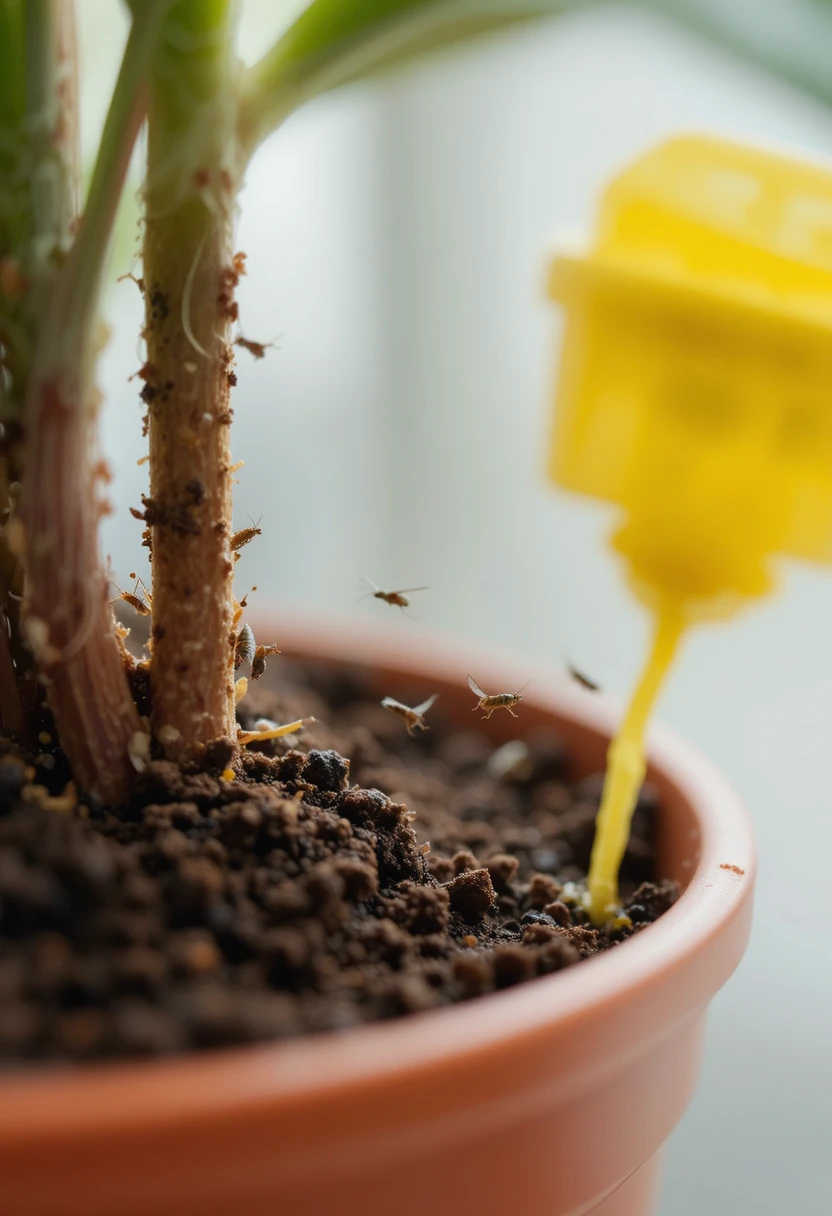
What they look like: Small, dark, mosquito-like flying insects, most often seen hovering near the soil surface rather than on the leaves themselves.
Signs of infestation: Adult gnats flying up when the soil is disturbed, plus larvae feeding on organic matter and occasionally plant roots in the top layer of soil.
Treatment: Let the soil surface dry out more between waterings, since fungus gnats thrive in consistently damp soil. Yellow sticky traps placed near the soil surface help catch adults and reduce the breeding cycle.
Read Also: 12 Humidity Tips for Tropical Houseplants That Actually Move the Needle
5. Scale Insects
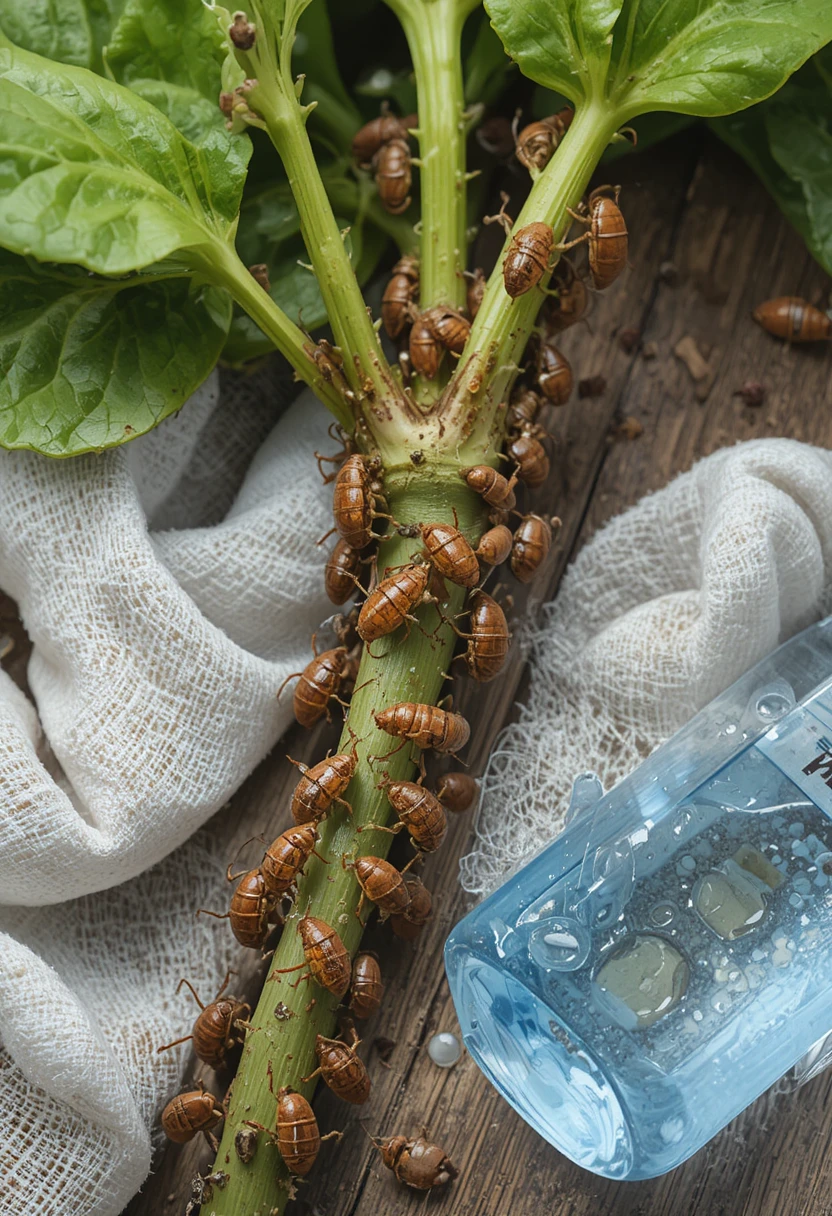
What they look like: Small, oval, shell-like bumps that attach themselves to stems and the undersides of leaves, often appearing brown or tan.
Signs of infestation: A sticky honeydew residue similar to aphids, plus small, waxy bumps that don’t move and can be mistaken for part of the plant itself at first glance.
Treatment: Scrape off visible scale by hand or with a soft brush, then treat the plant with insecticidal soap or neem oil to catch any newly hatched insects the scraping missed.
6. Thrips
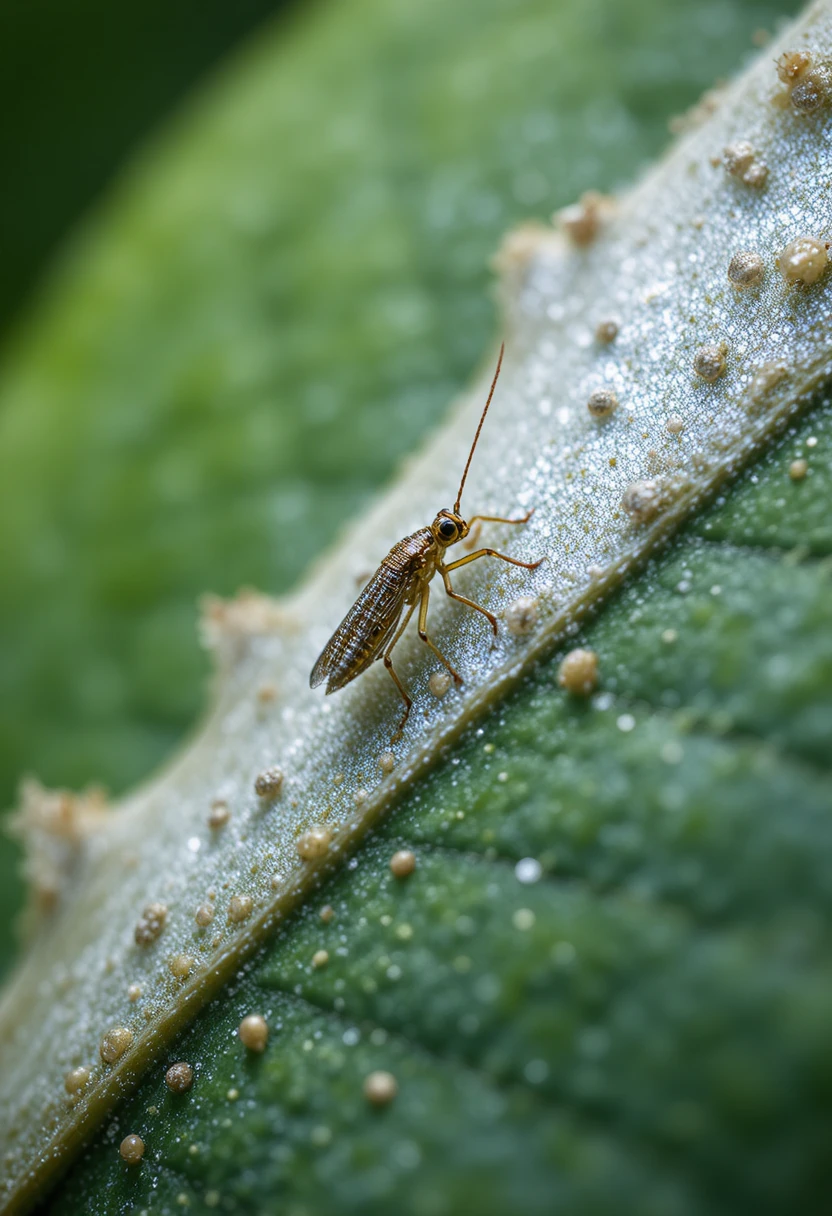
What they look like: Tiny, fast-moving, slender insects with fringed wings, difficult to spot without close inspection.
Signs of infestation: Silvery or translucent streaks across leaves, along with tiny black specks of frass (thrip waste) damage that’s easy to mistake for natural leaf variegation at first.
Treatment: Yellow sticky traps help detect and reduce thrips populations since the insects themselves are hard to spot directly. Insecticidal soaps or mineral oils are effective against exposed life stages, though thrips can be more resistant to treatment than other common pests.
7. Whiteflies
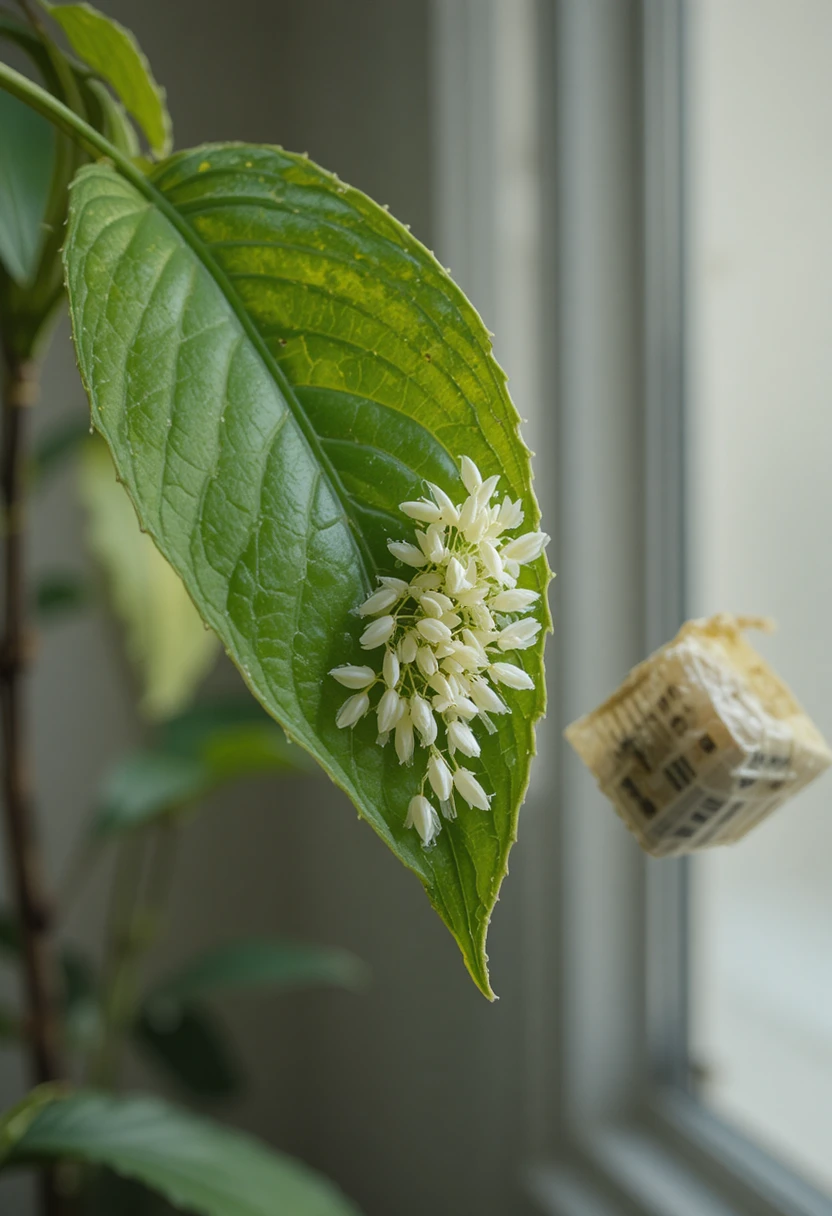
What they look like: Tiny, moth-like white insects that flutter up in a small cloud when a plant is disturbed.
Signs of infestation: Yellowing leaves and a sticky honeydew residue, along with the visible cloud of tiny white insects taking flight when you brush against the plant.
Treatment: Yellow sticky traps catch adult whiteflies effectively, while insecticidal soap applied to the undersides of leaves where eggs and larvae typically live addresses the rest of the life cycle.
8. Leafminers
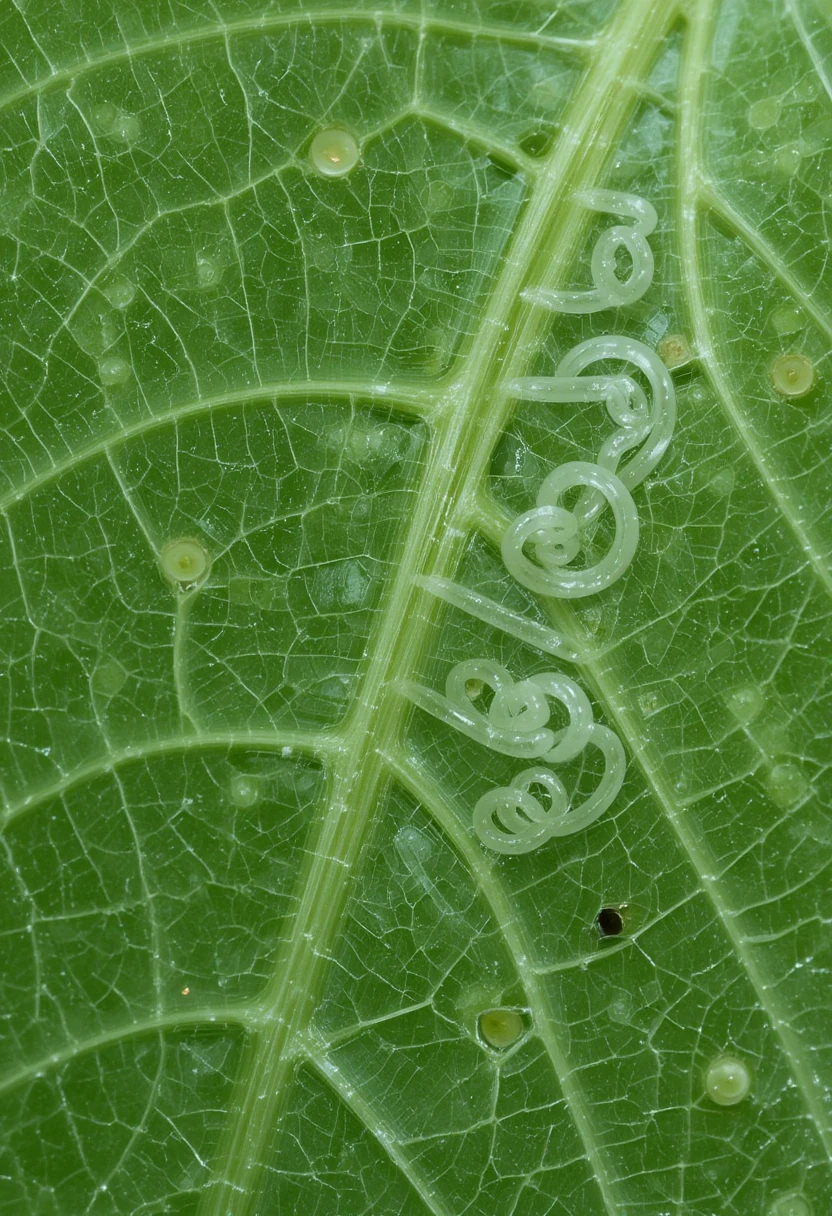
What they look like: Not a single specific insect, but the larvae of several different insects that tunnel between the upper and lower surfaces of a leaf.
Signs of infestation: Irregular pale trails or blotches winding through leaves the larvae themselves are rarely visible since they feed inside the leaf tissue.
Treatment: Remove and discard affected leaves showing visible tunnel damage. Insecticidal sprays can help deter further entry, though leafminer damage is largely cosmetic rather than seriously threatening to the plant’s health.
9. Root Mealybugs
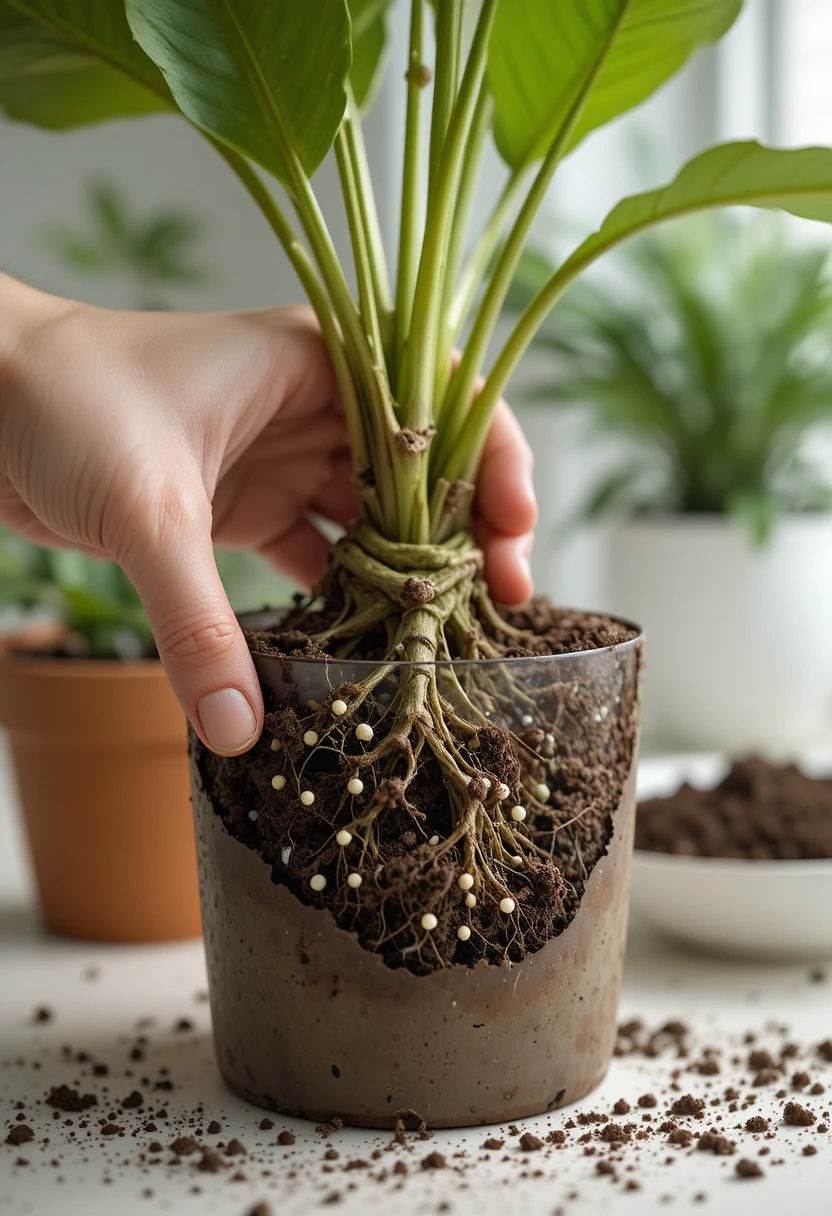
What they look like: Similar in appearance to regular mealybugs, but hidden below the soil line, feeding directly on root systems.
Signs of infestation: Wilting, poor growth, or a general decline that doesn’t match visible symptoms above the soil this is often the piece that makes root mealybugs particularly frustrating to diagnose.
Treatment: Since root mealybugs live in the soil, treatment often requires unpotting the plant, rinsing roots thoroughly, and repotting into completely fresh, sterile soil rather than treating the existing pot in place.
10. Springtails
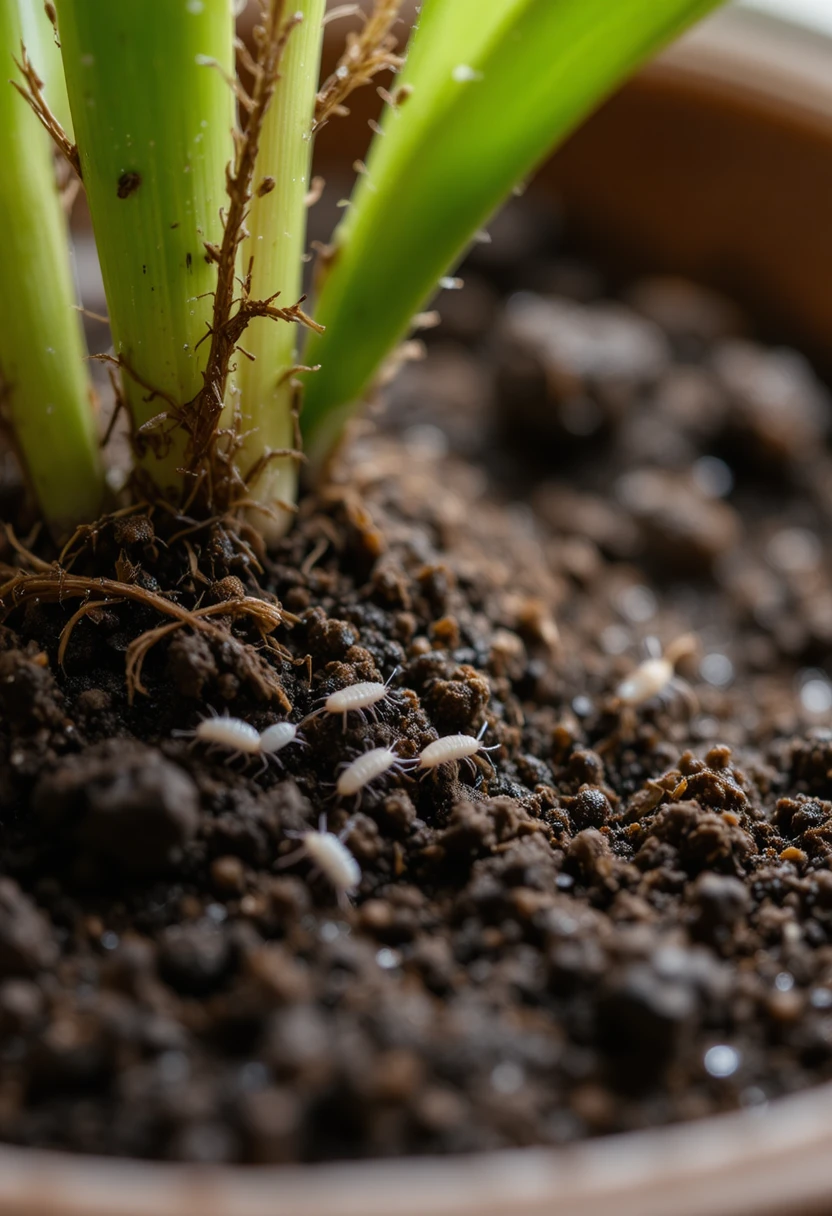
What they look like: Extremely small, wingless insects that jump when disturbed, usually found on the soil surface rather than on plant tissue.
Signs of infestation: Tiny jumping specks visible on damp soil surfaces or in saucer water beneath pots largely a cosmetic nuisance rather than a serious threat to plant health.
Treatment: Springtails thrive in consistently overly damp soil, so allowing the top layer to dry out more between waterings is usually enough to significantly reduce their numbers.
11. Slugs and Snails
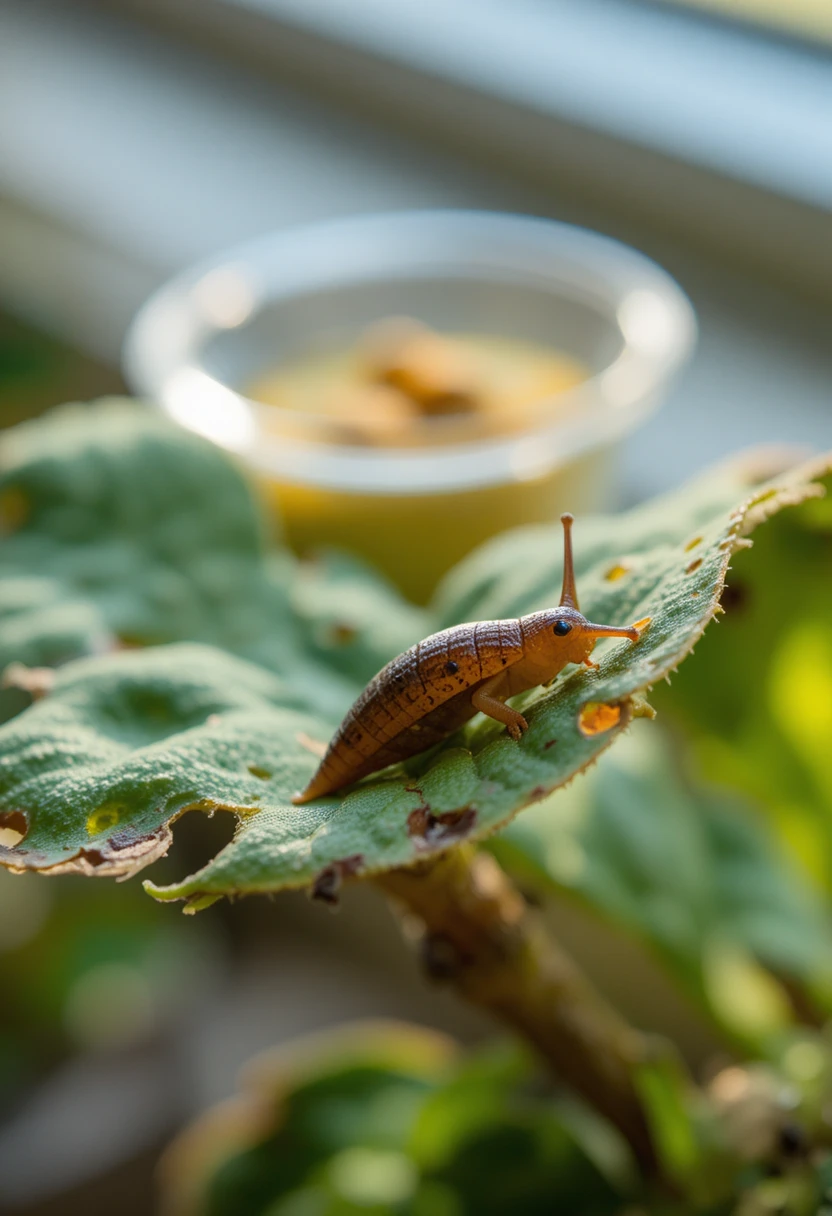
What they look like: Familiar soft-bodied mollusks, more common on houseplants that spend part of the year outdoors or near ground-level windows and doors.
Signs of infestation: Ragged holes chewed into leaf edges, along with visible slime trails across leaves or the surrounding surface.
Treatment: Hand-picking is genuinely effective for small numbers, especially when checked in the evening or early morning when these pests are most active. Keeping soil surfaces less consistently damp also makes conditions less inviting for them.
12. Broad Mites
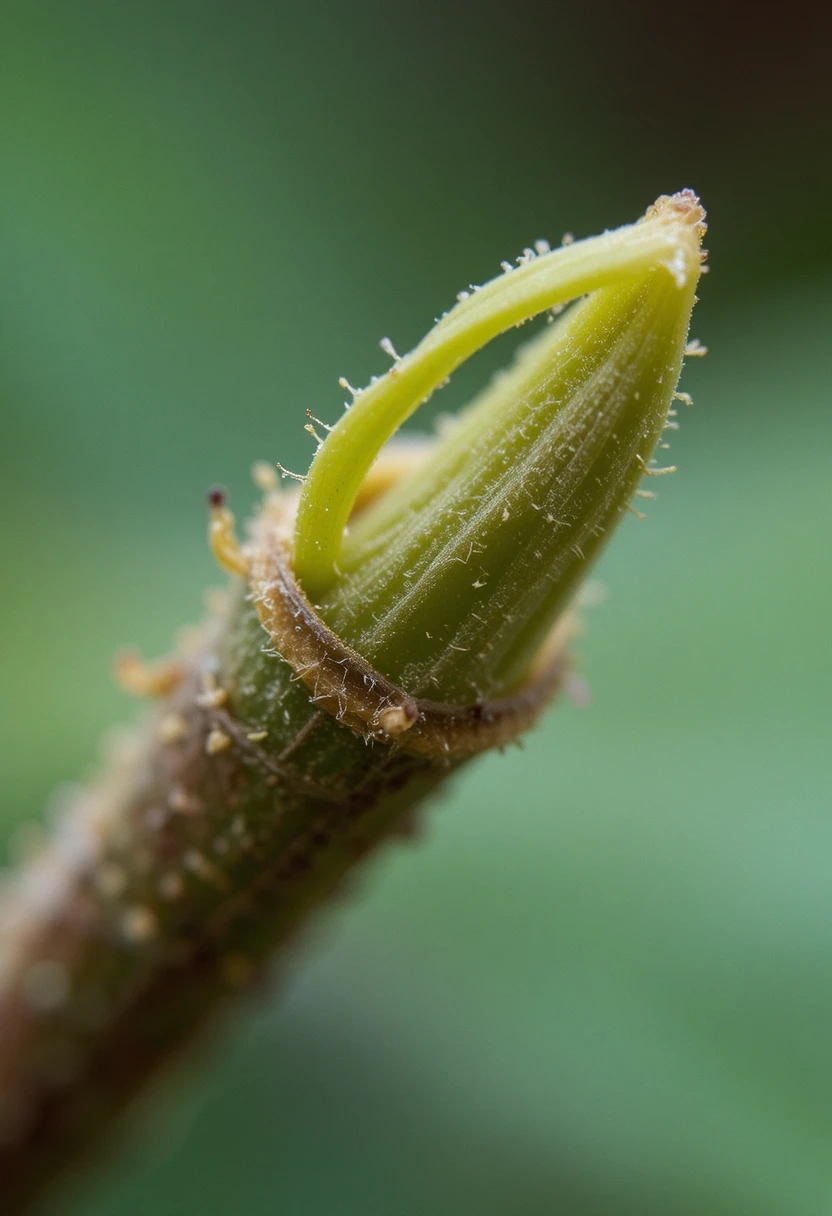
What they look like: Even smaller than spider mites and essentially impossible to see without magnification, broad mites are often identified by their damage rather than the pest itself.
Signs of infestation: Distorted new growth, downward-curling leaves, and a bronzed or hardened appearance to new leaves damage that’s frequently mistaken for a nutrient deficiency rather than a pest issue.
Treatment: Because broad mites are resistant to many standard treatments, isolating the affected plant immediately and treating consistently with a miticide labeled for broad mites gives the best results general insecticidal soap is often insufficient on its own.
13. Root Aphids
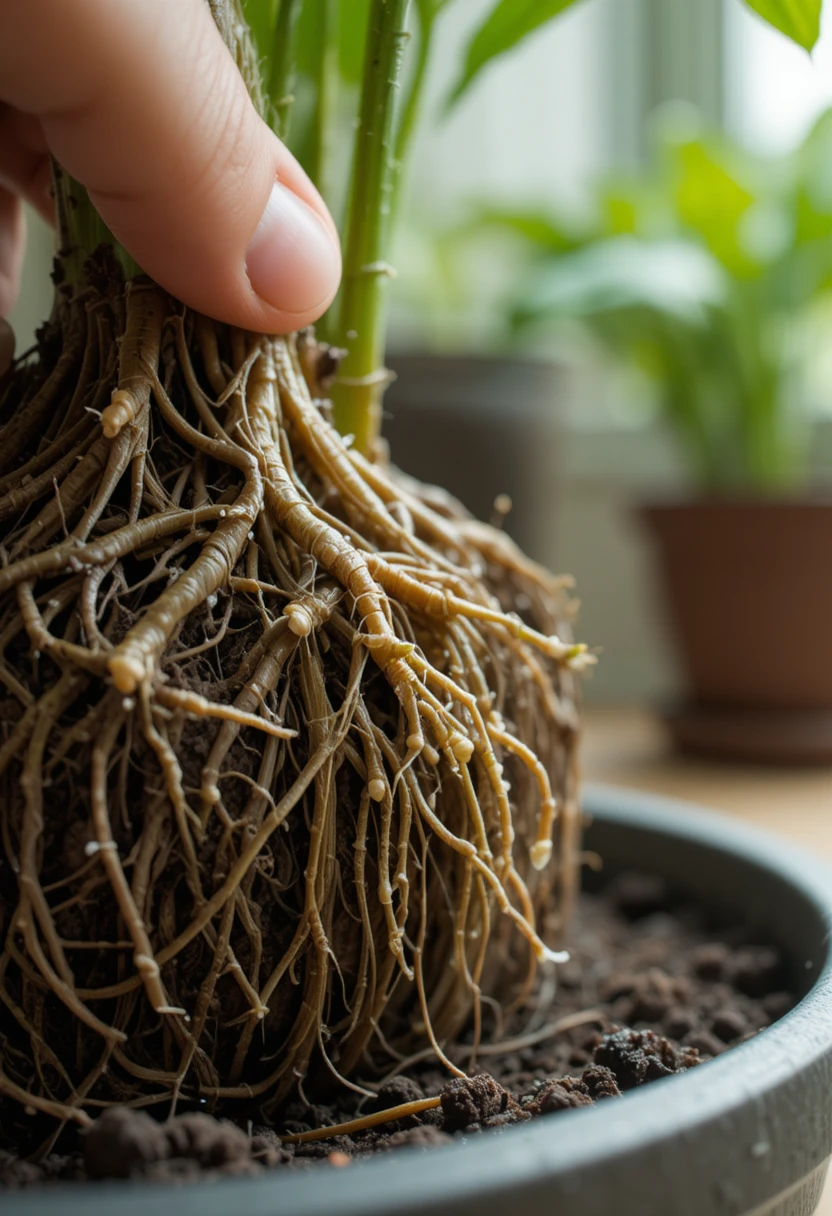
What they look like: Pale, waxy aphids that live below the soil line on root systems rather than on visible plant surfaces.
Signs of infestation: Similar to root mealybugs unexplained wilting, yellowing, or decline in a plant that looks otherwise pest-free above the soil.
Treatment: As with root mealybugs, effective treatment usually means unpotting the plant, thoroughly rinsing the root system, and repotting into fresh, sterile soil rather than trying to treat the infestation while the plant remains in its original pot.
Frequently Asked Questions
What is the most common houseplant pest?
Aphids and mealybugs are among the most frequently reported houseplant pests, largely because they’re relatively easy to spot and tend to show up on a wide range of plant types.
How do I know if my houseplant has pests below the soil line?
Unexplained wilting, yellowing, or poor growth in a plant that shows no visible pest damage above the soil is a common sign of root-feeding pests like root mealybugs or root aphids, which typically require unpotting the plant to confirm and treat.
Should I isolate a houseplant that has pests?
Yes isolating an infested plant from your other houseplants immediately helps prevent the pest from spreading to your entire collection while you treat it.
How long does it take to fully get rid of houseplant pests?
It varies by pest, but many infestations, especially spider mites, require several consecutive weeks of repeated treatment rather than a single application to fully eliminate every life stage.
Bringing It All Together
Almost every houseplant pest on this list is manageable once you know what you’re looking at and catch it early the real skill isn’t dramatic intervention, it’s regular, attentive inspection paired with the right targeted treatment for that specific pest.
Keep an eye on new growth, leaf undersides, and the soil surface during your normal watering routine, and quarantine new plants before introducing them to your existing collection. Most infestations that get out of hand do so simply because they went unnoticed for too long, not because they were unmanageable from the start.
Pin this guide so you have quick identification and treatment steps on hand the next time something looks off on your plants.