
Starting your first garden is exciting right up until you’re standing in a tiny backyard or on a narrow balcony wondering where to even begin. Too much advice online is written for people who already have raised beds, garden sheds, and years of trial and error behind them.
This isn’t that guide.
Everything below is written specifically for someone starting from zero: no experience, no fancy tools, and often not much space either. Save this guide now, because by the end you’ll have a clear starting point instead of a long list of things that feel overwhelming.
Here’s the thing: a small garden is actually the best place to learn. Mistakes cost less, changes take less time, and you can see results fast enough to stay motivated. Let’s get into the ideas that make that possible.
Before You Plant Anything: The One Step Beginners Skip
Every experienced gardener will tell you the same thing: know your light before you know your plants. Spend one day watching your space at three points morning, midday, and late afternoon and note whether it’s in full sun, partial shade, or mostly shade.
This single observation prevents the most common beginner mistake: buying beautiful plants that quietly die within weeks because they were never suited to the space in the first place.
So what does this mean for you? Every idea below works best when matched to the light your space actually gets, not the light you wish it had.
[Image placement: A simple sun-tracking chart or a small garden space photographed at three different times of day. Alt text: “Tracking sunlight in a small garden space for beginner gardeners.”]
1. Start With Containers, Not the Ground
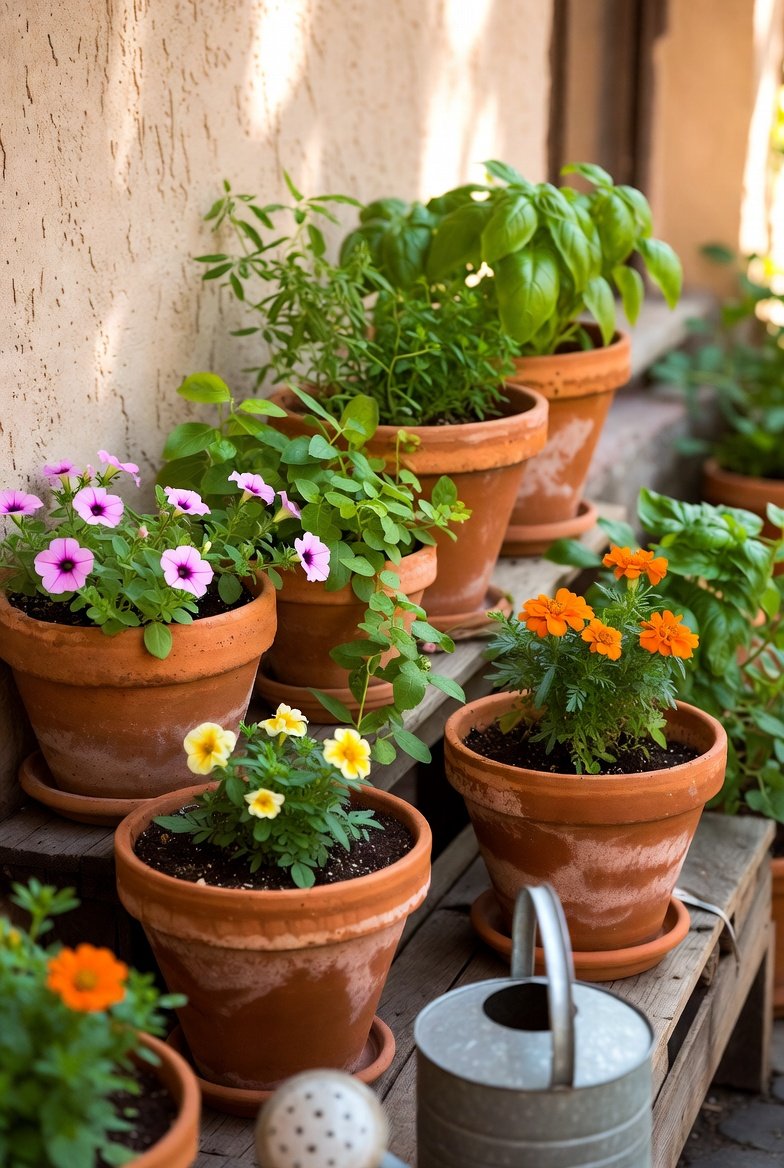
If you take away one idea from this whole list, make it this one. Container gardening is the single easiest entry point for beginners because it removes almost every variable that trips people up poor native soil, drainage problems, weeds, and pests are all far easier to control in a pot than in the ground.
- Choose containers with drainage holes (drill your own if needed)
- Use fresh potting mix, not garden soil, which compacts and drowns roots in pots
- Start with 2-3 containers instead of a dozen it’s easier to succeed small than fail big
Quick tip: Terracotta, plastic, wood, even a repurposed bucket all work. The container matters far less than the soil and drainage inside it.
2. Try Raised Beds for a Low-Maintenance Start
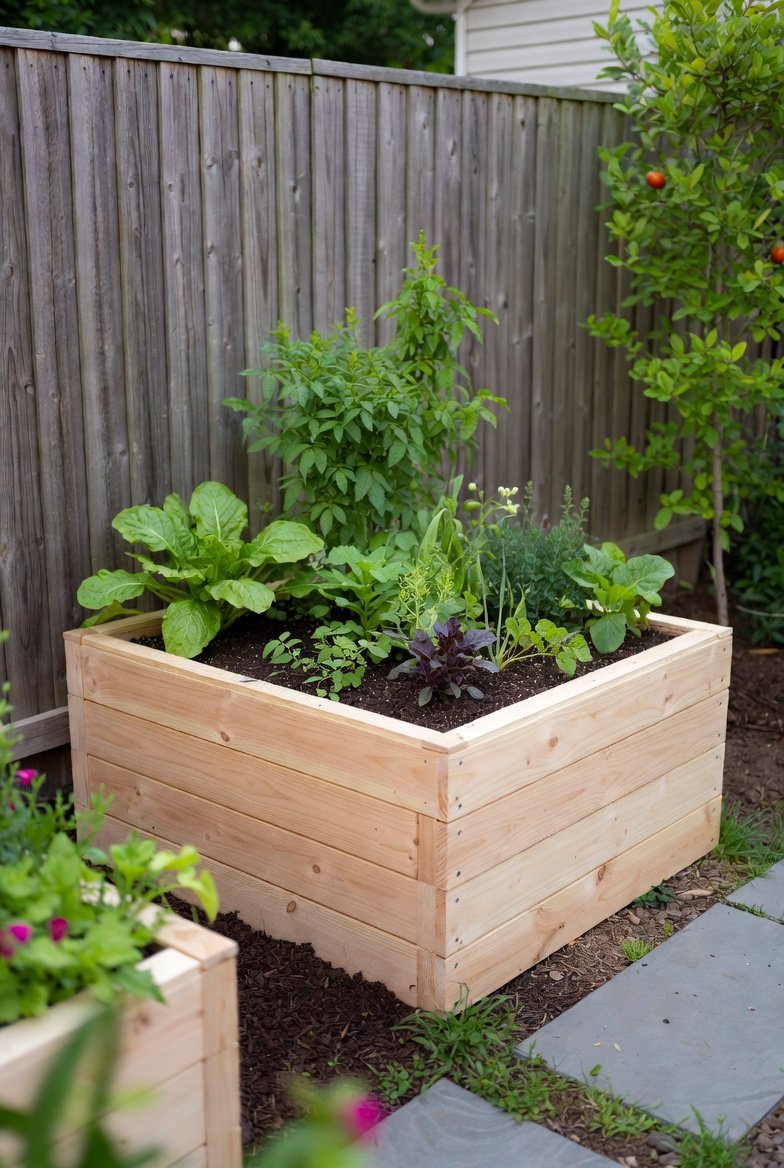
Raised beds are a favorite among beginners for good reason: you fill them with quality soil from day one, so there’s no need to fight compacted or poor native ground. They also create a clear, defined space, which makes weeding and watering far more manageable when you’re still learning the ropes.
A small 4×4 foot raised bed is plenty for a first vegetable or flower garden and can be placed in a backyard, side yard, or even directly on a patio with a solid base.
[Image placement: A small 4×4 raised garden bed with young vegetable seedlings. Alt text: “Beginner-friendly raised garden bed idea for a small space.”]
3. Go Vertical When Ground Space Is Limited
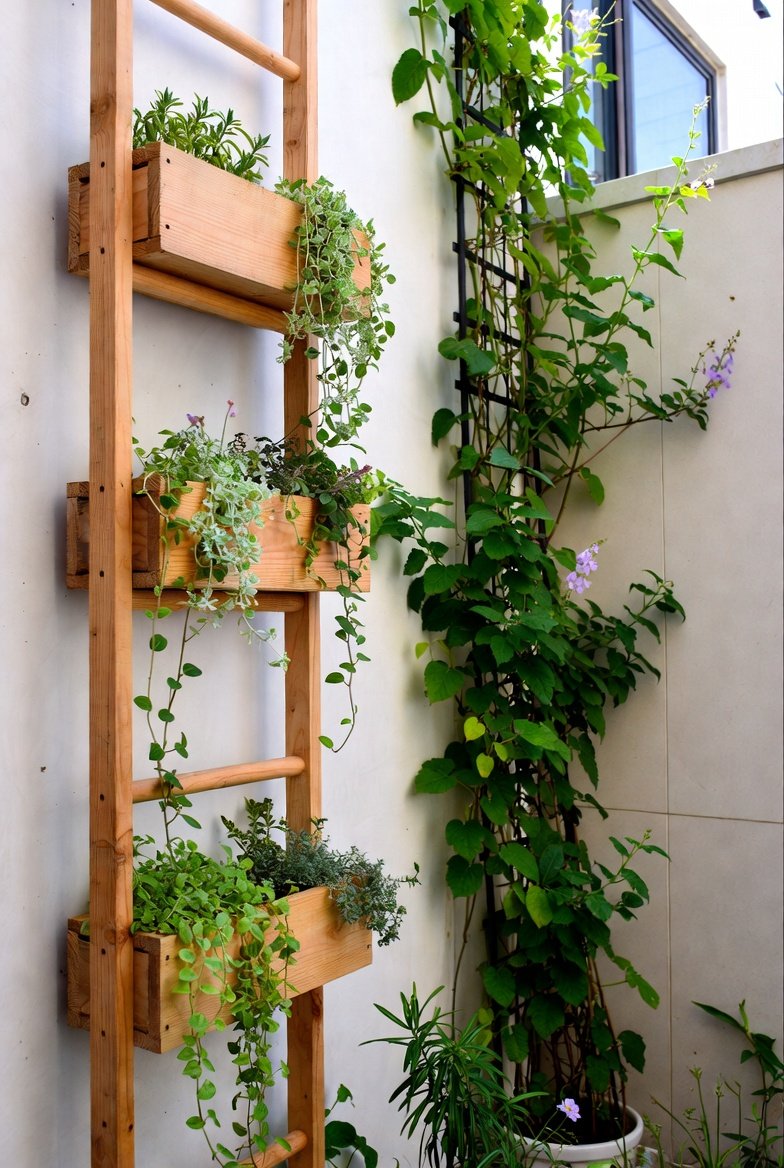
When square footage is tight, growing up instead of out solves the problem instantly. Wall-mounted planters, a simple trellis, or even repurposed shoe organizers hung on a fence let you grow far more than the floor space would otherwise allow.
Good beginner picks for vertical growing include:
- Strawberries in hanging planters
- Climbing beans or peas on a simple trellis
- Herbs in a wall-mounted pocket planter
Here’s the thing about vertical gardens: they need slightly more frequent watering than ground-level beds, since containers dry out faster higher up and in more airflow. Check soil moisture daily during warm weather.
4. Add Window Boxes for an Easy Win
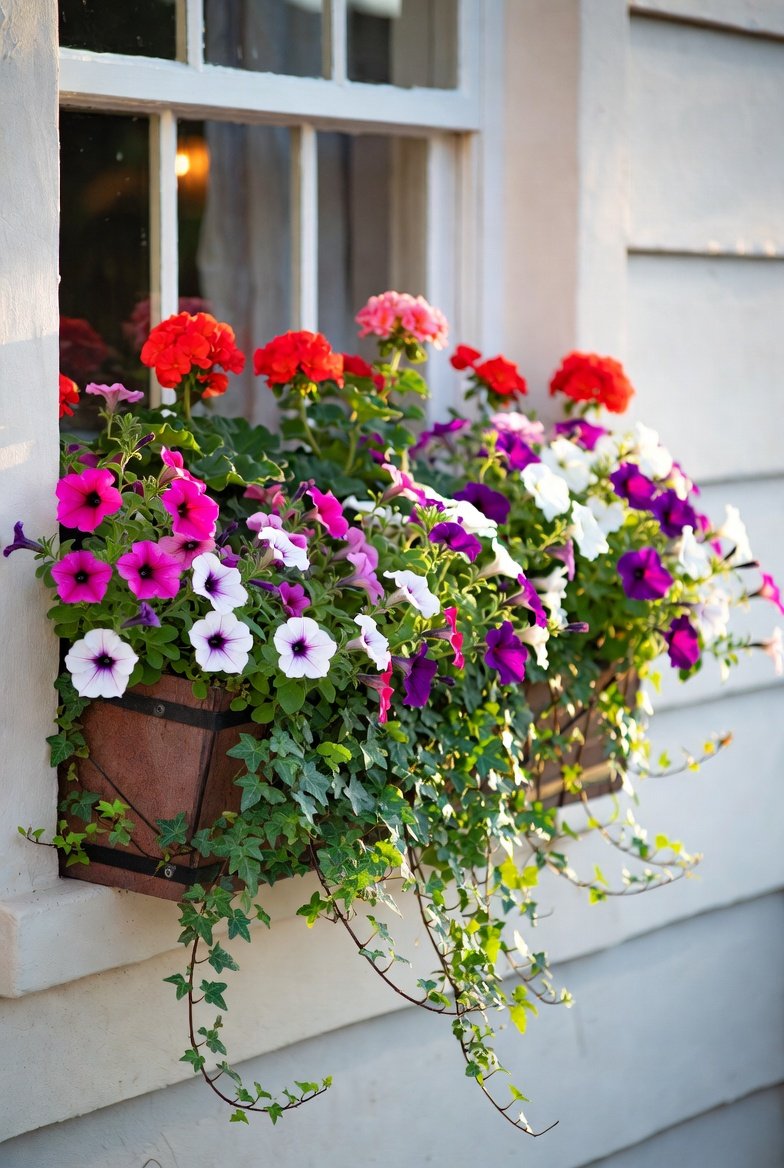
If you want a fast, satisfying beginner project, window boxes are hard to beat. They require minimal space, minimal soil volume, and give you a visible result right outside a window you already look through every day which makes it easy to notice when plants need water or attention.
Herbs, trailing petunias, and compact annuals all do well in window boxes and reward beginners with color or fresh herbs within just a few weeks.
Read Also: 12+ Raised Garden Bed Ideas DIY You Can Build This Weekend
5. Use a Bird Bath or Shallow Dish for a Mini Succulent Garden
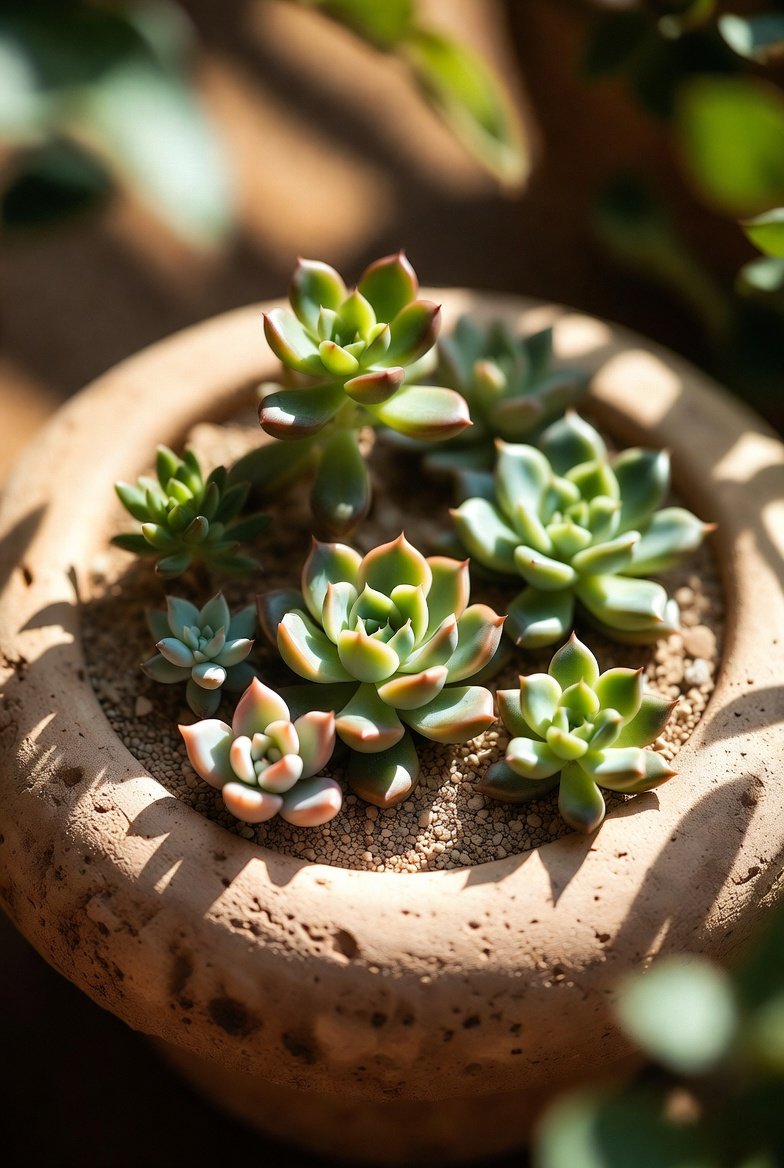
An unused or decorative bird bath makes a genuinely charming beginner project. Because succulents store water in their leaves and stems, they tolerate the shallow soil depth of a bird bath far better than most other plants, making this one of the lowest-maintenance small garden ideas around.
Add a layer of small pebbles on top of the soil to help retain moisture and give the whole arrangement a tidy, finished look.
[Image placement: A shallow bird bath filled with an assortment of small succulents and decorative pebbles. Alt text: “Bird bath succulent garden idea for beginner gardeners.”]
6. Keep Your First Plant List Short and Forgiving
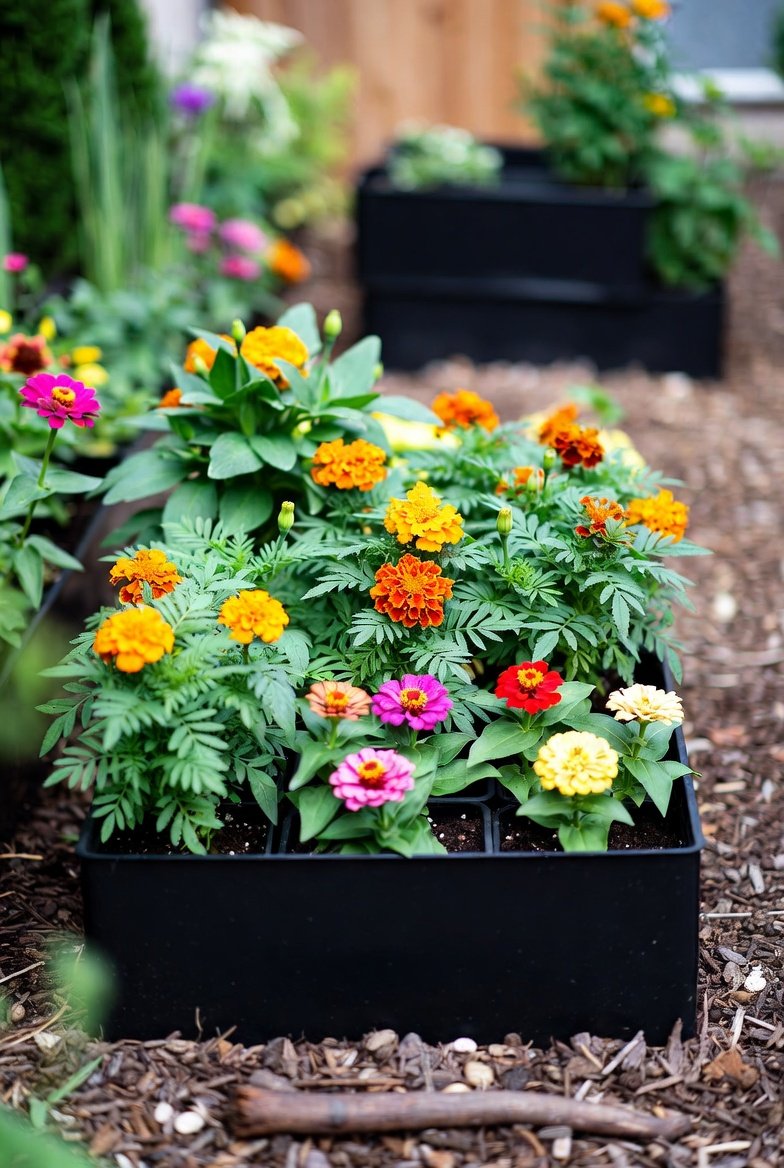
One of the fastest ways beginners lose motivation is by starting with 15 different plants that all have different watering, light, and feeding needs. Instead, start with 4-6 genuinely forgiving plants:
- Marigolds (bright color, pest-resistant)
- Zinnias (fast-blooming, low-maintenance)
- Mint or basil (herbs that tolerate beginner mistakes well)
- Cherry tomatoes (satisfying, productive, container-friendly)
Save-worthy tip: Once you’ve successfully grown these for one full season, you’ll have a much better feel for your specific space and can branch out with confidence.
7. Build a Simple Arched Trellis Focal Point
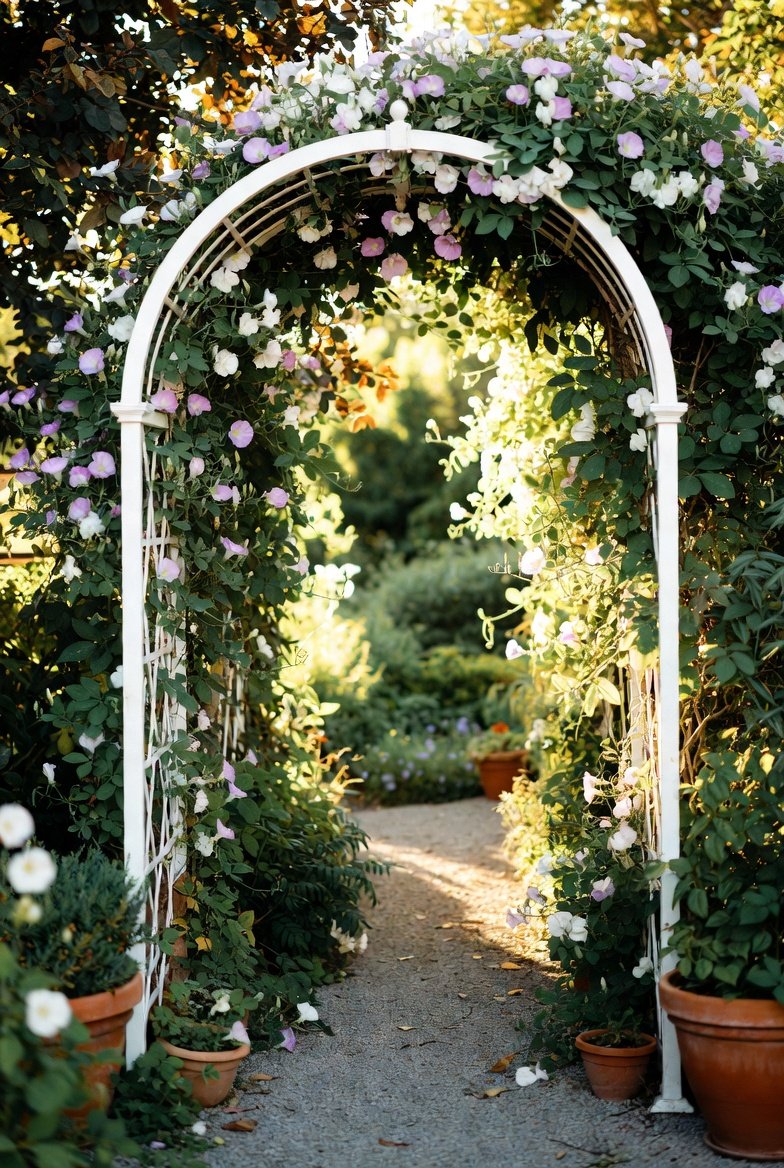
A small garden benefits enormously from having one clear focal point rather than a scattered mix of elements. An arched trellis — even an inexpensive one covered in a climbing flower or vine instantly gives a compact space a sense of design intention.
Plant one climbing variety on each side of the arch, and be careful not to overcrowd the base, since airflow matters more than plant density when space is tight.
8. Add a Small Bench or Seat
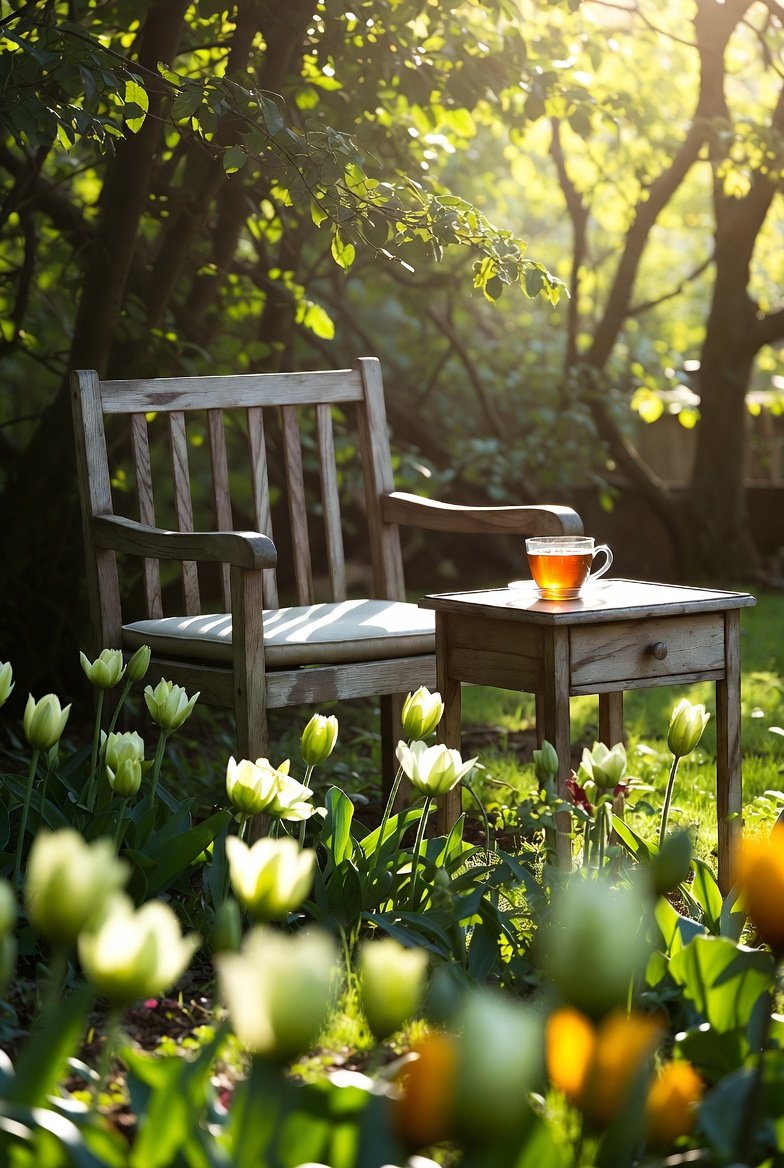
It’s easy to forget, when you’re focused on plants, that a garden is also a place to actually sit and enjoy. Even a small wooden bench flanked by a couple of potted blooms turns a planting area into a destination rather than just a task to maintain.
This is also a genuinely useful beginner trick: a bench (or any seating) forces you to slow down and actually look at your garden regularly, which means you’ll catch problems pests, dry soil, overgrowth much earlier.
[Image placement: A small wooden garden bench surrounded by potted flowering plants. Alt text: “Small garden seating idea with potted flowers for beginners.”]
9. Use Plant Markers to Track What’s Growing Where
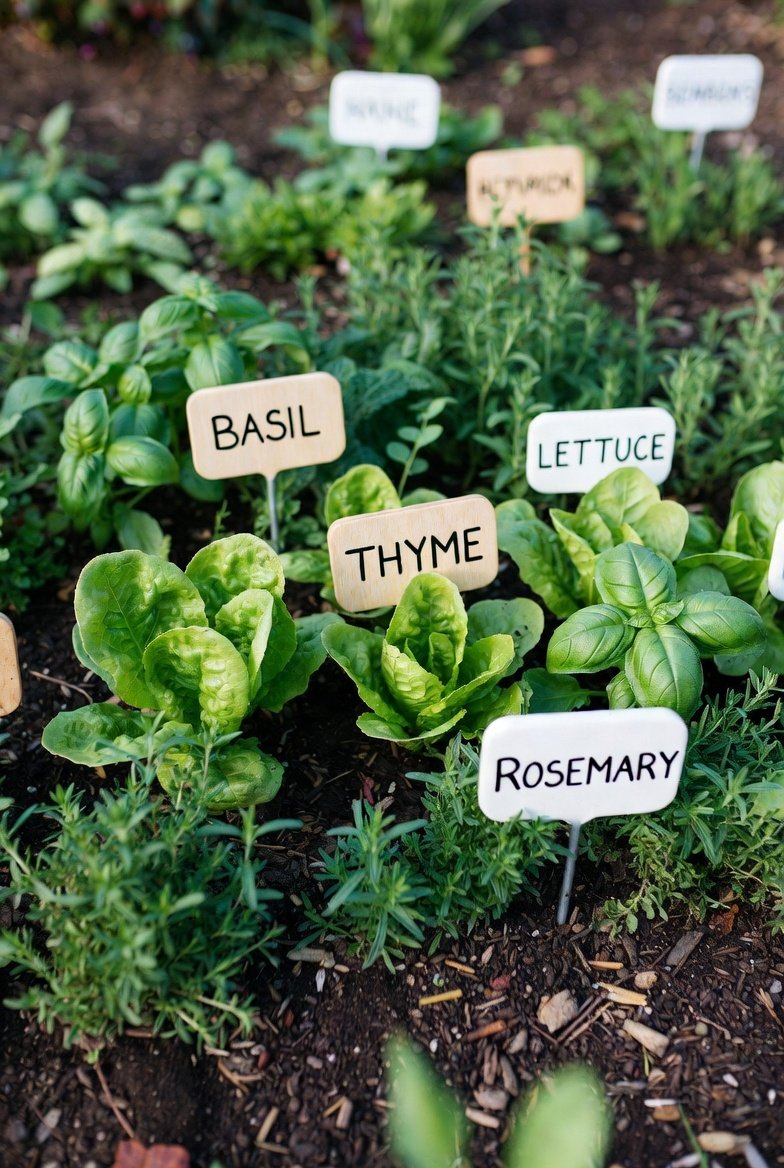
This sounds almost too simple to include, but it’s one of the most genuinely useful beginner habits: label everything. Simple wooden or plastic plant markers prevent the very common beginner mix-up of forgetting what was planted where, especially with seeds that take weeks to show visible growth.
It also helps you track which plants thrived and which struggled, which becomes valuable knowledge for next season.
10. Start a Tiered Planter for Small-Space Color
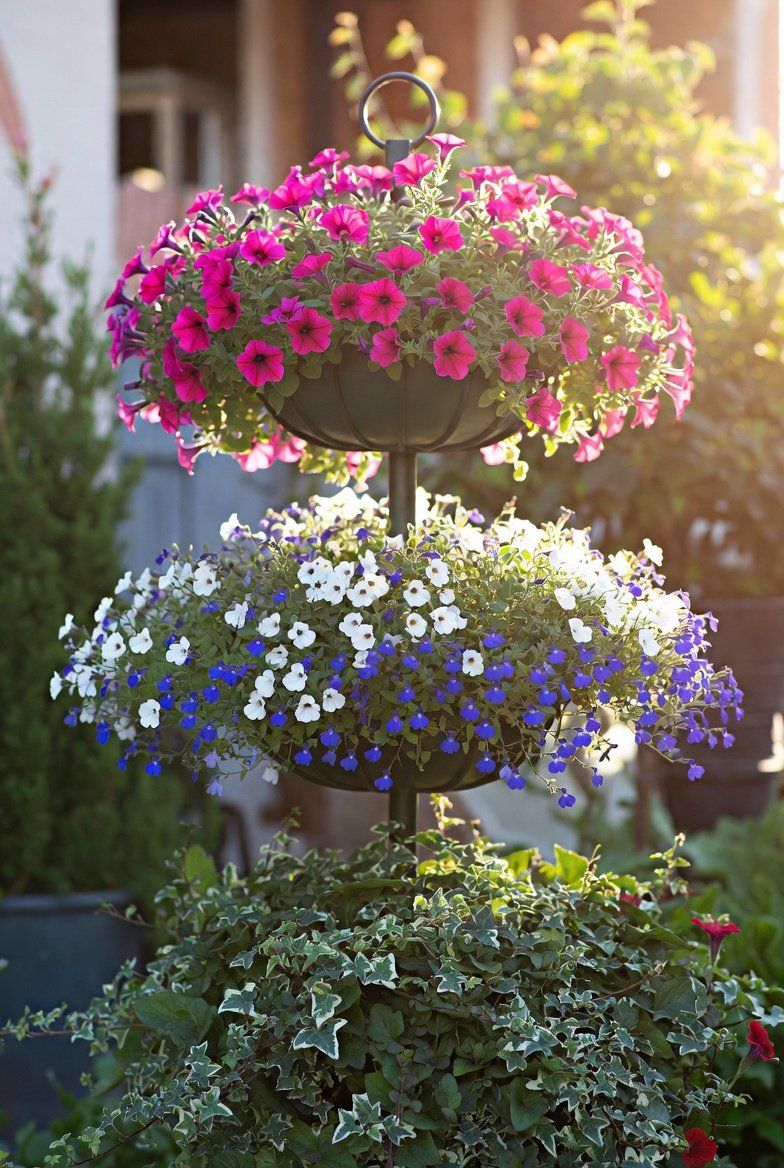
A tiered terracotta or wooden planter stand lets you display several plants in the vertical space a single large pot would normally take up. It’s a particularly good option for small patios and balconies, where floor space for individual pots runs out fast.
Mixing colors deliberately say, a simple red-orange-yellow progression creates a much more polished look than randomly placed single-color pots.
Bucket brigade moment: But there’s a catch tiered planters concentrate a lot of plants in a small footprint, so keep an eye on watering, since lower tiers can be shaded and stay wetter longer than top tiers.
11. Tuck Seasonal Plants Into Existing Beds
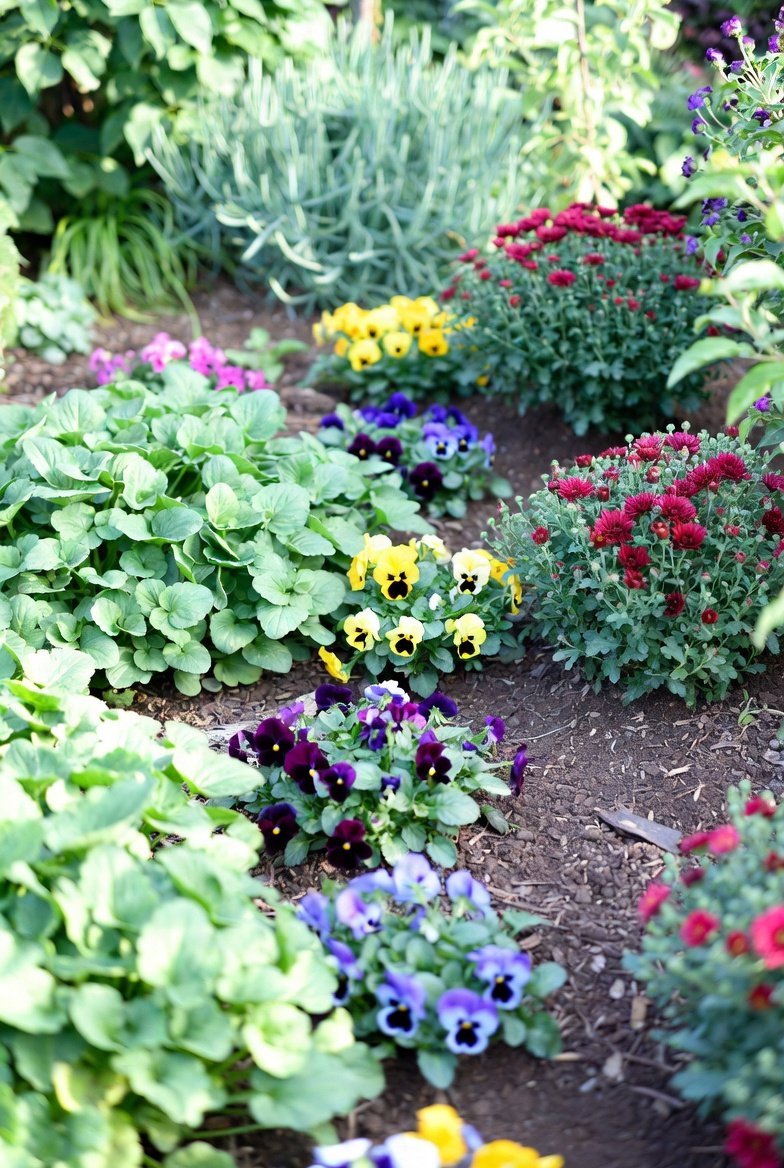
If you already have any established garden bed, even a small or overgrown one, one of the easiest beginner moves is to simply tuck a few seasonal annuals into the gaps rather than starting an entirely new bed from scratch.
This gives an instant fuller, more finished look with minimal digging, minimal soil prep, and almost no risk, since you’re working within a space that’s already proven it can grow something.
12. Try Companion Planting in Large Containers
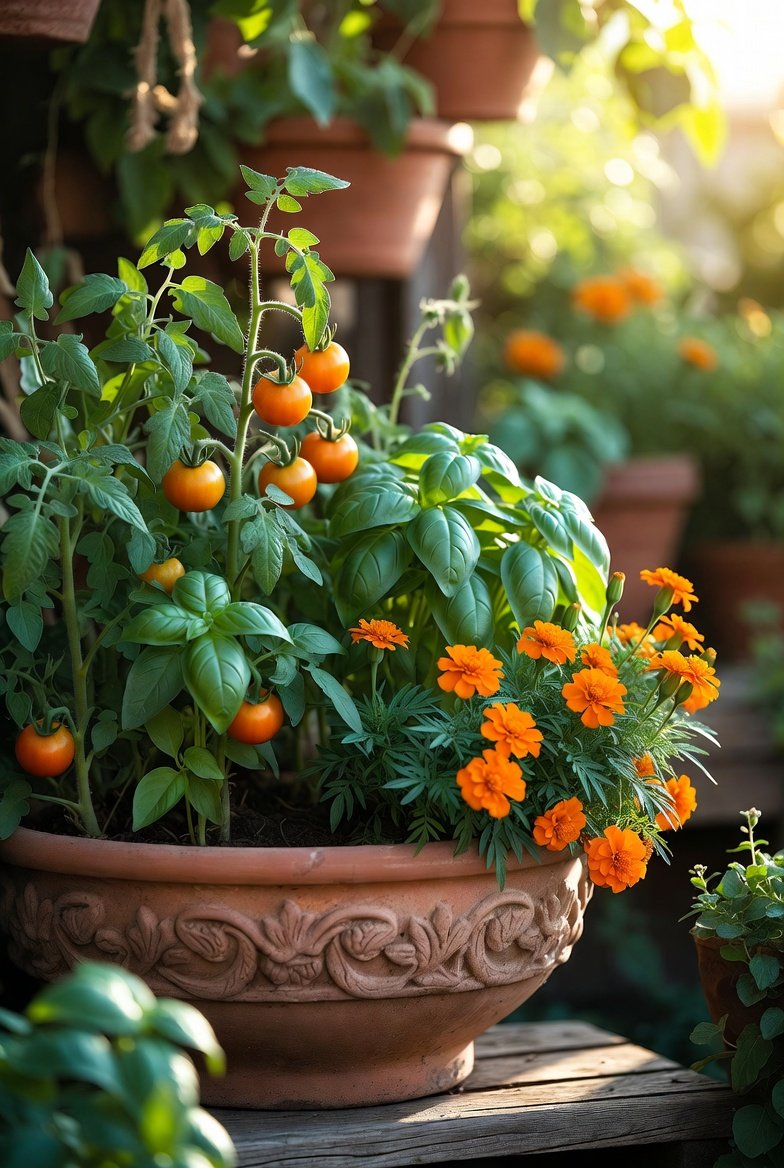
Once you’re comfortable with the basics, pairing complementary plants in a single large container is a simple next step that adds visual interest and can even improve plant health. Herbs and flowers planted together, for example, often benefit from shared pest-deterrent properties.
A simple beginner combination: a tomato plant in the center with basil and marigolds around the edge classic companions that also happen to look attractive together.
[Image placement: A large container with a mixed planting of tomatoes, basil, and marigolds. Alt text: “Companion planting container idea for beginner gardeners.”]
13. Add String Lights for Evening Charm
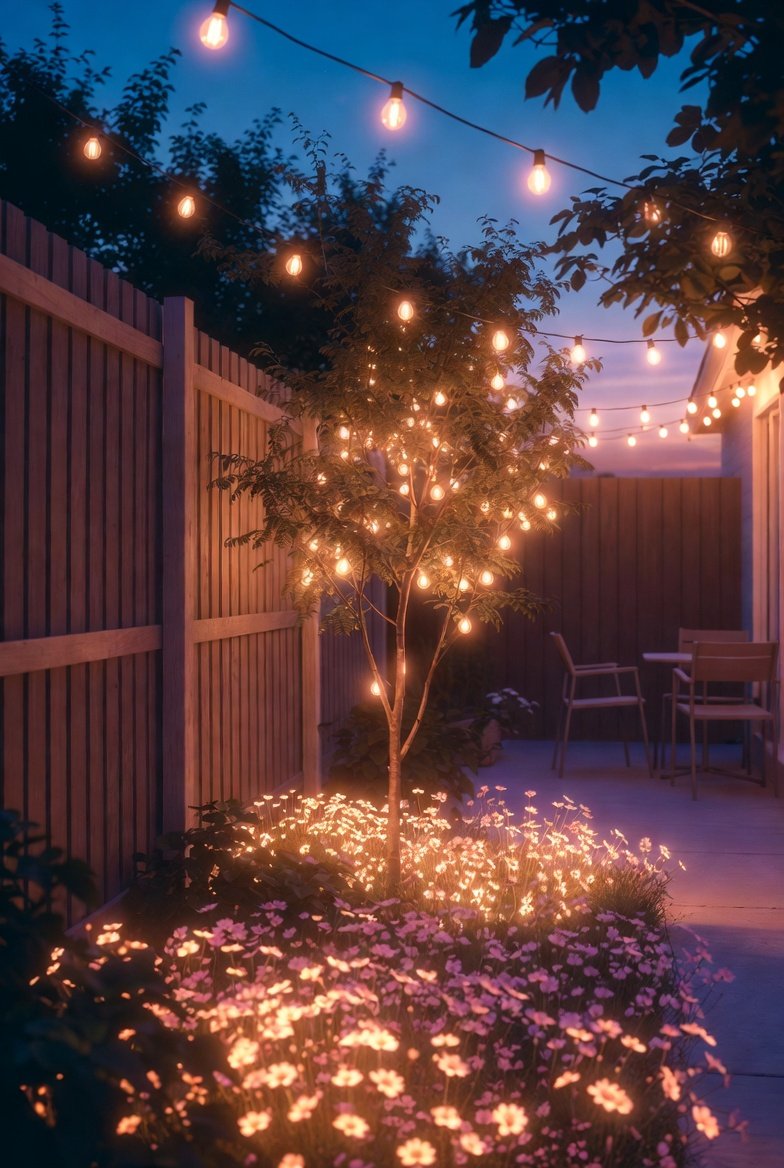
It’s easy to only think about how a garden looks during the day, but a small garden that carries into the evening feels twice as usable. Simple string lights, woven along a fence, trellis, or overhead line, add an inviting glow without requiring any electrical work many affordable options run on solar power or battery packs.
Quick recap of the fastest beginner wins if you only try three: containers with quality potting mix, a short list of forgiving plants, and clear plant labels. Those three alone will save you from the most common first-season mistakes.
Frequently Asked Questions
What is the easiest garden to start for a complete beginner?
Container gardening is generally considered the easiest starting point, since it removes the variables of poor native soil and drainage issues that trip up many first-time in-ground gardeners.
How much space do I need for a small beginner garden?
Very little. A single window box, a cluster of 2-3 containers, or one small raised bed (around 4×4 feet) is enough to start learning the basics and can be scaled up over time.
What are the most forgiving plants for beginners?
Marigolds, zinnias, mint, basil, and cherry tomatoes are widely considered beginner-friendly because they tolerate inconsistent watering and minor care mistakes better than more delicate varieties.
How do I know if my small garden gets enough sunlight?
Observe the space at three points during the day — morning, midday, and late afternoon and note how many hours of direct sun it receives. Most vegetables and flowering plants need at least 6 hours of direct sun, while shade-tolerant plants can manage with less.
Final Thoughts
A small garden is not a limitation for a beginner, it’s actually an advantage. Fewer square feet means fewer chances for things to go wrong, faster feedback when they go right, and a much gentler learning curve than tackling a large, ambitious yard on day one.
Pick two or three ideas from this list a couple of containers, a short beginner plant list, and clear labeling and start there. Save this guide so you can return to it as your small garden (and your confidence) grows.

