
Most vegetable gardens don’t fail because of bad soil or a black thumb they fail because of a bad layout. Plants get crammed too close together, pathways eat up half the usable space, and by July the whole thing is an overgrown tangle nobody can walk through.
The fix isn’t more effort. It’s a better plan before you plant a single seed.
Save this guide now, because the right layout for your space might be completely different from the one you’ve been assuming you need and getting it right from the start saves you a full season of trial and error.
Here’s the thing: the best vegetable garden layout depends primarily on your available space, soil quality, and how much food you want to grow. So let’s match you to the layouts that actually fit your situation.
Start Here: What Actually Determines Your Best Layout
Before picking a design, be honest about three things: how much sun your space gets, how much time you want to spend maintaining it, and how much food you actually want to harvest. While designing, place your growing areas in the sunniest, most open spots possible, since almost every layout below depends on consistent sun exposure to perform well.
So what does this mean for you? A stunning layout in someone else’s yard can flop in yours if the sun, space, or soil don’t match. Use the quick guide below to narrow things down fast:
- Small yard or limited space: Square-foot gardening or compact raised beds maximize production in tight areas.
- Poor, rocky, or compacted soil: Raised bed layouts let you control soil quality and improve drainage.
- Large open lot: Traditional in-ground row gardens are efficient for planting, watering, and harvesting at scale.
- Beginner gardener: A simple 4×8 raised bed layout is easy to manage and highly productive.
[Image placement: An overhead flat-lay photo of a hand-sketched vegetable garden layout on graph paper. Alt text: “Vegetable garden layout planning sketch for beginners.”]”]
1. The Classic 4×8 Raised Bed Layout
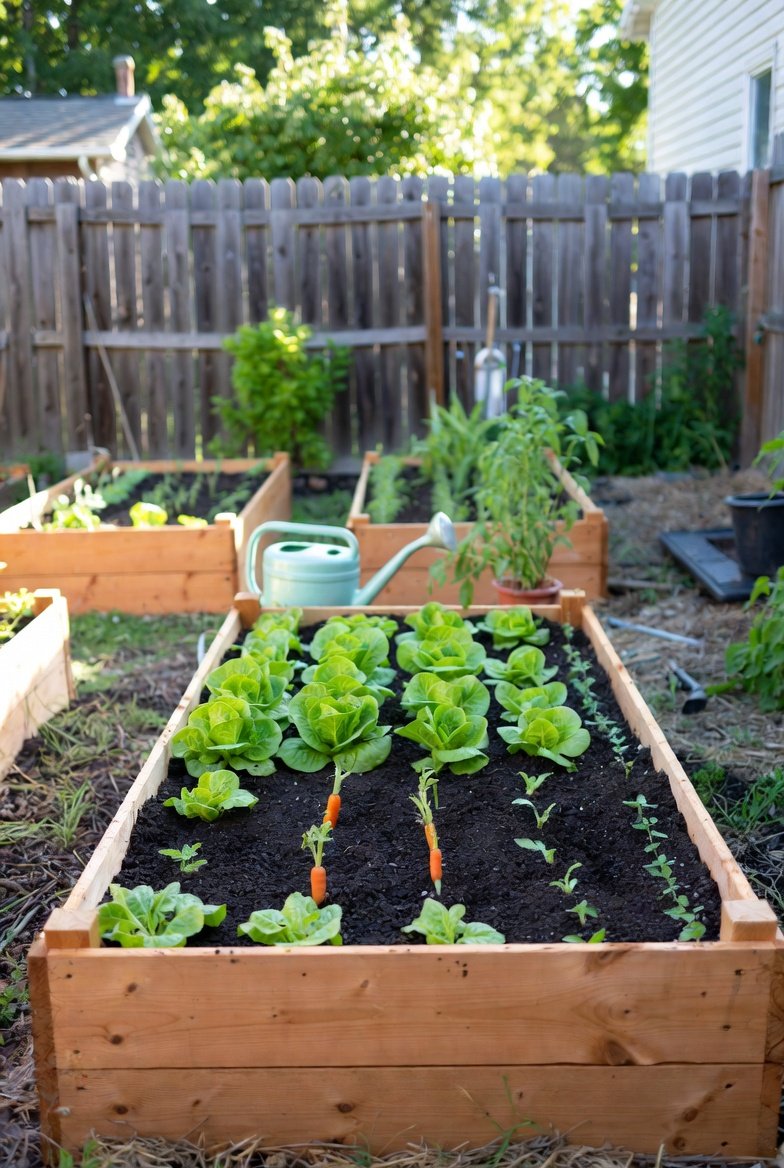
This is the layout most gardening experts recommend for anyone starting from scratch. A single 4×8 foot raised bed is wide enough to grow a meaningful variety of vegetables, but narrow enough that you can reach the center from either side without stepping on the soil.
Quick tip: Keep tall crops (like staked tomatoes or trellised beans) on the north side of the bed so they don’t shade shorter plants as the sun moves through the day.
2. The Four-Quadrant Rotation Layout
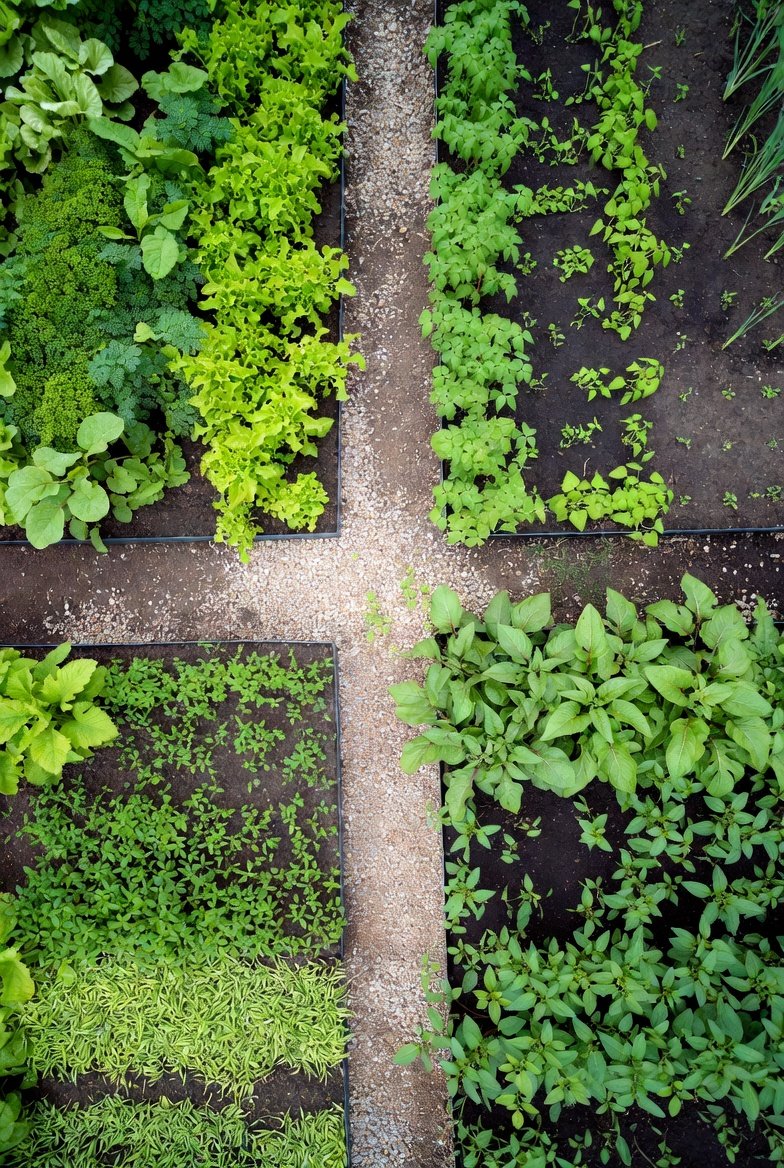
One of the oldest, simplest layout plans: divide your garden into four sections, with each section functioning as its own bed for vegetables that grow well together and share similar needs.
Save-worthy tip: Each growing season, rotate your crops clockwise through the four sections so you’re never planting the same crop family in the same soil two years running. This single habit does more for long-term soil health and pest control than almost anything else on this list.
3. Square-Foot Gardening Grid
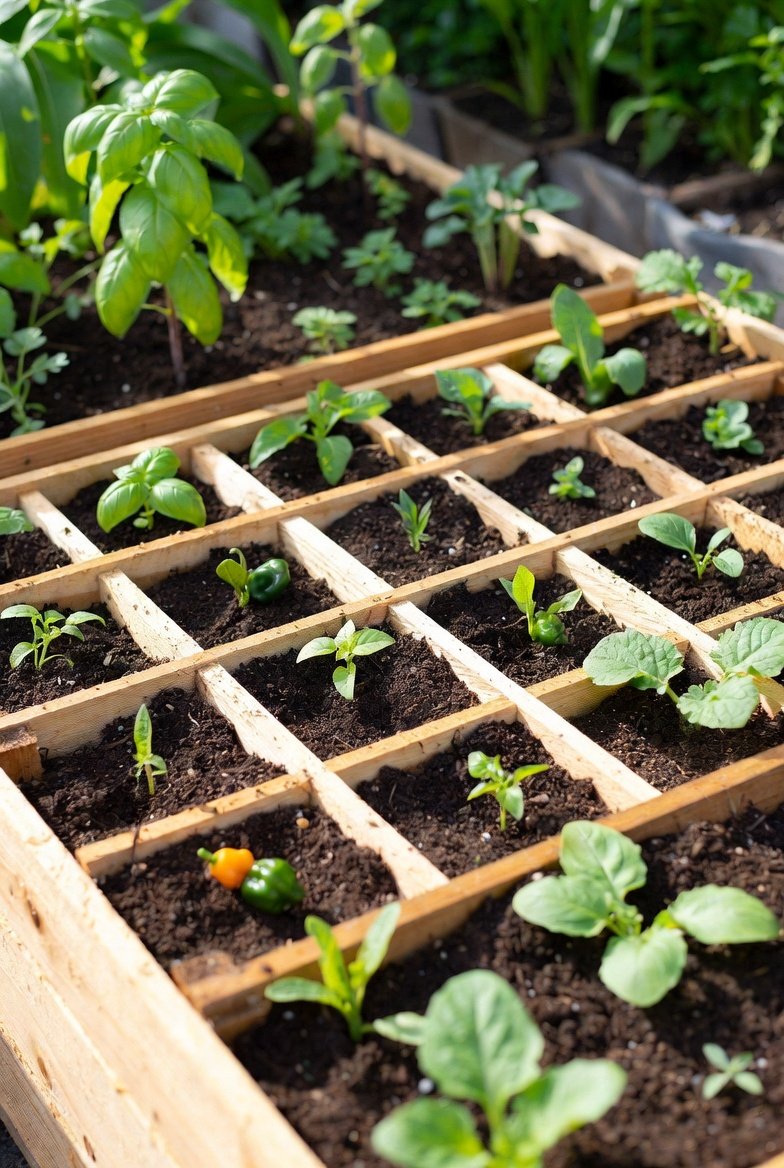
If precise organization appeals to you more than open rows, square-foot gardening is worth serious consideration. Divide your garden into equal grid sections using string tied to stakes or thin strips of wood, then plant one type of vegetable per square based on that crop’s specific spacing needs.
This method is prized for minimizing wasted space and making it easy to track exactly what’s growing where a big advantage for beginners still learning plant spacing.
[Image placement: A square-foot garden grid built with wooden dividers, each square holding a different vegetable. Alt text: “Square foot vegetable garden layout idea with grid dividers.”]
4. Traditional Row Garden
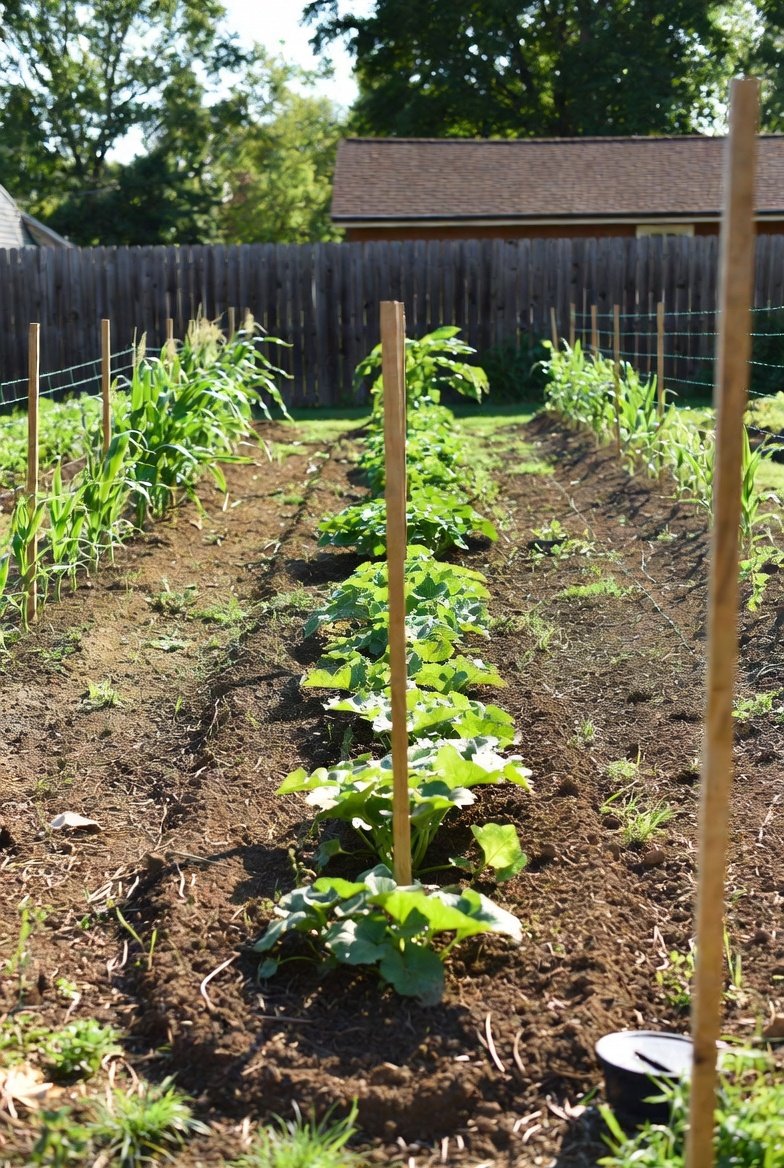
For larger properties with room to spare, nothing beats the efficiency of straight, in-ground rows. Traditional in-ground row gardens are efficient for planting, watering, and harvesting at scale, making this the go-to layout for anyone growing enough food to can, freeze, or share with neighbors.
Bucket brigade moment: But there’s a catch rows need more total space than grid or block layouts, since each row typically needs a walking path on at least one side.
Read Also: 14+ Flower Garden Ideas for Beginners That Bloom All Season
5. Block Planting Instead of Rows
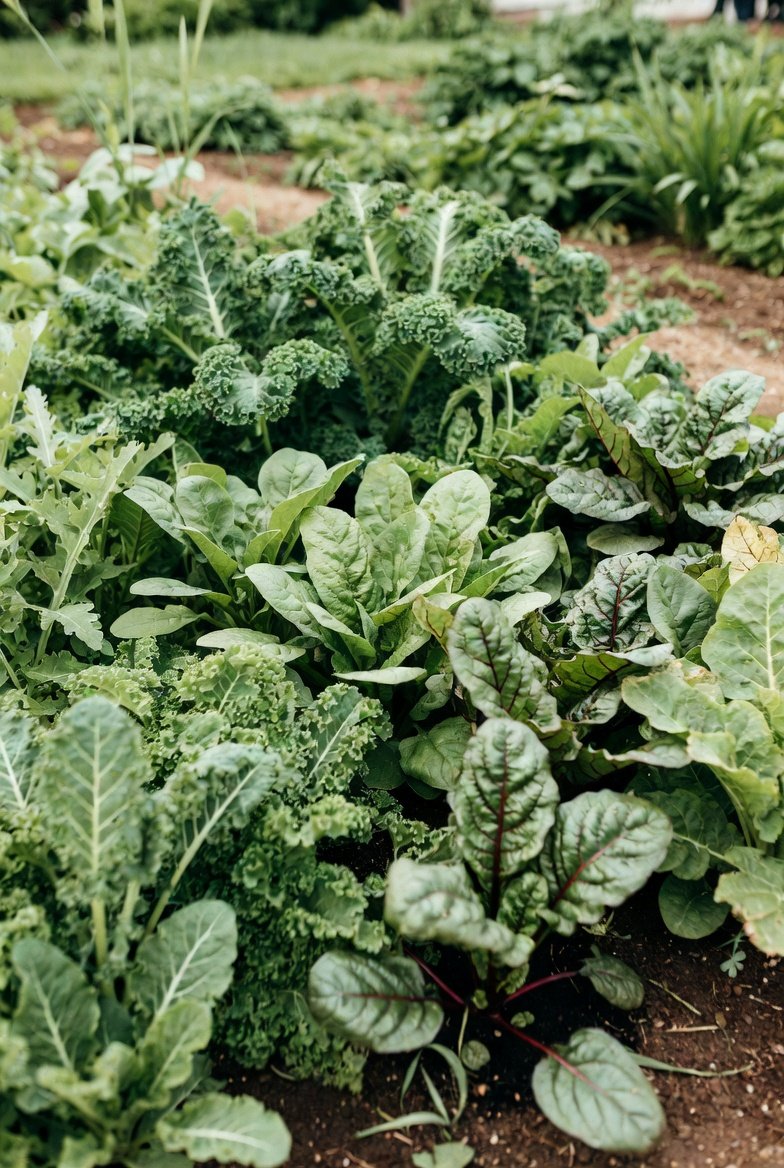
Here’s a tip most beginner guides skip: rows aren’t always the most space-efficient choice. Certain crops actually perform better grown in solid blocks rather than rows, since block planting reduces the total pathway space needed and lets plants shade out competing weeds as they mature.
Leafy greens, bush beans, and root vegetables like carrots and beets are strong candidates for block planting, while sprawling vine crops usually still do better in defined rows.
6. Keyhole-Style Circular Bed
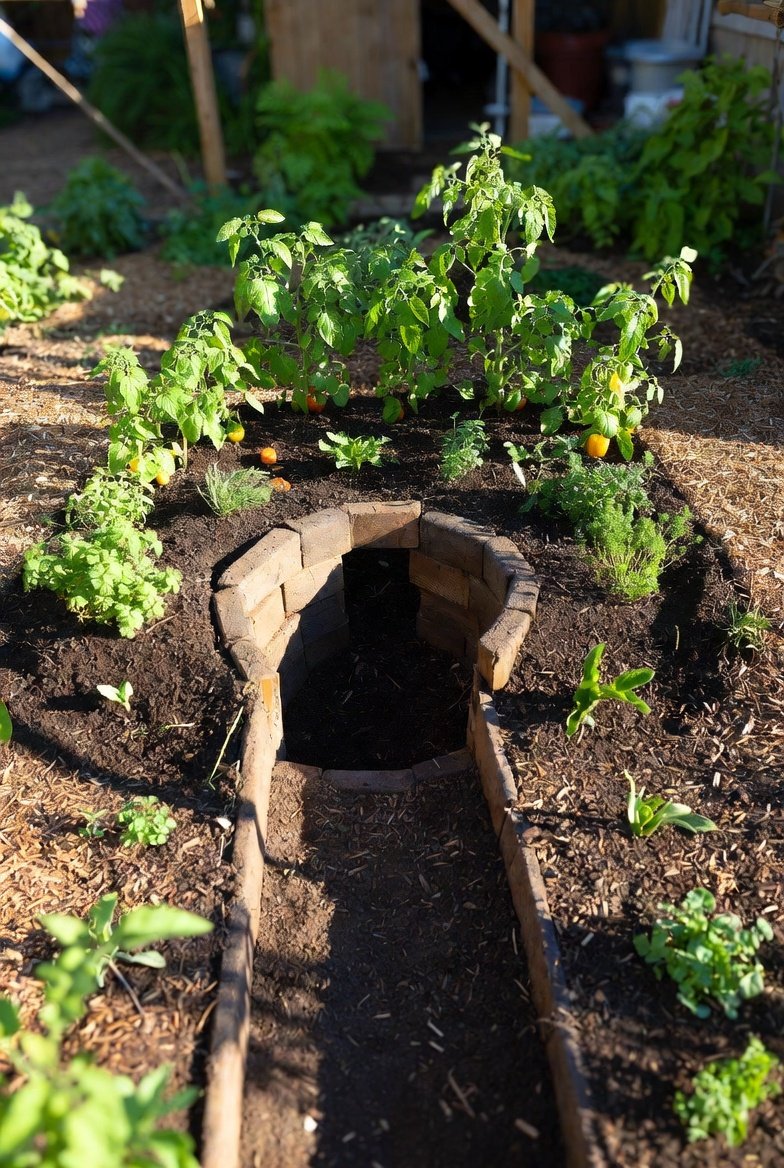
Borrowed from permaculture design, a keyhole layout is a circular or horseshoe-shaped bed with a notch cut in to let you walk to the center without stepping on soil. It maximizes growing space relative to pathway space and gives your garden a more organic, less grid-like feel if straight lines aren’t your style.
7. Container-Only Layout for Patios and Balconies
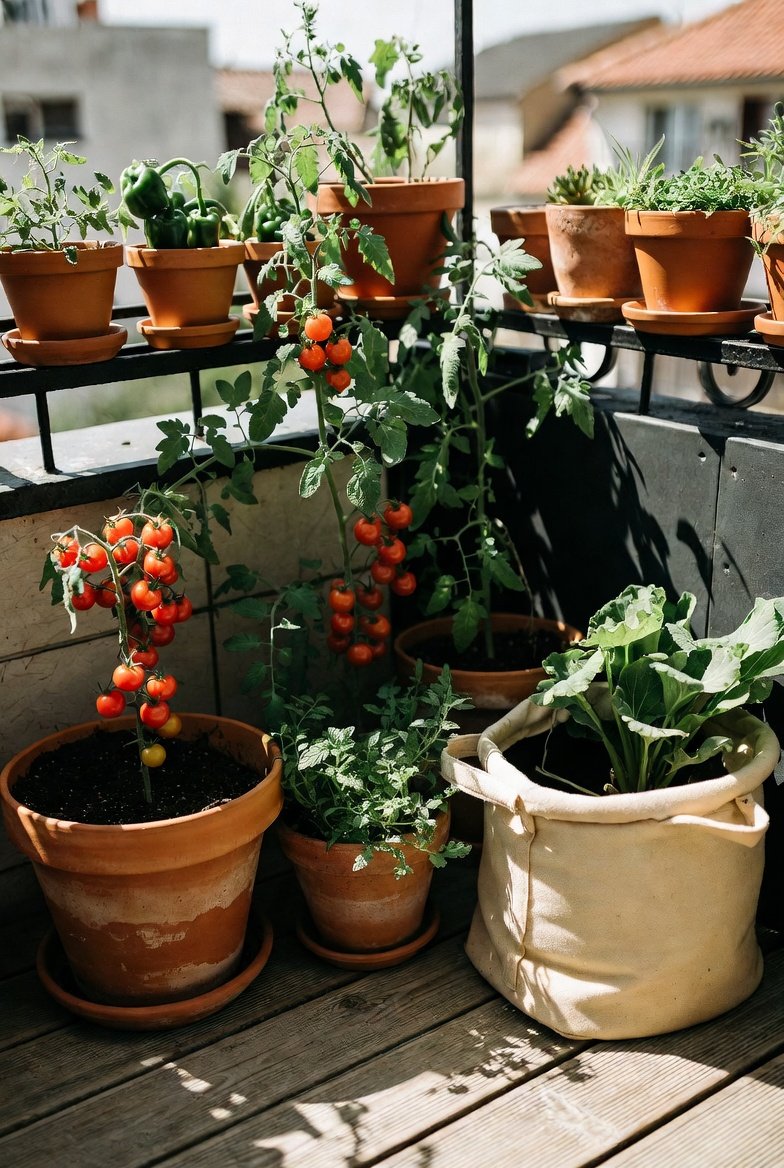
No yard? No problem. Spacing is essentially foolproof in container gardens simply choose the right size planter for whatever vegetable you’re growing.
This layout works especially well for renters or anyone without in-ground growing space at all. Group containers by sun exposure and watering needs so you’re not running back and forth with different watering schedules for neighboring pots.
[Image placement: A cluster of vegetable-filled containers arranged on a sunny patio or balcony. Alt text: “Container vegetable garden layout idea for patios and balconies.”]
8. Curved or Free-Form Beds
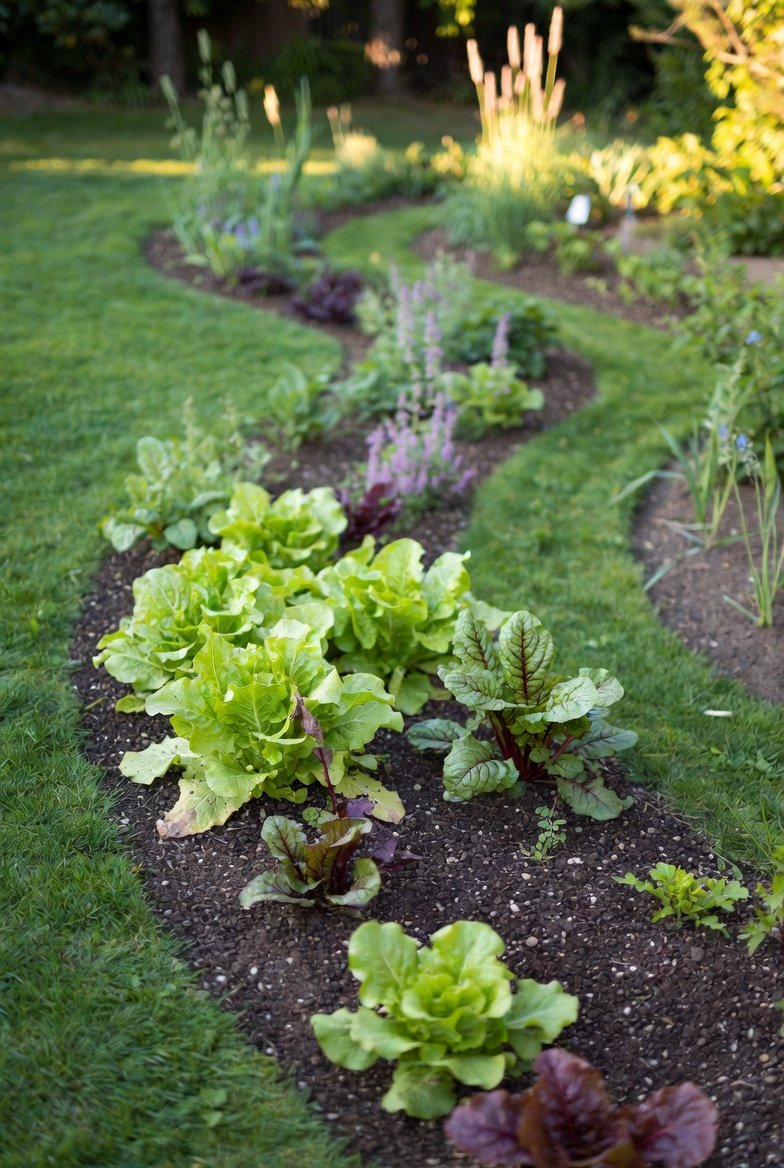
Garden beds don’t have to be rectangles and squares curved shapes can be used throughout a layout design for a softer, more natural look that breaks up an otherwise boxy backyard. This layout works particularly well in yards where the vegetable garden shares space with lawn or ornamental beds, since curves help it blend rather than compete visually.
9. Vertical-Focused Layout for Small Spaces
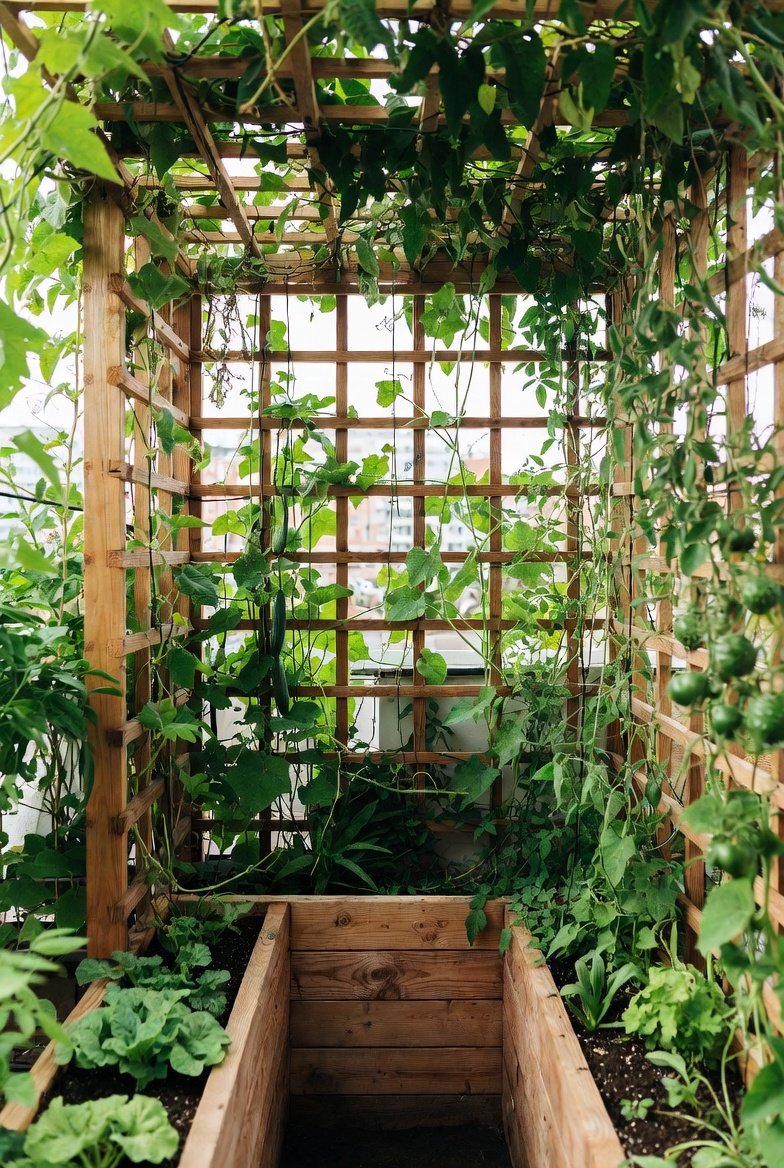
When ground space is the limiting factor rather than sunlight, a layout built around vertical growing structures can dramatically increase your yield per square foot. Trellises, cattle panels, and A-frame supports let vining crops like cucumbers, pole beans, and small melons grow up instead of out.
Quick recap: pair this layout with a narrow raised bed or a single row at the base of each trellis for the most efficient use of a tight space.
10. Fenced Perimeter Layout
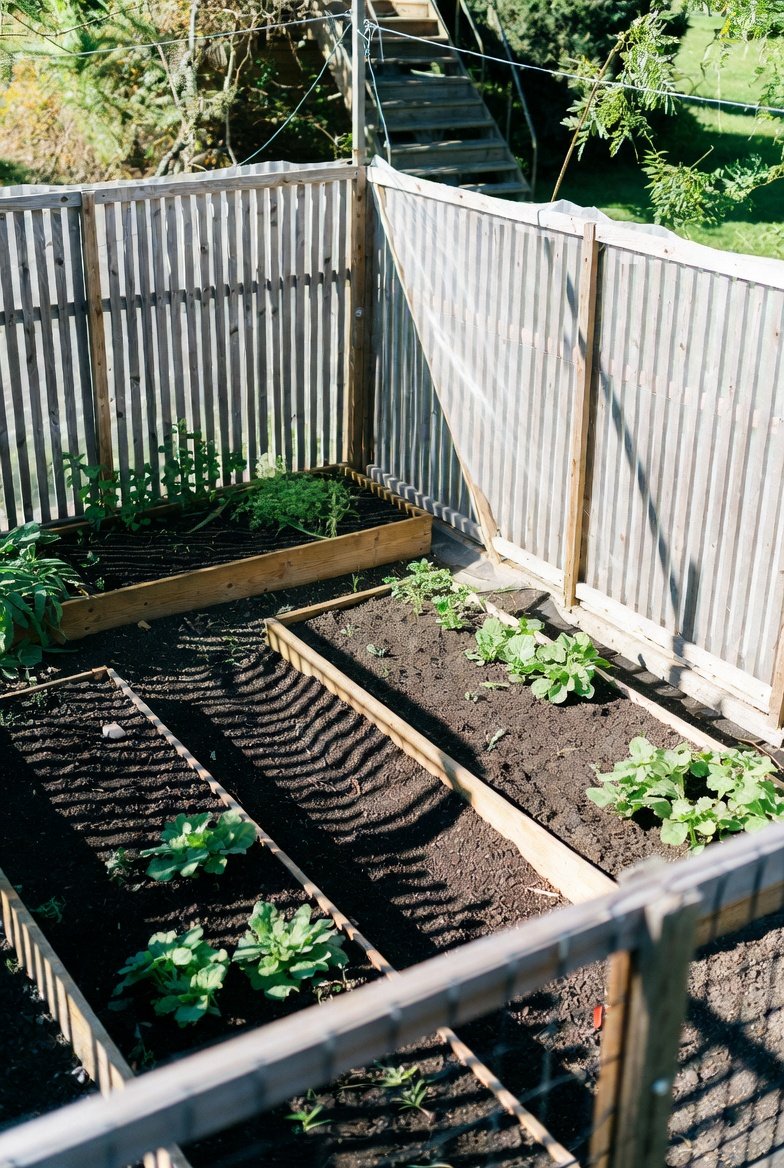
Garden fencing serves double duty keeping deer and rabbits out while also acting as a built-in trellis for climbing plants like beans and cucumbers. If wildlife pressure is a real problem in your area, designing your layout around a full perimeter fence from the start saves you from retrofitting protection later, once you’ve already lost a season’s crop.
11. Drip-Irrigated Raised Bed Layout
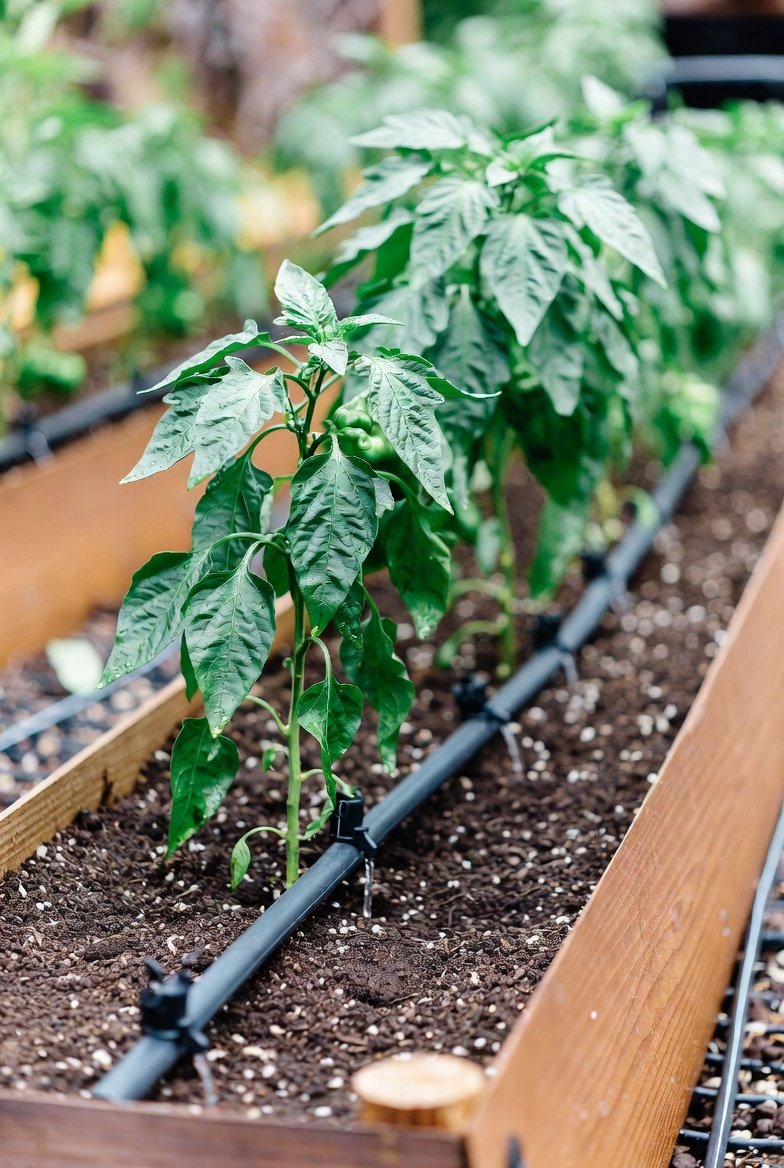
For gardeners in dry climates or anyone who travels often, mulched raised beds paired with drip irrigation help conserve moisture far more effectively than hand watering or overhead sprinklers. This layout requires slightly more upfront setup (running drip lines to each bed), but it pays off in significantly less water waste and far more consistent moisture for your plants.
[Image placement: A raised bed with visible drip irrigation lines running along the soil surface, plants growing between them. Alt text: “Drip irrigation raised bed layout idea for a low-maintenance vegetable garden.”]
12. Multi-Bed Layout With Dedicated Zones
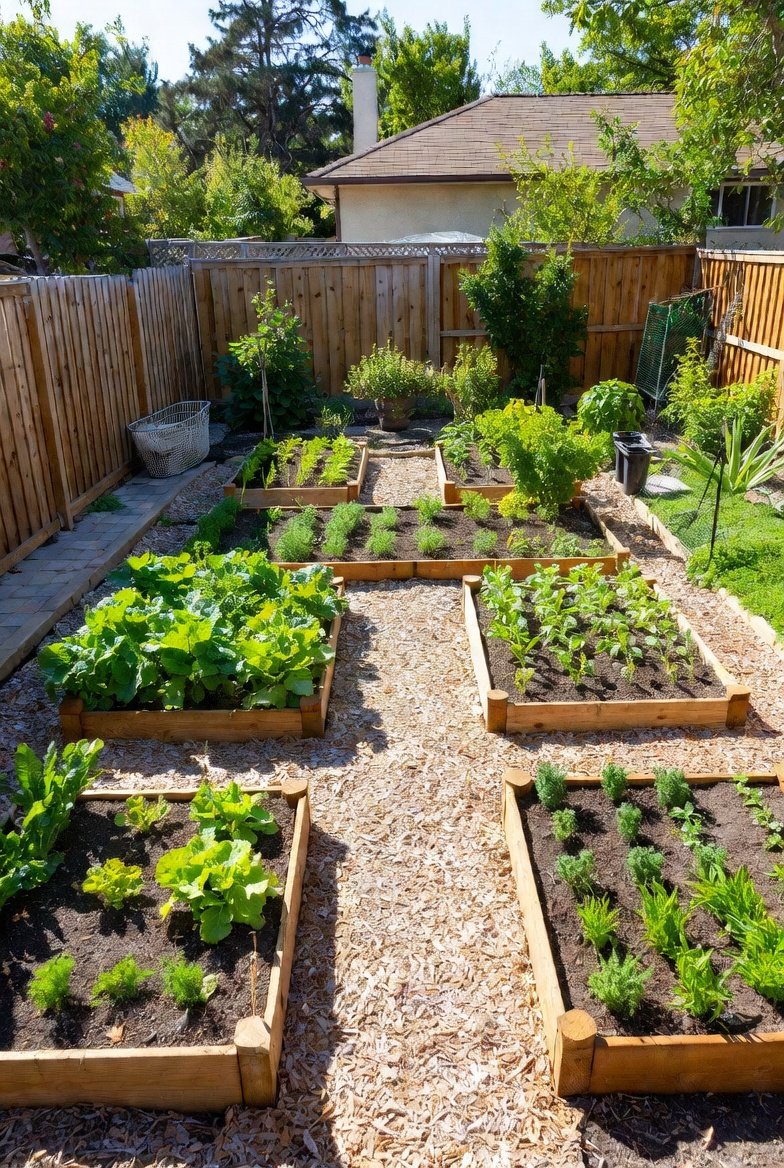
Once your garden grows beyond a single bed, plan for distinct zones rather than scattering beds randomly. Begin by deciding where permanent features will go beds, pathways, arches, fences, gates, rain barrels, and compost bins before finalizing your planting areas.
A well-planned multi-bed layout typically includes zones for annual vegetables, a separate area for perennial herbs, and a dedicated composting corner, all connected by clear, walkable paths.
13. Narrow-Row, Reduced-Pathway Layout
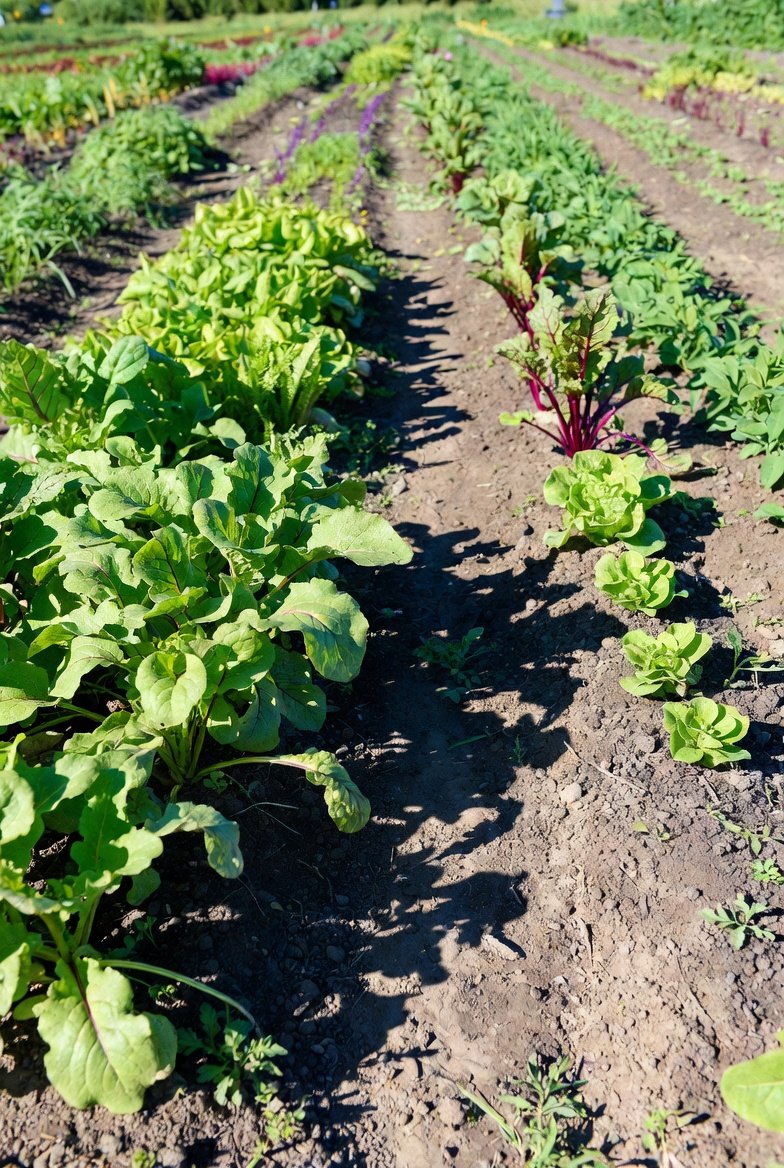
If maximizing yield in limited space is your top priority, look closely at how much of your garden is currently pathway versus growing space. An easy way to grow more food in less space has nothing to do with plant spacing at all it comes from using less of the available ground for pathways.
Narrowing paths to the minimum comfortable walking width (18-24 inches) and widening beds accordingly can meaningfully increase your total growing area without adding a single square foot to your yard.
14. Companion Planting Layout
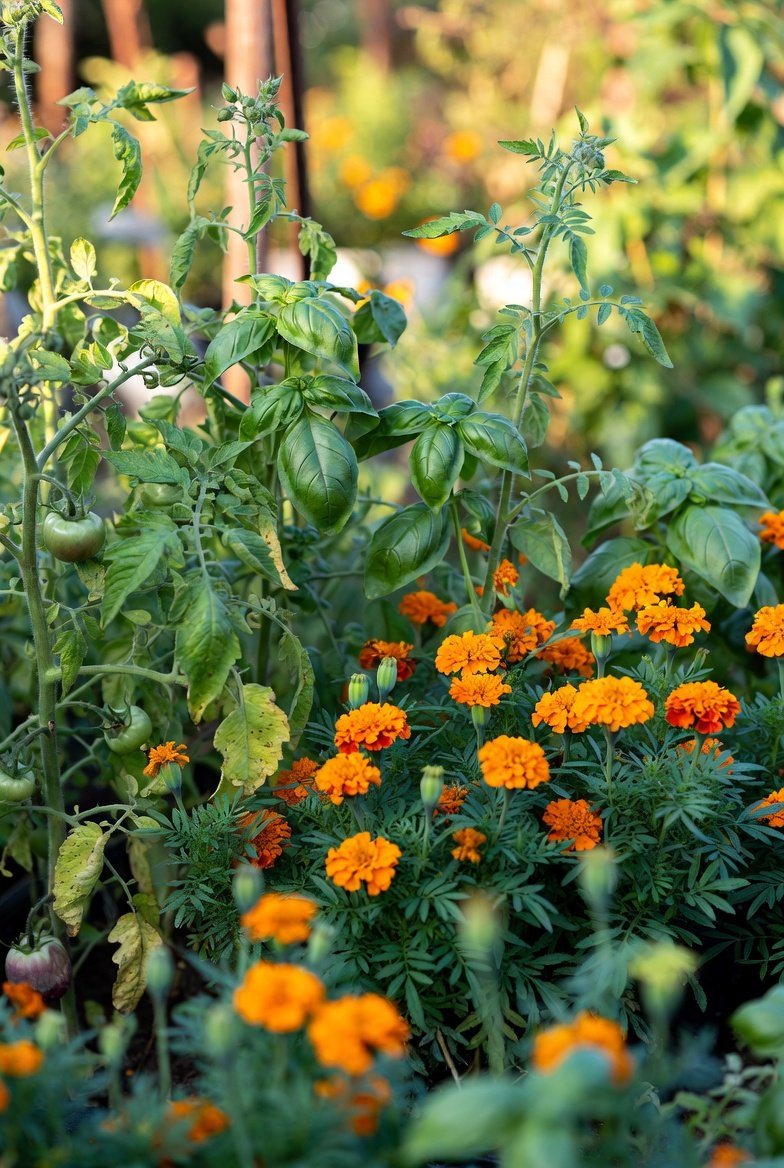
Rather than grouping vegetables solely by size or family, this layout groups them by compatibility plants that support each other’s growth, deter shared pests, or make efficient use of space together (like the classic tomato-basil-marigold trio). This approach adds a layer of planning complexity but tends to reward gardeners with healthier plants and fewer pest issues than layouts based purely on convenience.
Quick recap of the fastest layouts to start with if you’re unsure: the classic 4×8 raised bed, the four-quadrant rotation, and container-only if you have no yard at all. All three are forgiving enough for a first season while still teaching you what your space really needs.
Frequently Asked Questions
What is the easiest vegetable garden layout for beginners?
A simple 4×8 raised bed layout is widely considered the easiest option for beginners, since it’s manageable in size while still being highly productive.
How do I choose a vegetable garden layout for a small yard?
Square-foot gardening or compact raised beds are generally recommended for small yards, since they maximize production in tight areas.
Should I use rows or blocks in my vegetable garden?
It depends on the crop. Some vegetables perform better grown in solid blocks rather than rows, particularly leafy greens and root vegetables, while sprawling or trellised crops typically still do best in defined rows.
How much of my garden should be pathways versus growing space?
There’s no fixed rule, but reducing the ground used for pathways is one of the simplest ways to increase your total growing space without expanding your garden’s footprint. Aim for the narrowest paths you can comfortably walk and kneel in.
Final Thoughts
The best vegetable garden layout isn’t the most elaborate one it’s the one that matches your actual space, sunlight, and how much time you want to spend maintaining it. Start with a layout that fits where you are right now, whether that’s a single raised bed or a cluster of containers on a patio, and expand as your confidence (and harvest) grows.

