
There’s a particular kind of disappointment that comes from planting a flower bed full of hope in May and watching it turn into a patchy, clashing mess by August. The color runs out, the tall plants swallow the short ones, and the whole thing looks nothing like the picture in your head.
The good news: that outcome isn’t inevitable. It usually comes down to a handful of beginner mistakes that are completely avoidable once you know what to look for.
Save this guide now, because idea #6 alone is the difference between a flower bed that fades by midsummer and one that stays colorful from spring through frost.
Here’s the thing about flower gardening: most people dream of a lush, colorful flower bed full of blooms all season, but what they end up with is often a very different story. Let’s make sure yours isn’t.
Find Your Spot Before You Choose a Single Flower
More sun means more flowers, so the best spot for a flower garden is somewhere that gets at least 6 hours of sun per day. Before buying anything, watch how the sun moves across that part of your yard over the course of a full day so you know exactly what you’re working with.
Choose a location with well-draining soil, and avoid low-lying spots that flood during heavy rain, and if possible, pick a relatively flat area it makes both planting and long-term maintenance considerably easier.
So what does this mean for you? Every idea below performs best when matched to real sun conditions, not the conditions you’re hoping for.
[Image placement: A sunny backyard corner marked out with garden stakes and string for a new flower bed. Alt text: “Choosing the right sunny spot for a beginner flower garden.”]
1. Start Small on Purpose
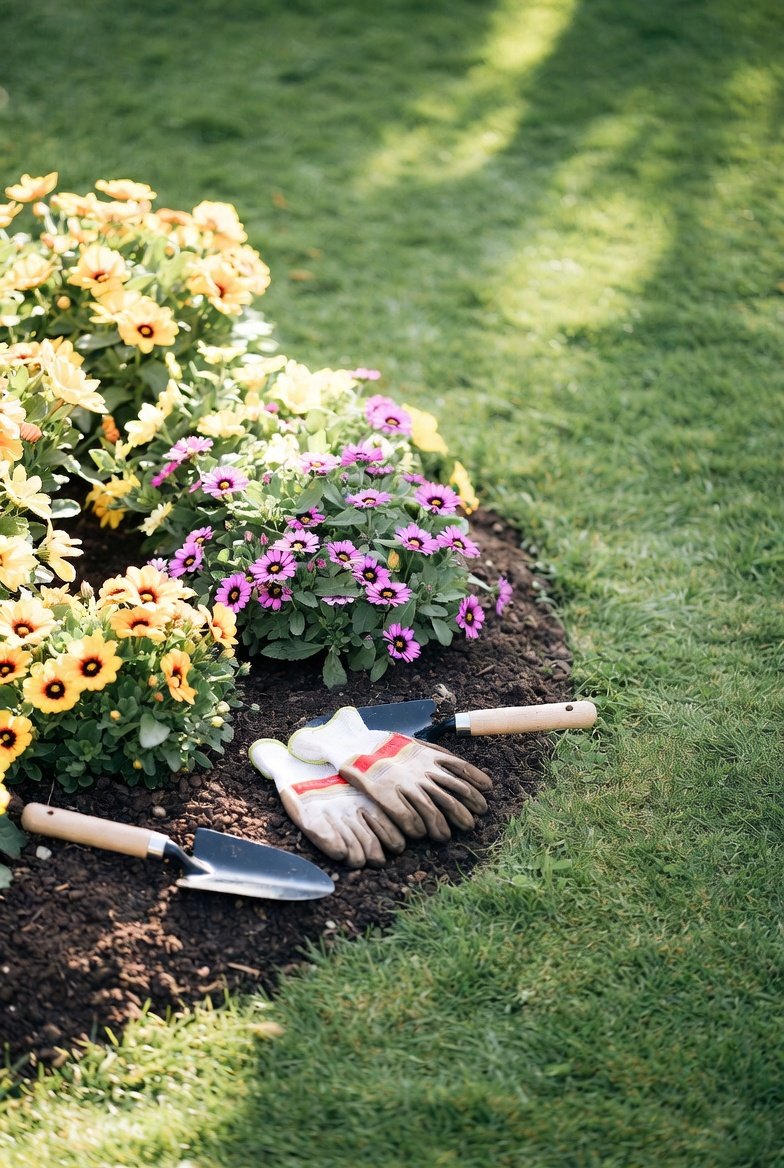
Start with a small garden that matches the space you can realistically maintain you can always expand gradually as you gain experience. One of the most common beginner mistakes is planning an ambitious, full-yard flower garden in year one, then losing motivation halfway through the season.
Quick tip: A single 4×6 foot bed, planted well, will teach you more and look better than a sprawling bed planted thin.
2. Mix Annuals and Perennials From Day One
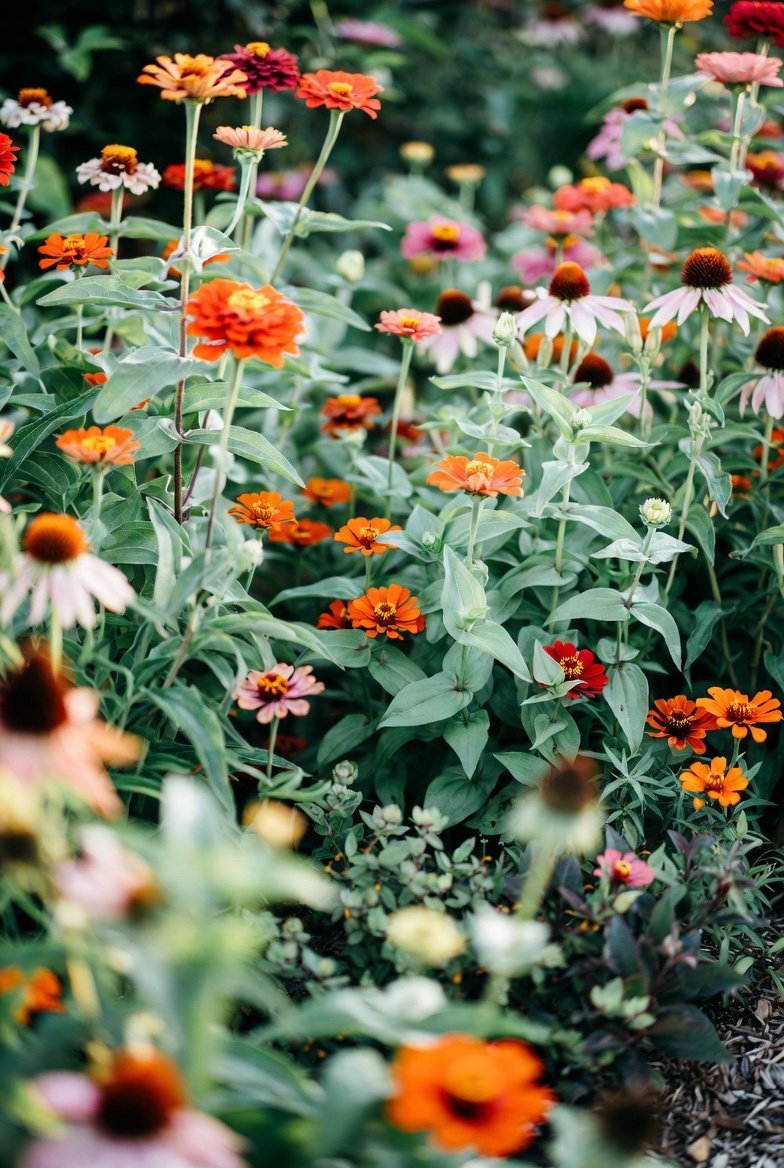
Perennials form the backbone of your garden and return each year, while annuals provide quick color, and a mix of both creates season-long interest and flexibility.
Think of perennials as your investment (planted once, rewarding for years) and annuals as your instant gratification (fast color while perennials establish). Beginners who plant only one or the other usually end up disappointed either waiting too long for color, or replanting everything every single year.
3. Choose the Beginner-Proof Flower List
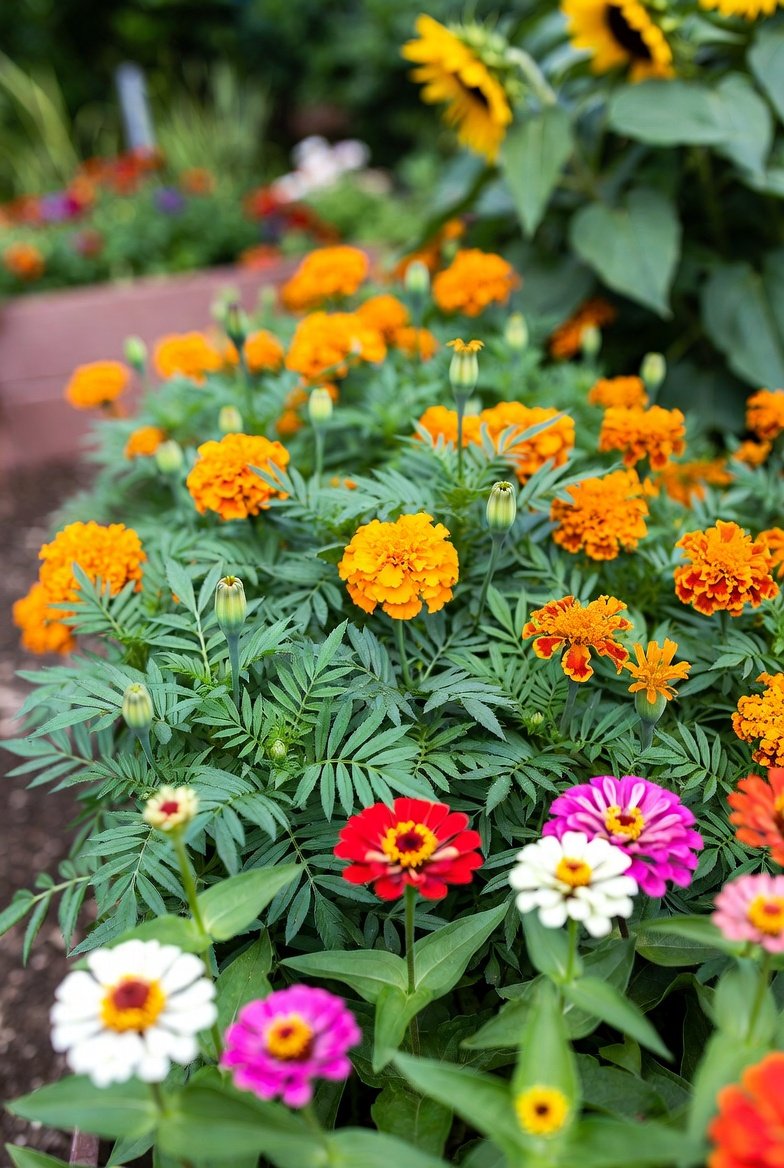
Not every flower deserves a spot in a first garden. Easy perennials for beginners include rudbeckia, echinacea, daylilies, sedum, peonies, astilbe, hosta, and lamb’s ears, while easy annuals include zinnias, petunias, alyssum, cosmos, coleus, marigolds, nasturtiums, and sunflowers.
Save-worthy tip: Coneflowers, black-eyed Susans, and zinnias hold up especially well through hot, humid summers and unpredictable spring weather a genuinely forgiving trio for a first flower bed.
[Image placement: A close-up of a mixed beginner flower bed with zinnias, black-eyed Susans, and coneflowers in bloom. Alt text: “Beginner-friendly flower garden idea with zinnias and coneflowers.”]
4. Layer by Height: Tall in Back, Short in Front
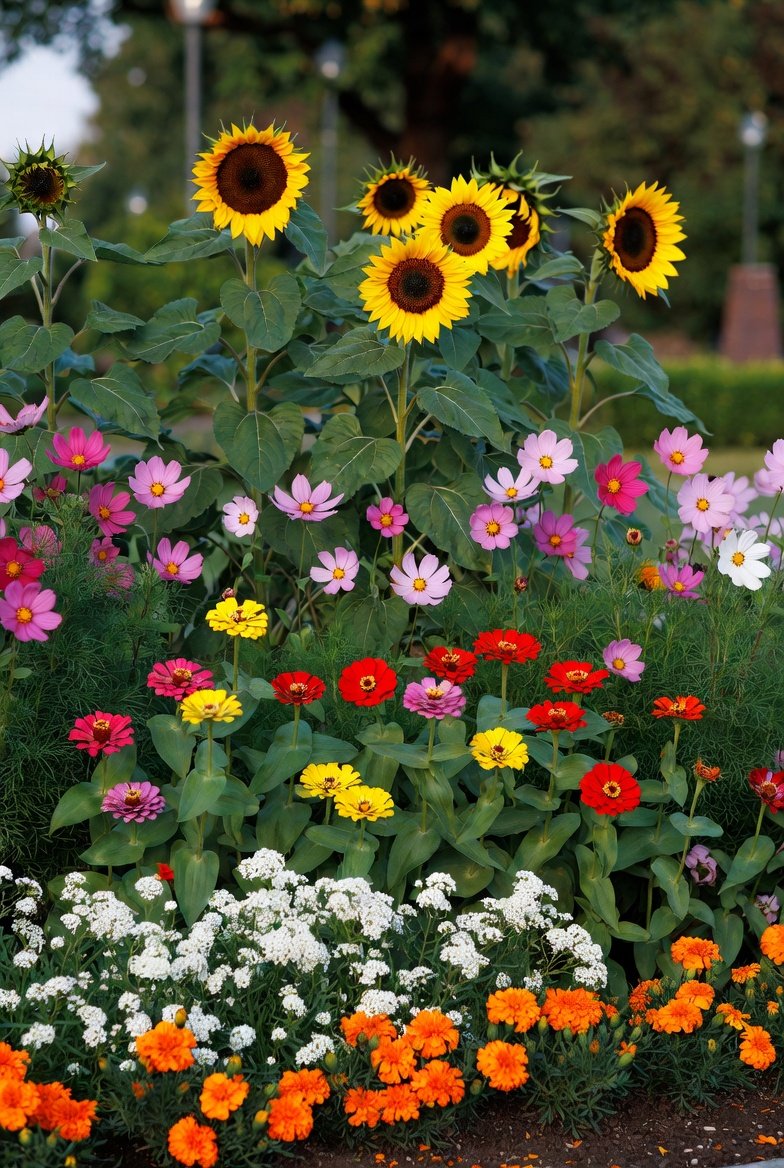
Once you have your plant list, make a simple planting map that places tall plants in back and shorter ones in front. This single layout rule solves one of the most common beginner complaints tall plants shading out and hiding smaller ones by midsummer.
If your bed will be viewed from all sides rather than backed against a fence or wall, place the tallest plants in the center instead, tapering down toward the edges.
Read Also: 17+ Front Yard Landscaping Ideas That Boost Curb Appeal
5. Go Native for the Easiest Possible Start
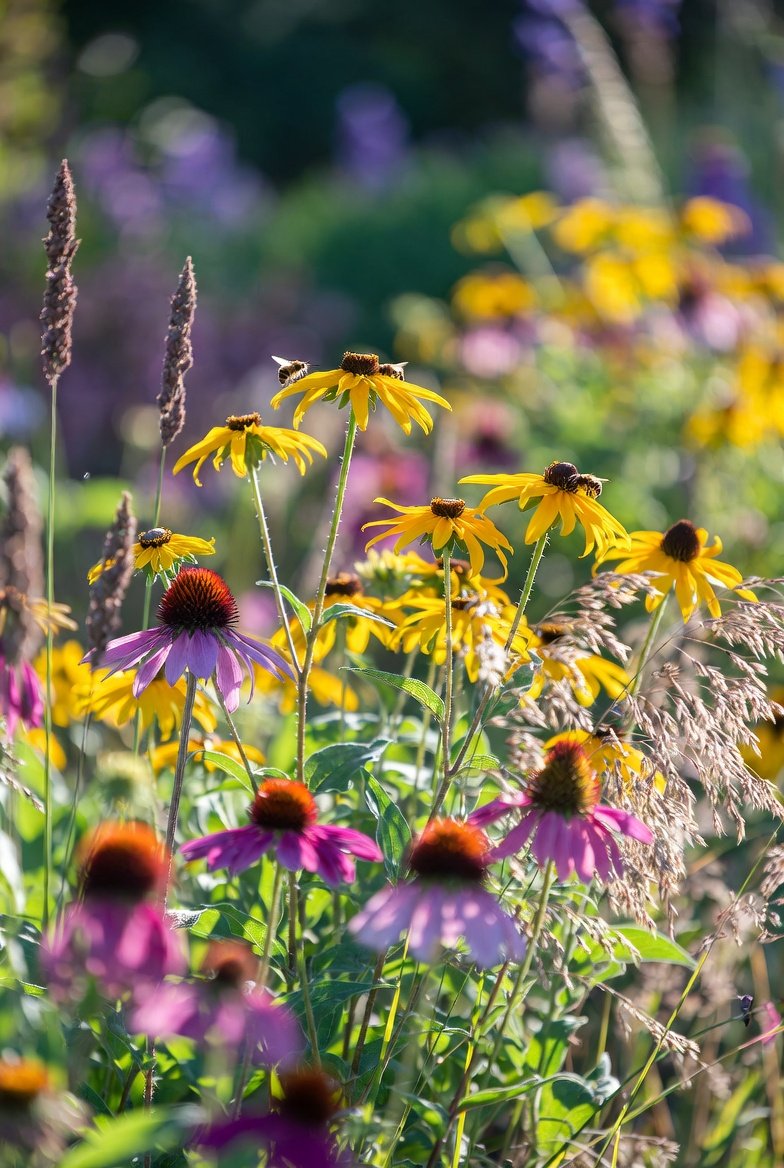
Growing native plants is one of the easiest ways to simplify flower gardening, since they’re well-adapted to your local conditions and grow with relative ease. Check with your local cooperative extension, master gardeners, or nursery to find out what’s native in your specific area.
Native plants also tend to need less supplemental watering and fertilizing once established a genuine time-saver for a beginner still learning the ropes.
6. Plan for Bloom Succession, Not Just Bloom Color
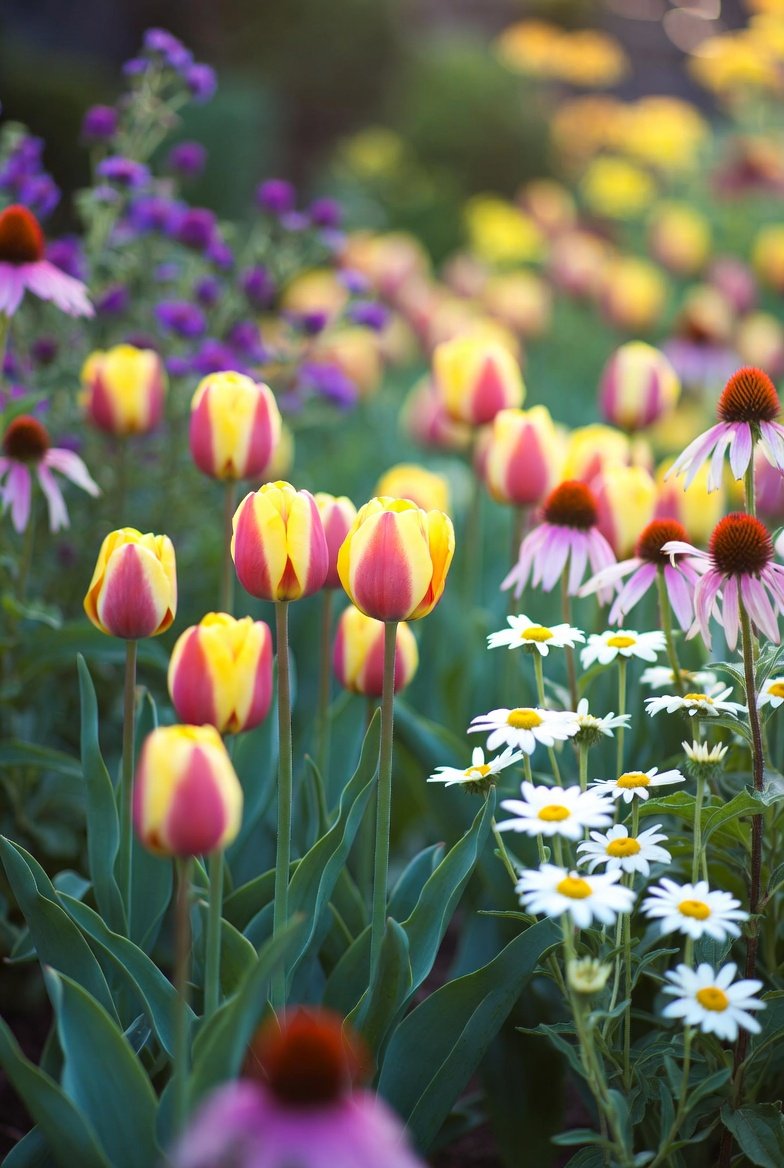
This is the tip most beginner guides gloss over. Staggering bloom times by mixing plant varieties keeps color going throughout the season instead of one big burst followed by a bare, green bed for months.
Bucket brigade moment: So what does that actually look like? Pair spring bulbs, summer annuals, and fall-blooming perennials in the same bed so something is always in flower, even as other plants finish their cycle.
7. Use Bulbs for Nearly Foolproof Color
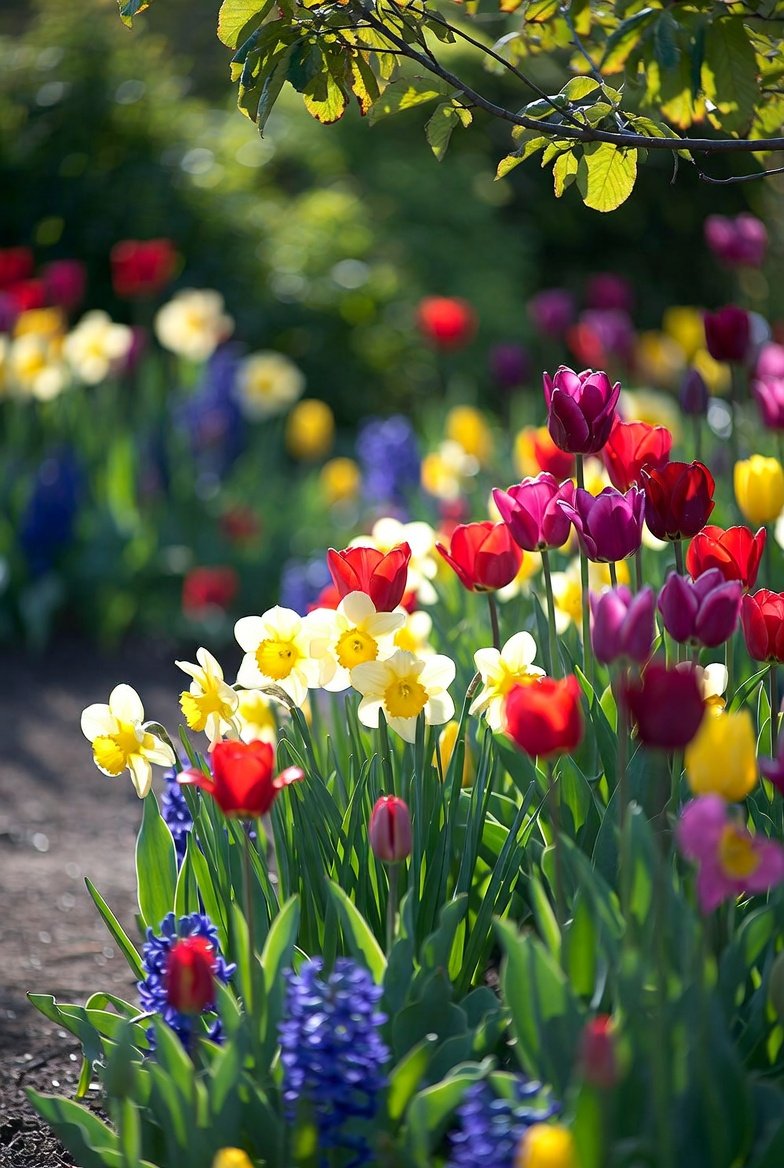
Bulbs are practically foolproof when planted properly, making them one of the lowest-effort ways to add reliable seasonal color. Fall-planted bulbs like tulips, daffodils, and alliums bloom in spring before most other plants get started, while spring-planted bulbs like dahlias and cannas begin blooming in midsummer when many other flowers start to fade.
Planting both types gives you color at the very start and very end of your flower bed’s typical performance gap.
[Image placement: A cluster of spring tulips and daffodils blooming in a garden bed. Alt text: “Beginner bulb flower garden idea with tulips and daffodils.”]
8. Try a Raised Bed for Easier Maintenance
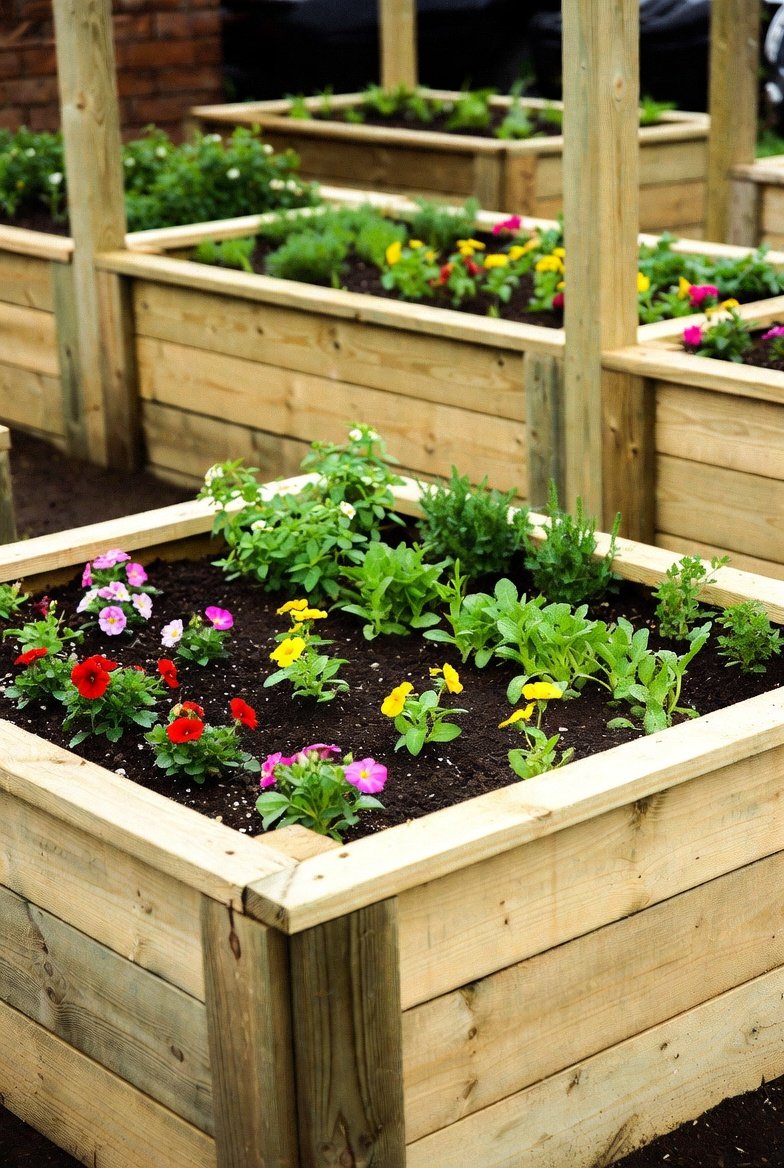
Raised garden beds are one of the best flower garden ideas for beginners, since they reduce the need to bend over and let you plant in any type of soil — or even none of your own soil at all.
This is a particularly good option if your yard’s native soil is poor, rocky, or compacted, since a raised bed lets you start with quality soil from day one rather than fighting your yard’s existing conditions.
9. Container Gardens for Small Spaces
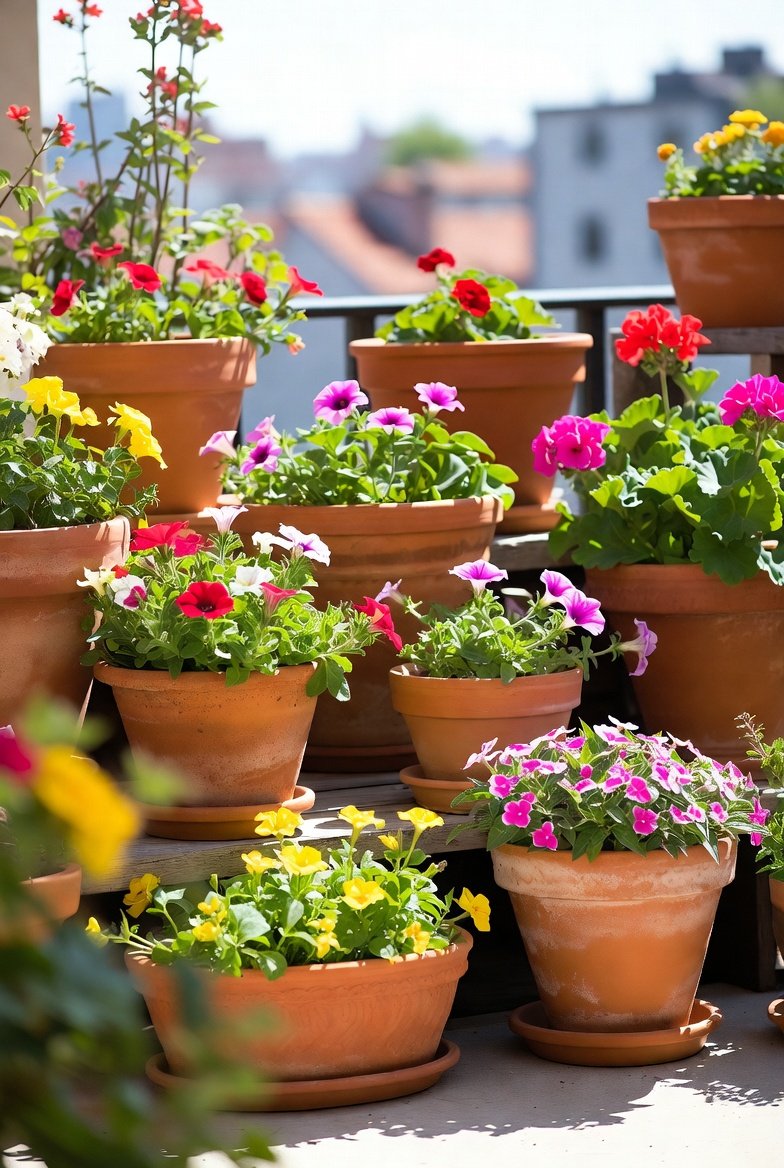
If you have a small patio, balcony, or courtyard, container gardening lets you add flowers and plants without any in-ground space at all think deck rail planters overflowing with annuals, or a cluster of hanging baskets.
This is one of the most forgiving ways to start flower gardening as a total beginner, since containers make watering, sun exposure, and soil quality far easier to control than an in-ground bed.
10. Add a Rock or Pebble Barrier Along the House
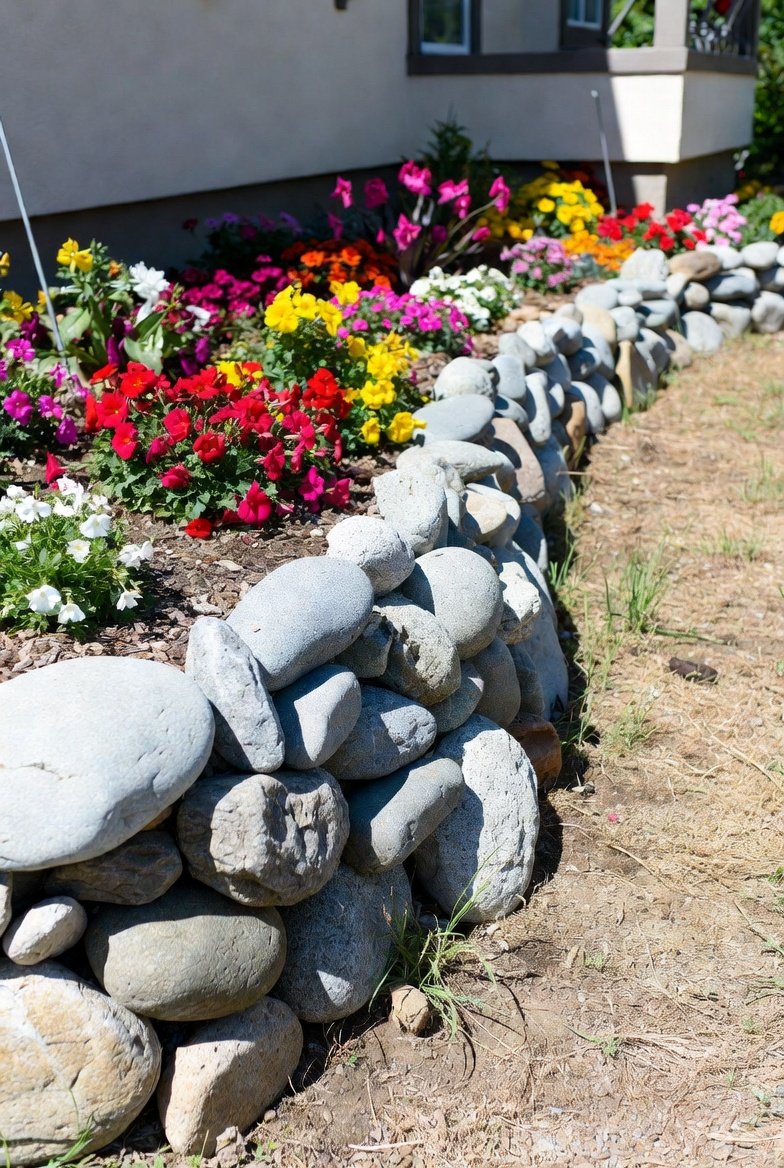
If your flower bed runs along your home’s foundation, adding a 3-inch barrier of rocks or pebbles between the house and the mulched bed prevents mulch and dirt from splashing onto the house during rain and gives the whole bed a cleaner, more finished edge.
It’s a small detail, but it’s exactly the kind of polish that separates a “planted” flower bed from a genuinely designed one.
11. Set Up Drip Irrigation Early
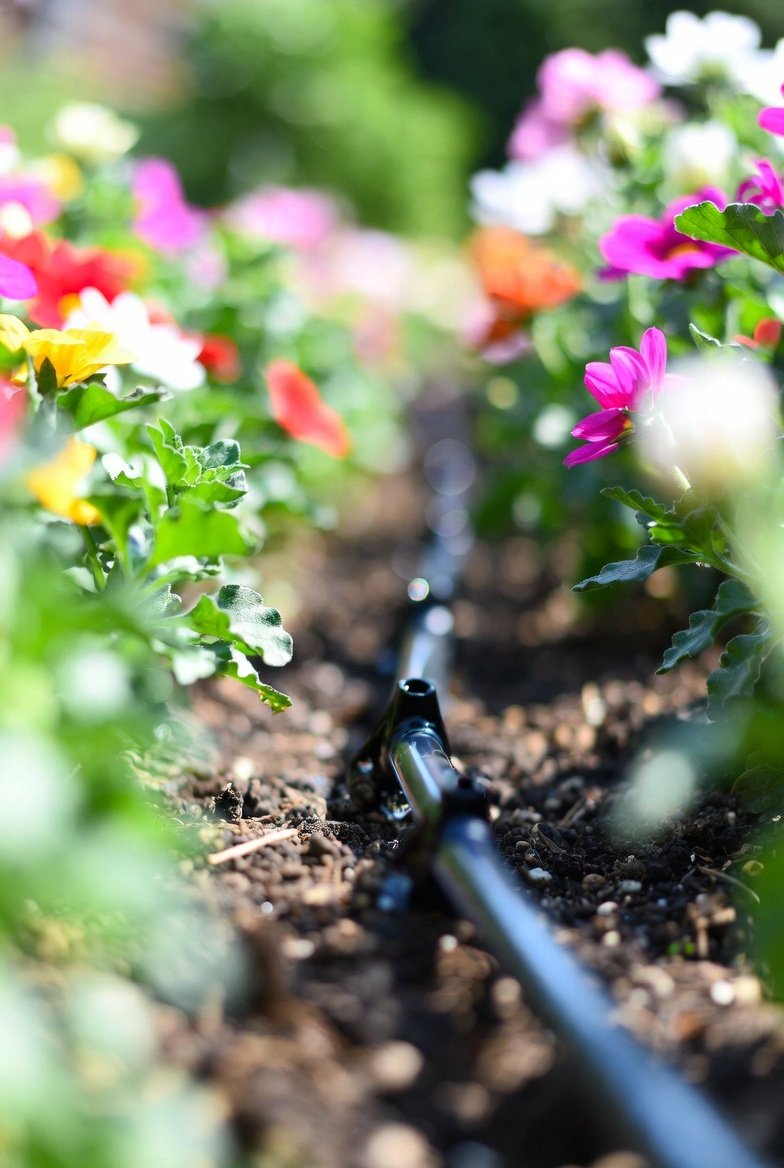
Installing drip lines throughout a flower bed is one of the most reliable ways to keep flowers consistently watered without the guesswork of hand watering. Even a simple drip line run along the base of your plants, set on a timer, removes one of the biggest reasons beginner gardens struggle: inconsistent watering.
Quick tip: Water early morning or evening rather than during the heat of the day, since midday watering evaporates faster and can burn plant leaves.
12. Anchor Corners With Larger Shrubs
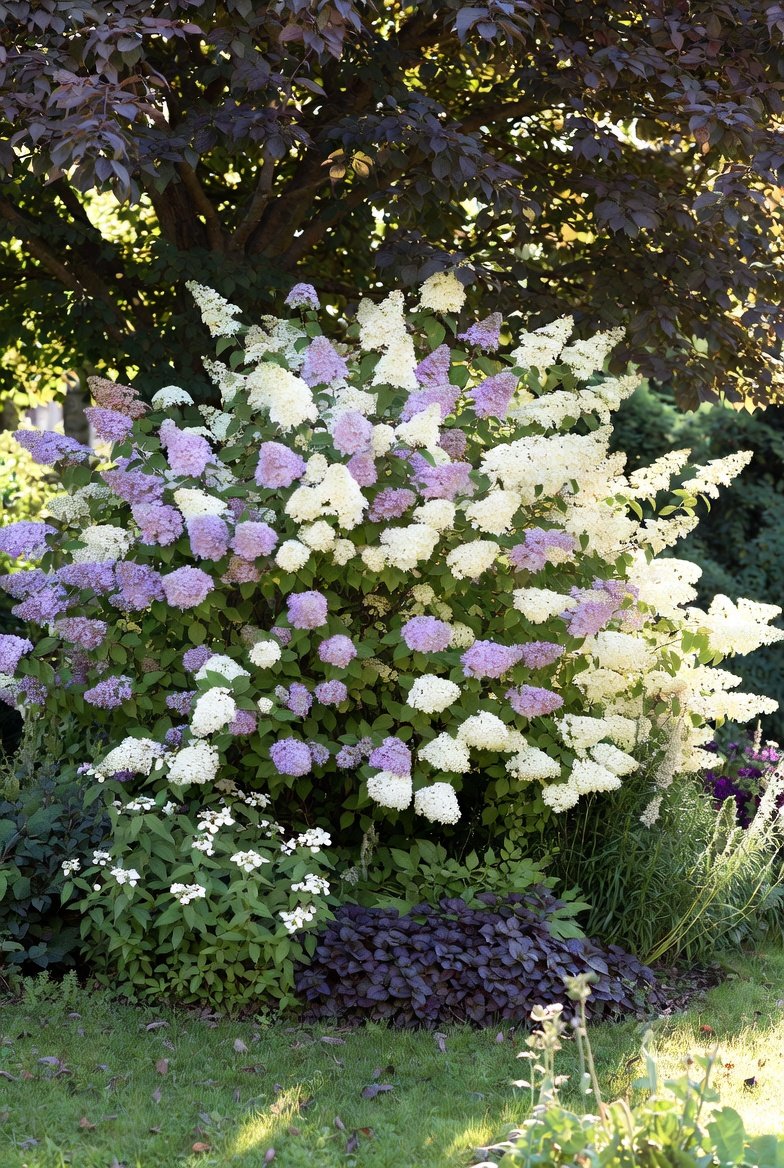
Large shrubs and plants work well as anchors in the corners of a flower bed or between two windows, giving an otherwise flat bed of annuals and perennials a sense of structure and permanence.
Just be sure to keep larger bushes away from windows themselves so they don’t block sunlight from entering your home or obstruct the view of the garden from inside.
[Image placement: A flower bed corner anchored by a medium-sized flowering shrub, surrounded by smaller annuals. Alt text: “Shrub anchor idea for a beginner flower garden corner.”]
13. Build Your Garden on a Budget
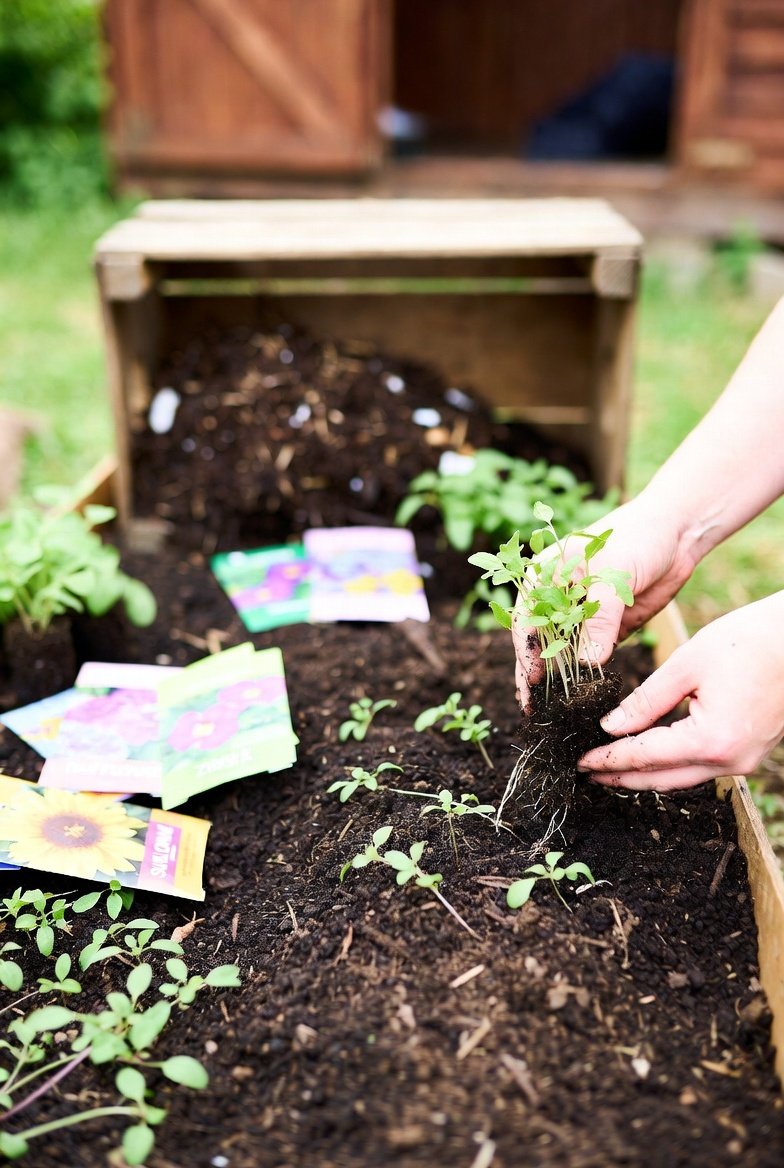
A beautiful flower garden doesn’t have to break the bank start small with easy-care flowers and expand as your budget allows, saving money by propagating from cuttings, collecting seeds at season’s end, and making your own compost.
Repurposed materials, like an old tree stump turned into a natural planter, are an easy way to add charm and personality without extra cost.
14. Use a Planning Calendar to Stay on Track
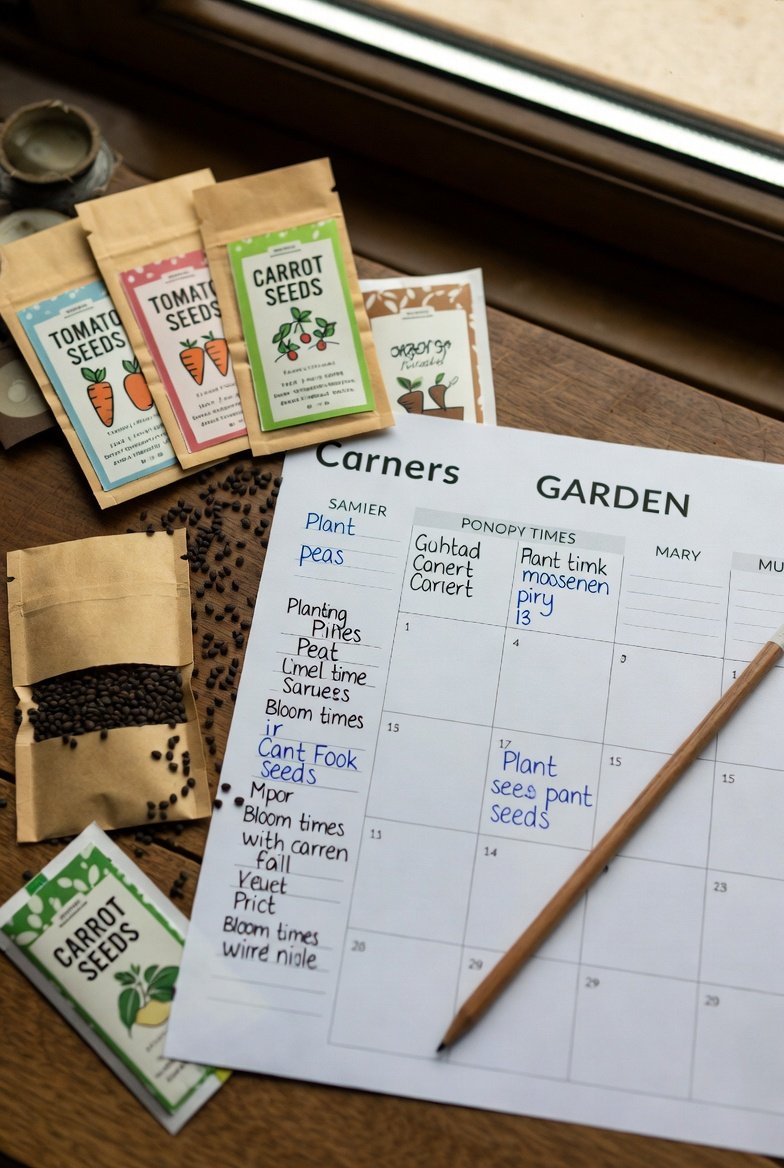
Use a simple planner to map out key tasks soil testing, bed prep, planting dates, deadheading schedule, and dividing times — so your garden gets consistent attention rather than sporadic bursts of effort followed by weeks of neglect.
Regular deadheading of spent flowers and deep watering during dry periods are two of the simplest habits that keep a beginner flower bed looking its best all season long.
Quick recap of the fastest wins if you only try three: pick a true full-sun spot, mix annuals with perennials, and layer by height. Those three decisions alone prevent most of the common first-season disappointments.
Frequently Asked Questions
What are the easiest flowers to grow for a beginner flower garden?
Zinnias, petunias, cosmos, marigolds, and sunflowers are considered easy annuals for beginners, while rudbeckia, echinacea, and daylilies are reliable easy perennials.
How much sun does a flower garden need?
A flower garden generally performs best with at least 6 hours of direct sun per day.
Should a beginner plant annuals or perennials first?
A mix of both is typically recommended, since perennials form a reliable long-term backbone while annuals provide faster, season-long color.
What’s the best way to arrange flowers in a small beginner garden bed?
Place tall plants toward the back of the bed and shorter plants toward the front so every plant gets visible sun exposure and none are hidden behind taller neighbors.
Final Thoughts
A thriving flower garden isn’t about knowing every plant variety or having a natural eye for design it’s about a handful of foundational decisions made early: the right sunny spot, a workable mix of annuals and perennials, and a layout that respects plant height. Start small, choose a few beginner-proof flowers from the list above, and let your garden and your confidence grow from there.

