
Your front yard is the first thing neighbors and visitors see, and it’s your best opportunity to make a first impression. Yet for most homeowners, it’s also the most overlooked part of the property a stretch of lawn, a few tired foundation shrubs, and not much thought beyond that.
There’s no single right or wrong way to landscape a front yard but there are ideas that consistently transform an ordinary yard into one that stops people mid-walk.
Save this guide now, because idea #9 alone is the reason some front yards look effortlessly cohesive while others feel like a random collection of plants.
Here’s the thing: a great front yard doesn’t require ripping everything out and starting over. It requires a handful of intentional decisions layered on top of what’s already there. Let’s walk through them.
Start With What Your Home Actually Needs
Your front yard landscape design should relate to and complement your home’s architectural style. Traditional homes often pair well with an English-style flower garden, while Southwestern or Mediterranean-style homes in drier climates tend to suit gravel, native grasses, and palm trees.
Before choosing a single plant, consider function do you want a play space, a water feature, a seating area? A front yard can just as easily host a vegetable plot, a cottage garden, a wildflower meadow, or a rock garden as a traditional lawn.
So what does this mean for you? The best front yard for your house might look nothing like your neighbor’s and that’s exactly the point.
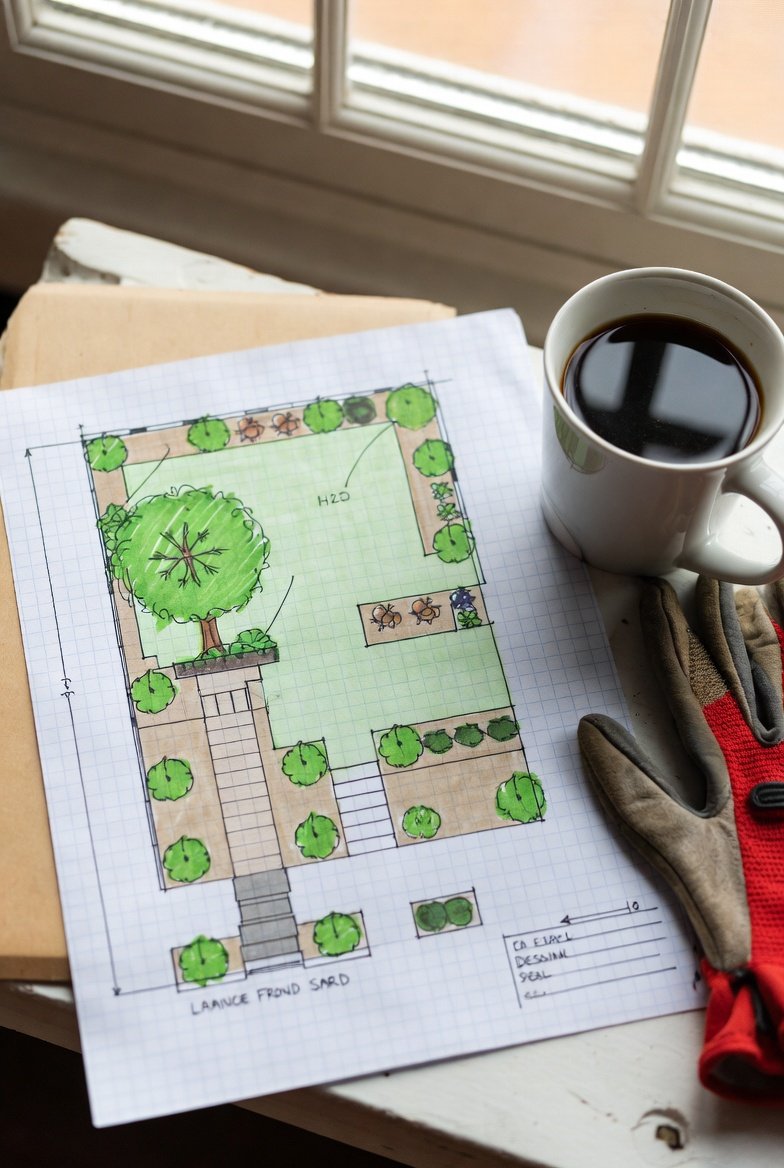
[Image placement: A hand-sketched front yard landscaping plan on graph paper, pencil beside it. Alt text: “Front yard landscaping plan sketch for beginners.”]
1. Plan on Graph Paper Before You Dig
Plan your design using graph paper before buying a single plant. Sketching your yard’s rough shape, existing structures, and sun patterns prevents the expensive mistake of buying plants that outgrow their spot or clash with what’s already there.
2. Layer Plant Heights and Textures for Year-Round Interest
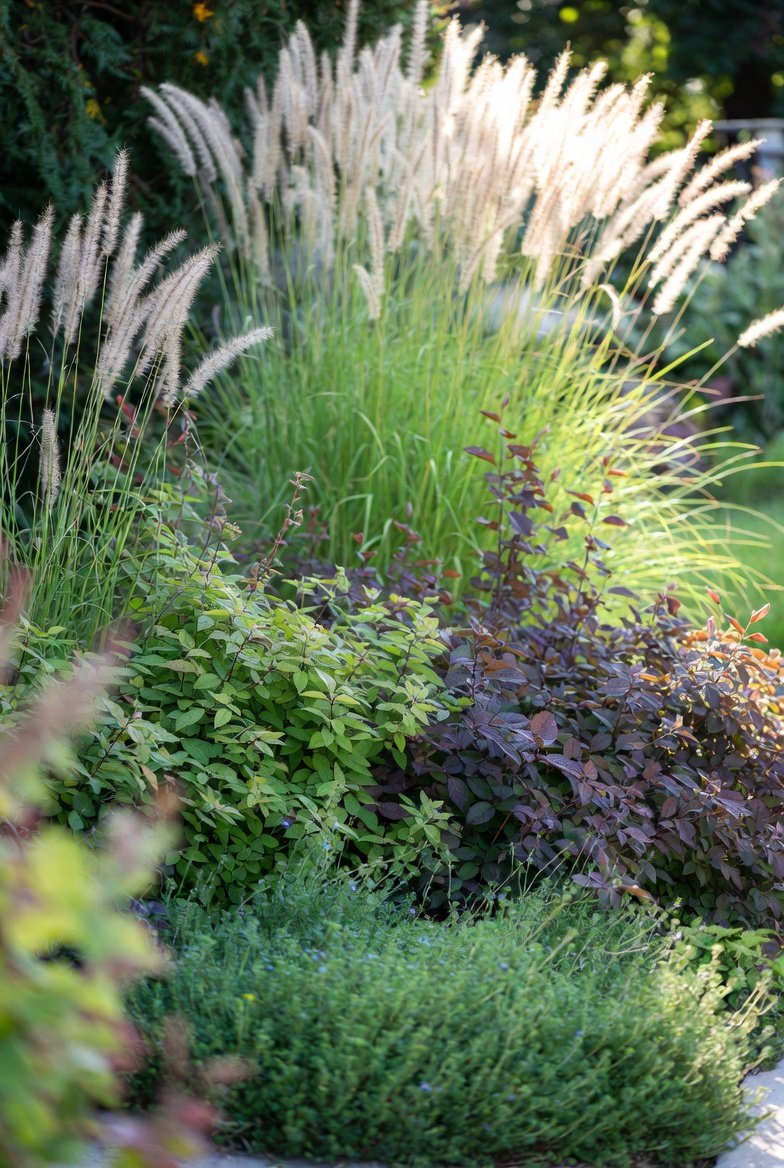
Grow a variety of ornamental grasses, shrubs, and flowers so you’ll have interesting colors and textures all year long, using plants of different heights just avoid putting large-growing plants in front of windows.
Quick tip: A mix of annuals, perennials, and evergreens ensures multi-season interest, even once the snow flies in colder climates.
3. Choose Evergreens as Your Foundation Plants
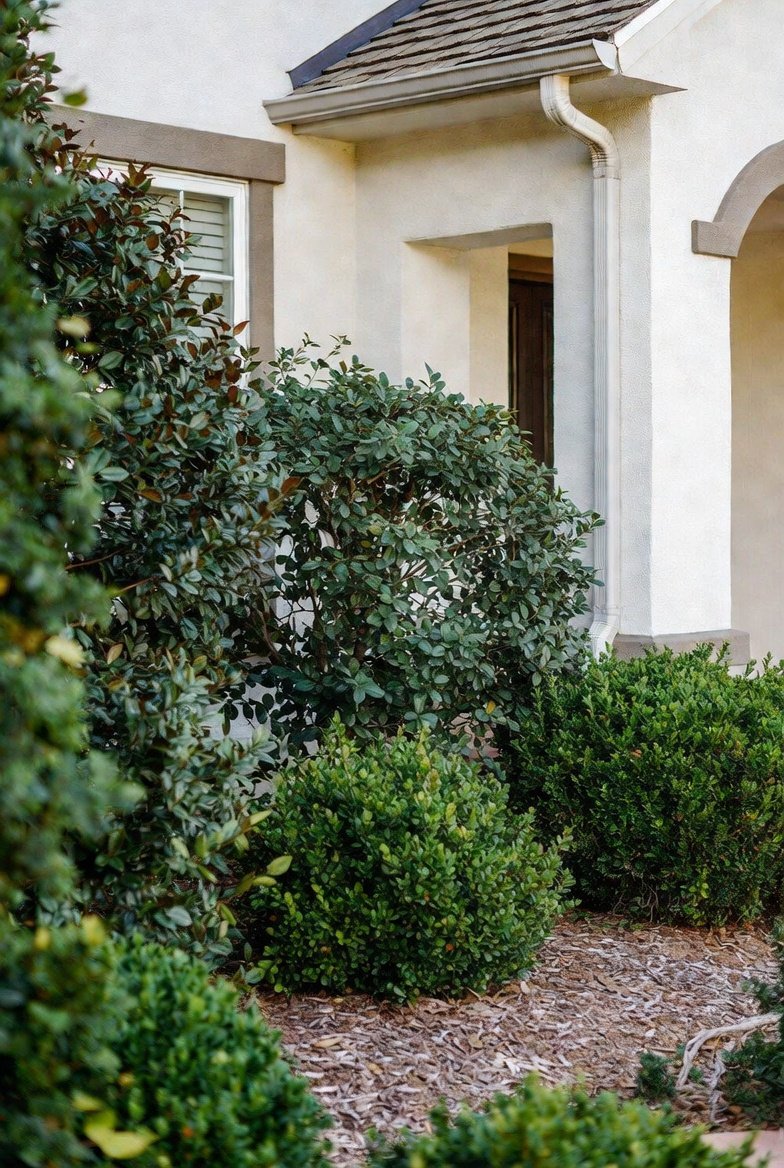
Choose evergreens rather than deciduous shrubs as foundation plants, so your landscape won’t look bare once the leaves drop in fall and winter. This one decision keeps your front yard looking intentional and cared-for even in the off-season, when most yards look their most neglected.
[Image placement: A tidy row of evergreen foundation shrubs along the base of a house. Alt text: “Evergreen foundation planting idea for front yard landscaping.”]
4. Respect Plant Spacing From Day One
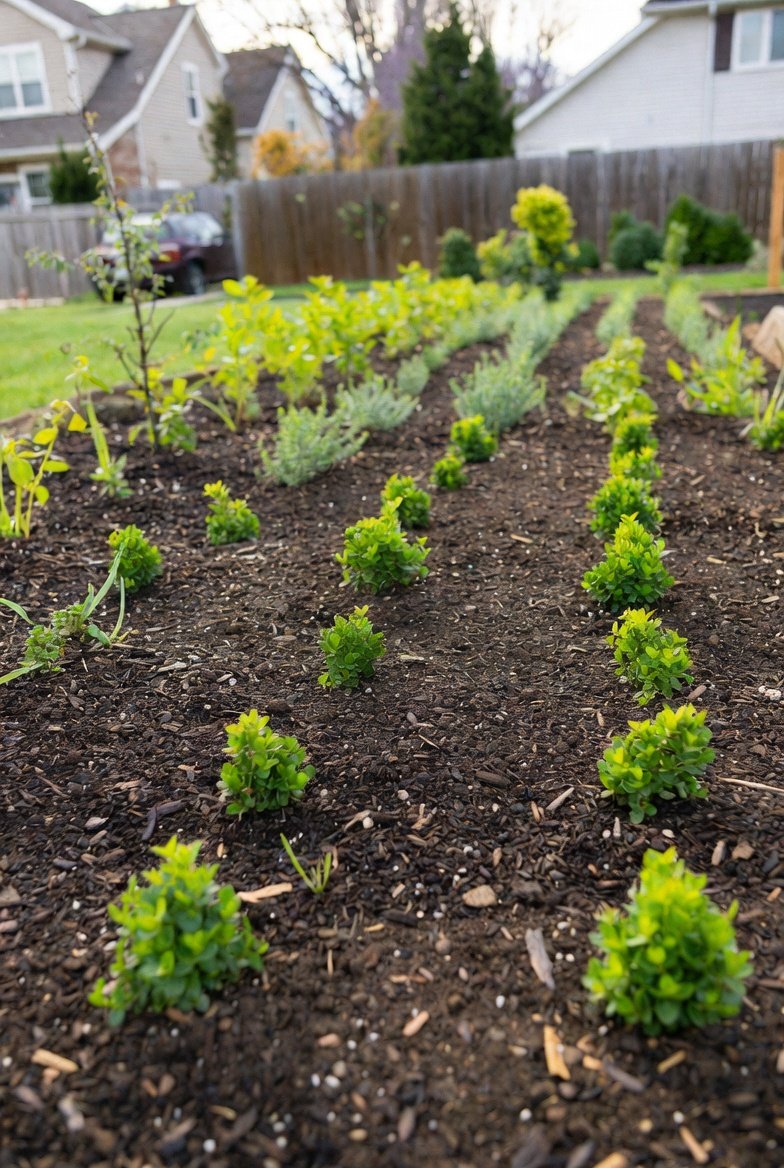
Design your garden using the spacing shown on plant tags, so plants won’t become overcrowded as they mature. A newly planted bed that looks slightly sparse at first will fill in beautifully within a season or two one that’s overcrowded from day one only gets more cramped and harder to maintain.
Read Also: 12+ Cottage Garden Design Ideas for a Romantic, Effortless-Looking Yard
5. Terrace a Sloped Front Yard Instead of Fighting It
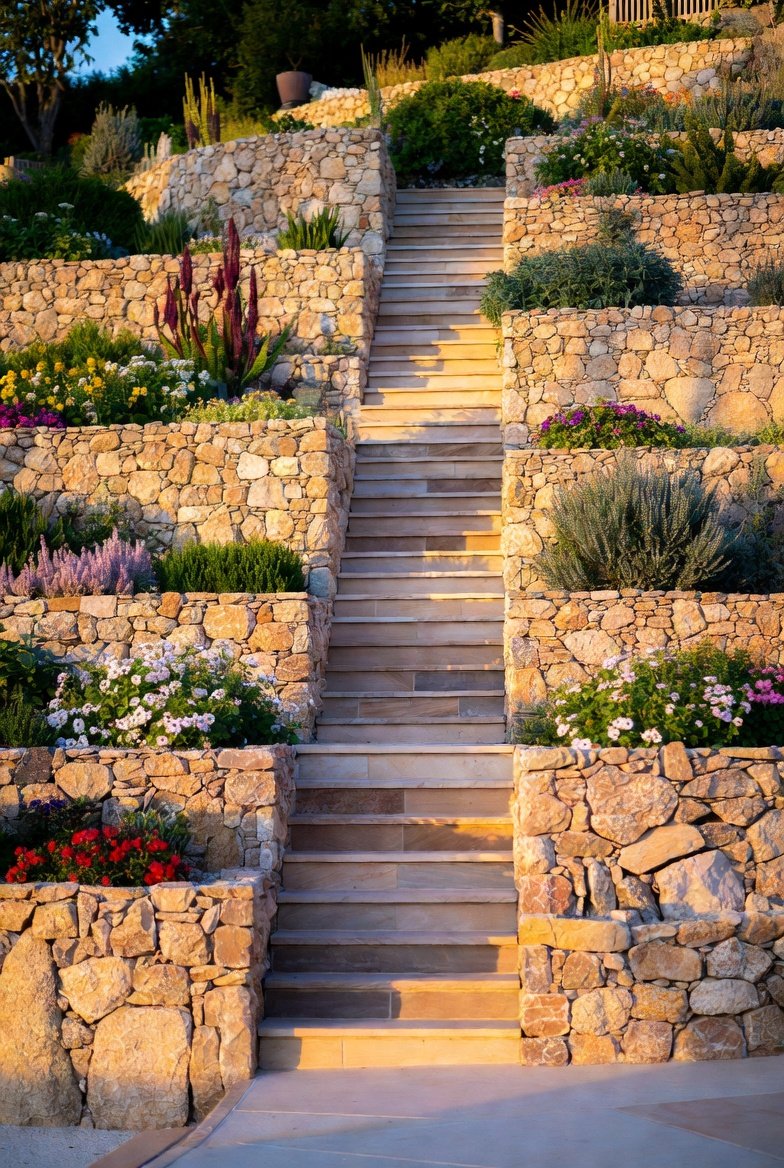
If your front yard slopes, don’t treat it as a problem to hide. Tame a sloping front yard with terraced planting beds, which turn an awkward grade into a genuine design feature with built-in visual interest at every level.
6. Add an Island Bed to Break Up a Large Lawn
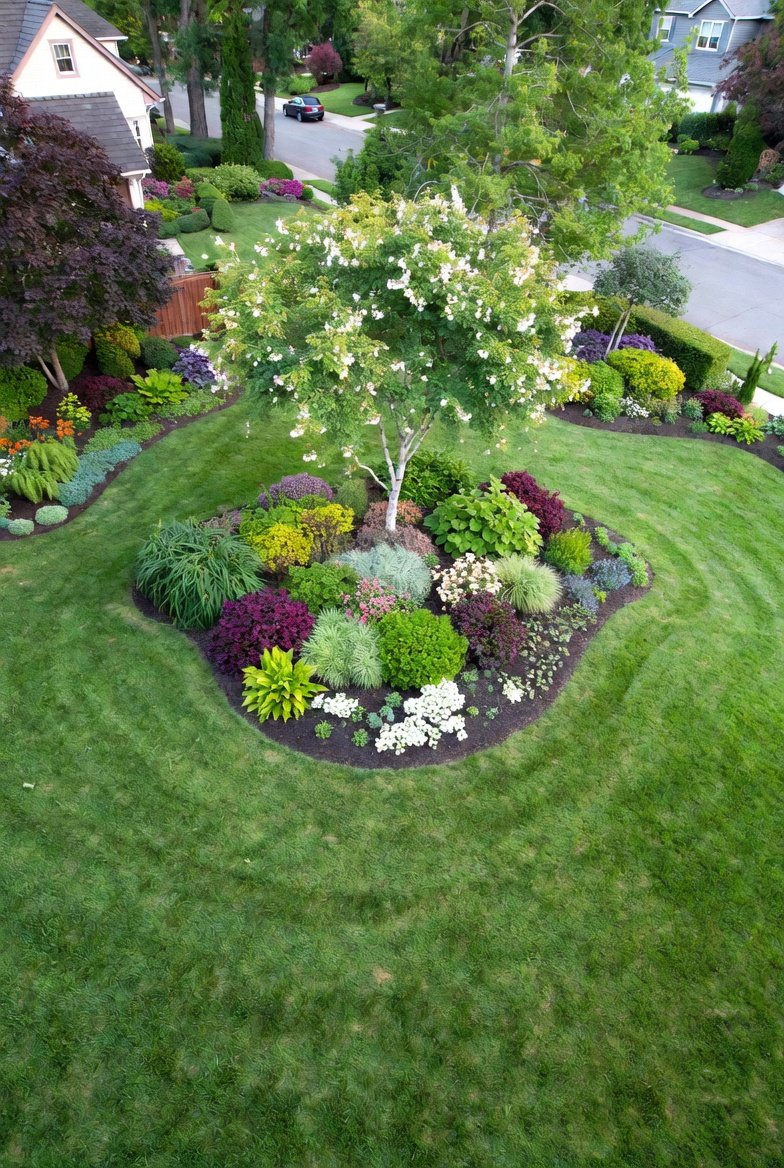
An island bed with a tree and some shrubs can help break up a larger front yard without needing a border around the entire space, giving even a sprawling lawn a clear focal point instead of one uninterrupted expanse of grass.
Save-worthy tip: A lovely bed right in front of the house might genuinely be all you need if your yard is on the smaller side you don’t have to landscape every square foot to make a strong impression.
[Image placement: An island garden bed with a small ornamental tree and shrubs set into an open front lawn. Alt text: “Island bed landscaping idea for a front yard lawn.”]
7. Use Permeable Pavers and Gravel for Walkways
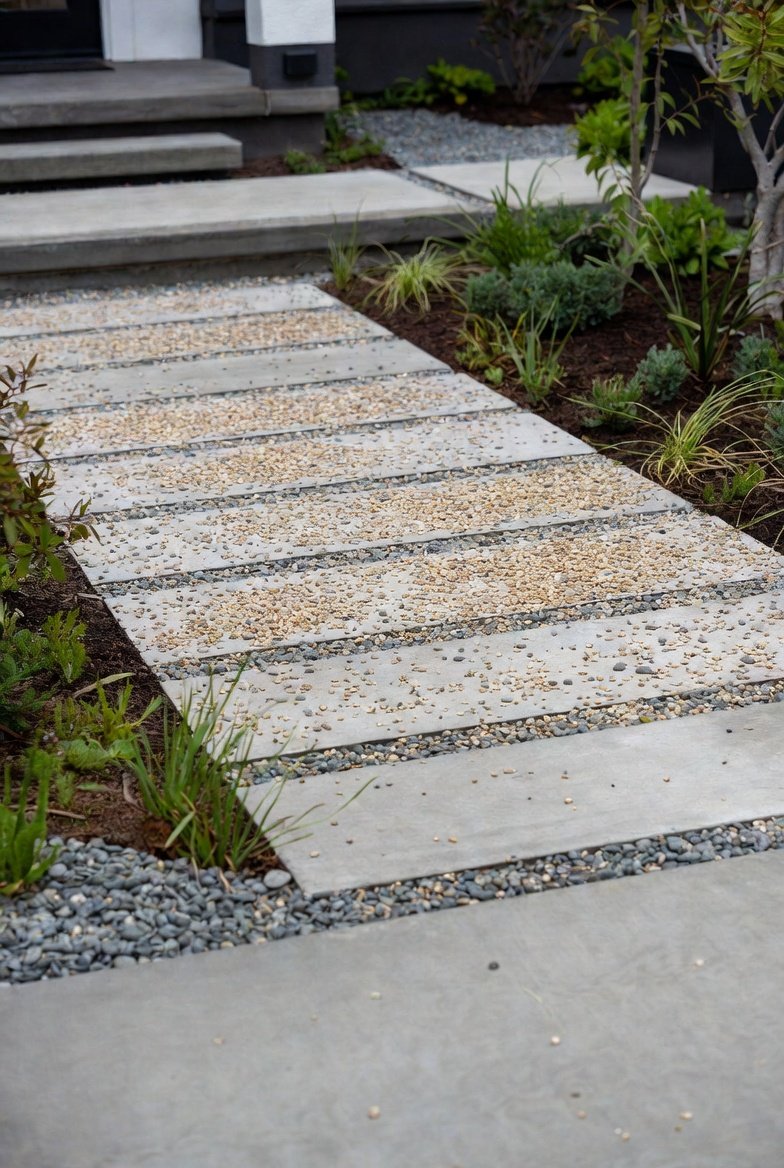
Eco-friendly permeable pavers and gravel work well for front yard walkways, pairing especially nicely with low-maintenance, waterwise shrubs, ornamental grasses, succulents, and perennials for a front yard that looks polished while staying genuinely low-effort to maintain.
8. Grow Ground Cover Between Stepping Stones
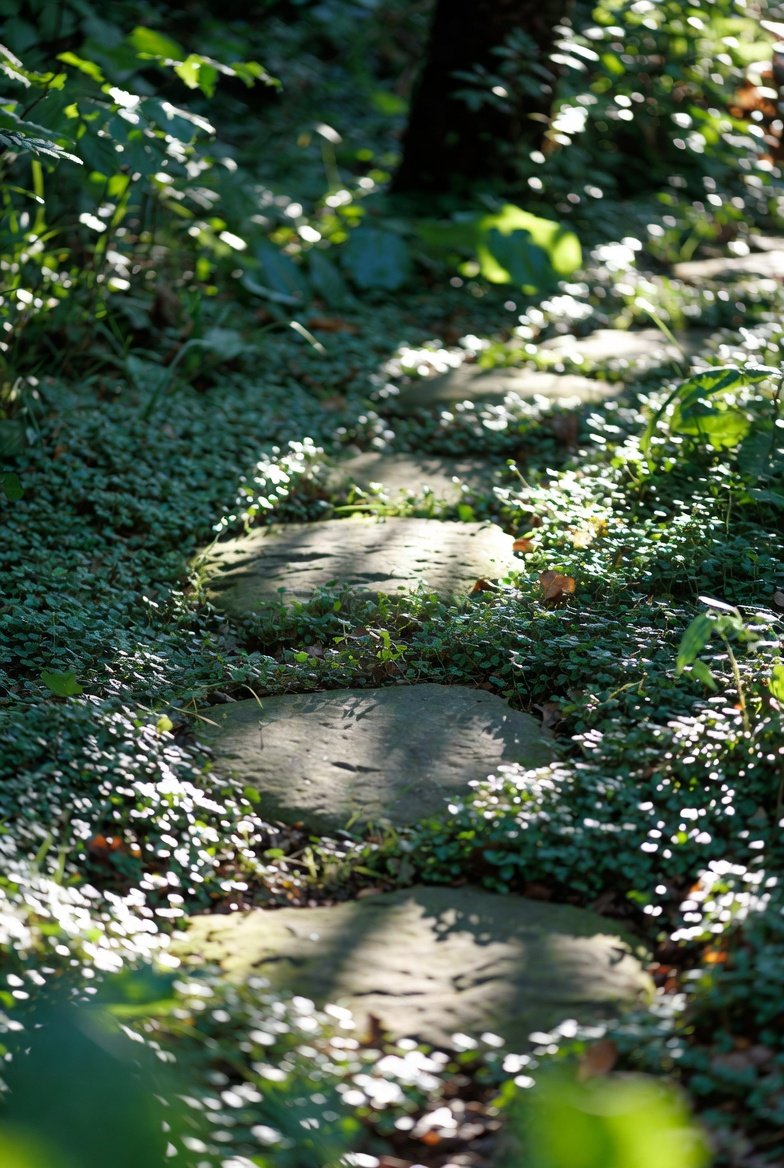
Creeping thyme creates an excellent ground cover growing between flagstone pavers, softening a hard pathway and adding fragrance and texture that a plain gravel or paver path can’t offer on its own.
9. Create Visual Cohesion With Connected Elements
Here’s the tip that separates a designed front yard from a scattered one: connect shrubs, trees, flowers, and other elements into a flowing composition rather than treating each as an isolated feature. A curved retaining wall or lawn edge that continues the same graceful line across the yard creates a unified, cohesive look instead of a patchwork of unrelated beds.
Bucket brigade moment: So what does that look like in practice? Repeat the same 2-3 plant varieties, colors, or materials across different areas of the yard, rather than introducing something entirely new in every bed.
[Image placement: A front yard with a curved lawn edge and matching planting beds that flow in the same visual line. Alt text: “Cohesive front yard landscaping idea with flowing lawn edges.”]
10. Add a Wisteria or Vine-Covered Arbor
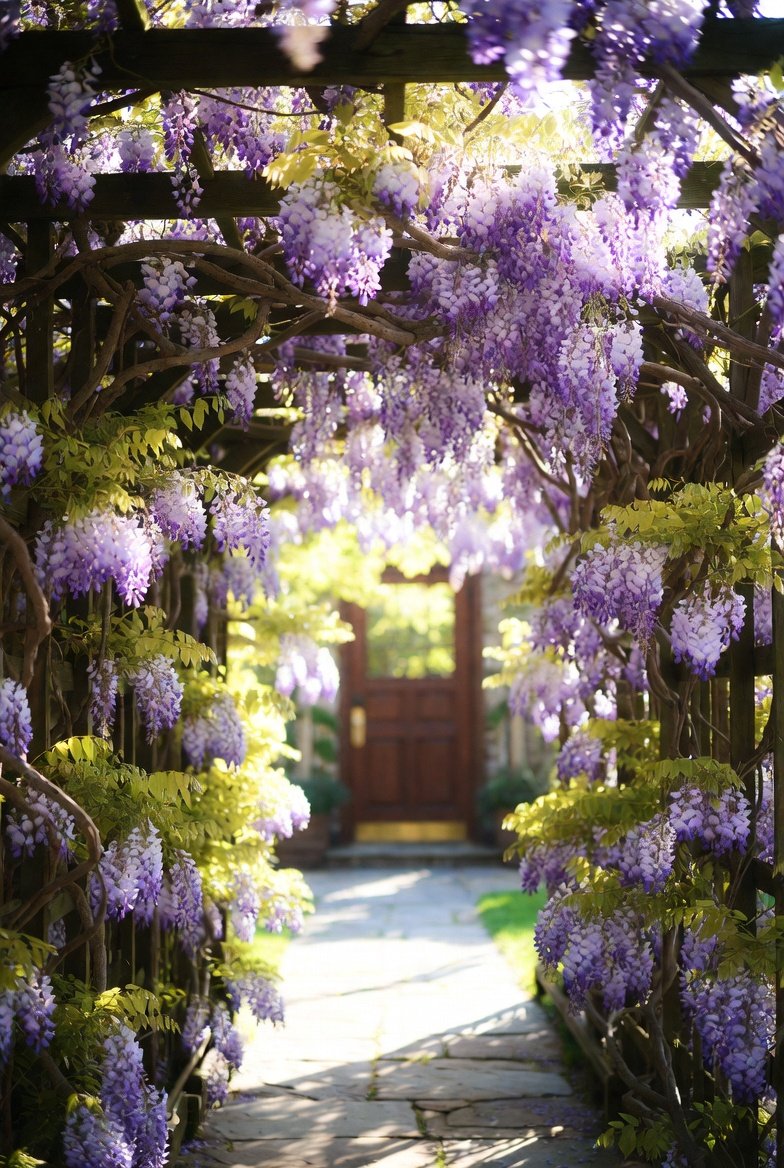
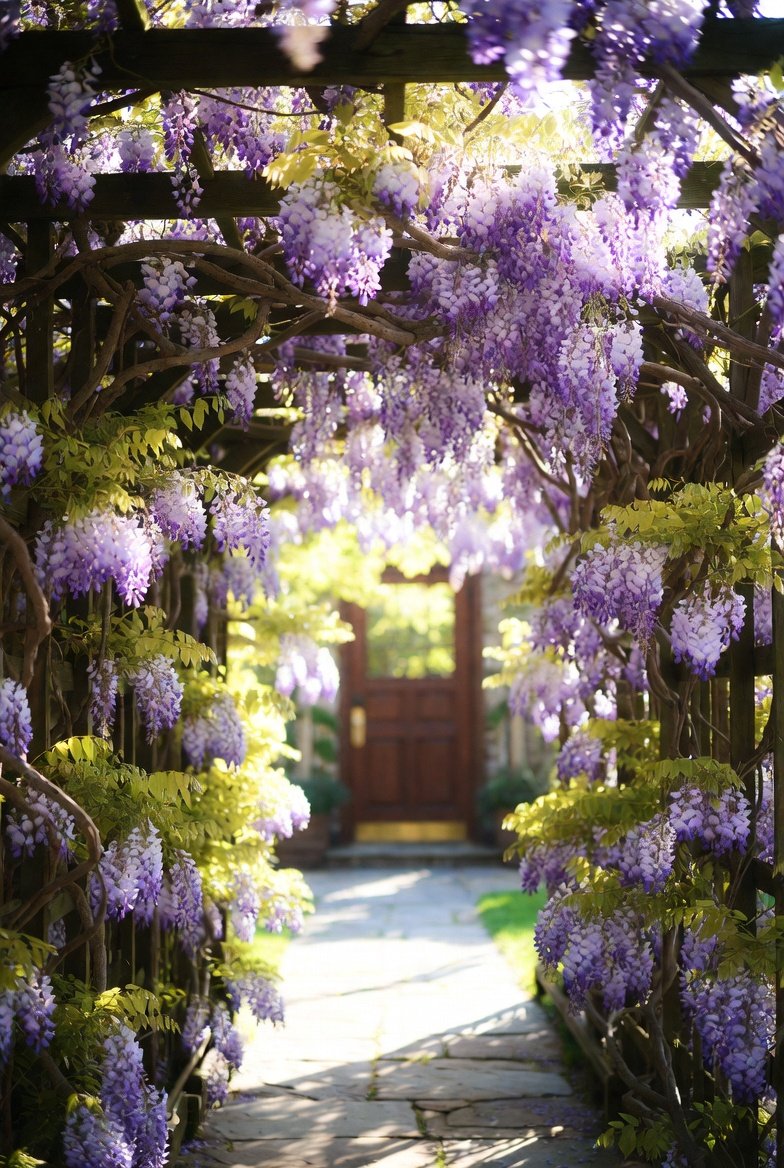
A wisteria-covered arbor over a walkway from the street to the front porch is one of the most classic, high-impact front yard features it frames the entry, adds seasonal fragrance and color, and instantly elevates a plain walkway into a genuine arrival experience.
11. Consider Scale Before You Plant
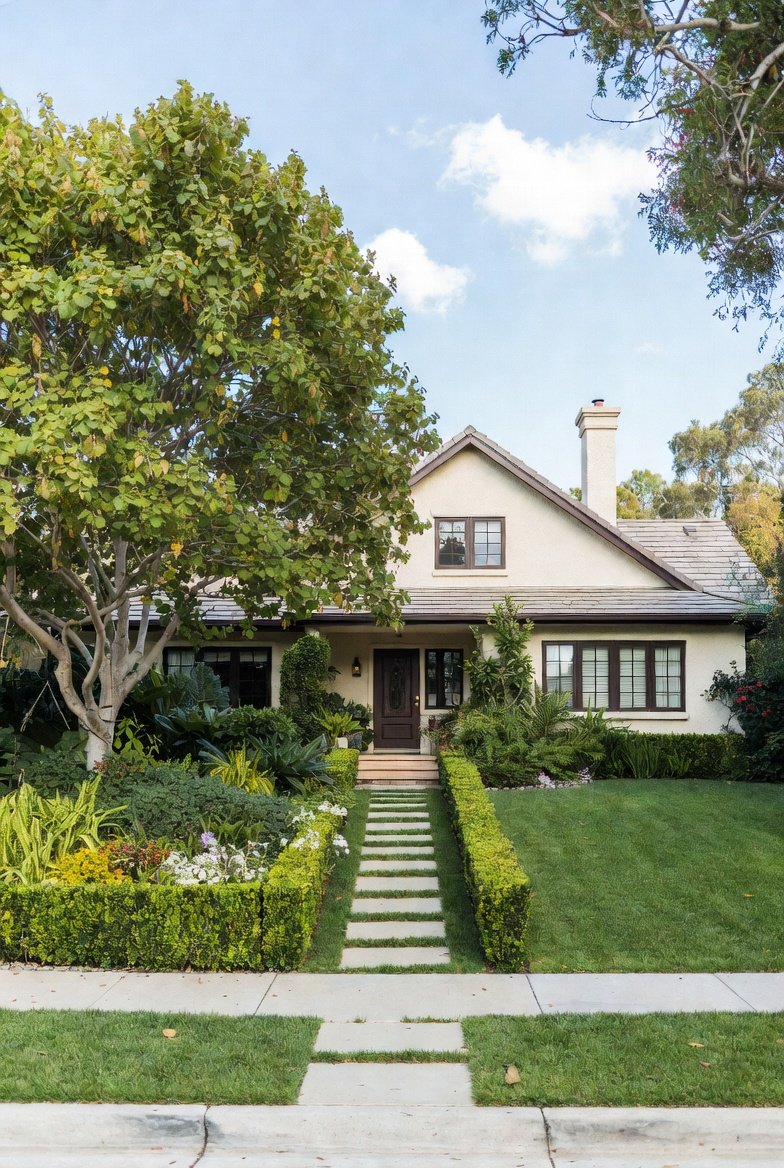
Choose plants that are in scale with your yard small plants get lost in a bigger landscape, while large plants may outgrow a smaller space, so leave enough room for every plant to reach its full mature size rather than planting for how the yard looks on day one.
12. Start Small and Focus Where It Counts
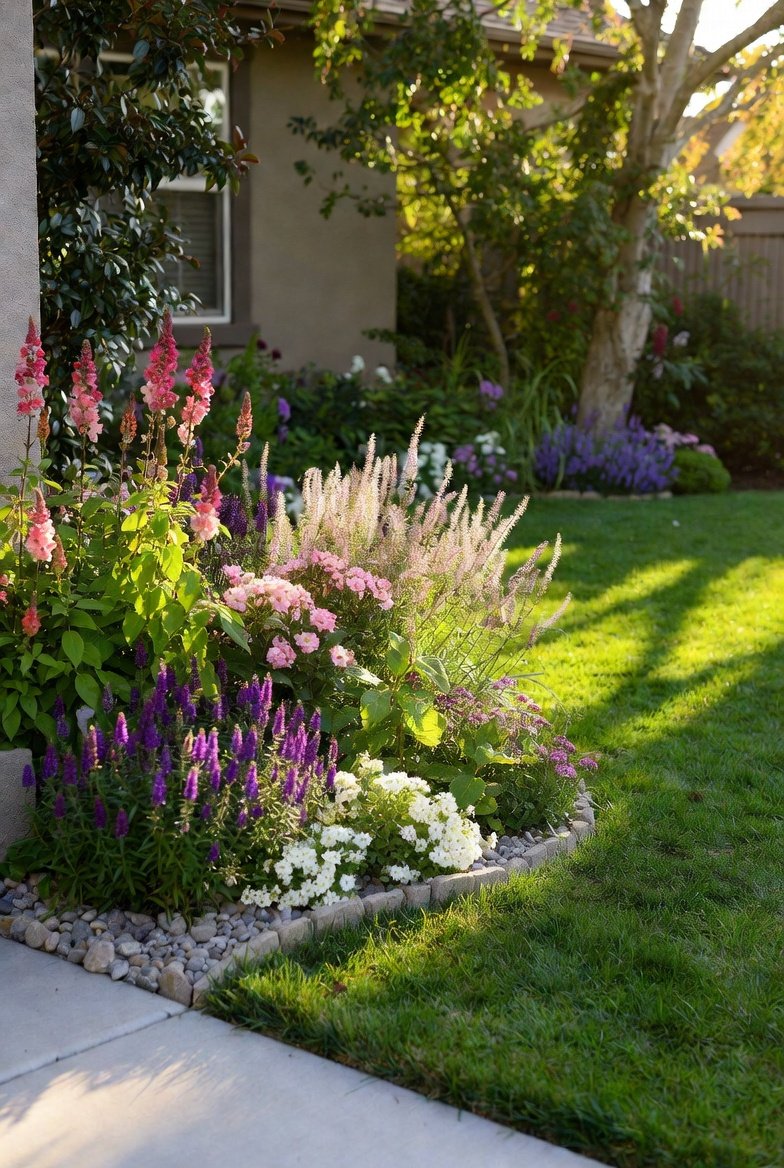
The bigger the garden area, the more upkeep, maintenance, and cost involved, so it’s smart to focus initially on the areas where you’ll get the most visual return typically the bed directly in front of the house or along the main walkway.
13. Save Money With Seeds and Divided Perennials
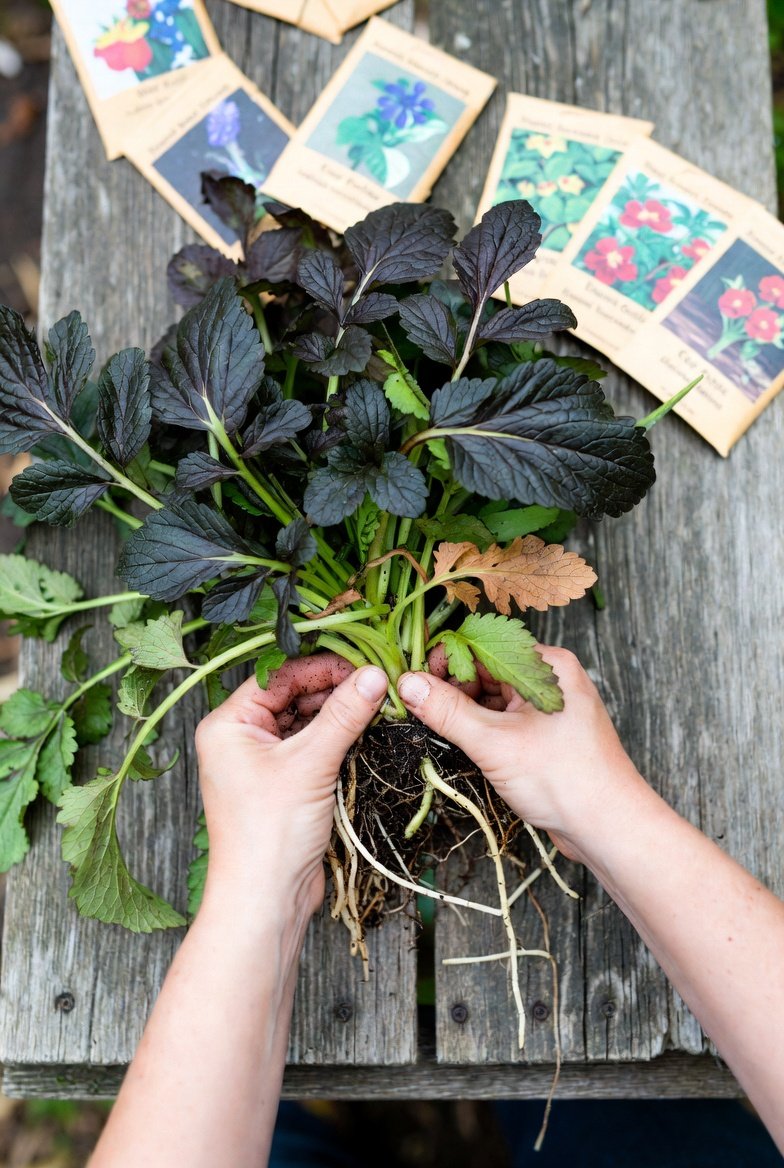
Start a flower bed from seeds, or divide existing perennials and replant them around your yard, to save money compared to buying full-grown plants for every bed.
Watch for healthy shrubs and plants marked down near the end of the growing season, just be aware that end-of-season plants will typically need more care and attention than those planted during their ideal window.
14. Use Acidic Mulch Under Pine Trees Strategically
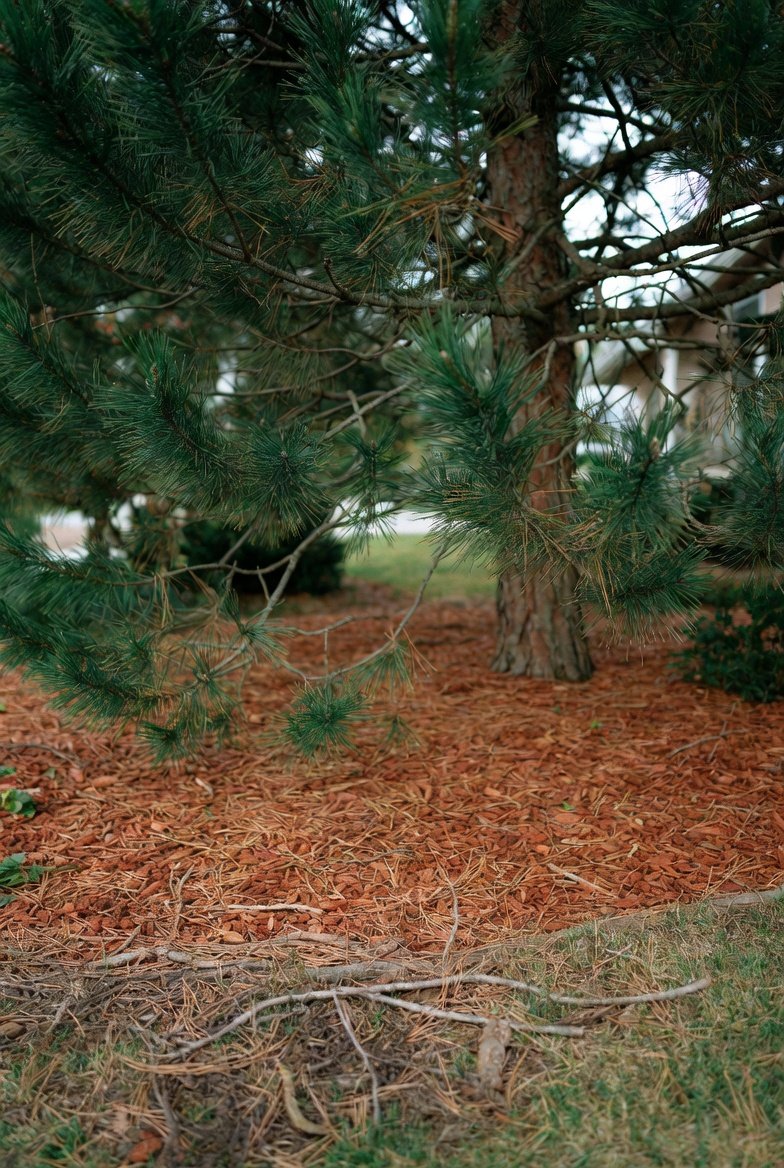
If you have pine trees, use the acidic pine straw as mulch for acid-loving plants like azaleas, camellias, gardenias, and ferns in a bed nearby turning a maintenance task (needle cleanup) into a genuine landscaping asset.
[Image placement: A shaded front yard bed of azaleas and ferns mulched with pine straw beneath tall pines. Alt text: “Pine straw mulch idea for shaded front yard landscaping.”]
15. Keep Trees a Safe Distance From Your Foundation
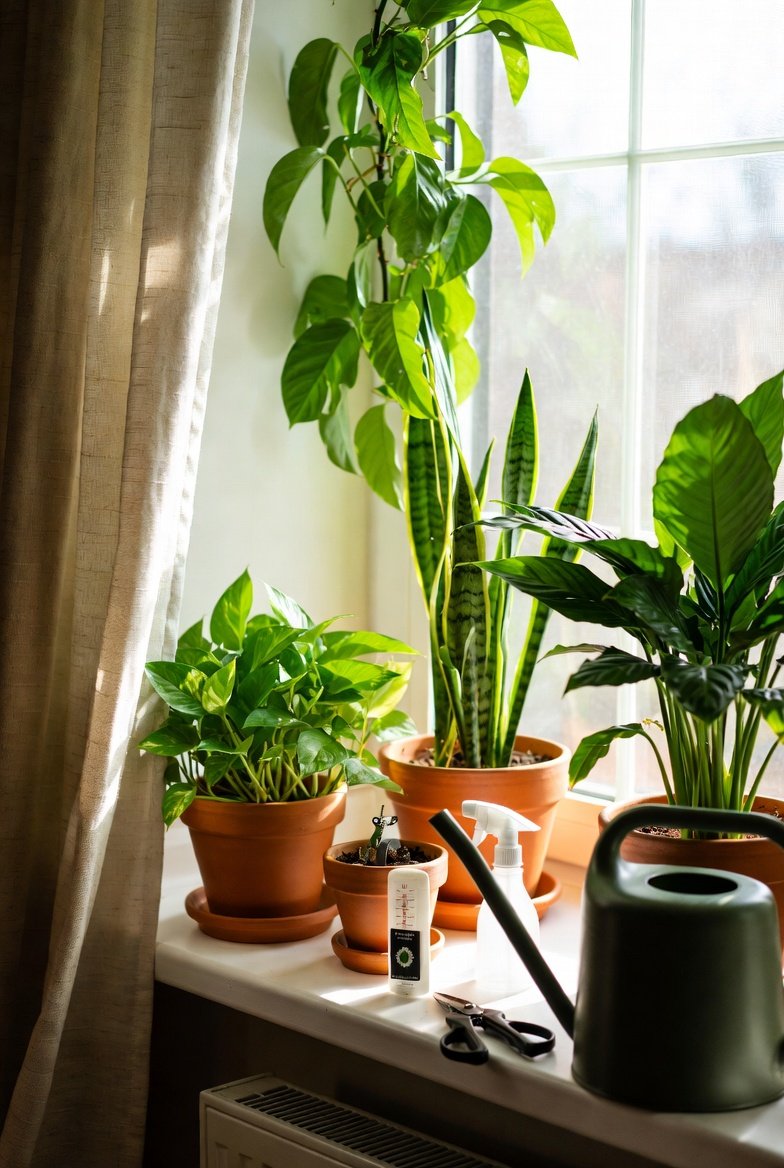
Plant medium or large trees 30 to 50 feet away from the house, and small trees around 15 feet away, so growing roots won’t damage your home’s foundation as they mature over the coming decades.
16. Refresh Bare Spots With Seasonal Annuals
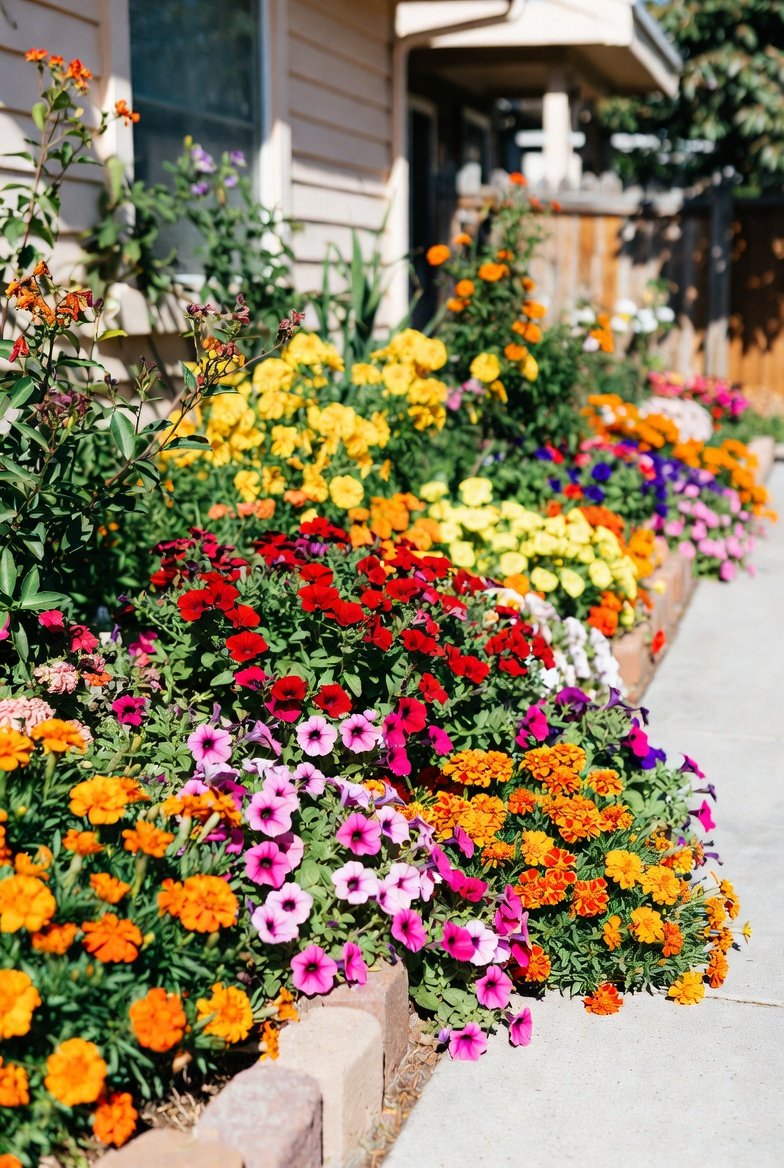
When bulbs or perennials finish blooming, tuck pots of fresh annuals around them to keep color going in the gaps rather than leaving bare, spent soil visible for weeks at a time.
17. Fit the Front Yard to the Neighborhood, Not Just the House
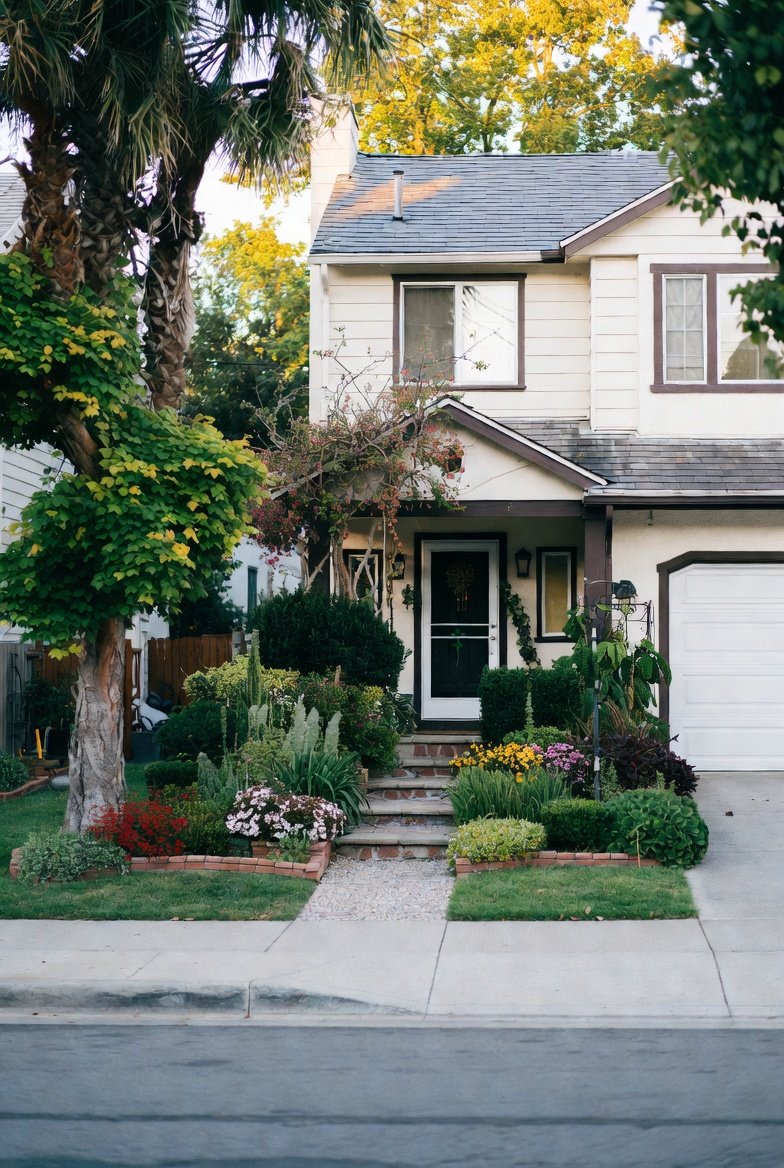
Front yard considerations differ significantly for a sprawling rural property versus a small urban lot, so it’s worth looking at your own home’s style and the natural environment around you, considering budget along the way, rather than copying a design built for a completely different type of property.
Quick recap of the fastest wins if you only try three: plan on graph paper first, use evergreens as your foundation planting, and add one clear focal point like an island bed. Those three decisions alone dramatically improve how “finished” a front yard feels.
Frequently Asked Questions
What’s the cheapest way to landscape a front yard?
Starting flower beds from seed or dividing existing perennials to replant elsewhere in the yard is one of the most budget-friendly approaches, along with watching for marked-down plants at the end of the growing season.
How far should trees be planted from a house’s foundation?
Medium to large trees should generally be planted 30 to 50 feet from the house, while small trees can be planted around 15 feet away, to protect the foundation as roots mature.
What plants work best for a sloped front yard?
Terraced planting beds are a strong solution for a sloping front yard, combining structure with room for a mix of annuals, perennials, and evergreens across the different levels.
Should front yard landscaping match the house style?
Generally, yes. Front yard design should relate to and complement the home’s architectural style, whether that means an English-style garden for a traditional home or gravel and native grasses for a Southwestern or Mediterranean one.
Final Thoughts
A front yard doesn’t need a total overhaul to make a strong first impression it needs a design that respects your home’s style, a clear focal point, and plants chosen for the space they’ll actually grow into. Start with one well-planned bed near your entry, add evergreen structure for year-round appeal, and build outward from there.

