
There’s a reason cottage gardens have stayed irresistible for over a century. The call of a garden filled with a profusion of flowers, smelling of roses, dianthus, and lilacs, is genuinely alluring it looks like it grew there by accident, even though every “accident” was carefully placed.
Cottage gardens are a distinct style built on informal design, traditional materials, dense plantings, and a mix of ornamental and edible plants, and the style depends on grace and charm rather than grandeur or formal structure.
Save this guide now, because idea #5 is the exact planning trick that keeps a cottage garden looking romantic instead of just messy.
Here’s the thing: of all garden styles, the cottage garden is the one meant to delight and appeal to your own personal taste there is no “no.” Let’s get into the ideas that bring that spirit to life without your yard sliding into chaos.
Understand the Roots of the Style First
The earliest cottage gardens were far more practical than today’s versions, emphasizing vegetables, herbs, fruit trees, and even a beehive or livestock, with flowers gradually becoming more dominant over time. The original gardeners were British laborers with little land and no time for flowers they planted vegetables and herbs for their families, with a few flowers interspersed to ward off pests.
So what does this mean for you? The “cottage” look was never about perfection. It’s rooted in function, abundance, and a little bit of happy accident which is exactly the spirit to bring into your own yard.
[Image placement: A classic cottage garden with dense, overflowing flowers along a stone or gravel path. Alt text: “Classic cottage garden design idea with layered flowers.”]
1. Layer Plants by Height, Not Just Color
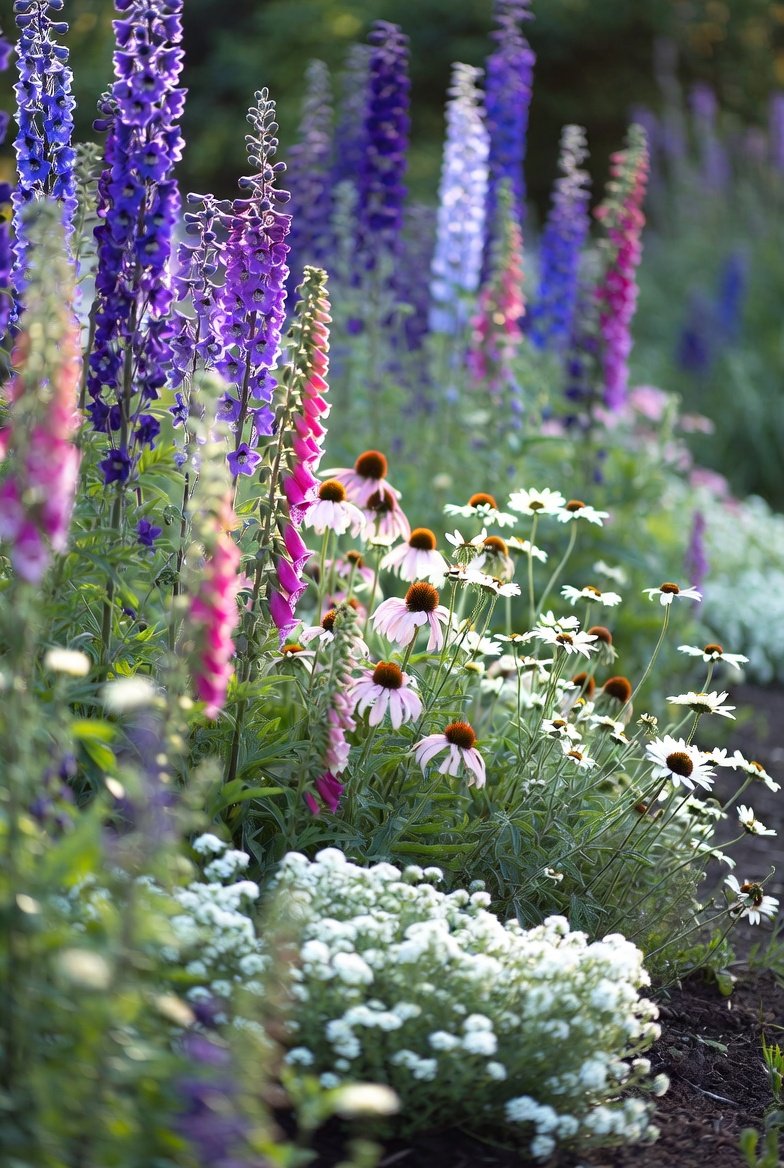
A true cottage garden is a complete world of heights and textures: tall plants for interest at the back, mid-level anchoring plants for structure, and low growers that soften the edges.
This layered approach is what gives a cottage garden its lush, full-from-every-angle look, rather than a flat bed of similarly sized plants.
2. Choose a Color Palette (Even a Wild One)
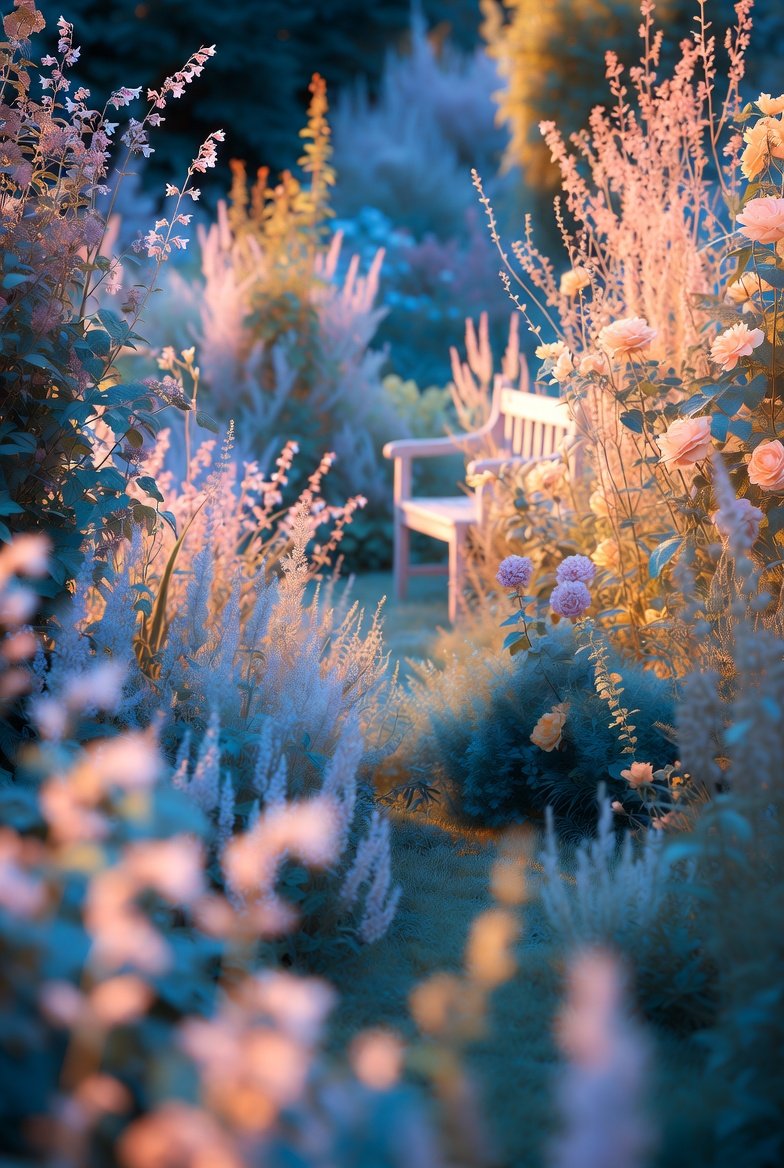
Cottage gardens can incorporate every color in the rainbow, or take a more sophisticated, limited palette like a strictly green-and-white scheme. Deciding on your approach upfront riotous rainbow or restrained palette keeps even a densely planted garden feeling intentional rather than random.
Quick tip: If you’re unsure where to start, pick 3-4 colors you love and build your plant choices around them before adding anything else.
3. Choose Low-Maintenance “Carefree” Plants as Your Backbone
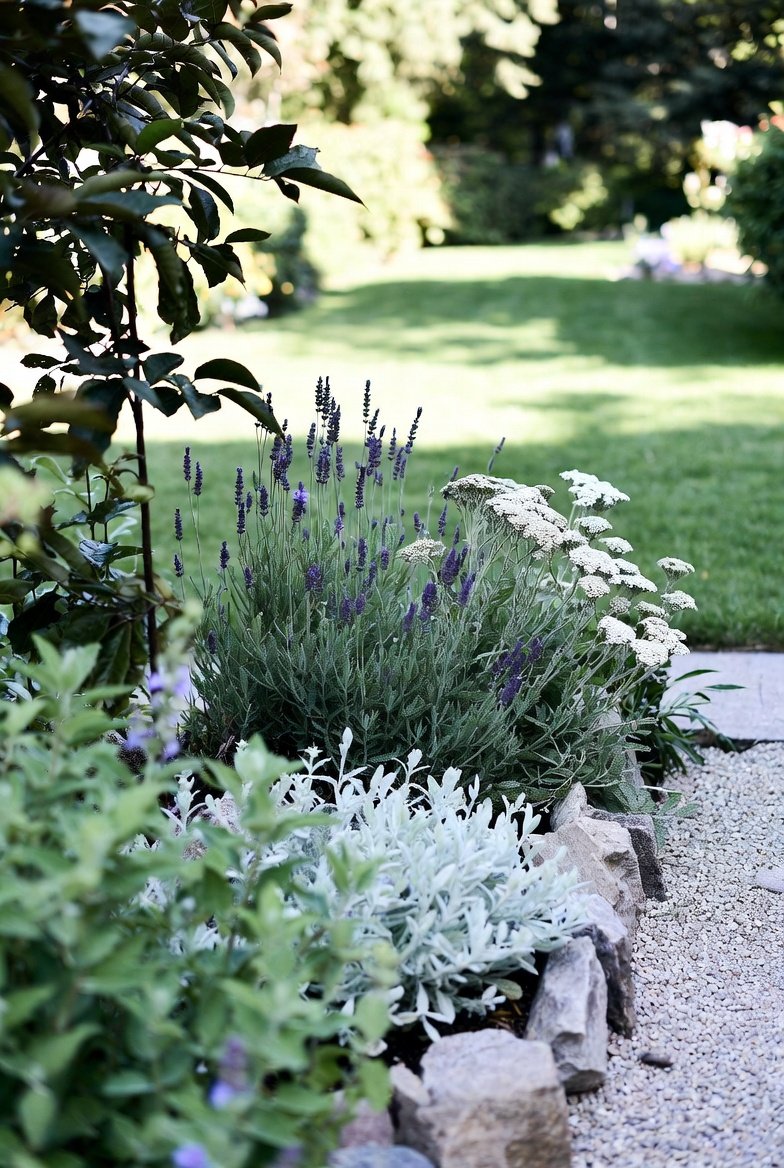
A modern cottage garden is far easier to manage for busy homeowners when it incorporates low-maintenance plants such as catmint, daylily, foxglove, hydrangea, iris, lilac, stonecrop, and yarrow. Plants native to your area will also generally be easier to care for long-term.
Save-worthy tip: Build your garden’s backbone from this forgiving plant list first, then layer in more delicate or fussy favorites once the foundation is established.
[Image placement: A grouping of catmint, daylily, and yarrow blooming together in a cottage-style border. Alt text: “Low-maintenance cottage garden plants idea for beginners.”]
4. Don’t Be Afraid to Break the Rules
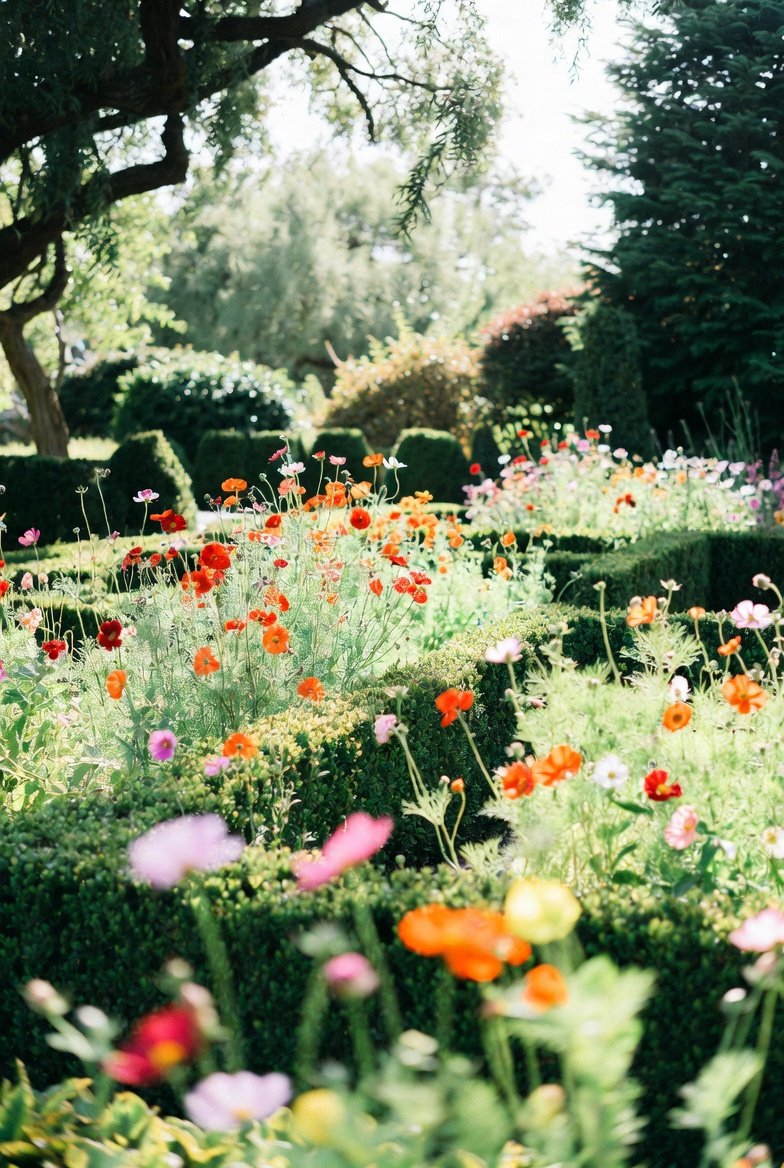
Plant cabbage among the flowers, or Swiss chard along the path don’t follow “the rules.” One of the defining traits of cottage gardening is mixing edibles and ornamentals freely, rather than segregating vegetables into their own separate bed.
Read Also: 13+ Container Garden Ideas for Patio Spaces That Feel High-End
5. Plan Your Layout Before You Let Loose
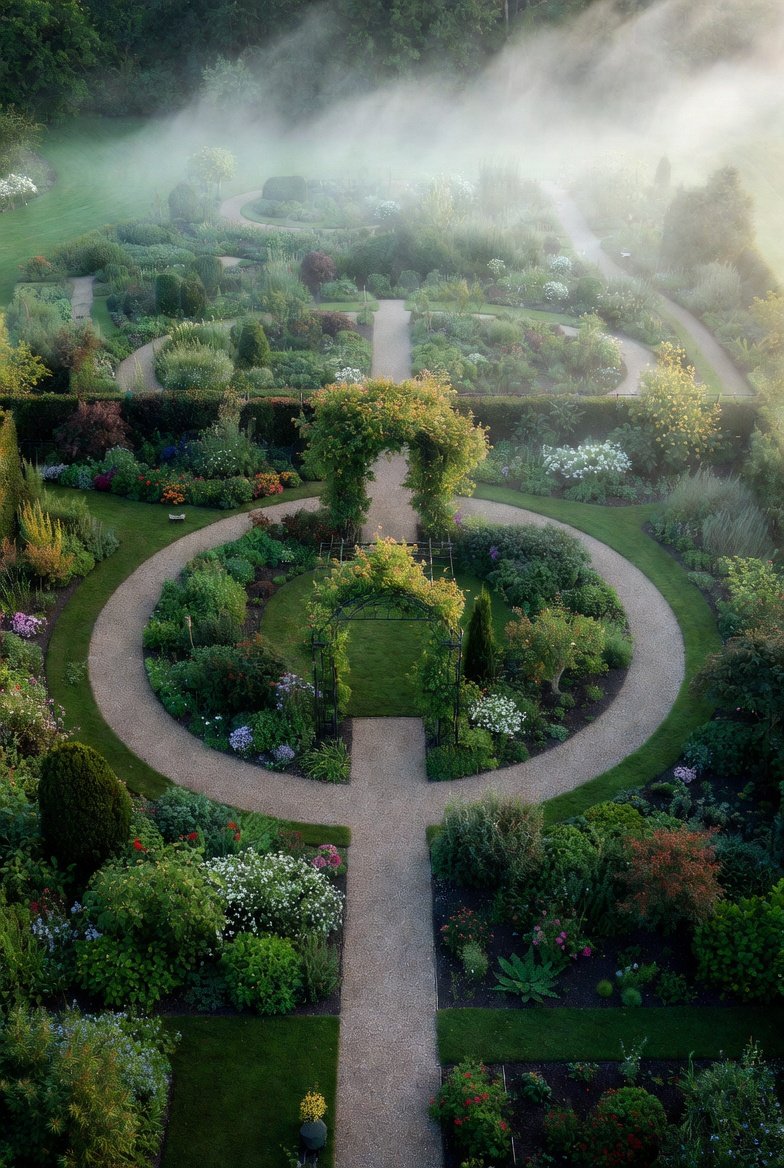
Here’s the tip that keeps a cottage garden from tipping into chaos: keep track of each plant’s sun or shade needs, along with its mature height and the space it will require, even if the finished look feels wonderfully carefree.
Bucket brigade moment: But there’s a catch a cottage garden that looks effortless almost never is. Even a beautifully disheveled-looking garden typically requires real, regular upkeep behind the scenes.
6. Fill Every Available Plot of Soil
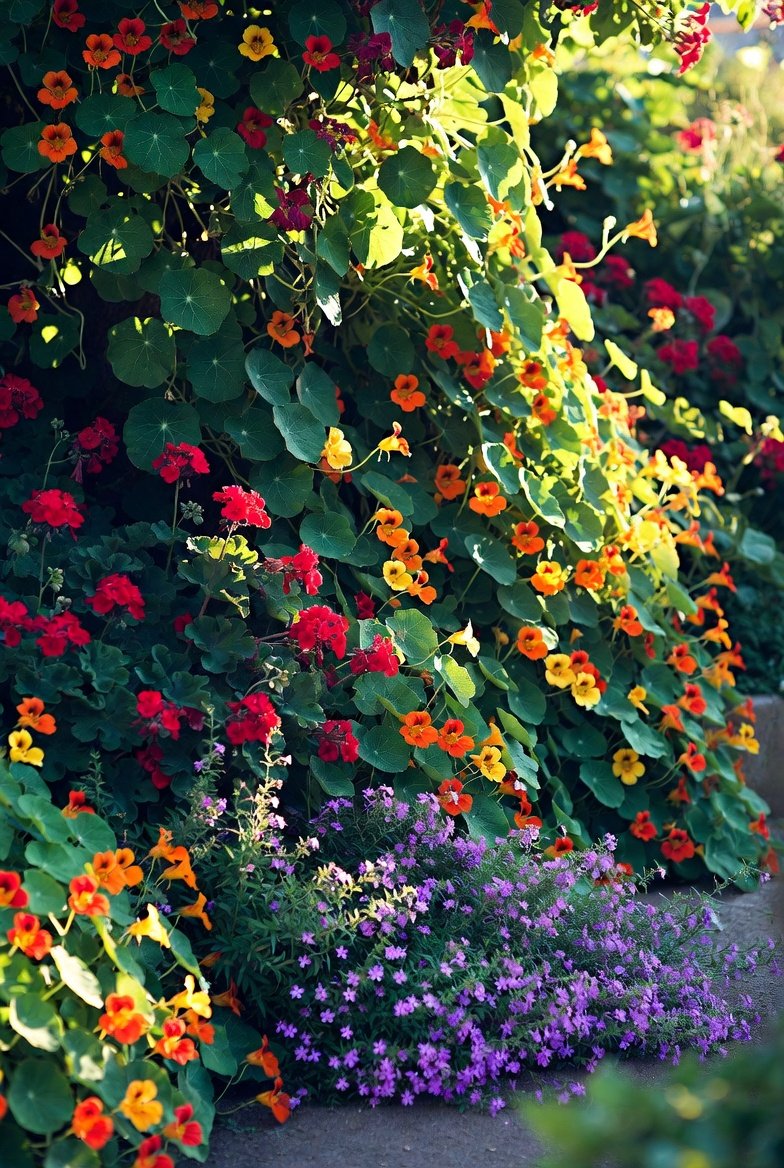
Don’t be afraid to plant in every available plot of soil mailboxes and picket fences are practically begging for some floral company. Cottage gardens thrive on abundance, so gaps along fence lines, mailbox posts, and narrow side strips are all opportunities rather than afterthoughts.
7. Add an Arbor or Garden Gate
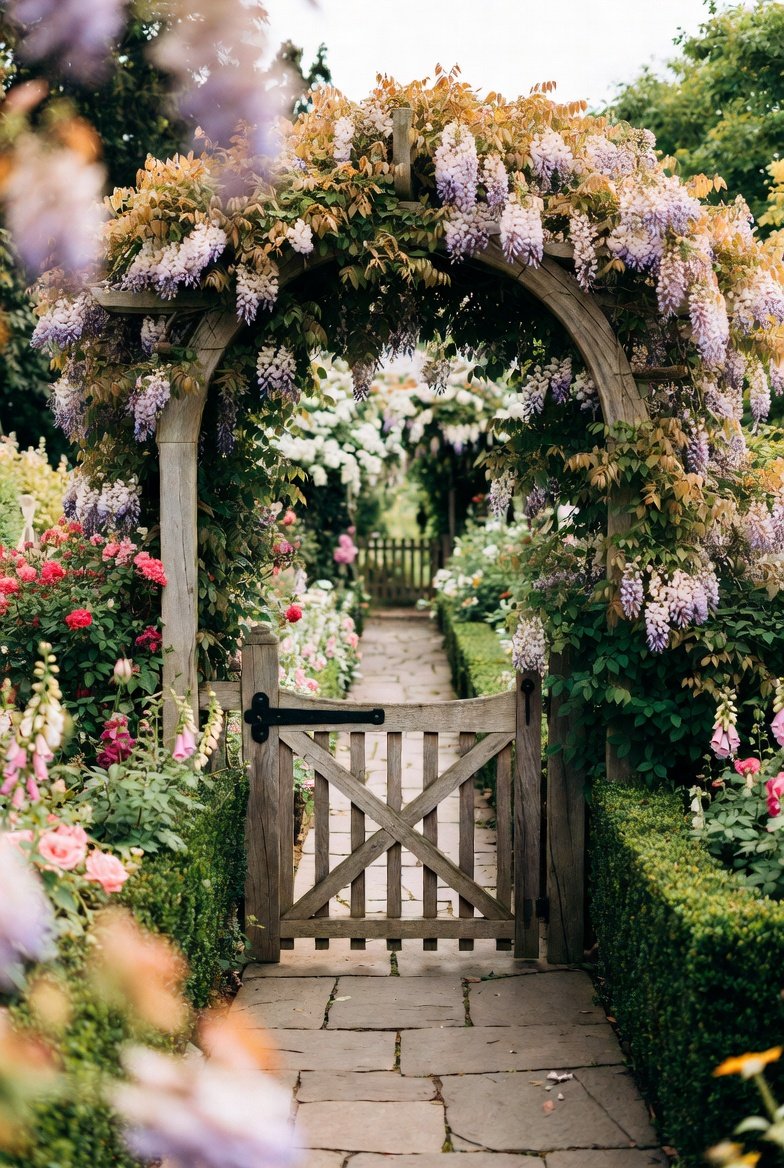
Consider an arbor and a gate as structural anchors within the planting. These simple additions give even a densely planted, informal garden a sense of entry and destination a clear “you are here” moment rather than an undifferentiated wall of flowers.
[Image placement: A wooden arbor covered in climbing roses at the entrance to a cottage garden path. Alt text: “Cottage garden arbor idea with climbing roses.”]
8. Use Gravel and Rocks Wherever You Can
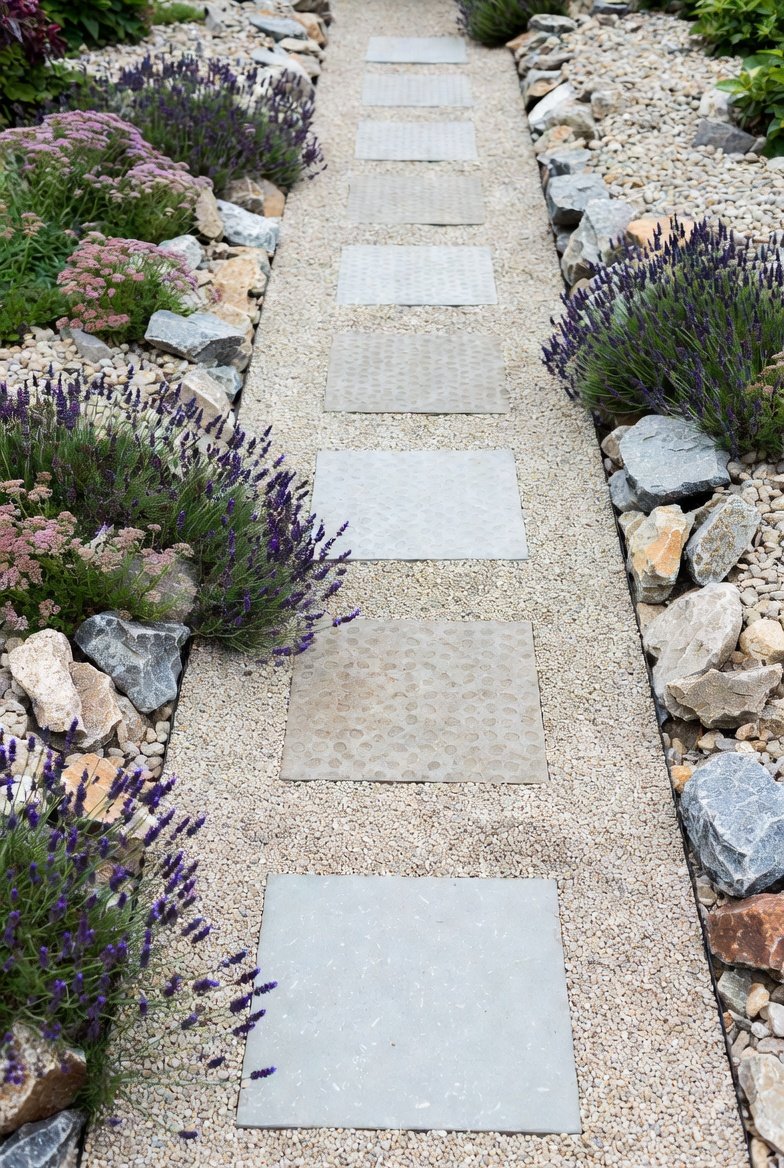
Incorporate rocks and gravel wherever possible as pathway material, bed edging, or simple accents. Gravel paths in particular give a cottage garden’s loose, exuberant planting a sense of order and let you walk through the display without stepping on anything.
9. Let Structure and Softness Coexist
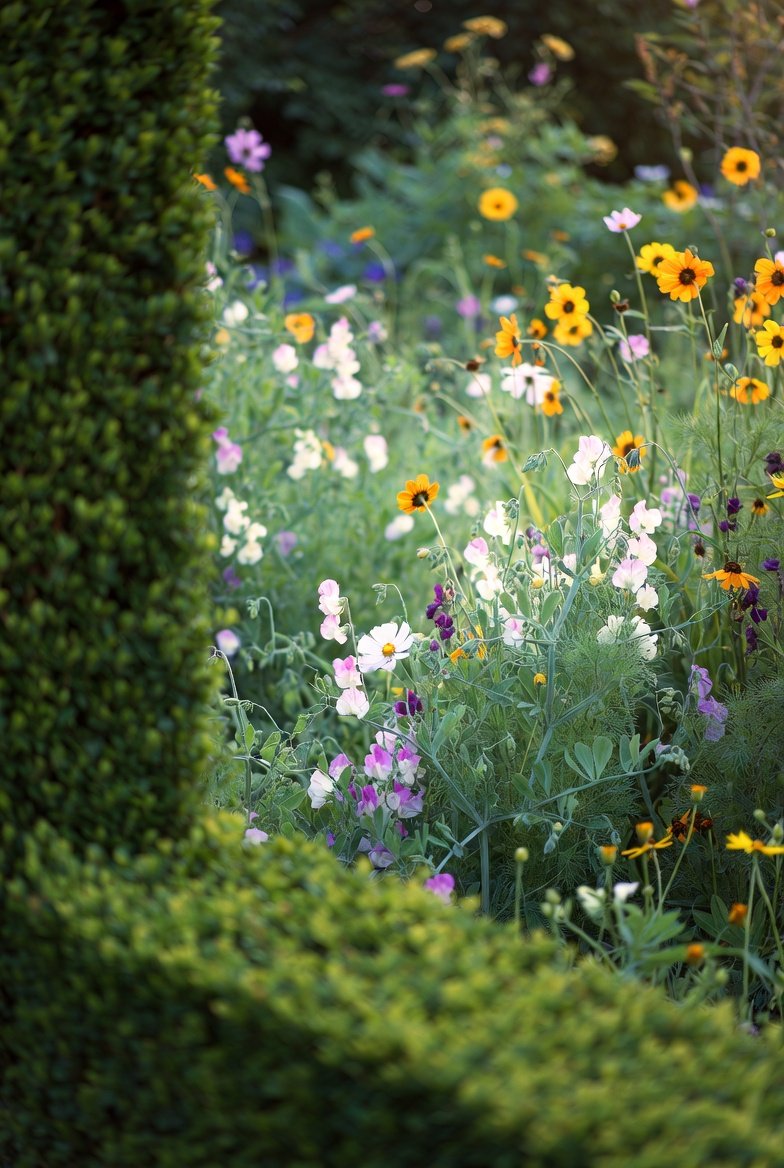
A cottage look doesn’t require abandoning all design discipline. Clean lines can create structure, while loosely layered plantings give the overall look a billowy, romantic feel the two approaches genuinely complement each other rather than compete.
Evergreen trees and shrubs can form the reliable backbone of the garden, while seasonal floral flourishes mark the changing time of year.
10. Add Whimsical (or Formal) Garden Décor
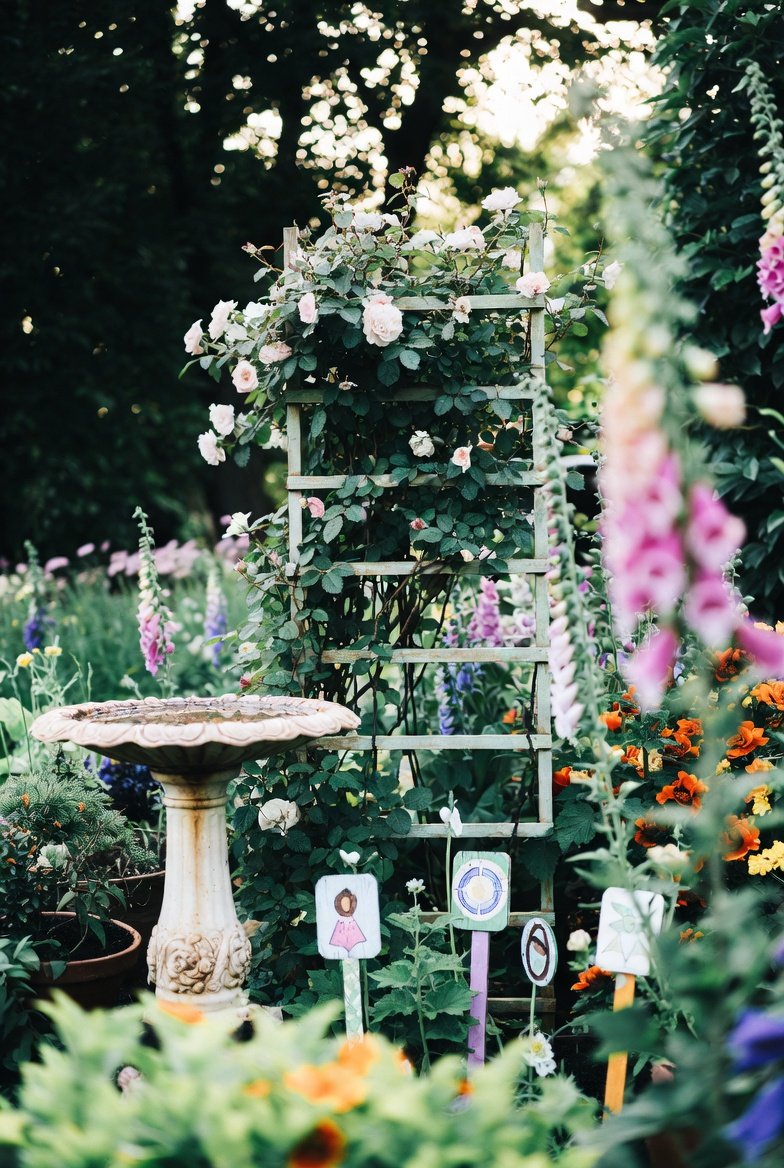
Cottage gardens are known for the décor woven throughout details that add year-round interest and are typically low-maintenance additions. You can lean whimsical with a stretch of picket fencing, garden stakes, birdhouses, or even a bottle tree, or lean more formal with stately garden statues instead.
If whimsy isn’t quite your style, even a simple bird bath adds character without tipping the garden into “kitschy” territory.
[Image placement: A charming garden corner with a small bird bath, wooden bench, and surrounding cottage flowers. Alt text: “Cottage garden decor idea with bird bath and bench seating.”]
11. Add a Bench or Table for a Seating Moment
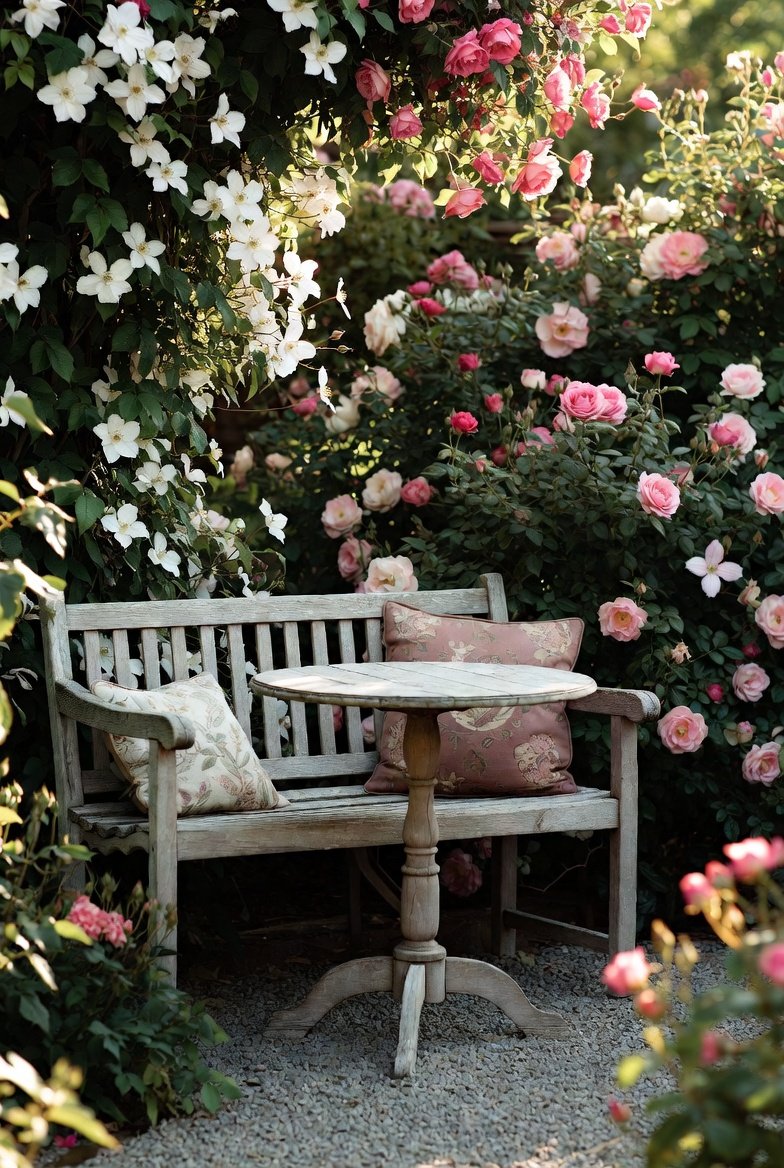
A cottage garden benefits enormously from at least one spot to sit and actually enjoy it, rather than being purely a space to walk through. A simple bench tucked among the flowers, or a small table for morning coffee, turns the garden into a destination rather than just a view from the window.
12. Choose Low-Water Plants for a Modern, Waterwise Twist
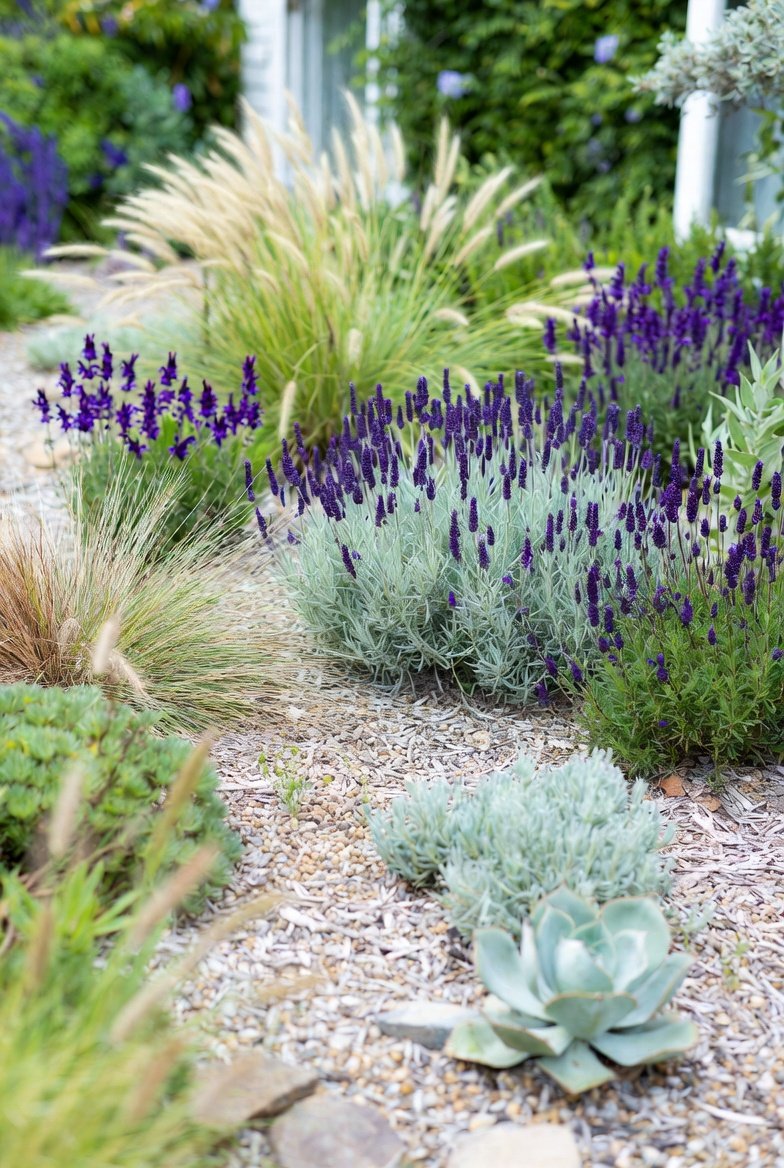
If your climate calls for water conservation, a cottage look doesn’t have to mean high water use. An unexpected plant combination can create a visual tapestry that’s both low-maintenance and requires minimal irrigation, proving the romantic, overflowing cottage aesthetic can adapt to a drier climate without losing its charm.
Quick tip: Seasonal color can still rotate through the year think wallflower, iris, and dogwood in spring, then lavender, rose, and butterfly bush in summer — all while keeping the overall planting waterwise.
13. Bring the Cottage Look to Your Front Yard
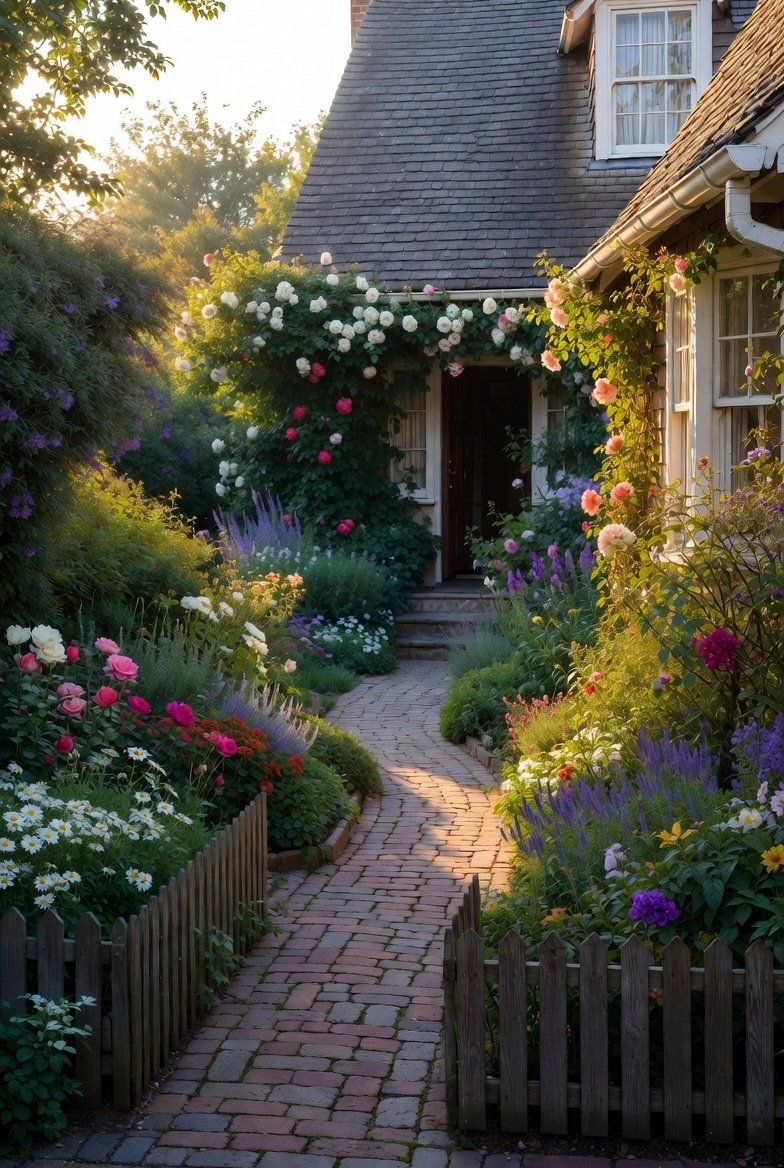
A cottage garden can work beautifully as front yard landscaping, not just a private backyard retreat there’s no rule that says the style has to stay tucked away. A front-yard cottage garden makes a genuinely memorable first impression and softens even a very traditional home’s exterior.
Quick recap of the fastest wins if you only try three: layer plants by height, build your backbone from carefree low-maintenance varieties, and add one structural anchor like an arbor or gate. Those three moves alone will give a new cottage garden real staying power.
Frequently Asked Questions
What defines a cottage garden style?
A cottage garden relies on informal design, traditional materials, dense plantings, and a mix of ornamental and edible plants, favoring charm over formal structure.
What are the easiest plants for a low-maintenance cottage garden?
Catmint, daylily, foxglove, hydrangea, iris, lilac, stonecrop, and yarrow are all considered carefree, low-maintenance cottage garden plants.
Can vegetables be part of a cottage garden design?
Yes. Mixing vegetables like cabbage or Swiss chard directly among the flowers is very much in keeping with the traditional cottage garden style, which originated as a practical, food-growing space.
Is a cottage garden actually low-maintenance?
Not always. A cottage garden’s carefree, disheveled look often requires quite a bit of regular upkeep behind the scenes, though choosing hardy, low-maintenance plant varieties can meaningfully reduce the workload.
Final Thoughts
A cottage garden succeeds by embracing abundance with just enough structure to hold it together layered heights, a thoughtful color palette, a backbone of forgiving plants, and one or two anchoring features like an arbor or a bench. Start with a small section, let it fill in and self-seed a little, and allow the wonderfully imperfect cottage look to develop over a season or two.

