
Nothing deflates a proud plant parent quite like walking past your favorite houseplant and noticing a leaf has quietly turned yellow overnight. Is it dying? Did you kill it? Should you panic?
Take a breath yellow leaves are almost always fixable, and more often than not, they’re your plant’s way of communicating a specific, identifiable problem rather than announcing a death sentence. The trick is learning to read the clues: where the yellowing starts, what the soil and roots look like, and how the plant has been treated lately. Once you know what to look for, diagnosing yellow leaves becomes less of a mystery and more like solving a simple puzzle.
Save this guide for later because these 12+ causes and fixes will help you pinpoint exactly why your plant’s leaves are yellowing, and what to do about it. And pay close attention to #1 and #2, since together they’re responsible for the vast majority of yellow leaf cases in home plant collections.
[Image placement 1 vertical, top of post: A close-up of a houseplant leaf transitioning from green to yellow, with a healthy green leaf beside it for comparison. Alt text/pin text: “Houseplant yellow leaves causes and fix idea showing early leaf discoloration.”]
1. Overwatering
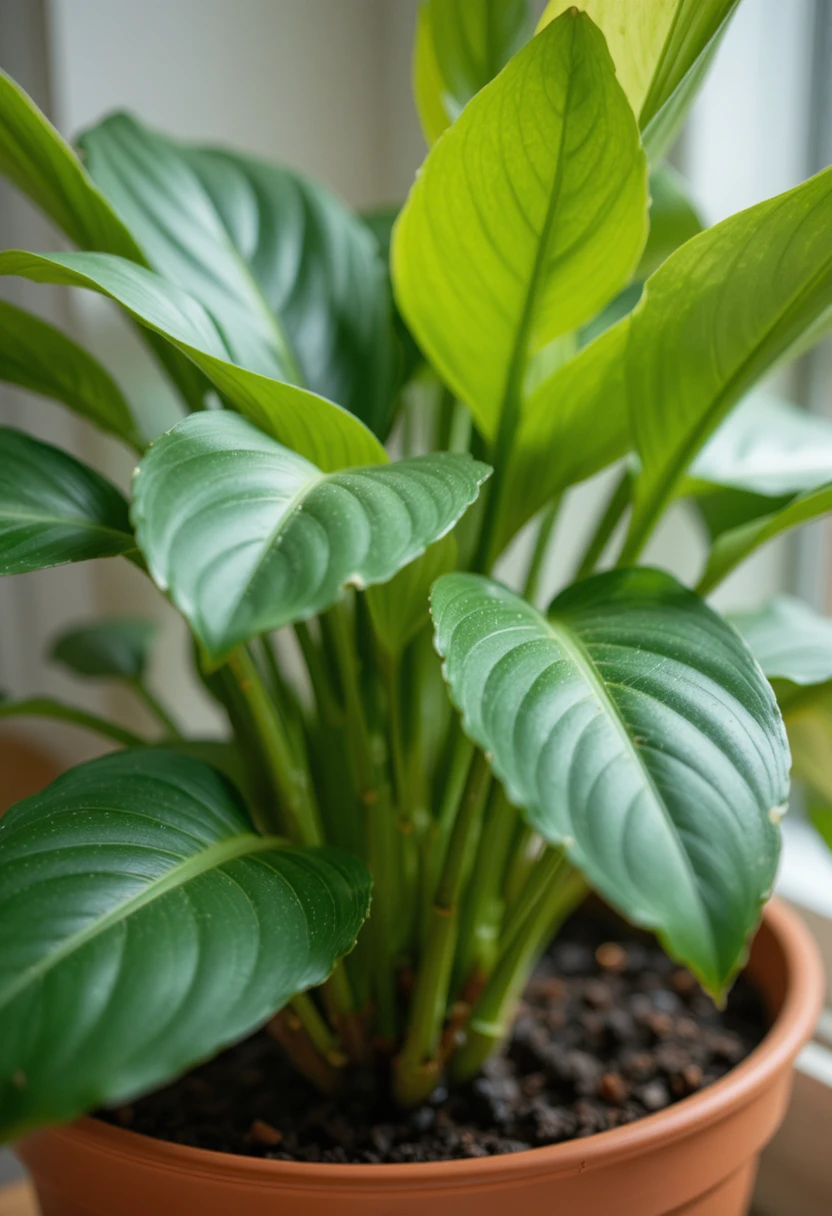
This is the single most common cause of yellow leaves, and it’s usually well-intentioned most people overwater because they’re trying to take good care of their plant, not neglect it.
When soil stays soggy for too long, roots become waterlogged and can’t get the oxygen they need, which leads to root damage and yellowing leaves that often feel limp or look slightly downward-curling.
How to fix it: Let the top inch or two of soil dry out fully before watering again, and make sure your pot has proper drainage so water isn’t pooling at the bottom. If the plant is severely affected, check the roots healthy roots look firm and white, while overwatered roots look brown and mushy.
2. Underwatering
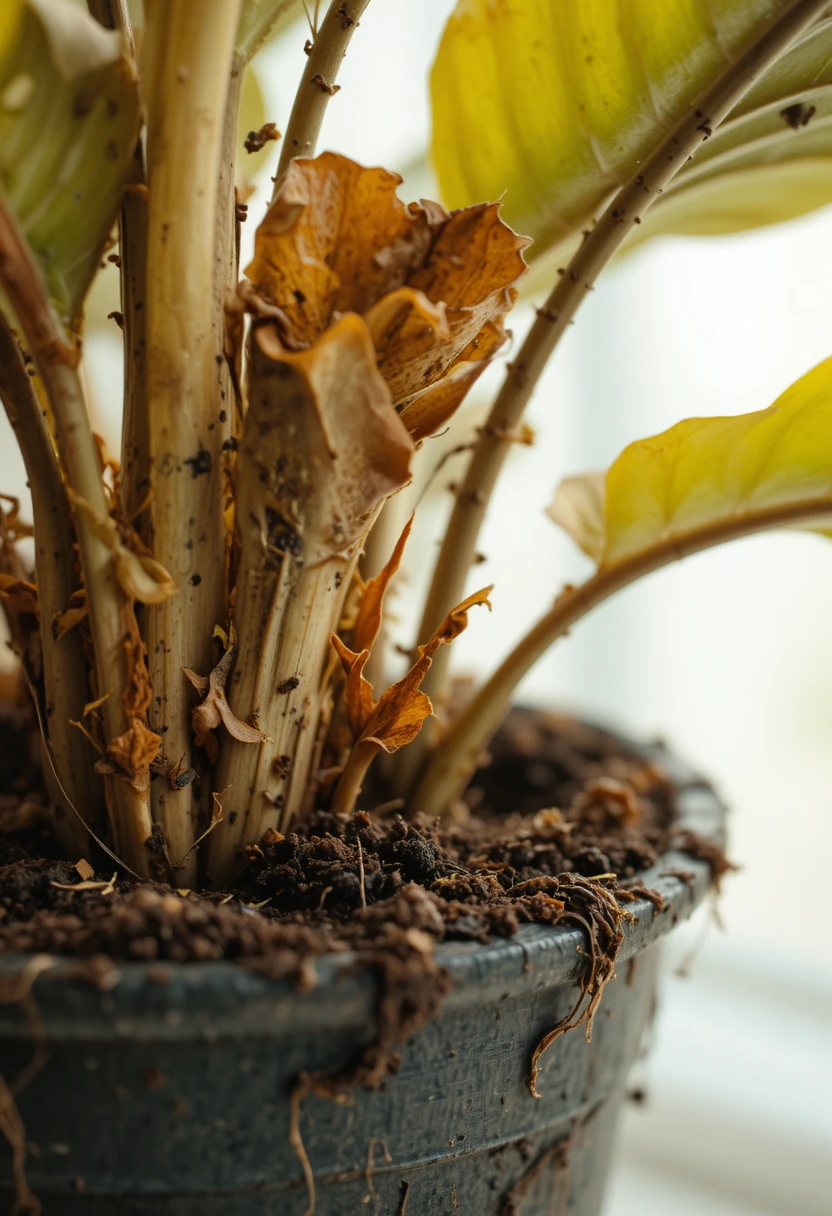
On the opposite end of the spectrum, a plant that’s consistently thirsty will also turn yellow, though the pattern looks a little different.
Underwatered leaves tend to yellow while curling inward, and you’ll often notice soil that’s dry, cracked, or visibly pulling away from the sides of the pot. Older leaves may drop first, since the plant prioritizes survival by sacrificing its lowest, oldest growth.
How to fix it: Water thoroughly and evenly until it saturates the entire root ball, rather than giving small, frequent sips. Some plants perk back up within hours; others may take a few days to recover.
3. Too Much Direct Sun
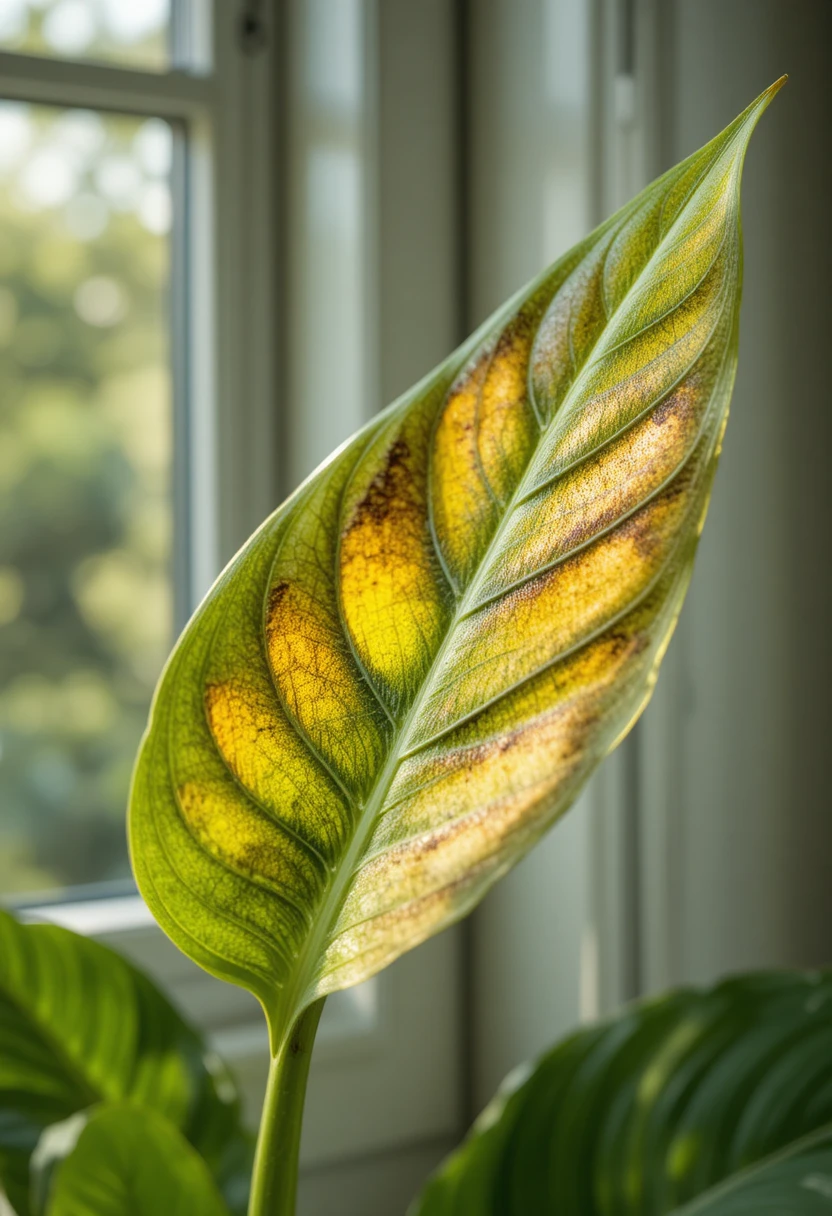
Sunlight is essential, but too much of it especially too suddenly can stress leaves into yellowing or developing a bleached, washed-out look.
This often happens when a plant is moved into a much brighter spot than it’s used to, without any time to adjust.
How to fix it: Gradually move the plant closer to a bright window over a couple of weeks instead of relocating it all at once, giving it time to build tolerance rather than shocking it with sudden intense light.
[Image placement 2 vertical, mid-article: A houseplant with bleached, sun-stressed leaves next to a window, illustrating too much direct light. Alt text/pin text: “Houseplant yellow leaves cause idea showing sun stress from too much direct light.”]”]
4. Too Little Light
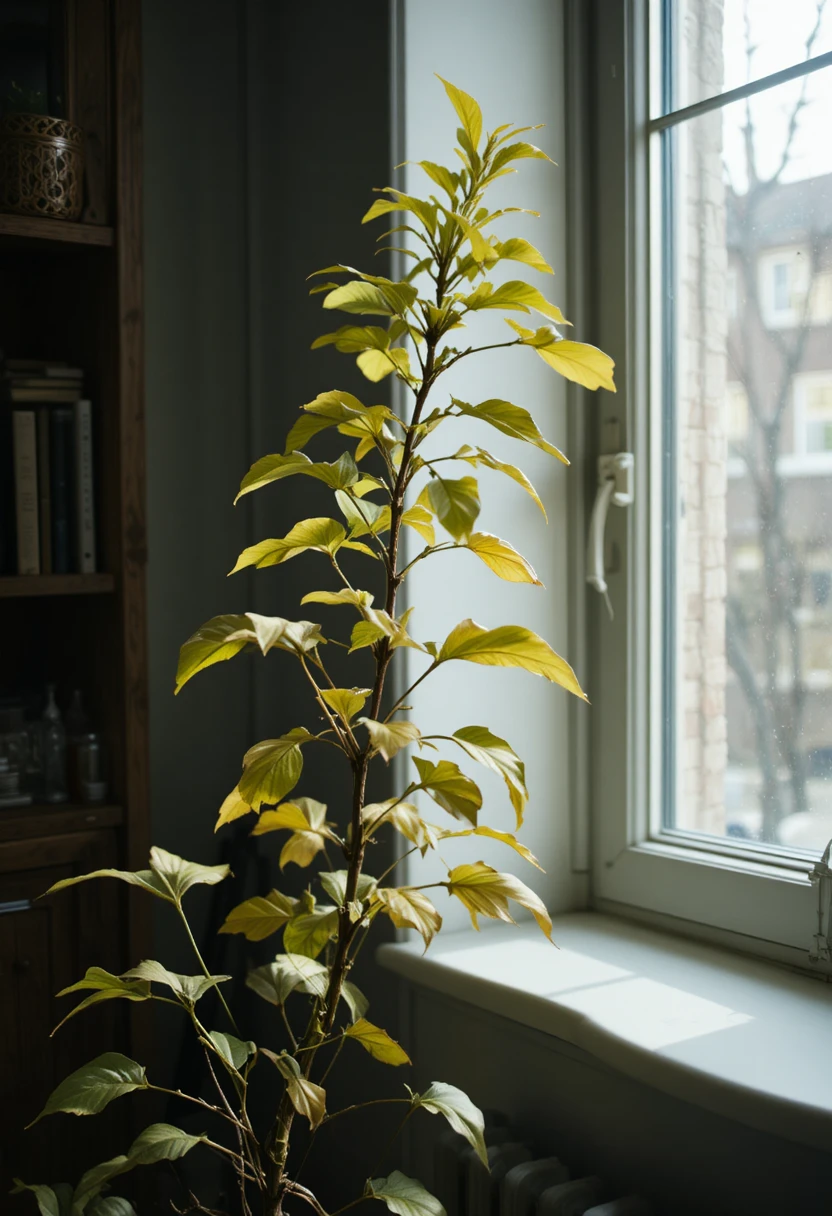
Just as too much sun causes problems, so does too little and this is an especially common issue for plants tucked into dim corners or far from any window.
When light is inadequate, yellowing typically starts with the lower leaves the ones farthest from the light source before they eventually drop entirely.
How to fix it: Rotate the pot weekly so all sides get even light exposure, move the plant to a brighter spot, or supplement with an LED grow light if your space simply doesn’t have enough natural light to offer.
Read Also: Green Nest Hubs
5. Nitrogen Deficiency
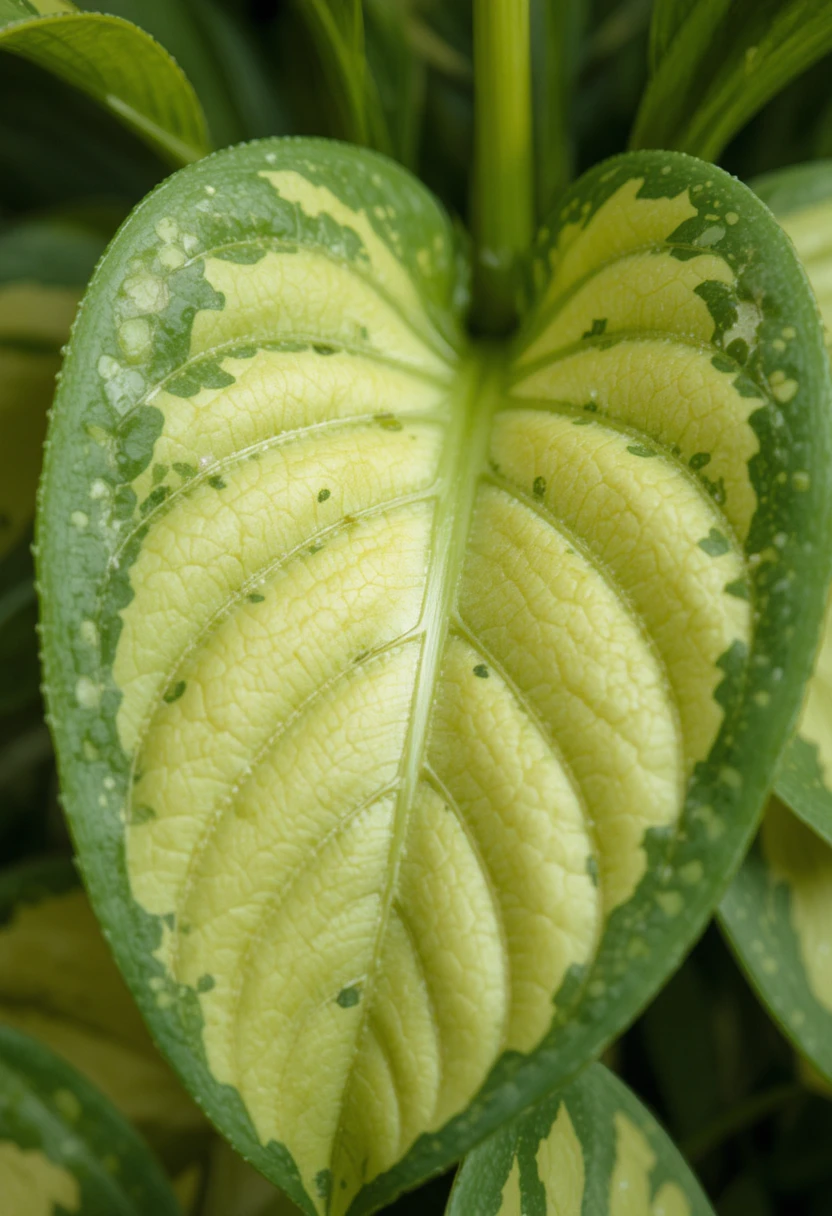
Indoor potting mixes only hold a limited nutrient supply, and nitrogen is typically the first nutrient to run out after a few months of regular watering and growth.
Nitrogen deficiency shows up as yellowing that starts with the older, lower leaves while new growth at the top stays green the plant is essentially pulling nitrogen from its oldest leaves to support new growth.
How to fix it: Feed with a balanced, diluted liquid houseplant fertilizer during the growing season, following label instructions carefully to avoid overfeeding.
6. Iron Deficiency (Chlorosis)
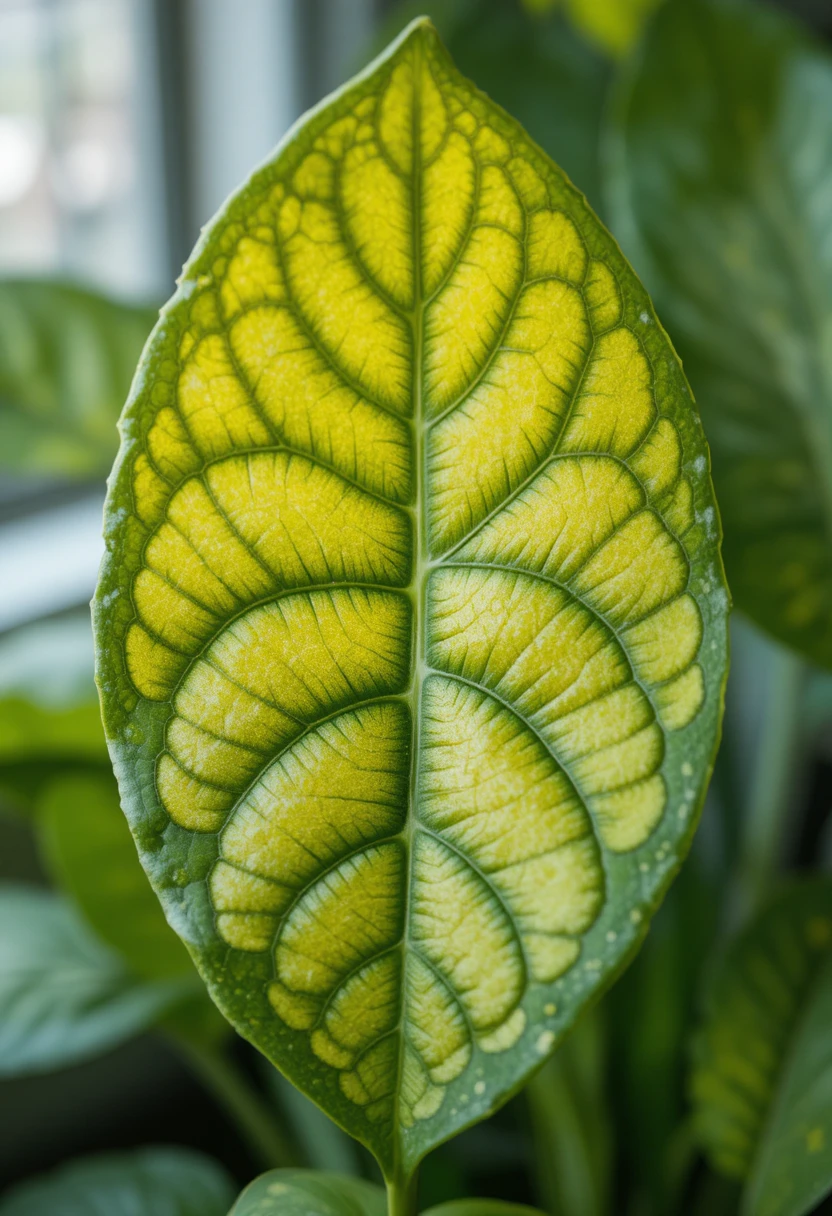
Iron deficiency looks distinctly different from nitrogen deficiency, and it’s a useful pattern to recognize on sight.
Instead of the whole leaf yellowing, the veins stay green while the tissue between them turns yellow a condition called chlorosis. This is often a slow, gradual drain on the plant’s energy rather than a sudden change.
How to fix it: Apply a chelated iron supplement directly to the leaves, and consider refreshing old, compacted potting soil, which can block nutrient uptake and make iron deficiency worse over time.
[Image placement 3 vertical, mid-to-lower article: A close-up of a houseplant leaf showing iron deficiency chlorosis, with green veins and yellow tissue between them. Alt text/pin text: “Houseplant yellow leaves cause idea showing iron deficiency chlorosis pattern.”]
7. Root Rot or Root Damage
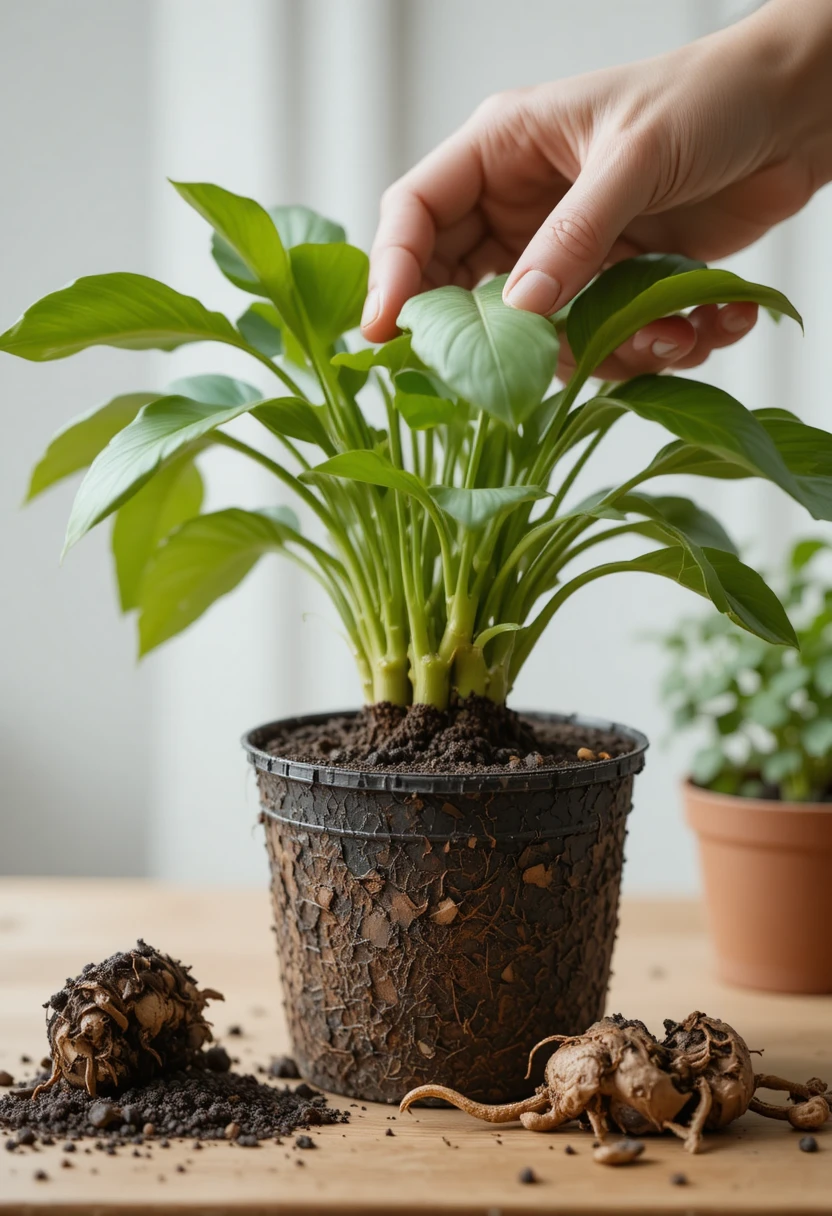
Root rot is often the more serious end result of prolonged overwatering, but it can also stem from temperature swings or too much fertilizer damaging delicate roots.
Beyond yellowing, root-damaged plants often show small, pale leaves or leaves with brown splotches, and the plant may generally look weak or stunted despite otherwise reasonable care.
How to fix it: Remove the plant from its pot, gently brush away soil, and prune away any mushy, brown roots before repotting into fresh, well-draining soil. If the majority of the roots are damaged, recovery becomes less likely, so acting quickly at the first signs matters.
8. Natural Aging (Old Leaf Drop)
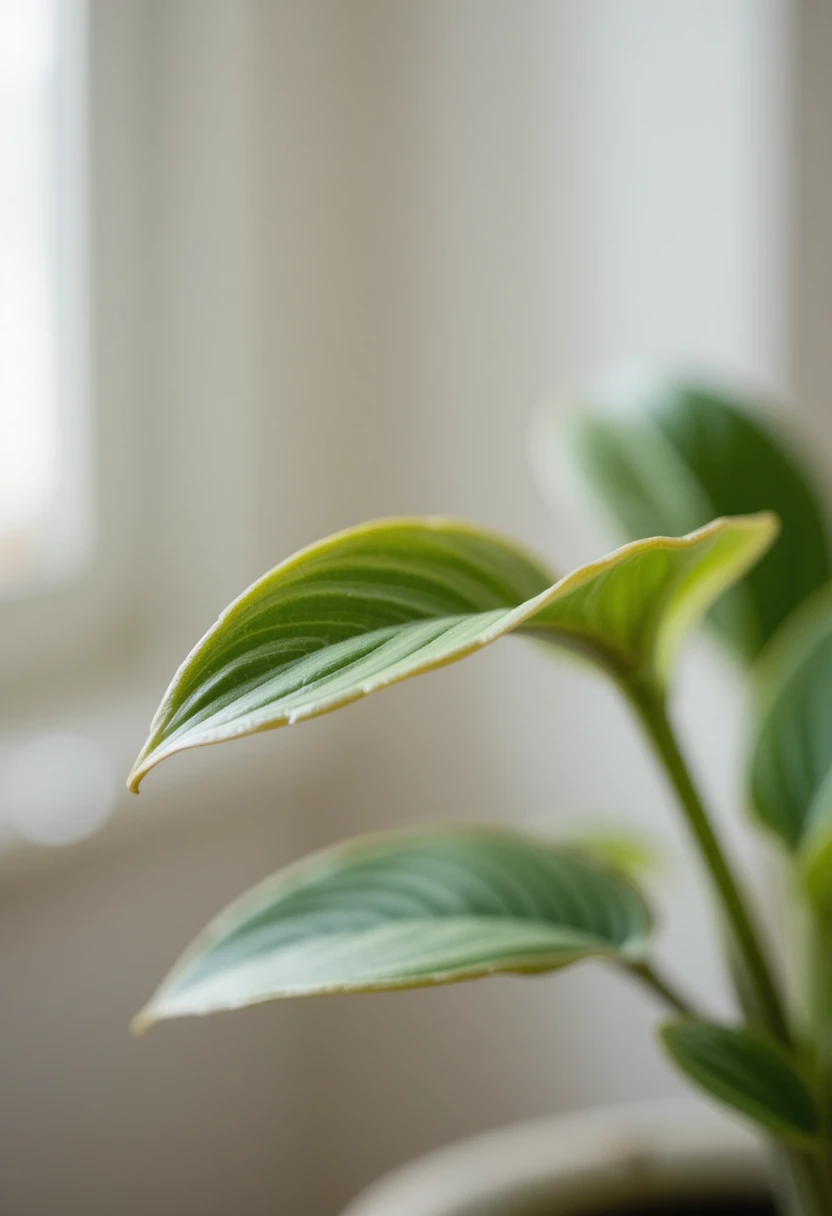
Not every yellow leaf is a problem sometimes it’s simply nature doing its job.
Most houseplants naturally shed their oldest, lowest leaves as part of normal growth, redirecting energy toward new foliage. If you notice just one or two older leaves yellowing occasionally while the rest of the plant looks healthy and is actively producing new growth, this is likely nothing to worry about.
How to fix it: Simply remove the yellowed leaf once it’s fully spent, and continue your normal care routine no other changes needed.
9. Temperature Stress
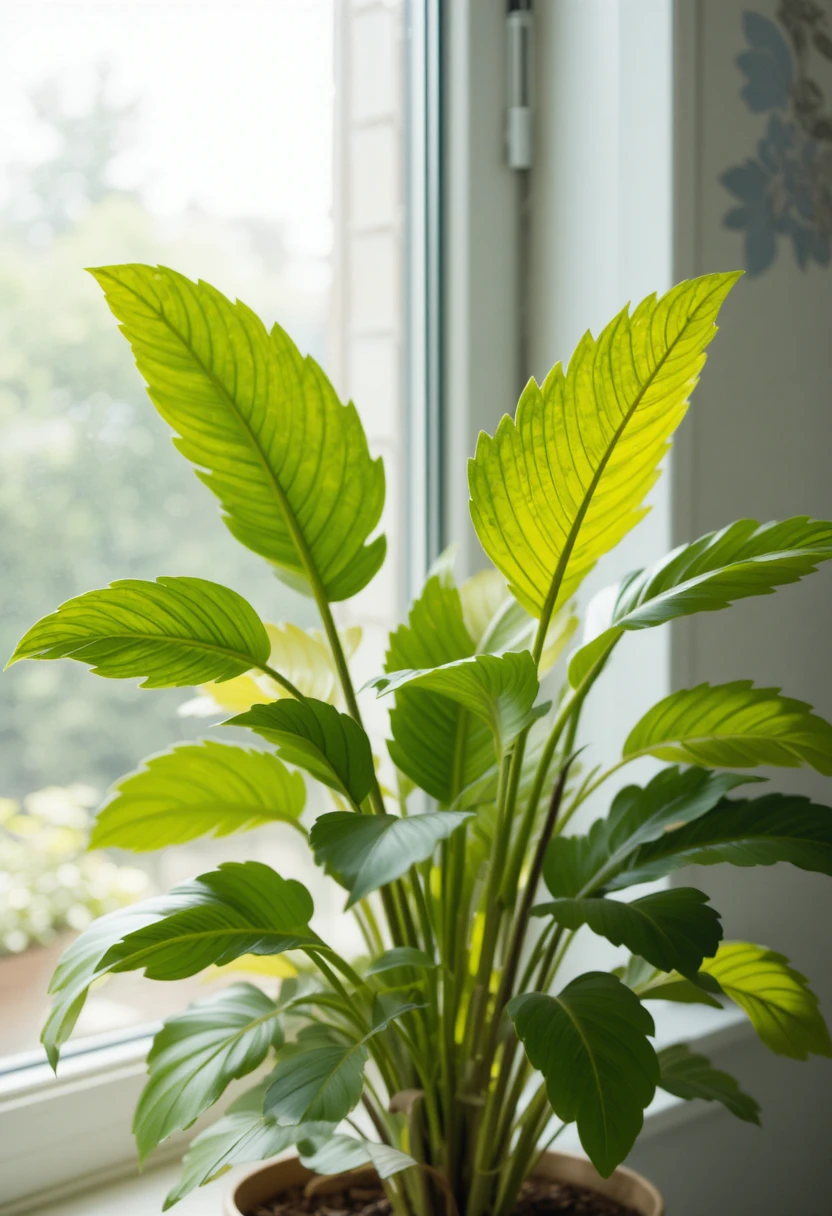
Houseplants are more sensitive to sudden temperature swings than many people realize, especially drafts from doors, windows, air conditioning vents, or heaters.
Repeated exposure to cold drafts or sudden hot blasts can stress a plant into yellowing, particularly on leaves nearest the source of temperature change.
How to fix it: Learn the ideal temperature range for your specific plant, and relocate it away from drafty doors, single-pane windows, or heating and cooling vents to a more temperature-stable spot in the room.
[Image placement 4 vertical, lower article: A houseplant positioned away from a drafty window, illustrating a temperature-stable placement. Alt text/pin text: “Houseplant yellow leaves cause idea showing temperature stress from drafts.”]
10. Pest Infestation
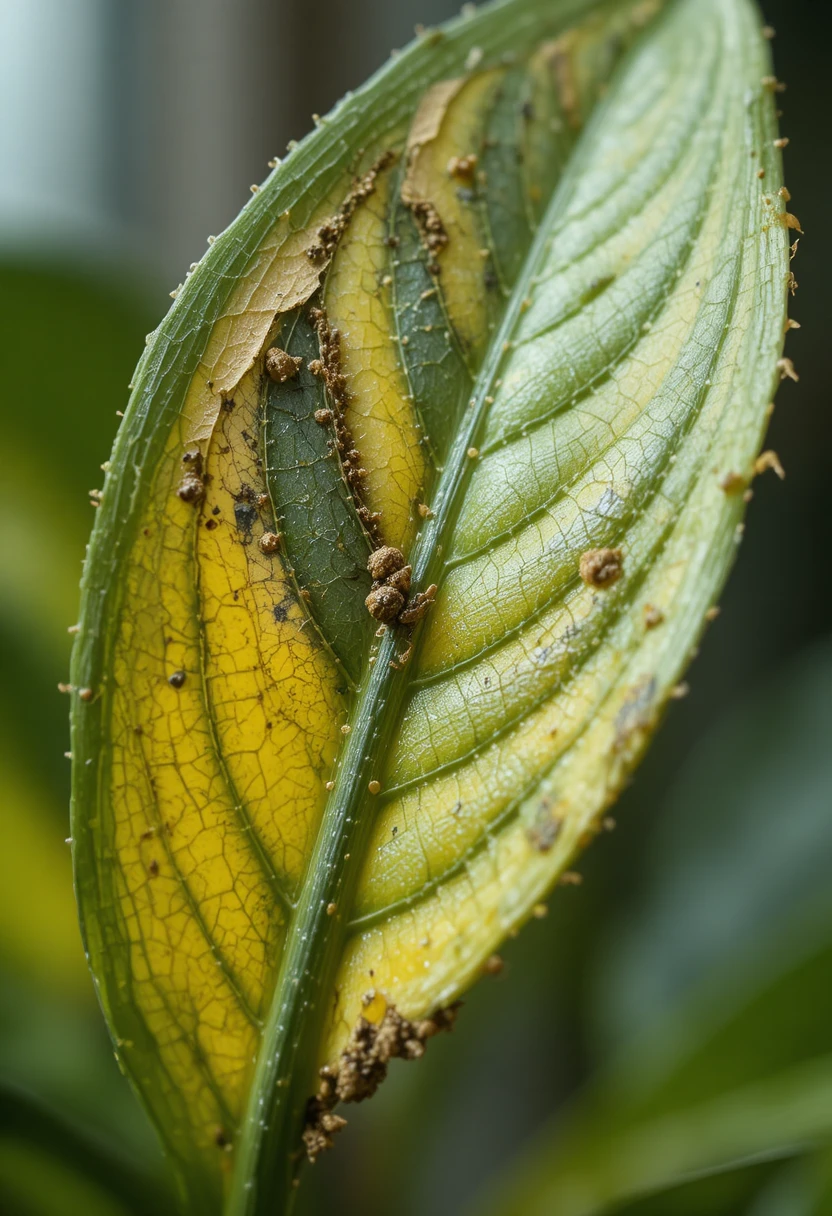
Small sap-sucking pests like spider mites, aphids, or mealybugs can cause yellowing as they feed on a plant’s leaves and drain its resources.
Pest-related yellowing often appears as small, irregular yellow spots or stippling, sometimes alongside visible webbing, sticky residue, or tiny insects on close inspection of the leaf undersides.
How to fix it: Isolate the affected plant to prevent spreading, and treat with insecticidal soap or neem oil, checking the undersides of leaves closely where many pests prefer to hide.
11. Fungal or Bacterial Leaf Spot Disease
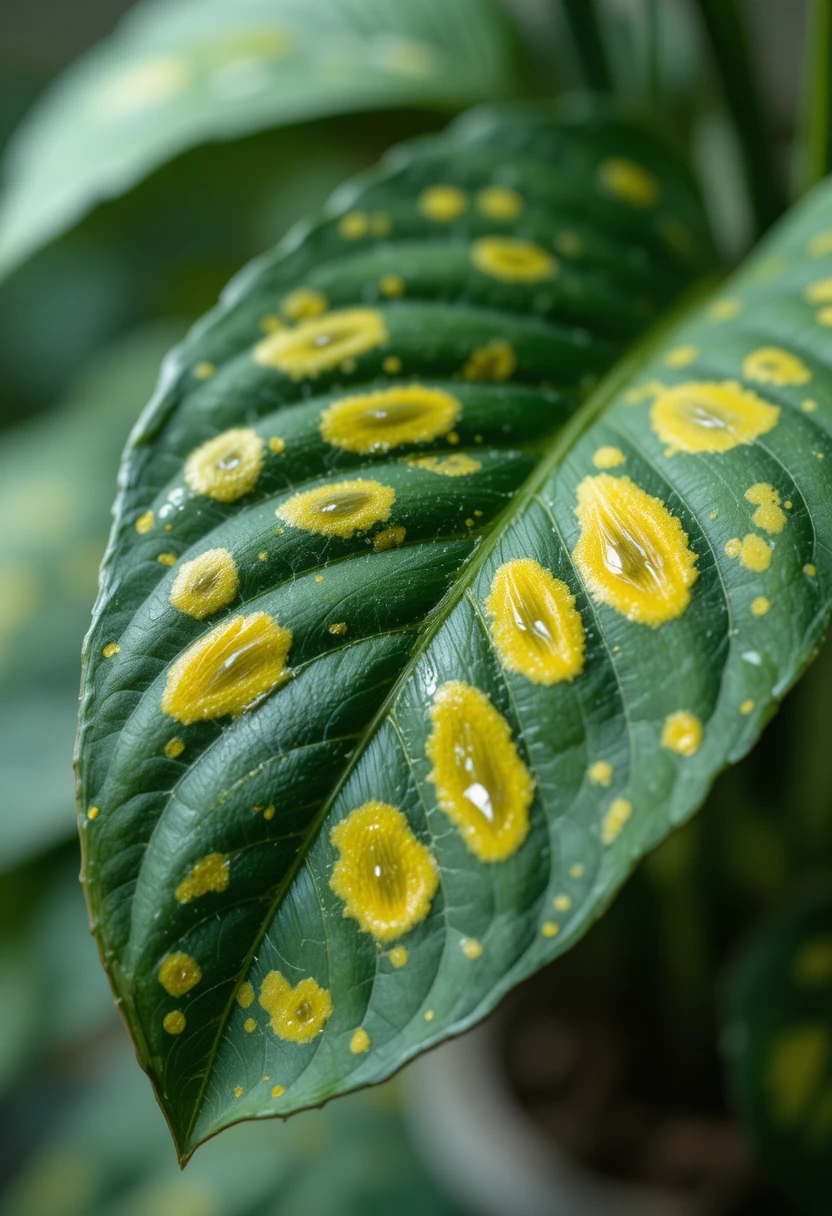
When yellowing appears as irregular spots, sometimes accompanied by leaf deformities, and no pests are visible on close inspection, a fungal or bacterial infection is often the culprit.
These pathogens tend to thrive in warm, humid conditions, particularly when water sits on leaves for extended periods or air circulation is poor.
How to fix it: Remove and discard affected leaves, avoid getting water directly on the foliage during future waterings, and improve air circulation around the plant to reduce the humid conditions these pathogens favor.
12. Improper Soil pH
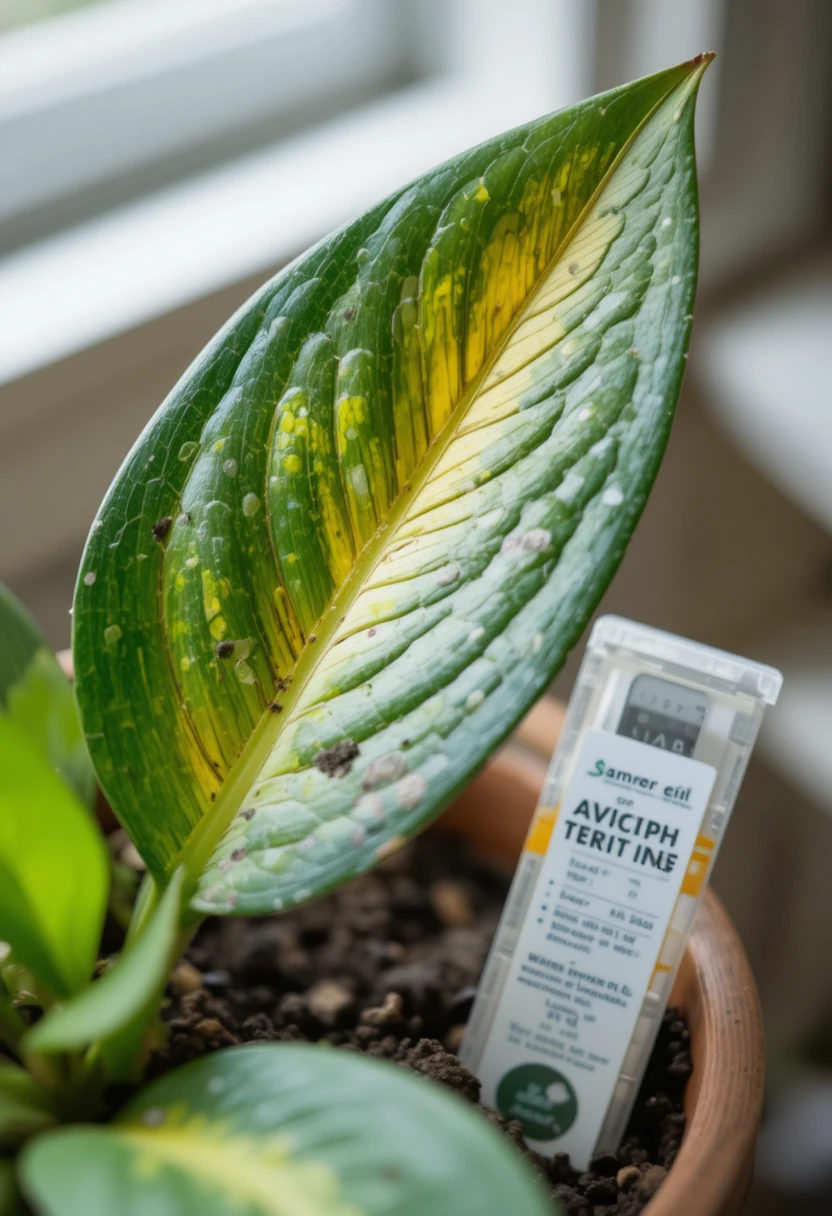
Most houseplants prefer a slightly acidic to neutral soil pH, and when the pH drifts too far in either direction, the plant loses access to nutrients it would otherwise easily absorb.
Soil that’s too acidic can cause a dull, dark green leaf color, while soil that’s too alkaline often triggers the same iron chlorosis pattern described earlier yellow leaf tissue with green veins.
How to fix it: Repot into fresh potting mix formulated for your specific plant type, since adjusting pH in existing soil is difficult; a full soil refresh is generally the more reliable fix.
[Image placement 5 vertical, near conclusion: Fresh potting soil being added to a repotted houseplant to address pH and nutrient issues. Alt text/pin text: “Houseplant yellow leaves fix idea showing fresh soil during repotting.”]
13. Transplant or Repotting Shock
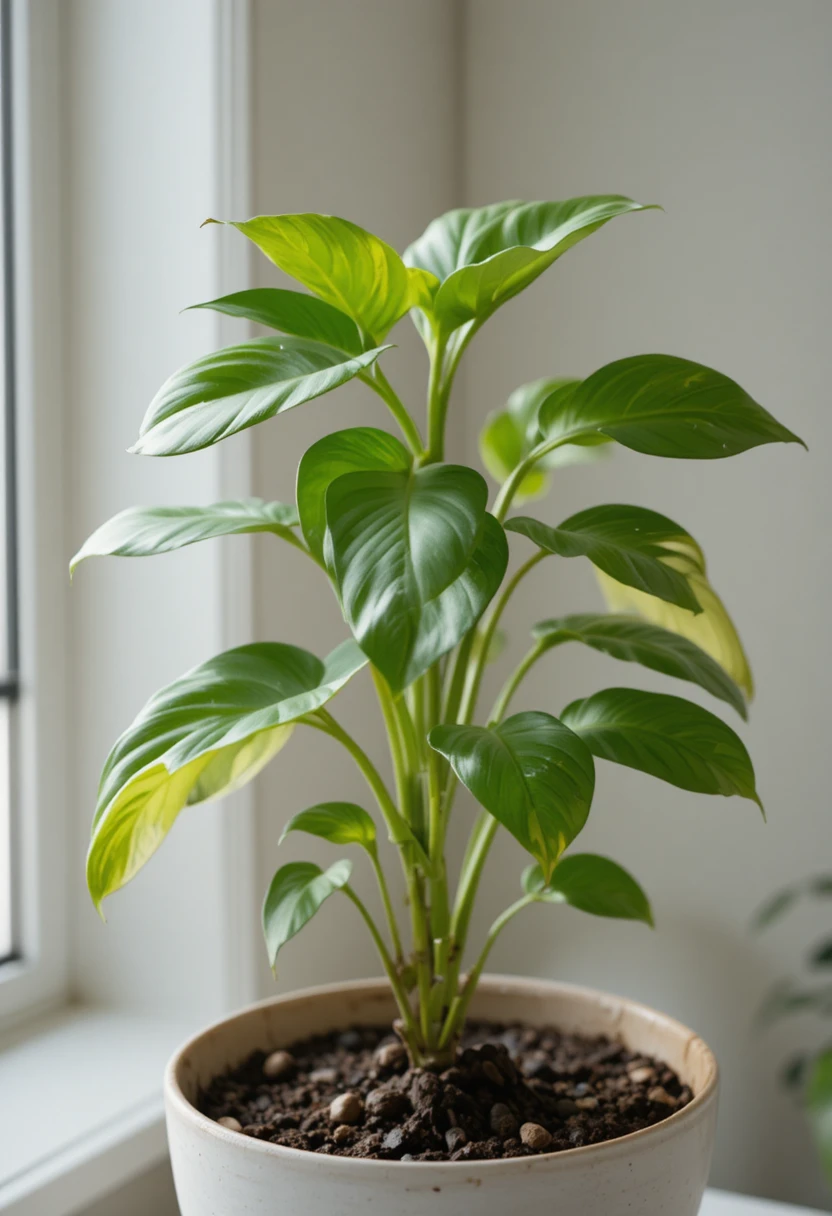
It’s common for a recently repotted plant to develop a few yellow leaves as it adjusts to its new container and soil, even when the repotting itself was done correctly.
This type of yellowing is usually temporary and resolves as the plant’s roots settle into their new environment over the following weeks.
How to fix it: Maintain consistent, gentle care during the adjustment period steady light, moderate watering, and no additional stressors like fertilizing or repositioning and give the plant time to recover before assuming something else is wrong.
14. Chemical Exposure or Fertilizer Burn
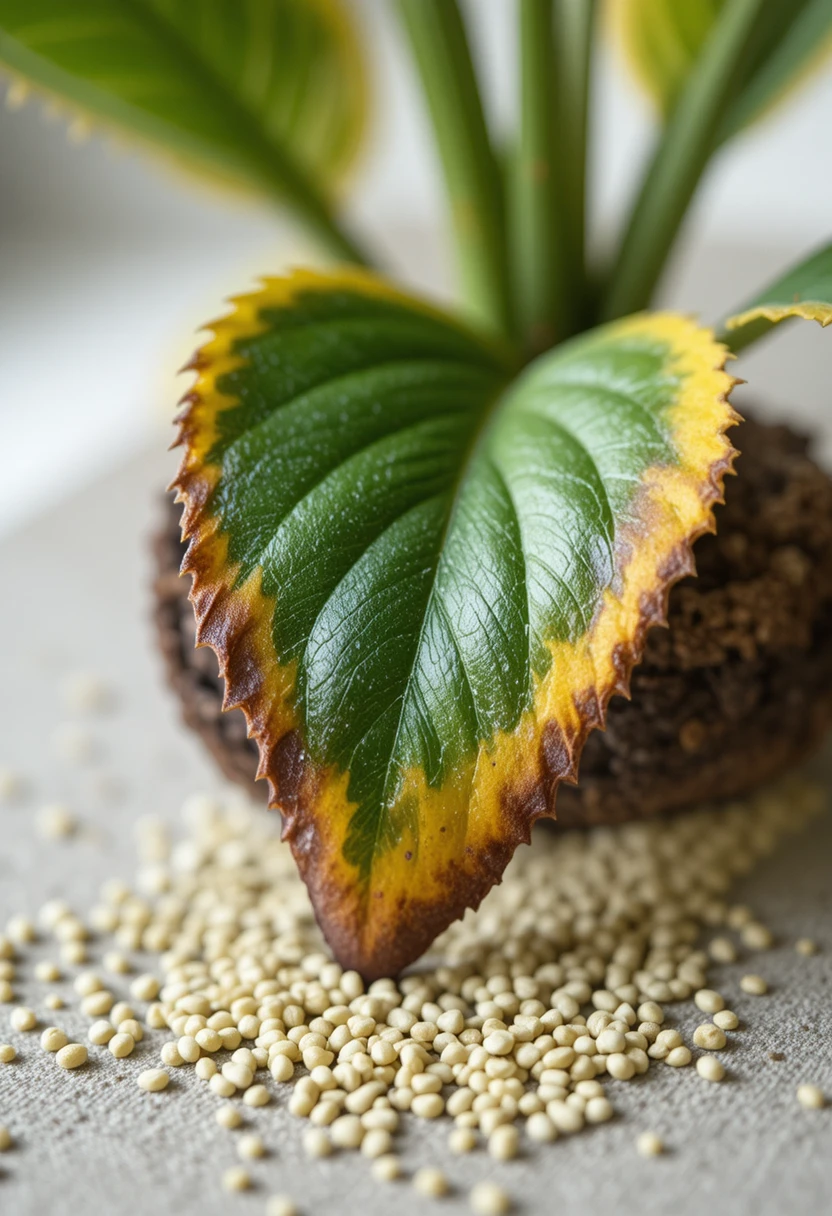
Household chemicals, cleaning product overspray, and especially over-fertilizing can all cause a chemical-related yellowing that’s sometimes mistaken for a nutrient deficiency.
Fertilizer burn in particular often shows up as yellowing combined with crispy, brown leaf edges, especially in plants fed too frequently or with too strong a concentration.
How to fix it: Flush the soil thoroughly with plain water to help wash out excess fertilizer salts, and dilute any future feedings more conservatively, following product instructions carefully rather than estimating.
15. Compacted or Depleted Potting Soil
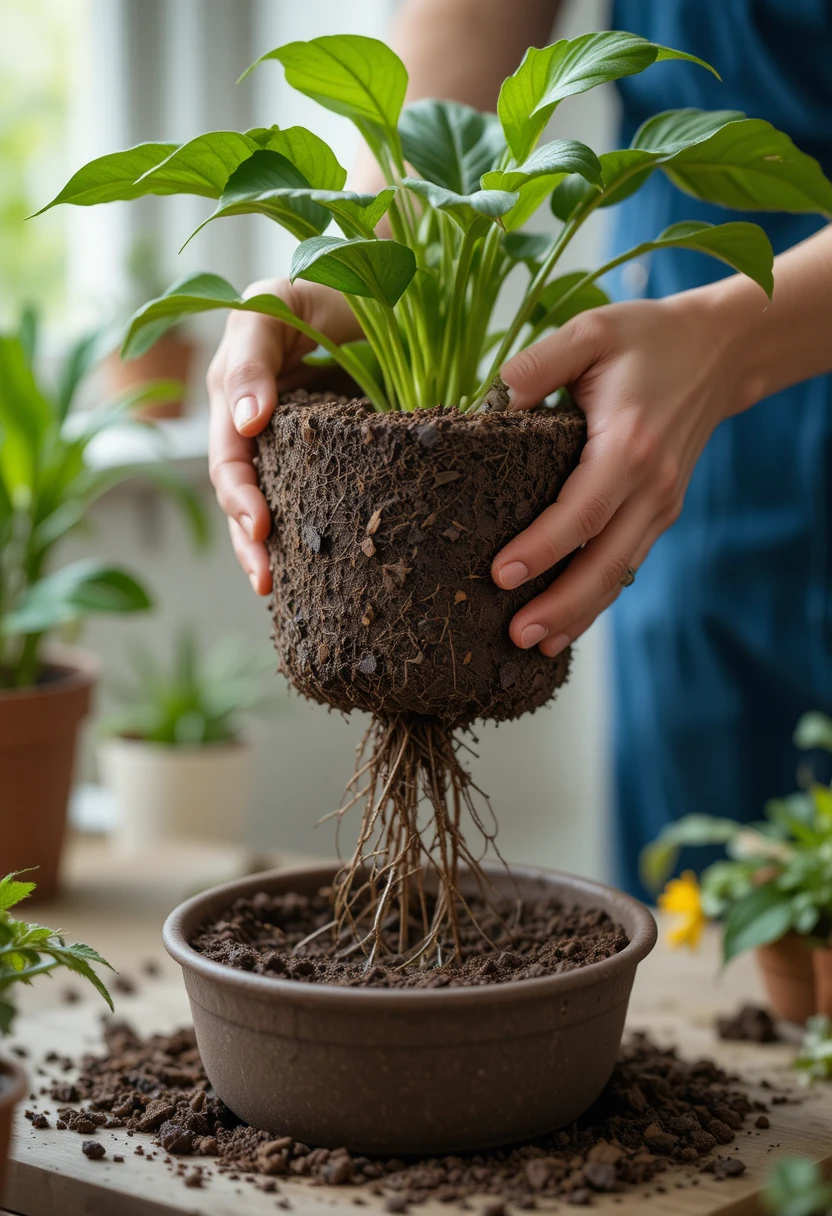
Old potting soil that’s been in the same pot for a year or more can become compacted and nutrient-depleted, quietly worsening several of the issues above, from nutrient deficiency to poor drainage.
Compacted soil restricts both water flow and root access to nutrients, making yellowing more likely even when your watering and feeding routine seems otherwise correct.
How to fix it: Refresh potting soil every one to two years, even without a full repot into a larger container, to restore proper drainage, aeration, and nutrient availability.
Frequently Asked Questions About Yellow Houseplant Leaves
Should I cut off yellow leaves immediately?
Once a leaf has fully yellowed, it generally won’t turn green again, so removing it is fine and can redirect the plant’s energy toward healthier growth. If only part of a leaf is yellowing, it’s worth waiting to see if the cause is addressed before removing it.
Is one yellow leaf a sign of a serious problem?
Not necessarily. A single yellowing leaf, especially an older one near the bottom of the plant, is often just normal aging rather than a sign of a bigger issue.
How can I tell if yellow leaves are from overwatering or underwatering?
Check the soil and leaf texture. Overwatered leaves tend to feel limp or mushy with consistently damp soil, while underwatered leaves often curl and feel dry, with soil pulling away from the pot’s edges.
Can yellow leaves turn green again?
Generally, no once a leaf has fully yellowed, that discoloration is usually permanent. The goal of any fix is to stop further yellowing and support healthy new growth, not to restore the already-yellow leaf.
Bringing It All Together
Yellow leaves aren’t a mystery once you know what to look for they’re a plant’s most visible way of telling you exactly what’s wrong, whether that’s a watering imbalance, a light issue, a nutrient gap, or something more specific like pests or root damage. Pay attention to where the yellowing starts, what the soil and roots look like, and how the plant has been treated recently, and the right fix usually becomes clear.
With a little detective work and a few of the adjustments above, most yellow-leaf problems turn around within a few weeks leaving you with a healthier, greener plant and a much better sense of what it actually needs going forward.