
Told your shady yard is only good for ferns and moss? That’s outdated advice and it’s kept a lot of beautiful gardens hidden under a blanket of plain green for far too long.
The truth is, dozens of stunning flowering plants not only tolerate shade, they actually prefer it, rewarding you with everything from delicate spring blooms to dramatic, colorful foliage that lasts all season. The trick is simply knowing which flowers match which type of shade because “shade” isn’t one single condition, and picking the wrong plant for the wrong shady spot is the number one reason shade gardens disappoint.
Save this list for later because these 14+ shade-loving flowers will fill even your darkest, most neglected corner with real color. And keep an eye on #4, because it’s one of the few shade flowers that actually blooms for months, not weeks.
Before you pick a single plant, it helps to know your shade type: full shade means three or fewer hours of direct sun a day, while part shade (sometimes called dappled or filtered shade) means roughly three to six hours. Most of the flowers below will tell you which they prefer.
[Image placement 1 vertical, top of post: A shady woodland garden bed filled with hellebores, astilbe, and heuchera in bloom. Alt text/pin text: “Best flowers for a shade garden idea with hellebores, astilbe, and heuchera.”]
1. Hellebore (Lenten Rose)
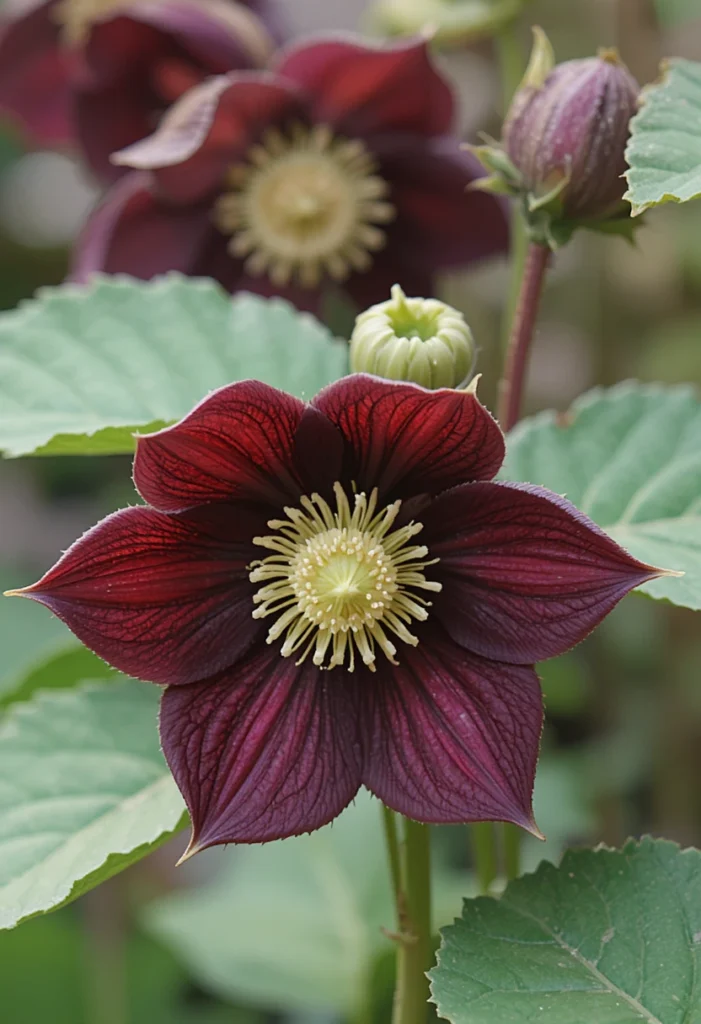
If you want color when almost nothing else in the garden is blooming, hellebore is unbeatable.
Also called the “winter rose,” hellebore tolerates full shade beautifully and produces flowers incredibly early in the season often while there’s still snow on the ground. Its nodding, rose-like blooms come in shades of white, pink, plum, and near-black, and the evergreen foliage keeps the bed looking tidy year-round, long after the flowers fade.
Bloom time: Late winter to early spring
Light: Full to part shade
2. Astilbe
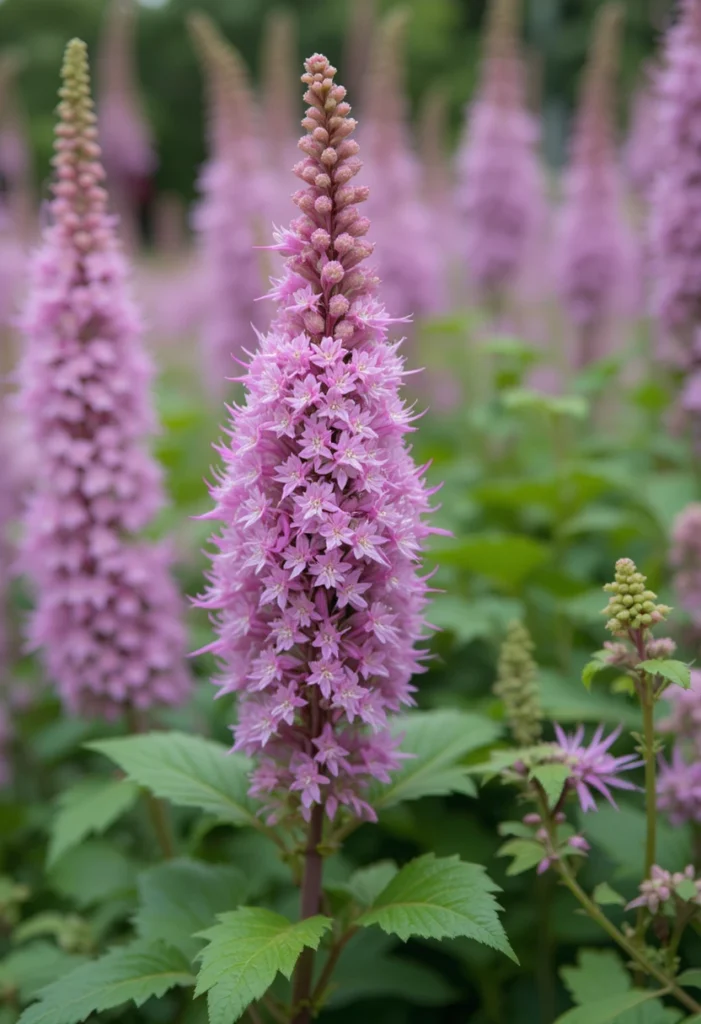
Astilbe brings the kind of soft, feathery texture that most shade gardens are missing.
Its plume-like flower spikes rise above fern-like foliage in shades of pink, red, white, and lavender, adding real height and movement to a shady bed. Astilbe tolerates full shade well, though it tends to produce more flowers with a bit of dappled light, and it genuinely thrives in the moist, cooler soil that many shade gardens naturally have.
Bloom time: Early to mid-summer
Light: Part to full shade
3. Bleeding Heart

Few shade flowers feel as romantic or as aptly named as bleeding heart.
Its arching stems are lined with delicate, heart-shaped blooms in pink, red, or white, dangling like tiny lockets above soft, ferny foliage. Bleeding heart prefers a half-sun, half-shade spot rather than deep shade, and it especially loves cooler northern climates, where the display lasts longer before the plant naturally dies back for summer.
Bloom time: Spring to early summer
Light: Part shade
[Image placement 2 vertical, mid-article: Close-up of bleeding heart’s pink heart-shaped blooms arching over ferny foliage. Alt text/pin text: “Bleeding heart flower idea for a romantic, shady spring garden.”]
Read Also: Green Nest Hubs
4. Heuchera (Coral Bells)
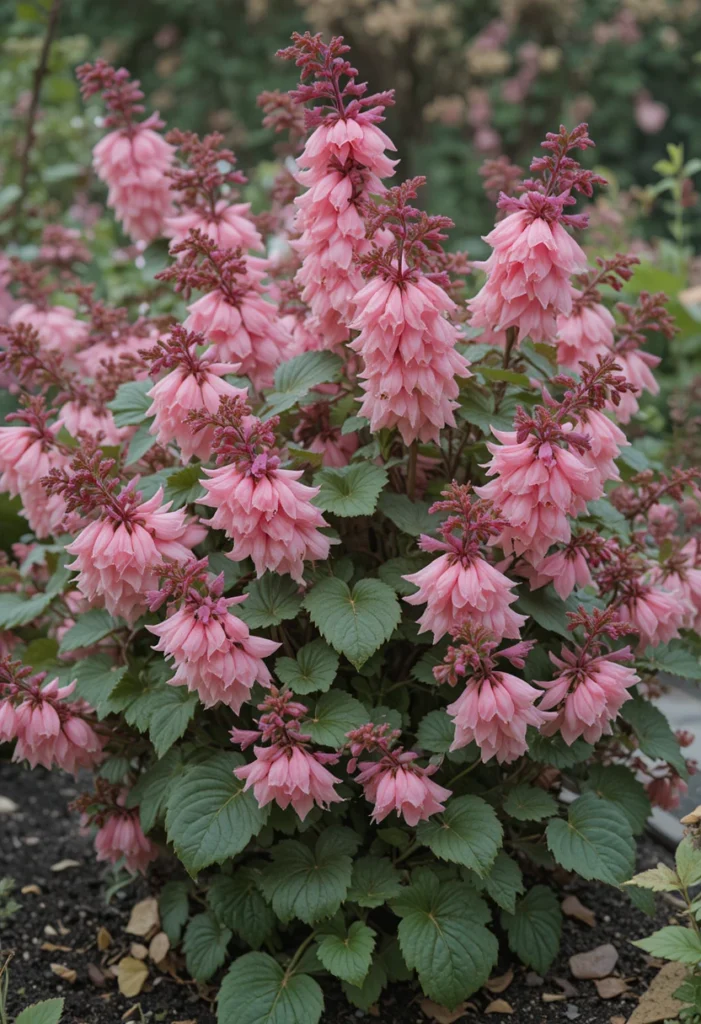
This is the shade flower most beginners underestimate because its real showstopper isn’t the bloom, it’s the leaves that keep working all season long.
Heuchera’s foliage comes in nearly every color imaginable, from deep near-black to glossy lime, burgundy, and silver, making it one of the few shade plants that delivers nonstop color for months rather than a few weeks. Delicate, airy flower spikes appear in early summer, offering a striking contrast against those dark or bright leaves, and many varieties stay evergreen through a mild winter.
Bloom time: Early to midsummer (foliage color lasts spring through fall)
Light: Part to full shade
5. Brunnera (Siberian Bugloss)
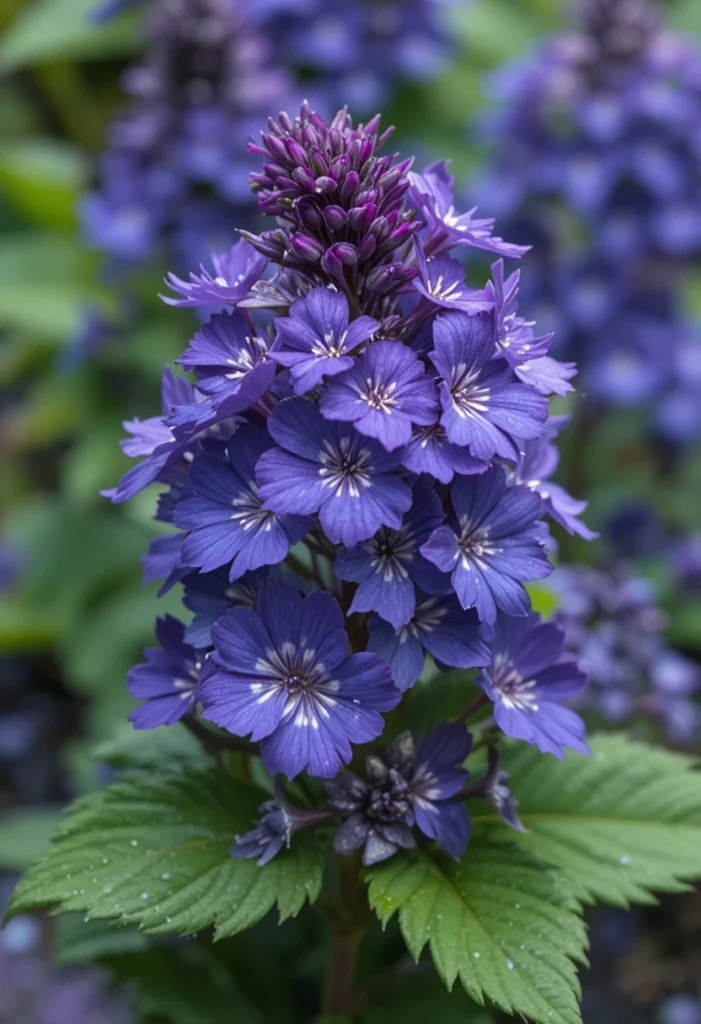
If you love forget-me-nots but need something for a shady spot, brunnera is your answer.
Its clusters of tiny, sky-blue flowers appear in spring above heart-shaped leaves, many varieties of which are strikingly variegated with silver. Brunnera tolerates full shade well and, once established, is remarkably low-maintenance a true “plant it and enjoy it” perennial for a cool, shaded corner.
Bloom time: Mid to late spring
Light: Full to part shade
6. Foxglove
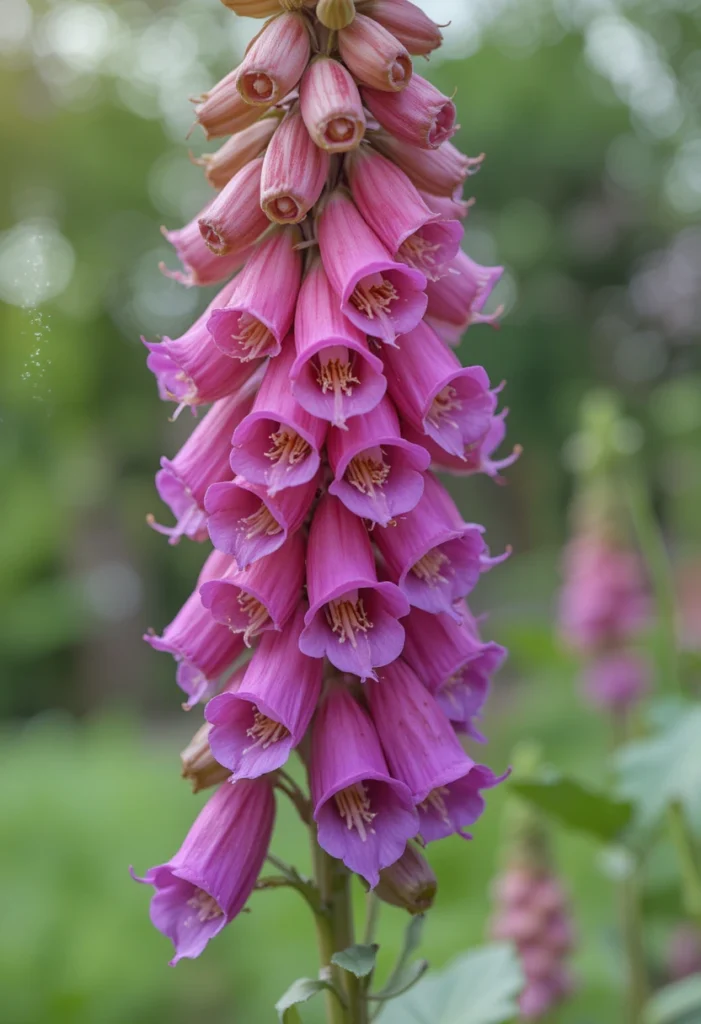
Foxglove brings dramatic height to a shade garden in a way few other flowers can match.
Tall spikes covered in bell-shaped, speckled blooms come in shades of pink, purple, yellow, and white, making foxglove a natural back-of-the-border choice, even in a shady bed. It does best in part shade rather than deep shade, and many varieties self-seed readily, giving you volunteer plants popping up in new spots each year.
Bloom time: Late spring to early summer
Light: Part shade
[Image placement 3 vertical, mid-to-lower article: Tall spikes of purple and pink foxglove blooming at the back of a shaded border. Alt text/pin text: “Foxglove shade garden flower idea for tall, dramatic border color.”]
7. Pulmonaria (Lungwort)
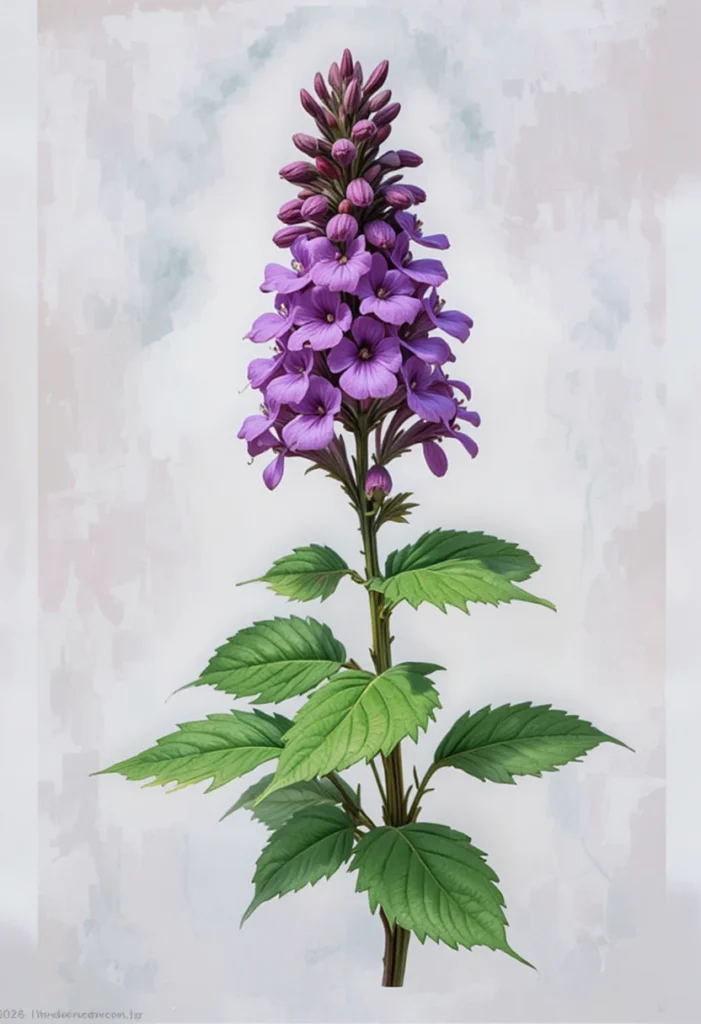
One of the earliest bloomers on this list, pulmonaria is a shade garden workhorse that offers color twice over in its flowers and in its foliage.
Clusters of small, funnel-shaped flowers open in shades of blue, pink, and purple (often on the same plant at once), while the spotted, silvery-green leaves continue to look attractive long after the blooms fade. Pulmonaria handles full shade well and is a favorite early food source for emerging pollinators.
Bloom time: Early spring
Light: Full to part shade
8. Columbine
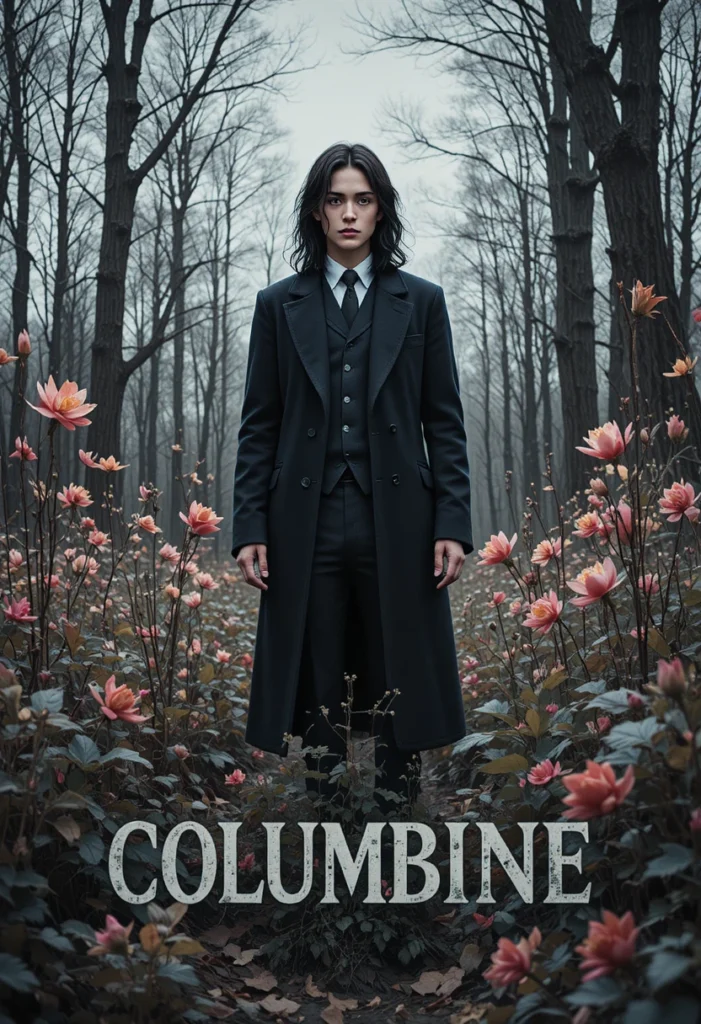
Columbine’s whimsical, nodding flowers with their distinctive spurred petals bring a woodland, fairy-tale quality to any shaded bed.
Available in nearly every color combination from soft pastels to bold reds and yellows columbine tolerates part shade well and attracts hummingbirds enthusiastically. It tends to self-seed generously once established, so a few plants can naturally fill a shaded area over a couple of seasons.
Bloom time: Late spring to early summer
Light: Part shade
9. Toad Lily
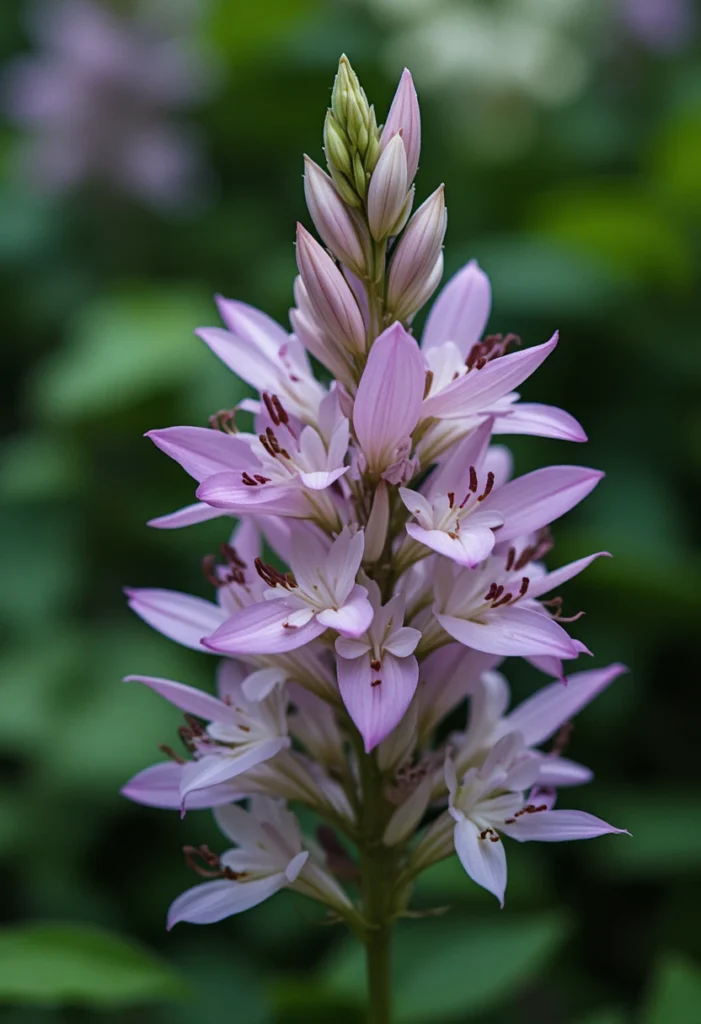
For color late in the season, when most shade flowers have already finished, toad lily is one of the best-kept secrets in shade gardening.
Its unusual, orchid-like blooms speckled with purple, pink, or maroon spots appear in late summer and fall, right when the rest of the shade garden is winding down. Toad lily tolerates full shade well and prefers consistently moist soil, making it a natural fit for a cool, damp corner of the yard.
Bloom time: Late summer to fall
Light: Full to part shade
[Image placement 4 vertical, lower article: Close-up of the speckled, orchid-like blooms of toad lily in a shaded fall garden. Alt text/pin text: “Toad lily shade garden flower idea for late-season color.”]
10. Lily of the Valley
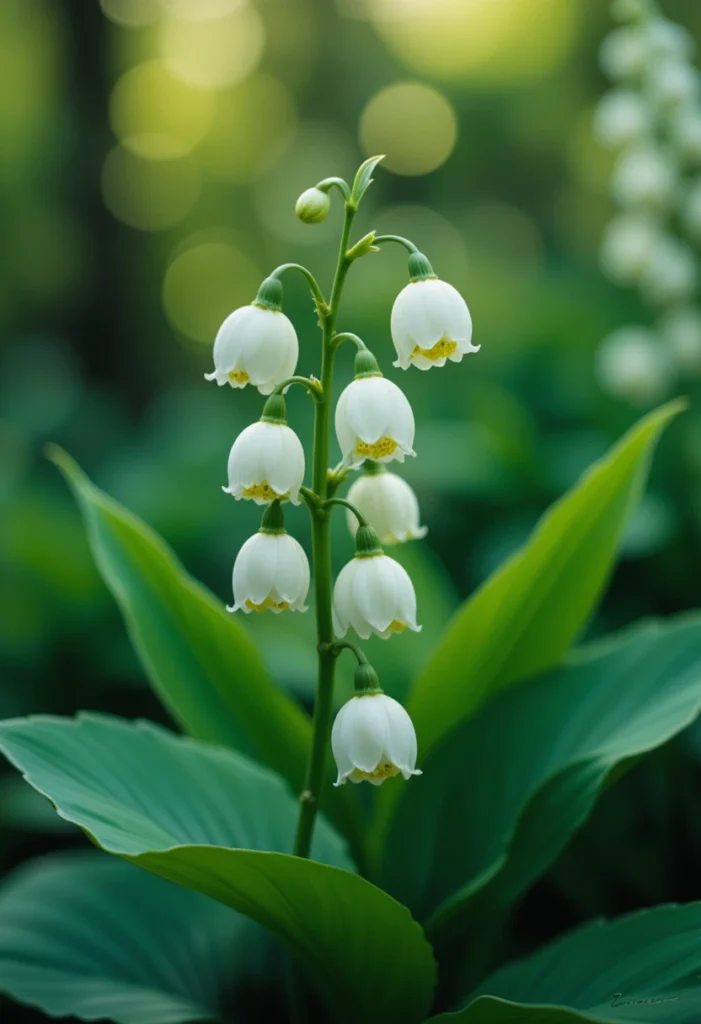
Few shade flowers are as fragrant or as effortlessly charming as lily of the valley.
Its delicate, bell-shaped white blooms dangle beneath broad green leaves, filling a shaded spot with a sweet scent every spring. Lily of the valley prefers a half-sun, half-shade spot and spreads readily once established, making it an excellent low, fragrant groundcover for a woodland-style bed.
Bloom time: Mid to late spring
Light: Part shade
11. Japanese Anemone
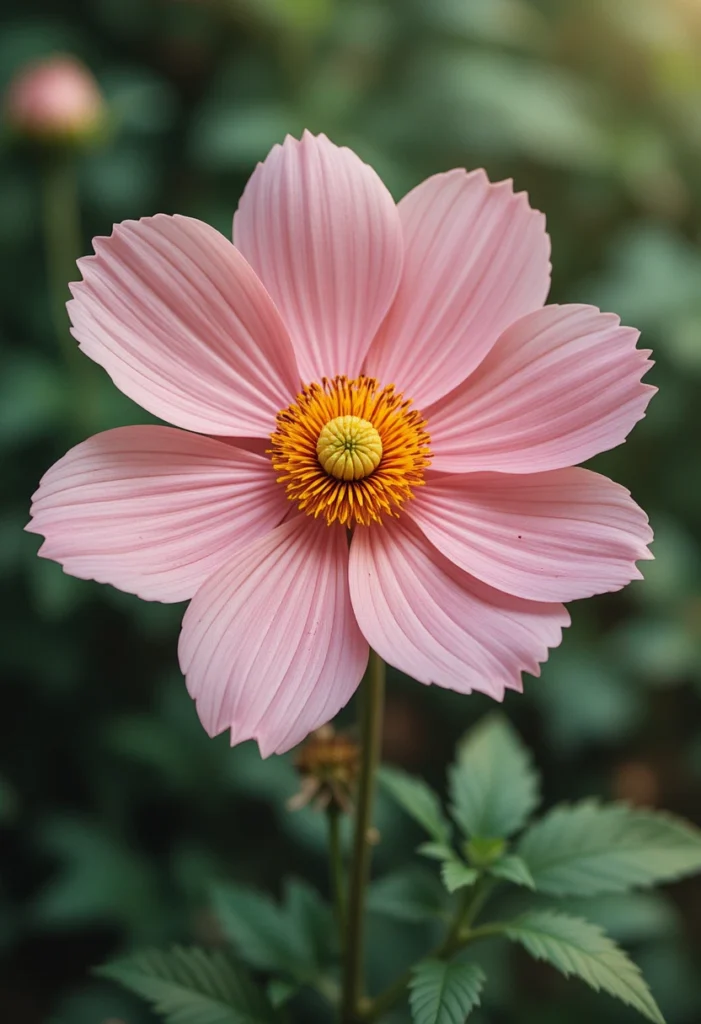
Japanese anemone is one of the few shade perennials that saves its best show for the very end of the growing season.
Tall, wiry stems hold simple, saucer-shaped flowers in soft pink or white above attractive dark green foliage, swaying gracefully well into fall. It tolerates part shade beautifully and, once established, spreads to form an increasingly full, elegant patch year after year.
Bloom time: Late summer to fall
Light: Part shade
12. Corydalis
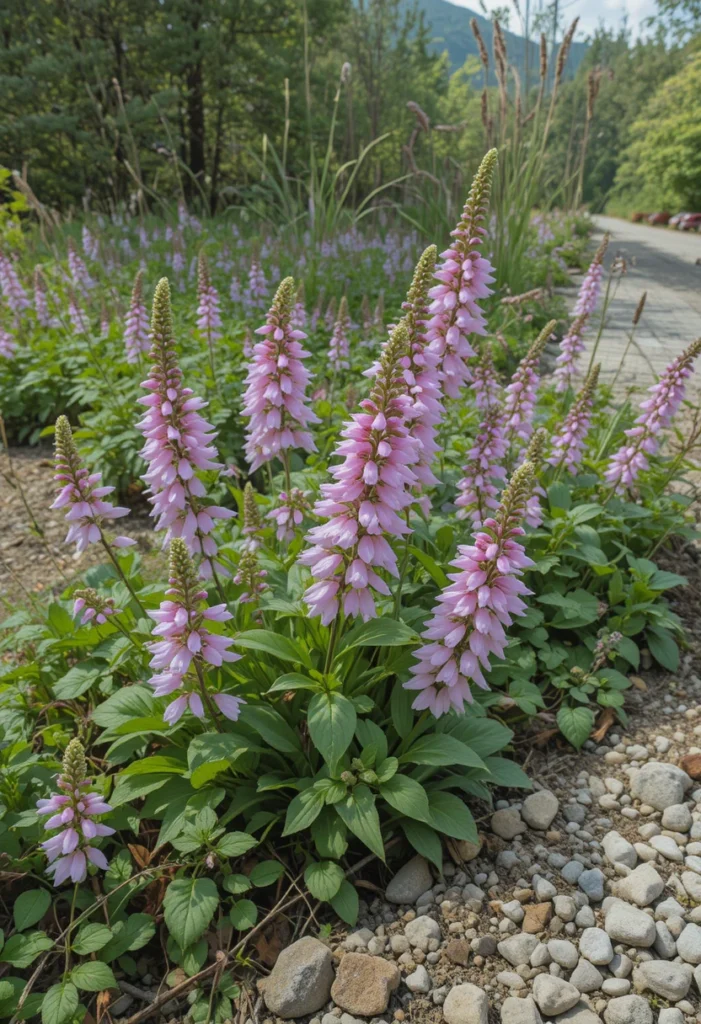
If you want something a little more unusual, corydalis offers ferny, blue-green foliage topped with tubular flowers in shades of blue, yellow, or pink.
It handles shade gracefully, pairs beautifully with bolder foliage plants like hosta or heuchera, and often reblooms sporadically through summer rather than flowering just once. Its airy texture makes it a lovely filler between larger, bolder shade plants.
Bloom time: Spring, with sporadic rebloom through summer
Light: Part to full shade
[Image placement 5 vertical, near conclusion: A mixed shade bed combining corydalis, brunnera, and hosta foliage in blues, silvers, and greens. Alt text/pin text: “Mixed shade garden flower bed idea with corydalis, brunnera, and hosta.”]
13. Begonia
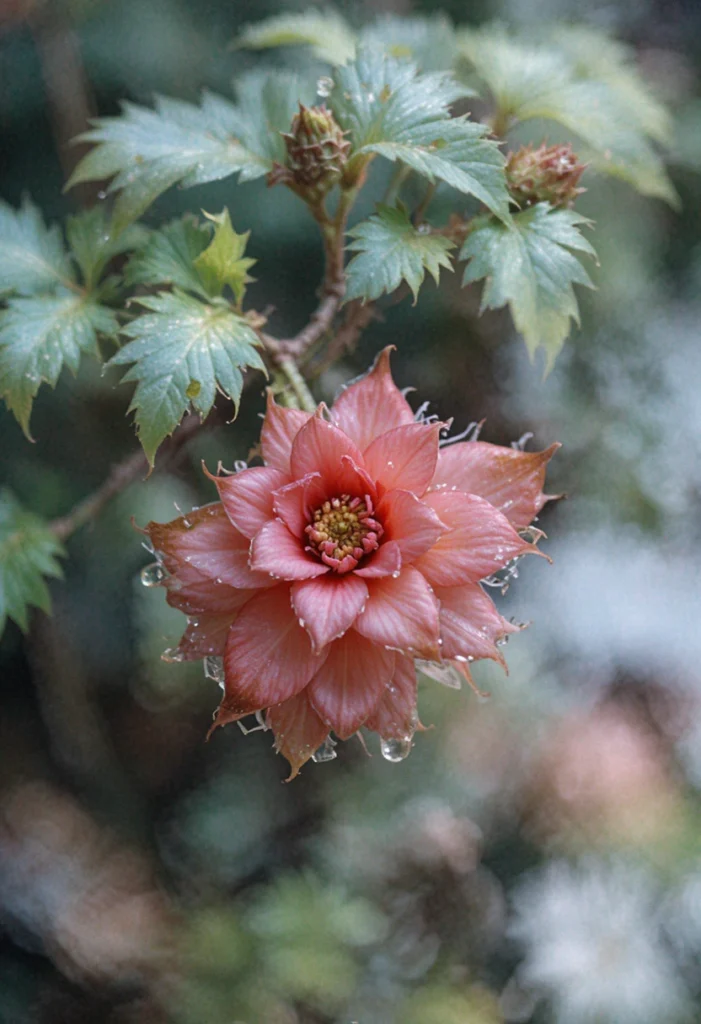
For reliable, nonstop color in the shade, especially in containers or along a shaded walkway, begonia is hard to beat.
Available in both fibrous and tuberous forms, begonias bloom continuously from late spring through frost in shades of red, pink, white, and orange, and many varieties also offer richly colored bronze or burgundy foliage as a bonus. They handle part to full shade well and are especially popular for shaded patio containers and hanging baskets.
Bloom time: Late spring through fall
Light: Part to full shade
14. SunPatiens (and Shade-Tolerant Impatiens Varieties)
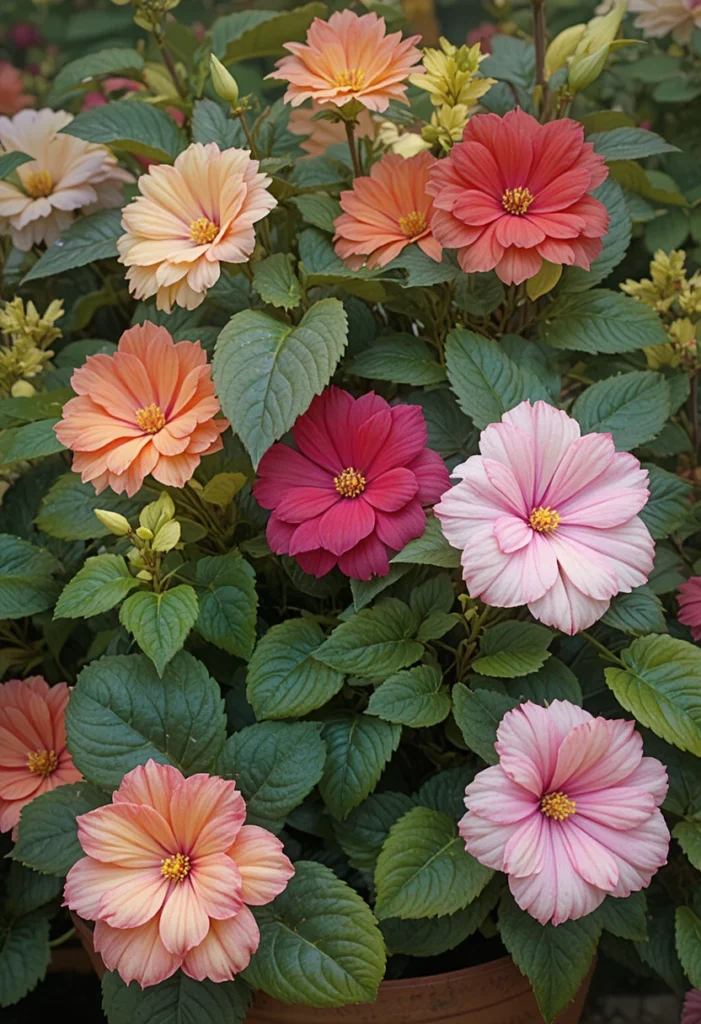
Classic impatiens have long been a shade garden staple, and newer SunPatiens varieties carry on that tradition with even more resilience.
Despite the name, SunPatiens tolerate both sun and shade, offering nonstop, brightly colored blooms all summer long in a way few other shade-tolerant annuals can match. They’re an easy, reliable choice for filling gaps in a shaded bed or brightening up a shady container display with minimal fuss.
Bloom time: Late spring through frost
Light: Part shade to full shade
15. Epimedium
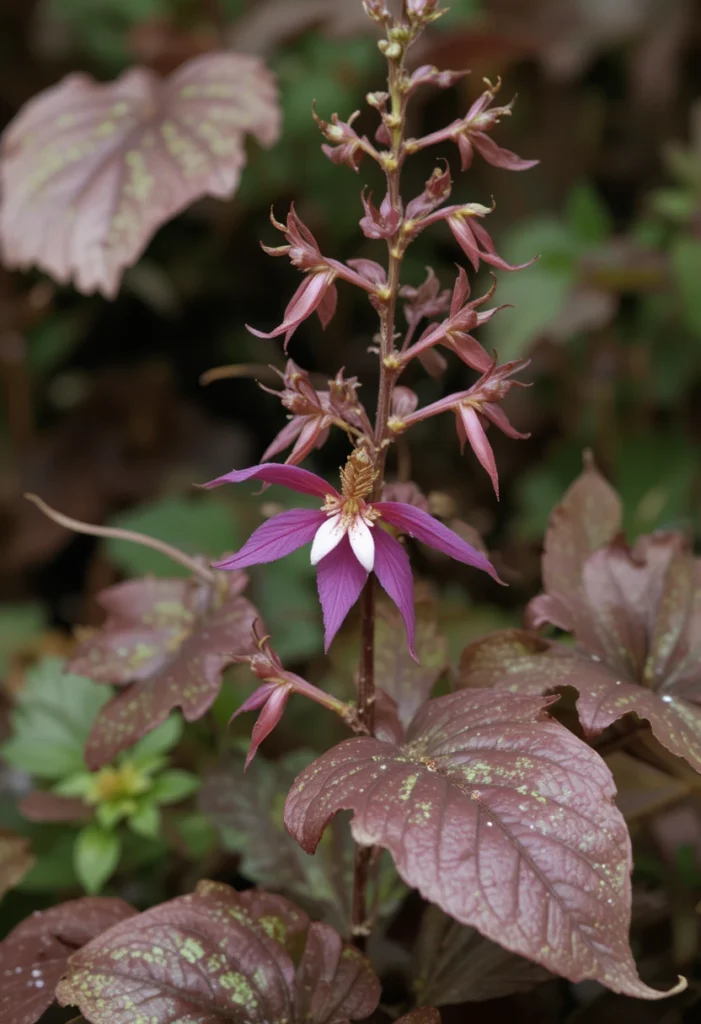
A true woodland groundcover, epimedium bursts into a profusion of small, intricate flowers in spring, carried on gently arching stems above heart-shaped leaves.
Some varieties are evergreen, while others put on a second show with red, yellow, or bronze fall foliage color. Many epimediums are notably drought-tolerant once established, making this one of the better choices for dry shade under mature trees a notoriously tricky spot for most flowering plants.
Bloom time: Spring
Light: Full to part shade
16. Ligularia
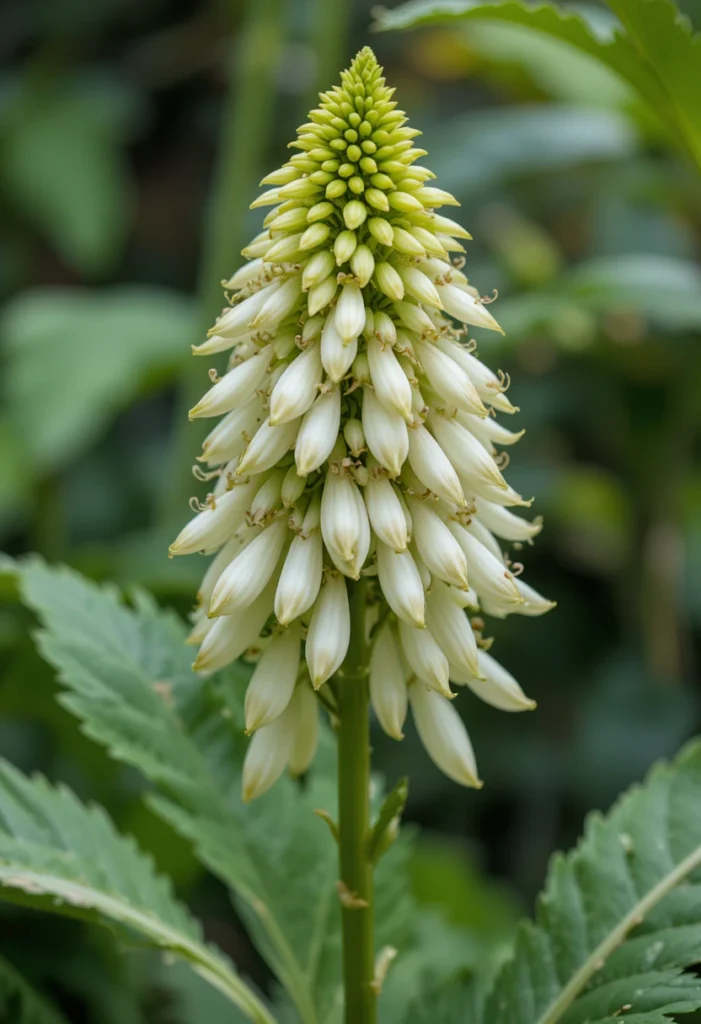
For bold, architectural drama in a cool, moist shade garden, ligularia delivers in a way few other shade flowers can.
Bright, mustard-yellow flower spikes rise above large, bold leaves, making a striking focal point in a shaded bed. Ligularia prefers cool, consistently moist soil and needs protection from hot afternoon sun even in a part-shade spot, so it’s best suited to a cooler, more sheltered corner of the yard.
Bloom time: Mid to late summer
Light: Part shade (protected from afternoon sun)
Frequently Asked Questions About Shade Garden Flowers
What’s the difference between full shade and part shade?
Full shade generally means three or fewer hours of direct sunlight a day, while part shade (or dappled shade) means roughly three to six hours of filtered or partial sun.
Which shade flowers bloom the longest?
Heuchera offers months of color through its foliage, while begonias and SunPatiens both bloom continuously from late spring through the first frost.
Can I have color in a shade garden all season long?
Yes by combining early bloomers like hellebore and pulmonaria, summer bloomers like astilbe and columbine, and late-season standouts like toad lily and Japanese anemone, you can keep color going from late winter through fall.
Do shade flowers need more water than sun-loving plants?
Many do. Shade-loving perennials are often native to woodland settings and tend to prefer consistently moist, well-drained soil rather than the drier conditions many sun-loving flowers tolerate.
Bringing It All Together
A shady yard isn’t a limitation it’s an invitation to grow a completely different, often more textured and layered kind of garden than a sunny border ever could. From the earliest hellebore blooms in late winter to toad lily’s speckled flowers in fall, there’s a shade-loving flower ready to fill nearly every month of the growing season.
Start by watching how sunlight actually moves through your shady spot, then choose a mix of early, mid, and late-season bloomers from this list to keep the color and the interest going all year long.