
Struggling with a houseplant that just won’t thrive, no matter how carefully you water and feed it? The problem might not be above the soil line at all it might be the soil itself.
Most houseplant trouble gets blamed on watering habits or light levels, but the potting mix is often the real foundation issue hiding underneath. Garden soil, straight from the yard, is actually one of the worst things you can put in a pot: it compacts easily, drains poorly, and suffocates roots that desperately need airflow. The right soil mix, by contrast, does the quiet, unglamorous work of keeping roots oxygenated, hydrated, and fed and different plants genuinely need different recipes to thrive.
Save this guide for later because these 11+ soil mix ideas will help you match the right blend to whatever’s growing on your windowsill, whether it’s a thirsty tropical or a bone-dry-loving succulent. And don’t skip the ingredient breakdown near the end, since understanding what each component actually does lets you tweak any recipe with confidence.
[Image placement 1 vertical, top of post: A flat lay of houseplant soil ingredients peat moss, perlite, bark, and worm castings arranged in small bowls. Alt text/pin text: “Best soil mix for houseplants idea showing key ingredients like perlite and peat moss.”]
1. Why Garden Soil Doesn’t Belong in a Pot
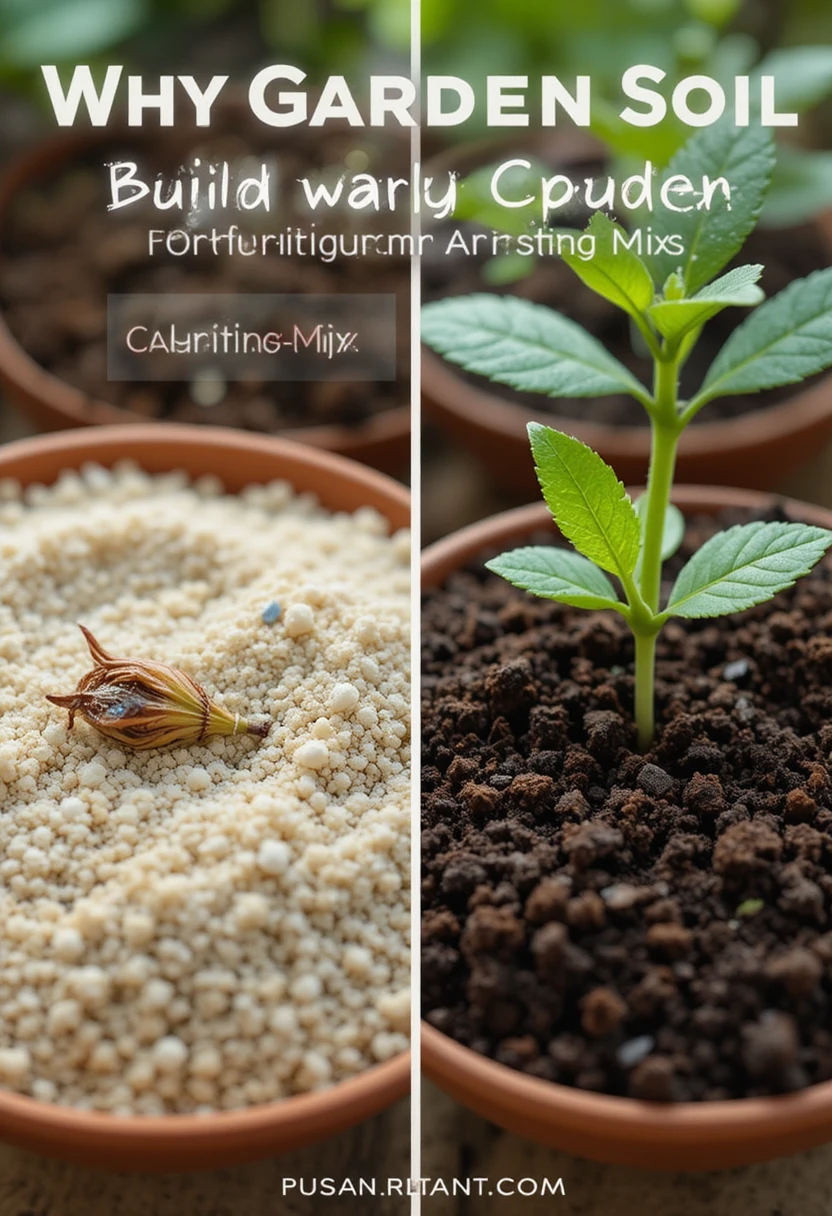
Before getting into specific recipes, it’s worth understanding why this matters so much in the first place.
Outdoor garden soil is designed to hold moisture and nutrients for plants with extensive root systems, benefiting from consistent rain and natural drainage. In a contained pot, that same soil compacts tightly, blocks airflow around the roots, and drains far more slowly than it appears to when first watered a recipe for root rot in nearly any houseplant.
Fix: Always use a proper potting mix formulated for containers, never soil dug directly from your yard or garden bed.
2. All-Purpose Tropical Houseplant Mix
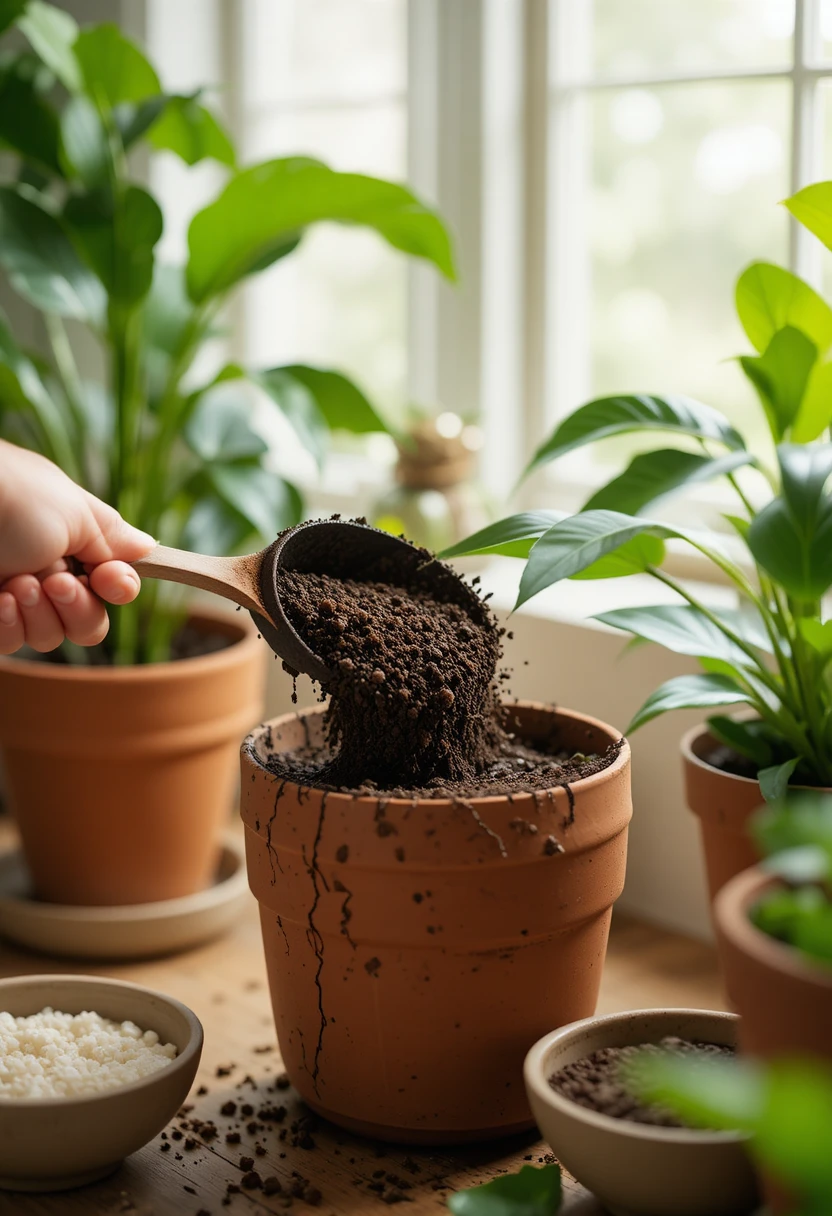
For the majority of common leafy tropical houseplants think pothos, peace lily, ferns, and philodendron a balanced, moisture-retentive mix works beautifully.
A reliable recipe:
- 40% peat moss or coco coir (moisture retention)
- 30% perlite (drainage and aeration)
- 30% pine bark fines (airflow and root strength)
This combination allows oxygen to reach the roots while still holding enough moisture that the plant isn’t drying out between waterings. It’s the closest thing to a “one mix fits most” solution for the average indoor plant collection.
3. Fast-Draining Cactus and Succulent Mix
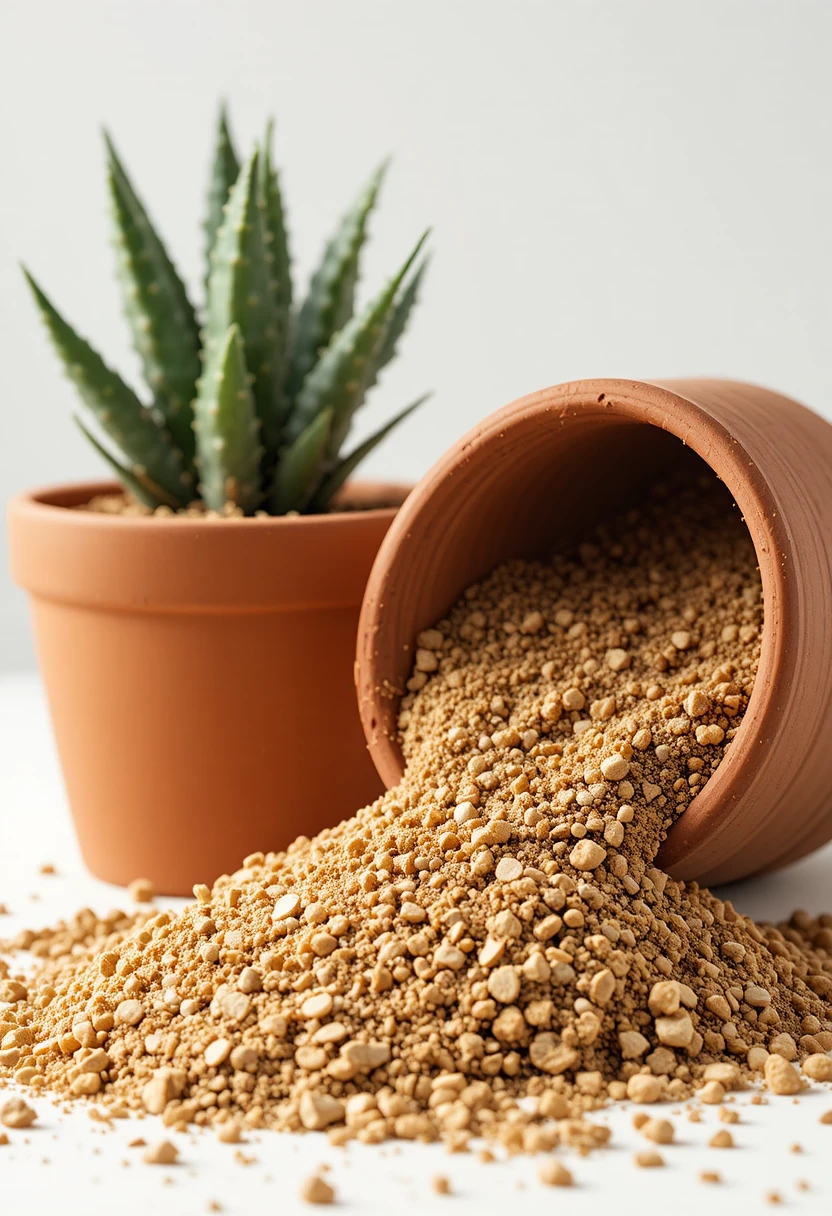
Cacti and succulents evolved in dry, sandy environments, and their biggest enemy in a pot is excess moisture so their soil needs to prioritize drainage above almost everything else.
A reliable recipe:
- 1 part coco coir or peat (base)
- 2 parts pumice or perlite (drainage and aeration)
- 1 part coarse sand or grit (fast drainage)
Avoid fine sand, which can actually compact the mix and worsen drainage rather than help it. Coarse sand, crushed granite, or aquarium gravel are much better choices for this type of mix.
[Image placement 2 vertical, mid-article: A succulent potted in a chunky, sandy soil mix with visible perlite and grit throughout. Alt text/pin text: “Fast-draining succulent and cactus soil mix idea for houseplants.”]
Read Also: Green Nest Hubs
4. Chunky Aroid Mix for Monstera, Philodendron, and Pothos
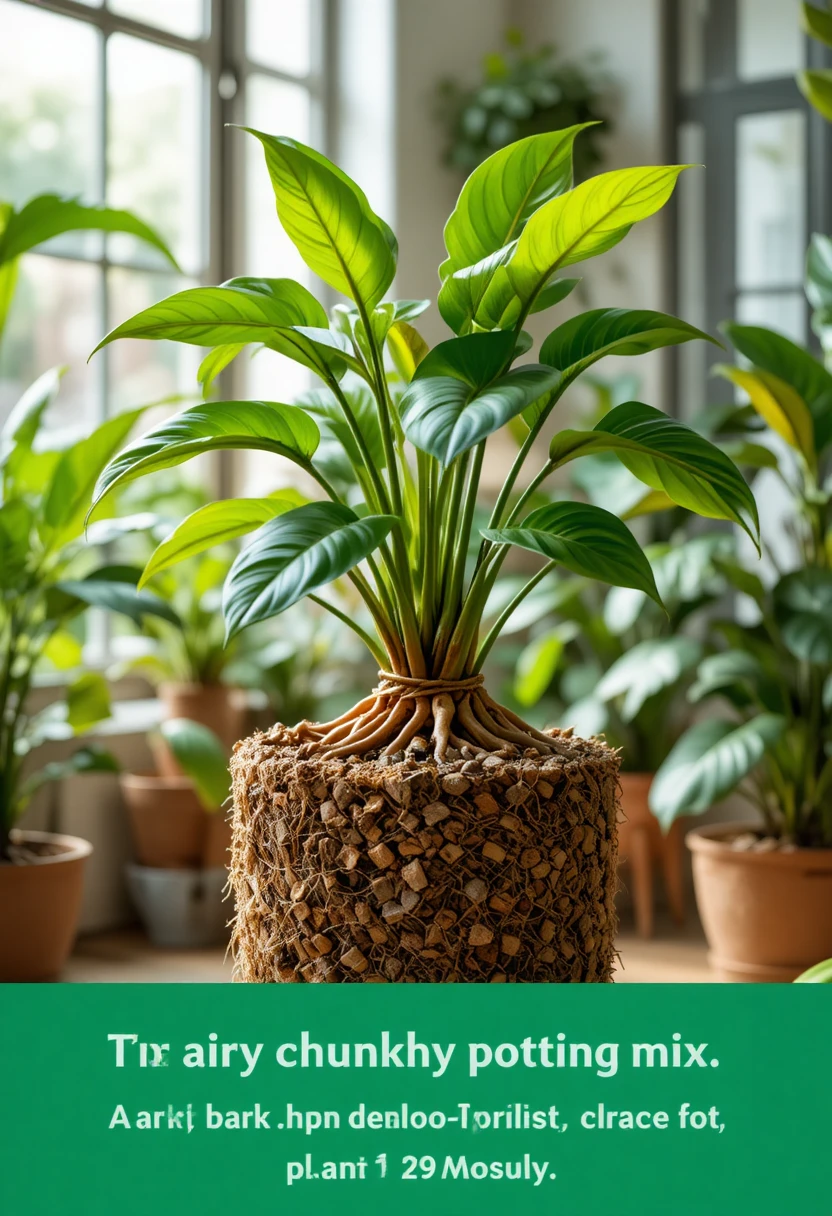
Popular aroids like monstera and philodendron grow as epiphytes or semi-epiphytes in the wild, climbing trees with roots that cling to bark and leaf litter rather than sitting in dense, packed soil.
A reliable recipe:
- 2 parts coco coir or peat
- 1 part chunky orchid bark
- 1 part perlite or pumice
- 0.25 part worm castings
This chunkier blend mimics the loose, airy conditions these plants experience naturally, encouraging strong root development and reducing the risk of the compaction that dense, all-purpose mixes can cause for this particular plant group.
5. Orchid Bark Mix
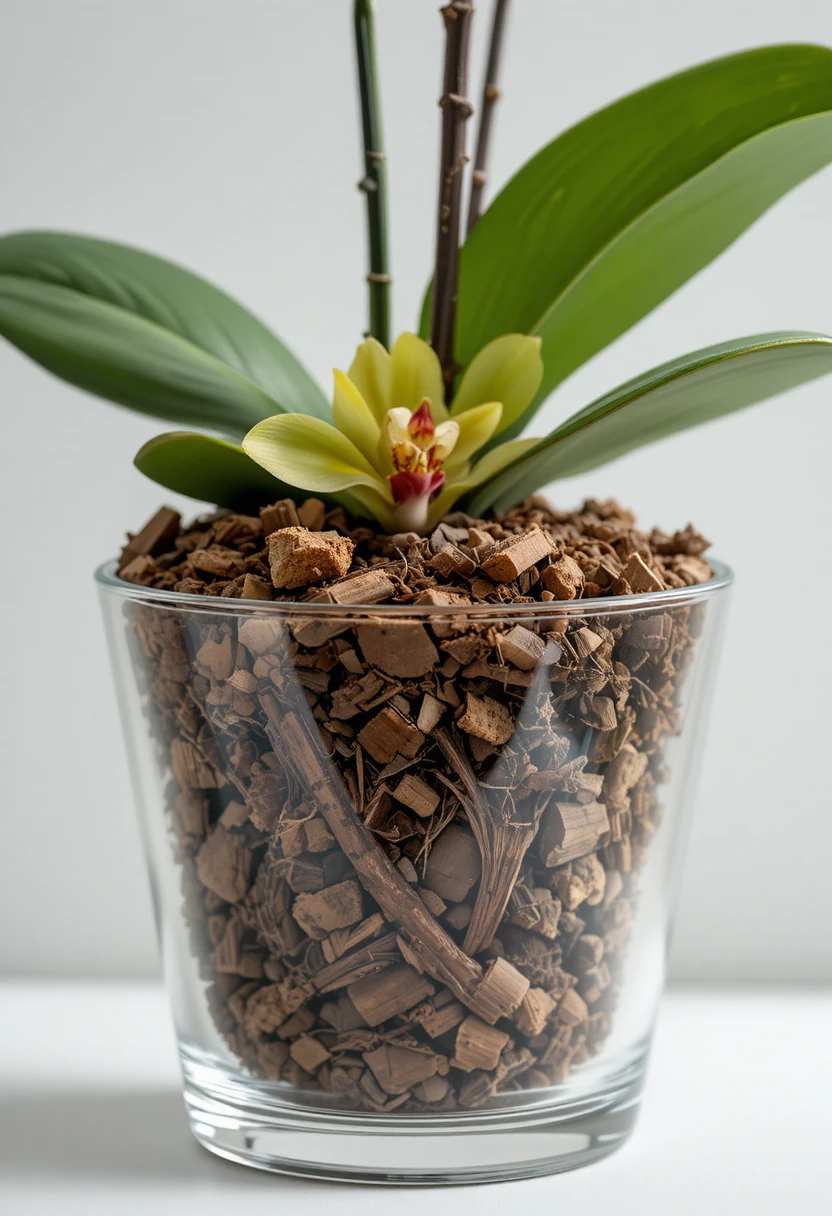
True orchids have some of the most specific soil needs of any common houseplant, and a standard potting mix will actually smother their roots rather than support them.
A reliable recipe:
- 70% orchid bark (fir or pine)
- 20% perlite
- 10% charcoal or sphagnum moss
Orchid roots are adapted to attach to bark and absorb moisture from humid air, not to sit buried in dense soil, so this bark-heavy, chunky mix replicates their natural growing conditions far more closely than any all-purpose blend could.
[Image placement 3 vertical, mid-to-lower article: An orchid growing in a clear pot filled with chunky bark mix, roots visible through the sides. Alt text/pin text: “Orchid bark soil mix idea for houseplants that mimics natural growing conditions.”]
6. Lightweight Seed-Starting and Cutting Mix
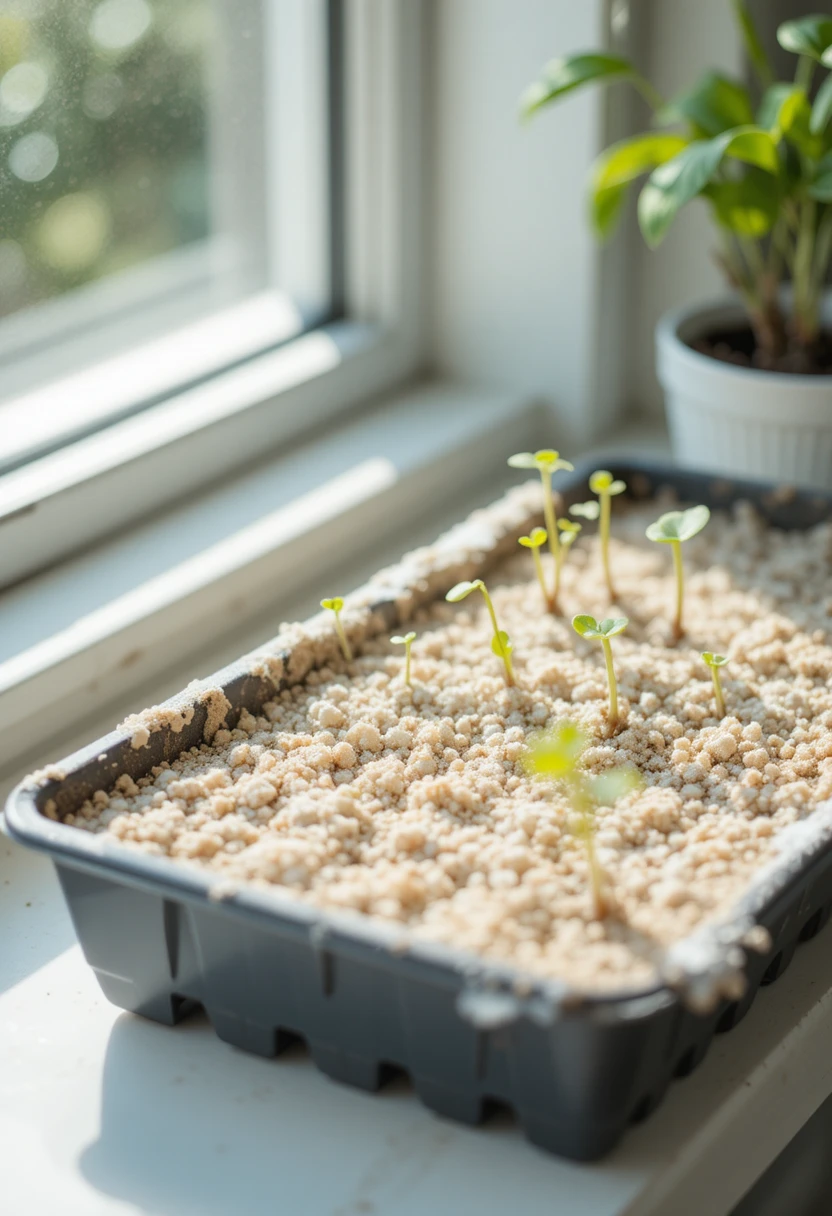
Delicate new roots on seedlings and cuttings need something very different from an established houseplant a fine, soft, evenly moist medium without the chunky bark or bark pieces of a mature-plant mix.
A reliable recipe:
- Fine peat moss or coco coir
- A small amount of perlite or vermiculite for light aeration
Some gardeners skip soil altogether for rooting cuttings, using moistened vermiculite alone, which holds consistent moisture and gives fragile new roots plenty of room to develop without resistance.
7. African Violet Mix
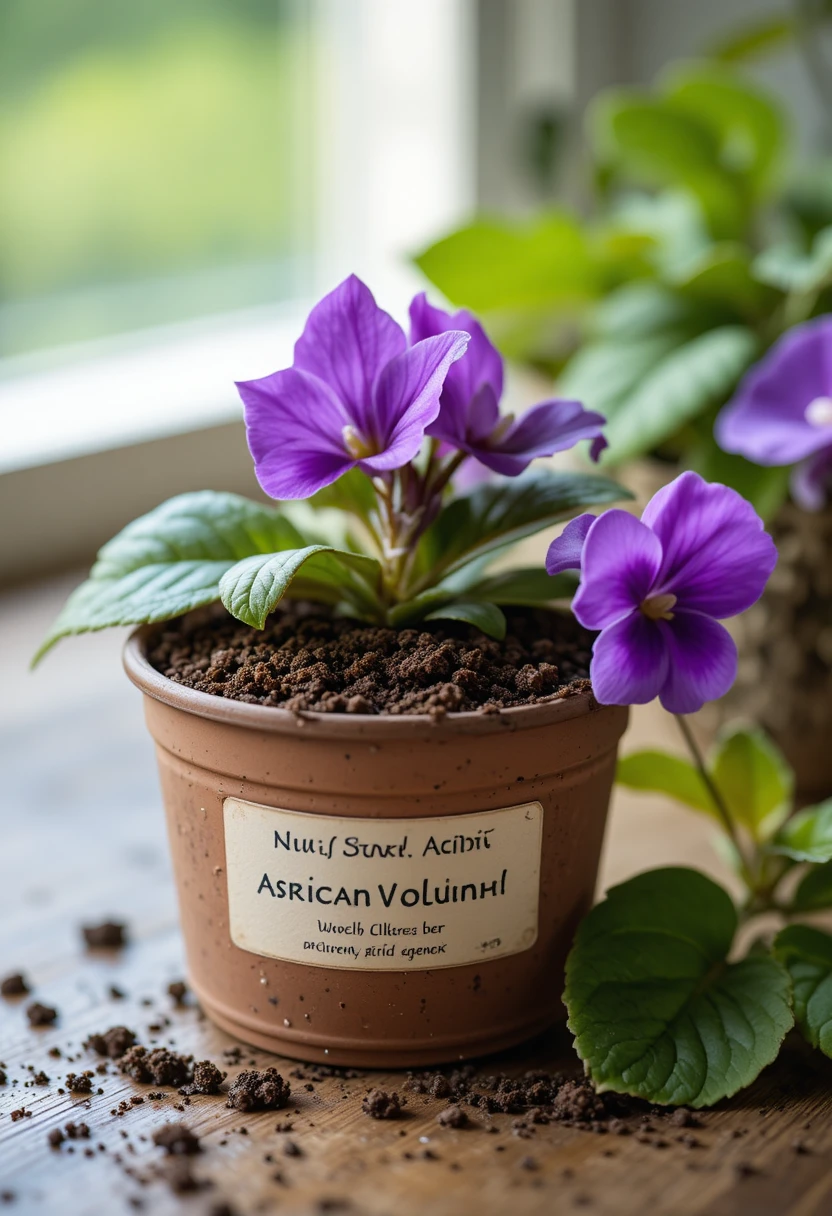
African violets and similar fuzzy-leaved plants prefer a lighter, more finely textured mix than typical tropical houseplants, along with excellent drainage to avoid crown rot.
A reliable recipe:
- Equal parts peat moss, perlite, and vermiculite
This combination keeps the mix light and well-aerated while still retaining enough moisture for these plants’ relatively shallow root systems a good match for a plant that’s notoriously sensitive to both overly wet soil and wet foliage.
8. Dry-Tolerant Mix for Snake Plants and ZZ Plants
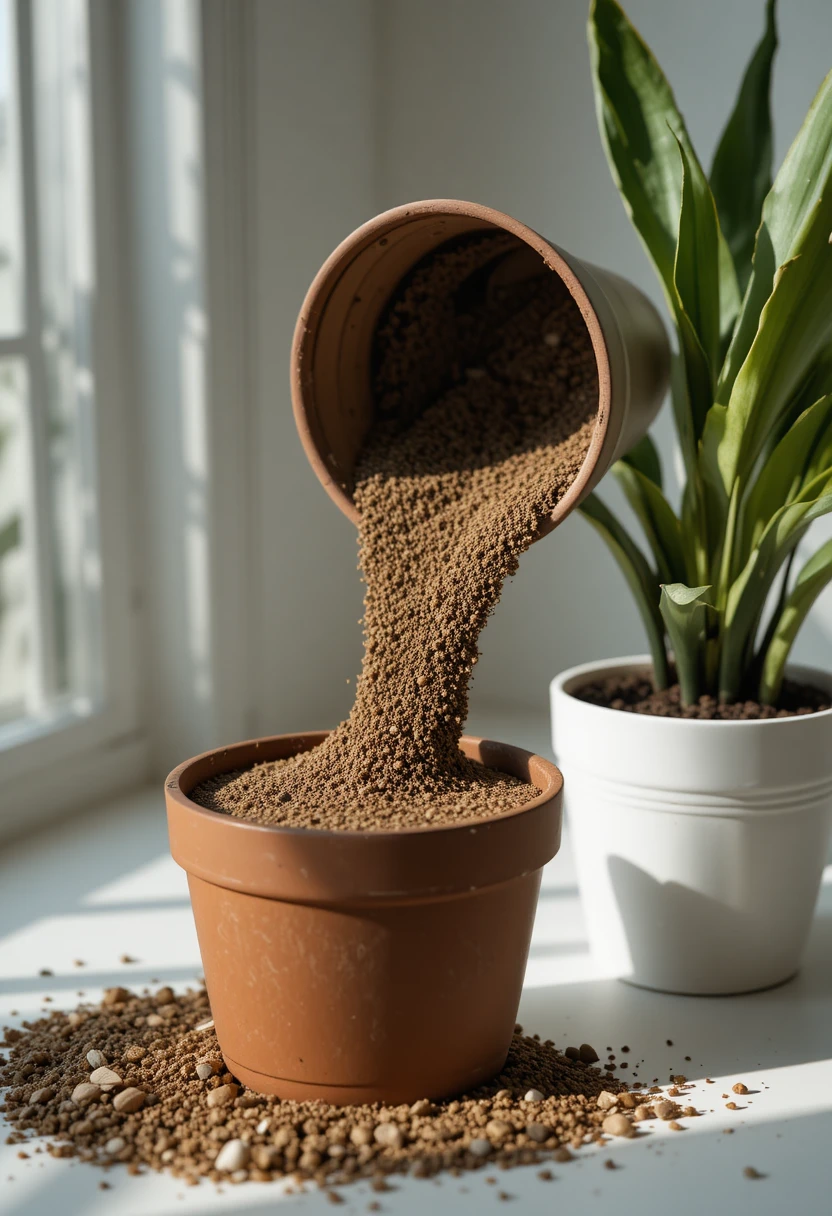
Some houseplants aren’t succulents by classification but still strongly prefer a drier, faster-draining mix than a typical tropical blend snake plants and ZZ plants are the most common examples.
A reliable recipe:
- Use a standard succulent or cactus mix rather than an all-purpose tropical blend
These plants store water in their thick leaves and rhizomes, meaning they’re far more prone to root rot from an overly moisture-retentive mix than to any issues from underwatering. Letting the soil go nearly bone-dry between thorough waterings suits them best.
[Image placement 4 vertical, lower article: A snake plant potted in a chunky, well-draining succulent-style soil mix. Alt text/pin text: “Dry-tolerant soil mix idea for snake plants and ZZ plants.”]
9. Know Your Ingredients Before You Mix
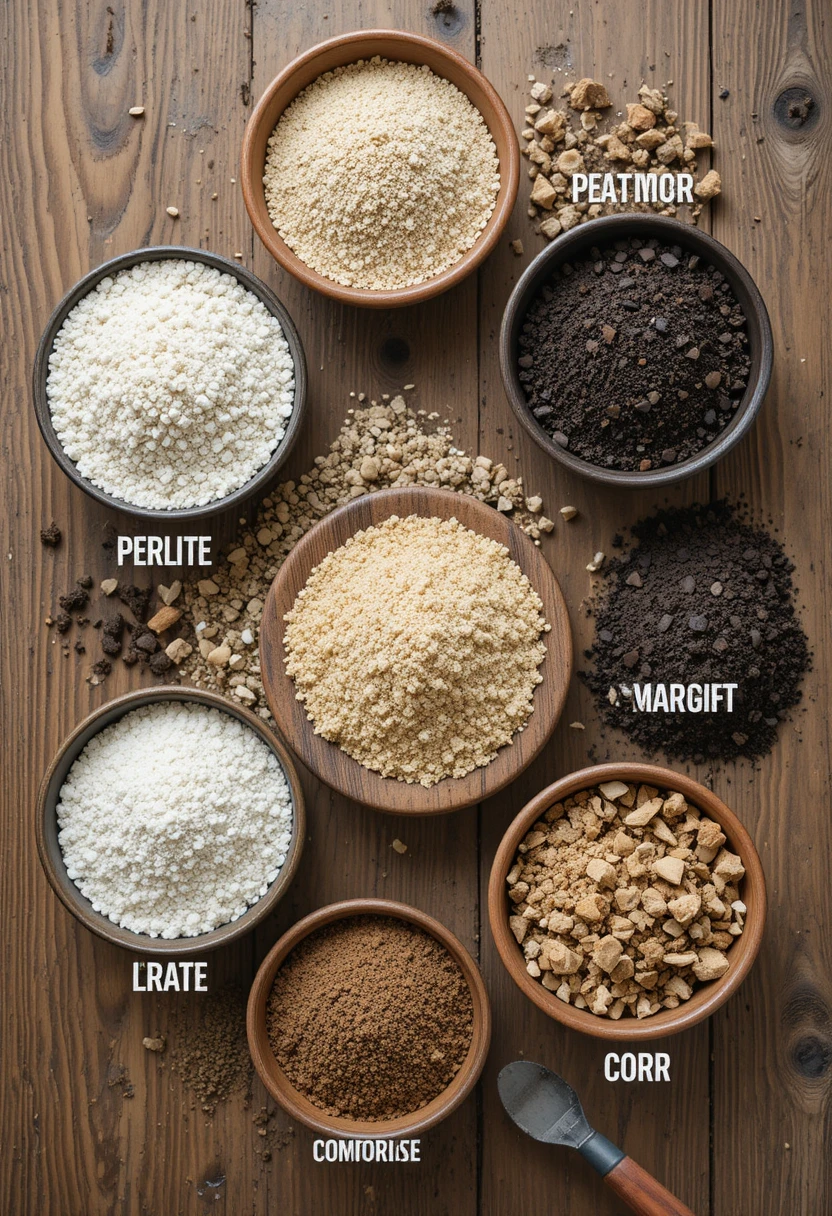
Building your own custom soil blends becomes far easier once you understand what each common ingredient actually contributes.
- Peat moss or coco coir: the lightweight base that retains moisture
- Perlite: improves drainage and prevents compaction
- Vermiculite: holds even more moisture than perlite, useful for thirstier plants
- Pine bark fines or orchid bark: boosts airflow and mimics natural growing surfaces
- Pumice: a volcanic rock that adds aeration similar to perlite, but heavier and longer-lasting
- Compost or worm castings: adds slow-release nutrients and structure
Once you know what each ingredient does, adjusting a base recipe for a specific plant becomes a matter of shifting ratios rather than starting from scratch.
10. Adjust Soil pH When Needed

Peat-based mixes are naturally acidic, but many common houseplants actually prefer neutral to slightly alkaline conditions to access nutrients properly.
Fix: Add a small amount of garden lime (limestone) to a peat-heavy mix to help neutralize excess acidity, particularly for plants that show signs of nutrient lockout despite an otherwise reasonable care routine.
[Image placement 5 vertical, near conclusion: A gardener mixing soil ingredients by hand in a large bin, combining peat, bark, and perlite. Alt text/pin text: “DIY houseplant soil mix idea combining peat, bark, and perlite by hand.”]
11. Choose Store-Bought vs. DIY Based on Your Situation
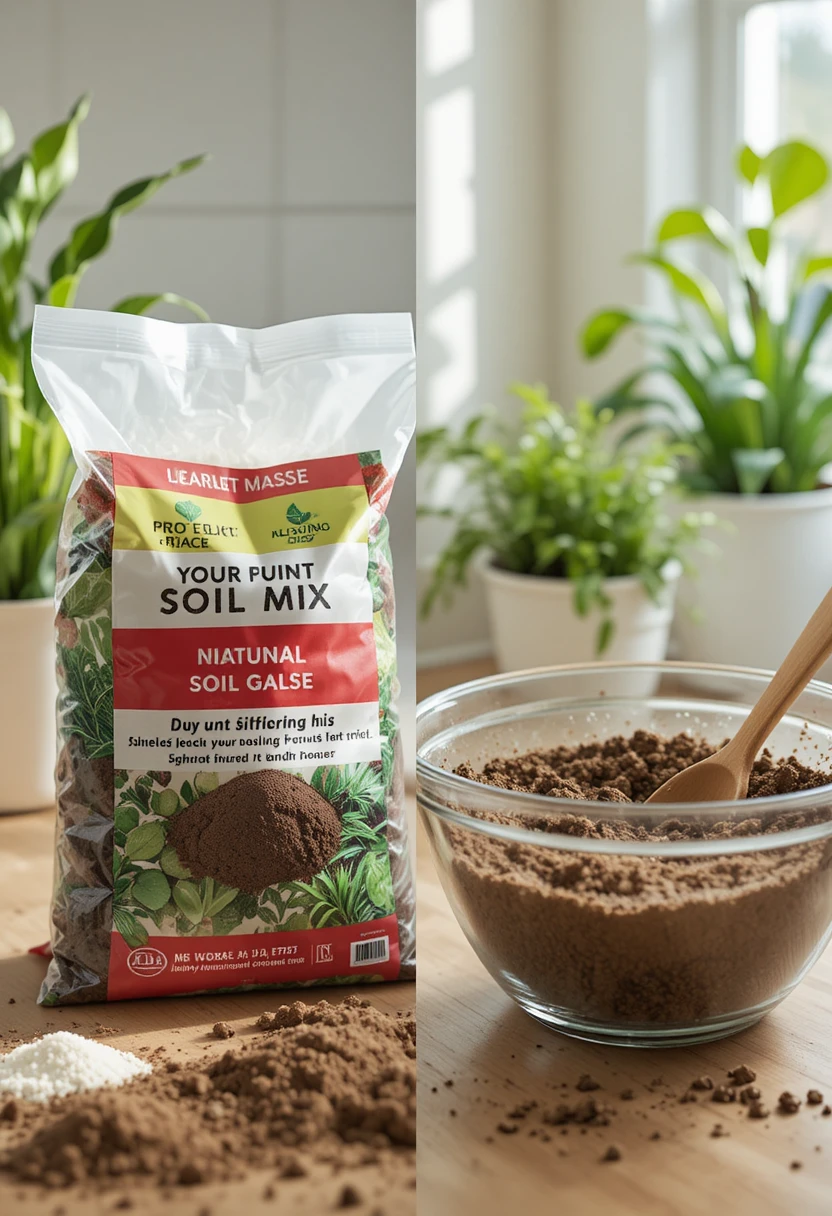
Both premade and homemade soil mixes have their place, and the right choice often comes down to how many plants you’re caring for and how specific their needs are.
- Store-bought mixes ($8–$15 for 8–10 liters) are convenient and work well for standard tropical houseplants without much fuss.
- DIY mixes offer more control and cost savings for larger collections, and let you tailor blends precisely to trickier plants like orchids, succulents, or aroids.
If you’re only caring for a handful of common houseplants, a quality all-purpose bag may be all you need. If your collection is growing and includes more specialized plants, mixing your own becomes increasingly worth the extra effort.
12. Know When It’s Time to Refresh the Soil
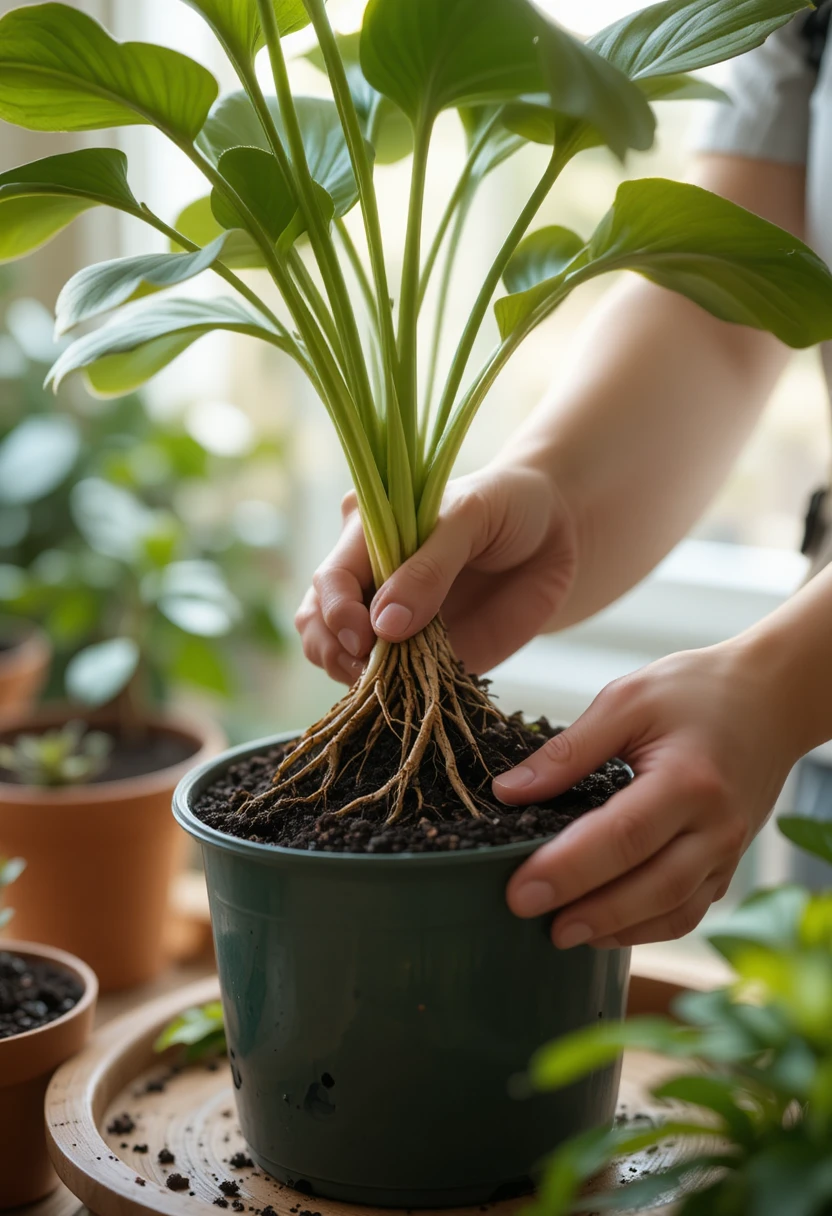
Even a perfect soil mix doesn’t last forever peat compacts and bark breaks down over time, gradually reducing drainage and nutrient availability.
Fix: Refresh soil every one to two years for most houseplants. A partial refresh, topping off with new mix, works well for otherwise healthy plants, while a full repot is best when you notice drainage problems, compacted soil, or a plant that’s clearly outgrown its container.
Frequently Asked Questions About Houseplant Soil Mixes
Can I use one soil mix for all my houseplants?
A quality all-purpose mix works for many common tropical houseplants, but succulents, orchids, and aroids generally do better with a mix tailored to their specific drainage and moisture needs.
How do I know if my soil mix is draining properly?
Water your plant thoroughly and watch how quickly excess water flows from the drainage holes. If water pools on the surface for a long time or the soil stays soggy for days afterward, the mix likely needs more perlite, bark, or pumice for aeration.
Is garden soil ever okay to use for houseplants?
No garden soil compacts too easily in a container, restricting airflow and drainage in a way that leads to root problems for most indoor plants.
How often should I repot or refresh houseplant soil?
Most houseplants benefit from a soil refresh every one to two years, as the mix naturally compacts and loses nutrient content over time.
Bringing It All Together
The right soil mix does more for your houseplants’ health than almost any other single factor quietly regulating moisture, aeration, and nutrients every single day. Match your mix to your plant’s natural growing habitat, whether that’s a chunky, bark-heavy blend for an aroid or a fast-draining, sandy mix for a succulent, and you’ll remove one of the most common hidden causes of houseplant struggles.
Whether you reach for a quality bagged mix or start experimenting with your own custom blends, understanding what each ingredient does puts you back in control of your plants’ health from the roots up.