
There’s something almost magical about a summer vegetable garden hitting its stride tomatoes ripening on the vine, peppers turning from green to red, and more zucchini than you know what to do with. But getting there takes more than just tossing seeds in the ground and hoping for the best, especially once the heat sets in.
Summer planting comes with its own rules — different from the cool, gentle conditions of spring and getting a few key things right makes the difference between a struggling garden and an abundant one. Here are 13+ summer vegetable planting guides to help you grow with confidence all season long.
Save this guide tip #7 below is the one that trips up more summer gardens than anything else, and it has nothing to do with what you plant.
Start With the Right Site
Before choosing a single vegetable, make sure your growing spot has what it needs: full sun and a water source nearby. If you don’t have a tilled area ready, a container, square-foot, or raised bed garden works just as well and is often easier for beginners to manage.
Quick tip: half-barrels make excellent container vegetable gardens for small sunny spaces like patios, balconies, decks, and porches.
1. Choose Heat-Loving Classics as Your Foundation
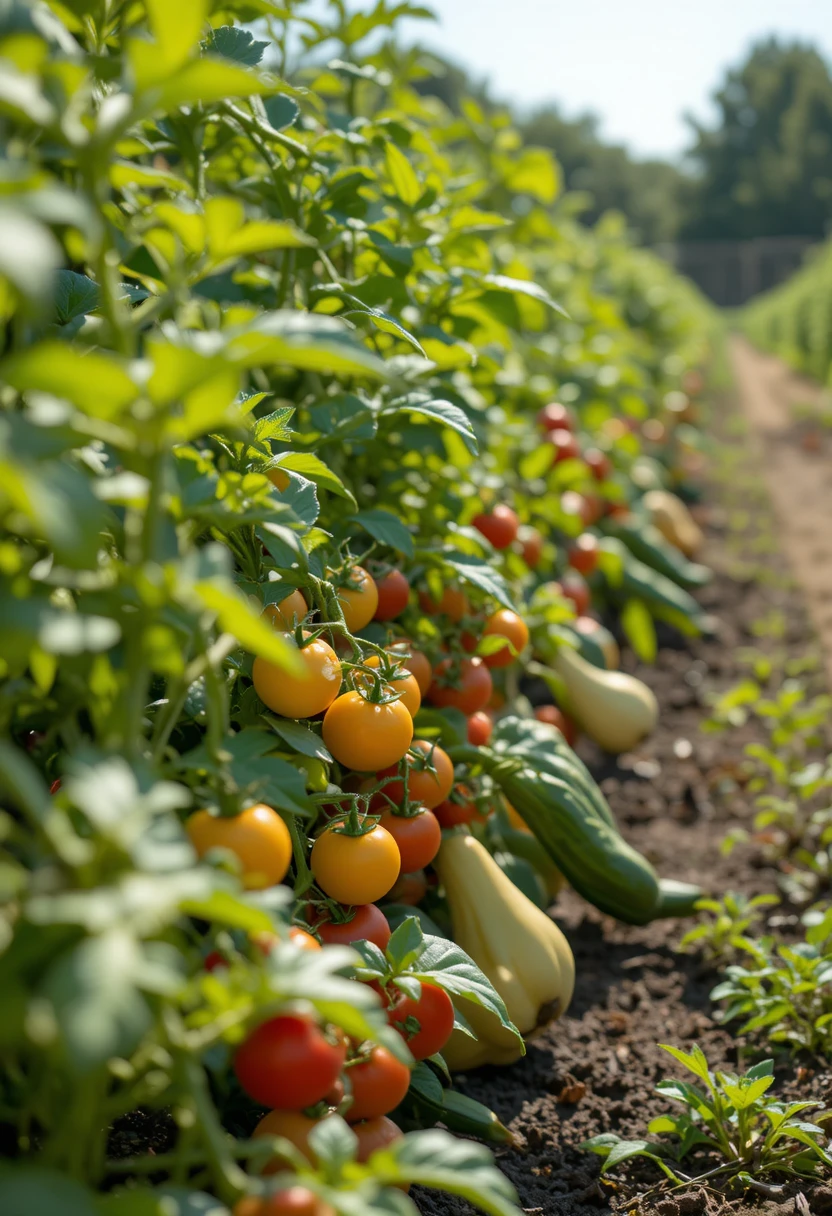
Tomatoes, peppers, cucumbers, and squash are the backbone of most summer vegetable gardens, and for good reason they’re all well-suited to summer’s sunny, warm conditions and reward the effort with a genuinely abundant harvest.
Image idea: a vertical shot of ripening tomatoes on the vine in a sunny garden bed. Alt text: “Ripe red tomatoes growing on the vine in a summer vegetable garden.”
2. Grow Okra for a Reliable, Heat-Tolerant Harvest
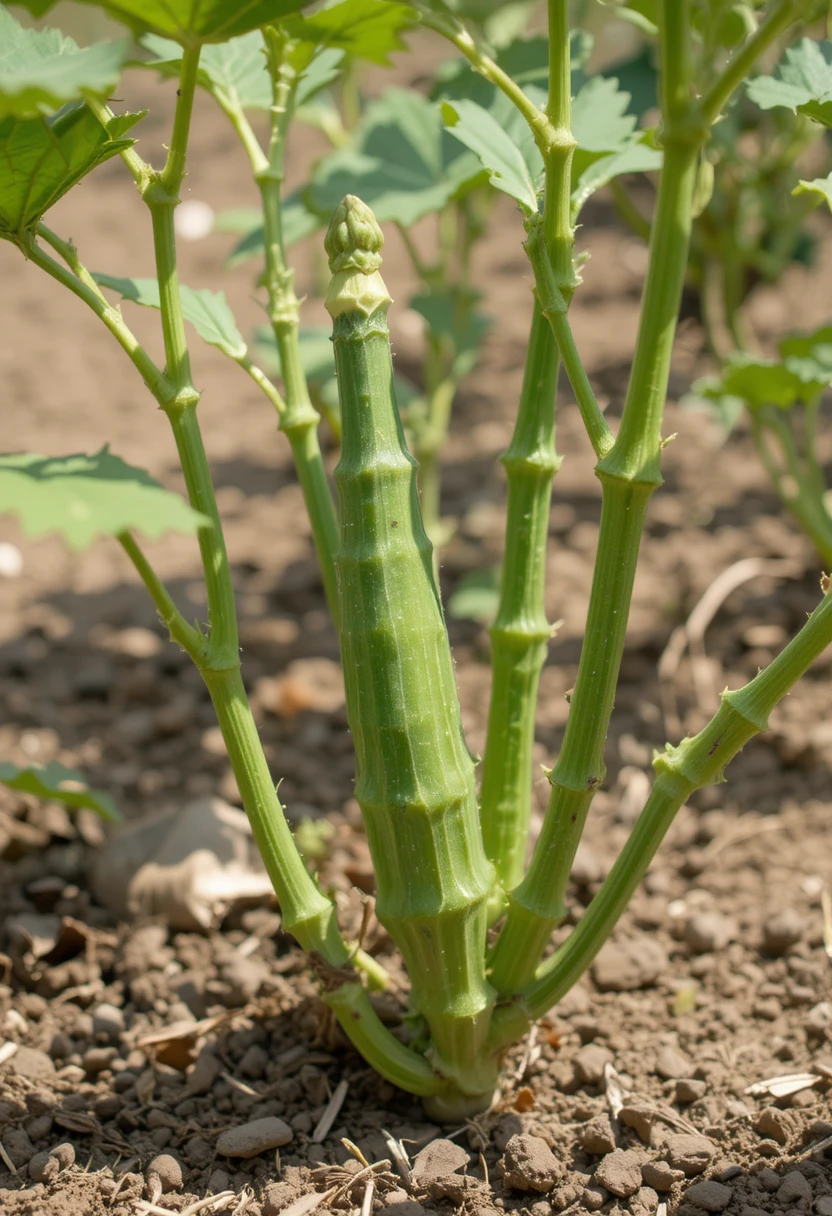
Here’s the thing: okra actually gets better in the heat. It’s a “cut-and-come-again” vegetable, meaning the more you harvest, the more it keeps producing. Pods can grow from nothing to full size in just two days during warm weather, so check plants daily once they start producing, and harvest pods at 2 to 4 inches for the best texture.
Save-worthy tip: always remove oversized pods even if you don’t plan to eat them leaving them on the plant slows down new pod production.
3. Plant Eggplant in Fertile, Well-Drained Soil
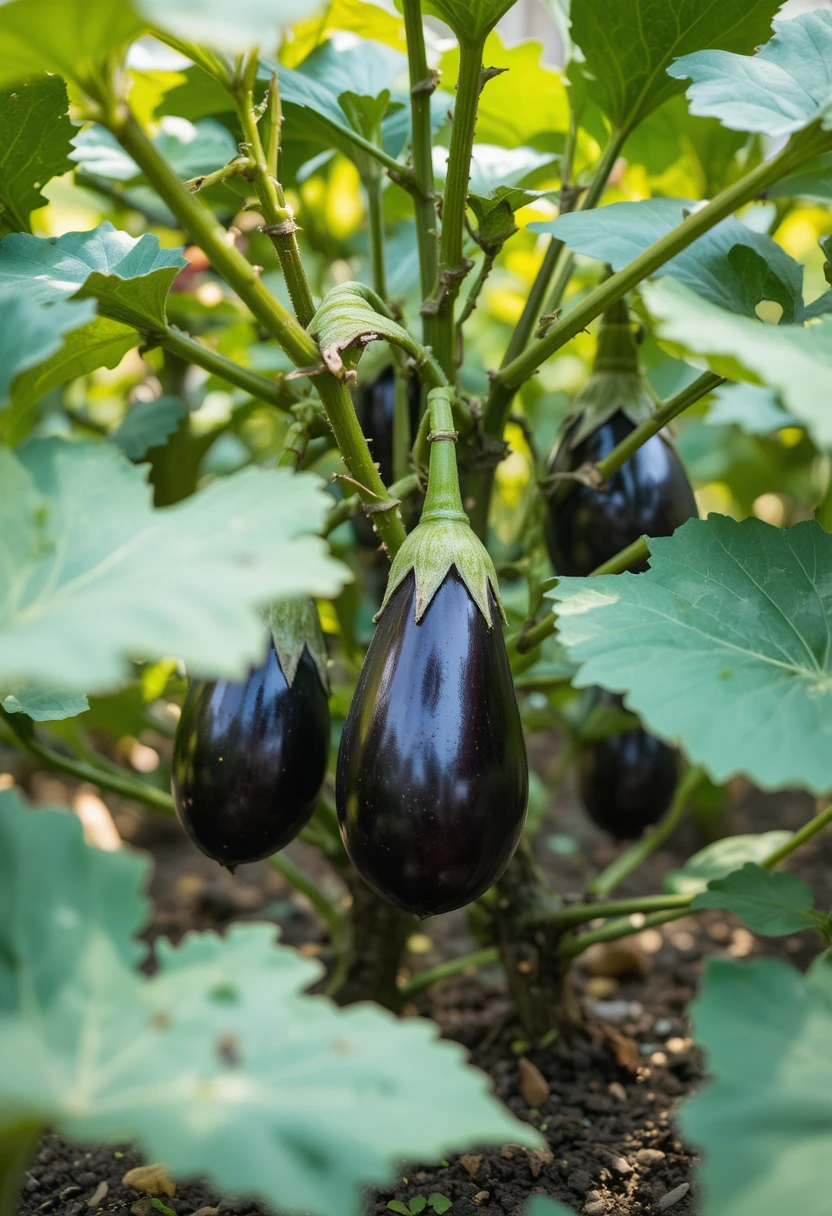
Eggplant thrives when daytime temperatures sit between 80 and 90 degrees, but it needs fertile, well-drained soil to really perform. Mulching helps retain the extra warmth eggplant loves, especially if you’re planting a little earlier in the season.
4. Try Artichokes for a Striking, Productive Addition
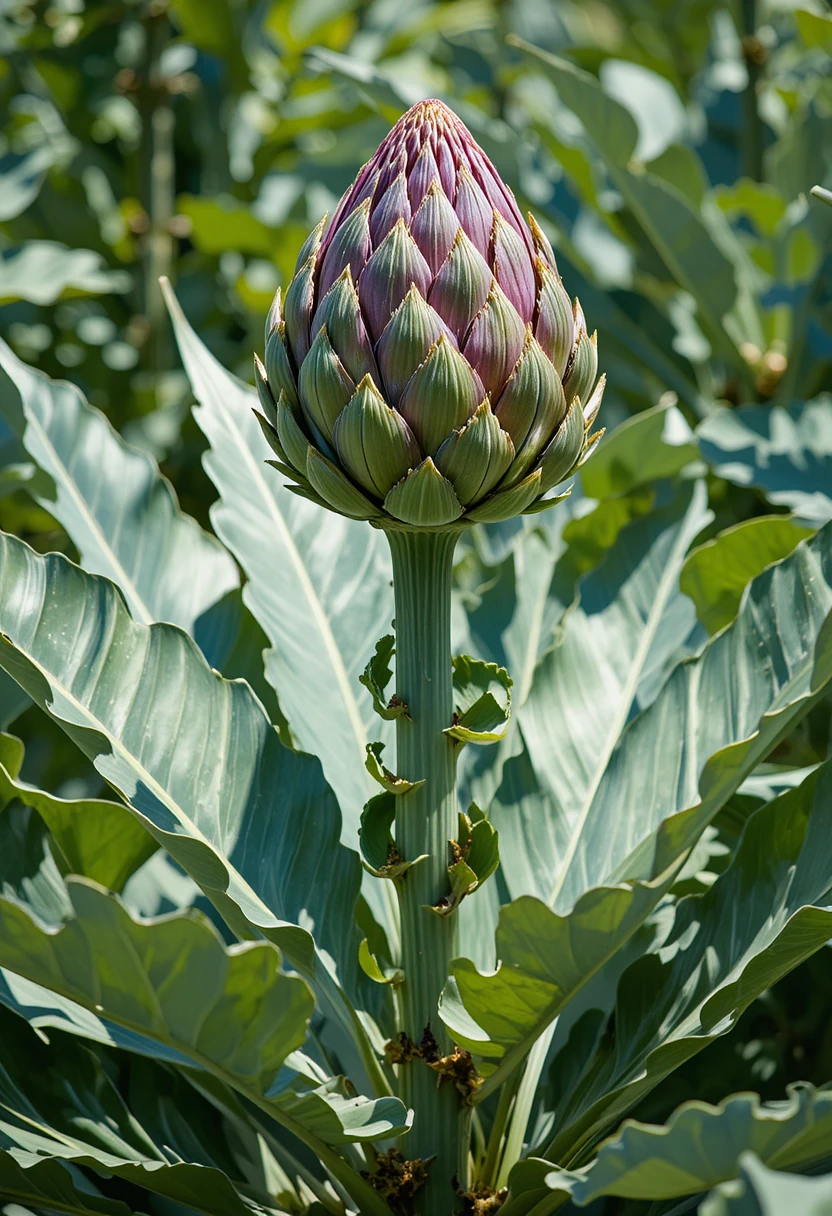
If you’ve never grown artichoke, here’s a fun fact: the edible part is actually the flower bud. Beyond the harvest, artichokes make beautiful, drought-tolerant ornamental plants thanks to their silvery foliage a nice double-duty crop for anyone who wants function and beauty in the same bed.
Read Also: 12 Fall Garden Cleanup Checklist Ideas for a Yard That Bounces Back Fast in Spring
5. Succession-Plant Fast Crops Like Carrots and Beets
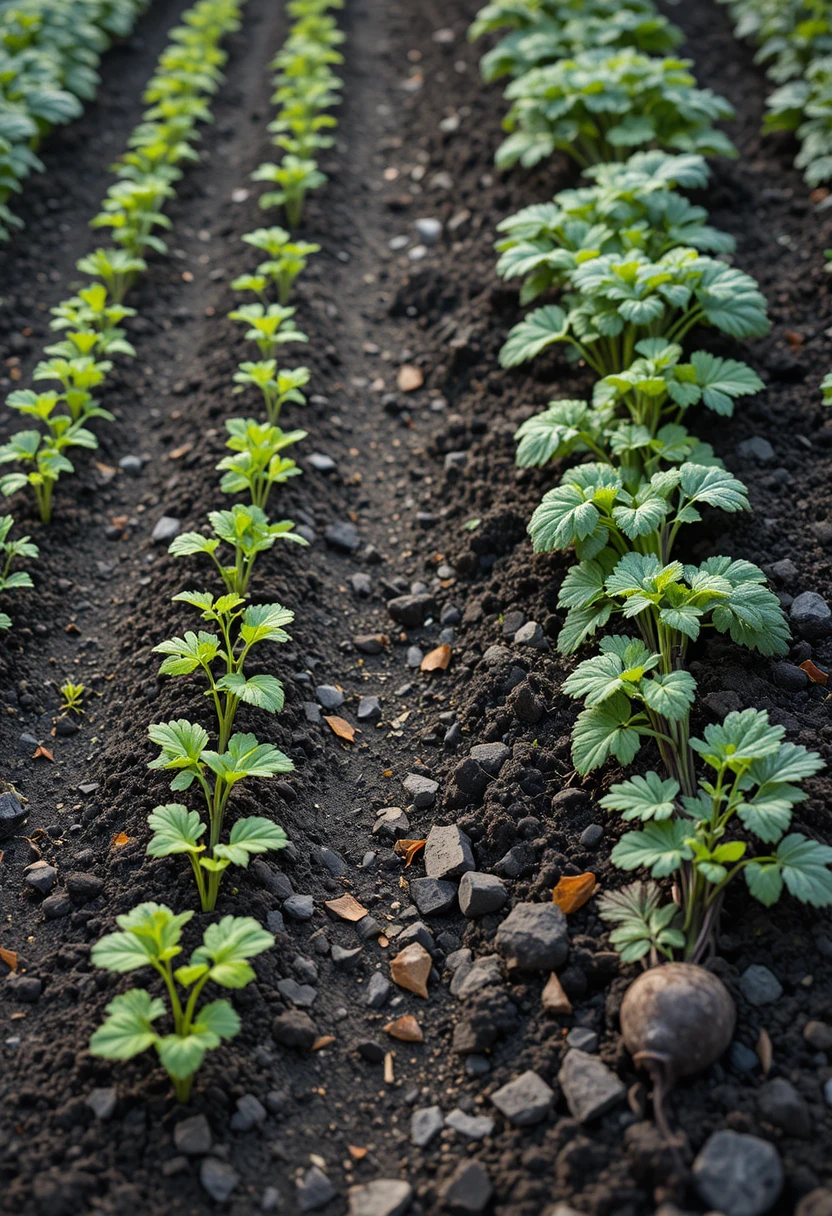
So what does this mean for you? It means you don’t have to plant everything at once. Carrots and beets are quick, reliable summer performers plant a new short row every couple of weeks for a steady harvest instead of one giant glut all at once.
6. Favor Direct-Seeding Over Transplants Where Possible
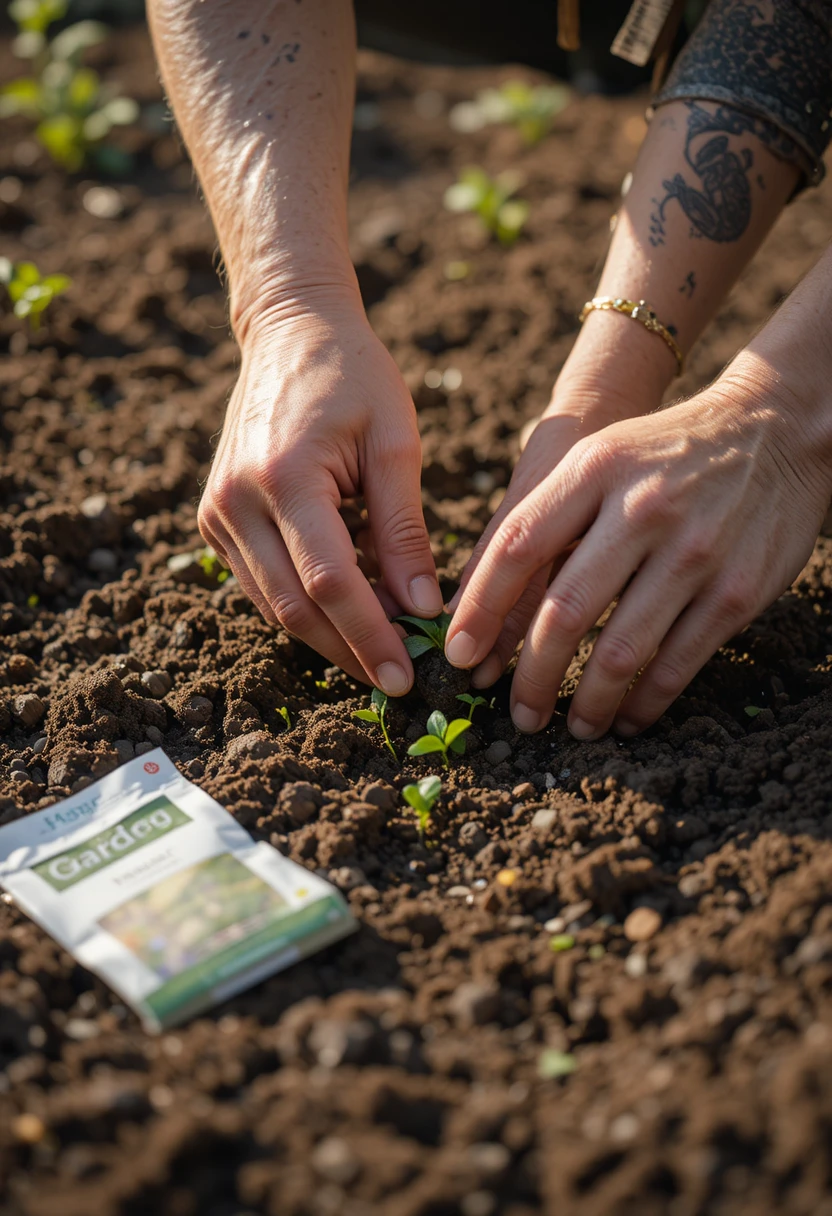
Late in the season, seedlings for sale can be harder to find, and many summer crops actually do well direct-seeded straight into the garden. Carrots in particular can be tricky to germinate in dry weather, so keep the seed bed consistently moist until sprouts appear.
Image idea: a vertical shot of a hand direct-sowing seeds into a prepared garden row. Alt text: “Direct-sowing vegetable seeds into a summer garden row.”
7. Water Newly Planted Seeds Far More Often Than You’d Expect
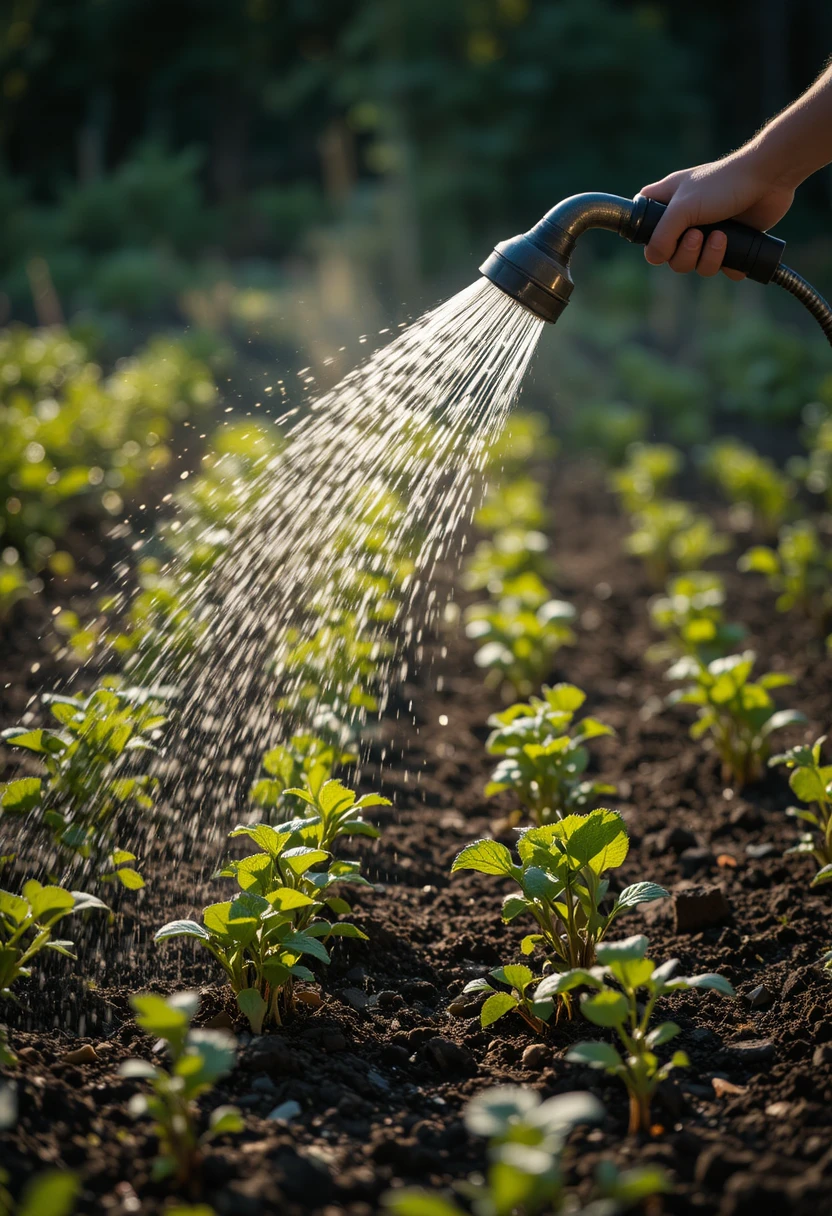
This is the step most summer gardens get wrong: newly planted seeds need consistent moisture to germinate, and in hot, dry summer conditions, that often means watering twice a day morning and evening until seedlings are established. Once germinated, you can back off to about an inch of water per week.
Bucket brigade: newly planted seedlings don’t have an established root system yet, which makes them far more vulnerable to shock from summer heat, dryness, and wind than seeds planted in gentler spring conditions.
8. Mulch to Conserve Water and Cool the Soil
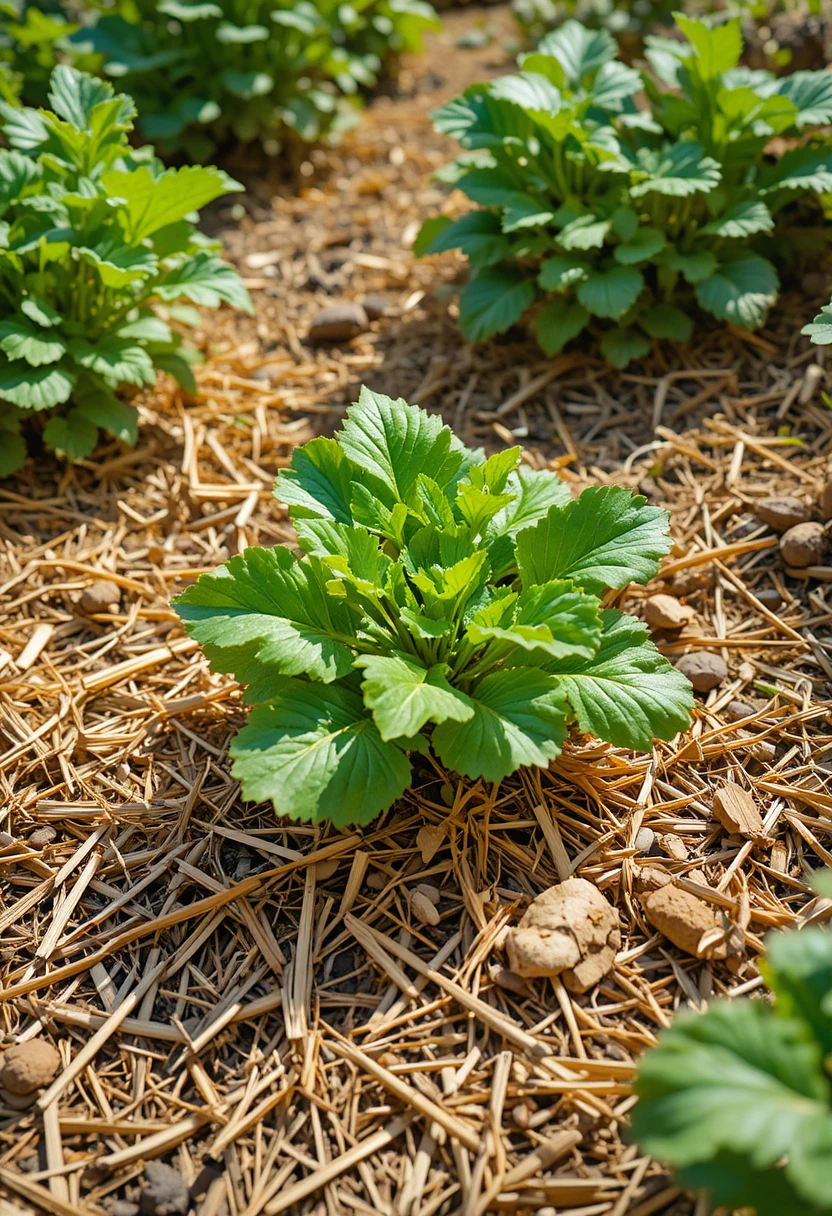
Spread a 1 to 2 inch layer of compost or other organic mulch around your plants. This single step conserves water, suppresses weeds, and keeps soil temperatures from spiking during the hottest part of the day a small effort with an outsized payoff in summer.
9. Water in the Morning, Not the Evening
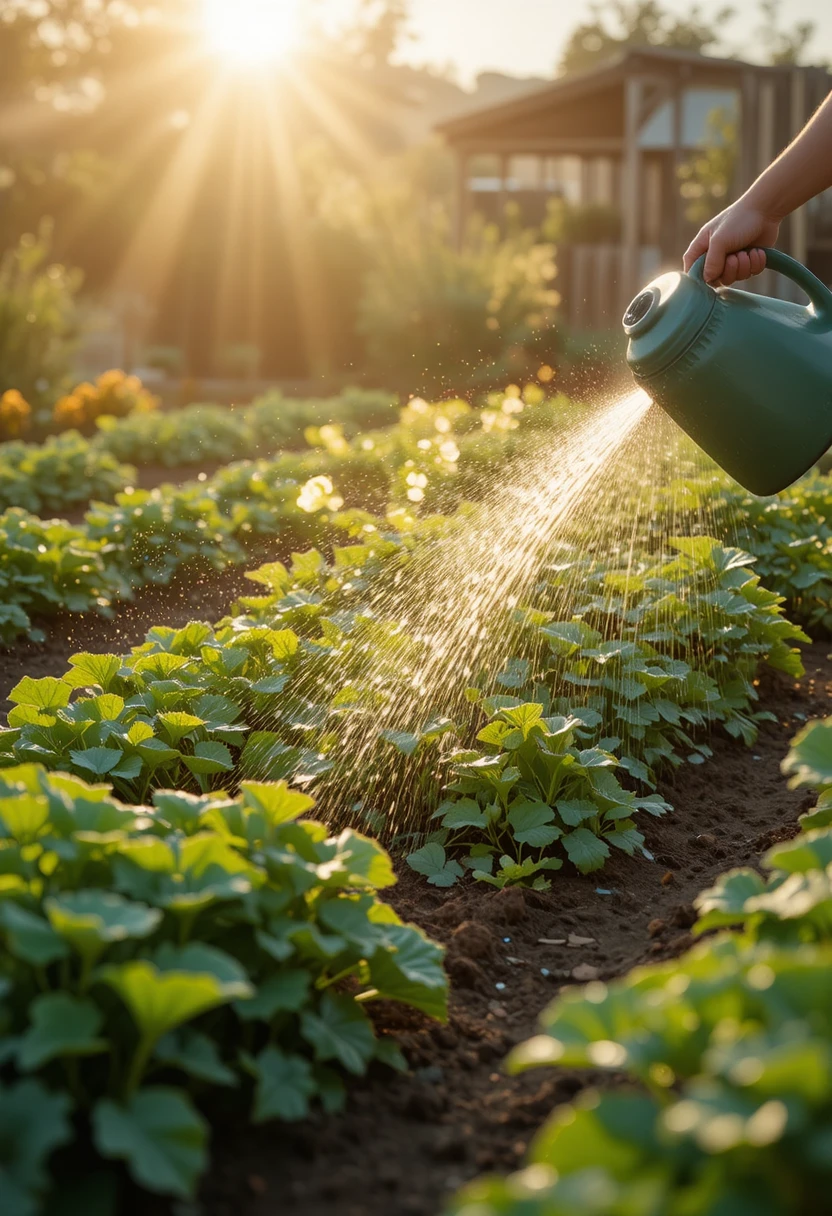
Irrigate in the morning to reduce evaporation and avoid the foliar diseases that come from leaves staying damp overnight. Drip irrigation is especially effective in summer, conserving water while keeping moisture off the leaves which matters most once fruit starts forming.
10. Give Cool-Season Stragglers a Little Afternoon Shade
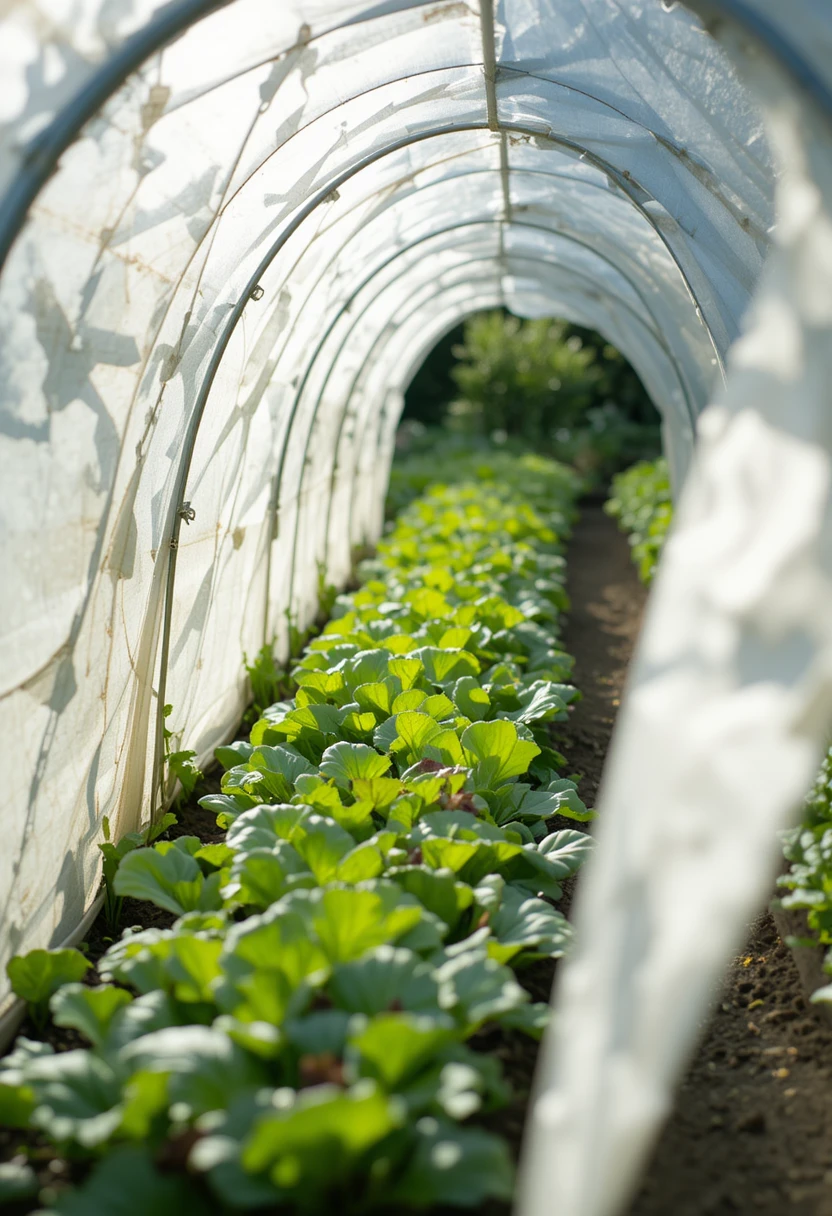
Not every crop wants full, blazing summer sun all day. Greens, peas, broccoli, and beets in particular benefit from partial shade during the hottest part of the day, especially in warmer climates. A site with some protection from harsh afternoon sun, or a simple shade cloth, keeps these crops from bolting or wilting prematurely.
11. Feed Your Soil Consistently Through the Season
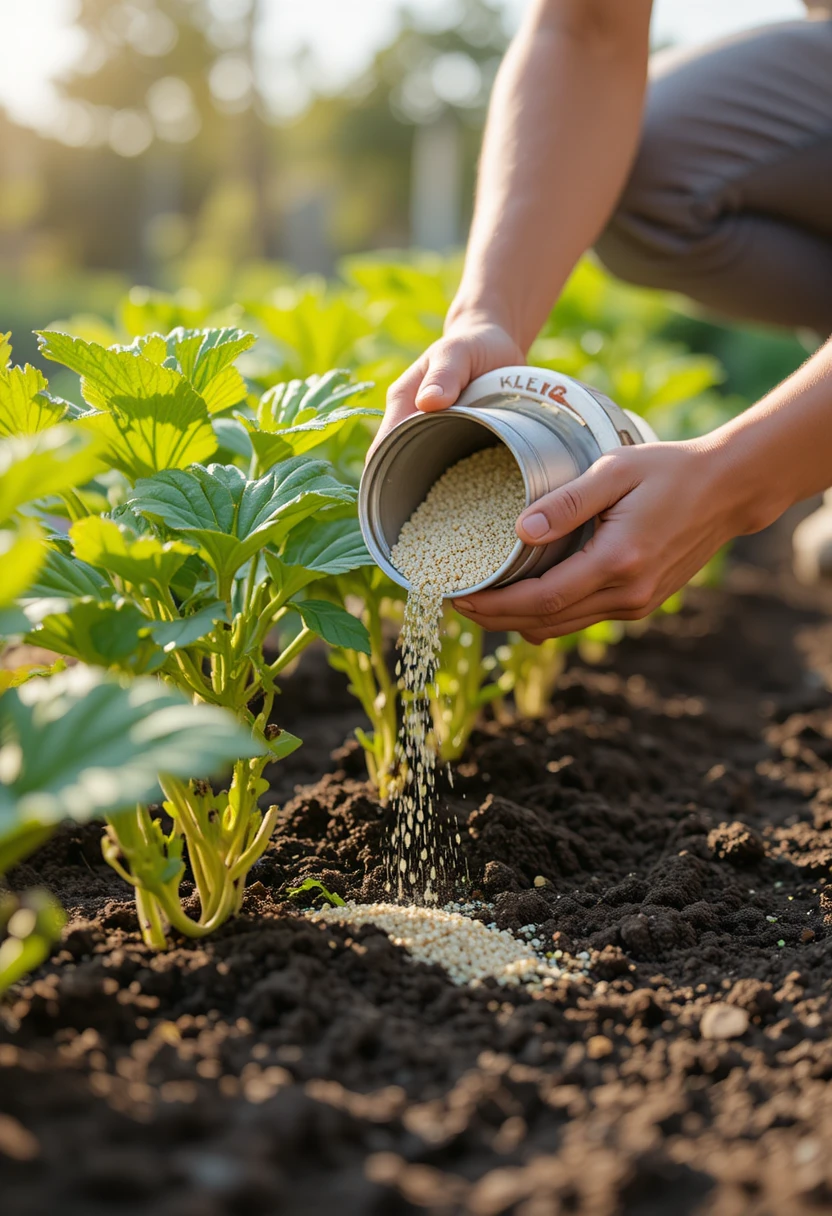
Adding organic fertilizer each time you plant helps replace the nutrients summer heat and rapid growth pull from the soil faster than in cooler months. Vegetables working hard to produce fruit in the heat need that consistent support to keep up their pace.
12. Harvest Often to Keep Production Going
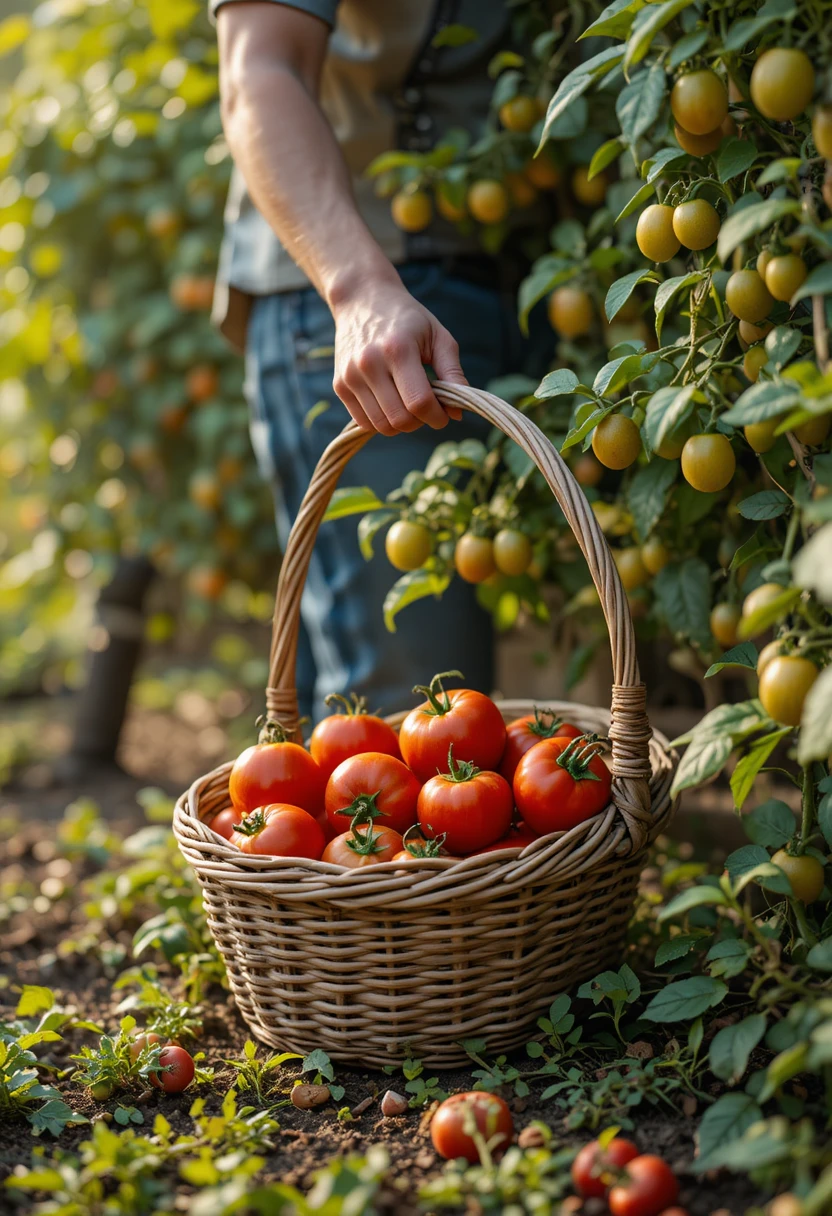
Many summer vegetables okra especially are built to reward frequent harvesting. Letting produce sit too long on the plant (like an oversized okra pod or an overripe zucchini) actually signals the plant to slow down future production, so regular picking keeps the harvest coming.
13. Use Containers or Raised Beds for Small Spaces
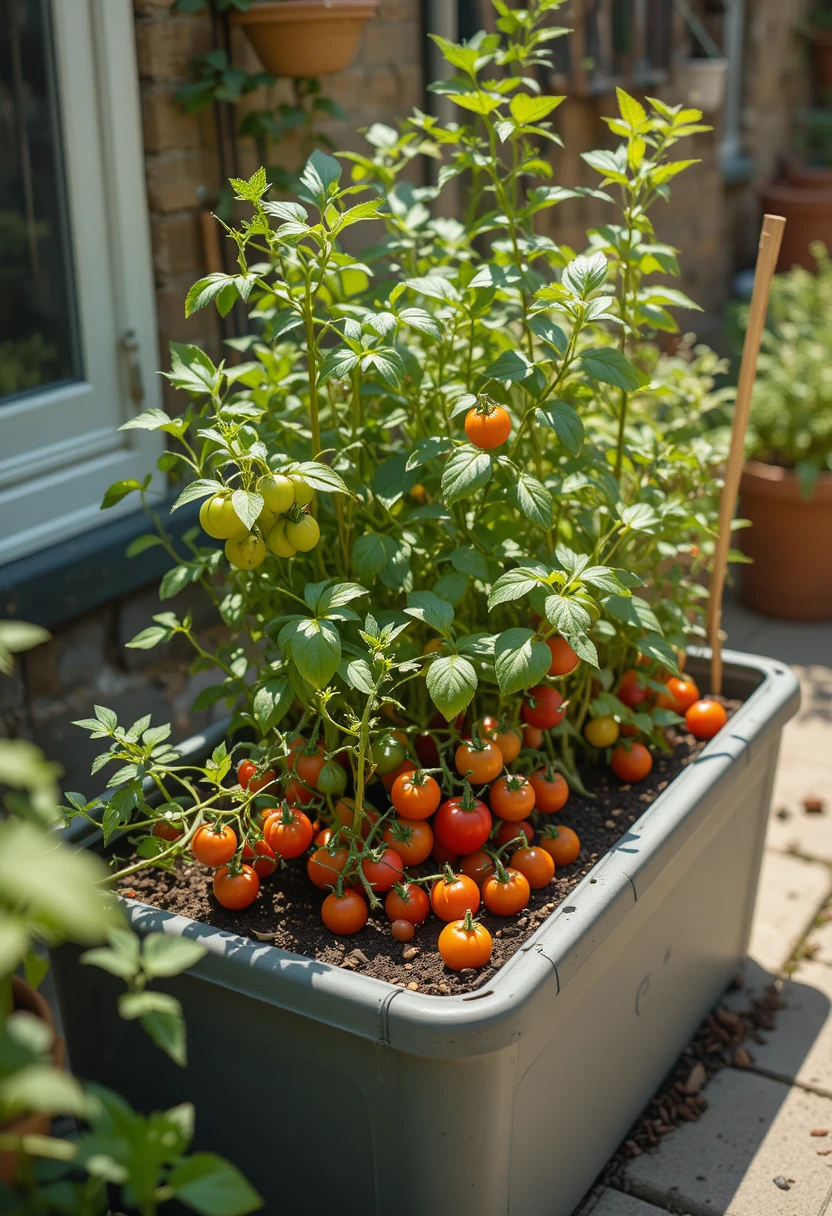
You don’t need a big backyard to grow a productive summer garden. Container and raised bed setups are beginner-friendly, easy to manage, and perfect for compact spaces just make sure whatever you choose gets full sun and stays within easy reach of a hose.
14. Start Planning Your Fall Garden While Summer Peaks
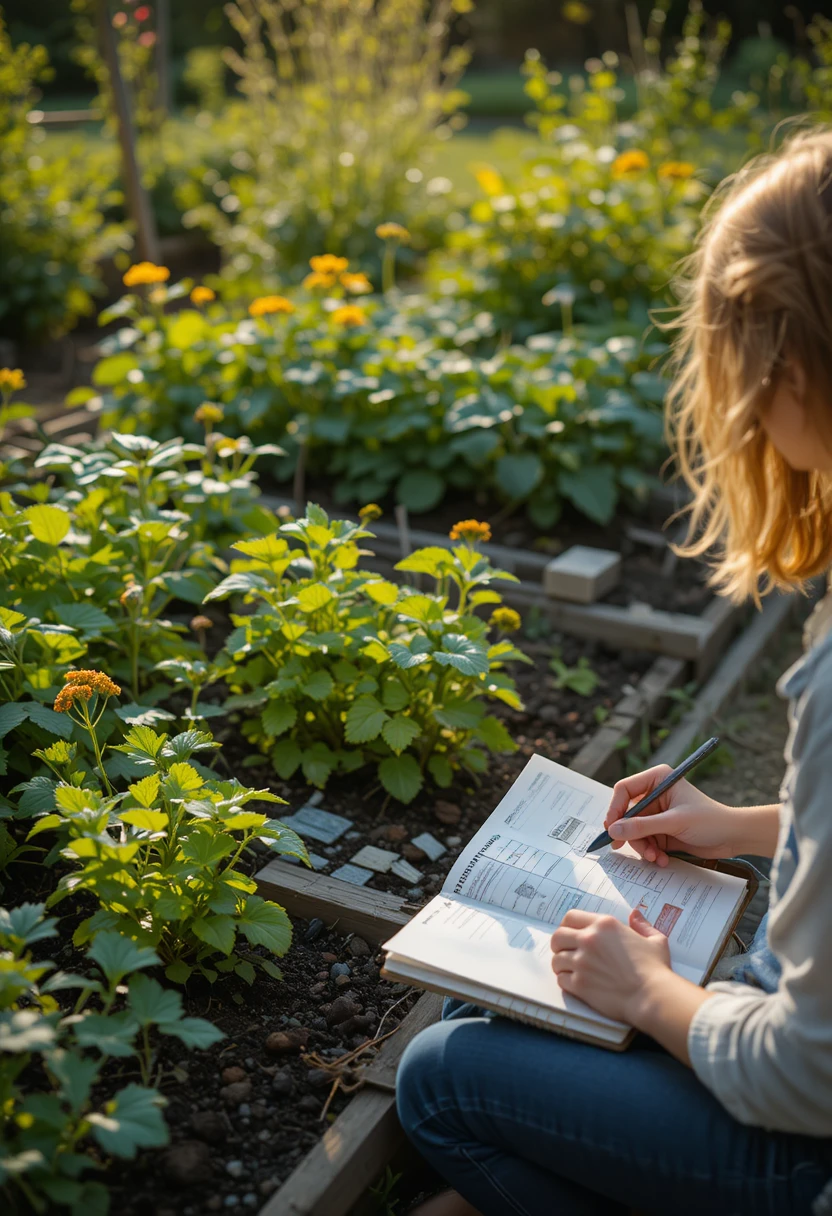
Quick summary: the best gardeners are already thinking about fall while their summer crops are still at their height. Managing the transition from warm-season summer crops to cool-season fall vegetables ahead of time means less scrambling and less bare soil once summer starts winding down.
Image idea: a vertical shot showing a summer garden bed with young fall seedlings starting nearby. Alt text: “Summer vegetable garden with fall seedlings started nearby for a smooth seasonal transition.”
Bonus: What to Do With an Herb Overload
If summer fills your garden with more herbs than you could possibly use fresh, freeze or dry them to preserve the flavor. For drying, limit bundles to about seven stems for even airflow, and if you enjoy the look of dried blossoms, let a few plants flower before harvesting the rest.
Frequently Asked Questions
What vegetables grow best in summer heat?
Tomatoes, peppers, cucumbers, squash, and okra are among the most reliable heat-tolerant summer vegetables, thriving in the warm, sunny conditions summer provides.
How often should I water a summer vegetable garden?
Newly planted seeds often need watering twice a day in hot, dry conditions until they germinate; established plants typically need about an inch of water per week, ideally applied in the morning.
Do all summer vegetables need full sun?
Most do, but cool-season crops like greens, peas, broccoli, and beets benefit from some afternoon shade during the hottest part of summer.
Is it too late to plant vegetables in early summer?
Not at all fast-growing crops like carrots and beets can be succession-planted throughout early summer for a steady harvest.
Should I fertilize my vegetable garden during summer?
Yes, adding organic fertilizer at each planting helps replace nutrients used up by rapid summer growth and fruit production.
When should I start planning my fall garden?
While your summer crops are still at their peak this timing allows for a smooth transition from warm-season to cool-season vegetables with minimal downtime.
Ready for a Productive Summer Harvest
A thriving summer vegetable garden comes down to picking the right heat-loving crops, staying consistent with water and mulch, and harvesting often enough to keep production going. Start with two or three of these guides that match your space and climate, and let the rest build from there as the season heats up.
Pin this guide so you have the full summer planting rundown ready all season.