
There’s a particular kind of magic in stepping outside and finding your garden full of butterflies not because you got lucky, but because you built exactly what they needed. That’s the whole secret behind a thriving butterfly garden: it’s not about attracting butterflies for a single afternoon, it’s about creating a habitat they can actually live in, generation after generation.
And native plants are the key to making that happen. Native plants are essential for butterflies because they provide the necessary resources for every stage of a butterfly’s life cycle, which is exactly why this list focuses on native species instead of generic “butterfly-friendly” plants you’ll find at any big-box garden center. Garden for Wildlife
Save this pin now, because you’re about to get 11+ butterfly garden ideas built entirely around native plants including the one distinction almost every beginner misses in idea #1, which changes everything about how you plan your garden.
The One Thing Every Butterfly Garden Needs to Get Right First
Before jumping into specific plants, there’s a foundational concept that makes or breaks a butterfly garden: the difference between nectar plants and host plants.
Nectar plants provide food for adult butterflies, while host plants are where butterflies lay eggs and where caterpillars feed on the leaves. Most beginner gardens only plant for nectar pretty flowers that feed adult butterflies passing through. But native plants matter so much because butterflies have adapted to use them specifically over thousands of years, and a huge part of that adaptation is tied to host plants, not just nectar sources. Garden for WildlifeThe Plant Native
A true butterfly garden needs both. Keep that in mind as you go through the ideas below some plants on this list are nectar powerhouses, others are essential host plants, and the best gardens include a mix of each.
1. Plant Milkweed as Your Monarch Host Plant Foundation
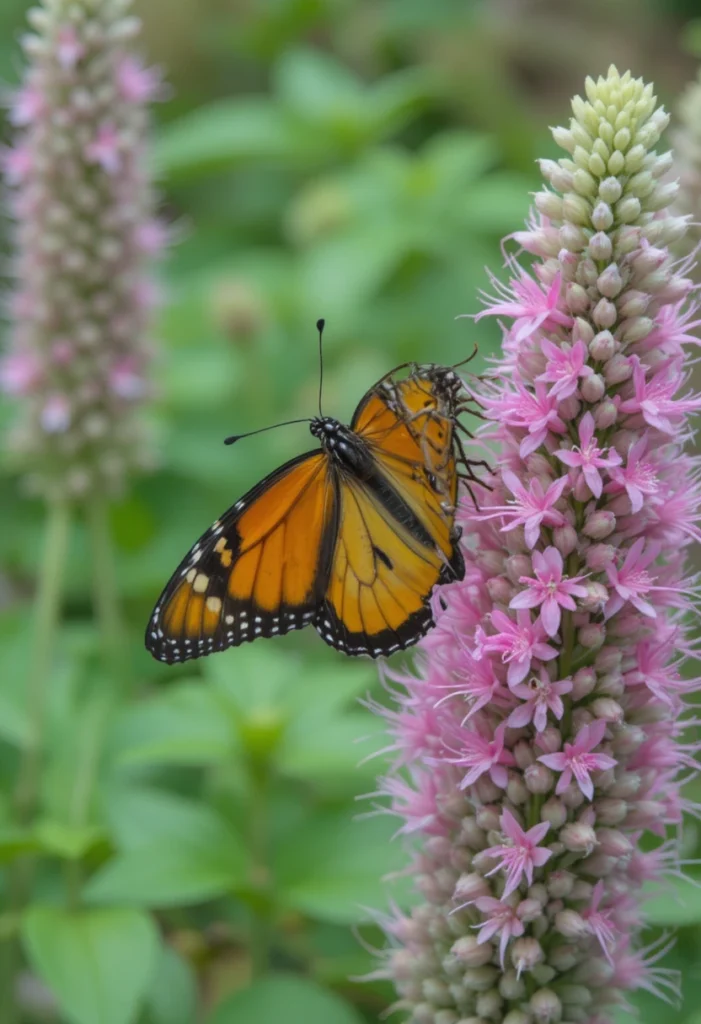
If you only add one host plant to your garden, make it milkweed. Milkweed is the host plant for the monarch butterfly, and its asclepias family includes over 100 native varieties across the U.S. Lawnstarter
Good options depending on your region include common milkweed, butterfly weed, and swamp milkweed. Since common and swamp milkweed both grow well in zones 3 through 9, one of these varieties is likely a fit no matter where you garden. Garden for WildlifeLawnstarter
Quick tip: Don’t panic when you see chewed, ragged milkweed leaves that’s exactly what you want. It means monarch caterpillars are actively feeding.
2. Add Purple Coneflower for Reliable, Long-Blooming Nectar
Purple coneflower is one of the most dependable nectar plants you can add to a butterfly garden. It attracts many butterfly species with its large, pink-purple flowers, and it’s widely available at most native plant nurseries. Garden for Wildlife
- Plant in full sun for the strongest bloom
- Group several together rather than planting single stems for a bigger visual and scent impact
- Deadhead spent blooms to encourage a longer flowering season
3. Include Joe Pye Weed for Late-Summer Monarch Fuel
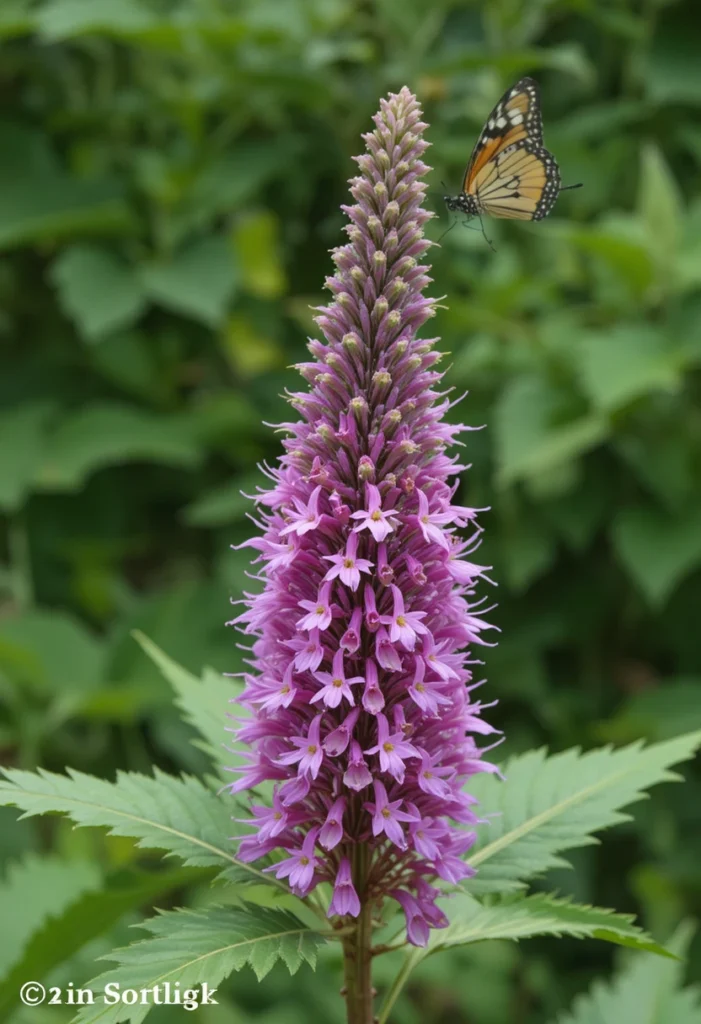
Here’s a plant most beginner gardens overlook, even though it’s a favorite among migrating monarchs. Despite its unassuming name, Joe Pye weed is a genuine butterfly magnet.
Joe Pye weed produces distinctive tall purple blooms with a vanilla scent, and it’s particularly attractive to monarch, tiger swallowtail, and viceroy butterflies. It’s especially valuable late in the season, right when monarchs need fuel for their long migration south. Lawnstarter
4. Plant Aster for the Most Important Late-Season Nectar Source
This is the plant that matters most if you want to support monarchs during migration season. Asters bloom later than most garden flowers, which makes them critical.
Aster is a valuable host plant for painted crescent and pearl crescent butterflies, and its prolific daisy-like blooms are an essential late-season food source for migrating monarchs. Buckeyes, skippers, admirals, and painted ladies are drawn to the flowers as well.
Read Also: 11 Scandinavian Home Decor Ideas for a Calm, Warm 2026 Space
5. Add Bee Balm for a Wide Range of Pollinators
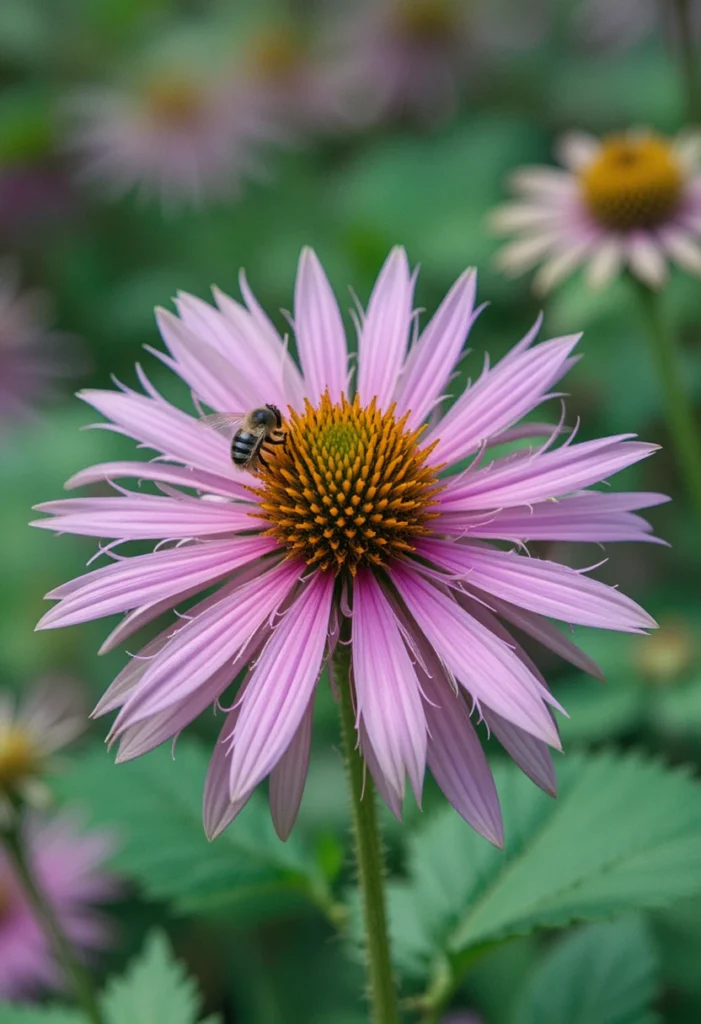
Bee balm’s tubular, nectar-rich flowers make it a favorite not just among butterflies but pollinators broadly. Its blooms serve as a food source for checkered white, silver-spotted skipper, swallowtails, and fritillaries. Garden Design
Bee balm also brings strong color and height variation to a garden bed, making it a good mid-to-back-row planting choice behind shorter blooms.
6. Choose Native Sage (Salvia) for Sun-Loving Nectar
If your garden gets consistent full sun, native salvia species are worth adding. The flowers of native sages make excellent nectar sources, and they tend to be a lower-maintenance option once established.
So what does this mean for you? A drought-tolerant plant that still pulls its weight as a reliable butterfly nectar source, even in hotter, drier garden zones.
7. Group Plants in Clusters, Not Single Stems
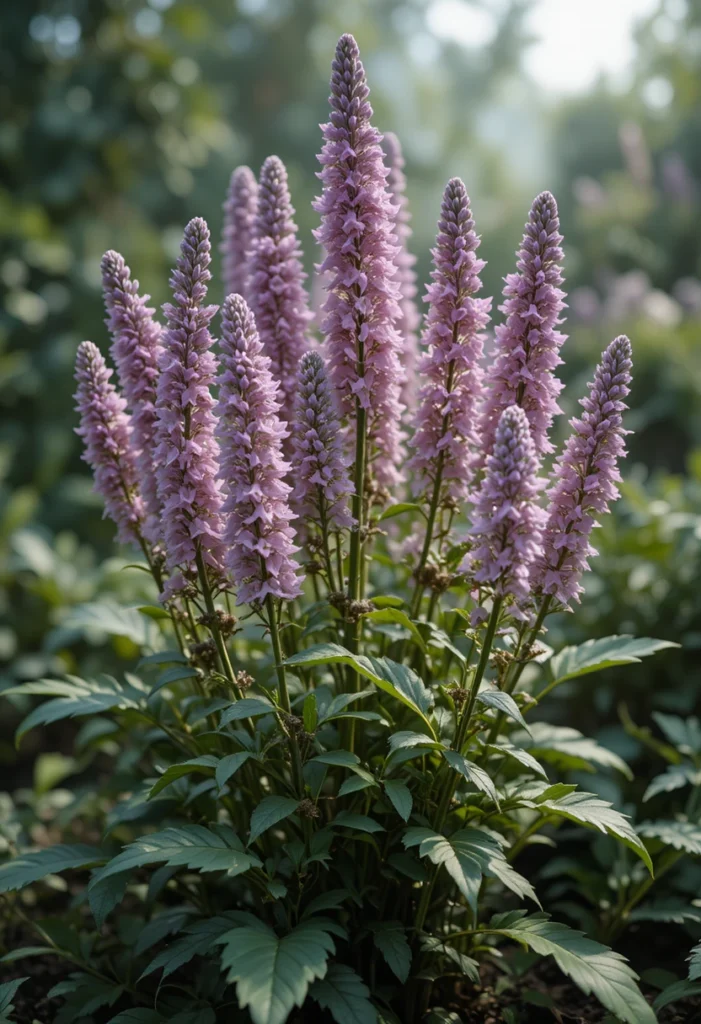
Here’s a design principle that changes how effective your entire garden is, not just what you plant. Planting the same species in groups means butterflies don’t need to travel as far between blooms, which keeps them in your garden longer.
- Cluster at least 3–5 of the same plant together rather than scattering single stems
- Repeat clusters throughout the garden rather than creating one isolated patch
- Choose plants from the sunflower family (Asteraceae) when possible, since their clustered small flowers let butterflies feed efficiently in one small area California Native Plant Society
8. Pick a Sunny, Wind-Sheltered Location
Where you plant matters just as much as what you plant. Butterflies depend on the sun’s warmth for mobility, since they’re cold-blooded, so their preferred nectar flowers tend to grow in full sun. At the same time, butterflies enjoy a location with good air circulation but not one that’s extremely windy. California Native Plant Society Missouri Botanical Garden
Look for a spot that gets several hours of direct sun daily but has some natural wind protection a fence line, hedge, or the side of your house all work well.
9. Add Willow If You Want to Support Unusual Feeders
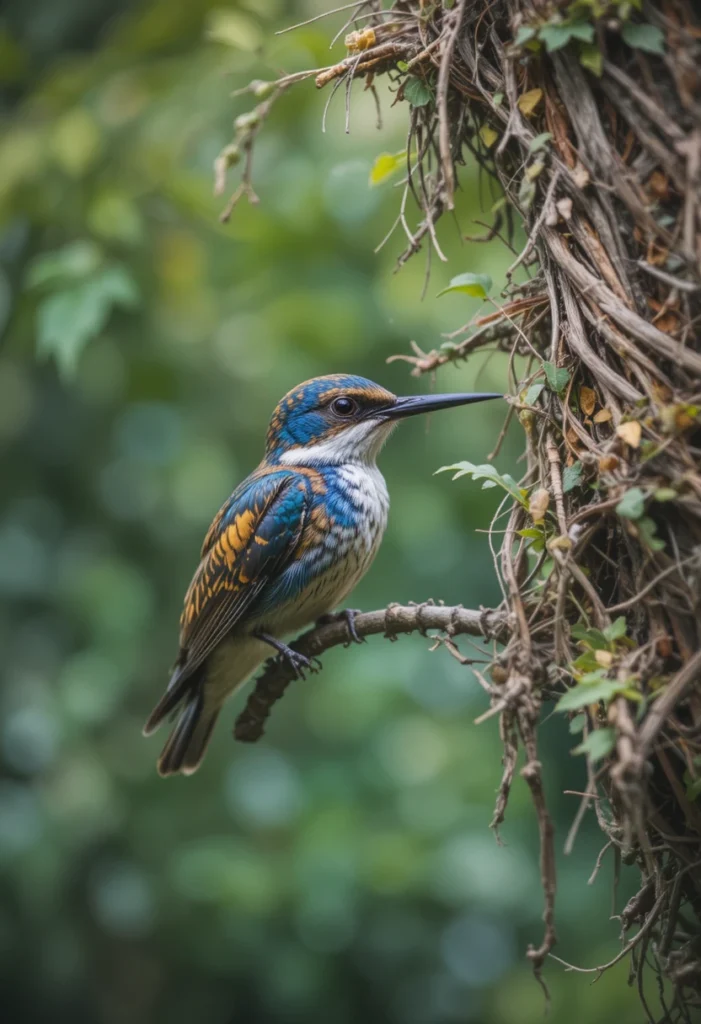
This is a fact that surprises most first-time butterfly gardeners. Not every butterfly feeds primarily on nectar. The mourning cloak butterfly actually prefers willow sap over nectar, and can be seen walking down willow trunks head-first.
If you have space for a small native willow, it’s a worthwhile addition purely for the butterfly species that rely on sap rather than flowers a detail most butterfly garden guides skip entirely.
10. Skip the Pesticides Completely
This might be the single most important “planting” decision that isn’t actually about plants at all. A pesticide-free approach is essential to creating a flourishing butterfly habitat, since pesticides don’t distinguish between garden pests and the caterpillars you’re trying to support. Garden for Wildlife
Quick recap: even the most perfectly chosen native plants won’t help much if pesticide use is killing off the caterpillars before they ever become butterflies.
11. Let Some Plants Look a Little Ragged (On Purpose)
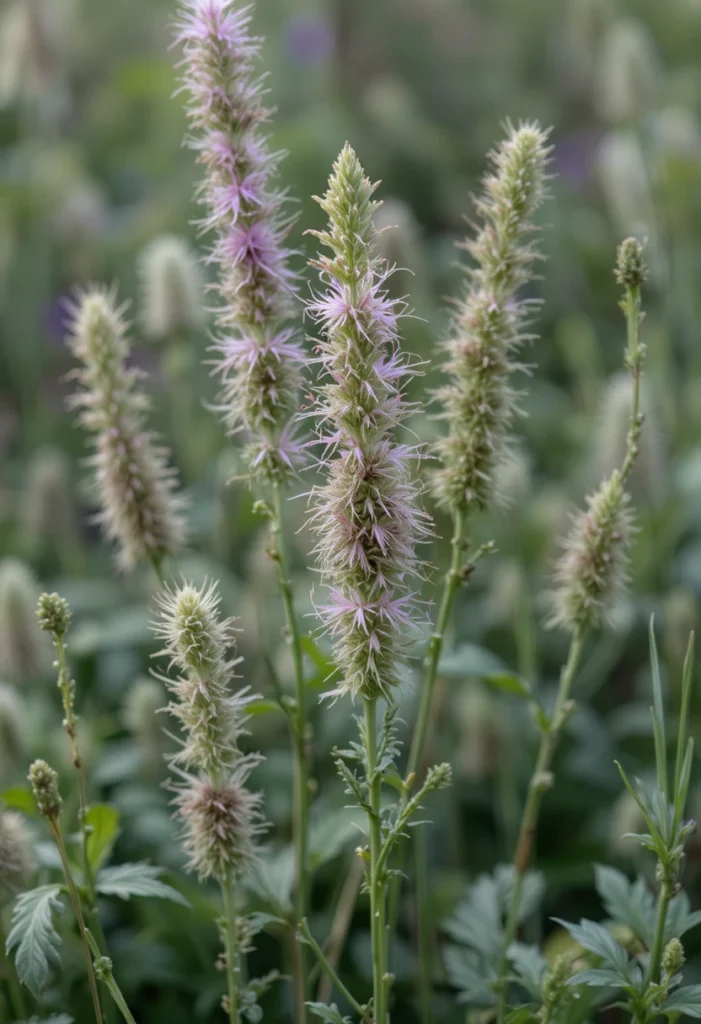
This is the mindset shift that separates a real butterfly garden from a purely decorative one. Host plants fed on by caterpillars may look a bit ragged, but that’s worth appreciating as part of nature rather than something to fix or, if the look bothers you, you can simply place those host plants in less conspicuous spots in your garden.
Resist the urge to reach for scissors every time a leaf gets chewed. Those chewed leaves are a sign your garden is doing exactly what it’s supposed to do.
Bonus: A Few More Native Butterfly Garden Ideas Worth Trying
Since you made it this far, here are a few extra ideas to round things out:
- Choose local genetic stock when possible local butterflies are best adapted to local native plants, not just native species in general California Native Plant Society
- Use the National Wildlife Federation’s host plant database entering your zip code surfaces hundreds of host plants sorted by butterfly or moth species specific to your area The Plant Native
- Add annuals for gap-filling color alyssum, lantana, zinnia, and Verbena binaries are popular annual nectar sources that fill in blooming gaps Wisconsin Horticulture
- Stagger bloom times planting several species with different flowering times keeps nectar available throughout spring, summer, and fall Wisconsin Horticulture
FAQ: Common Questions About Butterfly Gardens With Native Plants
Do I need a large yard to start a butterfly garden?
No a butterfly garden can be any size, from a few potted plants in a sunny spot to a small garden bed or a large open field. Wisconsin Horticulture
What’s the difference between a nectar plant and a host plant?
Nectar plants feed adult butterflies, while host plants are where butterflies lay eggs and caterpillars feed on the leaves a true butterfly garden needs both types. Garden for Wildlife
Why are native plants better than non-native flowers for butterflies?
Native plants are best because butterflies have adapted to using them over thousands of years, making them far more effective at supporting a butterfly’s full life cycle than non-native ornamentals. The Plant Native
Is it normal for my host plants to look chewed up?
Yes host plants fed upon by caterpillars often look ragged, and that’s a natural, healthy sign your garden is supporting the caterpillar stage of the butterfly life cycle. Missouri Botanical Garden
Final Thoughts on Butterfly Gardens With Native Plants
Building a butterfly garden isn’t about buying the prettiest flowers at the nursery it’s about understanding what butterflies actually need at every stage of their life, then choosing native plants that deliver it. Start with one solid host plant like milkweed, add a few reliable native nectar sources, skip the pesticides, and let a little “raggedness” happen where it needs to.