
You don’t need a shelf full of synthetic plant food to grow a jungle worth showing off. Some of the most effective fertilizer sitting in your home right now is already headed for the trash, banana peels, coffee grounds, eggshells, even the water leftover from boiling your dinner.
The catch is that “natural” doesn’t automatically mean “safe to dump on your plants without a second thought.” Used correctly, these ingredients feed your soil gently and sustainably. Used carelessly, they can attract pests, throw off your soil pH, or invite mold. This guide walks through 13 natural fertilizers that genuinely work, exactly how to use each one, and which plants respond best to them.
Save this now it’s the kind of reference you’ll want on hand every time you’re standing over the sink wondering whether to toss those eggshells or save them.
Quick Answer Before You Dive In
The best natural houseplant fertilizers deliver nitrogen (for leafy growth), phosphorus (for roots and blooms), and potassium (for overall plant health) using everyday materials like compost, banana peels, coffee grounds, and eggshells. Apply them sparingly during the active growing season (spring through early fall), always diluted or well-decomposed, and skip fertilizing entirely in winter when most houseplants are dormant.
Here’s the full breakdown, ingredient by ingredient.
Why Go Natural in the First Place
Synthetic fertilizers deliver nutrients fast, but that speed is exactly what makes them easy to overdo. A slightly heavy hand can burn roots or build up salts in the soil over time. Natural fertilizers release their nutrients slowly as soil microorganisms break them down, which makes them more forgiving for beginners and gentler on sensitive indoor root systems. They’re also free (or nearly free), reduce kitchen waste, and skip the synthetic runoff concerns entirely.
The trade-off: natural fertilizers work more slowly and are generally better for steady maintenance than for fixing a severe, already-visible nutrient deficiency.
1. Compost
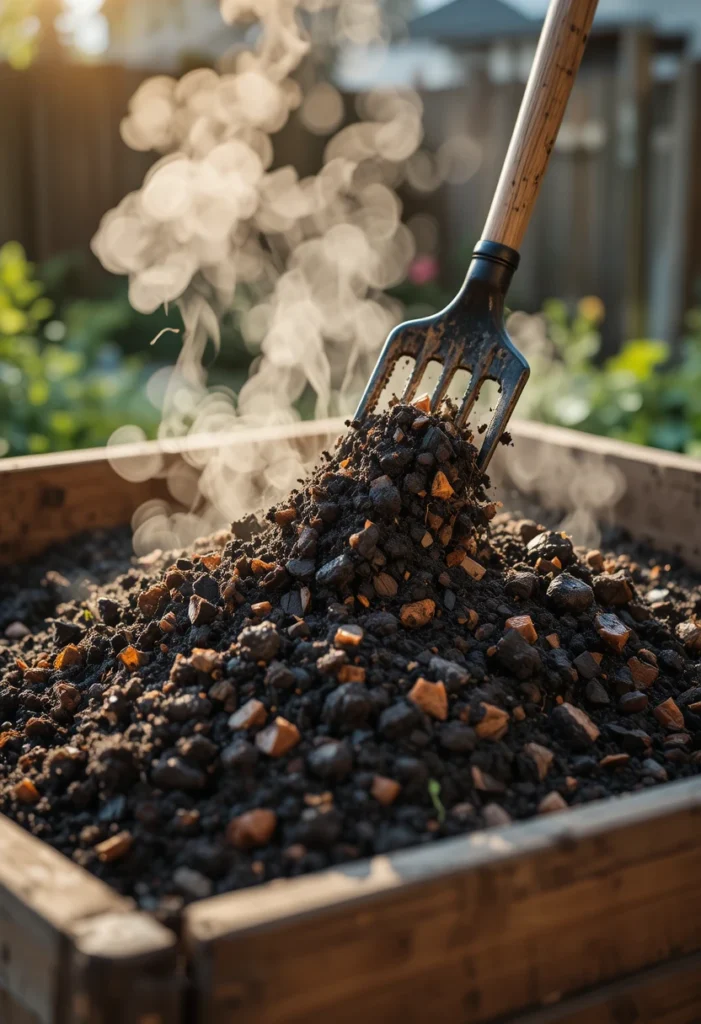
Finished compost is the gold standard of natural fertilizer. It’s balanced, nutrient-dense, and improves soil structure at the same time it feeds the plant.
How to use it: Mix a thin layer (about half an inch) into the top of the soil every couple of months during the growing season, or work a small amount in at repotting time. Avoid piling fresh, unfinished compost directly against the stem, which can encourage rot.
Best for: Nearly all houseplants, especially heavier feeders like fiddle leaf figs and monsters.
2. Compost Tea
If you want the benefits of compost in a liquid, easier to apply form, steep it into a “tea.” This method also introduces beneficial microbes directly into the root zone.
How to use it: Add a scoop of finished compost to a jar of water, let it steep for 24–48 hours, strain out the solids, and use the liquid to water your plants every 2–4 weeks during spring and summer.
Best for: Any houseplant, particularly ones that seem to be growing slowly despite good light and watering.
3. Banana Peels
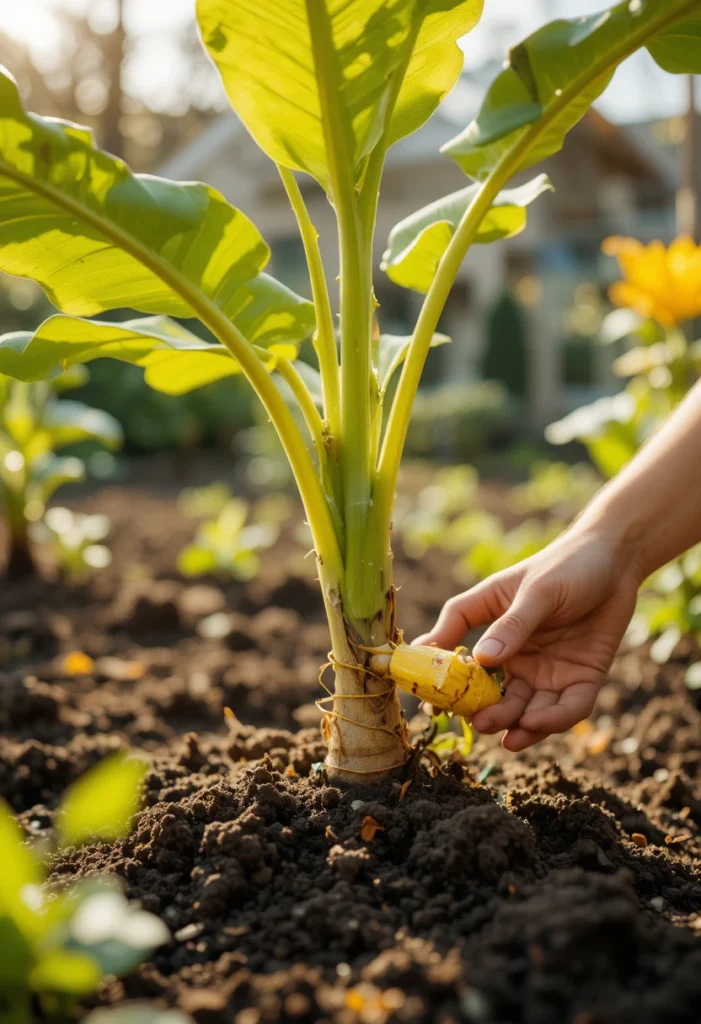
Banana peels are one of the most popular natural fertilizers for good reason; they’re rich in potassium, plus smaller amounts of phosphorus and magnesium, all nutrients tied to strong roots and healthy overall growth.
How to use it: Chop a peel and bury it just under the surface of the soil, or make banana peel water by submerging a peel in a jar of water for 2–3 days, then using the strained liquid to water your plant. Make sure peels stay fully submerged when soaking an exposed peel can mold.
Best for: Flowering houseplants and potassium-loving plants like African violets.
Save-worthy tip: Don’t have time to soak peels? Dry them in a low oven, grind them into a powder, and sprinkle a pinch directly into the soil, an instant, mess-free version of the same fertilizer.
4. Used Coffee Grounds
Coffee grounds add nitrogen along with small amounts of potassium, calcium, and magnesium, and they double as a mild soil conditioner that improves aeration over time.
How to use it: Let used grounds dry out completely before use to avoid mold, then either sprinkle a thin layer onto the soil surface or steep them in water overnight to make a liquid “coffee tea.” Use sparingly coffee grounds with lower soil pH, so they’re best reserved for acid-loving plants.
Best for: Ferns, African violets, and other acid-loving varieties. Go easy on succulents and cacti, which prefer more neutral, well-draining soil.
Read Also: 12+ Ways to Protect Plants From Frost (Before the Next Cold Snap Hits)
5. Eggshells
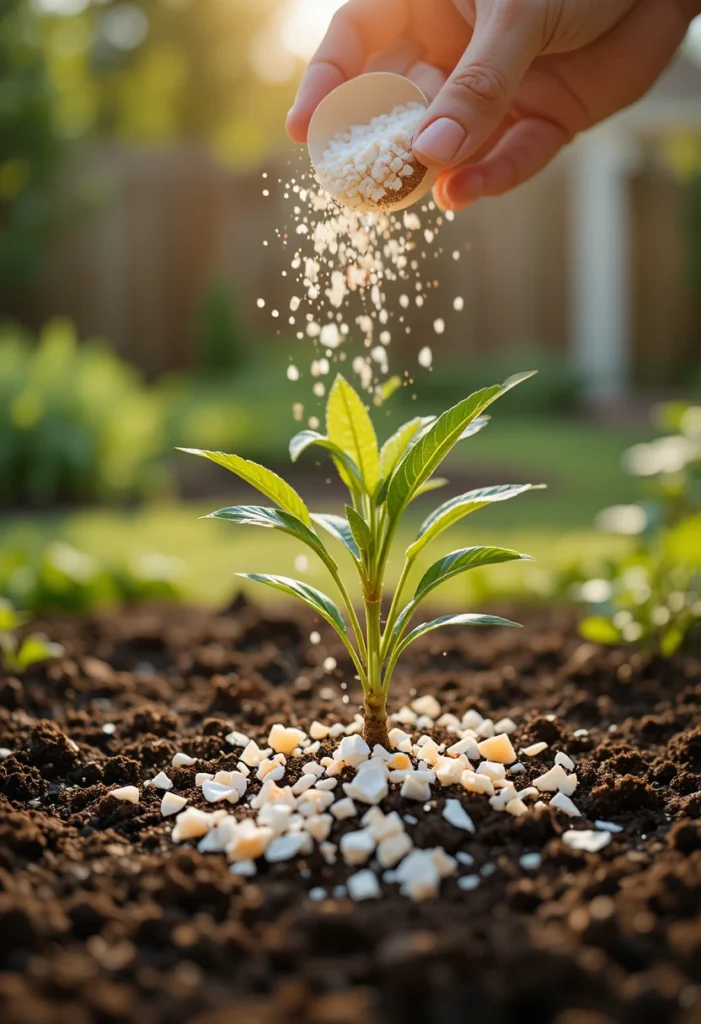
Eggshells are essentially pure calcium carbonate, which supports strong cell walls and helps prevent the kind of stunted, weak growth that comes from a calcium shortfall.
How to use it: Rinse shells clean, let them dry fully, then crush them into a fine powder (a blender or a sealed bag and a rolling pin both work) and mix it into the top layer of soil. For a faster-acting version, steep crushed shells in boiling water overnight, strain, and use the liquid the next time you water.
Best for: Nearly all houseplants are one of the safest natural fertilizers to keep on hand consistently.
6. Used Green Tea Leaves
Green tea is rich in tannic acid and trace nutrients, and it has the added benefit of slightly lowering soil pH useful for acid-loving houseplants that often struggle in typical tap-water-fed indoor soil.
How to use it: Empty a used tea bag directly onto the soil surface, or brew the leaves separately, let the liquid cool completely, and water your plant with it as you normally would.
Best for: African violets, begonias, and other acid-preferring houseplants.
7. Epsom Salt
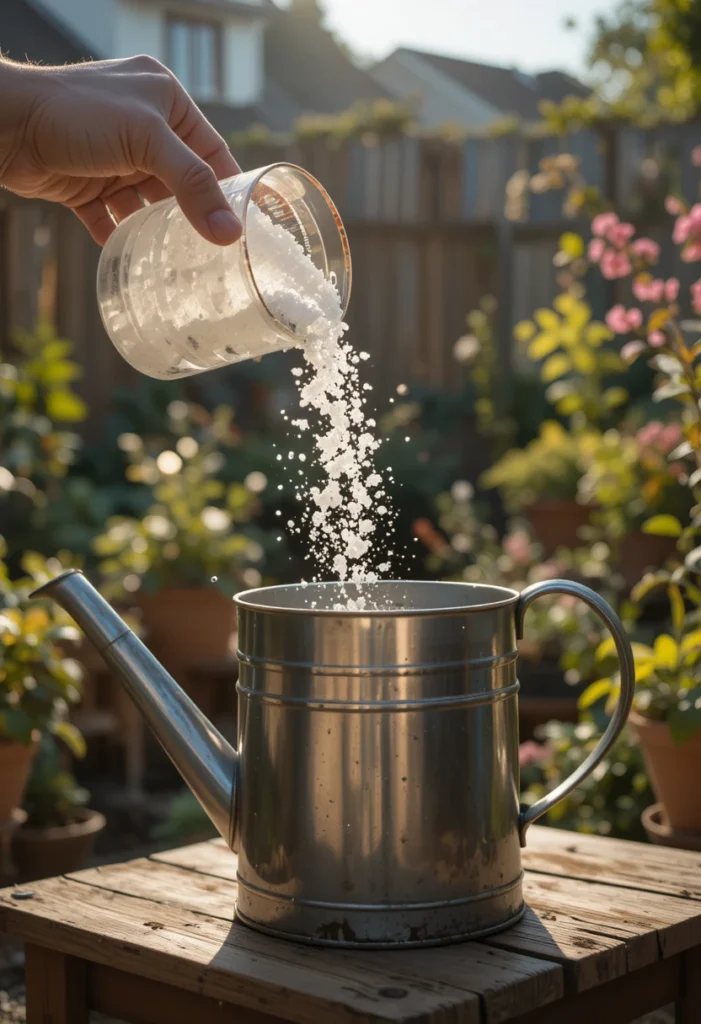
Epsom salt isn’t a true salt in the plant-harming sense it’s magnesium sulfate, and both minerals play a role in photosynthesis and overall plant vigor, especially in plants that have been in the same soil for a long stretch without fresh nutrients.
How to use it: Dissolve one tablespoon of Epsom salt into one gallon of water and use it to water your plants roughly every two weeks during the growing season. Never apply it undiluted directly onto soil or leaves.
Best for: Plants showing pale or yellowing leaves between the veins, a common sign of magnesium deficiency.
8. Aquarium Water
If you keep a fish tank, you’re sitting on a ready-made liquid fertilizer every time you do a water change. Fish waste breaks down into nitrogen-rich compounds that leafy houseplants put to immediate use.
How to use it: Use the cloudy water from a routine freshwater tank cleaning to water your plants in place of plain water. Only use water from tanks without added chemical conditioners, and avoid this method for edible plants.
Best for: Fast-growing, leafy houseplants like pothos, philodendrons, and dumb cane.
9. Rice Water
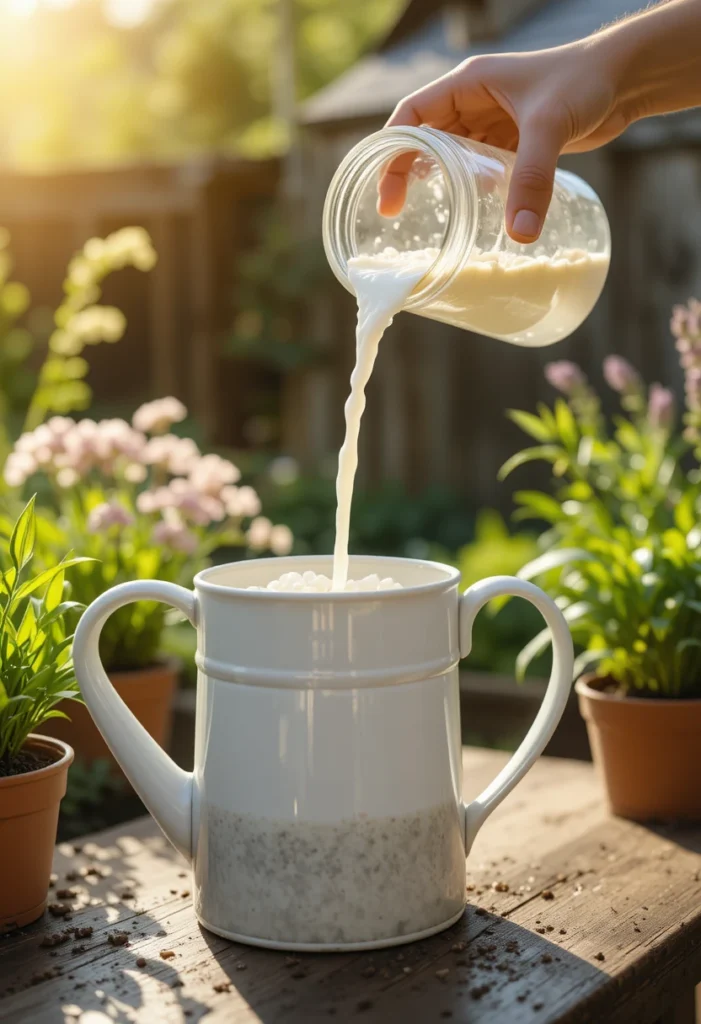
The starchy water left over from rinsing or cooking rice contains trace minerals and organic compounds that support beneficial microbial activity in the soil essentially feeding the soil ecosystem that in turn feeds your plant.
How to use it: Save the water from rinsing uncooked rice (unsalted, unseasoned) or let cooking water cool completely, then use it in place of a regular watering. Once every couple of weeks during the growing season is plenty.
Best for: General maintenance feeding across most houseplant varieties.
10. Cooled Vegetable Cooking Water
Similar logic to rice water, the water left behind after boiling or steaming vegetables carries some of the nutrients that leached out during cooking, and it would otherwise go straight down the drain.
How to use it: Let the water cool to room temperature, make sure it’s unsalted and unseasoned, and use it to water your plants as normal. Skip water from strong-smelling vegetables like broccoli or cabbage, which can leave an odor.
Best for: Any houseplant, as an easy way to squeeze extra value out of something you’re already cooking.
11. Worm Castings
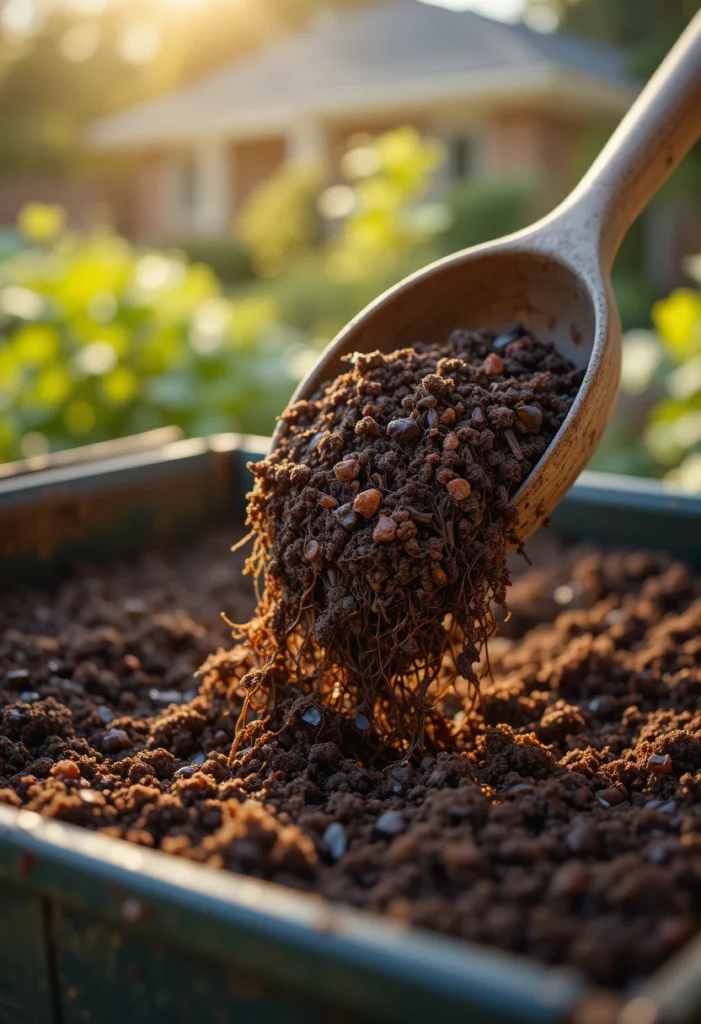
Worm castings (sometimes sold as “worm tea” concentrate) are considered one of the most nutrient-dense natural fertilizers available, packed with beneficial microorganisms that help roots absorb nutrients more efficiently.
How to use it: Mix a thin layer of castings into the top of the soil every 6–8 weeks, or steep them in water for a day or two to create a liquid feed. A little goes a long way here.
Best for: Slow-growing or recovering plants that need a nutrient boost without any risk of burning tender roots.
12. Molasses
Unsulfured blackstrap molasses supplies trace minerals like iron and sulfur, along with carbon that helps feed the beneficial microbes living in your soil.
How to use it: Mix one teaspoon of molasses into one quart of water and use it to water your plants once a month at most. It’s a supplement, not a primary fertilizer, so treat it as an occasional boost rather than a regular routine.
Best for: Established houseplants that already get a base level of feeding from another source on this list.
13. Wood Ash (Used Sparingly)
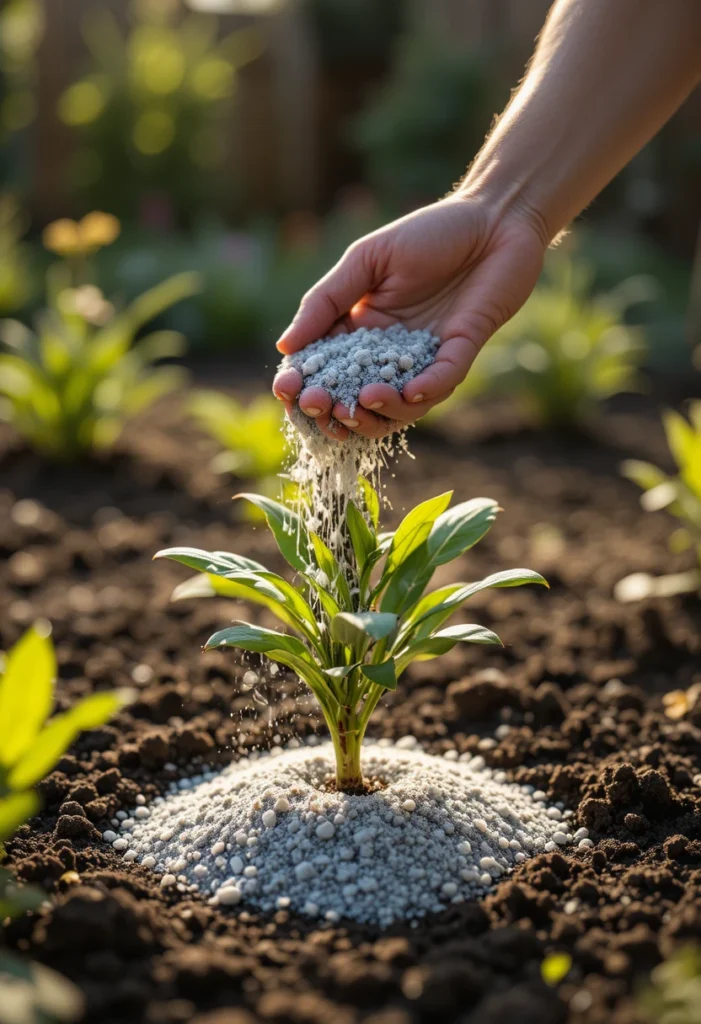
Wood ash from an untreated wood fire is rich in potassium and calcium, and it can gently raise soil pH useful only for plants that specifically tolerate a more alkaline environment.
How to use it: Sprinkle a very small amount onto the soil surface no more than once or twice a year, and only for plants that aren’t acid-loving. Never use ash from charcoal briquettes or treated wood, which can contain harmful additives.
Best for: Alkaline-tolerant houseplants only this one is more niche than the others on this list, so use it with more caution than the rest.
Two Popular “Natural Fertilizers” That Don’t Actually Work
Not everything that circulates online as a plant hack holds up. Two worth specifically avoiding:
- Sugar water: Plants don’t absorb sugar the way they absorb actual nutrients, and sugar water can disrupt the natural microbial balance in your soil and attract pests.
- Baking soda: Frequently suggested as a quick fix, but it alters soil pH in ways that are more likely to stress your plant than help it.
Save-worthy summary: if a “fertilizer” tip involves something from your pantry that isn’t compost, a kitchen scrap, or a mineral like Epsom salt, look it up before trying it; not every viral hack is harmless.
How to Avoid Common Natural Fertilizer Mistakes
- Always dilute liquid fertilizers. Even natural ingredients can burn roots at full strength.
- Use only well-decomposed or fully cooled materials. Fresh scraps or hot liquids can cause mold, rot, or root damage.
- Stick to the growing season. Fertilizing during fall and winter dormancy does more harm than good for most houseplants.
- Test on one plant first. Before applying a new fertilizer across your whole collection, trial it on a single plant and watch for a few weeks.
- Watch your soil pH over time. Ingredients like coffee grounds and green tea gradually acidify soil, great for acid-loving plants, but worth monitoring if you use them regularly on plants that prefer neutral soil.
When to Reach for a Store-Bought Organic Fertilizer Instead
DIY options are excellent for steady maintenance, but they’re not always precise enough to correct a specific, visible nutrient deficiency, persistent yellowing, stunted growth, or poor flowering despite good care. In those cases, a balanced, pelted organic fertilizer with a clearly labeled NPK ratio can fill the gap more reliably than kitchen scraps, while still keeping your plant care chemical-free.
Frequently Asked Questions
How often should I fertilize my houseplants naturally?
Most natural fertilizers work well applied every 2–4 weeks during spring and summer, tapering off in early fall and stopping entirely in winter when growth slows down.
Can I mix multiple natural fertilizers together?
You can, but introduce them one at a time rather than combining several new ingredients at once. This makes it much easier to tell what’s working and to spot the source if a plant reacts poorly.
Is coffee ground fertilizer bad for all houseplants?
Not bad, but not ideal for everything. Because it gradually lowers soil pH, it’s best reserved for acid-loving plants like ferns and African violets rather than used across your entire collection.
Do natural fertilizers attract pests?
They can, if scraps aren’t fully dried, decomposed, or diluted before use. Fresh, unprocessed food waste left sitting on top of soil is the most common culprit, always dry, steep, or fully compost ingredients first.
What’s the single best natural fertilizer for a beginner to start with?
Crushed eggshells or a simple compost tea are the easiest, lowest-risk places to start. Both are gentle, hard to overdo, and beneficial for nearly every houseplant.
The Bottom Line
You don’t need a cabinet full of specialty products to keep your houseplants well fed. Between compost, banana peels, coffee grounds, and eggshells alone, most kitchens already generate everything a healthy plant collection needs; the rest is just knowing which scrap suits which plant, and using it in moderation..

