
You’ve got a balcony, a tiny patio, or maybe just one blank fence and every gardening account you follow makes it look like you need a sprawling backyard to grow anything worthwhile. You don’t. Some of the most productive, jaw-dropping gardens out there belong to people with almost no ground space at all.
The trick is simple: when you can’t grow outward, you grow up. Vertical gardening lets you stack an entire garden’s worth of herbs, flowers, and vegetables into the space a single planter used to take.
Below are 14+ real, doable vertical garden ideas from five-dollar DIY projects to statement living walls so you can turn whatever small space you’re working with into something genuinely lush. Keep reading, because idea #9 turns something most people throw away into one of the cheapest vertical gardens on this whole list.
Why Vertical Gardening Works So Well in Small Spaces
Growing upward instead of outward does more than save floor space. It also improves air circulation around your plants (which helps prevent disease), makes watering and harvesting easier since there’s no bending or crouching, and turns a blank wall or fence into a living focal point instead of dead space. In small yards, balconies, and apartments especially, it’s often the difference between “no room to garden” and a genuinely productive setup.
14+ Vertical Garden Ideas for Small Spaces
1. Wall-Mounted Pocket Planters
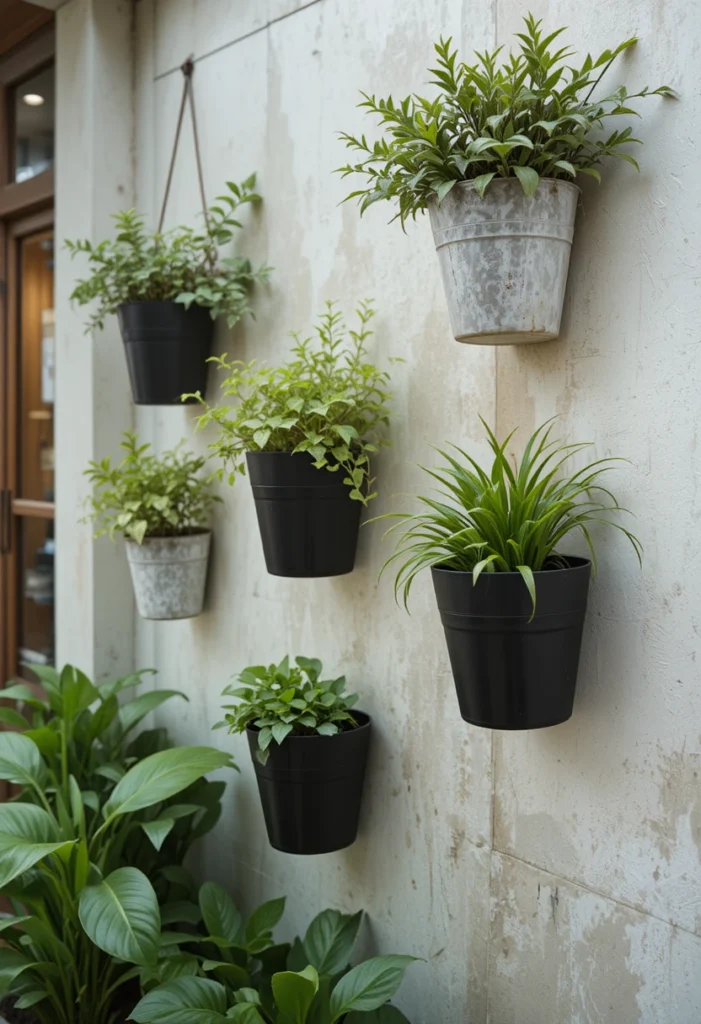
Fabric or felt pocket systems hang flat against a wall or fence and hold individual pockets of soil, letting you grow a whole row of herbs, lettuce, or compact flowers in barely any depth at all. This is one of the most beginner-friendly options on this list since most kits are ready to hang straight out of the box.
2. A Classic Trellis for Climbing Plants
Beans, peas, cucumbers, and even small tomato varieties will happily climb a simple trellis instead of sprawling across the ground. Lean it against a wall, stake it into a planter box, or set it freestanding either way, you instantly double your growing area.
3. Repurposed Pallet Garden
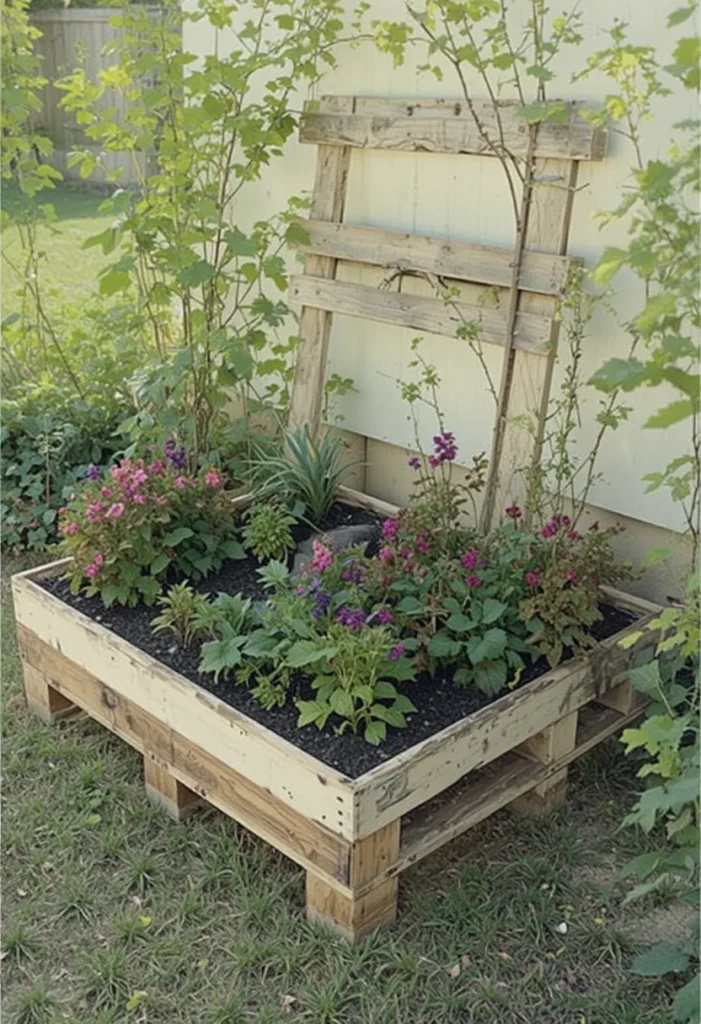
An old wooden pallet, stood upright and lined with landscape fabric, becomes an instant multi-tiered planter for herbs or shallow-rooted flowers. It’s one of the most budget-friendly vertical projects around, and it works beautifully leaned against a fence or wall.
4. Hanging Baskets, Stacked at Different Heights
Instead of one hanging basket, hang three or four at staggered heights down a porch beam, pergola, or balcony railing. Trailing plants like petunias, strawberries, or trailing herbs fill in beautifully and create a lush, layered look.
Read Also: 13 Natural Fertilizers for Houseplants That Actually Work (No Harsh Chemicals Required)
5. A Tiered Plant Stand
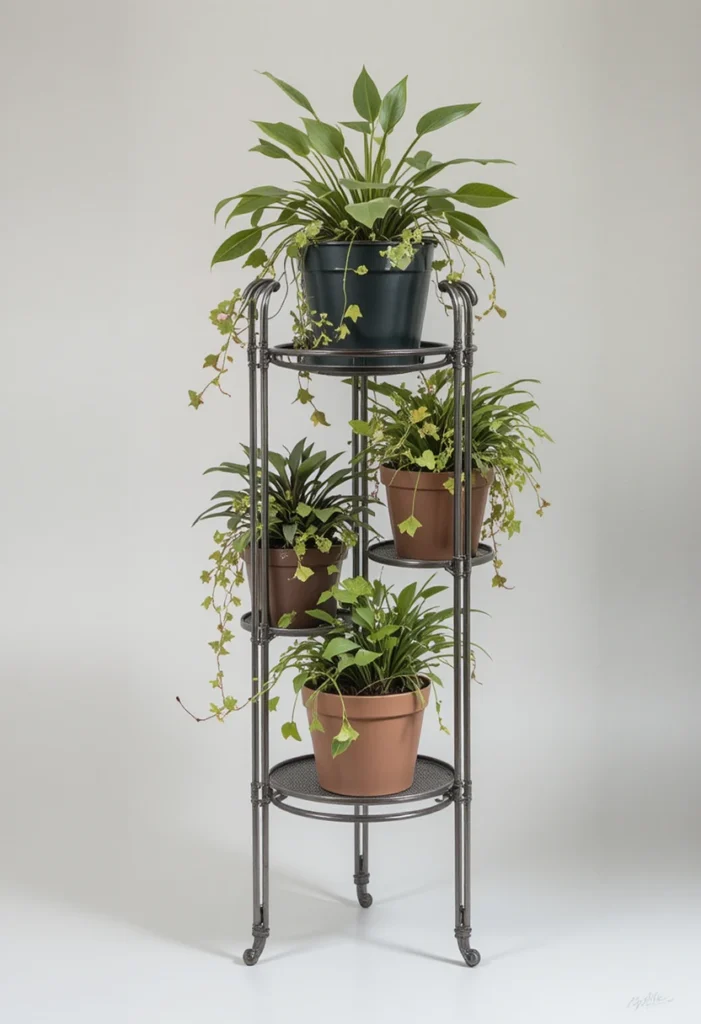
A simple ladder-style or tiered stand lets you group multiple pots vertically in a tiny footprint perfect for a patio corner or apartment balcony where floor space is at an absolute premium.
6. Window Boxes (Not Just for Windows)
Window boxes aren’t limited to windows. Mount them along a deck railing, a balcony rail, or even hang them from a fence, and you’ve got an instant vertical planting row without needing any ground space at all.
7. A Living Wall Panel
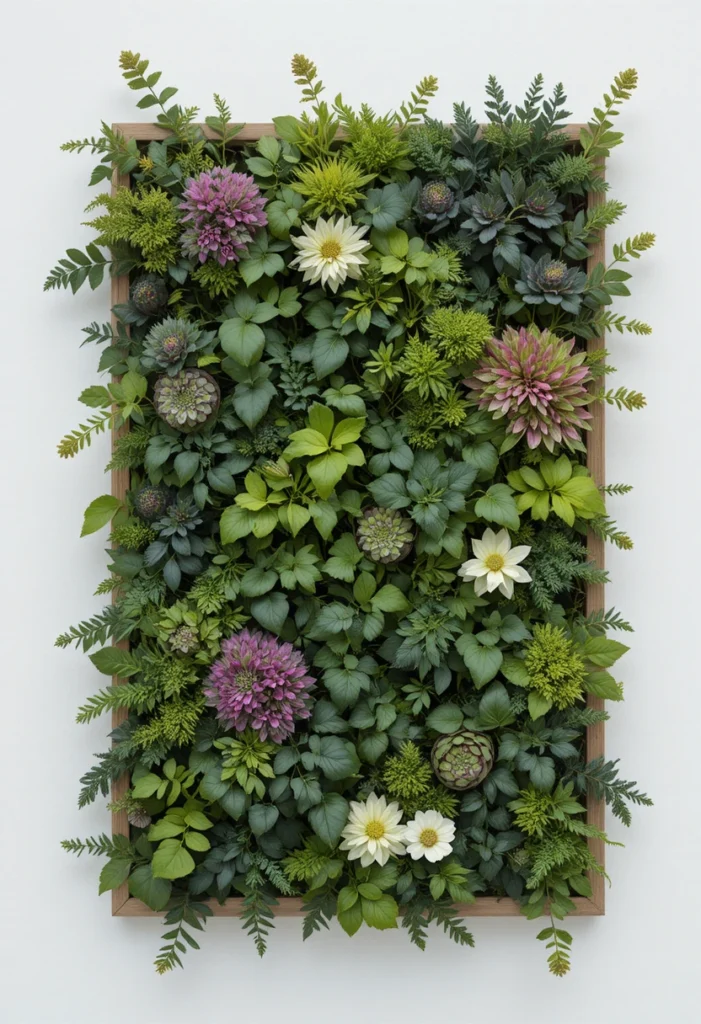
For a true showstopper, modular living wall systems hold dozens of small plants in a vertical grid against any wall. They take more setup than most ideas on this list, but the payoff is a dramatic, gallery-worthy green wall in a footprint of almost nothing.
Save this for later: a living wall works just as well indoors as outdoors, making it one of the only ideas here that solves a totally plant-free apartment too.
8. Vertical Herb Garden on a Door or Fence
Hooks, small planters, or a repurposed shoe organizer mounted on an unused fence, shed door, or fence panel create an entire kitchen herb garden in a space you weren’t using for anything anyway.
9. Recycled Rain Gutters
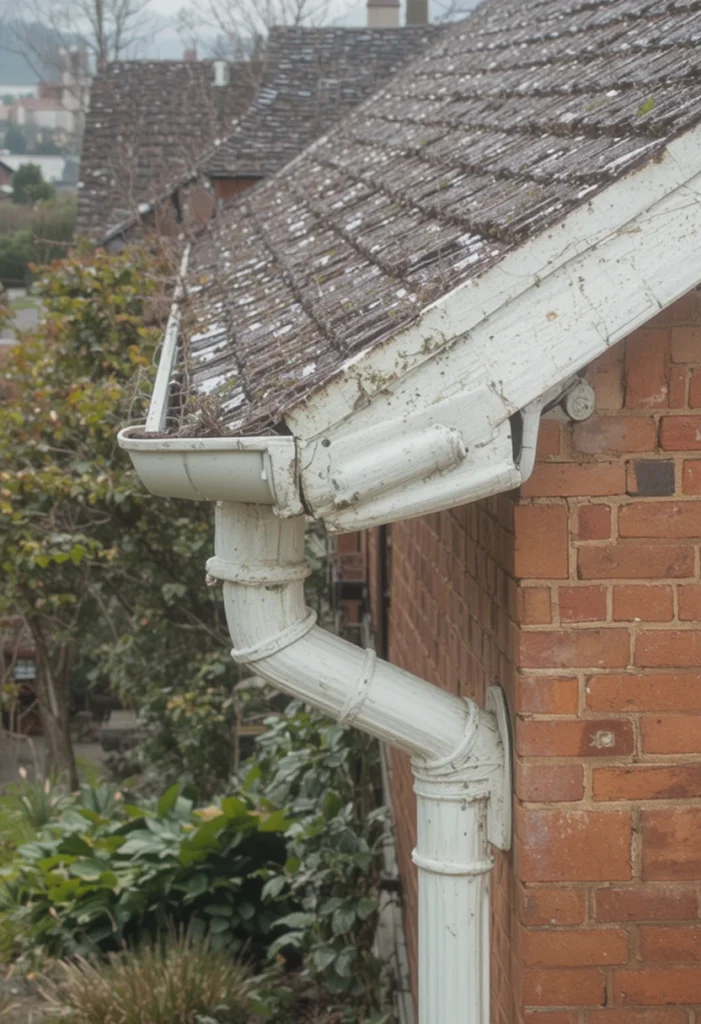
Cut lengths of rain gutter, cap the ends, drill drainage holes, and mount them horizontally in a stacked row up a wall or fence. It’s an almost-free way to grow shallow-rooted greens like lettuce, strawberries, or herbs in tight rows.
10. A Teepee Trellis
Lash a few sturdy branches or bamboo stakes together in a teepee shape and let vining plants like beans or peas climb the whole structure. It doubles as a striking garden feature and works well freestanding in a small bed or large container.
11. Stacked Crate Planters
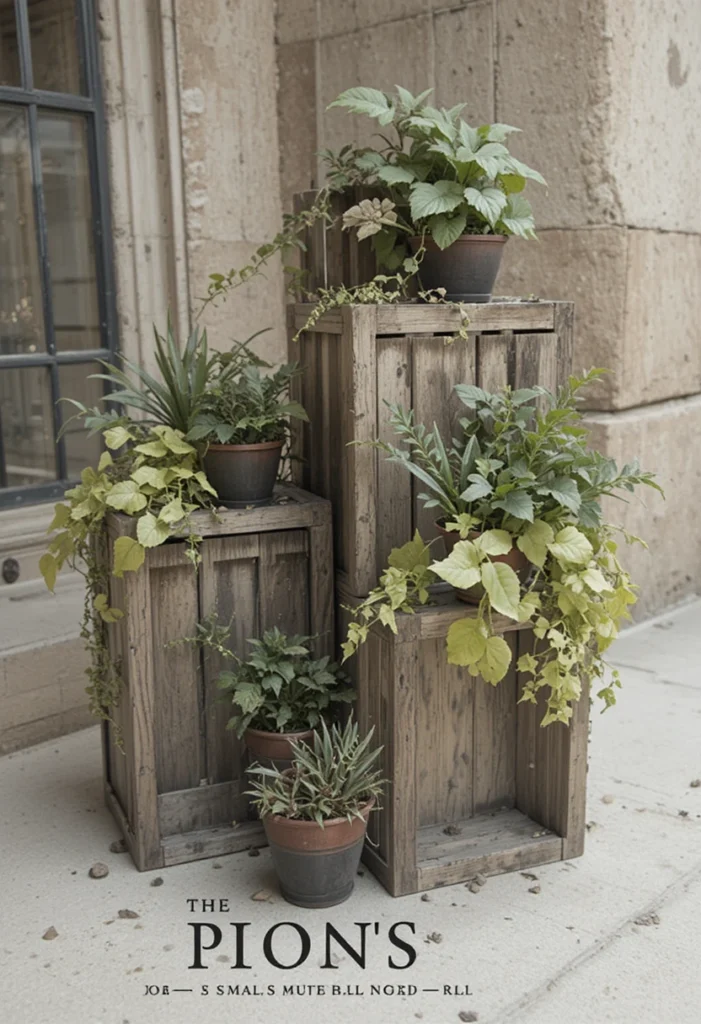
Wooden or plastic crates stacked and staggered create instant vertical planting tiers, and because each crate is its own container, you can mix and match soil types for different plants in the same structure.
12. Balcony Railing Planters
Purpose-made planters that clip directly onto a railing let you use the one piece of “wall space” every balcony already has, without taking up an inch of the floor you actually walk on.
13. A Freestanding A-Frame Trellis
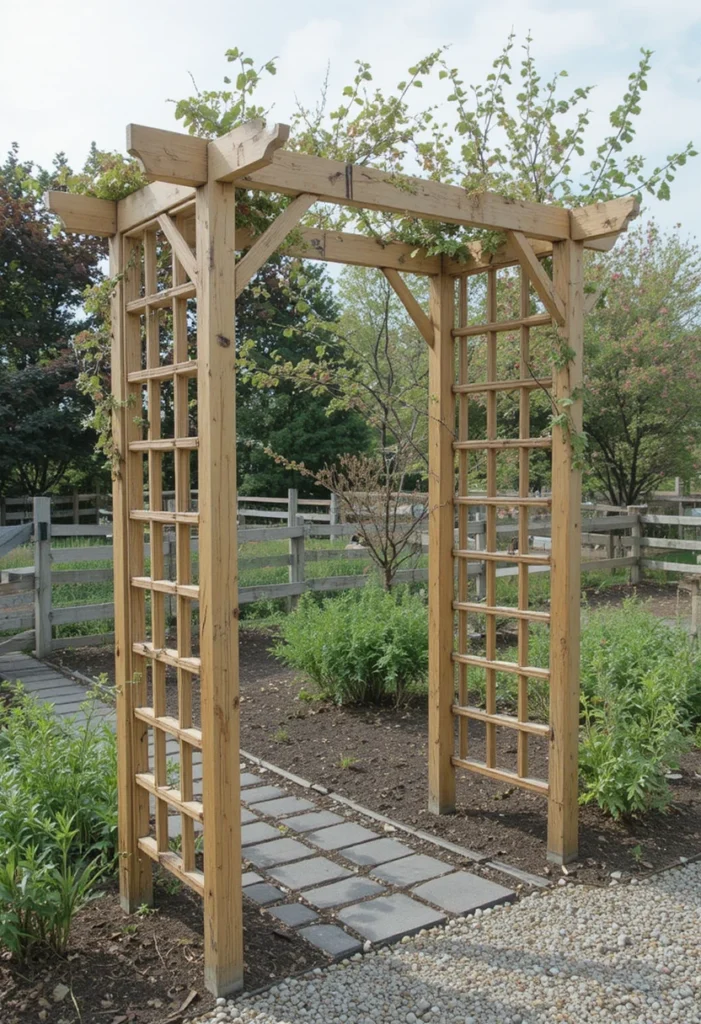
An A-frame structure straddles a bed or container and gives climbing plants support on both sides at once a great option if you don’t have a wall or fence to lean anything against.
14. Shoe Organizer Planter
An over-the-door fabric shoe organizer, hung on a fence or wall, turns dozens of individual pockets into an instant grid of mini planters ideal for a compact herb or succulent garden that costs almost nothing to set up.
15. Arbor With Climbing Vines
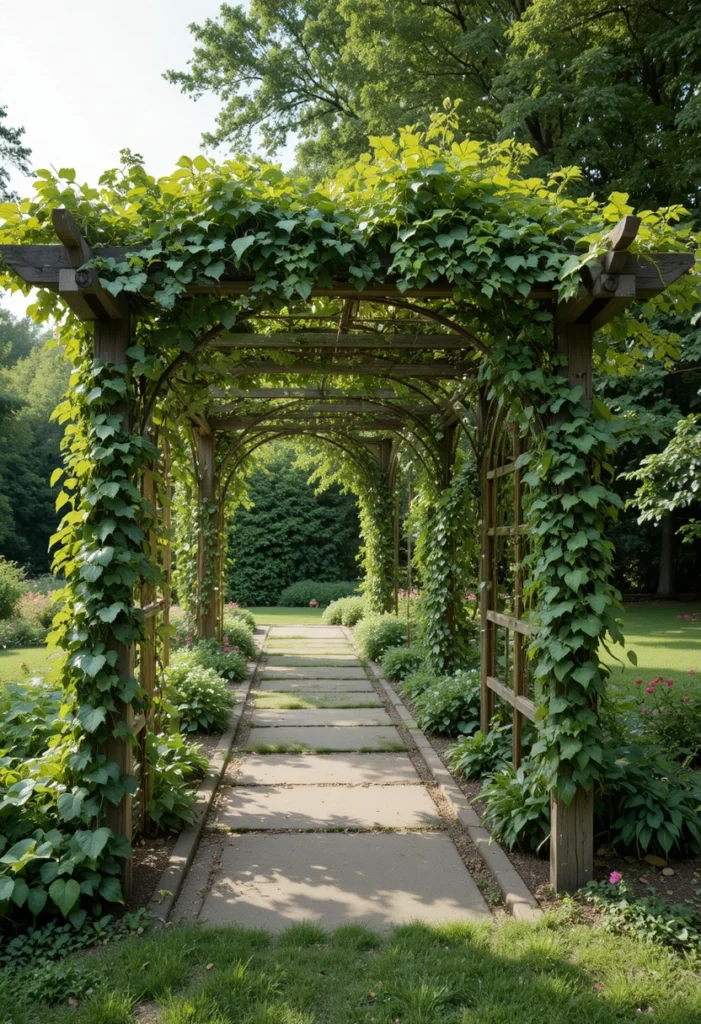
An arbor over a doorway, gate, or path adds vertical growing space while doing double duty as a garden feature climbing roses, clematis, or edible vines like grapes all thrive trained up and over an arbor frame.
Best Plants for Vertical Gardens
Not every plant is suited to growing vertically. Look for:
Herbs basil, thyme, parsley, mint
Shallow-rooted vegetables lettuce, spinach, strawberries
Natural climbers peas, pole beans, cucumbers, small squash varieties
Compact or trailing flowers petunias, nasturtiums, trailing lobelia
Tip: For plants that don’t naturally climb, like tomatoes, use ties, clips, or a cage to train them up your support structure.
Tips for Setting Up Your Vertical Garden
- Choose a support that matches your space. A wall-leaning trellis needs no ground anchoring; a freestanding structure needs staking, especially in wind.
- Prioritize drainage in every container, pocket, or repurposed vessel vertical setups can dry out faster or trap excess water depending on design.
- Water more frequently. Vertical planters, especially fabric pockets and gutters, tend to hold less soil volume and dry out faster than ground beds.
- Think about weight. Wet soil is heavy make sure whatever you’re mounting to (wall, fence, railing) can support it.
Frequently Asked Questions
Can I do vertical gardening indoors?
Yes living wall panels, tiered plant stands, and hanging planters all work well indoors near a bright window.
What’s the cheapest way to start a vertical garden?
Repurposed materials like pallets, rain gutters, and shoe organizers cost almost nothing and can be set up in an afternoon.
Do vertical gardens need more watering than regular gardens?
Generally yes, since many vertical containers hold less soil and drain faster check moisture more often than you would with an in-ground bed.
What vegetables grow best vertically?
Vining vegetables like beans, peas, cucumbers, and small squash varieties naturally take to trellises and vertical supports.
Is vertical gardening good for a balcony with no soil access?
Yes railing planters, hanging baskets, and container-based trellises are all self-contained and need no ground soil at all.
How much weight can a fence or wall typically hold for a living wall?
It varies widely by structure, so check the mounting weight limits of your specific wall or fence before installing a heavier system like a modular living wall.
Final Thoughts
A small space isn’t a reason to skip gardening it’s just a reason to grow in a different direction. Whether you start with a five-dollar pallet project or work up to a full living wall, every idea on this list turns unused vertical space into something green, productive, and genuinely yours.