
If you’ve ever stood over a succulent with a watering can, second-guessing yourself for the third time this week, you’re not alone. Succulents are famous for being “easy,” but watering them is the one place beginners consistently trip up not because it’s complicated, but because almost every piece of generic plant advice works against them here.
Here’s the truth: there is no single magic number of days between waterings. The right frequency depends on your pot, your light, your climate, and the specific succulent sitting in front of you. But once you understand the handful of factors that actually matter, you’ll never have to guess again.
Save this guide it’s the kind of reference that’s genuinely more useful the fifth time you read it than the first.
Quick Answer Before You Dive In
Most succulents should be watered every 1–2 weeks during their active growing season (typically spring and summer) and every 3–6 weeks during dormancy (typically fall and winter), but the real rule is simpler than any calendar: water thoroughly, then wait until the soil is completely dry before watering again. Everything below explains how to figure out exactly what that means for your plant.
1. Throw Out the Calendar Use the “Soak and Dry” Method Instead
The single biggest mindset shift for succulent watering is this: stop thinking in terms of a fixed schedule and start thinking in terms of a cycle. The “soak and dry” method means watering thoroughly until water runs from the drainage hole, letting all the excess drain away, and then doing nothing at all until the soil is completely, totally dry again.
This mimics how succulents experience water in their native habitats, long dry stretches punctuated by an occasional heavy soak, rather than small, frequent sips. A rigid every-Sunday watering habit is one of the most common ways well-meaning owners accidentally overwater.
2. Use the General Frequency Ranges as a Starting Point, Not a Rule
With that said, it helps to have a baseline to work from while you learn your plant’s rhythm. As a general guideline:
- Growing season (spring/summer): every 7–14 days
- Dormant season (fall/winter): every 3–6 weeks, sometimes longer
Treat these ranges as a starting point you’ll adjust based on the more specific factors below, not a fixed rule to follow blindly regardless of conditions.
3. Always Check the Soil Before You Water Never Guess
Before watering, push a finger or a wooden skewer about two inches into the soil. If you feel any moisture at all, or if soil clings to the skewer, wait. Only water once that top couple of inches ideally the whole root zone is bone dry.
Save-worthy tip: if you tend to forget how long it’s been, jot the date on a small piece of tape on the pot rather than relying on memory. It removes the guesswork entirely.
4. Know Whether Your Succulent Is a Summer Grower or a Winter Grower
Most succulents grow actively in spring and summer and rest in fall and winter but not all of them. Certain varieties, like Aeonium and many Haworthias, actually flip this pattern, growing through the cooler months and going dormant in the heat of summer.
Before you settle into a routine, do a quick check on your specific variety. If your succulent is putting out new growth during what you assumed was its “dormant” season, water it on the more frequent schedule instead its dormancy period is happening at the opposite time of year.
Read Also: 11+ Garden Edging Ideas That Look Expensive (But Aren’t)
5. Adjust for Indoor vs. Outdoor Growing

Indoor succulents are shielded from wind, direct sun intensity, and rapid evaporation, so they typically dry out more slowly and need less frequent watering than the same plant grown outdoors. Outdoor succulents in hot, dry, or windy conditions can dry out fast enough to need watering multiple times a week during peak summer heat.
If you move a succulent from indoors to an outdoor patio for the summer, expect to water it noticeably more often than you did inside.
6. Factor In Your Pot’s Material
The material your succulent is planted in changes how quickly the soil dries out, sometimes dramatically:
- Unglazed terracotta or clay: porous and breathable dries out fastest, so it needs more frequent watering.
- Plastic or glazed ceramic: doesn’t allow moisture to evaporate through the sides and dries out slower, so it needs less frequent watering.
If you recently switched pot materials and your watering routine hasn’t changed, that mismatch is a common hidden cause of sudden overwatering or underwatering symptoms.
7. Factor In Pot Size
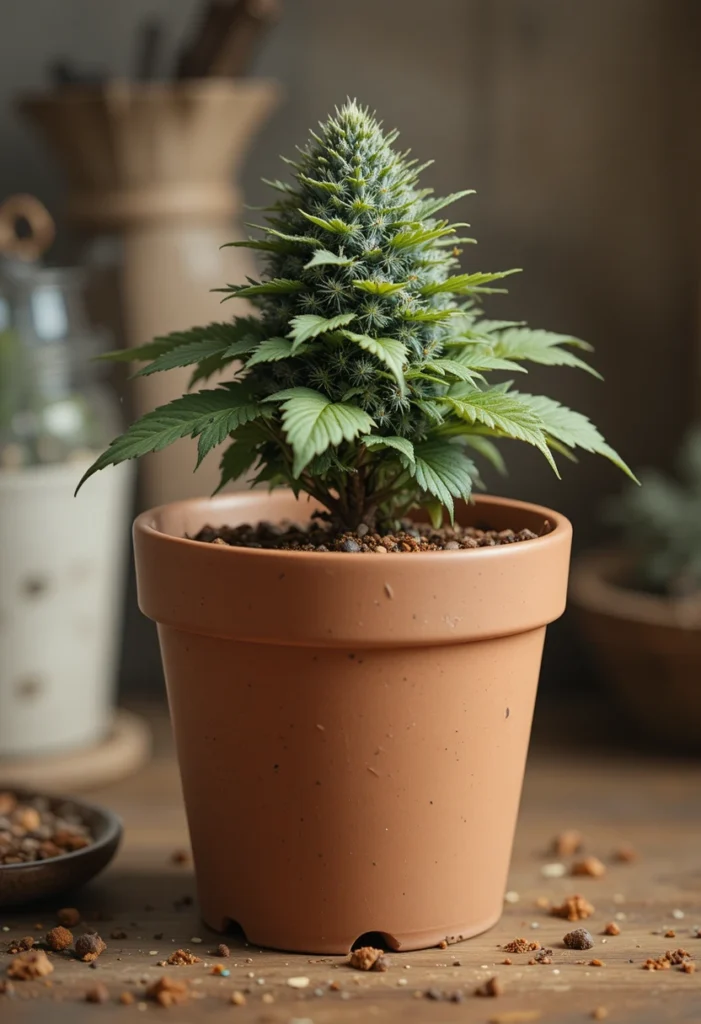
Smaller pots hold less soil and dry out much faster than large containers, which can retain moisture for a surprisingly long time. A succulent in a tiny 2-inch pot may need water almost twice as often as the same plant in a spacious 8-inch container.
If you’ve recently repotted into a noticeably larger container, extend the time between waterings accordingly rather than sticking to your old schedule.
8. Factor In Light Exposure
More light generally means faster soil drying and a thirstier plant; less light means slower drying and a much lower water need. A succulent in bright, direct light might need watering every 10–14 days, while the same plant tucked into a lower-light spot could go 3–4 weeks between waterings.
This is one of the most overlooked factors: two identical succulents in the same room can need completely different watering frequencies if one sits on a sunny windowsill and the other sits a few feet back.
9. Factor In Humidity and Climate
Moisture in the air slows down how quickly soil dries, so succulents in humid climates or humid rooms (like a steamy bathroom) need less frequent watering than the same plant in a dry climate or a heated, low-humidity room in winter. Heatwaves temporarily increase water needs even for succulents on an otherwise stable schedule, since heat accelerates evaporation.
Quick tip to save: if your region hits an unusual heatwave or a dry cold snap, treat it as a reason to check your soil sooner than usual, not a reason to change your entire routine long-term.
10. Water Thoroughly, Then Let It Fully Drain
When you do water, don’t sprinkle a little on top and call it done. Water slowly and deeply until it flows freely from the drainage hole, wetting the entire root ball rather than just the surface. This encourages roots to grow deeper and stronger instead of staying shallow and dependent on frequent light watering.
Just as important: never let the pot sit in standing water. Even 30 minutes of water pooling in a saucer or decorative outer pot is enough to start root rot, especially in a smaller container. Drain any excess within 15 minutes of watering.
11. Learn the Signs of an Underwatered Succulent
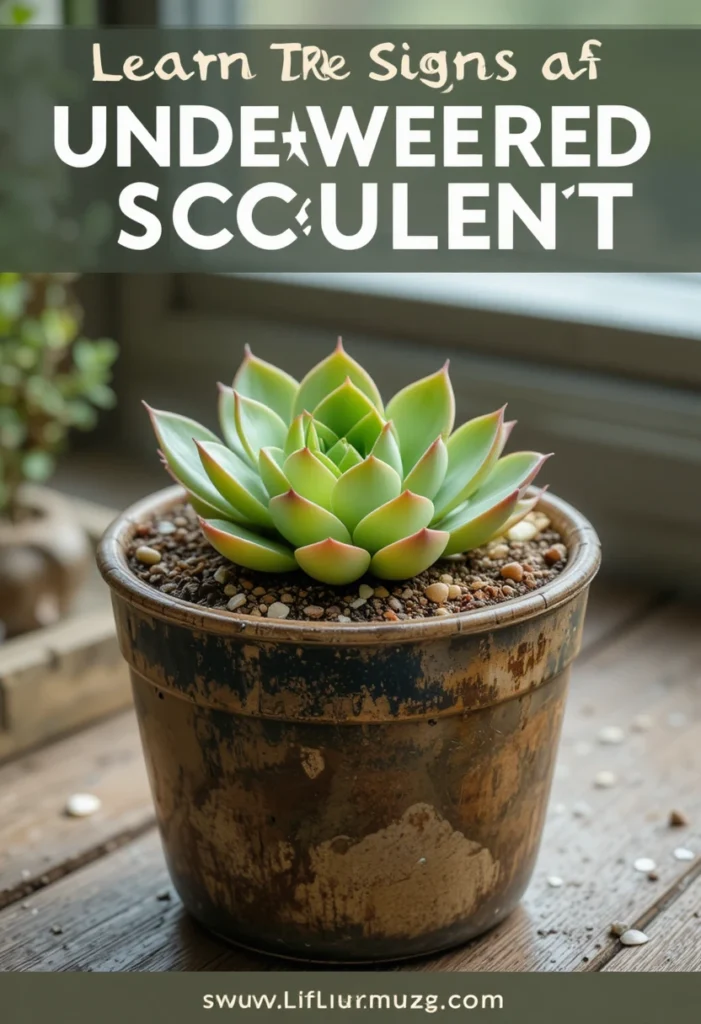
An underwatered succulent will usually show:
- Wrinkled, puckered, or shriveled leaves
- Leaves that feel noticeably softer or thinner than usual
- Slowed or stalled growth
- Older leaves drying up and dropping
The good news: underwatering is far easier to fix than overwatering. A single thorough soak typically plumps the leaves back up within a day or two.
12. Learn the Signs of an Overwatered Succulent
Overwatering is the more serious risk, and it’s worth memorizing these signs so you can catch it early:
- Mushy, translucent, or soft leaves (especially lower ones)
- Yellowing or discoloration, sometimes with a slightly rotten smell
- Leaves that fall off with the lightest touch
- Black or brown mushy patches at the base of the plant
If you catch overwatering early, cut back watering immediately and let the soil dry out completely, possibly longer than usual before resuming. If root rot has already set in, you may need to remove the plant from its pot, trim away any black or mushy roots, and repot into fresh, dry soil.
Save-worthy summary: wrinkled and shriveled means thirsty. Mushy and yellow means far too wet.
13. Go Easy After Repotting
Right after repotting, it’s tempting to water immediately but hold off. Freshly disturbed roots are more vulnerable to rot, and any small root damage from the repotting process needs a few days to callous over before it’s exposed to moisture. Wait roughly 5–7 days after repotting before giving your succulent its first thorough watering.
14. Avoid These Common Watering Mistakes
- Watering a little bit daily. Frequent shallow watering keeps roots near the surface and encourages rot. A deep, infrequent soak is always better.
- Sticking to a rigid schedule regardless of conditions. The factors above (light, pot, season, climate) change constantly; your watering routine should flex with them.
- Watering during dormancy out of habit. A dormant plant isn’t using water, so it just sits in the soil and invites rot.
- Watering at night in cold weather. Cold, wet soil overnight is a recipe for rotting water in the morning instead, so the plant can absorb moisture during the warmer part of the day.
- Using regular potting soil. Standard potting mix retains far more moisture than succulents want. A gritty, fast draining cactus and succulent mix (or potting soil amended with perlite or coarse sand) is essential for getting watering frequency right in the first place.
Frequently Asked Questions
How do I know if my succulent needs water right now?
Check the soil two inches down with a finger or skewer. If it’s completely dry and the leaves look slightly less plump than usual, it’s time to water. If the soil holds any moisture at all, wait.
Is it better to underwater or overwater a succulent?
Underwatering, without question. Succulents are far more tolerant of drought than of soggy soil, and an underwatered plant recovers with a single good soak overwatering damage can require repotting or even killing the plant if root rot sets in.
Do succulents need less water in winter?
Yes, for most varieties. As growth slows during dormancy, watering needs drop significantly often to once every 3–6 weeks instead of the 1–2 week rhythm of the growing season. The exception is winter-growing varieties like Aeonium, which follow the opposite pattern.
Can I use a moisture meter instead of checking the soil manually?
You can, but many growers find that a physical soil check (finger or skewer) combined with watching the plant’s own signals is more reliable long-term than relying solely on a meter, which can behave inconsistently in fast-draining succulent soil.
Why does my succulent need water more often than my friend’s identical plant?
Almost always a difference in one of the variable factors: light exposure, pot material, pot size, humidity, or indoor vs. outdoor placement. Two identical succulents in different conditions can have very different watering needs.
The Bottom Line
There’s no single number that tells you how often to water every succulent, in every home, in every season and that’s actually good news, because it means you don’t need to memorize a schedule. You just need to check the soil, understand the handful of factors that speed up or slow down drying, and let the plant’s own signals guide the rest.
Bookmark this guide, save it for the next time you’re staring at a succulent wondering whether today’s the day, and you’ll rarely get it wrong again.

