
Here’s a scene most gardeners know too well: you’ve spent all season nurturing beautiful flower beds, only to watch mulch spill onto the lawn, grass creep into the soil, and the whole bed slowly lose its shape. The plants look great. The border looks like an afterthought.
Garden edging is one of the cheapest upgrades that makes the single biggest visual difference in how polished a yard looks and some of the most striking edging ideas cost almost nothing, using materials you might already have lying around.
This guide covers exactly why edging matters, what to consider before choosing a material, and 11+ real, budget-friendly garden edging ideas from repurposed household items to simple natural materials that deliver a professional look without the professional price tag. Save this one for your next weekend project.
Why Garden Edging Matters More Than People Think
It’s easy to treat edging as an optional finishing touch. But there’s a catch: without it, even a beautifully planted garden bed tends to look messy within a season.
A defined edge does three practical jobs at once. It keeps loose materials like mulch, gravel, or soil contained within the bed instead of migrating onto your lawn or pathway. It stops grass and weeds from creeping in from the surrounding lawn, cutting down on the maintenance headache of constantly re-cutting a clean bed line. And it gives your garden a crisp, intentional shape the kind of small structural detail that makes a whole yard read as “cared for,” even if the plants inside are still filling in.
So what does this mean for you? A weekend spent installing edging can genuinely do more for your garden’s curb appeal than another trip to the nursery.
What to Consider Before Choosing an Edging Material
Think about your garden’s style. Rustic materials like logs and bamboo suit a cottage or naturalistic garden, while brick, tile, or painted concrete blocks fit better in a more structured or modern space.
Consider how much upkeep you’re willing to do. Natural materials like wood chips and logs will need replacing or refreshing every few years, while stone, tile, and repurposed masonry are essentially maintenance-free once installed.
Check what you already have access to. Free or low-cost sources old cinder blocks from a demolition project, leftover tile from a renovation, fallen branches from yard cleanup are often hiding in plain sight before you spend a dollar on new materials. Match the edging height to the job. A low border is enough to define a bed visually, but if you’re also trying to contain mulch on a slope or keep grass roots out, a slightly taller or buried edge does more of the work.
11+ Budget-Friendly Garden Edging Ideas
Here are 11+ real, tested garden edging ideas that look far more expensive than they actually cost.
1. Wine Bottles Buried Neck-Down

One of the most striking near-free options: collect empty wine bottles, remove the labels, and bury them neck-down in a tight row along the bed’s edge. The rounded bottoms create a scalloped, glass-topped border that catches light beautifully and it’s essentially free if you’re already collecting bottles.
Cost level: Free to very low
Best for: Cottage gardens, eclectic or upcycled-style yards
Tip: Mix a few colors of glass (green, brown, clear) for a subtle, varied look rather than a uniform line.
2. River Rocks or Pebbles
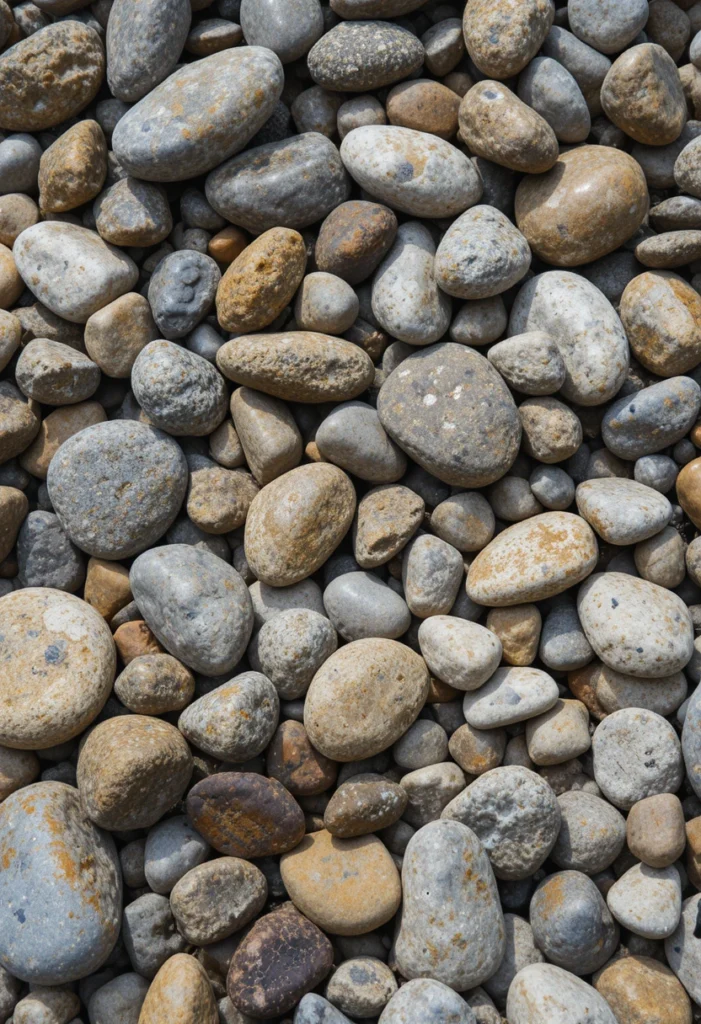
A simple border of river rocks or pebbles is one of the easiest edging projects to install no tools required beyond a shovel to dig a shallow trench. It works with almost any garden style and holds up for years with zero maintenance.
Cost level: Low
Best for: Nearly any garden style, especially naturalistic or Zen-inspired spaces
Tip: Choose rocks of a fairly consistent size for a cleaner line, or mix sizes intentionally for a more organic look.
3. Fallen Branches or Logs
If you have trees on your property (or a neighbor doing yard cleanup), fallen branches and small logs make a genuinely free, rustic border. Lay them end to end along the bed line, or stack smaller branches for a slightly taller, woven-looking edge.
Cost level: Free
Best for: Rustic, woodland, or cottage-style gardens
Tip: Choose branches that are relatively straight and similar in diameter for the neatest finished look.
4. Wood Chip or Bark Mulch Border
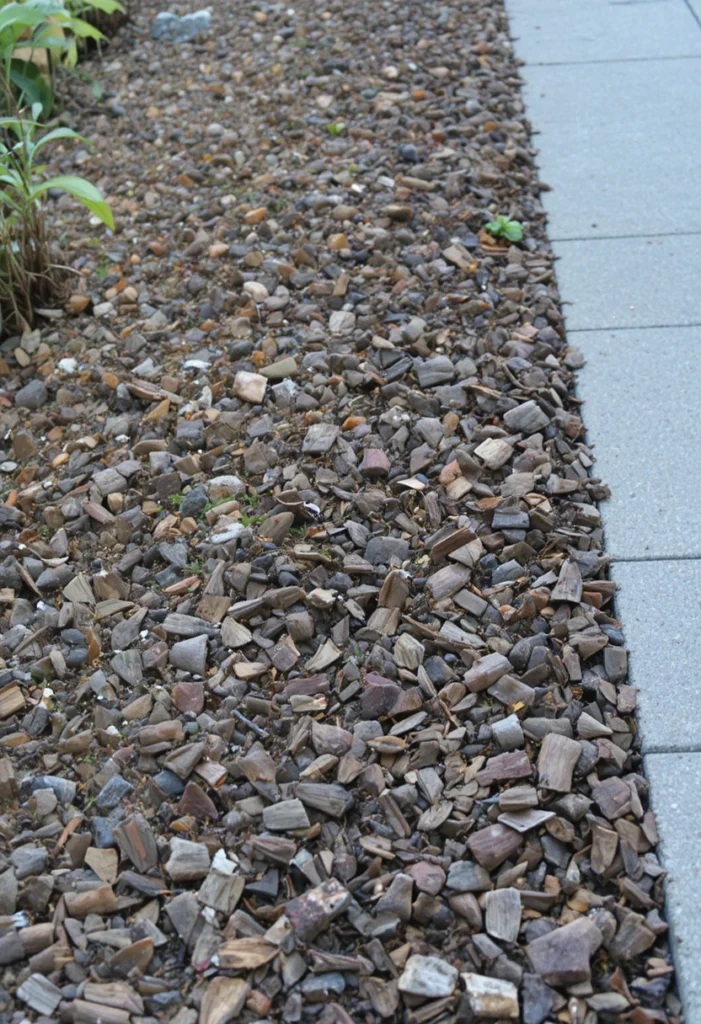
A slightly raised strip of wood chips or shredded bark, laid along the edge of a bed and separated from the lawn with a thin trench or edging strip, is one of the cheapest ways to define a border while also suppressing weeds. It’s especially effective laid over a weed barrier fabric to keep it looking clean longer.
Cost level: Very low
Best for: Budget projects, pathway edges, informal borders
Tip: Plan to top it up every year or two as the mulch breaks down and settles.
5. Bamboo Stake Edging
Cut bamboo poles into equal lengths and tie them together with natural rope for a lightweight, flexible border with a distinctly tropical or Zen feel. Bury the poles about halfway into the soil for stability, and they’ll hold their shape for years.
Cost level: Low
Best for: Japanese-inspired, tropical, or minimalist gardens
Tip: Keep the bamboo heights slightly uneven for a more natural, less manufactured look.
Read Also: 13+ Garden Fence Decor Ideas to Turn a Boring Boundary Into Your Yard’s Best Feature
6. Repurposed Brick Edging
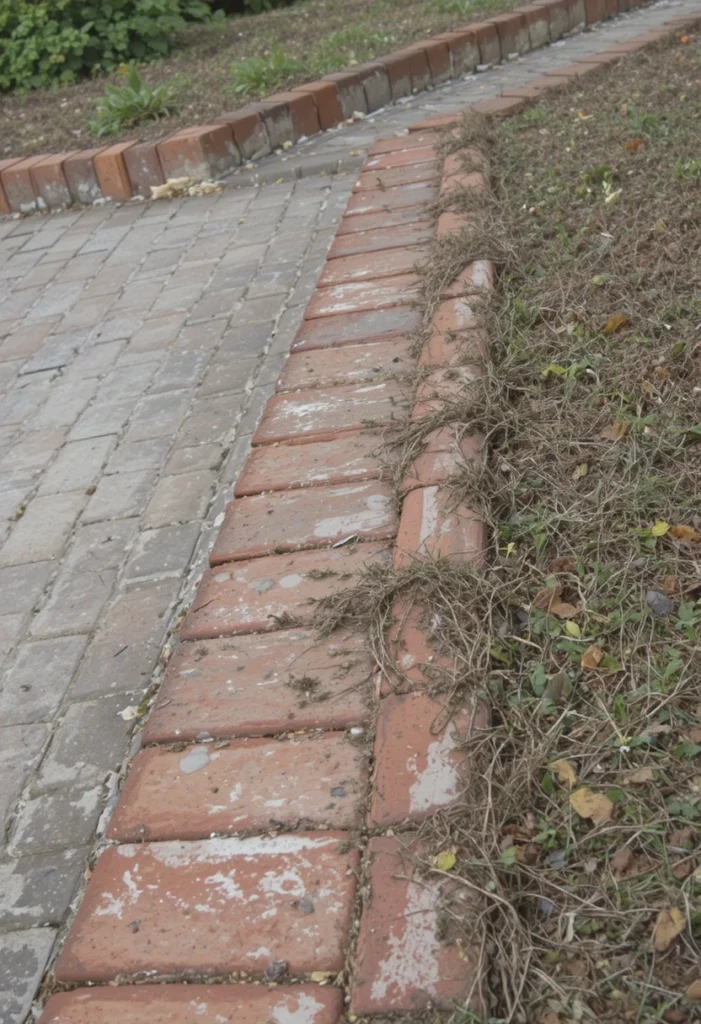
Reclaimed or leftover bricks — whether standing on end, laid flat, or angled diagonally in a classic “soldier course” — create a timeless, structured border that suits nearly any garden. Bricks from a demolition site or a home renovation project are often available for free or very cheap.
Cost level: Free to low
Best for: Traditional, cottage, or formal garden styles
Tip: Angling bricks at 45 degrees creates a decorative sawtooth pattern that costs nothing extra beyond the labor.
7. Cinder or Concrete Blocks
Stacked cinder blocks or concrete blocks make a sturdy, no-fuss border and unlike most other options, they can double as small raised planting pockets when you fill the block cavities with soil and flowers. Old cinder blocks are frequently available free from demolition or construction sites.
Cost level: Free to low
Best for: Vegetable gardens, raised bed borders, industrial or modern styles
Tip: Fill the block holes with trailing flowers like alyssum or petunias for a border that blooms along its entire length.
8. Old Tires Cut Into Strips
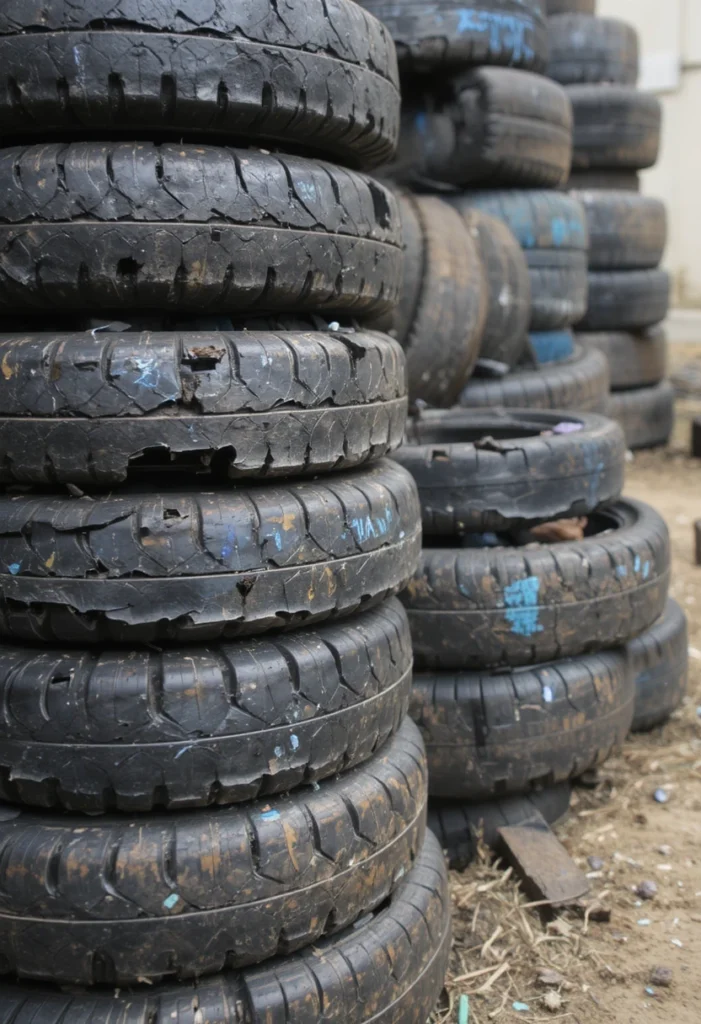
Cut old tires into 6–8 inch wide strips using a utility knife or reciprocating saw, then bury them partially in the soil for a flexible, curve-friendly border. Paint them if you want a cleaner look, or leave the rubber exposed for an industrial-eclectic feel.
Cost level: Free
Best for: Vegetable gardens, budget projects, curved beds
Tip: This is one of the most flexible materials on this list for tight curves, since rubber bends easily around bed shapes that stone or brick can’t follow as smoothly.
9. Flexible Plastic Edging Kit
For the fastest, most beginner-friendly option, a flexible plastic edging kit with ground spikes installs in an afternoon with no digging required beyond hammering the spikes into place. It’s inexpensive, holds a clean line, and works especially well for curved beds.
Cost level: Low
Best for: First-time DIYers, quick weekend projects, curved or irregular beds
Tip: Choose a low-profile style if you want the edging itself to stay nearly invisible and let the plants be the focus.
10. Broken Tile or Mosaic Edging
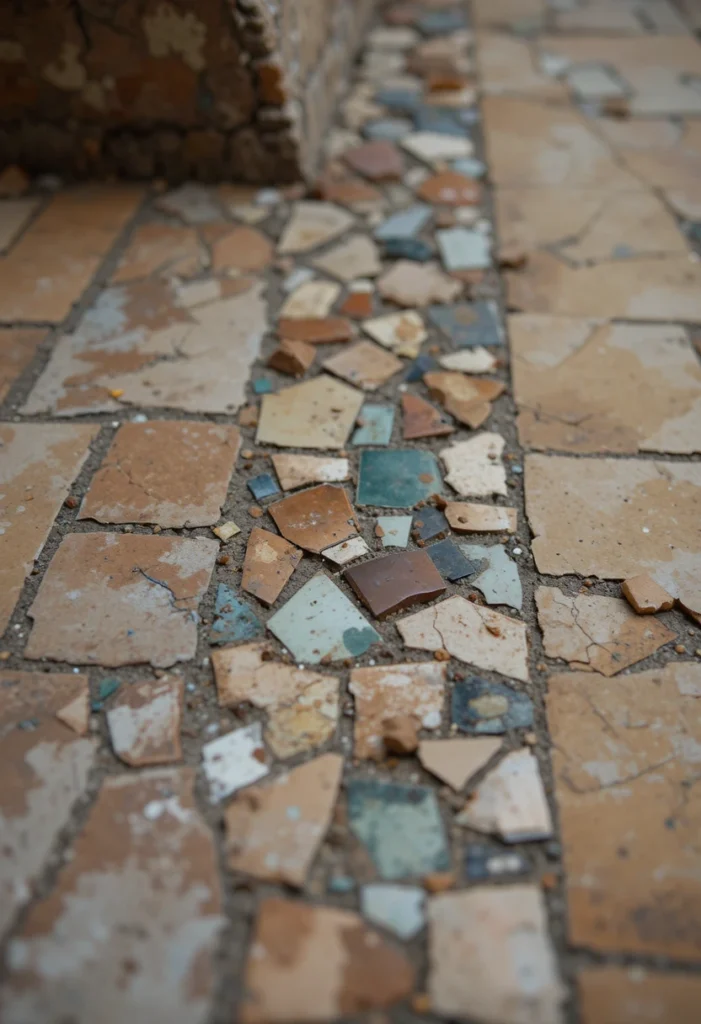
Leftover tile from a kitchen or bathroom renovation can be broken into pieces and set into mortar along a bed’s edge for a colorful, one-of-a-kind mosaic border. It’s essentially free if you already have leftover tile, and no two gardens end up looking the same.
Cost level: Free to low
Best for: Eclectic, artistic, or personalized garden styles
Tip: Group broken pieces by color into small clusters rather than scattering them randomly it reads as intentional rather than accidental.
11. Painted Plates or Repurposed Household Items
Old plates, tiles, or even bicycle wheels, half-buried in the soil along a bed’s edge, create a quirky, personalized border that costs nothing beyond items you likely already own or can find secondhand. Brightly painted plates in particular add unexpected color and character.
Cost level: Free
Best for: Eclectic, whimsical, or personalized gardens
Tip: Stick to a loose color theme across the repurposed items so the border feels curated rather than cluttered.
12. Rope-Lined Edging
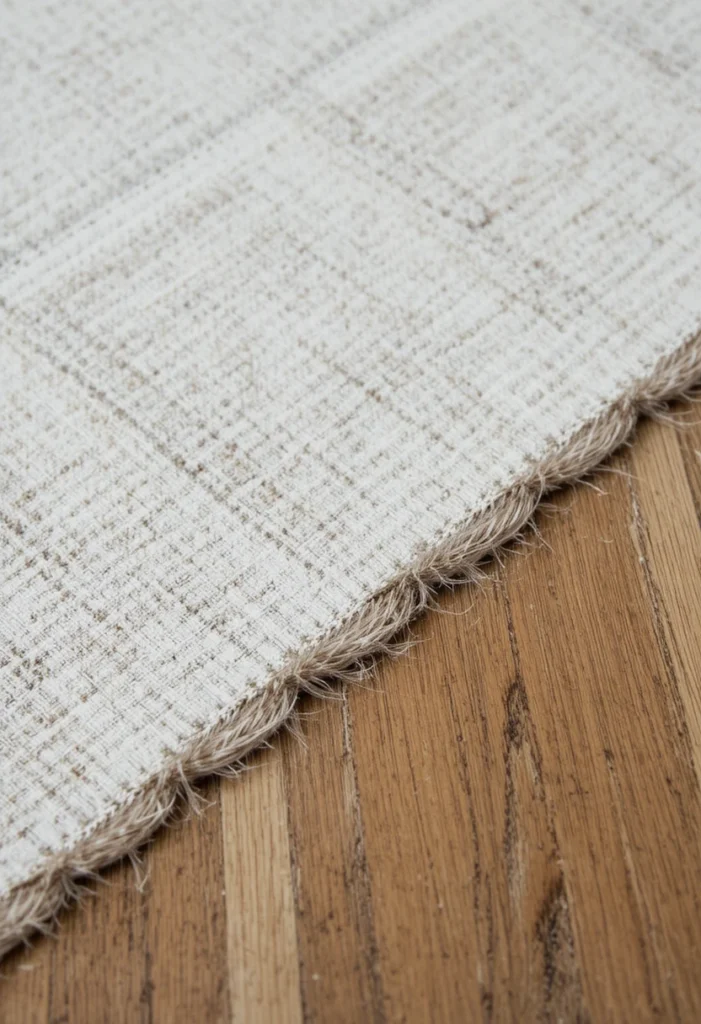
Heavy-duty sisal or weather-resistant manila rope, either coiled along a bed’s edge or wrapped around low stakes, adds a soft, nautical-inspired border that’s inexpensive and easy to install or replace.
Cost level: Low
Best for: Coastal, cottage, or casual garden styles
Tip: Choose weather-resistant rope specifically standard rope will break down quickly outdoors.
13. Pallet Wood Edging
Disassembled pallet wood, cut into short stakes or boards, makes a rustic, easily customizable border for a fraction of the cost of finished lumber. Pallets are frequently available free from local businesses that just need them hauled away.
Cost level: Free to low
Best for: Rustic, farmhouse, or vegetable garden styles
Tip: Seal the wood with an outdoor sealant to extend its lifespan against moisture and weather.
Quick Comparison: Cost vs. Maintenance
If you’re deciding between a few options, here’s the general trade-off to keep in mind:
Lowest cost, most upkeep: wood chip mulch, fallen branches, rope
Low cost, low upkeep: river rock, plastic edging kits, repurposed brick
Free (if sourced secondhand), low upkeep: cinder blocks, wine bottles, pallet wood, broken tile
Save-worthy takeaway: the cheapest edging isn’t always the lowest-maintenance edging — factor in how often you’re willing to refresh a material, not just what it costs upfront.
Frequently Asked Questions
What is the cheapest garden edging material?
Materials you can source for free fallen branches, old tires, wine bottles, repurposed brick, or reclaimed pallet wood are typically the most cost-effective, since the only real expense is your time.
How deep should garden edging be buried?
Most edging materials work well buried around 2–4 inches into the soil, enough to hold the border in place and create a visible barrier without requiring major digging.
Does garden edging actually stop weeds and grass?
A physical edge alone slows grass encroachment and keeps mulch contained, but pairing it with a weed barrier fabric underneath (especially for mulch or gravel borders) offers significantly better weed control.
Can I use garden edging on curved flower beds?
Yes flexible plastic edging, rope, cut tire strips, and river rock are all especially well-suited to curves, while rigid materials like brick or block edging require more careful cutting and planning around bends.
Is DIY garden edging as durable as professionally installed edging?
Many DIY materials stone, brick, concrete block, tile are just as durable as professionally installed options. The main trade-off tends to be installation time and finish precision, not long-term durability.
The Bottom Line
Garden edging is proof that the smallest details often make the biggest visual difference. A clean, defined border pulls an entire garden together and as this list shows, achieving that polished look doesn’t require a big budget or a landscaping crew. Whether you go with something you already have lying around, like fallen branches or old wine bottles, or invest a few dollars in river rock or a plastic edging kit, the payoff is the same: a garden that instantly looks more intentional.