
Companion planting is a gardening method in which different plants are grown near one another because their characteristics may complement each other. Some combinations help gardeners use space efficiently, attract beneficial insects, provide natural support, or potentially reduce pest pressure. The RHS describes companion planting as growing two or more plants together in an association where one or more may benefit, while also noting that results can vary between crops and conditions.
A well-planned companion garden can be both productive and beautiful. Instead of putting every vegetable in a separate row, you can combine vegetables, herbs, flowers, and other useful plants in a way that creates different heights, textures, scents, and growing habits. Research-based guidance from Penn State also notes that diverse plant communities can help limit undesirable pest outbreaks and provide a more environmentally friendly approach to gardening.
The following 14+Garden ideas will help you understand which plants can work well together, how to organize combinations, and how to avoid common mistakes. Whether you have a raised bed, backyard vegetable patch, container garden, or a small growing space, companion planting can help you make better use of the area while creating a lively and diverse garden.
1. Pair Tomatoes With Basil
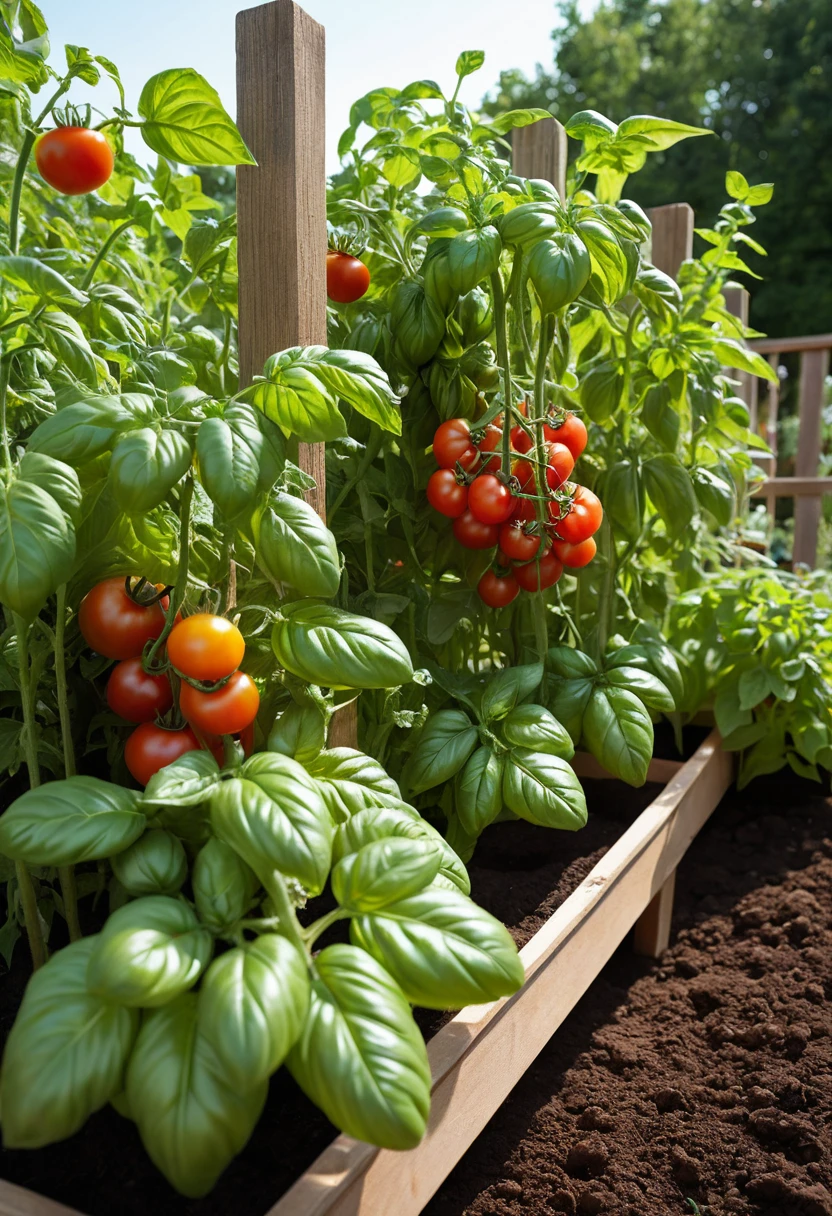
Tomatoes and basil are one of the most familiar combinations in home gardening. They are useful companions from a practical design perspective because basil can fit around tomato plants without taking up a large amount of additional space.
Place basil around the edges of a tomato bed rather than packing plants tightly together. The arrangement gives you a productive planting area while adding attractive green foliage and aromatic leaves.
Give Both Plants Enough Space
Tomatoes can become large, so avoid planting basil where it will be heavily shaded or crowded by mature tomato foliage. Good airflow is important for keeping the garden healthier.
You can also combine this pairing with flowering plants that attract pollinators. A mixed planting design creates more variety than a bed containing tomatoes alone.
2. Grow Carrots and Onions Together
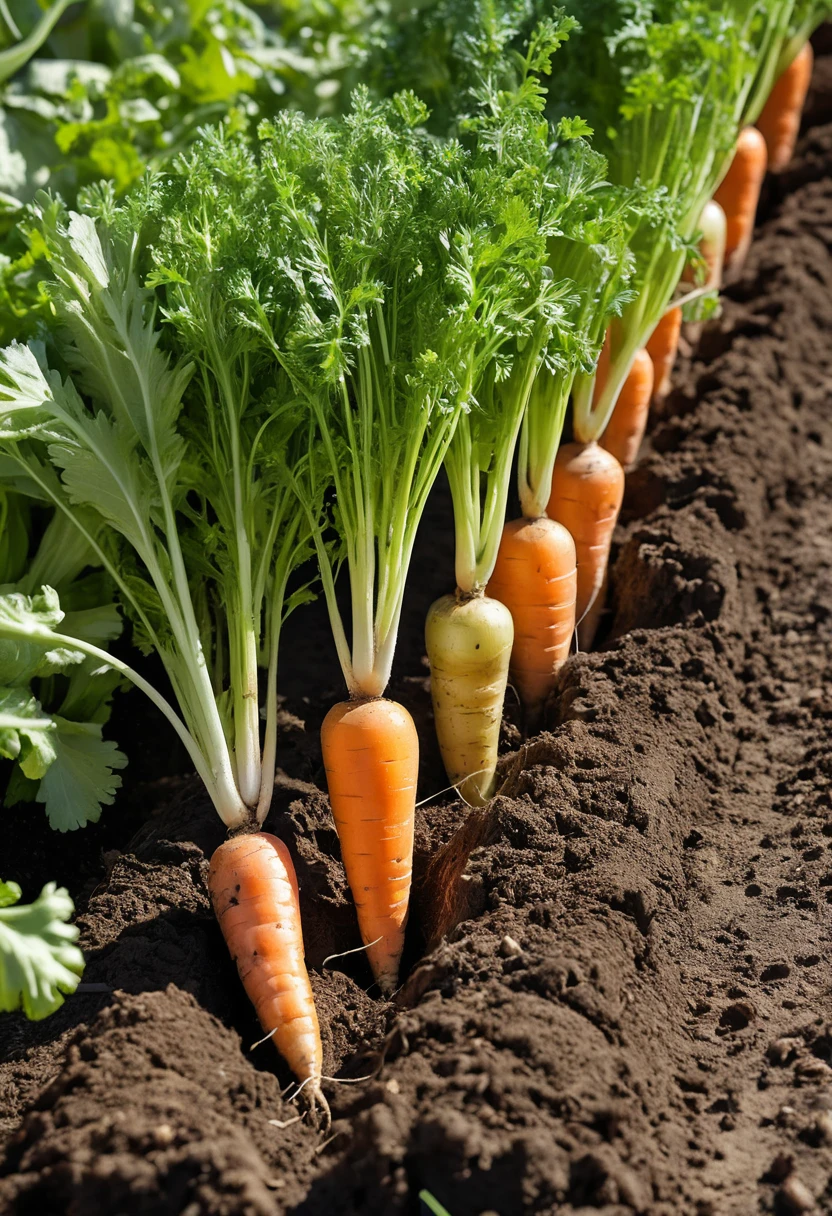
Carrots and onions are another classic combination. They have different root structures and can make efficient use of underground space. The RHS specifically identifies deep-rooted carrots and shallower-rooted onions as an example of intercropping that can reduce competition for space.
The strong scent of onions has also been proposed as a way of making it harder for carrot flies to locate carrots. While companion planting should not be treated as guaranteed pest control, the combination is a useful example of how different plants can occupy the same area.
Alternate the Rows
Try alternating short rows or sections of carrots and onions. This makes it easier to identify young plants while maintaining a mixed planting pattern.
Make sure both crops receive suitable sunlight and that the soil remains loose enough for carrots to develop properly.
3. Combine Beans With Corn

If you want to make better use of vertical space, consider the traditional Three Sisters approach. It combines corn, climbing beans, and squash in one planting system.
The corn provides a natural structure for climbing beans, while squash spreads across the ground. Beans fix nitrogen, and squash leaves can shade the soil and help suppress weeds once established. The RHS describes this system as a well-known example of companion planting for efficient use of space and physical support.
Add Squash to Complete the Trio
Plant corn in a suitable block rather than a single isolated row. Once it has developed enough height, climbing beans can use the corn as support.
Squash can occupy the space underneath, creating three different growing levels. This makes the system especially interesting for gardeners who want to produce several crops from one area.
4. Add Marigolds Around Vegetable Beds
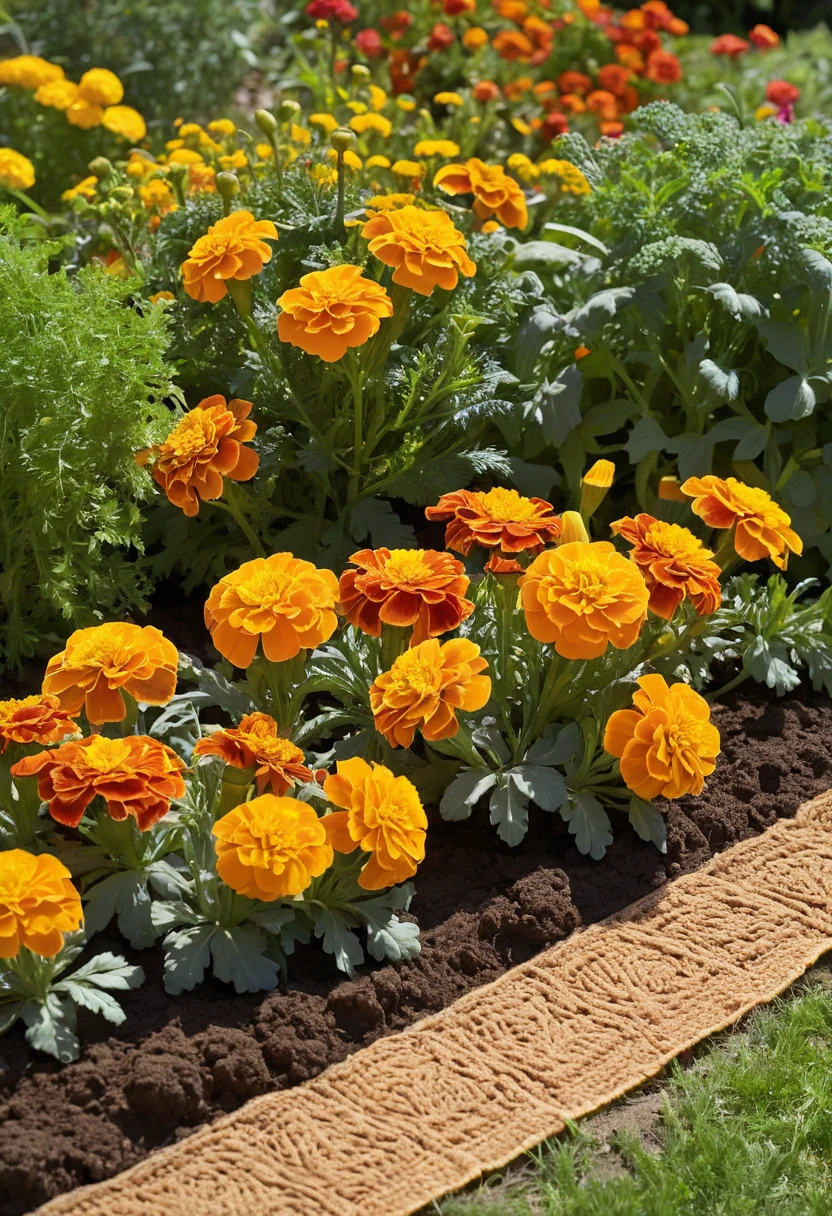
Marigolds can bring bright color to vegetable gardens while also contributing to a more diverse planting environment. The RHS notes that French marigolds can deter certain pests such as whitefly and thrips, although companion-planting effects should not be considered universal.
Their flowers can also make an edible garden look more decorative. Instead of having a plain row of vegetables, you can place marigolds between or around selected crops.
Use Flowers as Garden Edges
Plant marigolds around the outer edge of a raised bed or in gaps between suitable vegetables. This creates a natural border and adds seasonal color.
Avoid overcrowding the vegetables. Flowers should complement the crops rather than compete with them for sunlight, water, or root space.
Read also: 12+ Garden Ideas for a Productive Raised Bed Vegetable Garden Layout
5. Plant Lettuce Between Larger Crops
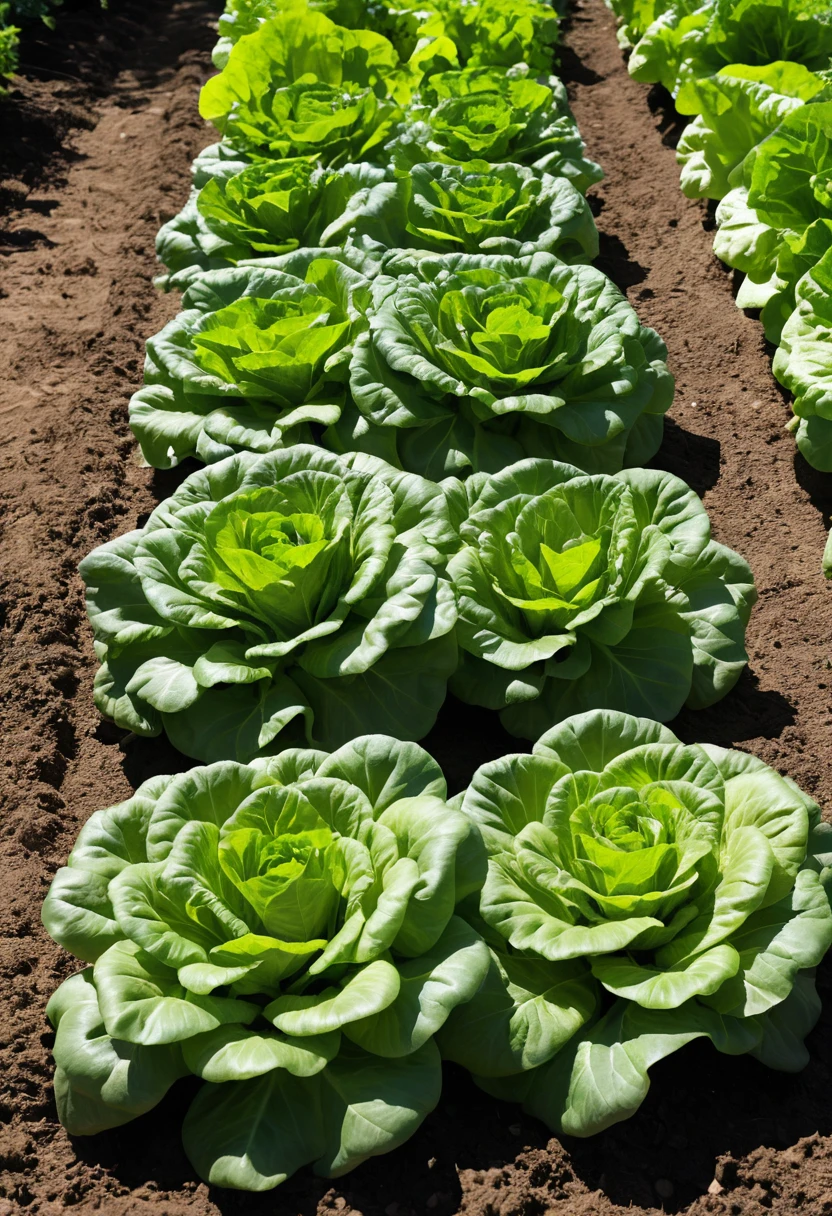
One of the smartest 14+Garden ideas for small spaces is intercropping fast-growing vegetables between larger, slower-growing plants. Lettuce and radishes can occupy spaces that may eventually become shaded or crowded by larger crops.
The RHS gives this type of intercropping as an example of efficient space use, explaining that smaller crops can sometimes be harvested before larger plants mature enough to occupy the available space.
Harvest Before the Space Disappears
When planning the bed, consider the mature size of every plant rather than its size at planting time. A small lettuce plant may look lost beside a young cabbage, but the available space can change dramatically as the cabbage grows.
This approach lets you enjoy multiple harvests from the same section of garden without necessarily increasing the size of the bed.
6. Grow Herbs Near Vegetables
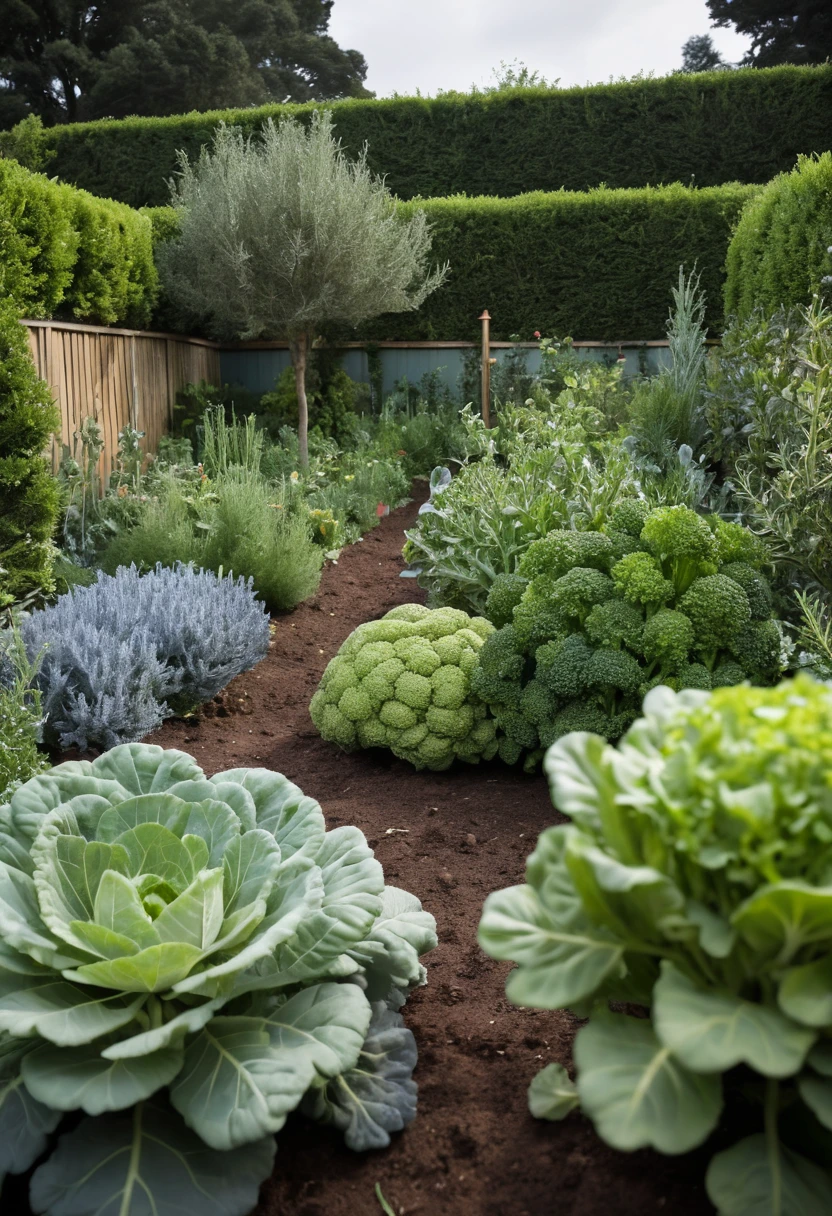
Herbs can be valuable companions because they add diversity to vegetable beds and may provide habitat or scent-based interactions. Penn State Extension notes that research has documented several herbs as useful partners in vegetable gardens and that diverse polycultures can help limit pest outbreaks.
Consider herbs such as dill, coriander, basil, rosemary, sage, or other locally suitable varieties. Choose companions based on their growing requirements rather than simply placing every herb beside every vegetable.
Choose Herbs According to Conditions
Mediterranean herbs such as rosemary and sage generally prefer different conditions from moisture-loving crops. Planting them in the same tiny space can create watering problems.
Group plants with similar sunlight, soil, and moisture requirements. A good companion is one that can coexist successfully rather than simply one that appears on a popular planting chart.
7. Use Flowers to Attract Beneficial Insects
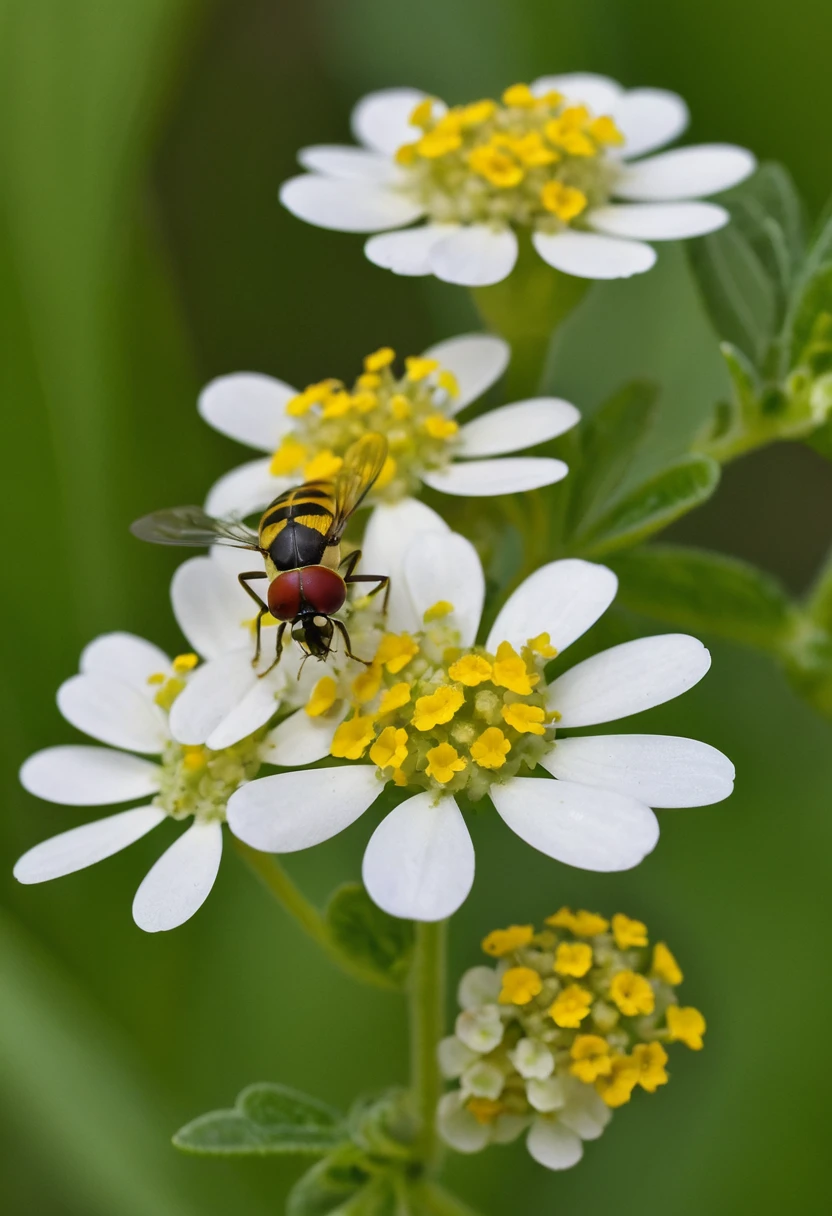
A companion garden does not have to contain only edible plants. Flowers can provide nectar and pollen for beneficial insects, including insects that prey on garden pests.
The RHS highlights alyssum planted with lettuce as an example where nectar-rich flowers can attract natural predators of aphids. It also recommends diverse planting combinations to support pollinators and garden biodiversity.
Create a Pollinator Border
Place flowering plants around vegetable beds instead of hiding them in a separate ornamental section. This creates a more integrated garden and gives beneficial insects additional resources.
Choose flowers with different bloom periods when possible. A longer flowering season can provide food for pollinators over more of the growing season.
8. Try Cabbage Family Crops With Aromatic Herbs
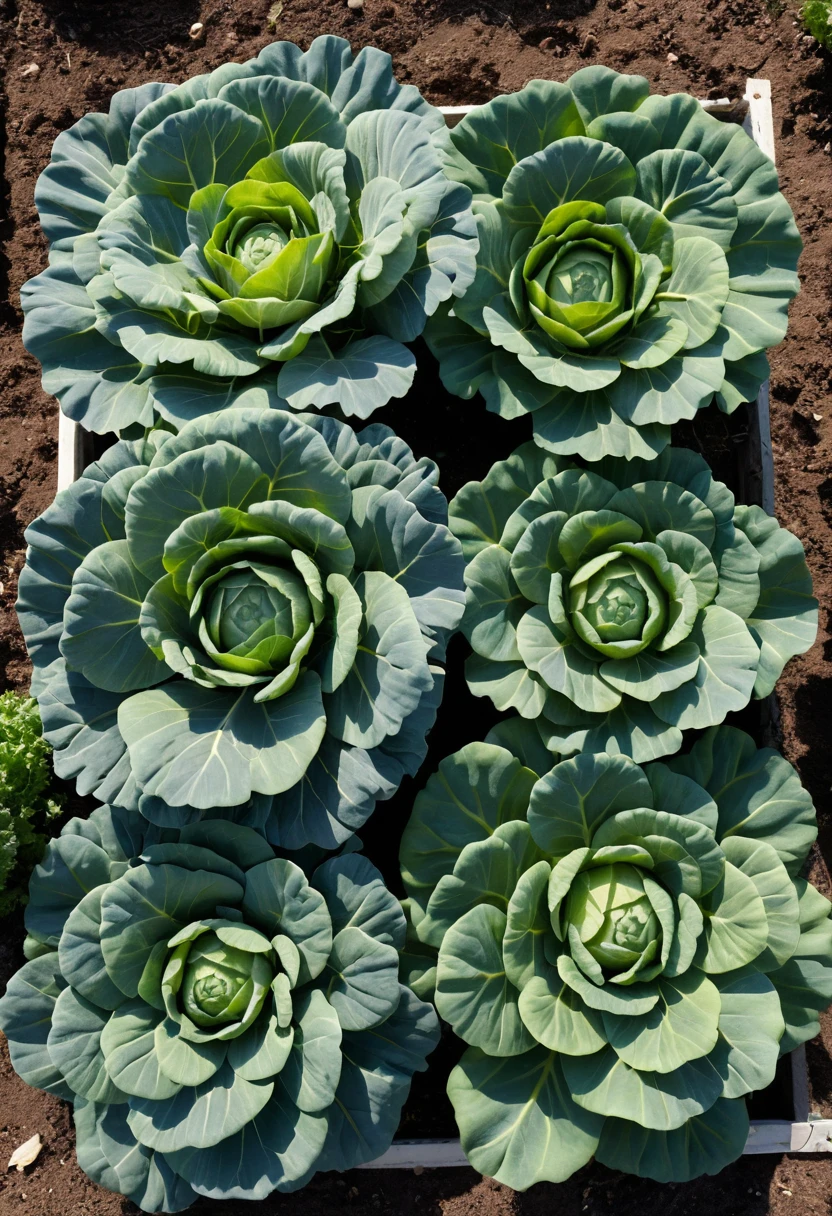
Cabbage, broccoli, kale, cauliflower, and related crops can be included in mixed beds with suitable herbs and other vegetables. Current companion planting charts list aromatic herbs, celery, beets, onion-family crops, chamomile, spinach, and chard among compatible options for cabbage-family plants.
Rather than planting a large uninterrupted block of one brassica, consider mixing compatible plants in a structured design. This increases visual diversity and can make the bed more interesting.
Avoid Overcrowding Brassicas
Cabbage-family plants need room to develop large leaves. Companion planting does not mean planting everything extremely close together.
Follow the spacing requirements for the mature crop and use companions in the remaining available spaces.
9. Create a Companion Planting Raised Bed
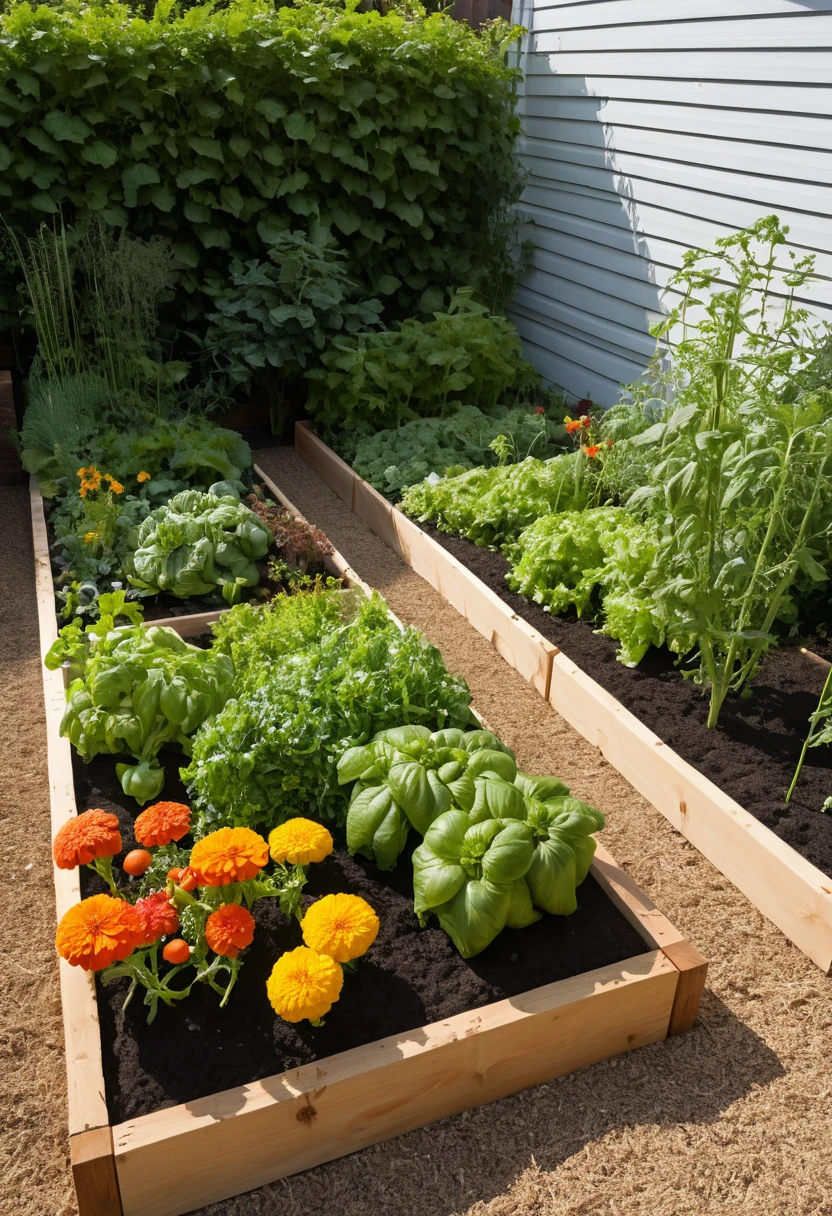
Raised beds are ideal for organizing companion combinations because the planting area has clear boundaries. You can divide one bed into sections based on plant height, root depth, and harvest time.
For example, place taller plants toward one side, medium-height crops in the center, and low-growing herbs or leafy vegetables along the edges. This creates a layered arrangement that uses both horizontal and vertical space.
Plan the Bed Before Planting
Draw a simple map before purchasing seeds. Mark the location of large crops first and then fill the remaining spaces with smaller companions.
Think about how the plants will look at maturity, not just on planting day. A five-minute sketch can prevent unnecessary crowding later.
10. Use Aromatic Plants Strategically
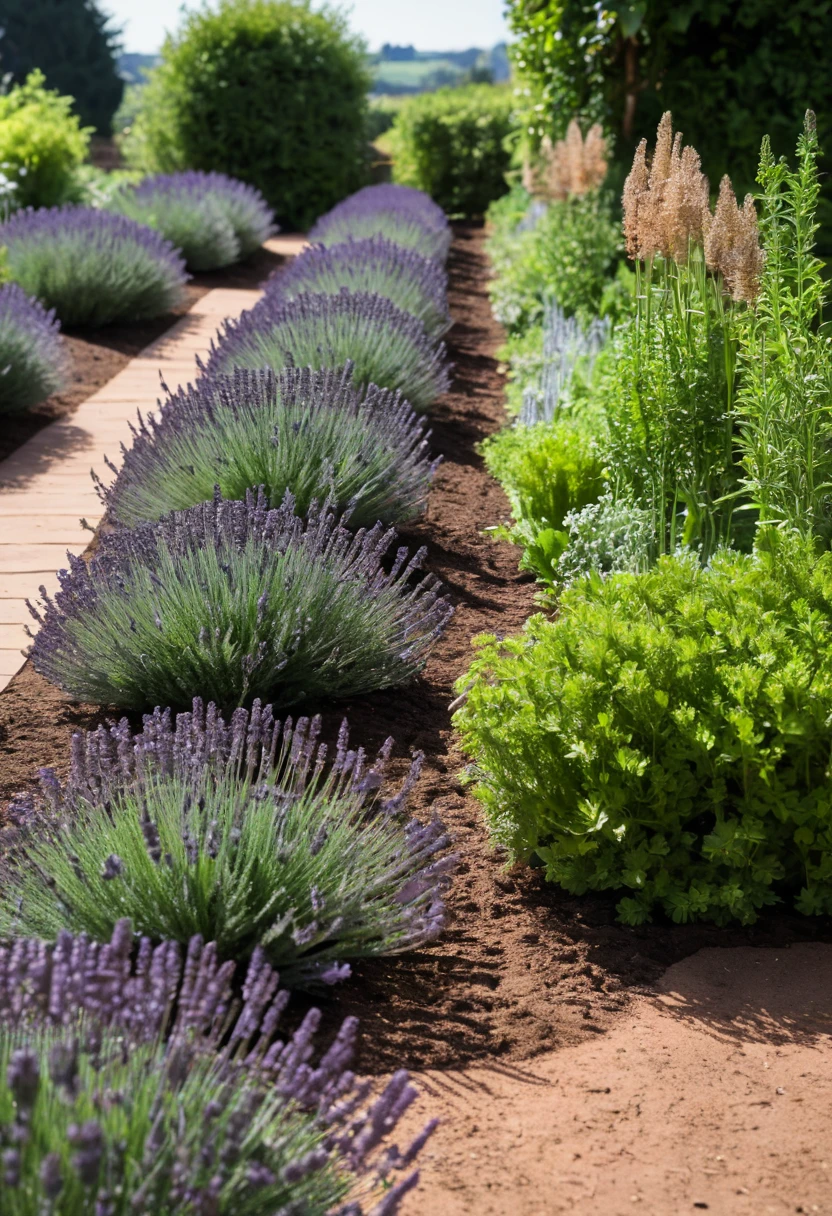
Strongly scented plants are often included in companion planting because their aromas may interfere with how certain pests locate host plants. However, individual effects vary, so use aromatic plants as one element of an overall pest-management strategy rather than relying on them alone.
Onions, garlic, herbs, and other aromatic plants can also make a vegetable garden more visually and sensorially interesting. Their leaves, flowers, and scents introduce another layer of diversity.
Mix Rather Than Rely on One Plant
A garden containing several different plant types is generally more diverse than a monoculture. Penn State Extension emphasizes the value of rich, diverse plant communities for reducing undesirable pest outbreaks.
Use companion planting alongside healthy soil, regular inspection, appropriate sanitation, and other sensible gardening practices.
11. Grow Sunflowers as Vertical Companions

Sunflowers can add height and visual interest to an edible garden. In some companion systems, sunflowers can also provide additional climbing support for beans.
The RHS notes that sunflowers can be used as an additional support in the Three Sisters-style system and may also attract pollinating insects.
Put Tall Plants in the Right Position
Tall plants can cast substantial shade, so consider the direction of sunlight before planting them. Position them where they will not unnecessarily block smaller crops.
A row of sunflowers at the back of a garden can create a beautiful vertical screen while keeping lower-growing plants more visible from the front.
12. Combine Plants With Different Root Depths
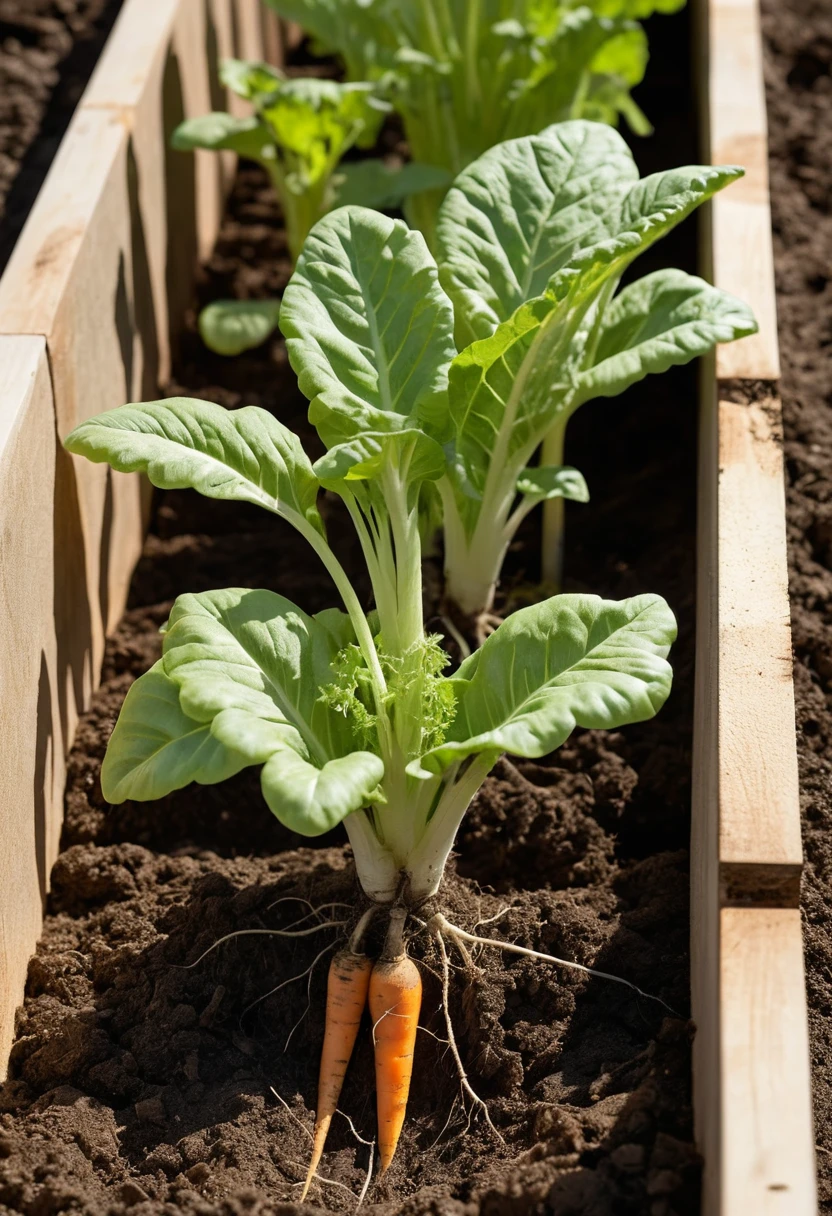
Another useful principle behind 14+Garden ideas is combining plants that use different areas of the soil. Deep-rooted and shallow-rooted crops may sometimes share space more efficiently than plants with identical root zones.
Carrots and onions are one example highlighted by the RHS. The goal is not to force plants together, but to reduce unnecessary competition by understanding where their roots grow.
Observe Your Soil
Different soil types can change how roots behave. Loose, well-prepared soil may allow root crops to develop more easily, while compacted soil can create competition and poor growth.
Before choosing combinations, improve soil structure and understand the needs of each crop.
FAQs
What is the best companion plant for a vegetable garden?
There is no single best companion for every vegetable. Good combinations depend on the crops, climate, soil, sunlight, spacing, and purpose. Carrots with onions and corn with beans and squash are well-known examples.
What vegetables should not be planted together?
Some combinations can compete or inhibit growth. For example, current UC Master Gardener guidance lists onion-family crops as incompatible with some beans and identifies several problematic combinations involving cabbage-family crops.
Does companion planting really work?
It can work in certain combinations, but results are not guaranteed. The RHS notes that companion-planting benefits vary between crops and recommends treating the technique as part of broader biodiversity and soil-health practices.
Can I use companion planting in a small garden?
Yes. Companion planting can be particularly useful in small gardens because it can combine crops with different heights, root zones, and harvest periods. Containers, raised beds, and vertical structures can all be used.
What flowers are good for companion planting?
Flowers such as alyssum, marigolds, calendula, and nasturtiums are commonly used around edible crops. Nectar- and pollen-rich flowers can help attract beneficial insects and pollinators, although their effects vary by crop and environment.
Conclusion
Companion planting is a flexible way to design a productive and diverse garden. From carrots and onions to corn, beans, and squash, different plants can share space in ways that make the garden more efficient, attractive, and supportive of biodiversity. The best 14+Garden ideas do not depend on a single magical plant combination; they start with understanding what each crop needs and then creating relationships that make sense for your growing conditions.
Begin with two or three combinations and observe how they perform throughout the season. Keep notes about growth, pests, harvests, watering, and spacing so you can improve your layout next year. With patience and thoughtful planning, companion planting can turn even a modest growing space into a productive, colorful, and lively garden.

