
A raised bed vegetable garden is one of the easiest ways to create an organized growing space, especially when your existing soil is poor, compacted, rocky, or difficult to manage. Raised beds give you control over the growing medium, make planting areas easier to define, and can help keep pathways separate from productive soil. They can also make routine tasks such as planting, watering, weeding, and harvesting more manageable.
A good layout is just as important as the raised bed itself. The right arrangement can help you use sunlight efficiently, leave enough room for plants to mature, make watering easier, and keep frequently harvested vegetables within comfortable reach. Current garden planning guidance commonly recommends manageable bed widths, defined paths, thoughtful spacing, and multiple smaller beds where possible.
Whether you have a small backyard, patio, rooftop, or a larger outdoor area, the following 12+Garden ideas can help you design a vegetable garden that is productive without becoming difficult to maintain. From a simple 4×8-foot beginner bed to square-foot planting, vertical growing, crop rotation, and multi-bed layouts, there are options for almost every gardener.
Why Raised Beds Are Ideal for Vegetable Gardens
Raised beds create a clearly defined growing area where you can improve the soil specifically for vegetables. They can be particularly useful where native soil is compacted, rocky, poorly drained, or otherwise unsuitable for productive gardening. Raised beds may also warm earlier in spring, depending on construction and conditions.
Another advantage is that you can separate growing areas from walking paths. This reduces the need to step into planting soil, which helps minimize soil compaction. For gardeners with limited mobility, raised beds can also be built at a more comfortable working height.
1. Start With a Simple 4×8 Raised Bed
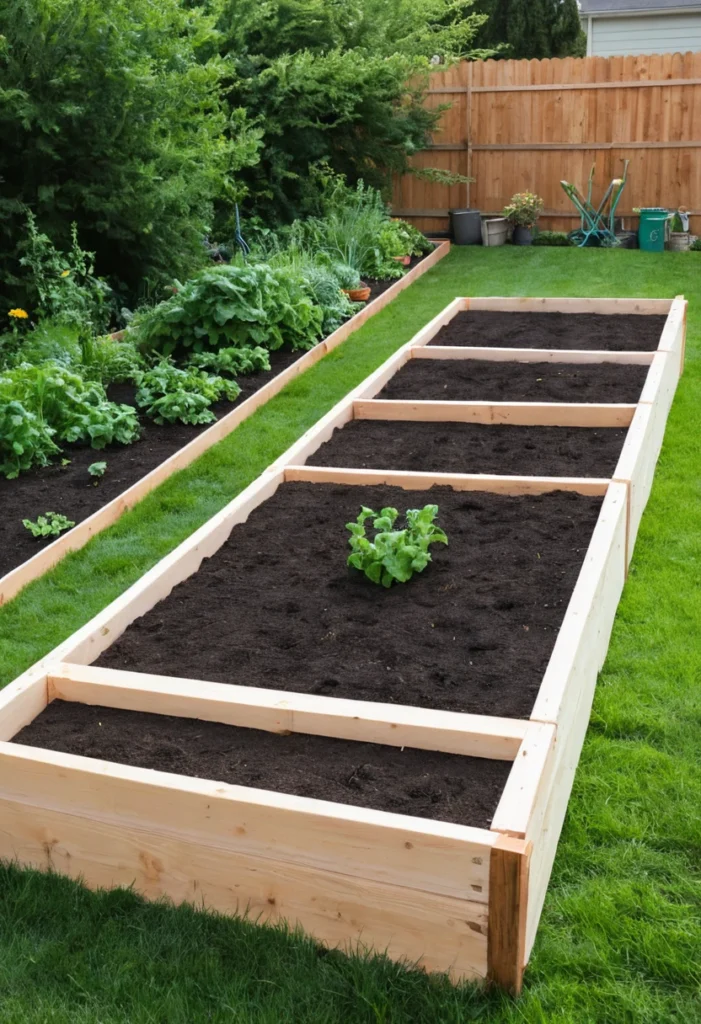
One of the most practical 12+Garden ideas for beginners is a single 4×8-foot raised bed. This size provides enough room to grow a variety of vegetables while remaining relatively easy to reach from the sides.
A 4×8 bed can be divided into sections for leafy greens, root vegetables, herbs, beans, and other crops. The Old Farmer’s Almanac currently features a beginner 4×8 layout using crops such as lettuce, beans, potatoes, onions, Swiss chard, and companion flowers.
Place Taller Crops Carefully
When planning the bed, consider where the sun travels across your garden. Taller crops should generally be positioned where they will cause the least unwanted shade on shorter vegetables.
A common approach is to put taller plants toward the back or north side of the bed, particularly where that orientation fits the local sun path. This leaves smaller plants more exposed to sunlight.
2. Divide the Bed Into Square-Foot Sections
Square-foot gardening is a useful option when you want a highly organized layout. Instead of thinking only in rows, divide the raised bed into smaller one-foot sections and assign different crops to each area.
This approach can make planning easier because you can visualize exactly where each crop belongs. A current 4×7 square-foot garden plan from the Old Farmer’s Almanac uses one-foot squares to grow a mixture of vegetables, herbs, and flowers in a compact raised bed.
Match Plants to Their Mature Size
Not every vegetable belongs in the same-sized square. Small crops such as radishes and some salad greens can occupy smaller spaces, while large plants require much more room.
Always check the recommended spacing for the specific variety you are growing. The goal is to use space efficiently without turning the bed into an overcrowded jungle.
3. Create Separate Beds for Different Vegetable Groups
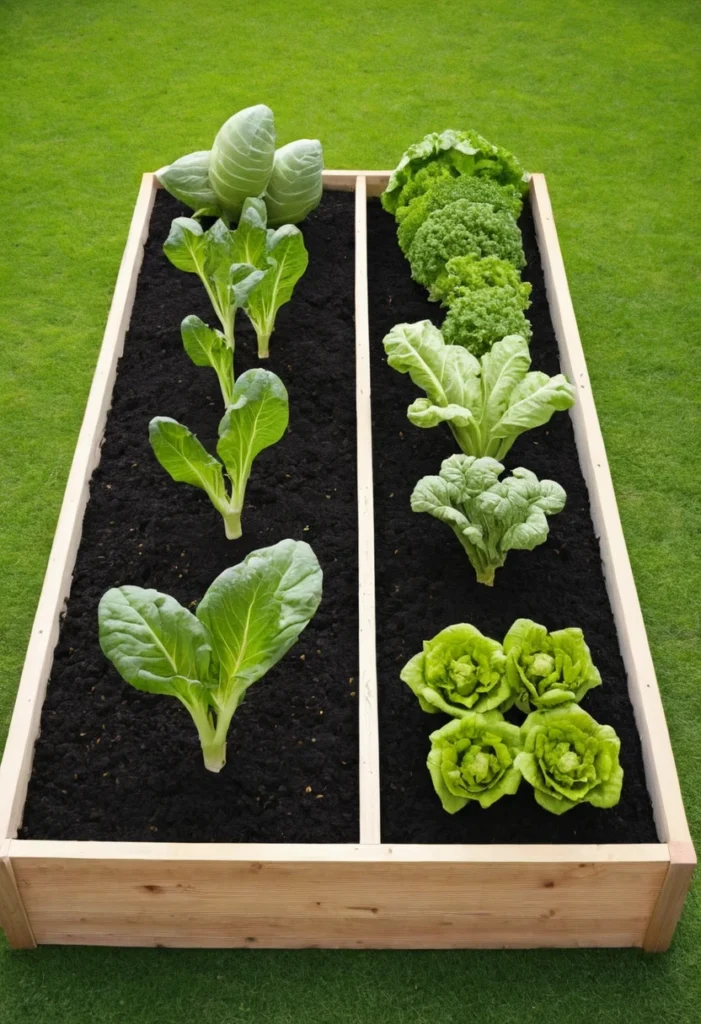
If you have enough space, consider building several smaller raised beds instead of one enormous bed. Multiple beds allow you to organize vegetables by type and make future crop rotation easier.
The University of Minnesota Extension notes that several smaller raised beds can help with crop rotation and disease management because different planting areas can be rotated over time.
Give Each Bed a Purpose
For example, one bed could contain leafy greens, another root crops, another tomatoes and peppers, and another beans or cucumbers.
This system makes it easier to remember what was planted where. It also makes seasonal planning much simpler because you can change the purpose of each bed from year to year.
4. Design a Dedicated Tomato Bed
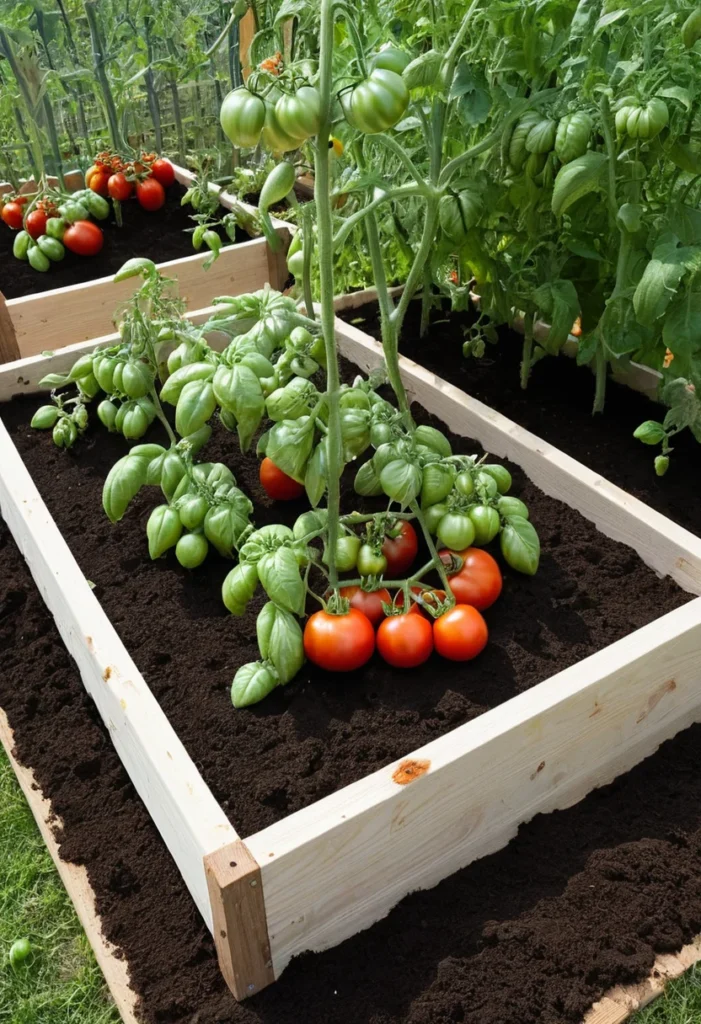
Tomatoes can become large plants, so giving them their own raised bed can make garden management easier. A dedicated bed gives you space for supports, airflow, companion herbs, and harvesting.
One current Almanac layout uses four 4×8 beds plus a separate long tomato-and-basil bed. The design is intended to give warm-season tomatoes additional room while keeping the rest of the garden organized.
Add Supports From the Beginning
If your tomato varieties need staking, cages, or trellises, install the support system early rather than waiting until plants become large.
Early planning prevents roots from being disturbed later and keeps the bed easier to manage. You can also place basil or other suitable companion plants around tomatoes where space and growing requirements allow.
Read Also:13+ Flower Garden & Planting Ideas: Lavender Garden Ideas and Care Tips
5. Build a Raised Bed for Root Vegetables
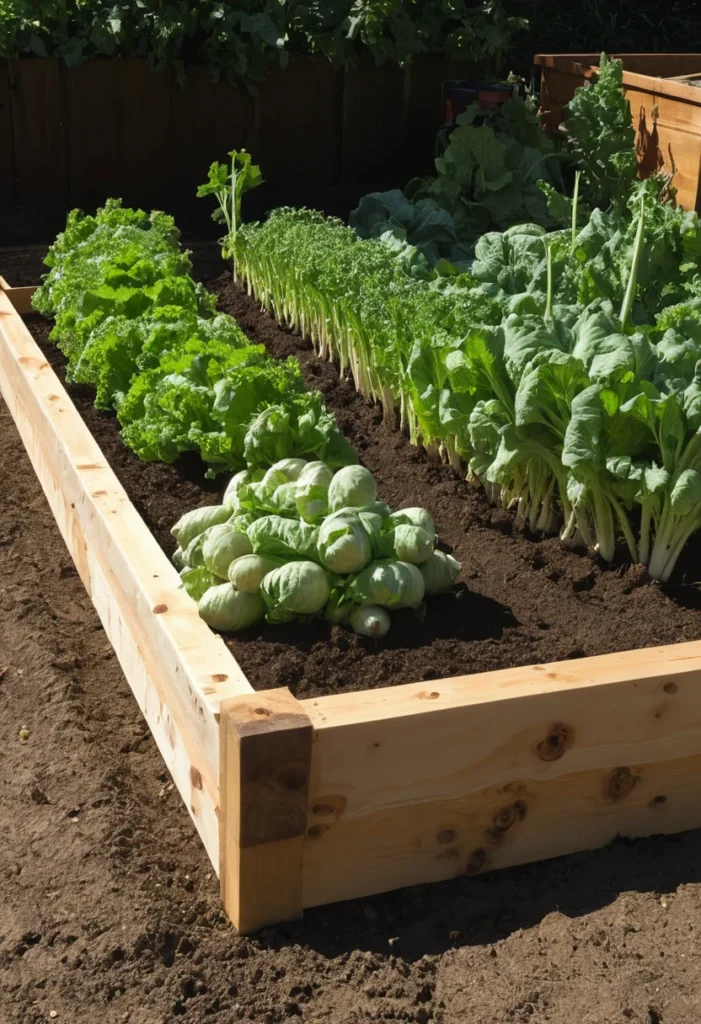
Root crops such as carrots, radishes, beets, and similar vegetables can work well in a raised bed because you can control the soil texture and depth.
Loose, well-prepared soil allows roots to develop more easily. Before planting, remove large stones and break up compacted areas rather than simply filling the bed with dense material.
Organize by Harvest Time
Fast-growing radishes can be planted alongside slower crops, provided their spacing and light requirements are compatible. This allows you to harvest one crop while another continues growing.
Succession planting can make the same bed productive for a longer part of the season. Current raised-bed plans recommend refreshing finished areas with compost and planting another crop after quick-growing vegetables are harvested.
6. Use Vertical Space for Climbing Vegetables
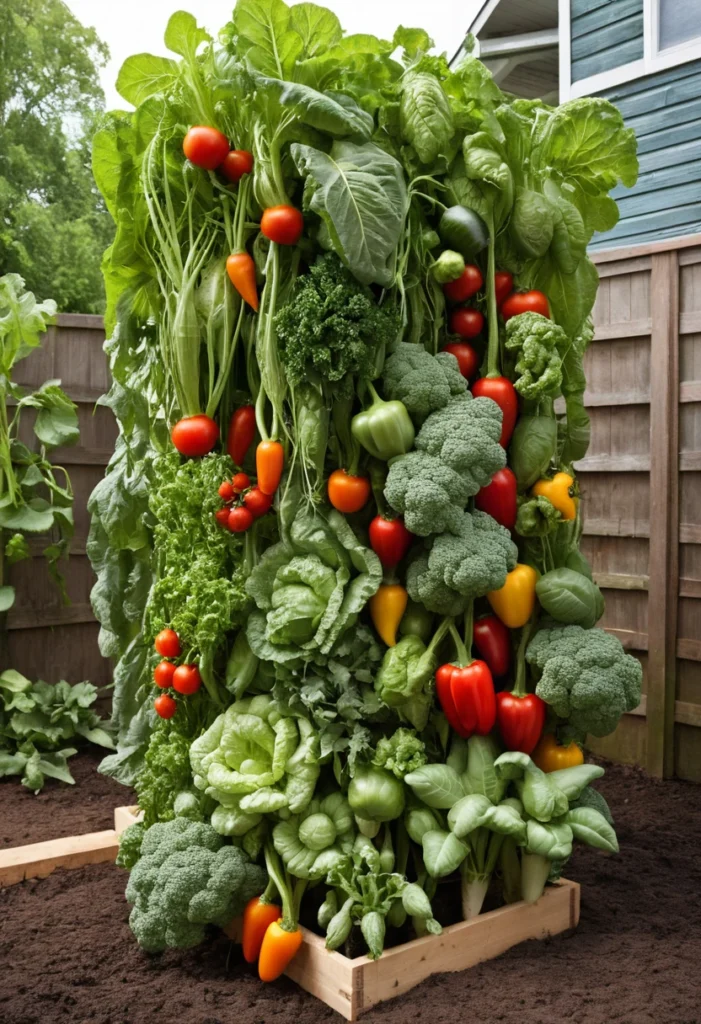
A raised bed does not have to use only horizontal space. Add a trellis to grow climbing vegetables such as pole beans and suitable cucumber varieties.
Vertical growing can increase productivity without requiring a much larger footprint. It can also keep sprawling plants away from pathways and make harvesting easier.
Put the Trellis at the Right Edge
Think about the direction of sunlight before positioning a trellis. A tall wall of foliage can shade plants behind it.
Place climbing structures where they provide support without unnecessarily blocking sunlight from smaller crops. Make sure the structure is firmly anchored so it can handle mature vines, wind, and wet foliage.
7. Create a Small Salad Garden
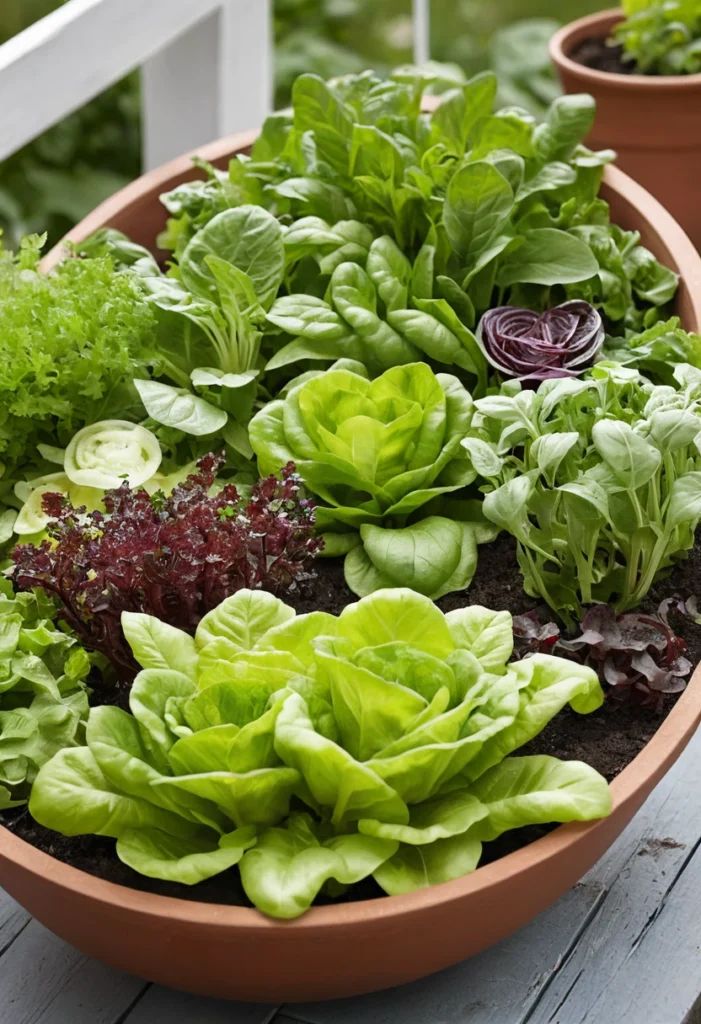
If you want quick and frequent harvests, dedicate one raised bed to salad crops. Lettuce, spinach, arugula, radishes, and herbs can provide repeated harvests when planted at appropriate times.
Small leafy crops also make it possible to use the space efficiently. Some can be planted in succession as earlier crops are harvested.
Practice Succession Planting
Instead of planting the entire bed on one day, divide it into sections and sow at different times. This can help prevent every crop from becoming ready for harvest simultaneously.
It also gives you opportunities to replant empty sections throughout the growing season.
8. Make a Family Vegetable Garden Layout
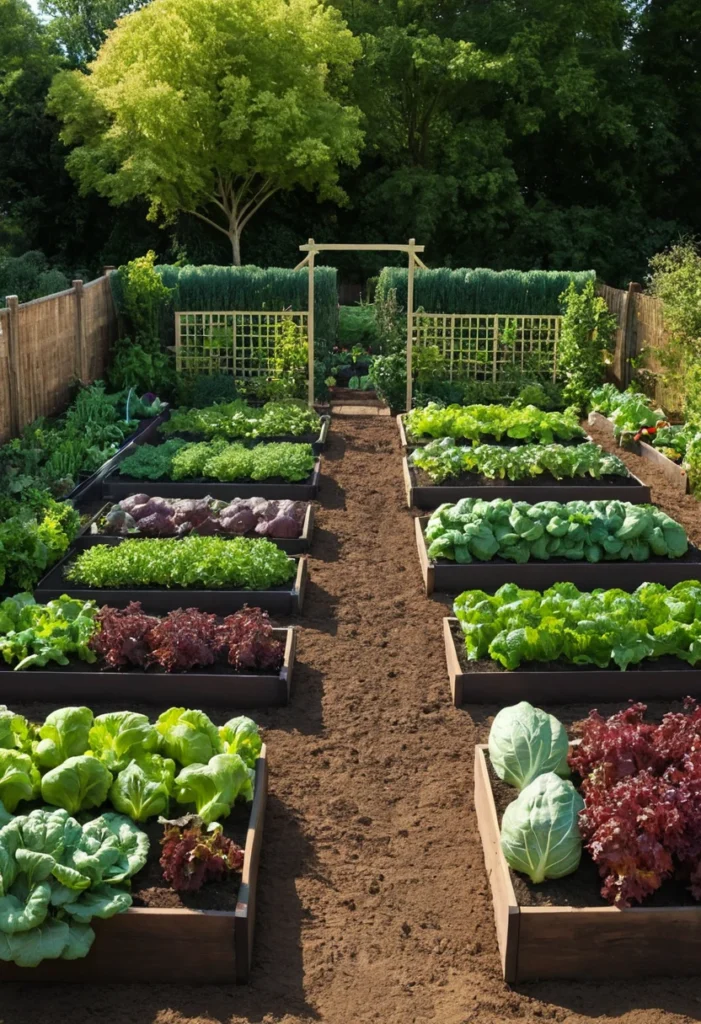
A family garden should be designed around the vegetables your household actually eats. Growing ten varieties of a vegetable nobody wants is not efficient, even if the plants perform beautifully.
Start by writing down your favorite vegetables. Then rank them according to how often you use them and how much space they require.
Put Frequent Crops Near the Path
Place vegetables that require regular harvesting near the easiest-to-reach areas. Crops that can be harvested less frequently can occupy more distant sections.
This small planning decision can make a surprisingly large difference during the busy part of the growing season.
9. Add a Companion Planting Section
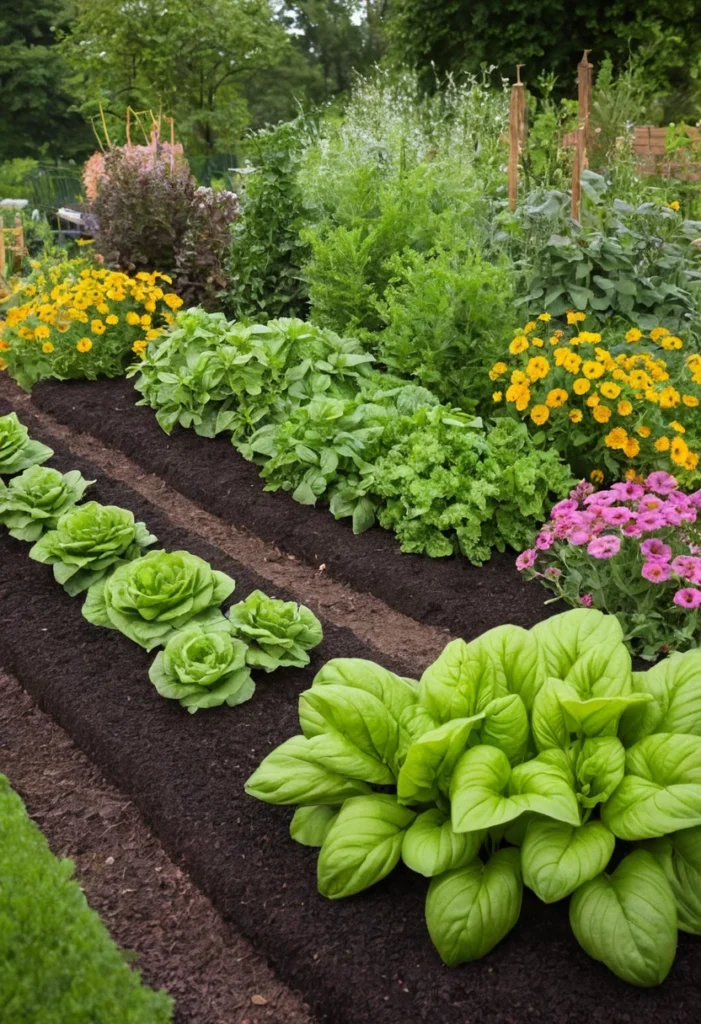
Companion planting can add another layer to your 12+Garden ideas. Instead of growing every vegetable separately, combine compatible plants according to their size, growing conditions, and purpose.
Flowers and herbs can also add visual variety to raised beds. Current raised-bed garden plans incorporate companion flowers such as marigolds and zinnias, while other plans combine vegetables with herbs and flowers.
Do Not Overcrowd the Bed
Companion planting does not mean squeezing as many plants as possible into one area. Each crop still needs adequate sunlight, air circulation, water, nutrients, and root space.
Use companion plants to complement your main crops rather than allowing them to compete with them.
10. Design a U-Shaped Raised Bed Garden
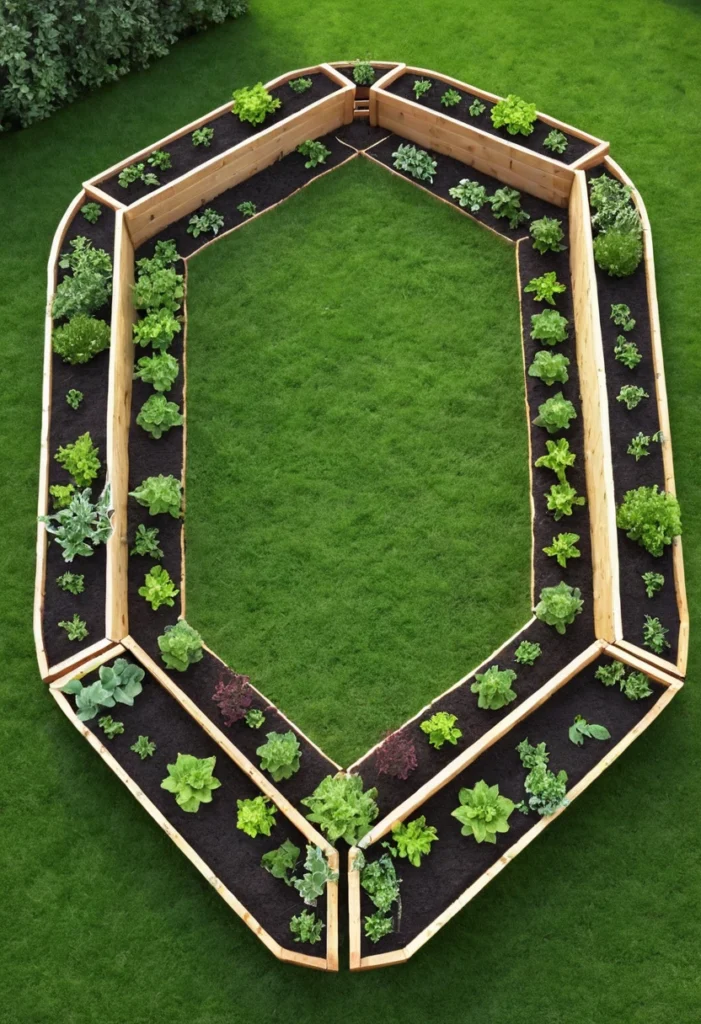
A U-shaped layout can create a practical working area when you have enough space. The beds form three sides around an open center, allowing you to reach planting areas from multiple directions.
This design can work particularly well for gardeners who want several crop categories but still want a centralized workspace.
Keep the Center Accessible
The center can be used for walking, harvesting, a small potting table, or temporary garden equipment. Avoid making pathways too narrow.
The most important advantage of a U-shaped design is accessibility. You should be able to reach plants without walking across the growing soil.
11. Use a Long Narrow Bed for Small Spaces
Not every garden can accommodate large rectangular beds. A long, narrow raised bed can fit alongside a fence, wall, patio, or pathway.
The key is to make sure the width remains reachable from the accessible side or sides. The Old Farmer’s Almanac recommends narrow raised beds so gardeners can reach the center without stepping into the planting area.
Grow Compact Crops
Long beds are ideal for crops that can be planted in rows or small blocks. Herbs, lettuce, onions, radishes, carrots, and compact beans can be considered depending on local conditions.
If the bed sits against a wall or fence, avoid putting large plants where they will block sunlight from the rest of the planting area.
12. Create a Multi-Bed Kitchen Garden
If you have a medium or large backyard, multiple raised beds can create an organized kitchen garden. For example, four 4×8 beds can provide separate areas for different vegetable groups.
One current Almanac layout uses four 4×8 beds along with a dedicated tomato bed and includes vegetables, herbs, and flowers. It also emphasizes defined paths, manageable maintenance, and crop rotation.
Leave Comfortable Paths Between Beds
Paths are not wasted space. They give you access for watering, planting, harvesting, and moving compost or tools.
Use gravel, mulch, stepping stones, or another suitable surface to keep paths clearly defined. The right pathway width depends on your equipment and needs, but it should be comfortable enough for regular garden work.
13. Try a Three-Bed Crop Rotation System
Crop rotation is easier when you have multiple beds. Instead of growing the same crop families in exactly the same place every season, move them between beds according to a simple plan.
This can help with disease management and reduce repeated pressure on the same section of soil. Multiple smaller beds are specifically recommended by University of Minnesota Extension as a useful way to facilitate crop rotation.
Keep a Simple Garden Record
Write down what was planted in each bed and where. A basic notebook or phone note is enough.
At the beginning of the next growing season, use those records to decide where different crop families should go. This prevents you from relying on memory.
14. Add a Dedicated Herb Border
Herbs can be incorporated into a raised vegetable garden without taking over the main growing area. A narrow edge or separate small bed can hold herbs that you use regularly.
Basil, chives, parsley, cilantro, and other herbs can provide convenient harvests close to the kitchen.
Group Herbs by Their Needs
Not every herb has the same water or sunlight requirements. Group plants with similar conditions together.
This makes irrigation easier and prevents you from accidentally overwatering plants that prefer drier soil.
15. Build a Raised Bed for Continuous Harvests
One of the most useful 12+Garden ideas is to design the bed around harvest timing rather than simply plant type.
Combine early, mid-season, and later crops where their growth patterns allow. Fast-growing vegetables can be harvested before larger plants need the full space.
Replant Empty Sections
When a crop finishes, remove old plant material where appropriate, refresh the growing area, and prepare it for another suitable crop.
Current raised-bed planning guidance specifically recommends succession planting, where quick crops such as lettuce, radishes, and herbs can be followed by later crops after harvest.
Choosing the Best Raised Bed Size
The best raised bed size depends on how easily you can reach the center. A bed that is too wide may look impressive but become frustrating to maintain.
For many home gardeners, beds around four feet wide are practical because they allow access from both sides without stepping into the growing area. The Old Farmer’s Almanac and University of Minnesota Extension both emphasize comfortable reach as an important factor in bed width.
Length is more flexible. You can build a 4×4, 4×6, 4×8, or longer bed depending on available space. Several smaller beds may be preferable to one huge bed because they can provide better access and make crop rotation easier.
How to Arrange Vegetables Inside a Raised Bed
Start by placing the largest plants on your layout plan. Tomatoes, squash, large peppers, and other spreading or tall crops can determine how much room remains for smaller vegetables.
Next, add medium-sized crops and then fill appropriate spaces with smaller vegetables and herbs. This is more effective than randomly placing plants and discovering later that a large crop has taken over half the bed.
Current beginner layouts also recommend keeping spacing consistent and avoiding overcrowding.
Soil Preparation for Raised Beds
A productive raised bed begins with suitable growing medium. The exact mix depends on your local materials, crops, climate, and gardening method, but raised beds are commonly filled with quality soil combined with organic matter such as compost.
Avoid treating the bed as a giant container that can be filled with any available material. Vegetable roots need a growing medium that provides suitable structure, drainage, moisture retention, and nutrients.
Adding compost regularly can help maintain soil quality, but the amount and frequency should be based on the needs of your crops and the condition of the soil.
Watering Your Raised Bed Garden
Raised beds can dry out differently from surrounding ground, especially during hot weather. Consistent watering is important for vegetable production.
Drip irrigation and soaker hoses can be useful because they deliver water close to the growing area. University of Minnesota Extension also mentions low-tech options such as buried clay ollas for slowly releasing water as surrounding soil dries.
Water According to Plant Needs
Do not automatically give every crop the same amount of water. Newly planted seedlings, leafy greens, tomatoes, root vegetables, and herbs can have different moisture requirements.
Check the soil and observe your plants rather than relying only on a fixed schedule. Mulching can also help conserve moisture and suppress weeds; current raised-bed planning guidance recommends mulch as part of seasonal maintenance.
Common Raised Bed Layout Mistakes
One of the biggest mistakes is making beds too wide to reach comfortably. If you have to step into the soil every time you harvest, you defeat one of the main advantages of a raised bed.
Another common problem is overcrowding. Plants may look small when they are first planted, but many vegetables become surprisingly large.
Poorly planned pathways can also make garden care difficult. Before building your beds, walk around the proposed area and imagine carrying watering cans, harvesting baskets, compost, and tools through the space.
How to Make a Small Raised Bed More Productive
Small gardens benefit from intensive but organized planting. Use vertical supports, succession planting, compact varieties, and carefully selected combinations to increase productivity.
A square-foot approach can help you visualize how many plants can fit into a specific space, while vertical structures allow climbing crops to grow upward. Multiple harvest cycles can then extend the usefulness of the same soil throughout the season. Current square-foot and multi-bed plans demonstrate these methods in compact garden designs.
The key is balance. Maximum planting density is not always maximum productivity if overcrowding leads to poor airflow, competition, disease, or difficult harvesting.
A Simple 4×8 Layout for Beginners
If you want an uncomplicated starting point, divide a 4×8 bed into several zones.
One section could contain lettuce and other leafy greens. Another could be used for onions and root vegetables. A third area could contain bush beans, while herbs or flowers can fill appropriate edges.
This type of layout is easy to understand and maintain. A current beginner 4×8 plan similarly combines manageable vegetables and companion flowers in one organized growing space.
As you gain experience, you can add another bed rather than making your first bed unnecessarily complicated.
FAQs About Raised Bed Vegetable Garden Layouts
What is the best size for a raised vegetable garden bed?
A bed around four feet wide is practical for many home gardens because you can generally reach the center from the sides without stepping into the soil. Length can be adjusted according to your available space.
What vegetables grow well together in a raised bed?
Many vegetables can share a raised bed when their sunlight, water, spacing, and mature size are compatible. Lettuce, onions, carrots, herbs, beans, and suitable flowers can work well in organized combinations.
How deep should a raised vegetable garden bed be?
Depth depends on the crops, existing soil, location, and construction method. Many vegetables can grow in relatively shallow beds, while deeper beds can be useful for crops with larger root systems or gardens built over hard surfaces.
How do I arrange vegetables in a raised bed?
Start with the tallest and largest plants, then position medium and smaller crops around them. Consider sunlight direction, mature size, root space, access, and recommended plant spacing before finalizing the layout.
Is a 4×8 raised bed big enough for a vegetable garden?
Yes. A 4×8 bed can provide a productive starting garden for vegetables, herbs, and flowers. Current beginner plans use this size specifically because it offers variety while remaining manageable.
Conclusion
A successful raised bed garden begins with a layout that fits your space and your gardening habits. Whether you choose one simple 4×8 bed, several smaller beds, a square-foot design, a vertical arrangement, or a larger multi-bed kitchen garden, the most important factors are accessibility, sunlight, spacing, soil quality, and practical pathways. The best 12+Garden ideas are not necessarily the most complicated; they are the ones that make everyday gardening easier.
Start small, grow the vegetables your household actually enjoys, and keep a record of what works. As your confidence grows, you can expand with another raised bed, add trellises, experiment with succession planting, or introduce crop rotation. With thoughtful planning, even a modest raised bed can become a productive and attractive source of fresh vegetables throughout the growing season.

