
Sunflowers are among the easiest flowers to recognize, with their tall stems, bright blooms, and cheerful appearance. They can transform a plain backyard, flower border, vegetable garden, or patio area into a lively summer display. 14+Flower Garden & Planting ideas featuring sunflowers can range from simple rows of classic yellow varieties to layered cottage gardens, container arrangements, pollinator-friendly beds, and creative backyard borders.
Growing sunflowers may look effortless, but choosing the right variety, preparing the soil, providing enough sunlight, watering properly, and supporting tall plants can make a major difference. Some sunflowers grow only a few feet tall, while others can become towering plants that need considerable space and protection from strong winds. Understanding those differences helps you create a garden that looks attractive rather than overcrowded.
In this guide, you’ll discover practical 14+Flower Garden & Planting ideas for using sunflowers, along with a complete growing guide covering site selection, soil preparation, planting depth, watering, fertilizing, spacing, staking, deadheading, pests, harvesting seeds, and seasonal care. Whether you’re planting your first sunflower or designing a larger flower display, these ideas can help you make the most of this cheerful garden favorite.
1. Create a Classic Sunflower Border
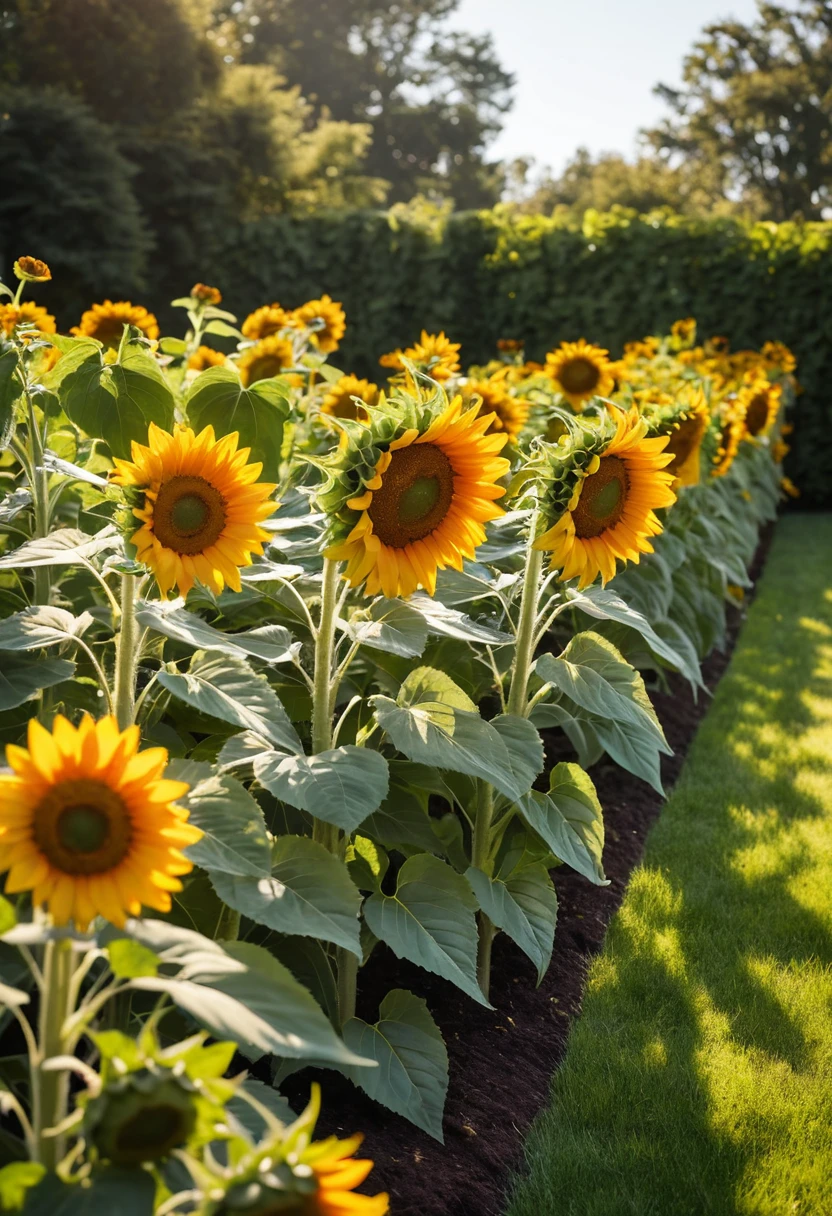
A row of sunflowers can make a striking border along a fence, garden path, driveway, or property edge. Taller varieties work particularly well at the back of a border because they create a strong vertical element while allowing shorter flowers to fill the foreground.
For 14+Flower Garden & Planting, consider using sunflowers as the main background and planting lower-growing flowers in front. Zinnias, marigolds, cosmos, and other suitable annuals can create layers of color without hiding the sunflower blooms.
Keep enough space between plants for mature growth and airflow. A crowded row can become difficult to water, weed, and support, especially when tall stems are exposed to wind.
2. Design a Sunflower Cottage Garden
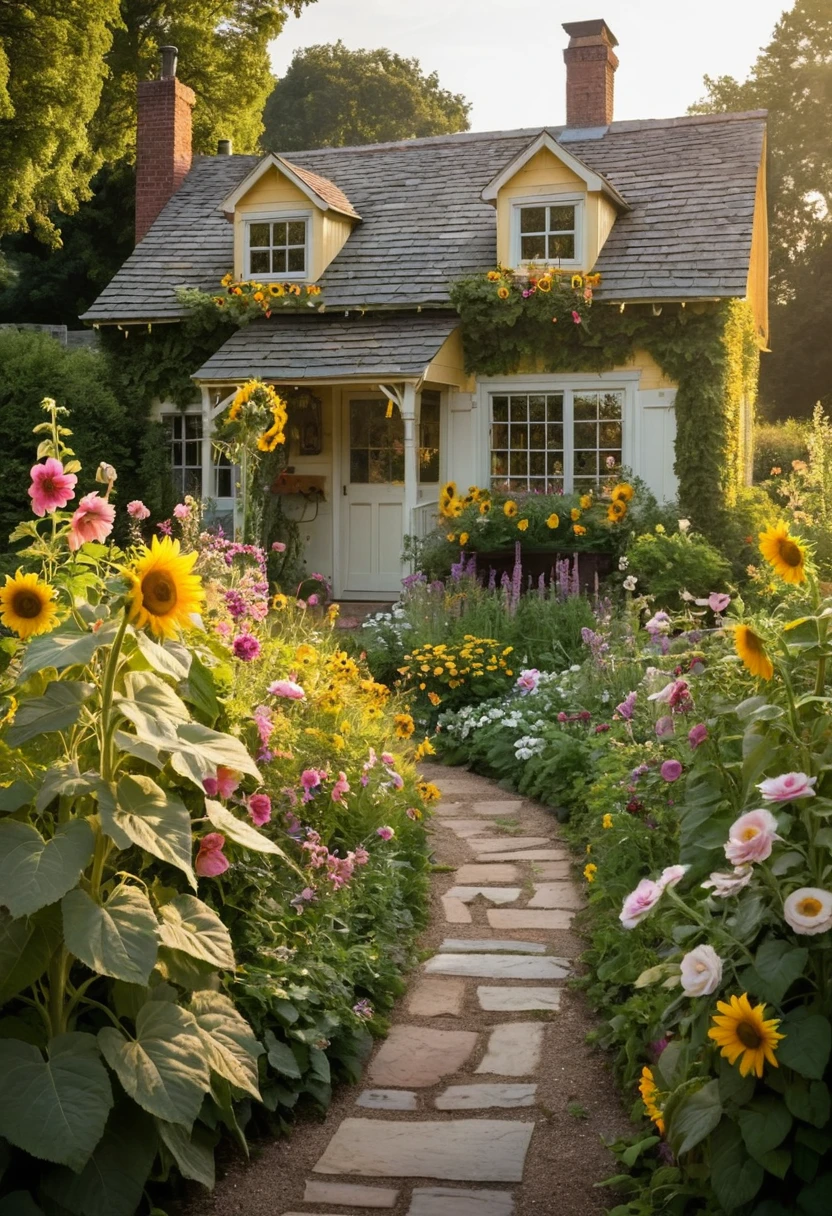
Sunflowers fit naturally into a relaxed cottage-style garden. Instead of planting them in a perfectly straight line, arrange them among other flowers to create a loose, informal display.
A cottage-style 14+Flower Garden & Planting design can combine sunflowers with cosmos, zinnias, coneflowers, daisies, herbs, and ornamental grasses suited to your growing conditions. Different heights and bloom shapes make the garden feel abundant without requiring complicated landscaping.
Repeat a few colors throughout the bed to create unity. The goal is to look naturally full while still having a deliberate planting plan.
3. Grow Sunflowers Against a Fence
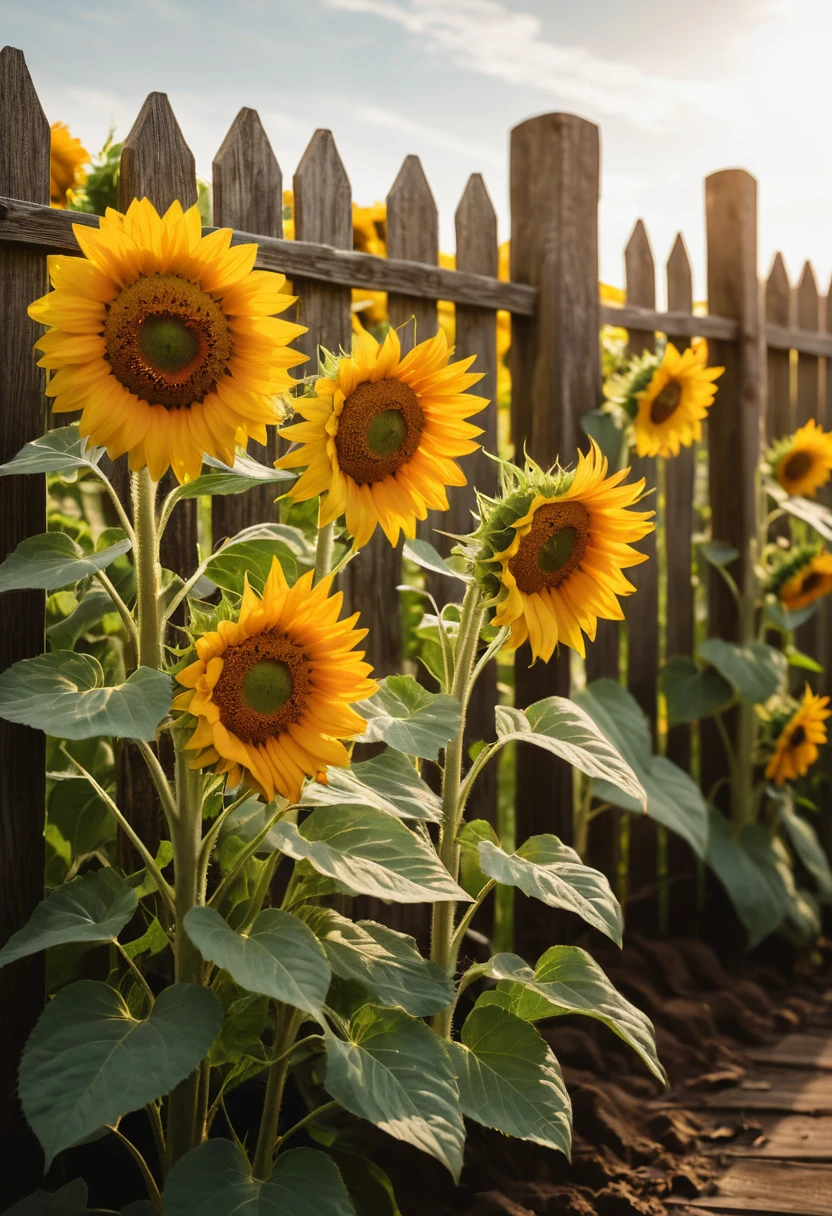
A sunny fence provides an excellent backdrop for sunflowers. The fence can visually support the tall stems while helping define the planting area.
For 14+Flower Garden & Planting, first check how much sunlight the fence receives. Sunflowers generally need a sunny location, so a shaded fence line may not produce strong plants or abundant flowers.
Place taller varieties farther from the viewing area and shorter varieties closer to the front. This creates a gradual transition instead of a wall of identical-height plants.
4. Make a Sunflower and Pollinator Garden

Sunflowers can contribute to a wildlife-friendly garden because their flowers provide pollen and nectar, while mature seed heads can provide food for birds. Planting different flowering species around them can extend the garden’s value throughout the growing season.
A pollinator-focused 14+Flower Garden & Planting design should include a mixture of flower shapes and bloom periods. Choose plants suited to your local climate rather than relying on a single universal plant list.
Avoid covering the entire garden with unnecessary chemicals. Healthy flowering diversity can help create a more useful habitat for beneficial insects.
5. Create a Sunflower Circle

A sunflower circle can become an attractive focal point in a larger lawn or garden. Plant the sunflowers in a broad ring, leaving an open center for a small ornamental feature, seating area, or additional flowers.
This 14+Flower Garden & Planting design works best when you choose varieties that remain manageable for the available space. Extremely tall sunflowers may overwhelm a small circular bed.
A circle also creates an opportunity to experiment with different sunflower heights. Shorter varieties can be planted toward the front while taller varieties form the outer or rear layer.
Read also: Planting Ideas: Creative Mixed Flower Garden Planting Ideas
6. Plant Dwarf Sunflowers in Containers
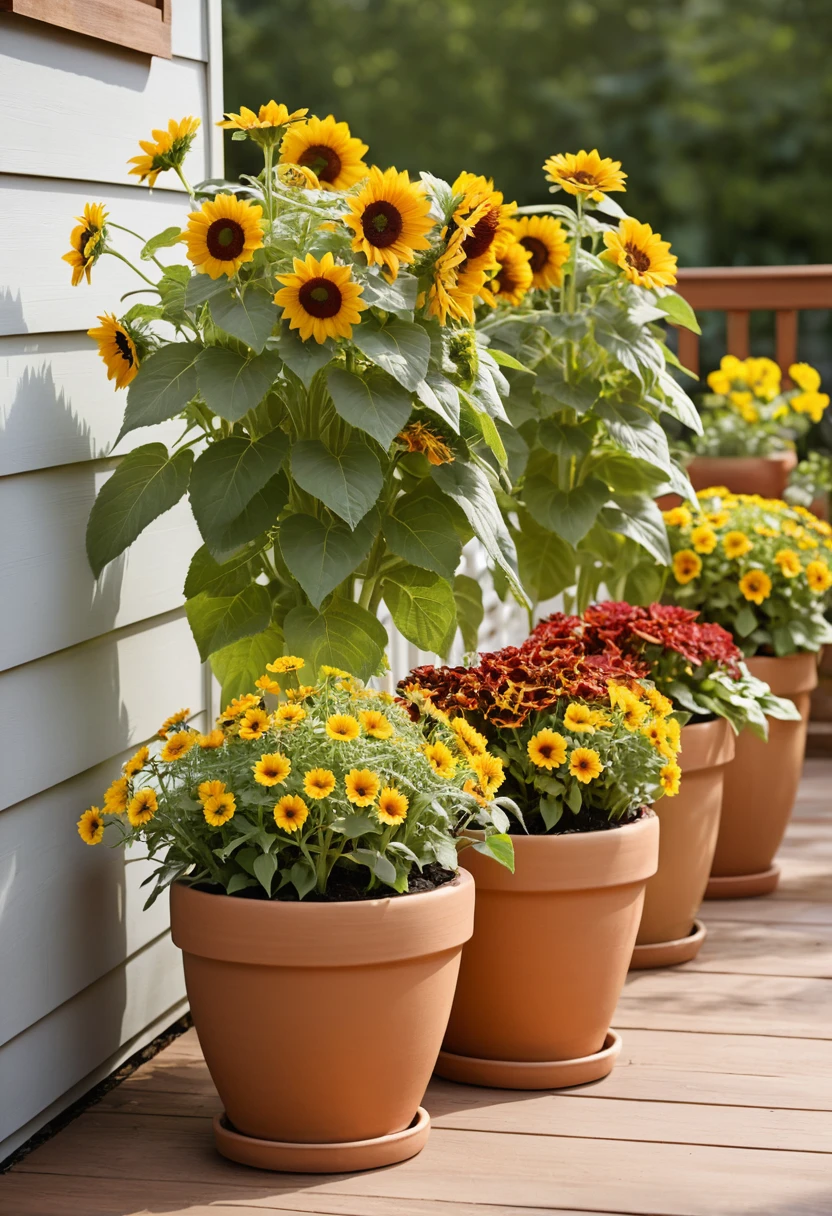
Not every sunflower needs a huge backyard. Dwarf varieties can be grown in suitable containers, making them useful for patios, balconies, decks, and small gardens.
For 14+Flower Garden & Planting, select a container large enough to support the mature plant and make sure it has drainage holes. Container-grown plants usually need closer attention to moisture because their growing medium dries faster than garden soil.
Choose a sunny location and rotate containers if necessary so plants receive balanced light. Avoid placing very tall varieties in small containers where they can become unstable.
7. Create a Sunflower and Vegetable Garden
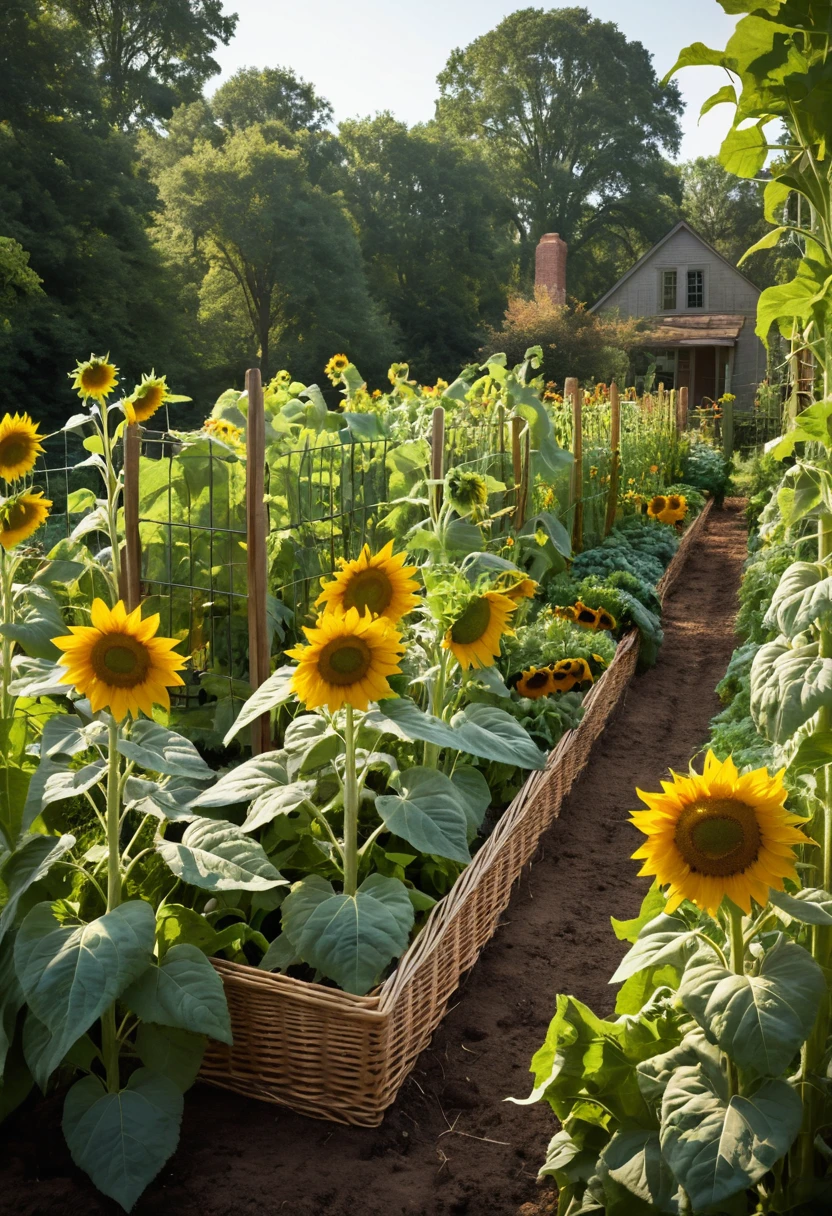
Sunflowers can also fit into a productive garden. Their height makes them useful as a visual background around vegetable beds, although placement matters because tall plants can cast shade.
For 14+Flower Garden & Planting, position sunflowers where their mature height won’t block important sunlight from shorter crops. Consider the direction of the sun and the height of nearby plants before sowing.
A vegetable garden can become more attractive when edible crops and flowers are planned together. Just make sure each plant has adequate room, nutrients, water, and sunlight.
8. Combine Sunflowers With Blue and Purple Flowers
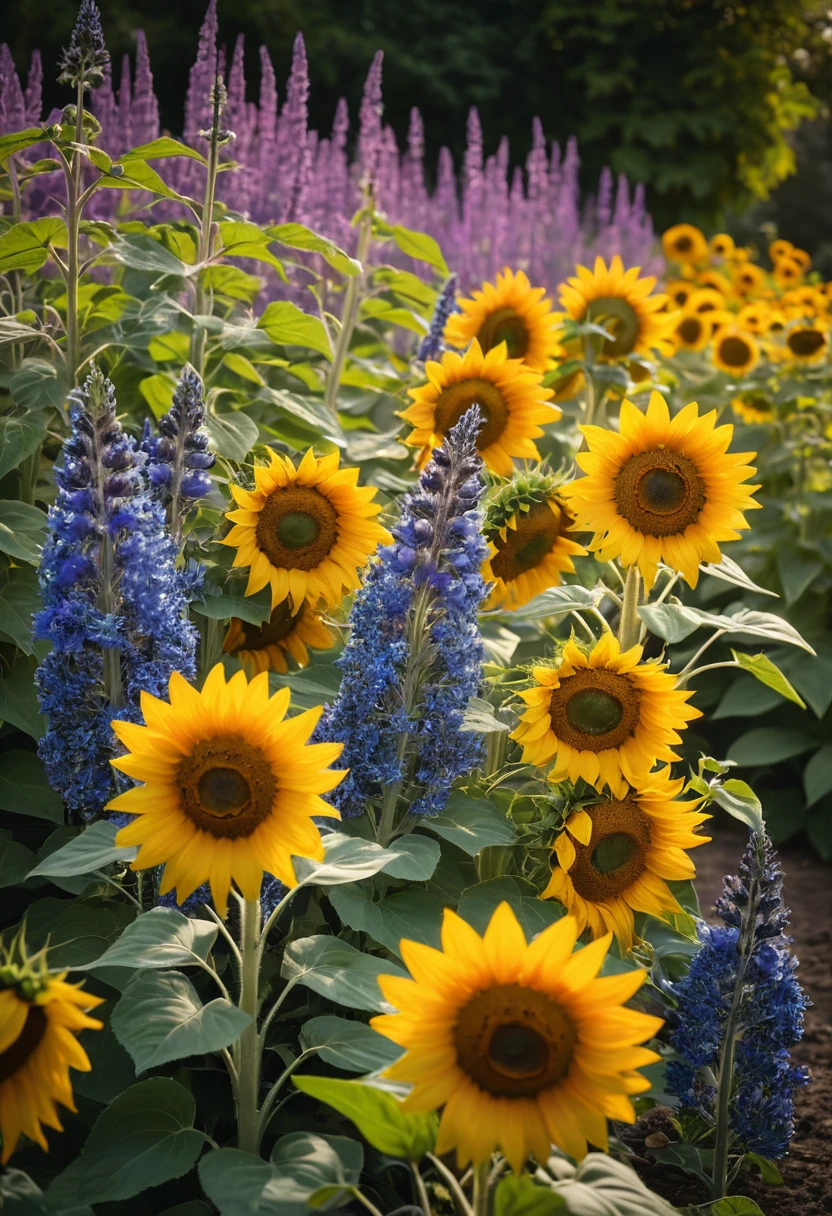
Yellow sunflowers create a dramatic contrast with blue and purple flowers. This color combination can make a garden look vibrant without requiring dozens of flower colors.
In a 14+Flower Garden & Planting arrangement, use purple salvia, suitable asters, catmint, or other compatible plants according to your local conditions. Keep the sunflower stems toward the rear and allow the contrasting flowers to occupy the lower layers.
Repeated purple accents throughout the bed can visually connect the arrangement and prevent the colors from looking scattered.
9. Make a Sunflower Cutting Garden
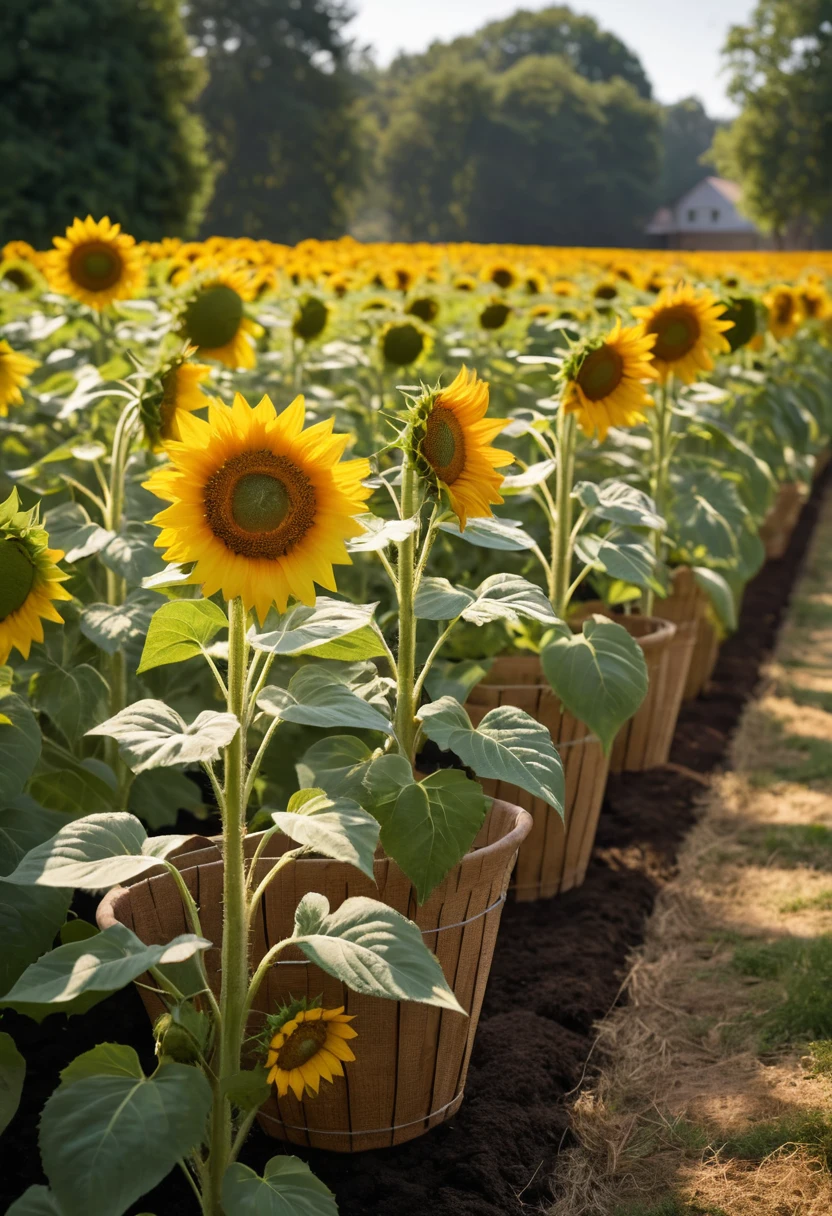
If you love bringing flowers indoors, reserve part of your garden for cut flowers. Sunflowers can make impressive arrangements, particularly when combined with foliage and smaller seasonal blooms.
A cutting-focused 14+Flower Garden & Planting bed should prioritize varieties that suit vase arrangements and provide multiple stems. Stagger planting dates where appropriate so you don’t have every flower opening at exactly the same time.
Harvest flowers at the appropriate stage with clean, sharp tools and place the stems into clean water promptly. Removing flowers for arrangements can also encourage branching in some sunflower types.
10. Create a Sunflower Privacy Screen
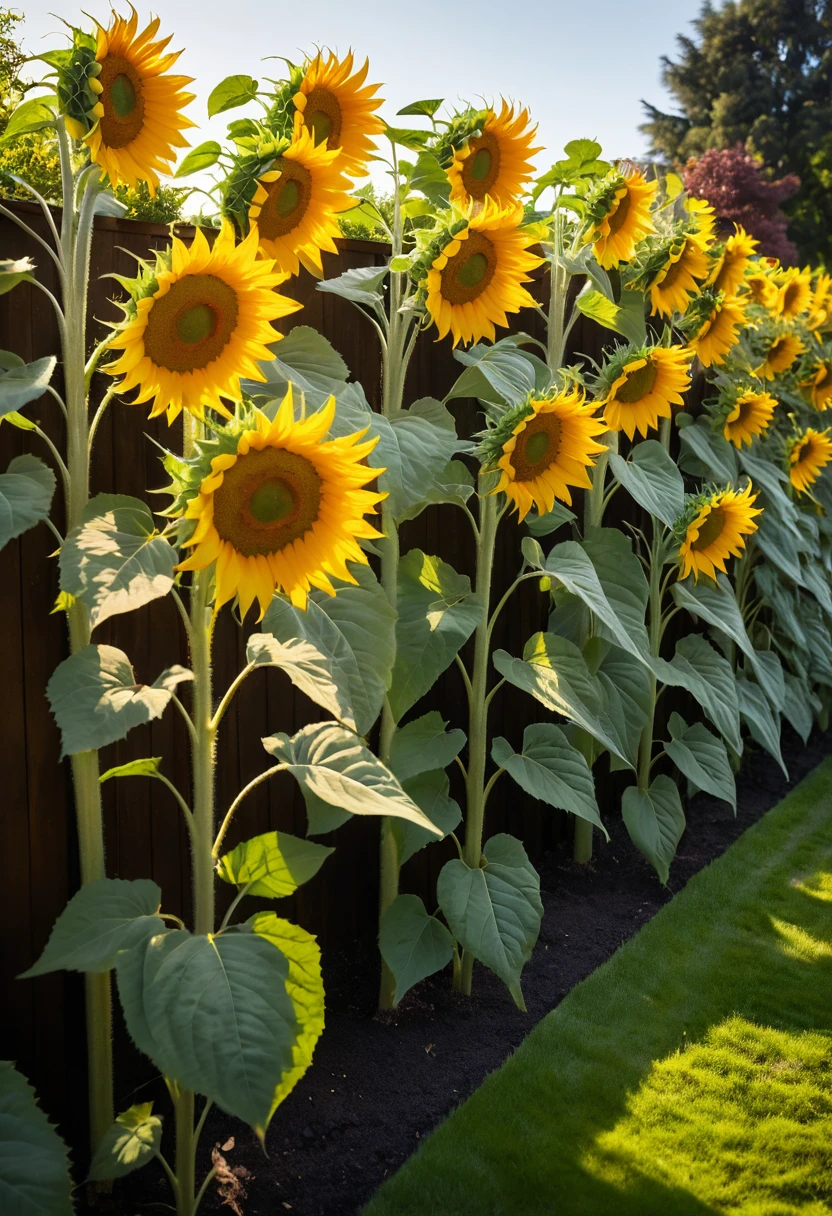
Tall sunflowers can provide temporary seasonal screening around patios, sitting areas, or parts of the backyard. They grow quickly compared with permanent shrubs and create a colorful alternative to a plain fence.
For 14+Flower Garden & Planting, use several plants in a staggered arrangement instead of one straight line if space allows. This can create a fuller visual screen.
Remember that sunflowers are seasonal plants. They should be considered a temporary garden feature rather than a permanent privacy solution.
11. Grow a Multi-Height Sunflower Bed
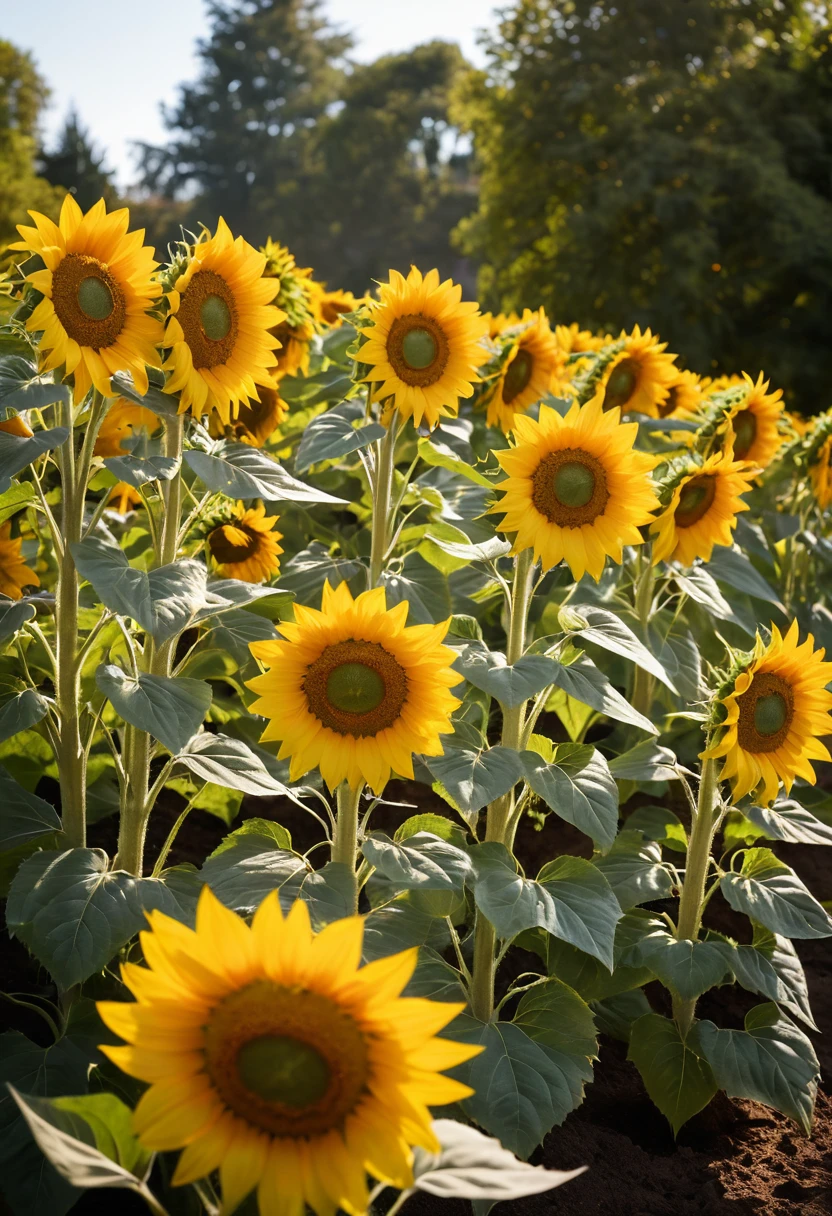
Using sunflowers of different mature heights creates a more sophisticated flower bed. Tall varieties can form the background, medium varieties can fill the center, and dwarf types can occupy the front.
This is one of the most flexible 14+Flower Garden & Planting ideas because it works in both large and relatively small spaces. It also allows you to enjoy different flower forms without making the garden feel flat.
Check seed packets for expected mature height before planting. Don’t rely solely on the appearance of young seedlings because height differences become much more dramatic later in the season.
12. Plant Sunflowers Along a Garden Path
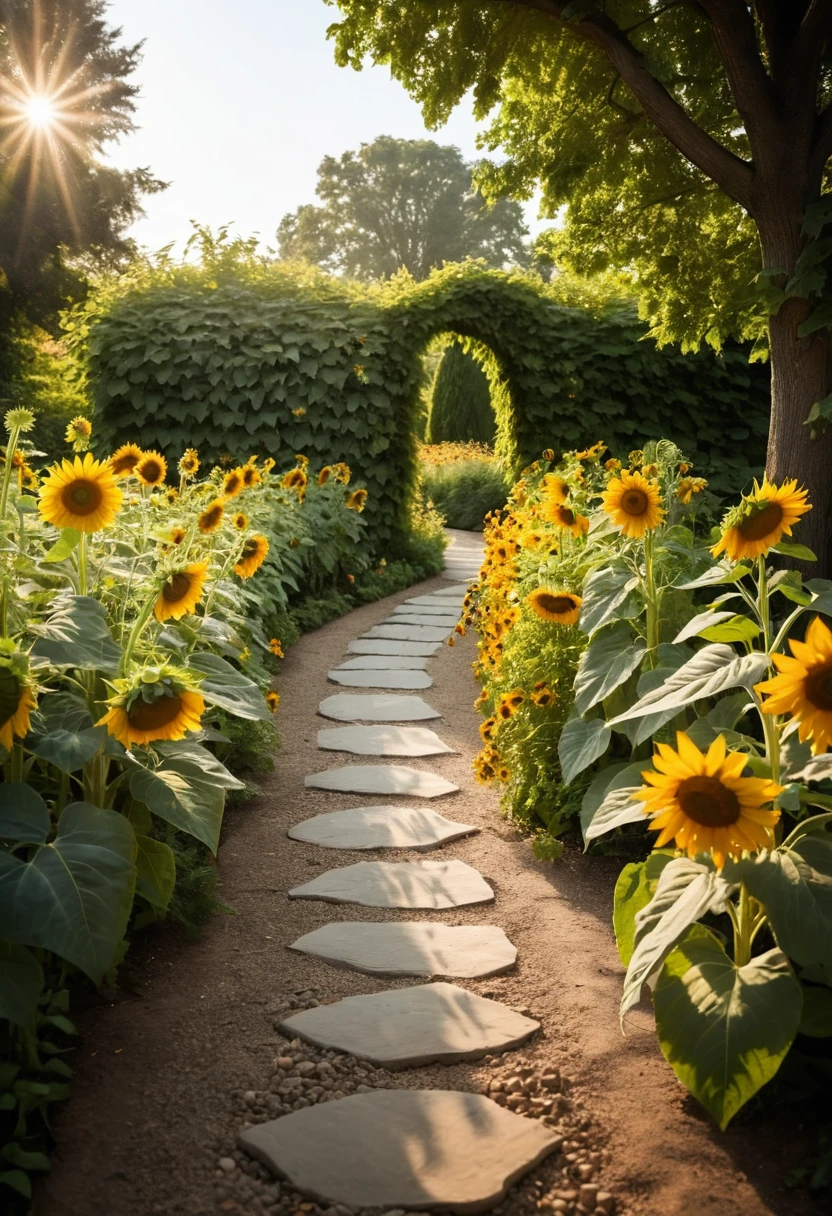
A sunny pathway can become more inviting when framed with seasonal sunflower blooms. Use shorter varieties near narrow walkways so stems and foliage don’t interfere with foot traffic.
For 14+Flower Garden & Planting, leave sufficient clearance between the path and mature plants. Sunflowers can become surprisingly broad, especially when branching varieties are used.
You can combine them with low edging plants to create a layered transition between hardscape and flowers.
13. Build a Sunflower Focal Point
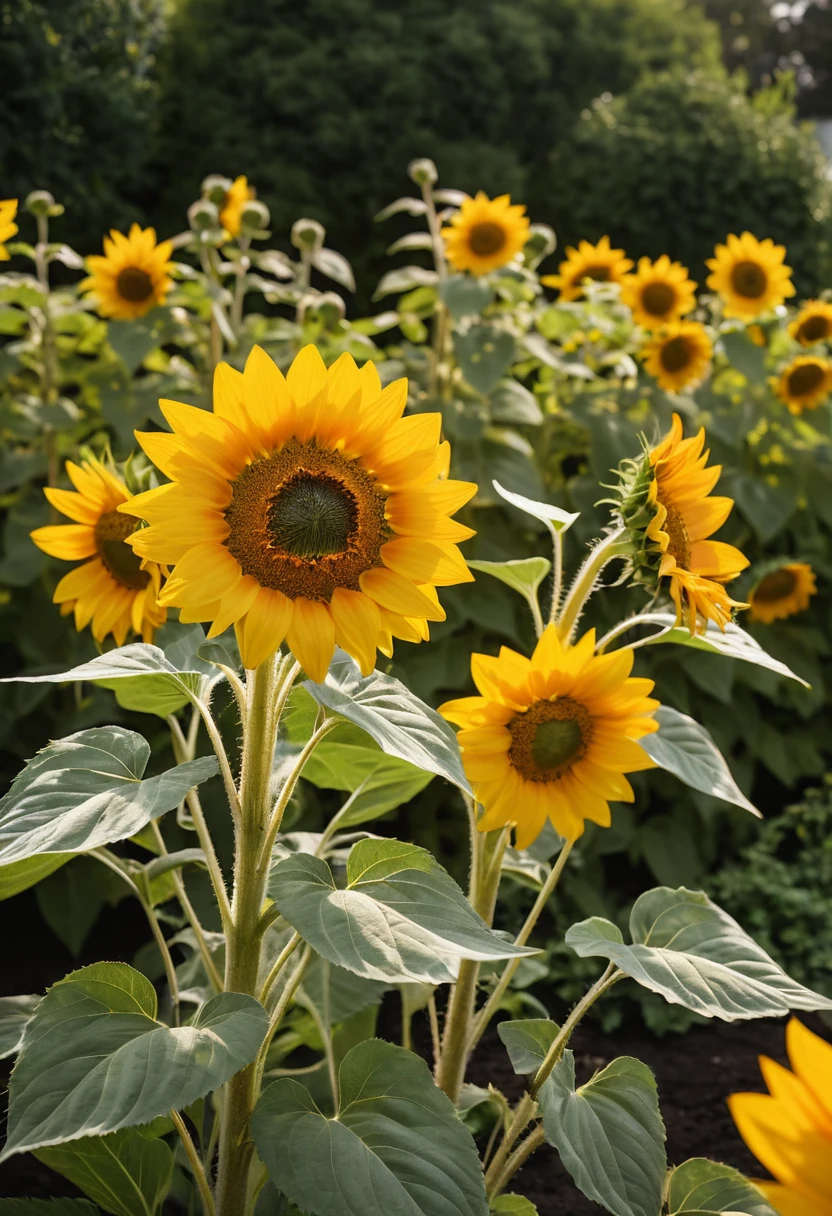
Instead of spreading sunflowers across an entire yard, use a concentrated group as a focal point. A cluster of bright blooms can draw attention to an otherwise plain area.
A focal-point 14+Flower Garden & Planting design works best when the surrounding landscape remains relatively simple. Too many competing features can reduce the impact of the sunflower group.
Consider placing the focal bed where it can be seen from a kitchen window, patio, or main garden path. This makes the planting more enjoyable throughout the season.
14. Try a Sunflower Meadow Look
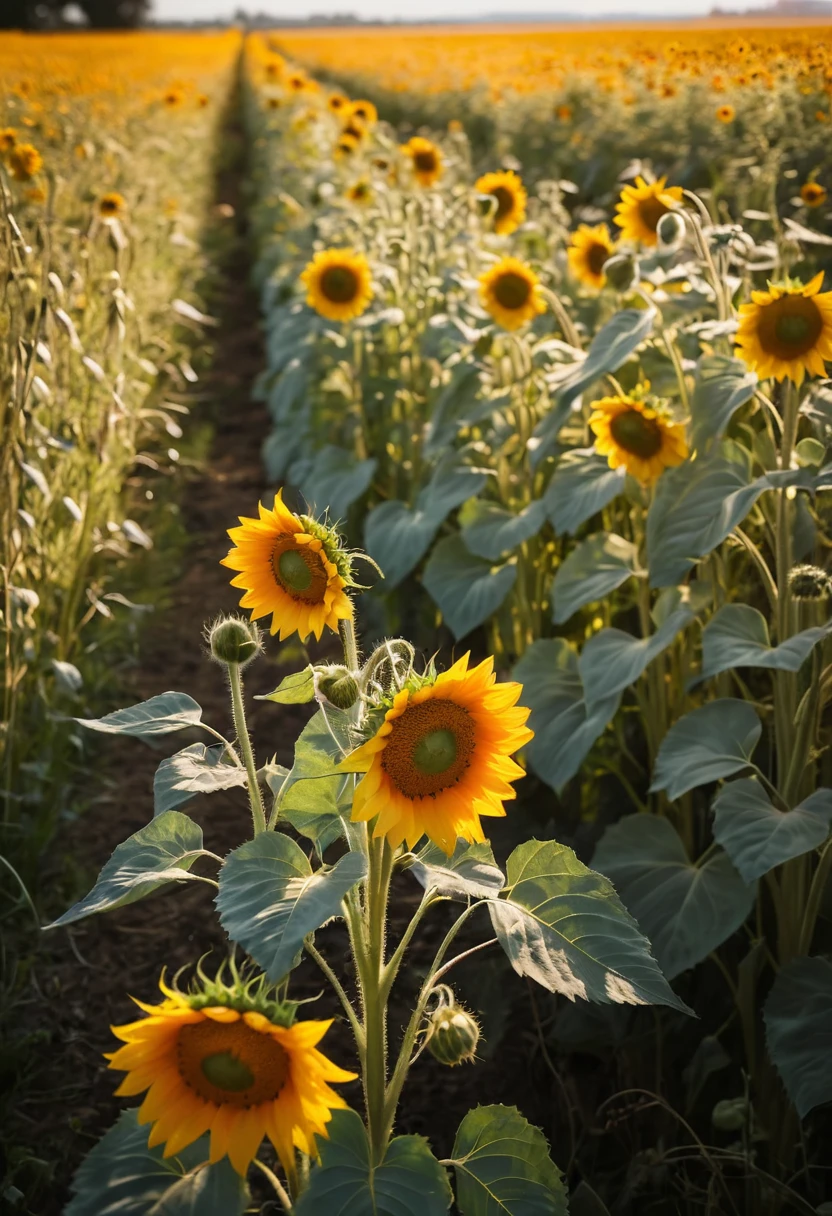
For a relaxed appearance, sow compatible annual flowers around sunflowers and allow the planting to develop into a loose meadow-style display.
A meadow-inspired 14+Flower Garden & Planting arrangement can include cosmos, zinnias, native annuals, grasses, and other flowers suited to your region. Use plants with different heights and flowering times for a natural effect.
Although the planting looks informal, basic planning still matters. Give larger plants adequate space and avoid sowing too densely.
15. How to Choose the Right Sunflower Variety
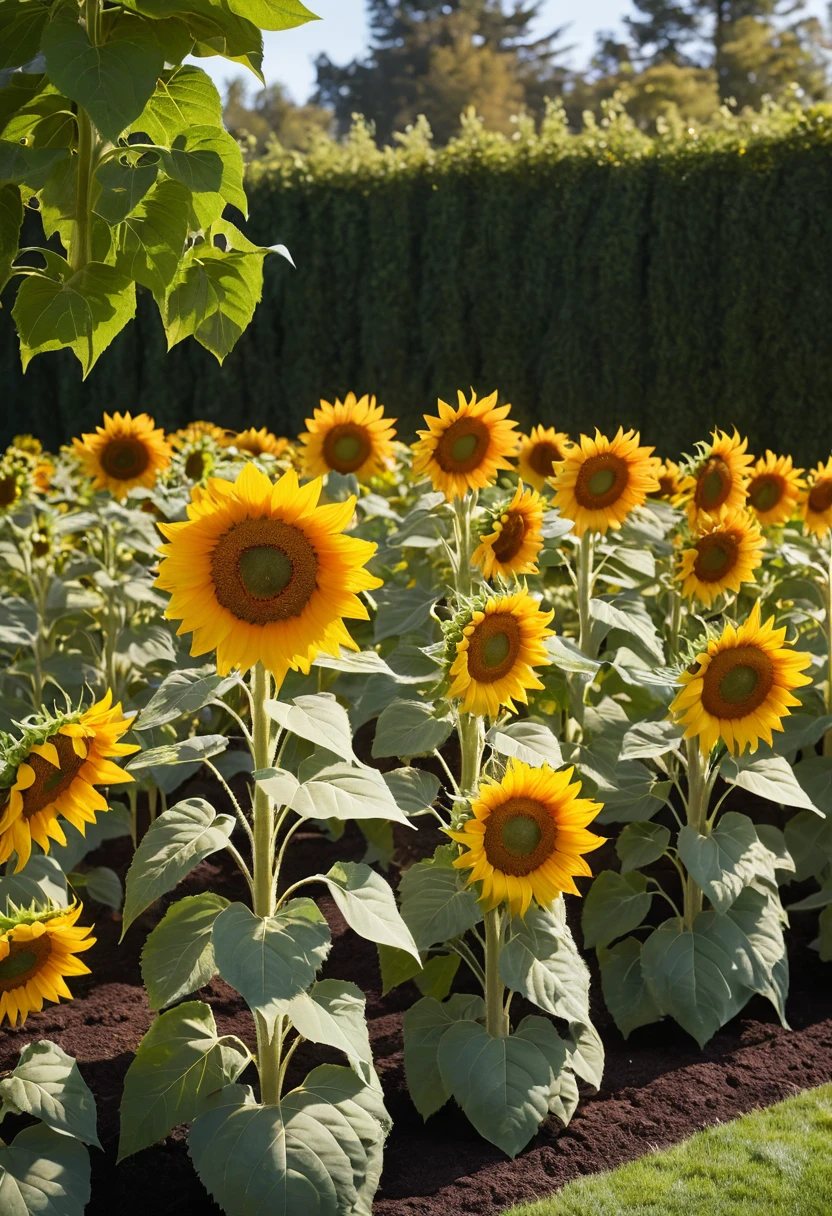
Sunflowers come in a wide range of forms. Some are compact and suitable for containers, while others become very tall. Some produce one large flower, while branching varieties can produce multiple blooms.
For 14+Flower Garden & Planting, choose varieties according to your available space and intended purpose. Think about whether you want cut flowers, pollinator value, dramatic height, containers, or a compact border.
Before purchasing seeds, check:
- Mature height
- Mature width
- Branching or single-stem habit
- Flower color
- Flower size
- Days to maturity
- Container suitability
- Support requirements
- Local growing conditions
FAQs
How much sun do sunflowers need?
Sunflowers generally perform best in a location with plenty of direct sunlight, making a bright, open garden area ideal for most varieties.
What is the best soil for growing sunflowers?
Sunflowers prefer fertile soil with good drainage; improving compacted soil and avoiding persistently waterlogged areas can support healthier growth.
How often should sunflowers be watered?
Young plants need consistent moisture while establishing, while mature plants should be watered according to rainfall, soil conditions, temperature, and signs of drought stress.
Do sunflowers need support?
Very tall or top-heavy varieties may benefit from stakes or other support, particularly in windy locations or when large flower heads develop.
Can sunflowers grow in pots?
Yes. Compact or dwarf sunflower varieties can grow successfully in sufficiently large containers with good drainage and adequate sunlight.
Conclusion
Sunflowers can do much more than fill an empty patch with yellow blooms. With thoughtful 14+Flower Garden & Planting design, they can become borders, focal points, pollinator gardens, cutting beds, seasonal screens, container displays, and wildlife-friendly features. The right variety and placement are the foundation of a successful display.
Start with the conditions your garden can actually provide: plenty of sunlight, suitable soil, adequate drainage, enough room, and appropriate watering. Then choose sunflower varieties that match your space and combine them with companion flowers for height, texture, and seasonal interest. With a little planning and regular observation, your sunflower garden can become one of the brightest features of the growing season.

