
A no-dig garden bed is a growing space created without turning, digging, or repeatedly disturbing the existing soil. Instead of breaking up the ground, gardeners build fertility from the surface by adding organic matter such as well-rotted compost and using mulch to suppress weeds. The Royal Horticultural Society describes no-dig gardening as a method that avoids digging, forking, and rotavating while allowing plants to grow directly into a layer of organic matter.
The beauty of 11+Garden ideas for no-dig beds is that they can be adapted to almost any backyard. You can create a simple ground-level vegetable bed, a raised no-dig bed, a flower border, a narrow kitchen garden, or several organized beds separated by easy-maintenance paths. No-dig gardening can also reduce unnecessary soil disturbance while helping build organic matter over time.
If you want a productive garden without spending hours turning heavy soil, these 11+Garden ideas can give you a practical starting point. From cardboard-and-compost beds to small-space layouts, raised borders, vegetable plots, and low-maintenance designs, the following ideas will help you create a garden that is productive, attractive, and easier to maintain.
Why Choose a No-Dig Garden Bed?
One of the main reasons gardeners choose no-dig gardening is simplicity. Instead of digging over the whole area, you cover the ground and build a growing layer above it. This approach can be especially useful when starting a new garden on grass or an existing weedy area. The RHS recommends covering suitable ground with organic matter and explains that cardboard can be used when weed suppression is needed.
No-dig beds can also help protect soil structure because the ground is disturbed less frequently. Organic matter added at the surface gradually becomes part of the soil system, while mulch can help reduce moisture loss and weed growth. The method does not mean completely ignoring the soil; instead, it changes the way you improve and work with it.
1. Classic Cardboard and Compost No-Dig Bed
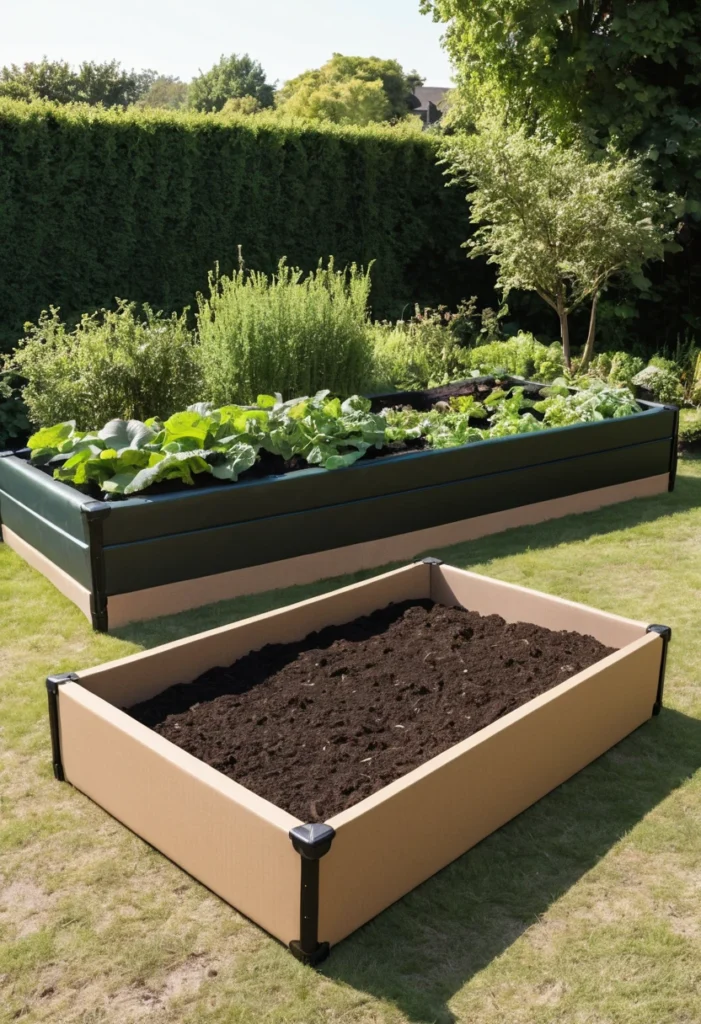
One of the easiest 11+Garden ideas is the classic cardboard-and-compost bed. Start by choosing an area with suitable sunlight and mark the outline of your future garden bed. If the area contains grass or ordinary annual weeds, there is usually no need to dig them out first.
Lay overlapping sheets of plain cardboard over the ground, making sure there are no large gaps. Then cover the cardboard with a generous layer of well-rotted compost or another suitable organic material. RHS guidance recommends around 10–15 cm of organic matter when creating a new no-dig plot over existing ground.
The cardboard acts as a temporary light-excluding layer while the organic matter provides the growing surface. Over time, the cardboard decomposes and plant roots can move into the soil below. Charles Dowding’s no-dig guidance similarly explains that cardboard is primarily used to suppress weeds during the initial bed creation and eventually softens and breaks down.
2. Simple Ground-Level Vegetable Bed
You do not need wooden boards or expensive raised-bed kits to create a no-dig vegetable garden. A ground-level bed can be just as productive and is often quicker to build.
For a practical layout, make the bed narrow enough that you can reach the middle from both sides. The RHS suggests a width of around 1.2 metres for convenient access, with paths of roughly 45 cm between beds.
Grow leafy greens, beans, onions, herbs, salad crops, squash, or other vegetables suited to your climate. Keep the paths outside the growing area so you do not need to step onto the bed itself.
This simple design is particularly useful for beginners because there is less construction involved. You can expand the garden one bed at a time instead of creating the entire growing area in one weekend.
3. Raised No-Dig Bed With Wooden Edges
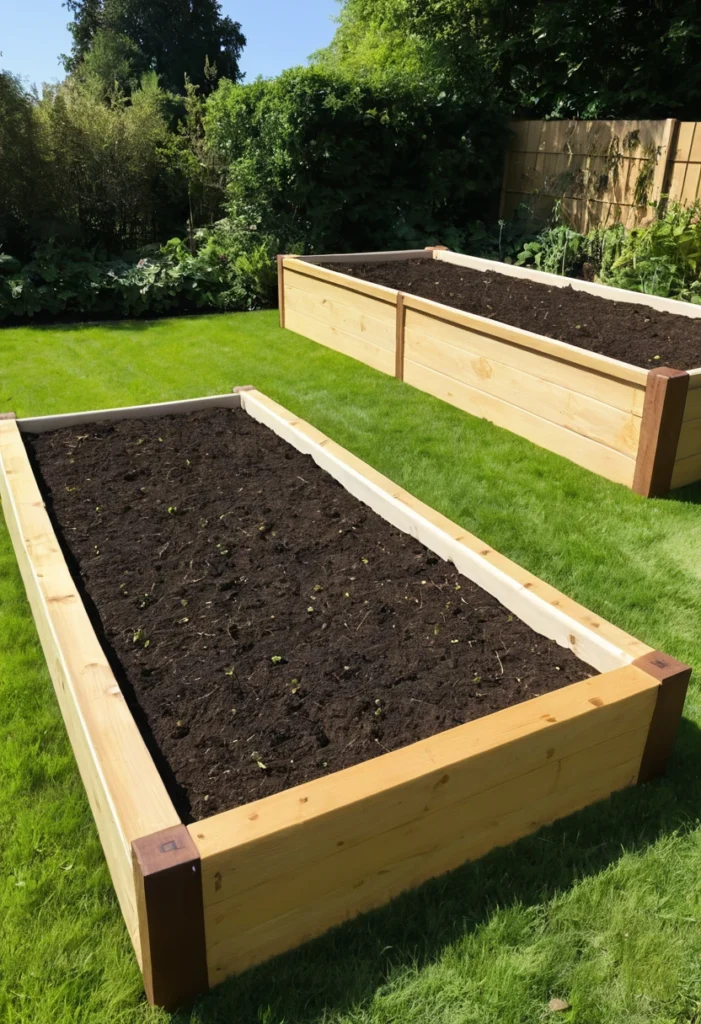
If your garden has heavy, poorly drained soil, a raised no-dig bed can be a useful option. The RHS notes that raised beds can be advantageous on heavier soils that are prone to waterlogging because they can provide better drainage.
Build a sturdy frame from suitable untreated or appropriately treated garden timber, or use another durable edging material. The goal is not to create a deep container filled entirely with imported soil. Instead, you can use the existing ground beneath the bed and build the productive growing layer above it.
Fill the bed with well-rotted compost and other suitable organic matter. Keep the surface level and avoid walking across the growing area. Over time, continue adding a fresh surface layer rather than digging the old material into the bed.
4. No-Dig Kitchen Garden
A kitchen garden is another excellent way to use 11+Garden ideas. Create several narrow no-dig beds close to the house and dedicate each one to a specific type of crop.
For example, one bed could contain salad leaves, another herbs, another onions and garlic, and another seasonal vegetables. This organization makes harvesting easier because frequently used crops are grouped together.
Add simple paths between the beds using wood chips, cardboard covered with organic material, or another suitable mulch. Charles Dowding recommends mulching pathways around and between new beds to keep access areas manageable and reduce weed growth.
Read Also: 11+ Flower Garden & Planting Ideas for a Beautiful Butterfly Garden
5. No-Dig Garden Bed on Existing Lawn
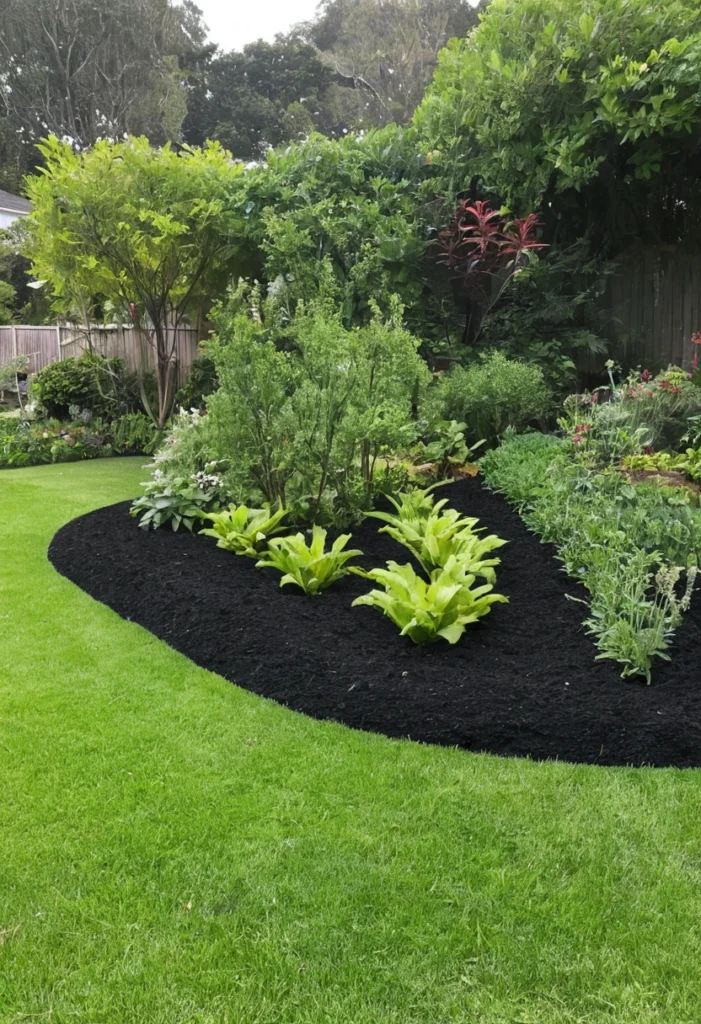
If you have a lawn that you want to convert into a vegetable garden, no-dig gardening can save considerable effort. Rather than removing every section of turf, cover the area with overlapping cardboard and add your growing layer above it.
The RHS specifically explains that existing turf does not necessarily need to be removed when creating a no-dig plot. Thick cardboard can be laid over the ground and covered with a substantial layer of organic matter.
Make sure the cardboard overlaps well, especially around the edges. Grass and weeds are persistent, and small gaps can provide opportunities for growth.
Keep checking the new bed during the first growing season. If weeds appear, remove them promptly before they become established. The RHS recommends monitoring no-dig beds and removing emerging weeds before they become deeply rooted or produce seed.
6. Small No-Dig Bed for a Tiny Backyard
Limited space does not prevent you from trying no-dig gardening. A narrow bed along a sunny wall, fence, or garden boundary can become a productive growing area.
One of the most useful 11+Garden ideas for small gardens is to keep the bed narrow and concentrate on high-value crops. Grow herbs, salad greens, spring onions, compact vegetables, climbing beans, and other crops that fit your available space.
Use vertical supports where appropriate. A trellis can turn an otherwise flat bed into a productive three-dimensional growing area.
Avoid making a small bed so wide that you have to stand inside it. A no-dig bed works best when you can comfortably reach all areas from the surrounding path.
7. No-Dig Flower Garden Bed
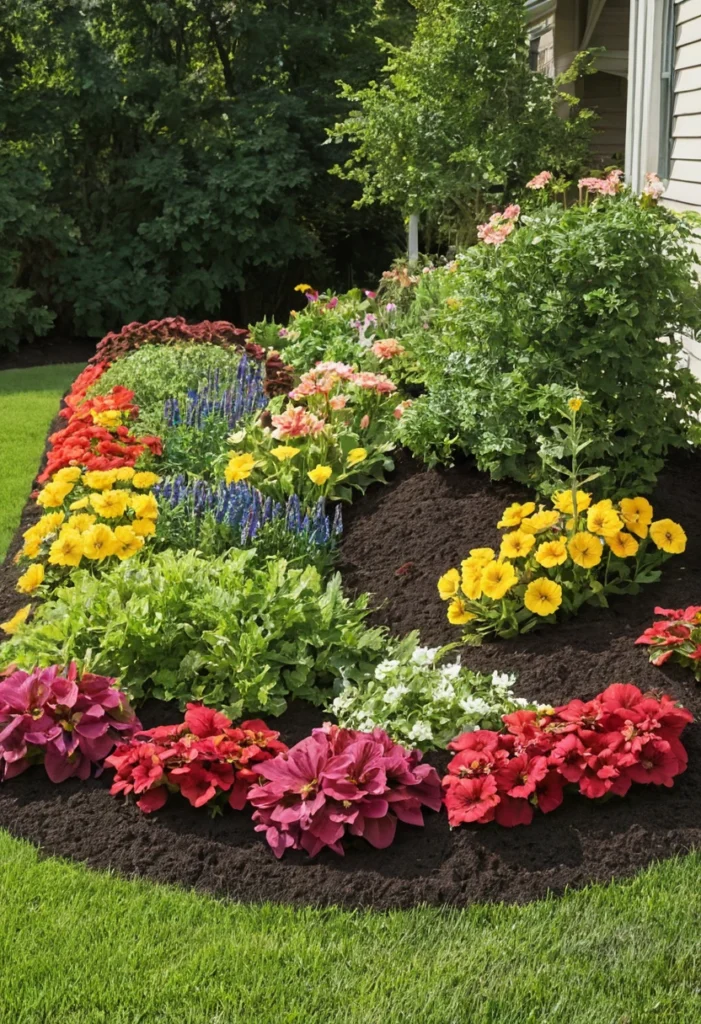
No-dig gardening is not limited to vegetables. You can create beautiful flower borders using the same principles.
Start with a suitable location, suppress unwanted grass or weeds when necessary, and create a surface layer of well-rotted organic matter. Then plant suitable annuals, perennials, bulbs, or other flowers.
This is a great choice if you want a softer-looking backyard garden rather than a traditional vegetable plot. Mix different heights and flowering periods to create continuous seasonal interest.
You can also dedicate one no-dig bed specifically to cut flowers. Cosmos, zinnias, dahlias, sweet peas, and suitable perennial flowers can provide blooms for indoor arrangements while keeping the rest of the garden untouched.
8. No-Dig Bed With Compost-Rich Soil
Compost is central to many 11+Garden ideas because it acts as both a growing medium and a source of organic matter. Well-made garden compost can improve soil fertility and structure while supporting moisture retention.
The RHS explains that garden compost is a soil improver made from decomposed plant material and can improve fertility, structure, and water-holding capacity.
If you make your own compost, use fully decomposed material rather than fresh kitchen scraps or unfinished plant matter directly around young plants. Well-rotted material creates a much better planting surface.
You can also use suitable purchased compost or other well-rotted organic materials. The exact material available to you will depend on your location, garden, and local suppliers.
9. No-Dig Bed With Wide Mulched Paths
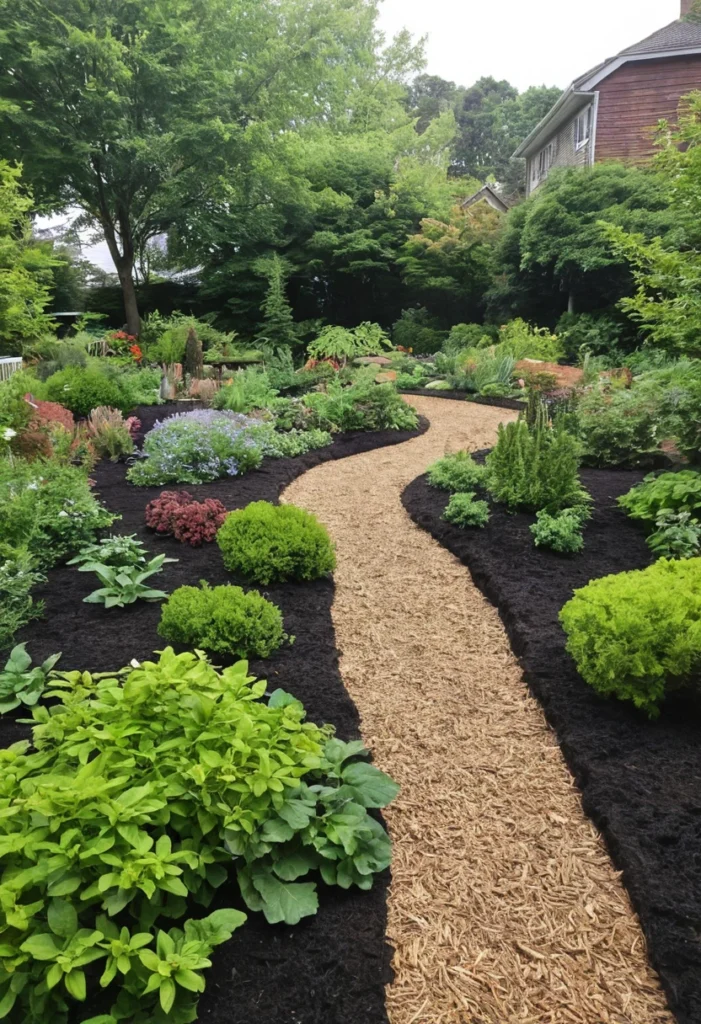
A productive bed needs comfortable access. Instead of creating narrow paths that quickly disappear beneath weeds, make pathways part of the original design.
Use cardboard, wood chips, bark, or another suitable pathway mulch. Keep the growing beds clearly separated from the walking areas.
The RHS recommends paths of around 45 cm between beds for convenient access and notes that suitable mulches can suppress weeds and reduce moisture loss.
Wide paths can also make the entire garden feel more organized. If you use a wheelbarrow or garden cart, leave enough room to move equipment without damaging plants.
10. U-Shaped No-Dig Garden
A U-shaped layout is one of the most attractive 11+Garden ideas for a larger backyard. Arrange three growing beds around a central open space, leaving the middle available for access, harvesting, or a small decorative feature.
This design creates several separate growing zones without requiring a huge amount of walking. You can dedicate one side to vegetables, another to herbs, and the third to flowers.
The open center can contain a small compost station, water container, potting table, or seating area. Keep the beds narrow enough that every section remains easy to reach.
11. Long Narrow No-Dig Bed Along a Fence
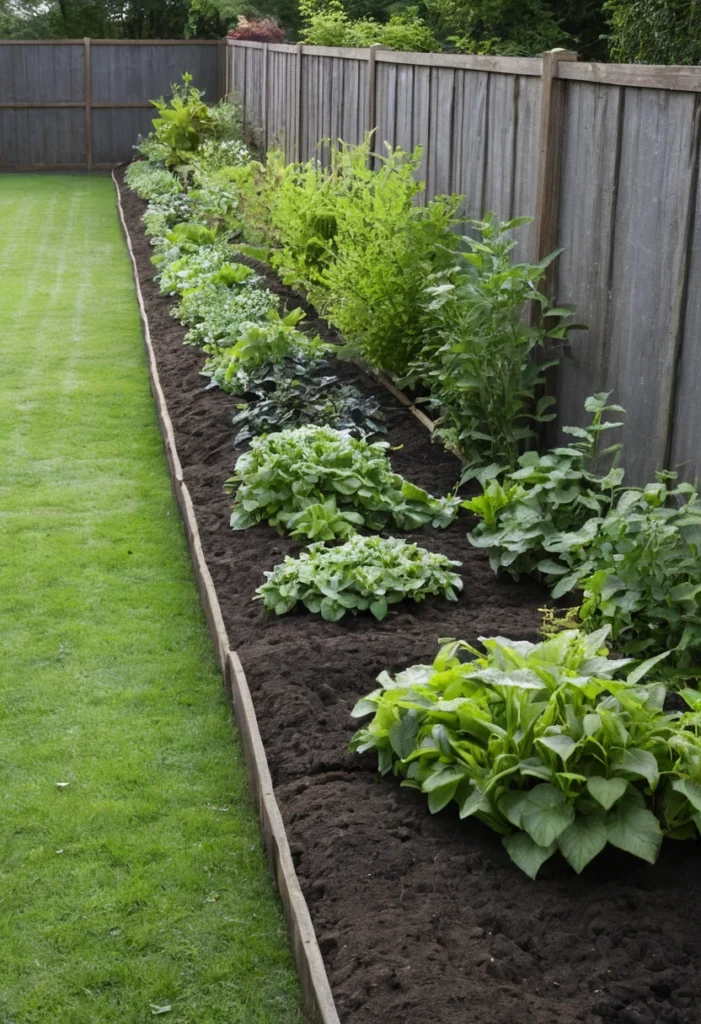
A fence-side bed can transform an unused strip into a productive garden. This works particularly well when the fence receives enough sunlight for the plants you want to grow.
Place taller crops toward the appropriate side of the bed so they do not unnecessarily shade shorter plants. Climbing beans, peas, cucumbers, or flowering climbers can use vertical support where conditions are suitable.
One benefit of this layout is that the fence provides a natural visual boundary. You can make the garden look intentional by using consistent edging, mulch, and repeated plant varieties.
12. No-Dig Garden With Separate Crop Zones
If you grow many different vegetables, separate them into crop zones rather than mixing everything together.
For example, create a leafy-green bed, root-crop bed, bean bed, tomato bed, and herb bed. This makes planning, harvesting, and crop management easier.
One of the most useful 11+Garden ideas is to leave enough space between crop groups for easy access. Even a productive garden should not feel overcrowded.
You can change the crops grown in each bed from season to season. Keeping simple notes about what grew where can also make future planning easier.
13. No-Dig Bed for Herbs
Herbs are ideal for a small no-dig garden because many varieties do not require huge amounts of space.
Create a dedicated herb bed near the kitchen or another convenient location. Grow suitable herbs according to your climate and soil conditions, such as parsley, chives, coriander, basil, thyme, oregano, mint, or rosemary.
Be careful with vigorous spreading herbs. Some plants are easier to control in containers or dedicated areas.
A herb bed also adds fragrance and visual interest. Mix foliage textures and plant heights to create a garden that looks decorative even when you are harvesting from it.
How to Make a No-Dig Garden Bed Step by Step
Start by choosing the location. Most vegetables and many flowers need plenty of sunlight, so observe the area before deciding where to build. Also consider access to water because even a low-maintenance garden needs irrigation during prolonged dry periods.
Next, mark the bed outline. Keep the width manageable so you can reach the center without stepping onto the bed.
Remove or cut back particularly troublesome perennial weeds before beginning. The RHS advises dealing with persistent weeds such as brambles, thistles, docks, and nettles before establishing a no-dig plot.
Lay thick cardboard over suitable weedy ground, overlapping the pieces generously. If the cardboard is dry, watering it can help soften it and improve contact with the surface. Charles Dowding also recommends light-excluding mulch such as cardboard as a way to suppress weeds when creating new beds.
Add a layer of well-rotted compost or suitable organic matter. For a new bed, the RHS recommends approximately 10–15 cm of organic matter.
Level the surface and plant directly into the compost layer. A new no-dig bed can be planted immediately when the organic material is sufficiently well-rotted and deep enough for the plants.
What Materials Work Best for No-Dig Beds?
The exact materials you use will depend on what is locally available. Well-rotted garden compost is one of the most useful options because it adds organic matter and nutrients.
Other possible organic materials include well-rotted manure, leaf mould, municipal green-waste compost, and other suitable decomposed materials. Charles Dowding’s guidance lists several compost and organic matter options and emphasizes using appropriately decomposed materials.
For paths, wood chips, cardboard, bark, or similar materials can be useful. Avoid using fresh manure directly around crops because it may be too strong and can create other gardening problems.
Do You Always Need Cardboard?
No. Cardboard is helpful when you need to suppress existing weeds or grass, but it is not a permanent requirement of every no-dig bed.
If the area is already relatively clear and healthy, adding a suitable layer of organic matter may be enough. The RHS explains that cardboard is particularly useful for suppressing weeds but is not necessary in every situation.
For an established no-dig bed, the main routine is generally adding a fresh layer of organic matter to the surface rather than repeatedly rebuilding the bed from scratch.
How Deep Should the Compost Layer Be?
For a new no-dig bed, around 10–15 cm of suitable organic matter is a commonly recommended starting depth. The RHS gives this range for establishing a new plot over existing ground.
The required depth can vary depending on what is underneath, how weedy the area is, and what you are growing. Vigorous perennial weeds may require additional management rather than simply relying on one layer of compost.
After the first setup, annual maintenance is generally lighter. The RHS recommends adding a surface mulch of around 5 cm to established no-dig beds each year.
How to Maintain a No-Dig Garden Bed
The biggest maintenance rule is simple: avoid digging the bed unnecessarily. Instead, add organic matter to the surface and allow natural processes to work downward.
Water plants when conditions require it. Mulching can reduce evaporation, but it does not eliminate the need for watering during extended dry weather. The RHS specifically notes that no-dig beds may still require watering during prolonged dry conditions.
Keep the edges neat as well. Grass can gradually creep into a bed, so maintaining a clear boundary is worthwhile. Remove weeds while they are young rather than allowing them to establish deep roots.
Avoid walking across the growing area. A well-designed bed should allow you to reach plants from its surrounding paths.
How to Make No-Dig Beds More Attractive
A no-dig garden can be practical without looking messy. Consistent bed shapes immediately create a more professional appearance.
Use repeated edging materials, clear pathways, and groups of plants rather than scattering everything randomly. Wooden edging can give raised beds a traditional appearance, while simple ground-level beds can look elegant with clean curves or straight lines.
You can also add decorative elements such as a small arch, trellis, garden sign, seating bench, or containers. Just make sure decorative features do not interfere with access to the beds.
Common No-Dig Gardening Mistakes to Avoid
One common mistake is using too little organic matter when creating a new bed. A thin layer may not provide enough planting depth or weed suppression. For new beds, follow a suitable depth such as the 10–15 cm range recommended by RHS guidance.
Another mistake is failing to overlap cardboard. Any significant gap can allow weeds or grass to grow through. Lay sheets generously over one another and secure them where necessary.
Using fresh or poorly decomposed organic material is another problem. Plants generally perform better when the growing layer consists of suitable, well-rotted material.
Finally, do not assume that no-dig means no maintenance. You still need to water, harvest, remove emerging weeds, maintain edges, add mulch, and monitor plant health.
No-Dig Gardening for Beginners
If you are completely new to this method, start small. One bed is enough to learn how the system works in your garden.
Choose a sunny area, make a manageable bed, add cardboard if weed suppression is needed, cover it with suitable compost, and plant a few reliable crops. Observe how quickly the surface dries, which weeds return, how plants grow, and how much maintenance is required.
Once you are comfortable, add another bed. This gradual approach is usually easier than creating a huge garden and then discovering that it requires more time than you expected.
Why No-Dig Beds Can Be a Long-Term Garden Strategy
No-dig gardening is not simply a shortcut for avoiding one afternoon of digging. It can become a long-term way of managing soil and organic matter.
Instead of repeatedly turning the soil, you continue feeding the surface with organic material. Roots, microorganisms, moisture, and organic matter all become part of an ongoing soil-building process.
The RHS describes soil as a vital resource that supports plant growth, stores water, and plays an important environmental role. It also notes that no-dig can be applied beyond vegetable gardening to other planted spaces.
This makes no-dig suitable for many different garden styles. You can use the same basic philosophy for vegetables, herbs, flowers, mixed borders, and productive backyard spaces.
FAQs About No-Dig Garden Bed Ideas
What is the easiest way to make a no-dig garden bed?
Cover suitable existing ground with overlapping cardboard when weed suppression is needed, then add a substantial layer of well-rotted organic matter. Plant directly into the surface layer when it is ready.
Do I need to remove grass before making a no-dig bed?
Not usually. The RHS explains that existing turf can remain beneath the cardboard and organic matter in a suitable no-dig setup.
How thick should compost be on a no-dig bed?
For a new bed, around 10–15 cm of well-rotted organic matter is a commonly recommended starting depth. Established beds can then receive a thinner annual surface mulch.
Can I plant immediately in a new no-dig bed?
Yes, provided the organic material is sufficiently well-rotted and deep enough. Plants can initially root into the compost layer while the cardboard underneath gradually decomposes.
Is no-dig gardening suitable for vegetables?
Yes. No-dig beds can be used for many vegetables, herbs, and flowers. The method is particularly useful for creating productive beds without repeatedly disturbing the existing soil.
Conclusion
The best 11+Garden ideas for no-dig beds prove that productive gardening does not have to begin with hours of digging. A cardboard-and-compost bed, a simple ground-level vegetable plot, a raised frame, a narrow fence-side garden, or a small herb bed can all provide excellent starting points. By keeping beds accessible, adding suitable organic matter, mulching pathways, and choosing plants that match your growing conditions, you can create a garden that is both practical and attractive.
Start with one manageable bed and learn from it before expanding. Keep the soil covered, feed the surface with well-rotted organic matter, avoid unnecessary compaction, maintain the edges, and remove weeds while they are young. With these 11+Garden ideas, no-dig gardening can become a simple, productive, and sustainable approach to creating the backyard garden you want.

