
A butterfly garden is a flower-filled outdoor space designed to provide butterflies with food, shelter, sunlight, water, and suitable plants for different stages of their life cycle. While colorful nectar-producing flowers attract adult butterflies, a truly useful garden also includes host plants where butterflies can lay eggs and caterpillars can feed. A thoughtful 11+Flower Garden & Planting plan can turn even an ordinary backyard corner into a lively pollinator habitat.
Imagine sitting outside on a warm afternoon and watching orange, yellow, blue, and painted-wing butterflies move from one flower to another. Instead of simply planting whatever looks attractive at the garden center, you can design the space around what butterflies actually need. Sunny planting areas, clusters of flowers, sheltered corners, shallow water, and regionally appropriate host plants can make the garden much more inviting.
The best part is that you don’t need a huge yard to get started. These 11+Flower Garden & Planting ideas cover small beds, borders, containers, cottage-style gardens, colorful flower clusters, and larger backyard habitats. You’ll also learn how to choose butterfly-friendly plants, create continuous blooms, provide water and shelter, avoid common mistakes, and maintain a garden that supports butterflies throughout the growing season.
1. Start With a Sunny Butterfly Flower Bed
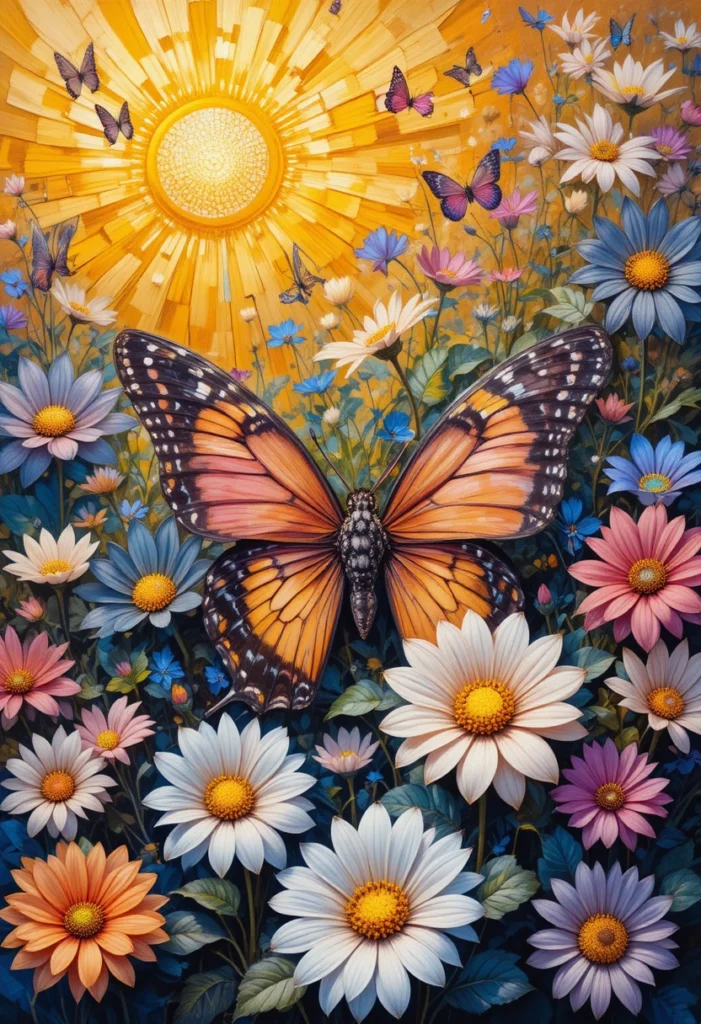
Sunlight should be one of the first things you consider when planning a butterfly garden. Butterflies are cold-blooded and use warmth from the environment to become active, so a sunny, sheltered planting area can be particularly useful. Penn State Extension recommends a sunny location protected from strong wind when establishing butterfly habitat.
For 11+Flower Garden & Planting, choose a location that receives substantial direct sunlight and is easy for you to observe. A south- or west-facing border may work well in some landscapes, but the actual amount of sunlight depends on buildings, trees, fences, and seasonal changes.
Arrange flowers in groups rather than scattering one plant here and another several feet away. Clusters create stronger blocks of color and can make nectar sources easier for butterflies to locate. Extension guidance also recommends grouping nectar and host plants rather than relying on isolated specimens.
2. Create a Colorful Butterfly Flower Border
A colorful border can combine beauty and wildlife value in one narrow strip. Flowers in yellow, orange, pink, purple, and red shades can create a cheerful display while giving butterflies different nectar sources.
A practical 11+Flower Garden & Planting border can combine coneflowers, zinnias, asters, bee balm, coreopsis, black-eyed Susan, verbena, or other flowers suited to your region. The exact plant list should be adjusted for your climate, soil, and local butterfly species rather than copied blindly from another location.
Place taller plants toward the rear of a one-sided border and shorter flowers toward the front. If the border can be viewed from both directions, place taller varieties toward the middle and gradually decrease the height toward each edge.
3. Plant Milkweed for Monarch-Friendly Habitat
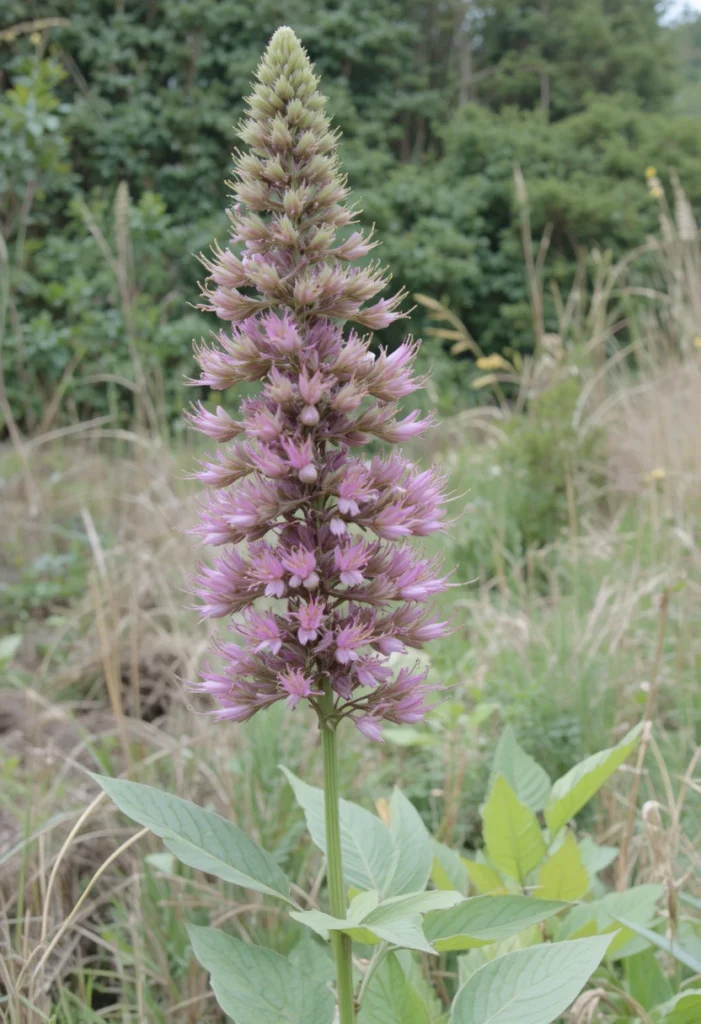
Milkweed deserves special attention because monarch caterpillars depend on milkweed as a host plant. Planting milkweed can therefore provide something that ordinary nectar flowers cannot: a place where monarchs can lay eggs and their caterpillars can feed.
For 11+Flower Garden & Planting, choose milkweed species appropriate for your area rather than assuming one species is suitable everywhere. Local native-plant resources can help you select varieties that match your soil and climate.
Don’t panic if caterpillars eat the leaves. Leaf damage is a normal part of creating habitat for butterfly larvae. A garden designed for wildlife will not always look perfectly manicured, and that’s part of its purpose.
4. Add Parsley, Dill, and Fennel for Swallowtails
A butterfly garden can include edible herbs as well as ornamental flowers. Parsley, dill, and fennel are commonly used as host plants for swallowtail caterpillars, making them practical choices for gardeners who want a useful and attractive planting.
In an 11+Flower Garden & Planting design, place these herbs in a sunny area where you can easily observe them. You may eventually notice caterpillars feeding on the foliage, which is exactly the kind of activity a habitat garden is meant to support. Penn State Extension lists dill and parsley among host plants for black swallowtails.
Plant extra herbs if you still want enough leaves for cooking. A simple solution is to maintain one group for household use and another group specifically for caterpillars.
Read Also: 12+ Garden Ideas: Smart Garden Layout Planner Ideas for a Beautiful Outdoor Space
5. Use Purple Coneflowers as a Garden Anchor
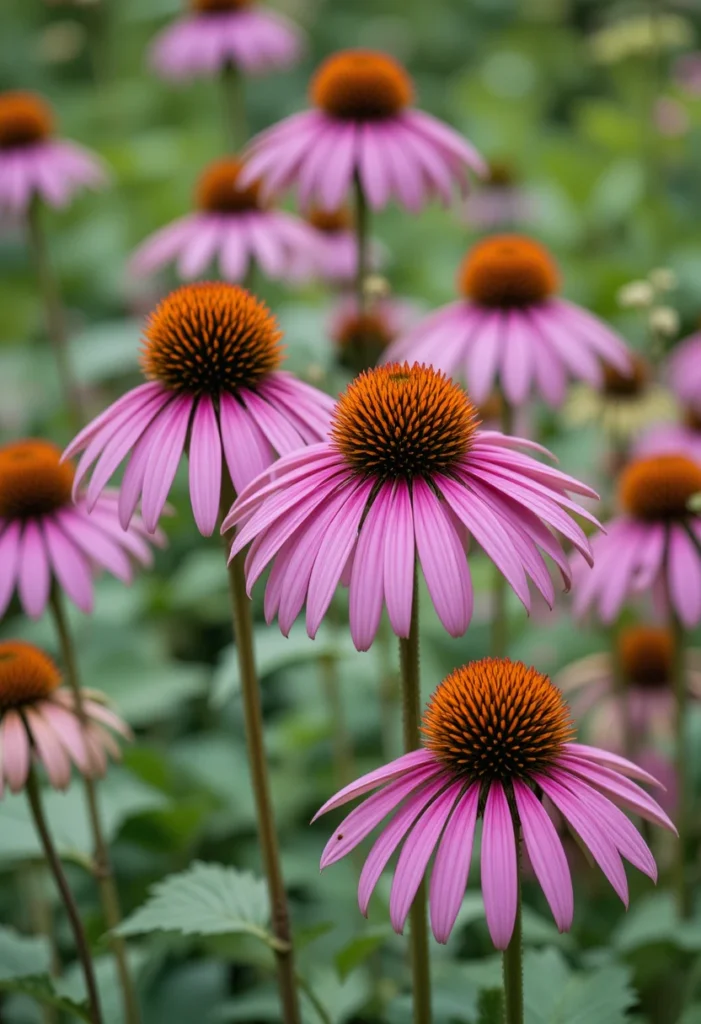
Purple coneflower is a popular choice for pollinator gardens because its prominent blooms add height, texture, and color. Its daisy-like flower structure also gives butterflies a convenient place to land and feed.
For 11+Flower Garden & Planting, use coneflowers as repeated anchor plants rather than placing one plant alone. Several groups distributed throughout a bed can create a stronger visual pattern.
Pair them with shorter flowers in front and airy plants around the sides. After flowering, some seed heads can also provide late-season structure and potential food for birds, depending on your garden goals.
6. Build a Zinnia-Filled Butterfly Garden
Zinnias are useful for adding strong summer color to a butterfly garden, particularly in sunny spaces. Their bright blooms can be used to fill temporary gaps between perennial plants or create an annual display that changes each year.
A 11+Flower Garden & Planting arrangement using zinnias can include several complementary colors instead of one uniform shade. Grouping similar colors together can create large visual patches that are easy to notice from a distance.
Because zinnias are annuals in many climates, they also give you an opportunity to experiment. You can change the color scheme or planting arrangement the following season without redesigning the permanent structure of the garden.
7. Create a Butterfly Garden With Asters
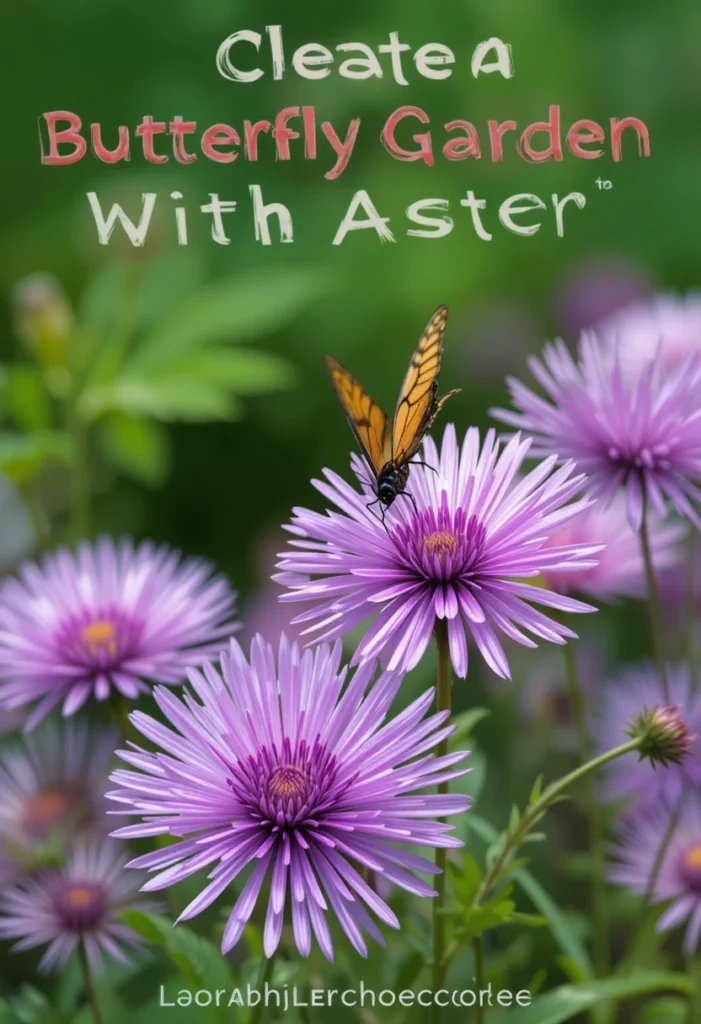
Asters can help extend flowering later into the season, when some early and mid-season plants have already finished. Providing nectar at different times is an important part of making a garden useful for longer periods.
For 11+Flower Garden & Planting, combine asters with earlier-blooming flowers so the garden doesn’t depend on one short flowering period. Penn State Extension includes asters among nectar and host plant options for butterfly gardens.
Choose varieties appropriate for your region and available space. Some asters can become substantial plants, so check their mature size before placing them near pathways or small borders.
8. Design a Cottage-Style Butterfly Garden
A cottage garden is naturally suited to a relaxed butterfly habitat because it can accommodate many flowering plants, herbs, informal groupings, and different heights.
For an 11+Flower Garden & Planting cottage design, combine flowers such as coneflower, bee balm, phlox, lavender, coreopsis, asters, and suitable annuals. Regional conditions should guide the final selection.
Avoid making the garden too crowded. A cottage garden can look abundant without every inch being occupied. Leave room for plants to mature, allow airflow between groups, and maintain clear access for watering and observation.
9. Add a Shallow Butterfly Water Station
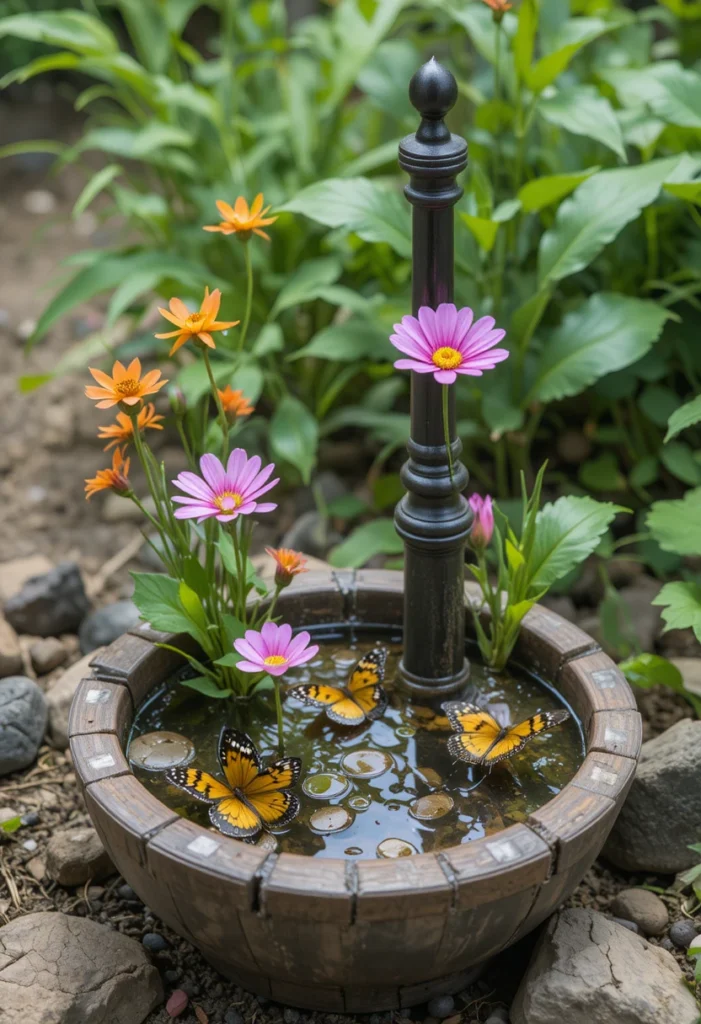
Flowers aren’t the only resource butterflies need. A shallow, moist area can provide access to water and minerals. A simple butterfly puddling station can be created with a shallow dish containing damp sand or soil and a few flat stones for landing.
For 11+Flower Garden & Planting, place the water feature in a sunny, sheltered position where it can be monitored easily. Keep it shallow rather than creating a deep open-water hazard.
Refresh the material and water as necessary, especially during hot weather. The goal is a damp landing area rather than a deep pond.
10. Provide Flat Stones for Butterfly Basking
Butterflies often use warm surfaces to bask. Flat stones placed in a sunny portion of the garden can provide convenient perches where butterflies can warm themselves.
In 11+Flower Garden & Planting, position several stones where morning or midday sunlight reaches them. Don’t bury every stone beneath dense foliage; the point is to provide exposed warm surfaces.
You can integrate the stones into the garden naturally beside flowers or near the edge of a shallow puddling station. This creates a functional feature without making the garden look artificial.
11. Add Shelter From Strong Winds
A butterfly garden should not be exposed to constant strong wind if you can avoid it. Wind can make it harder for butterflies to move, feed, rest, and remain in the garden.
A sheltered 11+Flower Garden & Planting design can use existing fences, walls, shrubs, small trees, or dense plantings as wind protection. Penn State Extension specifically recommends a sunny location sheltered from wind.
Don’t completely surround the garden with tall solid barriers if they dramatically reduce sunlight. Aim for protection while preserving the bright, warm conditions that flowering plants and butterflies need.
12. Plant Flowers in Large Clusters
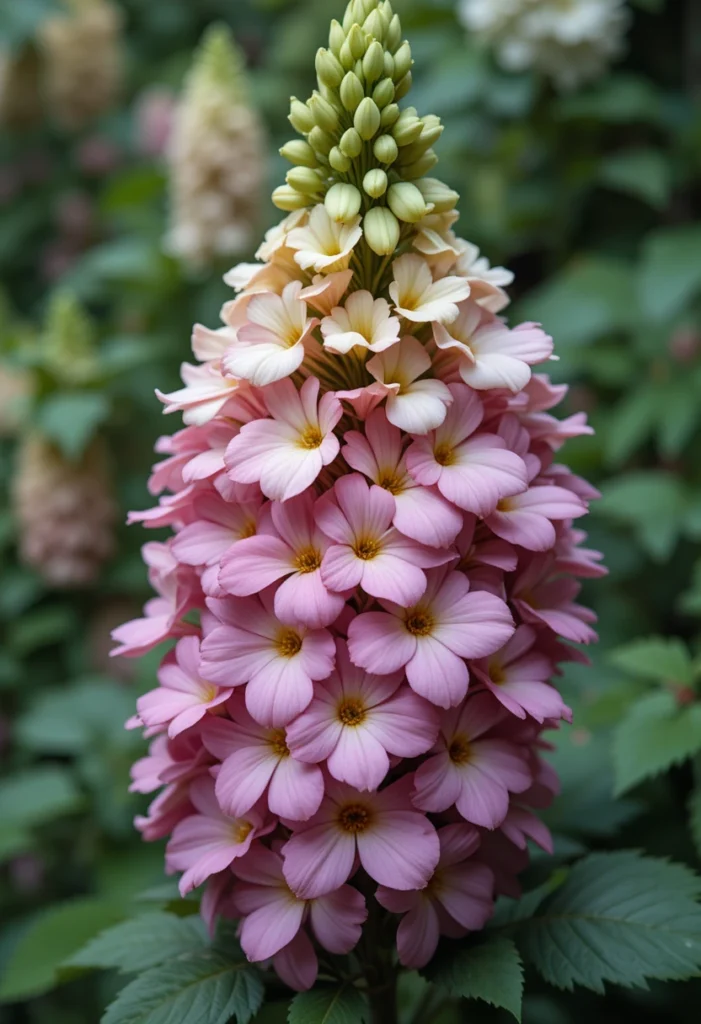
Instead of placing ten different flowers randomly throughout the garden, create groups. For example, you might plant a cluster of coneflowers, a separate patch of zinnias, and another group of asters.
This approach makes an 11+Flower Garden & Planting design easier to read visually and easier to maintain. It also reduces the scattered appearance that can happen when every plant is treated as an individual feature.
Clusters don’t have to be perfectly symmetrical. Repeated groups of varying sizes can produce a natural appearance while still giving the garden a deliberate structure.
13. Mix Annuals With Perennials
Annuals provide flexibility, while perennials can create a dependable framework that returns under suitable conditions. Combining both gives you a garden that can change without losing its overall structure.
A balanced 11+Flower Garden & Planting scheme might use perennial coneflowers, asters, bee balm, or native plants as permanent elements and annual zinnias, cosmos, or other suitable flowers as seasonal fillers.
This also makes it easier to experiment. If one annual doesn’t perform well, you can replace it next season without disturbing the permanent plants.
14. Create a Small Butterfly Garden in Containers
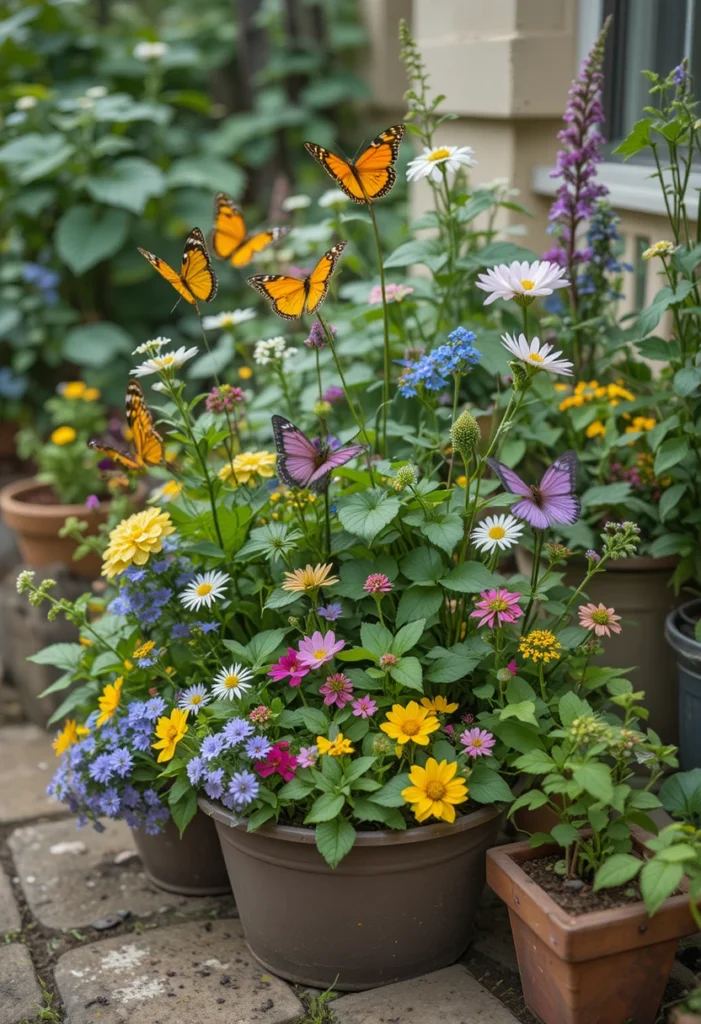
A large backyard isn’t required. Several containers placed together can create a compact butterfly-friendly display if the plants receive suitable sunlight.
For 11+Flower Garden & Planting in containers, select plants that have compatible moisture and light requirements. Use larger containers for plants that need more root space and smaller pots for compact annuals.
Place containers at different heights when practical. This can create visual layers while allowing you to move individual plants if conditions change.
15. Make a Butterfly Garden Along a Fence
A sunny fence line can become an excellent location for a butterfly border. The fence provides a visual backdrop while the flowers soften the hard structure.
For 11+Flower Garden & Planting, place taller flowers near the fence and shorter varieties toward the front. Make sure the mature plants won’t interfere with gates, paths, or maintenance access.
A fence line can also provide some wind protection. Just make sure it doesn’t cast heavy shade over plants that require full sun.
16. Add Native Plants to Your Butterfly Habitat
Native plants can be especially valuable because local butterflies and other wildlife have evolved alongside regional plant communities. The Xerces Society recommends creating pollinator habitat with abundant flowers, shelter, host plants, and protection from pesticides.
When developing 11+Flower Garden & Planting, research native flowering plants and butterfly host plants specific to your area. A regional native plant database, extension service, or local botanical organization can help you identify suitable choices.
You don’t have to turn your entire yard into a wild meadow. Even a small native planting can add useful habitat when it is designed around local conditions.
17. Plan for Continuous Flowering
One of the most useful butterfly garden strategies is to avoid having all your flowers bloom at the same time. Butterflies can be active across a long season, so a sequence of flowering plants provides more consistent food.
A continuous 11+Flower Garden & Planting plan can include early-season flowers, summer nectar plants, and late-season asters or goldenrods. Penn State guidance similarly recommends providing a succession of blooms throughout the season.
Make a simple calendar before planting. Write down the expected bloom periods of your chosen flowers and look for gaps. Then add one or two suitable plants where the garden becomes quiet.
18. Create a Butterfly Garden With Lavender
Lavender can add fragrance, purple color, and a different foliage texture to a butterfly-friendly planting. It works particularly well in sunny gardens with well-drained soil.
For 11+Flower Garden & Planting, use lavender along pathways, near seating areas, or around the edge of a larger flower bed where its fragrance can be appreciated.
Don’t place lavender beside plants requiring constantly wet soil. Match plants according to their growing requirements rather than grouping them solely by flower color.
19. Combine Coneflowers and Black-Eyed Susans
Coneflowers and black-eyed Susans can create a bold combination of pink-purple and yellow. Both provide strong visual structure in sunny perennial borders.
An 11+Flower Garden & Planting design using these plants can place taller groups toward the back and lower seasonal flowers around the front.
Repeat the combination in several locations if you have a large bed. Repetition makes the landscape look cohesive and helps avoid a random collection of unrelated plants.
20. Use Bee Balm for Vertical Color
Bee balm can add upright flowers and a distinctive form to a pollinator garden. Its clusters provide another shape among flatter flowers such as coneflowers and black-eyed Susans.
For 11+Flower Garden & Planting, give bee balm enough space for its mature growth and provide the conditions recommended for the specific variety.
Good airflow is useful in preventing foliage problems. Avoid creating an overcrowded mass simply because young plants initially look small.
21. Create a Butterfly Garden With Herbs and Flowers
Combining herbs with flowering plants can make a garden useful for both people and wildlife. Parsley, dill, fennel, oregano, thyme, and other suitable herbs can complement ornamental flowers when their growing needs align.
This type of 11+Flower Garden & Planting design can be especially effective near a kitchen garden or patio where you can easily observe butterflies and harvest herbs.
Remember that some herbs may become host plants and show caterpillar feeding damage. If that happens, consider it part of the garden’s ecological function rather than automatically removing the plant.
22. Avoid Double Flowers When Choosing Nectar Plants
A flower’s appearance doesn’t always tell you how useful it is to butterflies. Some highly bred flowers have dense or complicated flower structures that can make nectar less accessible.
For 11+Flower Garden & Planting, consider open, accessible flower forms and ordinary varieties when suitable. University extension guidance notes that simple, open flowers can be useful butterfly nectar sources.
You don’t need to eliminate every ornamental cultivar from your garden. Simply balance decorative choices with flowers that offer accessible nectar and, importantly, host plants for caterpillars.
23. Leave Some Caterpillar Damage
A perfectly untouched flower garden isn’t necessarily a successful butterfly habitat. Caterpillars need leaves to eat, and that means some host plants may look less attractive after butterflies have used them.
A realistic 11+Flower Garden & Planting philosophy accepts a little chewing. The Xerces Society emphasizes that butterfly gardens should provide specific host plants for caterpillars as well as nectar for adults.
If a host plant becomes heavily damaged, resist the urge to remove it immediately. The leaves may be doing exactly what you planted them to do.
24. Avoid Pesticides in Butterfly Areas
Pesticides can create a serious conflict in a butterfly garden because products intended to control insects may also affect butterflies and caterpillars. Xerces recommends protecting pollinator habitat from pesticide exposure.
For 11+Flower Garden & Planting, start with observation and prevention. Remove severely affected plant material when appropriate, improve plant spacing, encourage beneficial insects, and choose resistant or well-adapted plants.
If pest management becomes necessary, identify the specific pest and use the least disruptive approach available. Never assume that a product is harmless simply because it is marketed for gardens.
25. Make Your Garden a Little Less Tidy
Butterflies need more than flowers. Vegetation, shrubs, grasses, leaf litter, and undisturbed areas can provide shelter and habitat for different life stages.
A wildlife-friendly 11+Flower Garden & Planting area doesn’t have to look messy everywhere. Instead, designate a small section where you allow selected plants and natural materials to remain longer.
Limited cleanup can also protect overwintering insects. Penn State’s butterfly-gardening guidance recommends limited garden cleanup to protect overwintering caterpillars and pupae.
26. Create a Butterfly Observation Corner
A butterfly garden becomes even more enjoyable when you can sit nearby and watch it. Add a simple bench or chair where the garden can be viewed without walking through the planting.
For 11+Flower Garden & Planting, position seating near—but not directly inside—the flower clusters. This lets you observe feeding, basking, and movement while keeping the planting undisturbed.
A small observation space can also turn gardening into a family activity. Children can learn to recognize butterflies, caterpillars, flowers, and different stages of the butterfly life cycle.
27. Build a Simple Backyard Butterfly Garden
If you’re new to butterfly gardening, don’t try to create everything at once. Start with one sunny bed containing several nectar plants and at least one appropriate host plant.
A beginner-friendly 11+Flower Garden & Planting project might include:
- Three or four nectar-producing flower varieties
- One or two host plants
- A shallow water or puddling area
- A few flat stones
- A sheltered garden edge
- Natural mulch or suitable ground cover
- A small observation area
Once the plants become established, you can expand based on what butterflies actually visit. This is often more practical than buying a large collection of plants before understanding your garden’s conditions.
28. Choose Plants for Local Butterfly Species
Not every butterfly uses the same host plant. Caterpillars can have very specific feeding requirements, which means a beautiful garden may attract adult butterflies without necessarily supporting their reproduction.
For 11+Flower Garden & Planting, identify the butterfly species commonly found in your region and then research their host and nectar plants. Butterflies and Moths of North America recommends identifying local butterflies first and then matching host and nectar plants to those species.
This approach makes your garden more targeted. Instead of asking only, “Which flowers attract butterflies?” ask, “Which butterflies live here, and what plants do they need?”
29. Use Shrubs for Shelter and Structure
Flowers are important, but shrubs can provide height, shelter, and additional habitat. Flowering shrubs may also offer nectar during periods when herbaceous flowers are not blooming.
For 11+Flower Garden & Planting, use regionally appropriate shrubs as background plants and surround them with lower flowering plants.
Check mature size before planting. A shrub that looks small at the nursery can eventually dominate a narrow border.
30. Keep a Simple Garden Record
The first season is an opportunity to learn. Record which plants flowered well, which attracted butterflies, when different species appeared, and which areas stayed too dry or too wet.
A garden record can make future 11+Flower Garden & Planting decisions much easier. You may discover that one flower attracts visitors consistently while another performs poorly.
Write down successful combinations and expand them gradually. Your own garden observations become valuable practical knowledge over time.
Common Mistakes to Avoid in a Butterfly Garden
A butterfly garden doesn’t need to be perfect, but a few planning mistakes can limit its usefulness. One of the biggest is focusing entirely on colorful flowers while forgetting host plants. Adult butterflies need nectar, but caterpillars require specific food plants.
Another problem is choosing plants without considering sunlight, mature size, soil, moisture, and regional suitability. A plant that performs beautifully in one climate may struggle in another.
When developing your 11+Flower Garden & Planting, avoid:
- Planting only one type of flower
- Forgetting caterpillar host plants
- Using heavily pesticide-treated plants without checking their history
- Choosing plants solely because of flower color
- Crowding mature plants
- Ignoring wind exposure
- Providing deep rather than shallow water
- Removing every caterpillar from host plants
- Cleaning the entire garden too aggressively
- Choosing invasive plants without checking local recommendations
How to Maintain a Butterfly Garden
Butterfly gardening is often easier when you focus on observation rather than constant intervention. Water plants when they need it, remove invasive weeds, monitor pests, and allow appropriate host plants to be used by caterpillars.
For 11+Flower Garden & Planting, deadhead selected flowers when necessary to encourage continued blooming, but consider leaving some seed heads for wildlife and winter interest. Prune shrubs according to their individual requirements rather than applying one rule to every plant.
Most importantly, avoid treating every insect as a problem. A garden that supports butterflies will naturally contain caterpillars and other insects. The goal is to create a functioning habitat, not an insect-free landscape.
FAQs
What flowers attract butterflies the most?
Butterflies commonly visit nectar-rich flowers such as coneflowers, asters, zinnias, bee balm, black-eyed Susans, phlox, verbena, and other suitable regional plants.
How do I start a butterfly garden?
Choose a sunny, sheltered location, add nectar flowers and appropriate host plants, provide a shallow water source, and avoid pesticide use around the habitat.
What plants do butterfly caterpillars eat?
Host plants vary by butterfly species; examples include milkweed for monarchs and parsley or dill for black swallowtails.
Do butterfly gardens need water?
A shallow, damp puddling area can provide butterflies with access to water and minerals, especially when combined with sunny resting stones.
Should I remove caterpillars from my butterfly garden?
Generally, no. Caterpillars are an essential part of the butterfly life cycle, so some leaf damage on host plants is expected in a functioning habitat.
Conclusion
A successful butterfly garden is more than a collection of attractive flowers. It combines nectar sources for adults, host plants for caterpillars, sunlight, shelter, water, and a healthy environment where butterflies can feed and complete their life cycle. The strongest 11+Flower Garden & Planting designs use these elements together rather than relying on color alone.
You can begin with one small sunny bed, a few reliable nectar plants, and one suitable host plant, then expand as you learn what works in your area. Choose regionally appropriate flowers, plant them in groups, leave room for caterpillars, and keep harmful pesticide use away from the habitat. With thoughtful 11+Flower Garden & Planting, your backyard can become a beautiful seasonal garden that offers both visual enjoyment and meaningful habitat for butterflies.

