
A 12+ Garden ideas approach to garden planning helps turn an outdoor area into a space that is attractive, practical, and easy to maintain. A garden layout planner is useful for deciding where plants, paths, seating areas, raised beds, containers, borders, and other features should go before you begin digging or buying materials. Good planning can help you use available space efficiently while giving every part of the garden a clear purpose.
Have you ever planted a garden that looked fine at first but became difficult to walk through once everything grew? Maybe a beautiful shrub ended up blocking a path, vegetables received too much shade, or there was no comfortable place to sit. These problems are often caused by layout rather than gardening ability. Extension gardening guidance recommends considering sunlight, soil, water access, plant size, and the purpose of the space during the planning stage.
A thoughtful garden plan doesn’t need to be complicated. Whether you have a small backyard, a long narrow plot, a family garden, or a large landscape, you can create a useful layout by working through the space step by step. This guide explores 12+ Garden ideas for creating a practical garden layout, including zoning, pathways, raised beds, vertical planting, seating, privacy, containers, seasonal planning, and beginner-friendly design strategies.
Start With a Simple Garden Site Plan
The first step in any garden layout is understanding the space you already have. Measure the garden, note existing trees and structures, and mark permanent features such as fences, sheds, walls, doors, drains, outdoor taps, and patios. A basic sketch can reveal opportunities and restrictions that aren’t obvious when you’re simply standing in the garden.
Sunlight is equally important. Observe where direct sunlight falls throughout the day and identify areas that remain shaded. Plants have different light requirements, so placing sun-loving species in deep shade can lead to disappointing growth. For vegetable gardens, planning guidance commonly recommends assessing available sunlight before deciding where to position crops.
Mark Permanent Features First
Don’t design around features that may disappear later. Existing mature trees, walls, fences, utility areas, and structures should form the starting framework of your plan.
Record Measurements
Write down the length and width of the garden and measure important sections separately. Even approximate measurements are better than guessing when planning beds, paths, or seating.
1. Divide the Garden Into Functional Zones
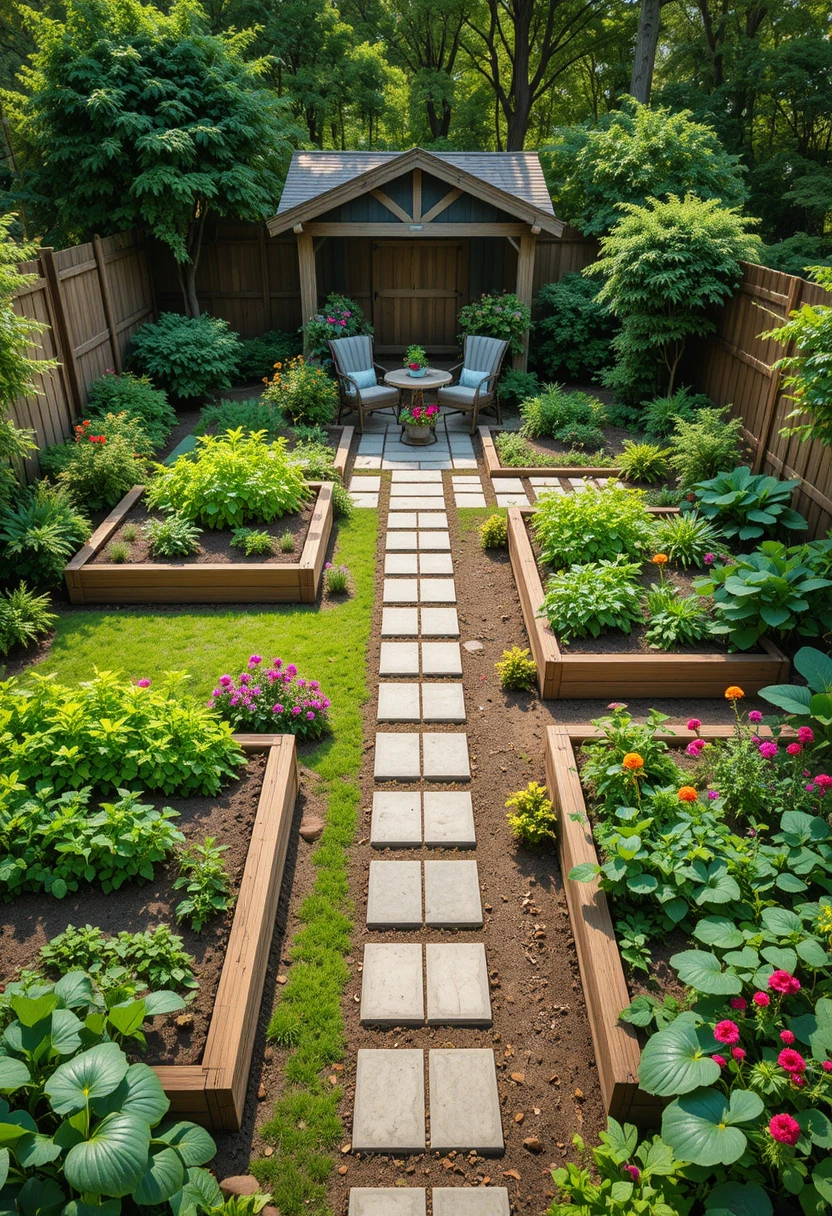
One of the most useful 12+ Garden ideas is dividing the outdoor space into zones. Instead of treating the garden as one large area, give different sections specific purposes.
You might have a relaxing seating zone, a vegetable-growing area, a children’s space, a pathway, a lawn, and an ornamental planting border. Zoning helps prevent different activities from competing for the same space and makes the overall garden easier to understand.
Create a Relaxation Zone
Position seating where you can enjoy attractive views, shade, or privacy. If the garden is used mainly in the evening, consider placing the seating where outdoor lighting and access to the house are convenient.
Create a Growing Zone
Vegetable beds and herb gardens should be located somewhere that receives appropriate sunlight and is easy to water and maintain.
2. Design Around a Main Pathway
A good pathway provides more than access. It can become the visual structure that connects different parts of the garden.
For a formal garden, straight pathways can create a clean and organized appearance. For a more natural garden, gently curved paths can encourage exploration and make a small space feel less predictable.
Keep Paths Practical
Paths should be wide enough for comfortable walking and for carrying watering cans, tools, baskets, or other garden equipment.
Avoid designing narrow pathways simply to gain a little extra planting space. An inaccessible planting bed can become more trouble than it is worth.
Connect Important Areas
A main path should ideally connect the house entrance, seating area, garden shed, vegetable beds, and other frequently used destinations.
3. Try a Raised-Bed Garden Layout
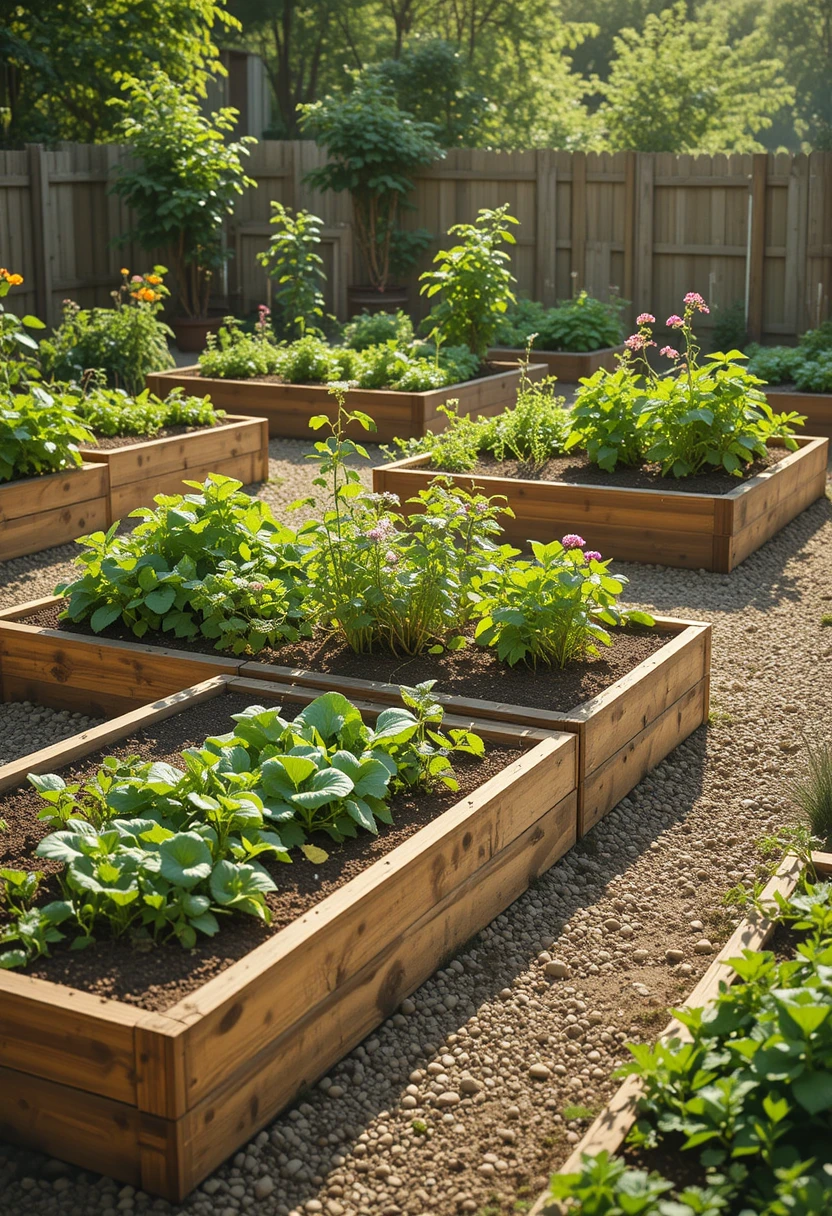
Raised beds are excellent for creating an organized garden plan. They establish clear growing areas and can make soil management, planting, and maintenance easier.
They are particularly useful when the existing soil is compacted, poor quality, or difficult to work. Raised beds also work well in small gardens because their shape and position can be planned precisely.
Use Rectangular Beds
Rectangular beds are easy to measure and arrange. Several beds can be separated by walking paths to create a simple grid.
Avoid Making Beds Too Wide
A bed should be accessible from its edges without requiring you to step onto the growing soil. This makes planting and harvesting easier while reducing unnecessary soil compaction.
4. Create a Small Garden Layout
Small gardens require careful planning because every section needs to earn its place. Instead of adding too many features, concentrate on a few elements that serve multiple purposes.
A compact garden could combine a small seating area with container planting, a vertical trellis, a narrow border, and one central pathway. This creates several functions without making the space feel overcrowded.
Use Vertical Space
Walls, fences, arches, and trellises can provide growing space without taking additional ground area.
Climbing plants can also draw the eye upward, making the garden feel taller.
Choose Multi-Purpose Features
A bench with integrated storage, a pergola that supports climbing plants, or raised beds that double as visual boundaries can make a small garden more efficient.
5. Use a Garden Layout Planner for Plant Placement

A digital or paper garden planner can help visualize where plants will go before you commit to the design. You can experiment with different bed shapes, plant groupings, pathways, and garden zones.
The biggest advantage is that you can make mistakes on paper or on a screen instead of after spending money on materials.
Read Also: 13+ Home & Garden Decorate Trends for 2025 You’ll Want to Steal Immediately
Plan Mature Plant Size
One of the most common planning errors is spacing plants according to their current size rather than their mature dimensions.
Check the expected width and height of shrubs, trees, perennials, and vegetables before finalizing their positions.
Consider Plant Relationships
Think about sunlight, watering needs, height, seasonal interest, and maintenance when grouping plants.
Plants that require completely different conditions may be better placed in separate zones.
6. Add a Focal Point
A garden focal point gives the eye somewhere to rest. It could be a specimen tree, sculpture, fountain, attractive pot, seating area, pergola, or flowering border.
Without a focal point, a garden can sometimes feel like a collection of unrelated plants and objects. One strong feature can give the layout a sense of direction.
Use a Focal Point at the End of a View
A bench, sculpture, tree, or ornamental feature at the end of a pathway can encourage the eye to travel through the garden.
Don’t Overdo Focal Features
Too many competing focal points can make a garden feel cluttered. Choose one main feature and use smaller accents around it.
7. Plan Garden Views From Inside the House
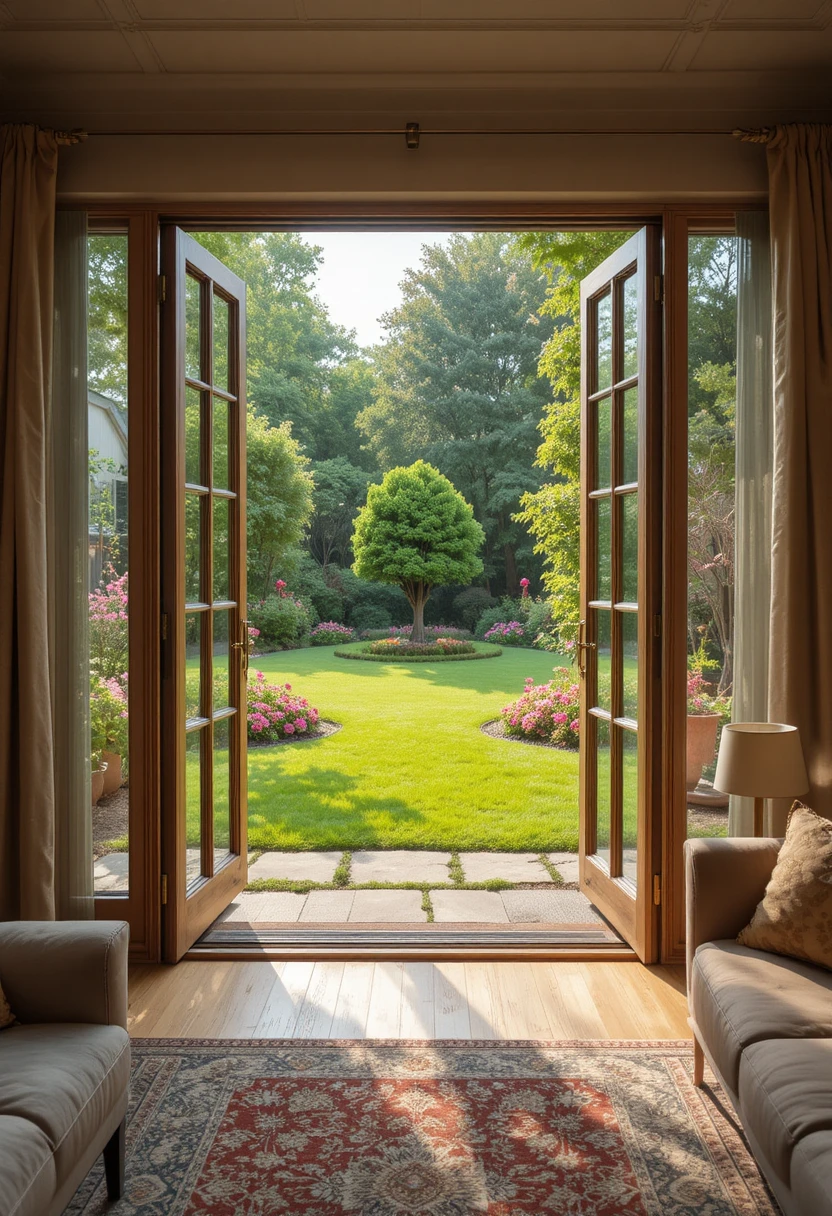
Your garden isn’t only experienced while you’re standing outdoors. Windows and doors create important viewpoints, particularly in colder months when you may spend more time indoors.
Stand near major windows and look toward the garden. Consider what you see from those positions and whether an attractive tree, border, sculpture, or seating area could improve the view.
Frame a View
Use plants, arches, or structures to frame an interesting area of the garden.
This can create a sense of depth and make the outdoor space feel more intentional.
Think About Evening Views
If you frequently look into the garden after sunset, include subtle lighting around selected focal points.
Outdoor lighting can make trees, paths, and architectural features visible without requiring the entire garden to be brightly illuminated.
8. Create a Layered Planting Design
Layered planting combines plants of different heights to create depth. Low-growing ground covers can sit in front of medium shrubs, while taller plants or trees provide a background.
This approach can make borders feel fuller while helping the garden maintain visual interest at different heights.
Start With the Background
Tall trees, shrubs, fences, or walls often provide the background layer.
Add Middle and Front Layers
Medium-height plants can fill the central zone, while low plants and ground covers can define the front edge.
The exact plant choices should depend on your climate, soil, sunlight, and maintenance preferences.
9. Plan a Backyard Vegetable Garden
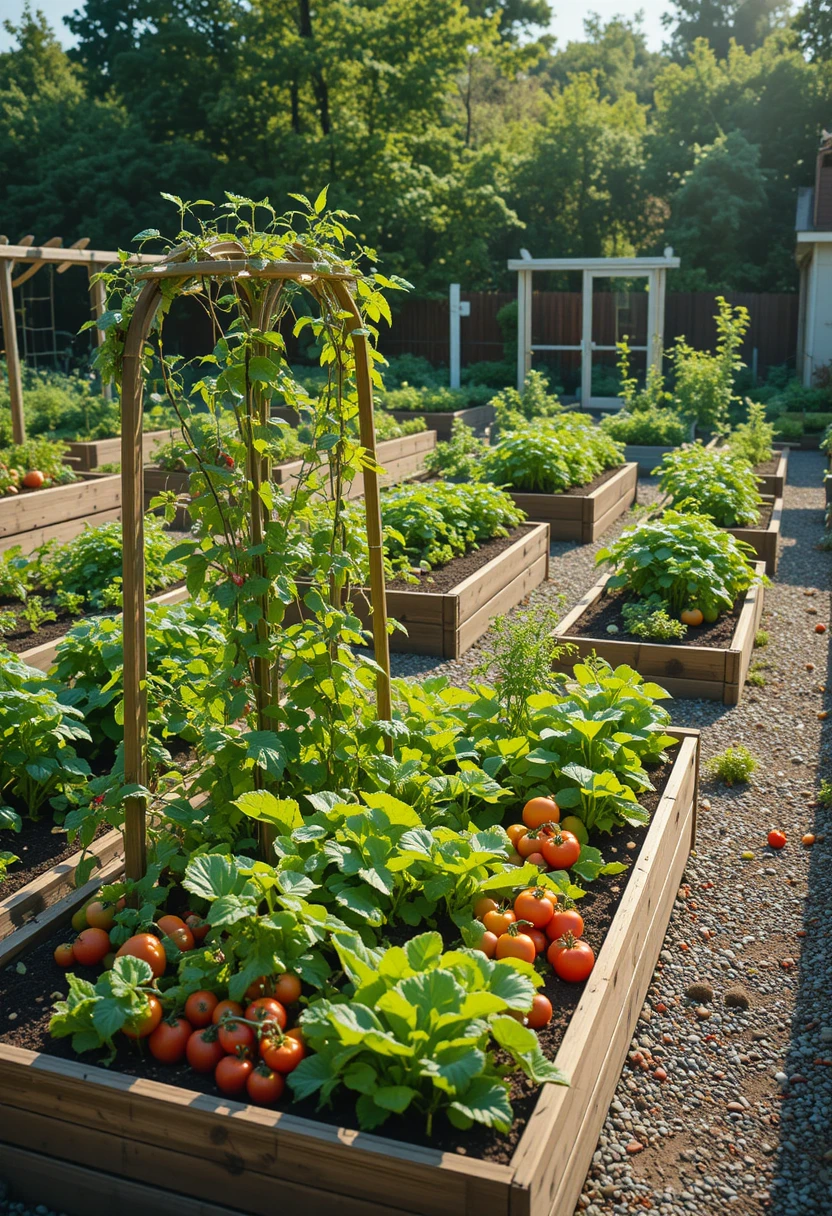
A vegetable garden works best when the layout is based on access, sunlight, crop spacing, and watering rather than simply appearance.
Place crops that need frequent harvesting in convenient locations. Taller plants should be positioned so they don’t unnecessarily shade shorter crops.
Group Crops by Needs
Plants with similar watering and sunlight requirements can be grouped together. This can simplify maintenance.
Leave Room for Rotation
If you grow vegetables regularly, don’t permanently assign every bed to one crop. Rotating crops between areas can make long-term garden planning more flexible.
10. Add a Dedicated Herb Garden
Herbs can be incorporated into vegetable beds, containers, borders, or a dedicated herb garden.
A small herb section close to the kitchen can be particularly convenient because herbs are often harvested in small quantities during meal preparation.
Use Containers for Aggressive Herbs
Some herbs spread rapidly and can become difficult to control. Containers can help keep vigorous plants contained.
Mix Edible and Ornamental Plants
Herbs with attractive foliage or flowers can work beautifully alongside ornamental plants.
This allows the kitchen garden to contribute to the overall visual design rather than appearing completely separate.
11. Use Containers to Add Flexibility
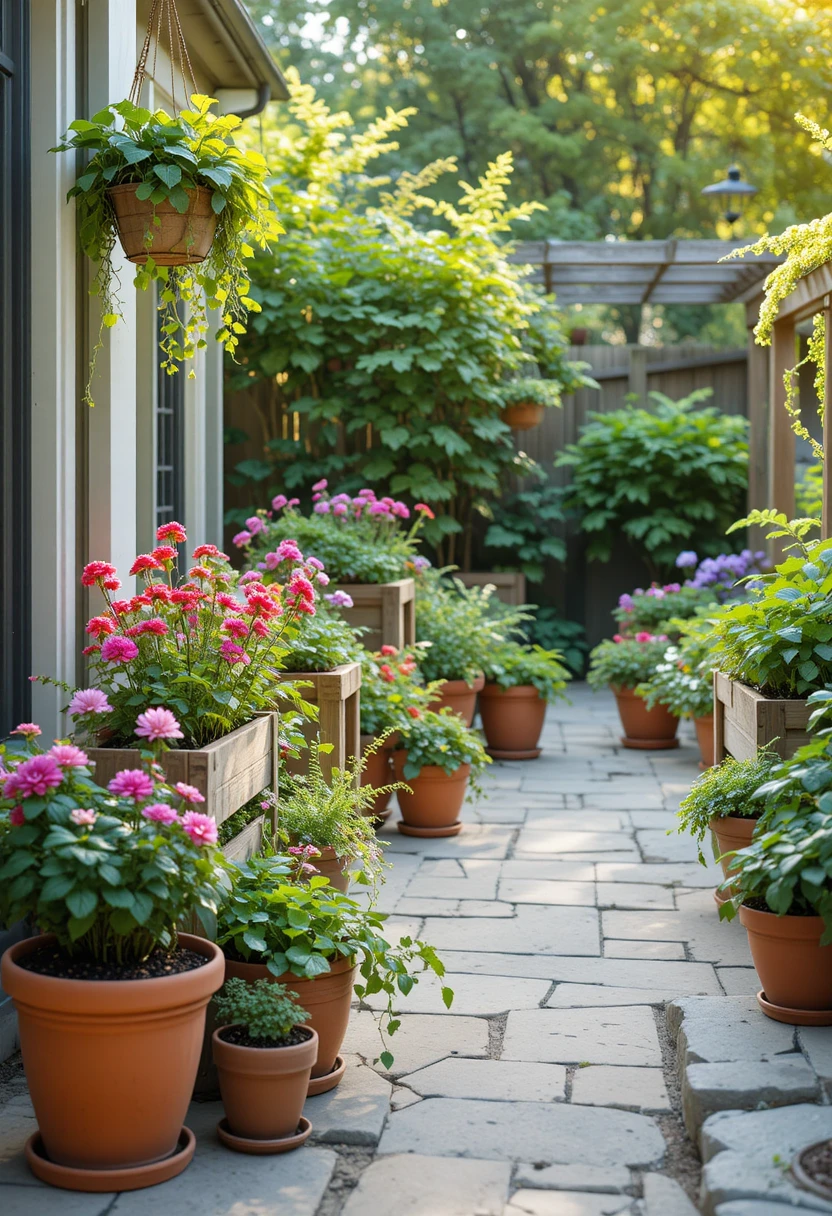
Containers are valuable when you want a garden layout that can change over time. Pots can be moved according to season, sunlight, plant growth, or personal preference.
They are also useful for renters and gardeners working with patios, balconies, paved yards, or poor ground soil.
Group Pots in Clusters
Instead of scattering individual containers randomly, create groups of different sizes and heights.
This produces a stronger visual effect and makes the garden feel more intentional.
Keep Container Maintenance in Mind
Containers often require more frequent attention to watering and feeding than established plants in the ground. Position them somewhere convenient.
12. Create a Vertical Garden Layout
Vertical gardens make use of walls, fences, trellises, arches, and other structures.
They can be particularly useful when ground space is limited. Climbing vegetables, flowering vines, and suitable ornamental plants can all contribute to vertical interest.
Use a Trellis as a Garden Divider
A trellis can separate a seating area from a growing zone without requiring a solid wall.
Plants growing across it can provide additional privacy and soften the structure.
Use Walls Carefully
Make sure the wall or support can safely carry the weight of the plants and growing system.
Also consider how much sunlight reaches the wall before choosing plants.
13. Design a Privacy-Friendly Garden
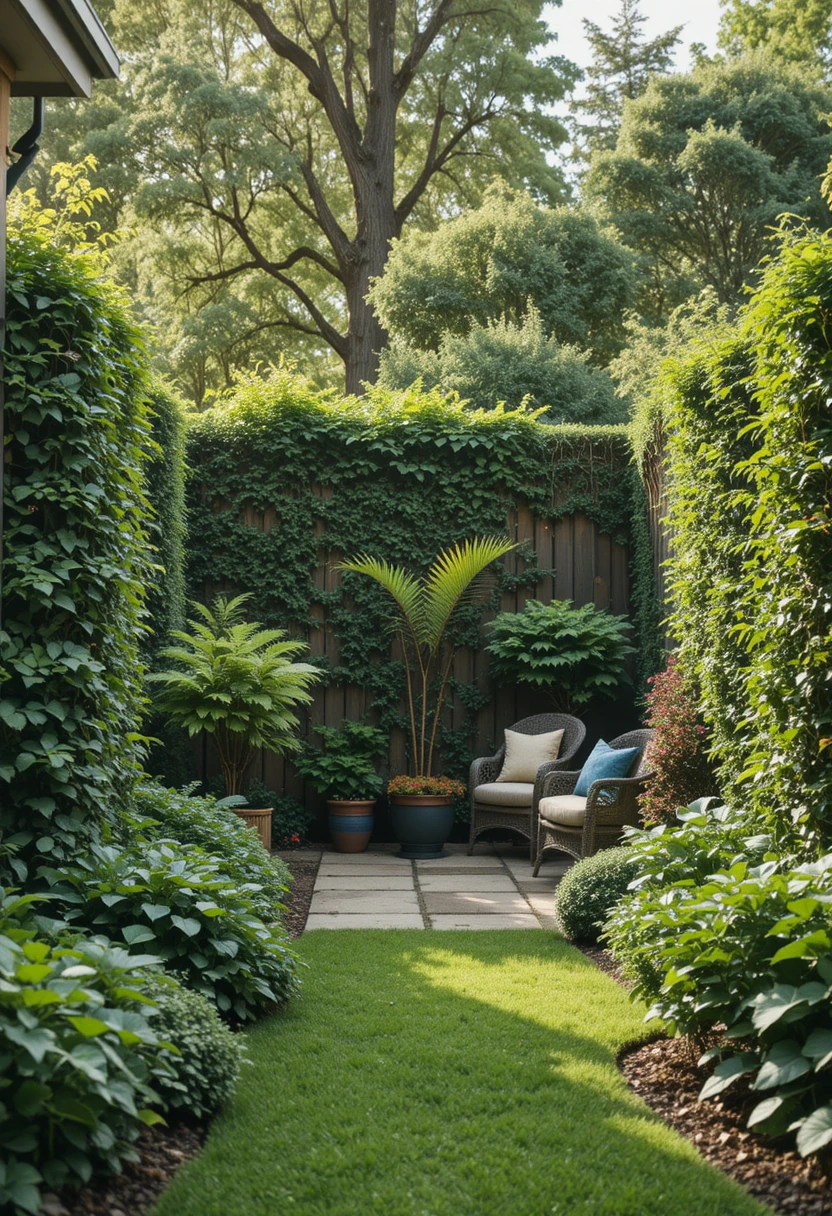
Privacy is often an important part of backyard planning. Instead of building a completely enclosed garden, you can use layered planting, hedges, trellises, screens, and small trees to block specific views.
The goal is to create privacy where it matters while maintaining light and airflow.
Screen the Seating Area
If neighboring houses overlook your backyard, focus privacy planting around the seating area rather than blocking the entire garden.
Use Plants at Different Heights
Combining lower shrubs with taller screening plants can create a more natural barrier than using one uniform hedge.
14. Plan a Family-Friendly Garden
A family garden should allow different activities without creating constant conflicts between plants and play areas.
Keep fragile planting away from active play zones and provide clear pathways between the house, lawn, seating, and growing areas.
Give Children Their Own Garden Space
A small planting bed can give children responsibility without allowing them to accidentally damage the main garden.
Fast-growing vegetables and herbs can make the experience more engaging.
Keep Access Clear
Avoid placing thorny plants next to frequently used pathways or play areas.
15. Create a Low-Maintenance Garden Layout
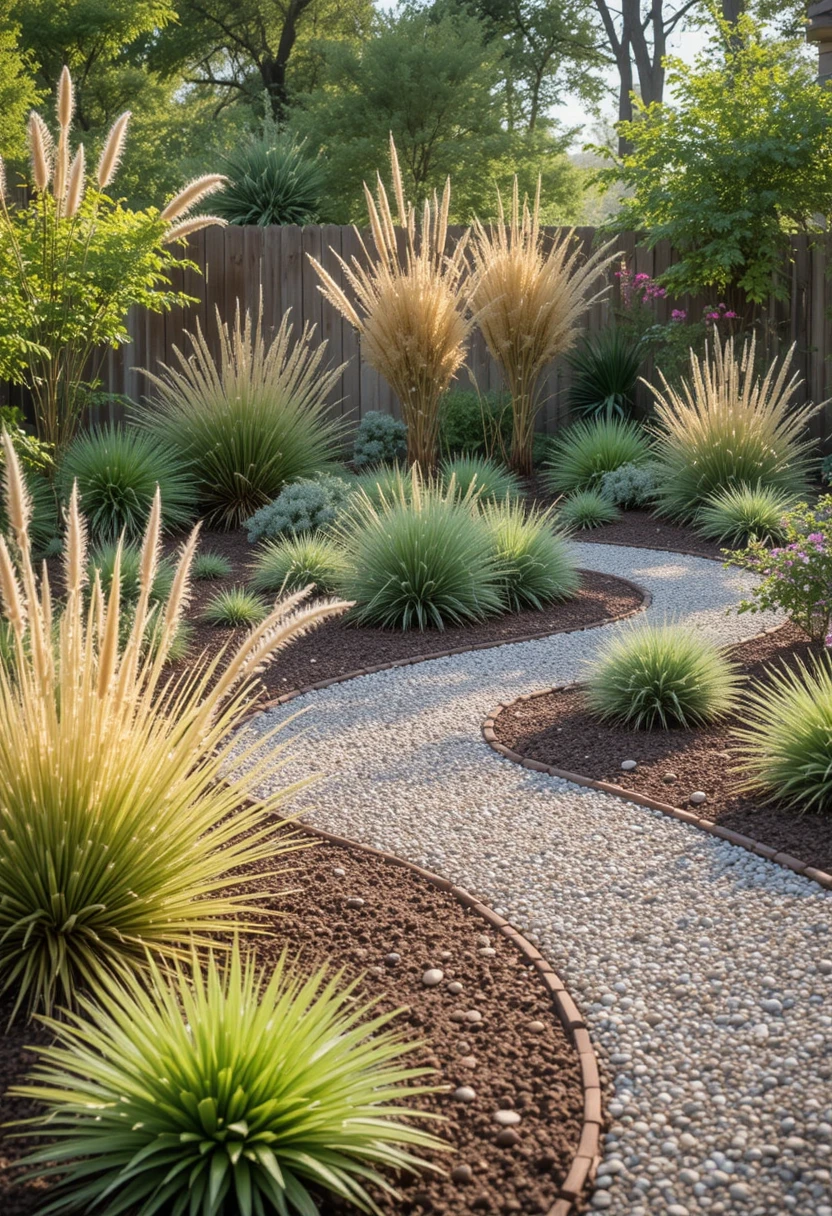
A beautiful garden isn’t necessarily one that requires constant work. If you have limited time, your garden layout should reflect that.
Choose plants suited to your local conditions, group plants with similar needs, reduce unnecessary lawn areas, and create accessible beds.
Reduce Difficult-to-Reach Areas
Every hidden corner eventually needs maintenance. Avoid narrow gaps that are impossible to reach with tools or a hose.
Choose Plants Carefully
Plants that naturally thrive in your conditions often require less intervention than plants that constantly struggle with unsuitable soil, moisture, or light.
16. Add a Seating Area to the Layout
A garden should be designed for enjoyment as well as appearance. Even a small bench or two chairs can turn a planting area into a destination.
Position seating where there is something worth looking at, such as flowers, a water feature, mature trees, or an attractive border.
Use a Pergola
A pergola can provide shade, structure, and a framework for climbing plants.
It can also create the feeling of an outdoor room.
Add Evening Lighting
Warm, low-glare lighting can make the seating area more useful after sunset while helping define it as a separate garden zone.
17. Use Repetition for a Cohesive Design
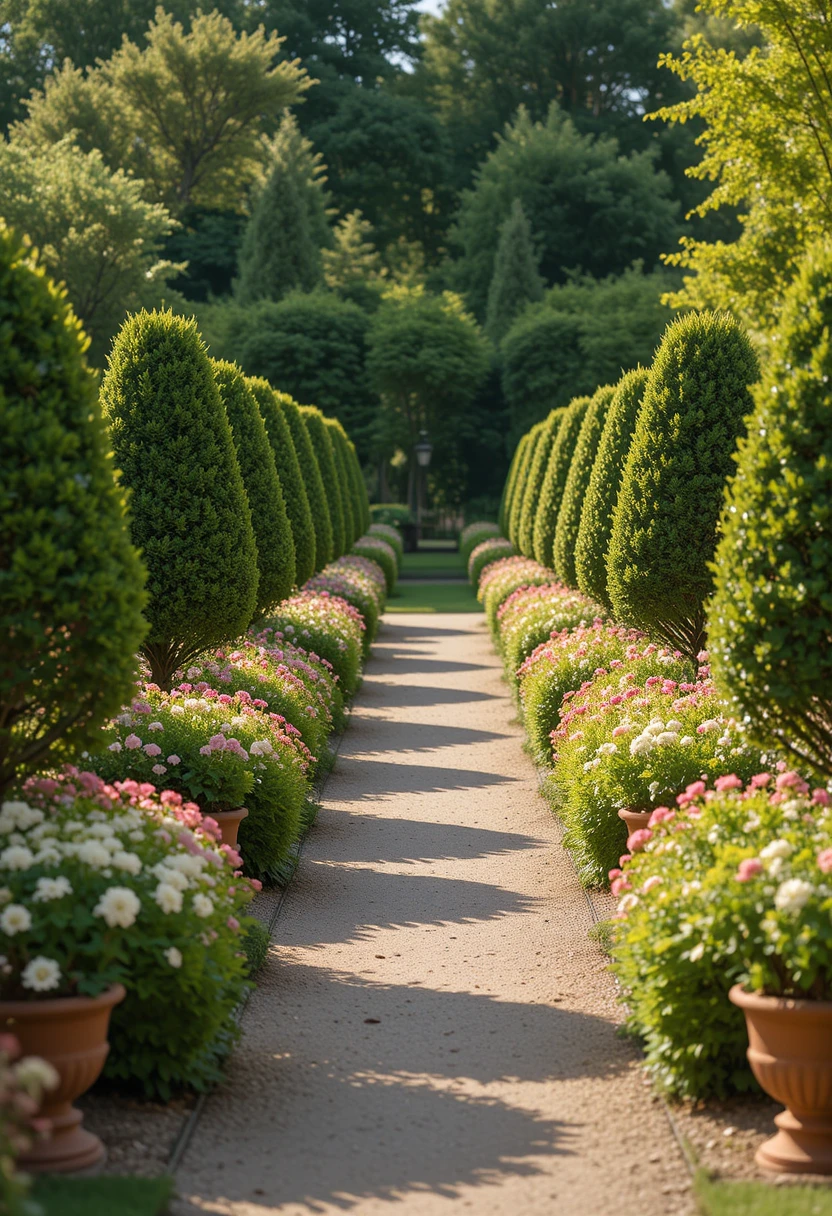
Repeating plant forms, colors, materials, or shapes can make a garden feel unified.
For example, repeating the same type of edging around several beds can connect separate parts of the garden visually.
Repeat Plants
Instead of planting one of everything, repeat selected plants in different areas.
This creates rhythm and makes the garden feel intentionally designed.
Repeat Materials
If you use stone for a pathway, consider using the same or complementary stone around another garden feature.
Consistency can be more effective than adding many different materials.
18. Create Curves or Geometric Shapes
The shape of your garden beds can dramatically affect its character.
Straight lines and geometric beds can produce a formal, contemporary appearance. Curves create a softer, more informal landscape.
Use Straight Lines for Structure
Rectangular beds are particularly practical for vegetable gardens because they are easy to organize and maintain.
Use Curves for Informal Borders
Curved planting borders can soften fences and lawns and create a more natural visual flow.
19. Plan for Seasonal Interest
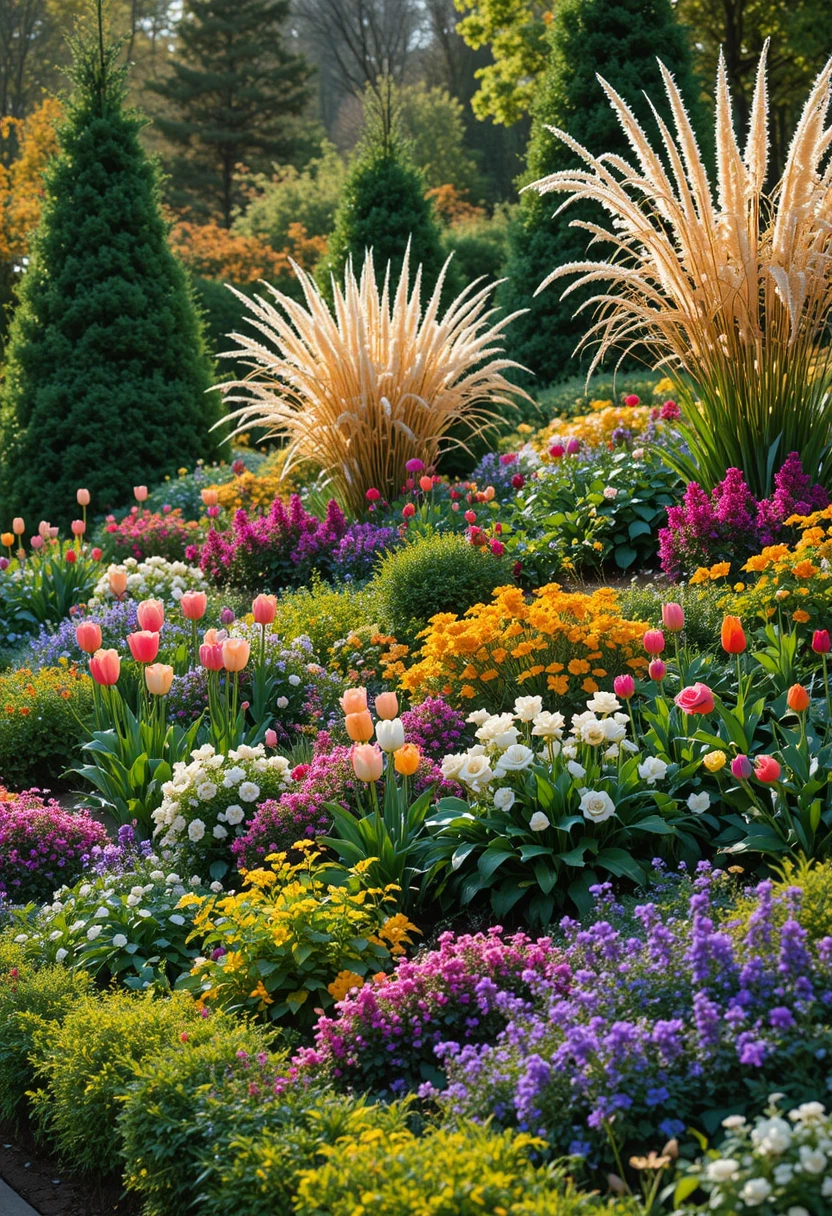
A garden layout should work throughout the year rather than looking attractive for only a few weeks.
Choose a mixture of plants with different flowering periods, foliage textures, evergreen structure, berries, bark, or other seasonal features appropriate to your climate.
Include Evergreen Structure
Evergreen plants can provide visual structure when many deciduous plants lose their leaves.
Plan for Empty Periods
Consider what each area will look like between flowering seasons. A garden can remain attractive through foliage, structure, containers, or hardscape even when few flowers are present.
20. Include Water and Irrigation Access
Water access should be considered during the planning stage rather than after everything is planted.
A garden that requires carrying water long distances can become difficult to maintain.
Group Plants by Water Needs
Plants with similar moisture requirements can be placed together where practical.
This helps avoid situations where one plant needs frequent watering while its neighbor prefers drier conditions.
Plan Irrigation Routes
If you’re considering drip irrigation or another watering system, identify where pipes or hoses will need to run before finalizing the beds.
21. Design a Garden That Works With Existing Trees
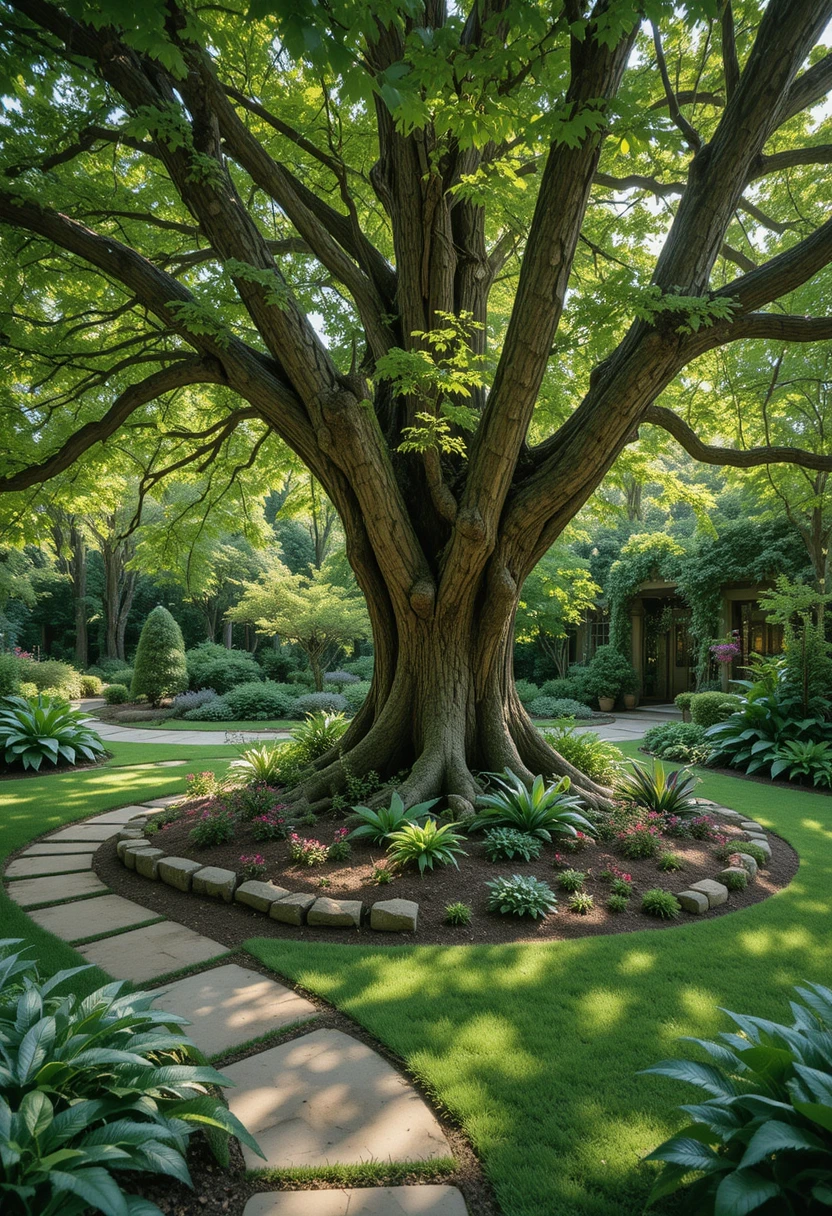
Mature trees can be valuable assets, providing shade, structure, wildlife habitat, and visual interest.
Instead of automatically removing an existing tree because it complicates the layout, consider designing around it.
Use the Tree as a Focal Point
A mature tree can become the central feature of a seating or planting area.
Respect the Root Zone
Avoid unnecessary digging around established trees and research the specific tree’s needs before adding beds or structures nearby.
Garden Layout Planner Ideas for Different Spaces
| Garden Type | Useful Layout | Best Features |
|---|---|---|
| Small backyard | Compact zones | Containers, vertical planting, bench |
| Large backyard | Multiple zones | Lawn, beds, seating, paths |
| Narrow garden | Linear layout | Long borders, central path, trellis |
| Vegetable garden | Grid layout | Raised beds, crop zones |
| Family garden | Open layout | Lawn, seating, child-friendly beds |
| Low-maintenance garden | Simple zones | Easy-care plants, mulch, paths |
| Cottage-style garden | Informal layout | Curves, flowers, mixed borders |
| Modern garden | Geometric layout | Straight paths, raised beds, clean edges |
| Patio garden | Container layout | Pots, vertical planting, seating |
| Privacy garden | Layered layout | Hedges, screens, trees |
How to Make Your Garden Layout Planner More Practical
A garden plan should look attractive on paper, but it also needs to work in everyday life. Ask yourself how often you will use each area, how plants will mature, where tools will be stored, and how you will move around the garden while carrying equipment.
Don’t plan only for the first season. Trees grow, shrubs spread, and climbing plants can cover supports surprisingly quickly. Leave enough space for mature growth and future maintenance.
Think About Maintenance Routes
Make sure you can reach planting beds from more than one practical direction where necessary.
Plan Storage
Garden tools, hoses, pots, compost, and other supplies need somewhere to go. A small shed or storage bench can prevent these items from becoming visual clutter.
Common Garden Layout Planning Mistakes
A garden layout can fail even when the individual plants are beautiful. The most common problems usually involve scale, access, sunlight, spacing, and maintenance.
Avoid these mistakes:
- Designing without measuring the garden.
- Ignoring sunlight patterns.
- Planting trees too close to structures.
- Making paths too narrow.
- Overcrowding borders.
- Forgetting mature plant sizes.
- Creating inaccessible corners.
- Placing seating where it receives uncomfortable conditions.
- Using too many unrelated materials.
- Installing features without considering maintenance.
- Choosing plants solely for appearance.
- Forgetting water access.
A successful design balances aesthetics with the practical realities of gardening.
A Simple Step-by-Step Garden Planning Process
If you’re overwhelmed by all the possibilities, break the project into stages. Start with the fixed features and gradually add the elements that can change.
- Measure the garden.
- Mark existing structures and mature plants.
- Observe sunlight and shade.
- Identify water access.
- Decide how you want to use the garden.
- Divide the space into functional zones.
- Add main pathways.
- Choose bed, lawn, or patio shapes.
- Position large plants and focal points.
- Add smaller planting areas.
- Plan lighting and irrigation.
- Review maintenance access before starting construction.
This method keeps the planning process manageable and reduces expensive changes later.
Make Your Garden Layout Look More Professional
Professional-looking gardens often rely on a few simple principles: repetition, proportion, balance, clear circulation, and appropriate plant selection.
You don’t need expensive landscaping materials to achieve this effect. Repeating a few plant types, keeping pathways consistent, and maintaining sensible proportions can make a dramatic difference.
Use Fewer Plant Types
A smaller palette of plants can create a more cohesive design than filling every border with different species.
Balance Hardscape and Planting
Too much paving can make a garden feel harsh, while too much planting can make it difficult to navigate.
Aim for a balance that matches how you intend to use the space.
Garden Layout Planner Ideas for Beginners
If this is your first garden project, don’t try to design every detail immediately. Start with the essentials: access, sunlight, water, seating, and planting space.
A simple garden with a clear structure is usually easier to maintain than a complicated design with too many features.
Begin With One Area
You can design one border or raised bed first and expand later.
Keep Notes
Record what worked and what didn’t. Your observations will make the next season’s planning much easier.
FAQs
1. How do I plan a garden layout?
Start by measuring the space, marking existing features, observing sunlight, identifying water access, and dividing the garden according to how you want to use it.
2. What is the best free garden layout planner?
The best option depends on your needs, but a simple grid, drawing application, or dedicated garden-planning tool can all work if they allow you to visualize measurements and plant placement.
3. How should I arrange plants in a garden?
Arrange plants according to mature size, sunlight, moisture requirements, access, and visual height, placing taller plants where they won’t unnecessarily shade shorter ones.
4. How do I design a garden layout for a small space?
Use vertical planting, containers, compact raised beds, multi-purpose furniture, and clearly defined zones to make the most of limited ground area.
5. What should I consider before designing a garden?
Consider sunlight, soil, water, drainage, existing trees and structures, mature plant size, access, maintenance, privacy, and how you want to use the garden.
Conclusion
The most effective 12+ Garden ideas begin with planning rather than planting. A well-designed garden layout gives every pathway, planting bed, seating area, and structural feature a purpose. By studying sunlight, measuring the available space, creating functional zones, and allowing room for mature plants, you can avoid many common problems before they happen.
Your ideal garden doesn’t need to copy someone else’s landscape. Build the layout around your own space, lifestyle, climate, and maintenance time. Start with a simple plan, make practical choices, and allow the design to develop over time. With the right balance of plants, pathways, seating, structure, and open space, your backyard can become a garden that is both beautiful and genuinely enjoyable to use.

