
Spring garden soil preparation is the process of getting your growing beds ready for new plants by assessing the soil, improving its structure, adding suitable organic matter, checking drainage, and creating conditions that support strong root development. Good soil is the foundation of a productive garden because roots need air, moisture, nutrients, and enough space to grow. A thoughtful 11+ Seasonal Garden Guides approach helps gardeners prepare the soil before planting rather than trying to correct problems later.
After winter, a garden bed can look perfectly ordinary on the surface while hiding compacted areas, depleted nutrients, weeds, poor drainage, or soil that has become difficult to work. Have you ever planted vegetables in spring only to find that seedlings grow slowly, water sits on the surface, or roots struggle to develop? These problems are often easier to prevent with a little preparation before planting begins.
The good news is that spring soil preparation doesn’t have to be complicated. In this guide, you’ll learn practical 11+ Seasonal Garden Guides methods for testing and improving garden soil, removing weeds, adding compost, protecting soil structure, managing moisture, preparing raised beds, and creating a planting-ready garden without unnecessary work or excessive fertilizer.
Start by Inspecting Your Garden Soil
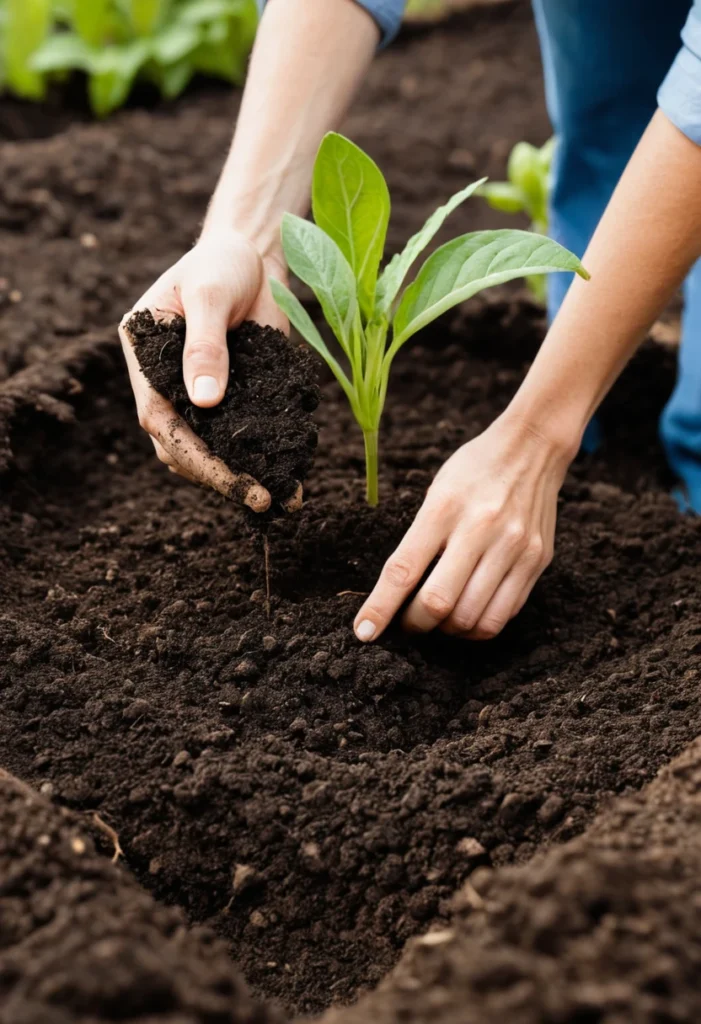
Before adding anything to your garden, take a close look at the soil you already have. Soil varies considerably from one garden to another, so blindly adding fertilizer, lime, compost, or other amendments can create problems rather than solve them. A basic assessment of texture, drainage, organic matter, and previous growing performance gives you a better starting point.
For 11+ Seasonal Garden Guides, walk through the garden after the soil has dried enough to handle without becoming muddy. Look for compacted areas, standing water, exposed roots, erosion, weeds, and places where soil has washed away. Think about what grew successfully last year and which beds consistently struggled.
Check Soil Texture
Take a small handful of moist—not saturated—soil and gently squeeze it. Sandy soil usually feels gritty and falls apart easily, while clay-rich soil can feel sticky and form a firm ball. Loamy soil tends to hold together loosely while still breaking apart with gentle pressure.
Texture isn’t something you can completely change overnight, but regular additions of organic matter can improve soil structure over time. Your goal is not to create identical soil everywhere but to develop a growing medium that supports the plants you intend to grow.
Look for Compaction
Compacted soil restricts air movement, water infiltration, and root growth. Areas that receive heavy foot traffic are particularly vulnerable.
For 11+ Seasonal Garden Guides, identify compacted paths and beds separately. Keep pathways designated for walking so the productive growing areas remain loose and easier for roots to explore.
Test the Soil Before Adding Amendments
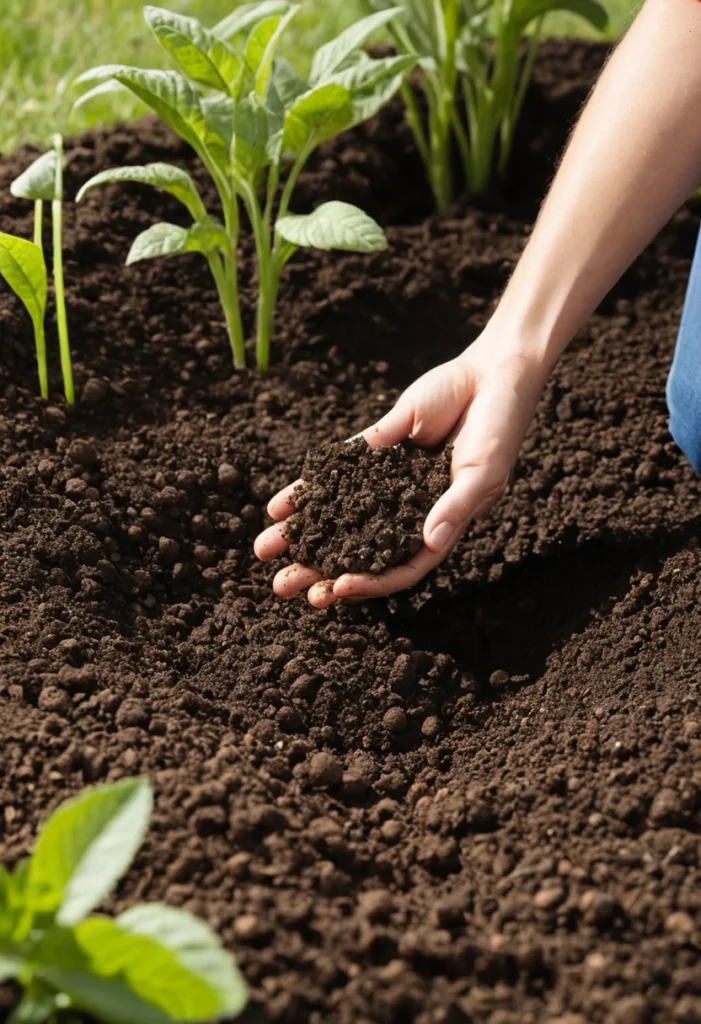
A soil test can provide useful information about pH and nutrient availability. Instead of guessing what your garden needs, testing gives you a more informed basis for amendments and fertilizer decisions.
For 11+ Seasonal Garden Guides, consider testing established vegetable beds, new planting areas, or sections where plants repeatedly perform poorly. Follow the instructions supplied by the testing service because sampling depth and collection methods can influence results.
Understand Soil pH
Soil pH influences how easily plants can access certain nutrients. Most common garden plants perform well within a moderately acidic to near-neutral range, but individual crops have different preferences.
Don’t automatically add lime because you heard it is good for gardens. If your soil pH is already suitable, additional lime may be unnecessary. Use test results and crop requirements to guide the decision.
Test Problem Areas Separately
A single garden can contain several soil conditions. A sunny vegetable bed may perform very differently from a shaded corner or a low area where water collects.
If a particular section consistently struggles, testing that area separately can provide more useful information than relying on one sample from the entire property.
Remove Weeds Before Planting
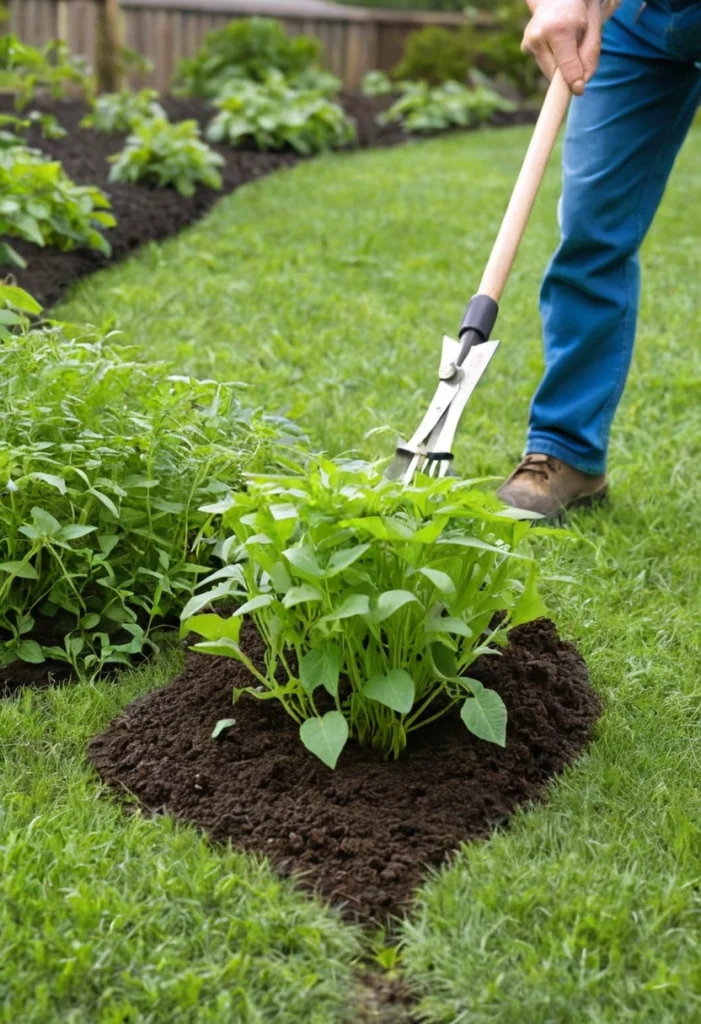
Spring weeds compete with young crops for sunlight, moisture, nutrients, and growing space. Removing them before planting gives new seedlings a cleaner environment in which to establish.
For 11+ Seasonal Garden Guides, tackle perennial weeds carefully because leaving roots or rhizomes behind can allow them to return. Annual weeds are often easier to control while they are small.
Avoid aggressively disturbing the soil simply to remove every tiny weed. Excessive cultivation can bring buried weed seeds closer to the surface and unnecessarily disrupt soil structure.
Pull Small Weeds Early
Young weeds are usually much easier to remove than mature plants with extensive root systems. A quick inspection every few days during spring can prevent a small problem from becoming a major chore.
After weeding, cover bare soil with an appropriate mulch where suitable. Mulch can reduce light reaching newly emerging weed seeds.
Be Careful With Persistent Weeds
Perennial weeds may return even after their visible growth is removed. Dig out persistent roots where practical and avoid chopping them into many pieces if the species can regenerate from root fragments.
If a serious weed problem exists, identify the plant first. Different weeds require different management strategies.
Add Compost and Organic Matter Wisely
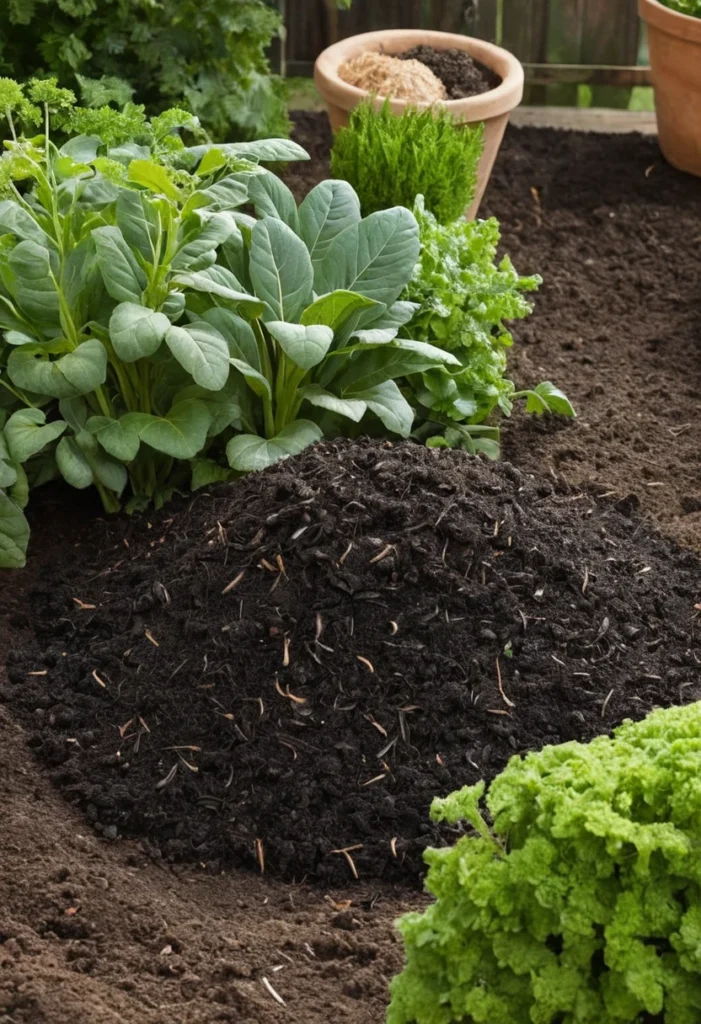
Compost is one of the most useful additions for many home gardens because it contributes organic matter and can support better soil structure. However, compost should complement the soil rather than completely replace it.
For 11+ Seasonal Garden Guides, spread mature, finished compost over planting beds and incorporate it according to your gardening system. In no-dig beds, compost can often be applied as a surface layer rather than deeply mixed.
The exact amount depends on the condition of your soil, the crop, and the quality of the compost. Avoid assuming that a thicker layer is automatically better.
Use Finished Compost
Finished compost should be dark, crumbly, and relatively earthy-smelling rather than hot, slimy, or strongly decomposing.
Unfinished organic material may temporarily interfere with plant growth or continue decomposing after planting. Give immature compost more time to finish before using it around sensitive crops.
Don’t Over-Amend
More amendment is not always better. Excess organic material can alter nutrient levels, moisture retention, and soil structure in ways that aren’t appropriate for every plant.
For 11+ Seasonal Garden Guides, think in terms of gradual soil improvement. Healthy soil is built over multiple seasons rather than transformed in one weekend.
Protect Soil Structure in Spring
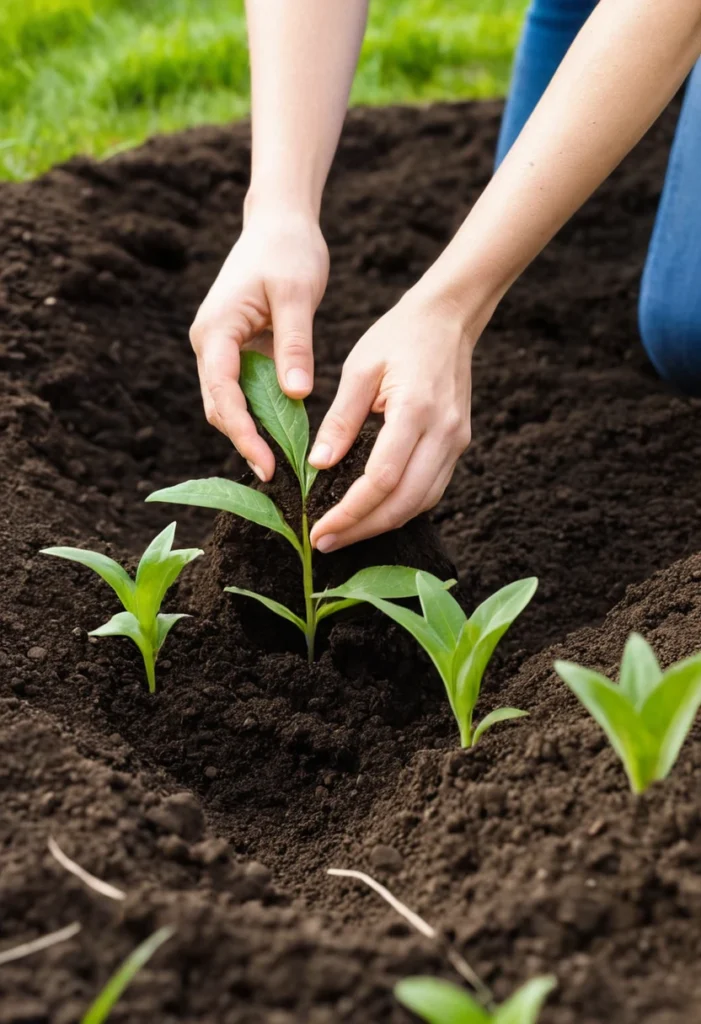
One of the easiest mistakes to make is working wet soil. Walking, digging, or cultivating saturated soil can destroy soil aggregates and create compacted layers that remain troublesome throughout the growing season.
Wait until the soil has dried enough to crumble rather than smear. A simple test is to squeeze a handful: if it remains a wet, sticky mass, it may be too wet to work.
Avoid Walking on Planting Beds
Designate pathways between beds and use them consistently. This keeps the root zone from being compressed.
For 11+ Seasonal Garden Guides, permanent pathways can make annual spring preparation faster because you don’t have to repeatedly decide where it is safe to walk.
Use a No-Dig Approach
A no-dig system minimizes soil disturbance by placing organic matter on the surface rather than repeatedly turning the entire bed.
This approach can be particularly useful for gardeners who want to preserve soil structure and reduce unnecessary digging. It still requires thoughtful weed management, compost use, and planting practices.
Improve Drainage Before Planting
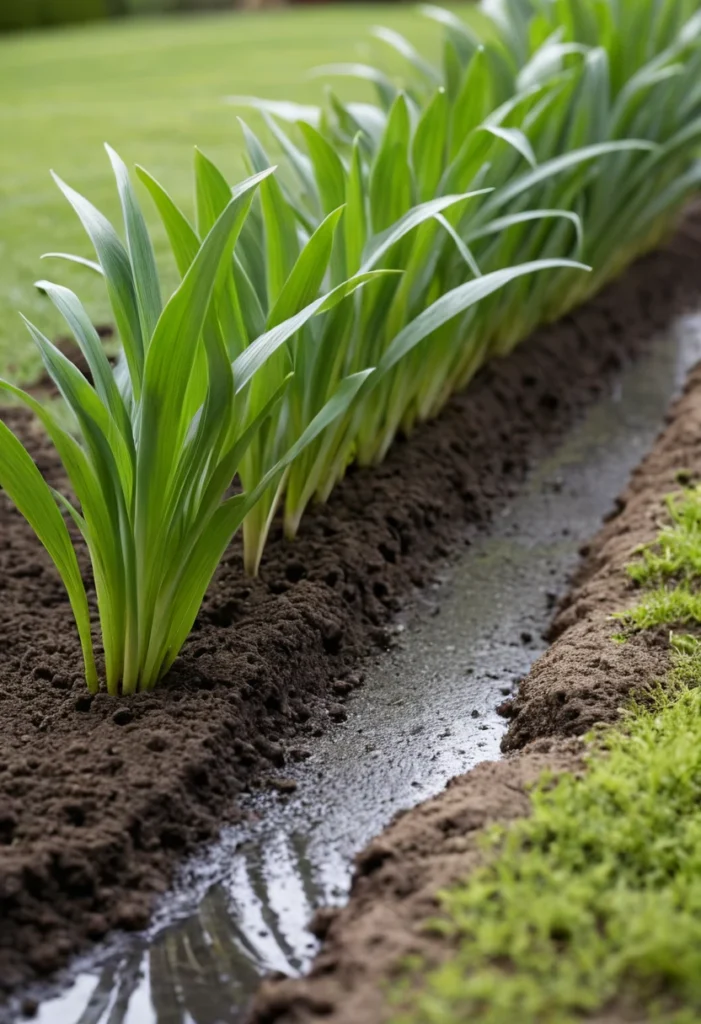
Good drainage is essential for most garden vegetables because roots require oxygen as well as moisture. Soil that remains saturated can cause weak growth and root problems.
For 11+ Seasonal Garden Guides, observe your beds after rainfall. If water repeatedly remains in the same area, determine whether the issue comes from compacted soil, heavy clay, a low point in the landscape, blocked drainage, or another underlying problem.
Build Raised Beds Where Appropriate
Raised beds can help separate the growing area from poorly drained native soil. They also make it easier to control the growing medium and create defined planting zones.
Don’t assume every garden needs raised beds. If your existing soil drains well and is productive, an in-ground system may be simpler and more economical.
Avoid Creating a Bowl
When preparing beds, don’t create depressions that collect water around plant roots. Shape the bed so excess water can move away naturally where appropriate.
If drainage is a serious landscape problem, consider addressing the underlying water flow rather than repeatedly adding more soil.
Prepare Raised Beds for Spring Planting
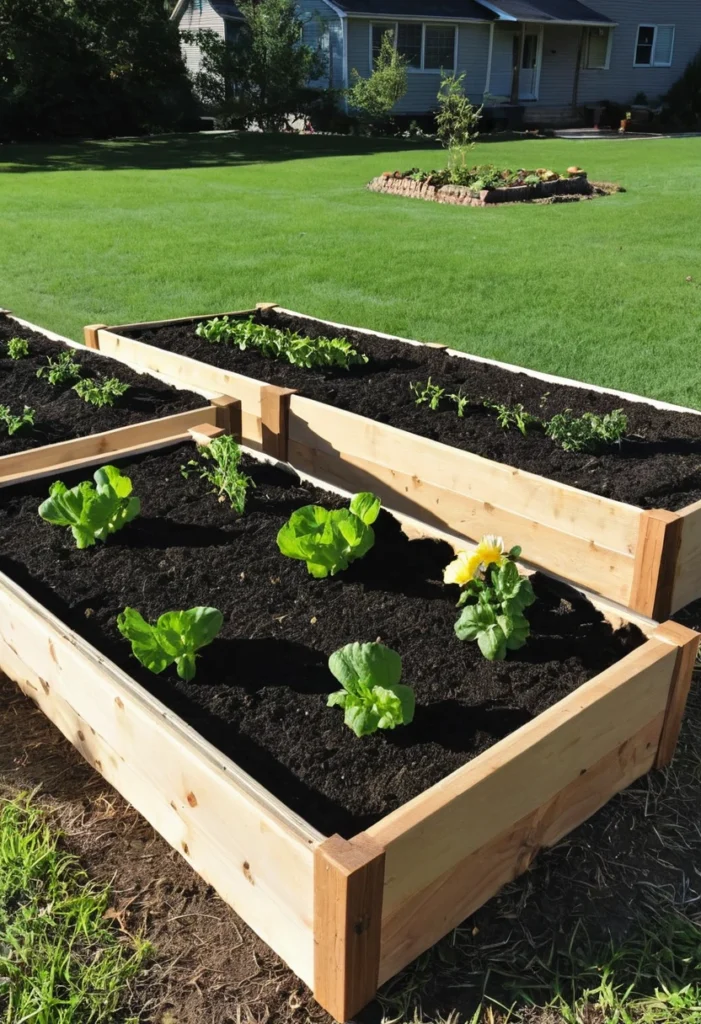
Raised beds are popular because they offer accessible planting spaces and can be organized around crop groups. Spring is a good time to inspect the bed structure, remove weeds, refresh the soil surface, and check whether boards or supports need maintenance.
For 11+ Seasonal Garden Guides, avoid automatically emptying and replacing all the soil every spring. Established soil can often be improved by adding appropriate organic matter and replenishing nutrients based on testing and crop needs.
Check Bed Edges
Inspect wooden, stone, metal, or composite edging for movement, rot, sharp edges, or other damage.
A small repair before planting can prevent problems once crops become established and the bed becomes harder to access.
Refresh the Surface
Remove debris and weeds, then add a suitable layer of mature compost or other approved organic amendment when needed.
Mix only as deeply as necessary for your gardening method. Avoid unnecessary disturbance of established soil layers.
Read Also: 11+ Flower Garden & Planting Ideas for a Beautiful Butterfly Garden
Choose Soil Preparation Based on What You Will Grow
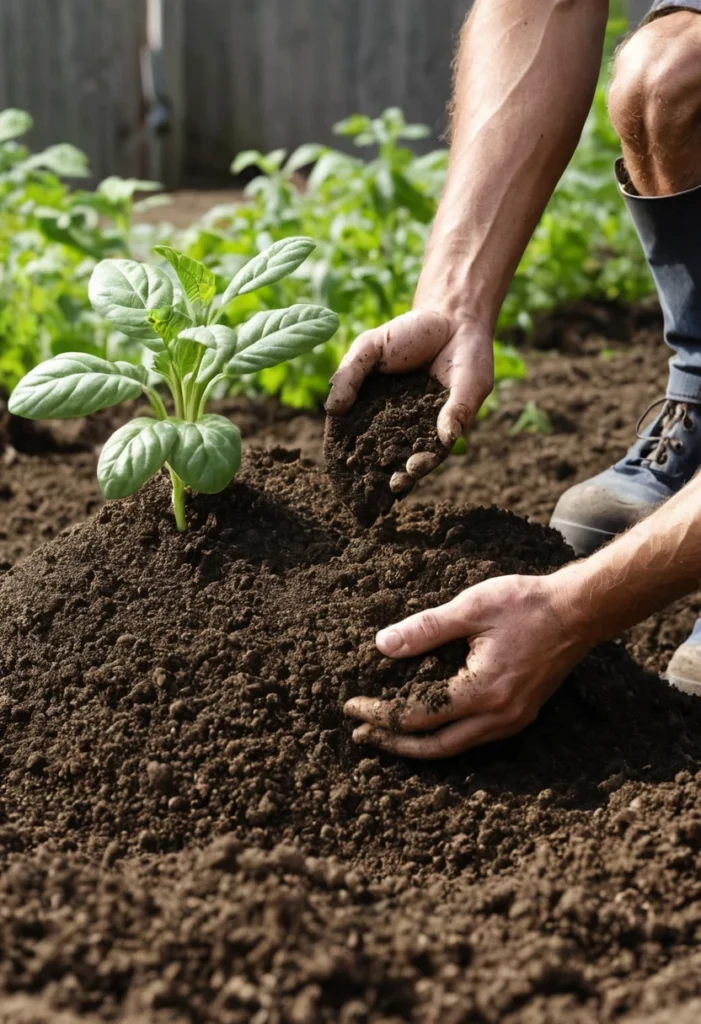
Different crops have different root systems and nutrient requirements. Leafy greens, root vegetables, fruiting crops, and perennial plants don’t necessarily need identical soil conditions.
For 11+ Seasonal Garden Guides, decide what you plan to grow before making major changes. A carrot bed, for example, benefits from loose soil without large stones, while perennial herbs may have different drainage preferences.
Prepare for Root Vegetables
Carrots, parsnips, radishes, and similar crops generally benefit from loose, stone-free soil that allows roots to develop without obstruction.
Avoid adding fresh manure immediately before planting root crops because excessive nitrogen and unsuitable organic material can encourage undesirable growth patterns.
Prepare for Leafy Greens
Leafy vegetables generally appreciate fertile soil with adequate moisture. Compost can help support soil structure and nutrient availability.
Maintain consistent moisture after planting, especially while seedlings are becoming established.
Plan Fertilizer Around Soil Needs
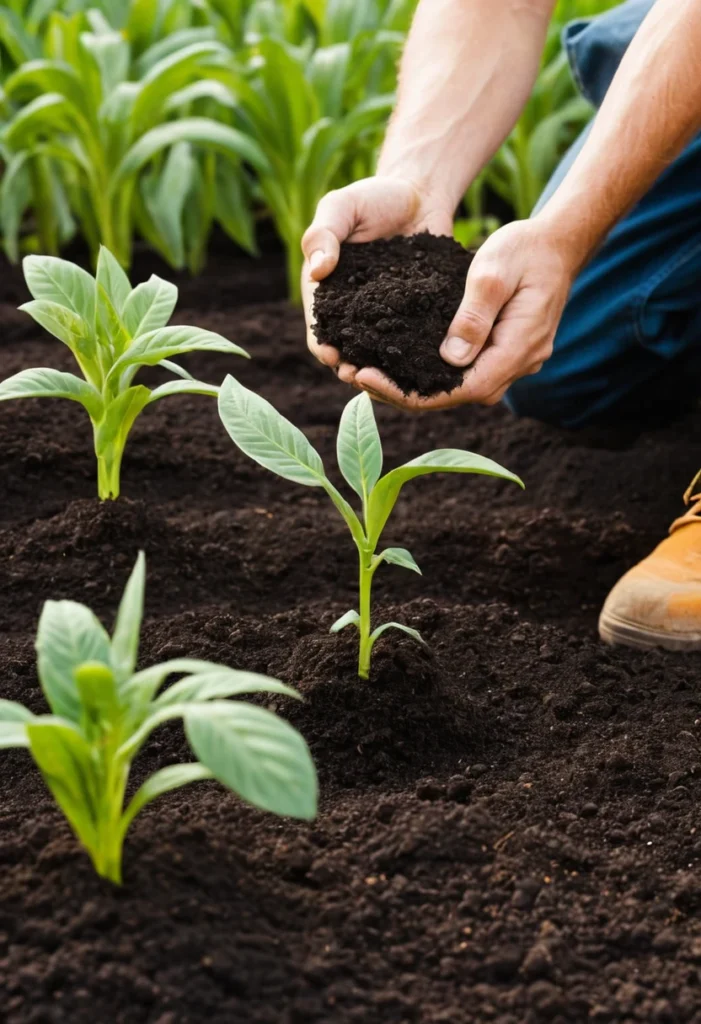
Fertilizer is useful when plants need nutrients, but it should not be treated as a universal solution to poor soil. If the problem is compaction, drainage, insufficient sunlight, or incorrect planting depth, additional fertilizer won’t fix it.
For 11+ Seasonal Garden Guides, use soil-test results and crop requirements to decide whether supplemental nutrients are needed. Follow the product label carefully when using commercial fertilizers.
Avoid Excess Nitrogen
Too much nitrogen can encourage leafy growth at the expense of flowering or fruiting in some crops. It can also contribute to nutrient losses.
Use balanced nutrition rather than assuming that more fertilizer means a better harvest.
Consider Slow-Release Options
Slow-release fertilizers can provide nutrients over a longer period, reducing the need for frequent applications.
Choose a product appropriate for your crop and soil conditions, and never exceed the recommended application rate.
Use Mulch After Soil Preparation
Mulch can be a valuable finishing step once the soil has been prepared and crops are planted. Organic mulch can help conserve moisture, suppress some weeds, and reduce temperature fluctuations at the soil surface.
For 11+ Seasonal Garden Guides, choose mulch based on the crop and local climate. Straw, shredded leaves, wood-based materials, and other organic options can all have different properties.
Keep mulch slightly away from plant stems and crowns to reduce excessive moisture around them.
Mulch Vegetable Paths
Organic material can also be useful on pathways. A defined mulch path keeps walking areas separate from planting areas while reducing mud and weed growth.
Refresh pathways when necessary rather than allowing them to become compacted and indistinguishable from planting beds.
Prepare Soil for Container Gardens
Spring soil preparation isn’t limited to backyard beds. Containers need attention too, particularly if the same growing medium has been used for previous crops.
For 11+ Seasonal Garden Guides, inspect old container soil for poor drainage, compacted texture, pests, and depleted organic matter. Refresh or replace growing medium when necessary.
Always use containers with adequate drainage holes and select a growing medium suitable for the plants you intend to grow.
Give Seedlings a Strong Start
Prepared soil only helps when planting practices are also appropriate. Seeds need suitable depth, moisture, temperature, and contact with the growing medium.
For 11+ Seasonal Garden Guides, follow seed-packet instructions for planting depth and spacing rather than burying seeds too deeply. Keep the seedbed evenly moist while germination occurs.
Transplants should be planted at an appropriate depth for the crop, with enough space for mature growth.
Don’t Compact Seedbeds
After sowing, gently firm the soil around seeds where appropriate rather than pressing the entire bed hard.
The objective is good seed-to-soil contact without creating a dense surface that prevents roots and water from moving easily.
Make a Spring Soil Preparation Checklist
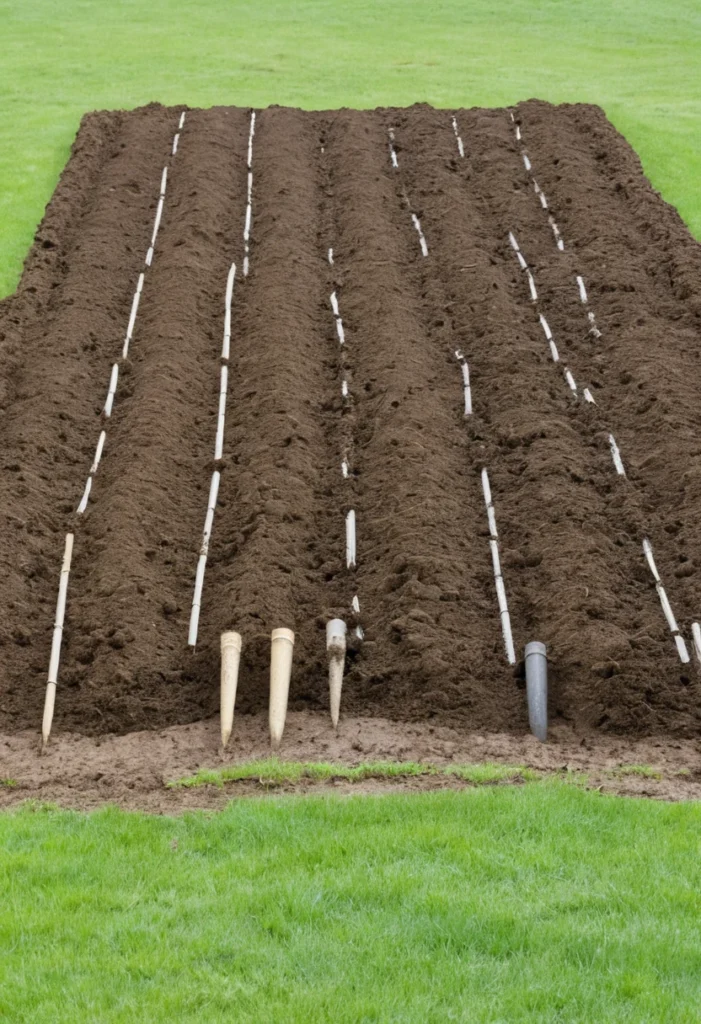
A checklist can prevent important preparation tasks from being forgotten. Walk through each bed and complete only the steps that your garden actually needs.
A practical 11+ Seasonal Garden Guides spring checklist includes:
- Inspect soil texture and structure
- Check drainage
- Remove perennial weeds
- Review last season’s crop performance
- Conduct a soil test when appropriate
- Add mature compost if needed
- Avoid working saturated soil
- Repair raised-bed edges
- Plan crop rotation
- Prepare pathways
- Choose suitable mulch
- Apply fertilizer only when justified
- Mark planting areas
- Check seed and transplant timing
The goal is not to perform every task every year. A healthy established bed may need very little beyond a surface compost application, weed management, and planting.
Avoid Common Spring Soil Preparation Mistakes
Gardeners often make soil preparation harder than necessary. Digging too aggressively, adding excessive amendments, working wet soil, and applying fertilizer without testing can create new problems.
For 11+ Seasonal Garden Guides, the best preparation is targeted preparation. Observe your soil first, identify the actual limitation, and make the smallest useful change.
Avoid these common mistakes:
- Working soil while it is saturated
- Adding fertilizer without understanding nutrient needs
- Using unfinished compost
- Turning soil repeatedly without a reason
- Ignoring poor drainage
- Walking throughout planting beds
- Adding excessive amendments
- Planting without considering crop spacing
- Forgetting crop rotation
- Leaving bare soil exposed throughout the season
Build Soil Health Over Several Seasons
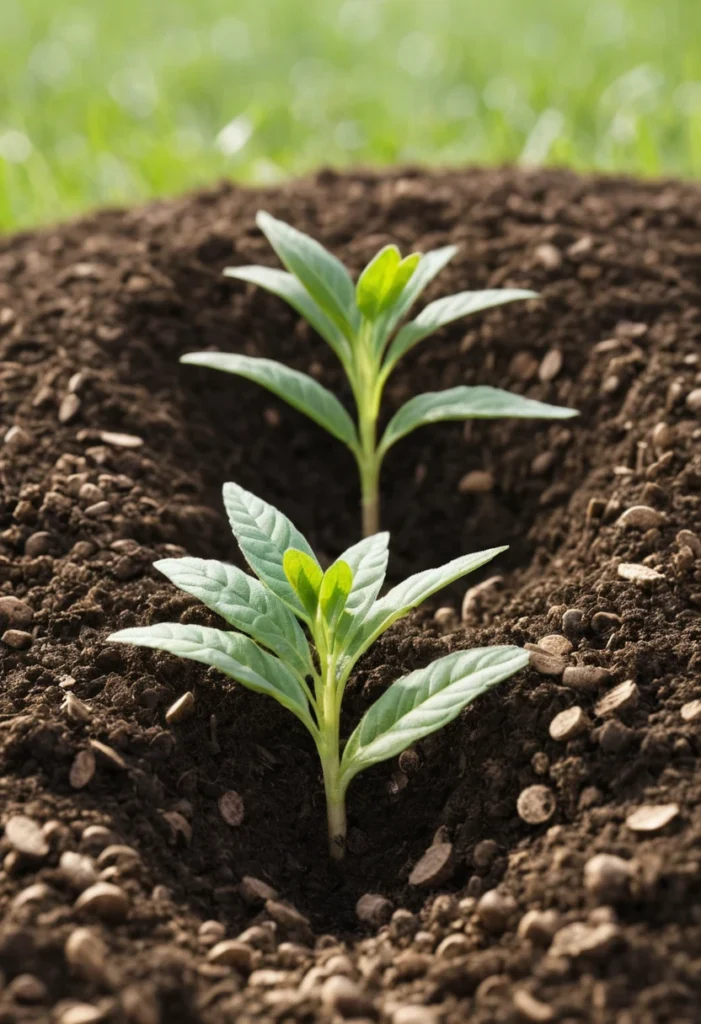
Healthy garden soil is not created in one spring. Organic matter, plant roots, careful watering, reduced compaction, appropriate crop rotation, and sensible nutrient management can gradually improve the growing environment.
For 11+ Seasonal Garden Guides, think beyond one harvest. A bed that becomes easier to work, drains better, supports stronger roots, and produces healthier plants over several years is a successful long-term project.
Keep notes about what you add and how plants respond. This creates a personal record that can be more useful than generic gardening advice because it reflects your own soil and climate.
Create a Simple Spring Soil Prep Routine
If you prefer a straightforward routine, begin with observation rather than action. Inspect the beds, check moisture, remove weeds, test soil where necessary, and decide what each planting area actually needs.
Then prepare the soil gently, add appropriate organic matter, organize your planting layout, and finish with suitable mulch. For 11+ Seasonal Garden Guides, this measured approach saves time and prevents unnecessary work.
By the time planting begins, your garden should have a clear purpose for every bed. Once crops are established, regular observation will tell you whether your soil preparation is working and what should be adjusted next season.
FAQs About Spring Garden Soil Preparation
What should I add to my garden soil in spring?
Mature compost or other suitable organic matter can improve many garden soils, but amendments should be selected according to soil condition, crop requirements, and—when useful—soil-test results.
Should I till my garden before planting?
Not necessarily. If soil is healthy and relatively loose, extensive tilling may be unnecessary; avoid working soil when it is wet because this can cause compaction.
How do I know if my garden soil is ready to plant?
Soil is generally ready when it is workable rather than saturated, drains appropriately, and has been prepared for the specific crops you intend to grow.
Is compost enough for a vegetable garden?
Compost can provide valuable organic matter and nutrients, but whether additional fertilizer is needed depends on the existing soil, crop requirements, and soil-test information.
How often should I test my garden soil?
Testing frequency varies with soil conditions and gardening practices; testing every few years or when plants repeatedly perform poorly can provide useful information for nutrient and pH management.
Conclusion
Successful spring gardening begins beneath the plants. By examining your soil before changing it, correcting drainage or compaction problems, adding mature organic matter where appropriate, and protecting the structure of your beds, you create a stronger foundation for vegetables, flowers, and herbs. The most useful 11+ Seasonal Garden Guides approach is practical rather than complicated: understand what your soil needs and make targeted improvements.
You don’t need to rebuild your garden every spring. Start with a careful inspection, prepare only the areas that need attention, and keep records of what works. With consistent soil care, thoughtful planting, and gentle management, your garden can become easier to maintain and more productive with each growing season.

