
Japandi Living Room Ideas That Feel Calm and Warm combine the simplicity of Japanese interiors with the natural comfort of Scandinavian design. This popular interior design style focuses on clean lines, natural materials, soft colors, functional furniture, and a peaceful atmosphere. Instead of filling a room with decorations, Japandi design emphasizes quality, balance, and the beauty of everyday objects.
Imagine coming home after a busy day to a living room with a comfortable linen sofa, warm wooden furniture, gentle lighting, and a few carefully chosen plants. Everything feels organized, but the space is not cold or empty. That is the appeal of Japandi interiors: they create a welcoming environment without unnecessary clutter or complicated styling.
Whether you live in a spacious house or a small apartment, you can achieve this look without completely renovating your home. In this guide, you will discover practical ways to choose colors, furniture, lighting, textiles, and decorative accents that make a Japandi living room feel both calming and inviting.
1. Start With a Warm, Neutral Color Palette
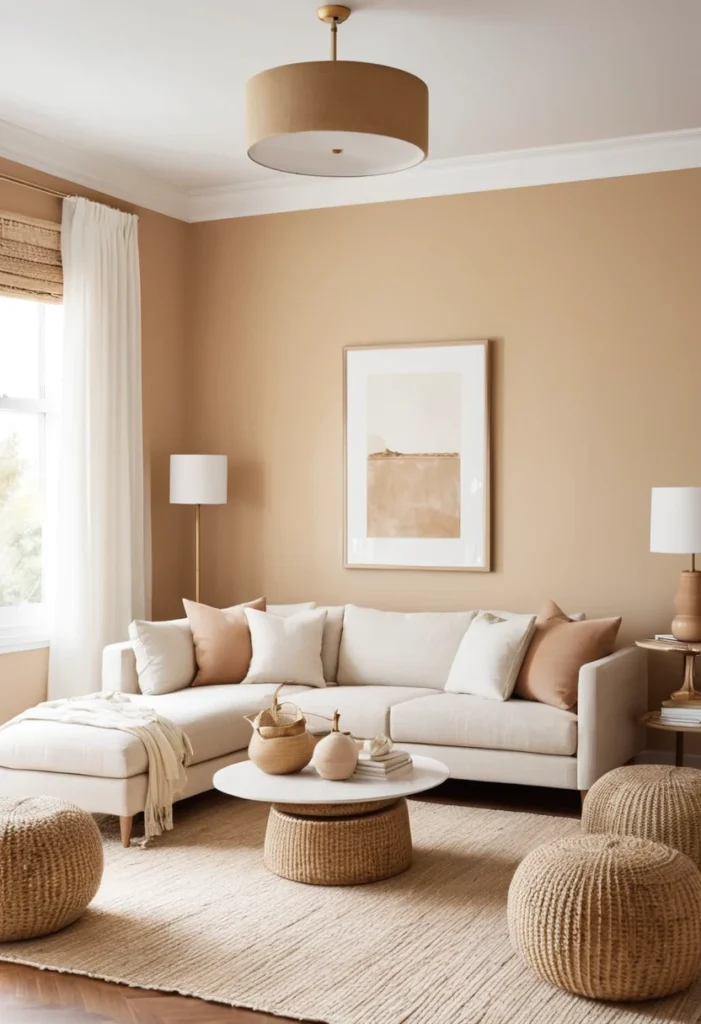
Color is one of the most important elements of Japandi design. Both Japanese and Scandinavian interiors often use understated shades inspired by nature, including warm white, beige, oatmeal, sand, soft gray, and earthy brown. These colors provide a quiet foundation that allows furniture, textures, and architectural details to stand out naturally.
For Japandi Living Room Ideas That Feel Calm and Warm, avoid relying entirely on bright white or cool gray. Although these shades can look clean, too much of either may make a living room feel sterile. Instead, combine creamy walls with beige upholstery, light oak furniture, and subtle earthy accents. The result is a layered interior that feels comfortable throughout the day.
Try this simple color combination:
- Walls: warm white or soft ivory
- Sofa: oatmeal, beige, or muted taupe
- Furniture: natural oak or walnut
- Accent colors: terracotta, olive green, or muted brown
- Textiles: cream, flax, and warm gray
Keep the main palette consistent across large surfaces, then introduce darker shades in small amounts. A charcoal cushion, walnut side table, or black floor lamp can provide definition without overwhelming the room.
2. Choose Low-Profile Furniture With Clean Lines
Japandi furniture combines Scandinavian practicality with Japanese-inspired simplicity. Look for sofas with straightforward silhouettes, wooden frames, rounded corners, and visible legs. Low-profile furniture can create a relaxed atmosphere while helping a room feel visually open, particularly when the pieces have a light appearance rather than bulky shapes.
When exploring Japandi Living Room Ideas That Feel Calm and Warm, remember that minimalism should not come at the expense of comfort. A beautiful sofa still needs supportive cushions, a practical seat depth, and durable upholstery. Choose furniture that suits your daily routine instead of buying pieces simply because they look good in photographs.
Consider these furniture choices:
- A low-backed sofa upholstered in linen-look fabric.
- A solid wood coffee table with a simple shape.
- An accent chair with a curved wooden frame.
- A compact side table with hidden or minimal storage.
- An open-legged bench that keeps the floor visible.
Measure your room before purchasing large items, and leave comfortable walking paths around seating. In a smaller living room, one well-proportioned sofa and a modest coffee table often work better than several oversized pieces.
3. Bring Natural Wood and Organic Materials Indoors
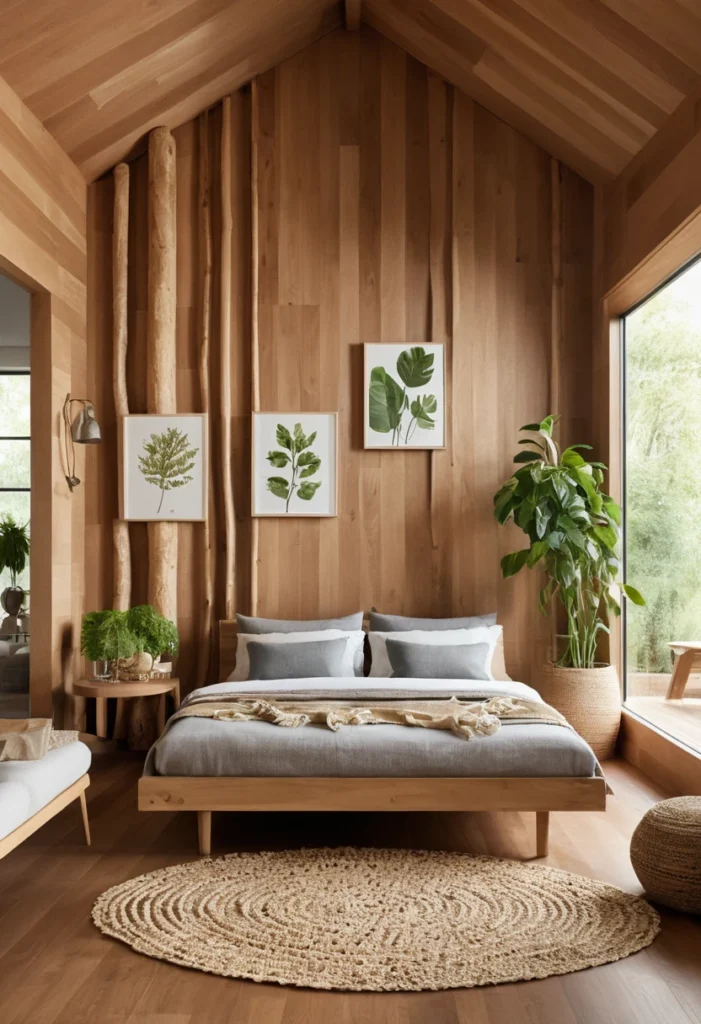
Natural materials give Japandi interiors their distinctive warmth. Wood is especially important because its grain, color variations, and tactile surface add character without requiring elaborate decoration. Oak, ash, bamboo, and walnut can all work well, depending on the atmosphere you want to create and the existing finishes in your home.
A practical way to apply Japandi Living Room Ideas That Feel Calm and Warm is to introduce wood in several complementary forms rather than matching every piece perfectly. A light oak coffee table, a walnut picture frame, and a woven basket can coexist when their colors and proportions feel balanced. Natural variation makes the room look collected instead of overly coordinated.
Other materials worth incorporating include:
- Linen curtains that soften incoming daylight.
- Wool throws that add warmth during cooler evenings.
- Cotton cushion covers for a relaxed finish.
- Ceramic bowls and handmade-looking vases.
- Jute or wool rugs that introduce texture underfoot.
- Woven baskets for blankets, magazines, and everyday items.
Choose materials according to their purpose and maintenance requirements. For example, a textured wool rug may feel luxurious, but a washable or easy-clean alternative could be more practical for a busy family living room.
4. Create a Cozy Atmosphere With Layered Lighting
Lighting can completely change how a neutral living room feels. Strong overhead lighting often makes a space appear flat, while several softer light sources create depth and make the room more comfortable in the evening. Japandi interiors benefit from a mixture of natural daylight, ambient illumination, and focused lighting for reading or other activities.
Among the most effective Japandi Living Room Ideas That Feel Calm and Warm is using lamps with warm-white bulbs, simple shades, and natural-looking finishes. A paper-style pendant, a ceramic table lamp, or a floor lamp with a fabric shade can introduce gentle visual interest without distracting from the overall design.
Build a flexible lighting arrangement with these options:
- Use sheer curtains to filter daylight without blocking it completely.
- Place a floor lamp beside the sofa for reading.
- Add a table lamp to a sideboard or console.
- Use dimmable lighting where possible.
- Choose warm-white bulbs, often around 2700K, for a cozy evening atmosphere.
Avoid positioning every light source at the same height. A combination of ceiling, table, and floor lighting makes the space feel more dimensional. If you rent your home, portable lamps are an easy way to achieve this effect without changing existing fixtures.
Read Also: 12 DIY Garden Privacy Ideas for a More Private Outdoor Space
5. Add Soft Textures Without Creating Clutter
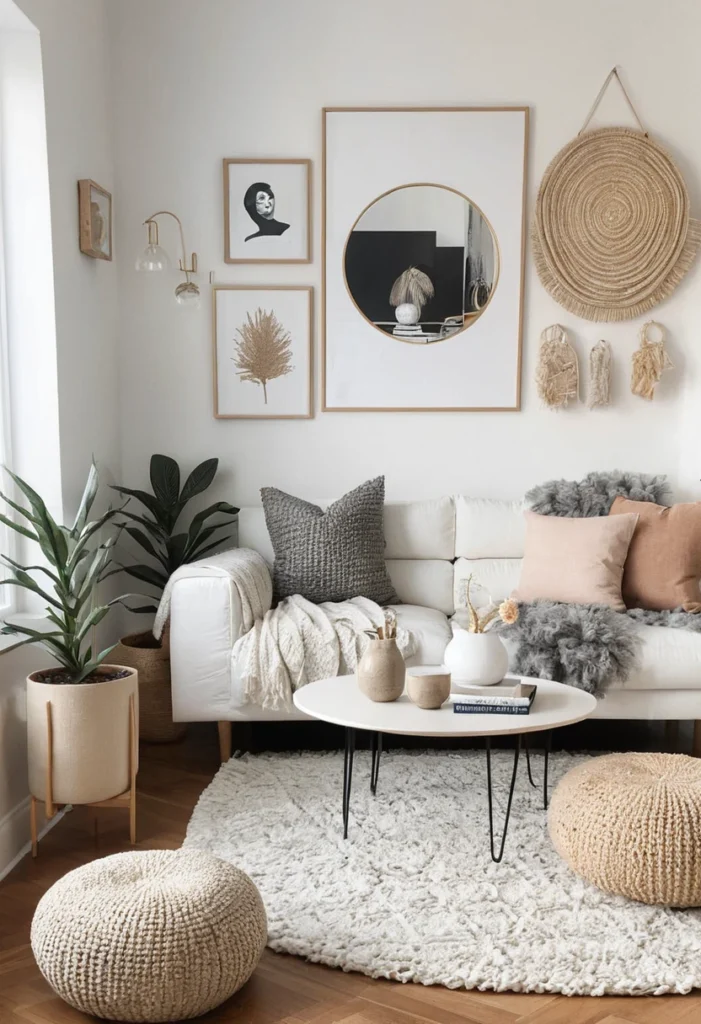
A neutral living room can look beautiful but feel unfinished when every surface has the same texture. Japandi design solves this problem through thoughtful layering. Linen, wool, cotton, wood, stone, and ceramics introduce subtle differences that make a restrained color palette feel richer and more inviting.
The goal of Japandi Living Room Ideas That Feel Calm and Warm is not to add as many cushions and blankets as possible. Instead, select a few pieces that serve a purpose and complement the room. A knitted throw over one side of the sofa, two textured cushions, and a natural-fiber rug may provide enough softness without making the seating area look crowded.
Use these simple styling techniques:
- Combine smooth wooden furniture with tactile upholstery.
- Place a textured rug beneath the main seating arrangement.
- Add one or two cushions in contrasting but complementary fabrics.
- Drape a lightweight throw casually over the sofa.
- Choose matte ceramics instead of filling shelves with shiny accessories.
Pay attention to scale, too. A large rug can help connect the furniture into one cohesive arrangement, while a very small rug may make the room feel disconnected. Whenever possible, choose a size that allows the front legs of the main seating pieces to rest on it.
6. Bring Nature Inside With Plants and Organic Shapes
Nature plays an important role in Japandi interiors. Indoor plants, branches, stone surfaces, and organic forms introduce a sense of life that balances the simplicity of the furniture. These elements also help prevent a neutral room from feeling too uniform or overly designed.
For Japandi Living Room Ideas That Feel Calm and Warm, choose greenery that suits your available light and the amount of care you can provide. A single well-positioned plant can have more impact than several small pots scattered across every surface. Consider the plant’s mature size, watering requirements, and suitability for your household before bringing it home.
Some attractive options include:
- Rubber plants for bold, sculptural leaves.
- Snake plants for upright forms and relatively simple care.
- Olive trees for a delicate, Mediterranean-inspired appearance where conditions allow.
- Pothos for trailing greenery on a suitable shelf.
- Fresh or dried branches displayed in a simple ceramic vase.
Organic shapes can also appear in furniture and accessories. A rounded coffee table, irregular ceramic vessel, or gently curved chair introduces softness against straight walls and clean architectural lines. Keep the arrangement intentional so that natural elements become focal points rather than visual distractions.
7. Keep the Room Minimal With Smart Storage
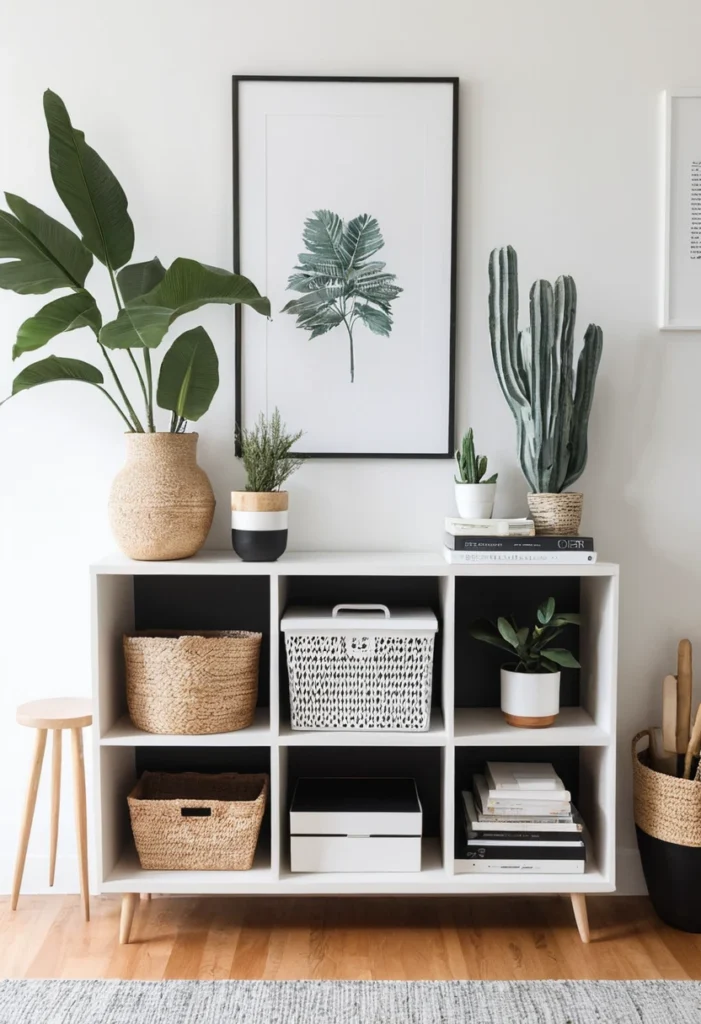
A calm living room depends on how well everyday belongings are organized. Remote controls, charging cables, children’s toys, books, and miscellaneous household items can quickly overwhelm an otherwise beautiful interior. Japandi design encourages keeping useful possessions accessible while giving less attractive items a designated place.
One of the most practical Japandi Living Room Ideas That Feel Calm and Warm is incorporating storage into the design instead of treating it as an afterthought. A wooden sideboard, storage ottoman, or simple cabinet can conceal everyday clutter while maintaining a cohesive appearance. Open shelving works best when it displays a small selection of meaningful objects rather than every item you own.
To maintain an organized space:
- Use closed cabinets for electronics and miscellaneous belongings.
- Keep frequently used items in attractive baskets.
- Store charging cables in a designated drawer or organizer.
- Display only a few books, ceramics, or personal objects on shelves.
- Leave some surfaces intentionally empty.
You do not need to remove everything to achieve a minimalist look. Family photographs, favorite books, and meaningful souvenirs can make a room feel personal. The key is to give each object enough space to be appreciated without competing with everything around it.
8. Personalize the Space With Thoughtful Decorative Accents
Japandi interiors may be restrained, but they should never feel impersonal. Carefully chosen artwork, handmade ceramics, sculptural objects, and meaningful textiles can give your living room character while preserving its peaceful atmosphere. The best accessories complement the room’s materials and colors rather than introducing a completely unrelated style.
When applying Japandi Living Room Ideas That Feel Calm and Warm, focus on quality, proportion, and intention. A single large artwork in earthy tones can look more balanced than a crowded gallery wall. Similarly, one handcrafted ceramic vase on a wooden console can become a subtle focal point without needing several matching decorations around it.
Try incorporating a few of these accents:
- Abstract artwork with soft, nature-inspired colors.
- A simple framed botanical print.
- Handmade ceramics with imperfect, organic shapes.
- A wooden tray for organizing small items.
- A sculptural table lamp that doubles as decoration.
- A meaningful object collected during a trip.
Personal touches should feel connected to your lifestyle. If you enjoy reading, create a comfortable reading corner. If you appreciate art, give one favorite piece a prominent position. A thoughtfully personalized living room feels more welcoming than a space that follows every design trend without reflecting the people who use it.
Frequently Asked Questions
1. What makes a living room Japandi style?
Japandi style combines Japanese-inspired simplicity with Scandinavian comfort. It typically features natural materials, neutral colors, functional furniture, clean lines, organic textures, and carefully selected decorations.
2. What colors work best in a warm Japandi living room?
Warm white, beige, oatmeal, taupe, light brown, and muted gray are excellent foundations. Olive green, terracotta, and charcoal can add contrast without overwhelming the peaceful color scheme.
3. How can I make a Japandi living room cozy rather than cold?
Layer natural textures through linen curtains, wool throws, textured cushions, and soft rugs. Add warm lighting, comfortable seating, natural wood, and a small amount of greenery to create a welcoming atmosphere.
4. Can I create a Japandi living room on a budget?
Yes. Start by decluttering, rearranging existing furniture, and choosing a consistent neutral palette. Add affordable textured cushion covers, secondhand wooden furniture, simple lamps, and a few carefully selected natural accents.
5. Is Japandi design suitable for small living rooms?
Absolutely. Low-profile furniture, uncluttered surfaces, light colors, multifunctional storage, and open floor space can help smaller rooms feel more spacious. Choose furniture according to the room’s dimensions rather than its appearance alone.
Conclusion
Japandi Living Room Ideas That Feel Calm and Warm show how a thoughtful combination of natural materials, comfortable furniture, gentle lighting, and understated decoration can transform an ordinary living room into a relaxing retreat. You do not need an expensive renovation or a completely new set of furniture. A balanced color palette, a few tactile fabrics, practical storage, and carefully chosen accessories can create a noticeable difference.
Start with one manageable change, such as replacing harsh lighting, removing unnecessary clutter, or introducing a natural wood accent. Then build on that foundation as your budget allows. The most successful Japandi living room is one that feels peaceful, functions well for everyday life, and reflects your personal taste without sacrificing comfort.