
A garden should feel like a peaceful extension of your home, but nearby houses, busy streets, or curious neighbors can sometimes make an outdoor space feel exposed. The good news is that you do not need an expensive fence or major landscaping project to create a more secluded garden.
With a little creativity, everyday materials, plants, wood, and simple structures can provide both privacy and visual appeal. These DIY garden privacy ideas can help you define your outdoor space while keeping it welcoming, stylish, and functional.
Whether you have a small patio garden, a backyard, or a larger outdoor area, there are practical solutions for different budgets and garden styles.
What Makes a Good DIY Garden Privacy Solution?
The best privacy feature should do more than block unwanted views. Ideally, it should complement your garden, withstand outdoor conditions, and fit the amount of space available.
Before starting a project, consider the direction of unwanted views, the height you need, and how much sunlight your plants receive. A solid barrier may provide maximum privacy, while a combination of plants and open screens can create a softer appearance without making the garden feel closed in.
1. Build a Simple Wooden Slat Screen
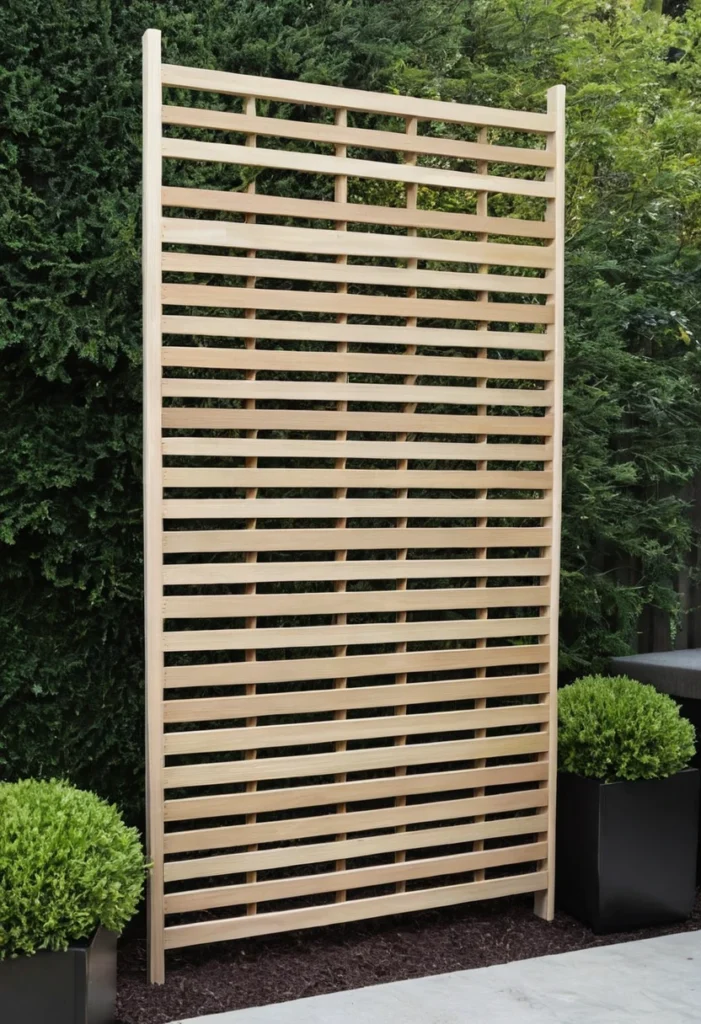
A wooden slat screen is one of the easiest ways to add privacy without completely blocking light and airflow. Arrange vertical or horizontal timber boards with small gaps between them to create a modern garden divider.
You can leave the wood natural for a rustic appearance or stain it to match your outdoor furniture. Secure the screen between sturdy posts and make sure the base is firmly anchored, especially in areas that experience strong winds.
2. Create a Living Bamboo Privacy Wall
Bamboo can create a lush natural barrier and works particularly well along fences, patios, and seating areas. Instead of constructing a completely solid wall, plant bamboo in large containers or suitable garden beds to form a green screen.
Choose a clumping variety where possible because some bamboo types spread aggressively. Containers can also make the arrangement easier to control and are useful for renters or people who frequently change their garden layout.
3. Use a Trellis With Climbing Plants
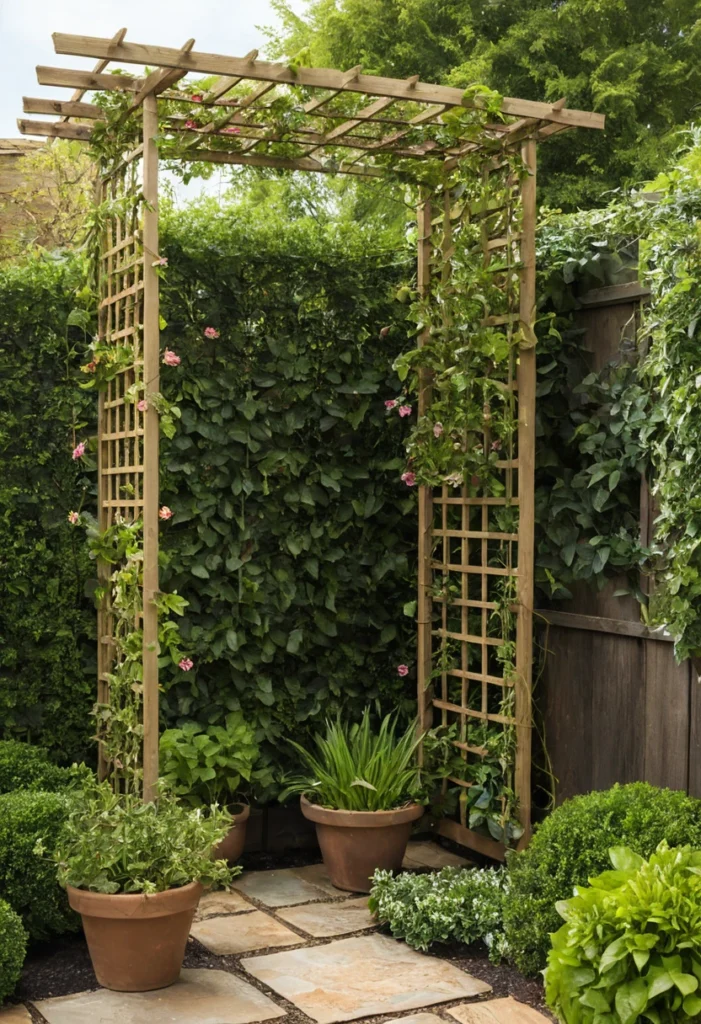
A trellis offers a combination of structure and greenery. Install one beside a seating area, along a boundary, or behind an outdoor dining space, then encourage climbing plants to grow across it.
Climbing roses, clematis, jasmine, honeysuckle, and other suitable vines can gradually create a leafy screen. The advantage is that privacy increases as the plants mature, while the trellis itself provides immediate visual separation.
4. Repurpose Old Shutters
Old wooden shutters can become attractive privacy panels with very little modification. Clean them thoroughly, repair damaged sections, and apply an exterior-grade paint or protective finish.
Place several shutters together to form a folding screen. Their slatted construction allows some light through while reducing direct views, making them especially useful around a patio or small seating area.
5. Make a Privacy Wall From Pallets
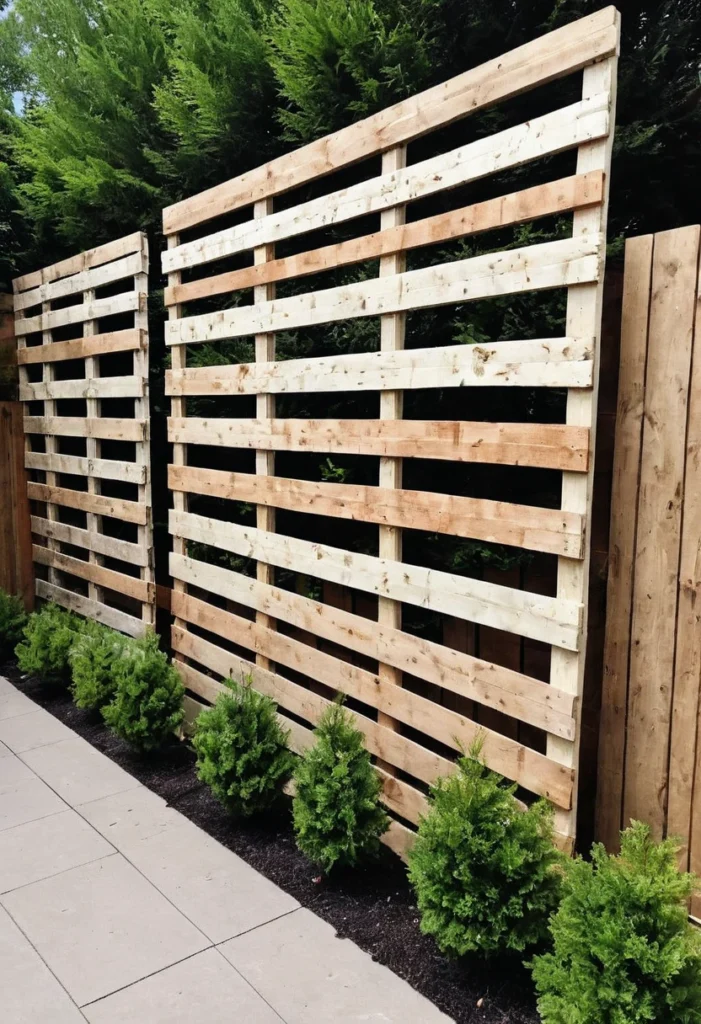
Wooden pallets can be transformed into a budget-friendly garden screen when they are clean, sturdy, and suitable for outdoor use. Attach several pallets securely to posts or a stable frame, then decorate them with planters, hooks, or climbing plants.
Before using pallets, check that they are in good condition and appropriate for your intended project. Sand rough surfaces and protect the wood with an outdoor treatment to improve durability.
Read Also: 12 Bee garden ideas for a Beautiful Pollinator Yard
6. Hang Outdoor Curtains Around a Patio
Outdoor curtains are an easy choice when you want flexible privacy rather than a permanent structure. Install a weather-resistant curtain rod, cable, or suitable outdoor track around the edge of a covered patio or pergola.
Choose fabrics designed for outdoor use because they are better suited to sunlight and changing weather. Curtains can be pulled closed when privacy is needed and opened when you want an unobstructed view.
7. Turn Large Planters Into a Green Screen
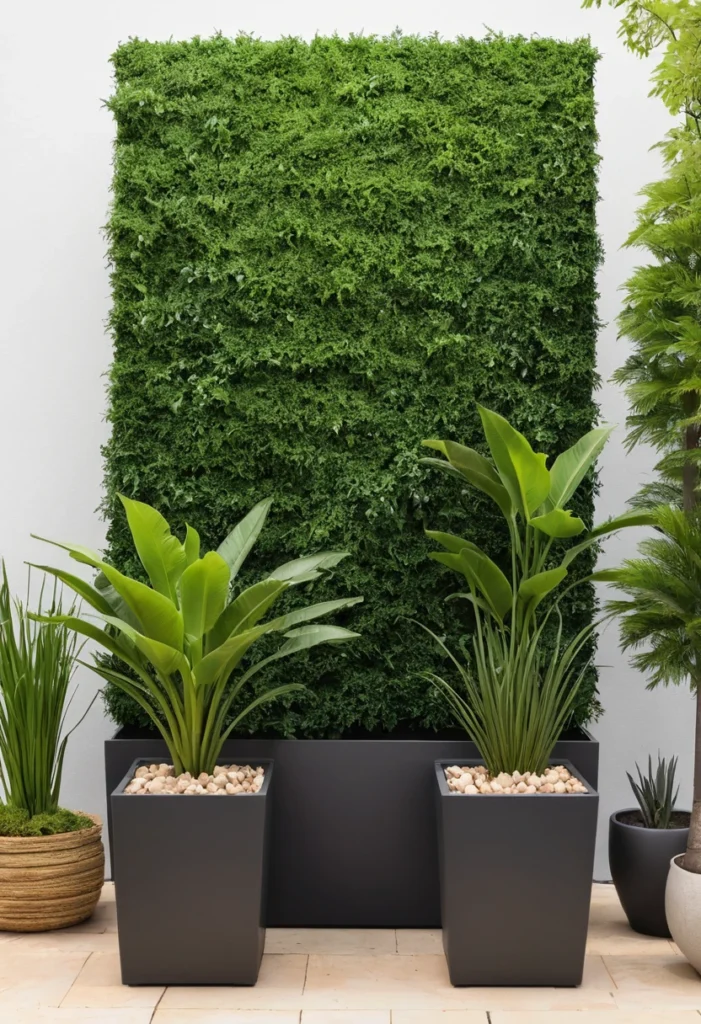
Large planters can provide privacy while adding greenery to otherwise empty areas. Place several tall containers in a row and fill them with plants that grow upward or develop dense foliage.
This approach works particularly well for balconies, patios, and rented properties where permanent construction may not be practical. Select containers that are heavy enough to remain stable and choose plants suited to your local sunlight and climate.
8. Install a Decorative Garden Fence
A low-cost decorative fence can create a clear boundary without making the garden look overly enclosed. Use wooden panels, lattice, wire sections, or other outdoor-safe materials depending on the style you prefer.
For additional privacy, combine the fence with shrubs or climbing plants. This layered approach can look more natural than a single solid barrier and may become more attractive as the greenery fills in.
9. Build a Rustic Branch Screen
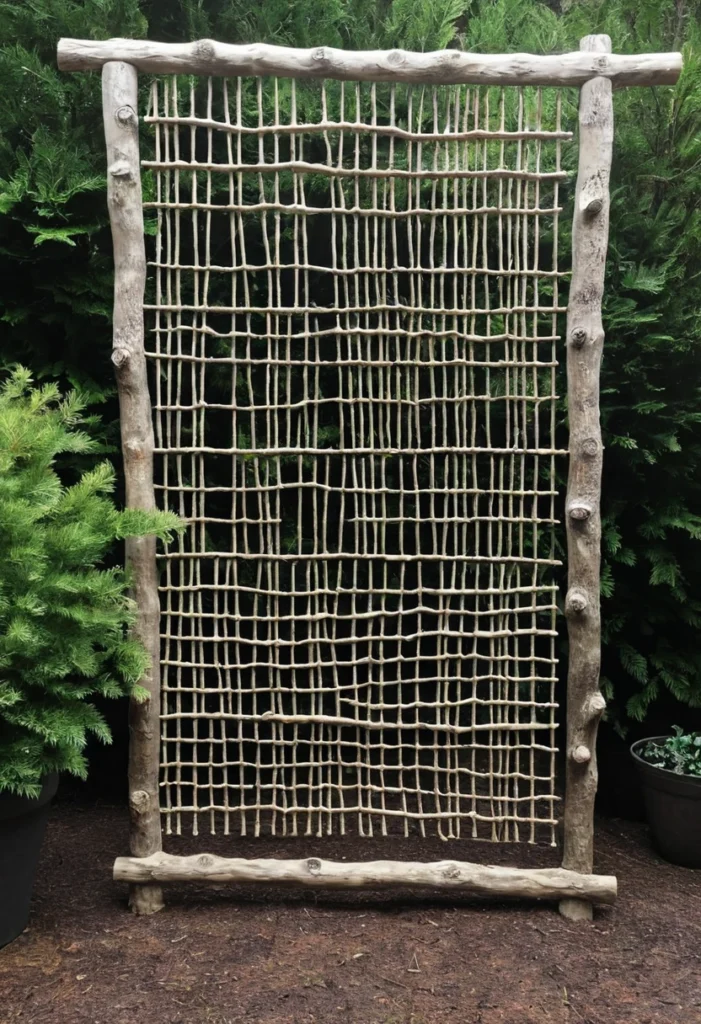
If you prefer a natural or cottage-style garden, consider making a screen from straight branches. Arrange the branches vertically or weave flexible branches horizontally between stronger supports.
This type of screen can create a relaxed woodland feel while breaking up direct sightlines. Make sure the structure is securely attached and replace branches that become weak or damaged over time.
10. Add a Pergola With Climbing Greenery
A pergola can provide privacy from above and from the sides while also creating a dedicated outdoor living zone. Add climbing plants along the posts and beams to gradually create a natural canopy.
A pergola is particularly useful if your main privacy concern comes from nearby upper-floor windows. You can also combine it with outdoor curtains or lattice panels for greater coverage.
11. Use Tall Ornamental Grasses
Tall ornamental grasses are an attractive alternative to conventional privacy barriers. Their narrow leaves and upright growth can soften views without creating the heavy appearance of a solid wall.
Plant several varieties in groups for a fuller screen, leaving enough space for mature growth. Choose species that suit your local climate and garden conditions, and check their expected height before planting.
12. Create a Recycled Garden Screen
Old doors, reclaimed timber, metal panels, wire frames, or unused garden materials can be combined into a creative privacy screen. Painting different pieces in a coordinated color can make the finished project look intentional rather than mismatched.
Add small planters, hanging pots, or decorative elements to personalize the screen. This is a good option if you enjoy DIY projects and want a privacy feature that feels unique to your garden.
How to Choose the Right Privacy Idea
Start by identifying exactly where privacy is needed. If neighbors can see directly into a seating area, focus your screening around that zone rather than enclosing the entire garden.
Think about the height and width of the barrier as well. A screen that is too short may not solve the problem, while an oversized solid structure can reduce sunlight and make a small garden feel cramped.
Consider Your Garden Style
Modern gardens often look good with clean wooden slats, metal frames, or simple geometric screens. Cottage gardens can benefit from trellises, climbing flowers, branches, and mixed planting.
For a tropical or lush appearance, combine tall plants with natural wood or bamboo. Matching the privacy feature to the existing landscape helps it look like part of the garden instead of an added obstruction.
Think About Maintenance
Living screens require watering, pruning, feeding, and occasional replacement. Wooden structures need protection from moisture and may require staining or repainting over time.
If you want minimal maintenance, consider a combination of durable materials and artificial or low-maintenance plants. If gardening is one of your hobbies, a living privacy wall may be more rewarding.
How to Make a Small Garden Feel Private
Small gardens do not necessarily need tall solid walls. Instead, use visual layers to create separate zones. A few tall planters, a narrow trellis, and strategically placed furniture can make a compact area feel much more secluded.
Vertical gardening is especially useful because it uses wall and fence space rather than valuable floor area. Hanging planters and climbing plants can add privacy while leaving more room for seating and movement.
Combining Privacy With Comfort
Privacy becomes more useful when it improves how you actually use the garden. Place your screen near a dining table, lounge chair, fire pit, or other area where you spend time outdoors.
You can also add soft lighting, cushions, rugs, and potted plants around the privacy feature. This turns a simple barrier into a comfortable outdoor retreat rather than making privacy feel like the main purpose of the space.
Common DIY Privacy Mistakes to Avoid
One common mistake is building a privacy screen without considering wind. A large solid panel can catch strong gusts, so sturdy posts and secure foundations are essential.
Another mistake is choosing plants based only on appearance. Check mature height, growth rate, sunlight requirements, water needs, and maintenance before planting.
It is also worth checking local property rules before installing a tall permanent fence or structure. Requirements can vary depending on location and property type.
FAQ
What is the cheapest way to create garden privacy?
Using recycled pallets, old shutters, branches, or existing planters can be among the most affordable options. Adding climbing plants to a basic trellis can also provide an inexpensive long-term privacy solution.
What plants are best for garden privacy?
Suitable choices depend on your climate, available space, and desired height. Bamboo, tall ornamental grasses, dense shrubs, climbing plants, and container-grown screening plants can all work well when matched to the growing conditions.
How can I make a small backyard more private?
Use vertical solutions such as trellises, climbing plants, tall planters, narrow screens, and outdoor curtains. Concentrating privacy around seating and dining areas can make a small space feel secluded without enclosing the entire yard.
Can I make a garden privacy screen without building a fence?
Yes. Large planters, outdoor curtains, trellises, pergolas, decorative shutters, and movable screens can all provide privacy without constructing a traditional fence.
How tall should a garden privacy screen be?
The ideal height depends on where the unwanted view comes from and how much privacy you need. Measure the sightline from nearby windows, paths, or neighboring properties before choosing the final height.
How do I protect a DIY wooden privacy screen?
Use exterior-rated wood or apply a suitable outdoor sealant, stain, or paint. Keep the wood elevated from standing water and inspect it periodically for moisture damage, cracking, or loose connections.
Conclusion
Creating a private garden does not require an expensive renovation. From wooden slat screens and trellises to tall plants, recycled materials, curtains, and pergolas, there are plenty of ways to make an outdoor space feel more secluded.
The best solution is one that fits your available space, budget, garden style, and maintenance preferences. Choose one of these DIY garden privacy ideas, adapt it to your space, and turn your garden into a more comfortable place to relax, entertain, and enjoy time outdoors.