A bee-friendly garden can be colorful, productive, and surprisingly easy to create. These 12 Bee garden ideas focus on flowers, nesting spaces, water, shelter, and simple maintenance choices that help bees find food and habitat. Whether you have a large backyard or a few containers, thoughtful planting can turn an ordinary outdoor space into a useful pollinator refuge.
The best approach is not simply to grow one type of flower. Bees benefit from a mix of plants that provide nectar and pollen at different times of the year, along with safe places to rest and nest. The RHS recommends diverse flowering plants, shallow water, suitable nesting areas, and avoiding pesticides as key ways to support pollinators.
You can also design the space around your local growing conditions. Choose plants suited to your climate, soil, sunlight, and available water rather than selecting flowers only because they look attractive. Here are practical ways to make your garden more welcoming to bees.
12 Bee garden ideas to create a thriving pollinator space
1. Plant flowers in large clusters
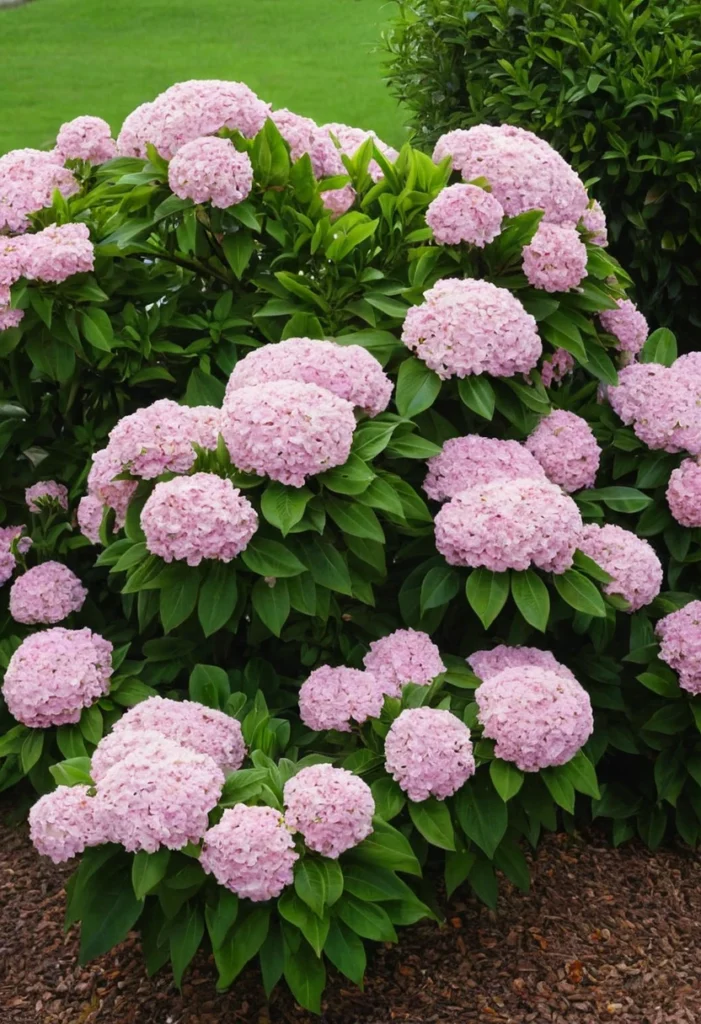
Instead of scattering one plant here and another there, group several plants of the same type together. A larger patch of flowers creates a more visible and efficient food source for visiting bees.
Try grouping lavender, salvia, cosmos, coneflowers, asters, or other locally suitable flowering plants. Repeating the same plants throughout different parts of the garden also creates visual rhythm while giving pollinators a dependable place to forage.
2. Choose flowers that bloom in different seasons
A garden is more useful when something is flowering for as much of the year as possible. Early-season blooms can provide food when fewer flowers are available, while summer and autumn plants keep the supply going later.
Make a simple seasonal planting chart before buying plants. Include spring, summer, and autumn bloomers appropriate for your region. Continuous flowering is widely recommended in pollinator-garden guidance because bees need access to pollen and nectar across the growing season.
3. Add native flowering plants
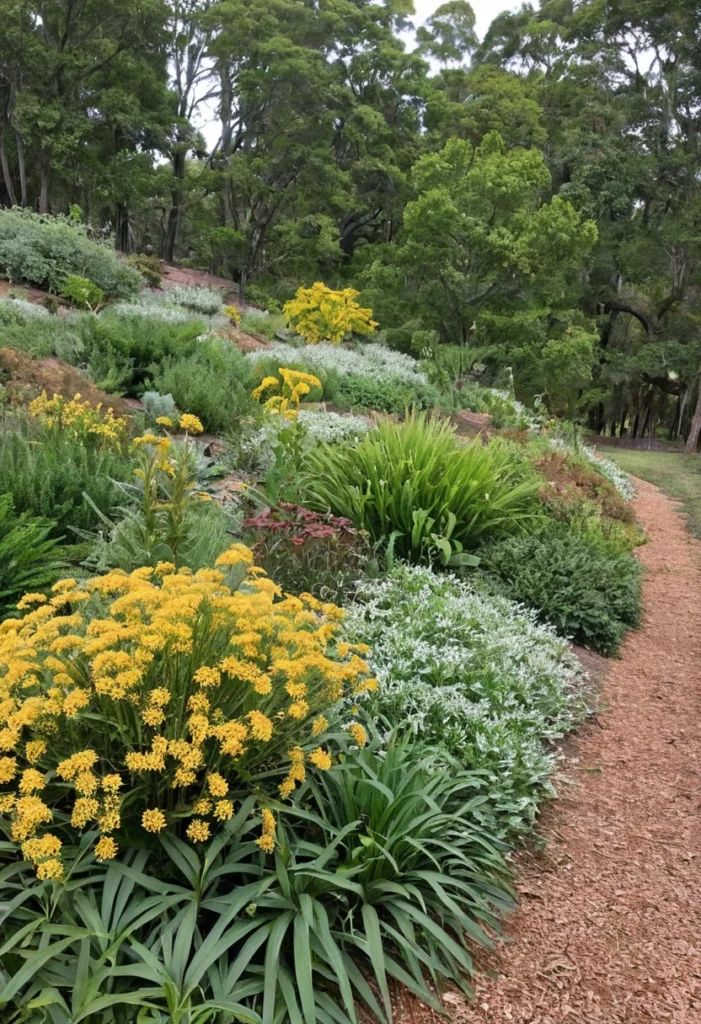
Native plants are often a strong choice because local insects have evolved alongside the plants in their region. They can also be better adapted to local weather and soil conditions.
Look for native wildflowers, shrubs, and herbs at reputable local nurseries. A mixture of native species can provide different flower shapes, bloom periods, and food sources rather than relying on a single ornamental variety.
4. Create a sunny flower border
Many flowering plants preferred by bees perform best in sunny locations. Use the brightest part of your yard for a dedicated pollinator border where flowers can receive several hours of direct sunlight.
Place taller plants toward the back and shorter flowers toward the front. This arrangement gives every plant access to light while making the flowers easier to observe and maintain.
Read Also: 10 Backyard seating ideas for a Cozy Outdoor Space
5. Grow herbs that bees love
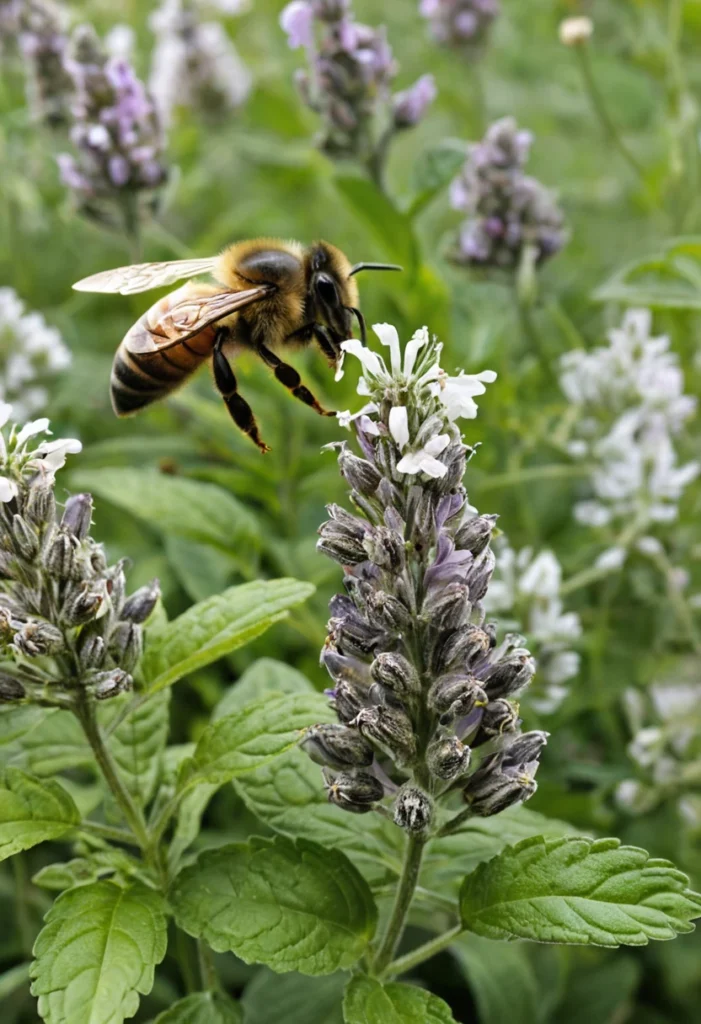
A productive herb garden can double as a pollinator garden. Flowering herbs such as thyme, oregano, sage, rosemary, mint, and basil can attract bees when allowed to bloom.
You do not need to sacrifice your entire herb harvest. Simply allow a portion of each plant to flower while harvesting the rest. Container-grown herbs can also work well on patios, balconies, and small outdoor spaces.
6. Provide a shallow water station
Bees need access to water, but a deep container can be dangerous because insects may fall in and struggle to escape. A shallow saucer with clean water and several stones or pebbles provides landing places close to the surface.
Place the station somewhere sheltered and refresh the water regularly. The RHS specifically recommends shallow water with pebbles or a pond with an accessible edge for pollinators.
7. Leave a small patch of bare soil
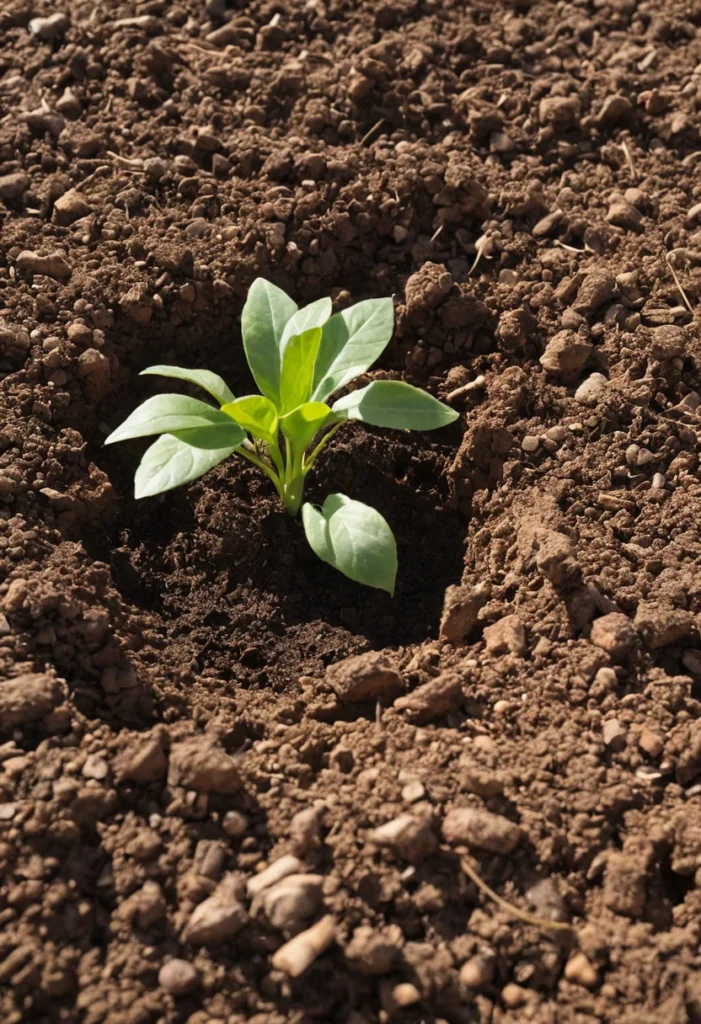
Not every part of the garden needs to be covered with mulch or plants. Many wild bees use soil for nesting, so a small sunny patch of bare, well-drained ground can provide valuable habitat.
Choose a quiet location away from heavy foot traffic. Avoid compacting the soil or covering the area with landscape fabric. Natural nesting habitat can be more useful than installing artificial structures alone.
8. Add a simple bee shelter
Some solitary bees use hollow stems, small cavities, or pieces of untreated wood for nesting. You can create habitat by leaving hollow plant stems standing through part of the year or placing suitable natural materials in a protected location.
If you install a manufactured bee house, keep it dry, secure, and protected from harsh weather. Think of a bee shelter as one part of a larger habitat rather than the entire solution.
9. Reduce pesticide use
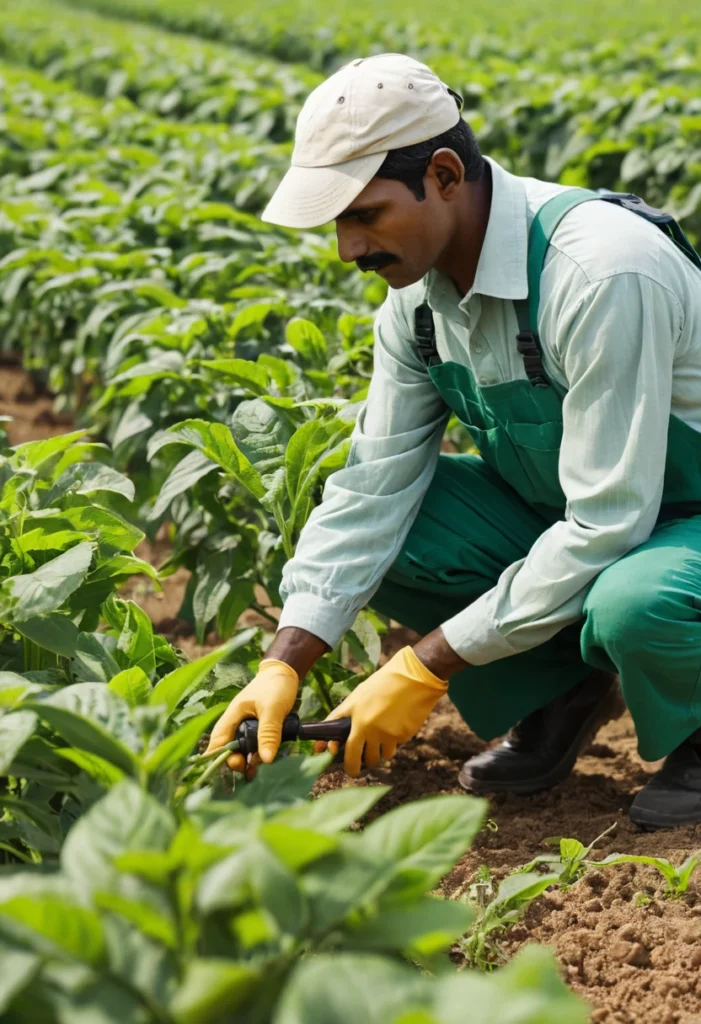
A beautiful flower garden loses much of its wildlife value if it is routinely treated with broad-spectrum pesticides. Avoid spraying flowering plants when bees are actively visiting them, and consider non-chemical approaches whenever practical.
Encourage healthy plants through suitable soil, watering, spacing, and pruning. If a pest problem develops, identify the pest first and use the least harmful effective method rather than automatically treating the whole garden.
10. Add single-flowered varieties
When choosing ornamental flowers, look for open blooms that allow bees to reach pollen and nectar more easily. Flowers with a simple, single layer of petals are often more accessible than heavily double-flowered varieties.
This does not mean every double flower is unsuitable. Instead, balance decorative plants with open flowers that provide obvious feeding opportunities. The RHS recommends simple, accessible flowers as part of pollinator-friendly planting.
11. Let part of the garden grow naturally
A perfectly tidy garden is not always the best habitat for wildlife. Leave some fallen leaves, hollow stems, small branches, and other natural material in appropriate areas.
You can still keep paths, patios, and frequently used areas neat while allowing one corner to remain slightly wild. This provides shelter and potential nesting or overwintering habitat for insects. Pollinator garden guidelines recommend leaving natural materials and avoiding excessive cleanup.
12. Use containers for small spaces
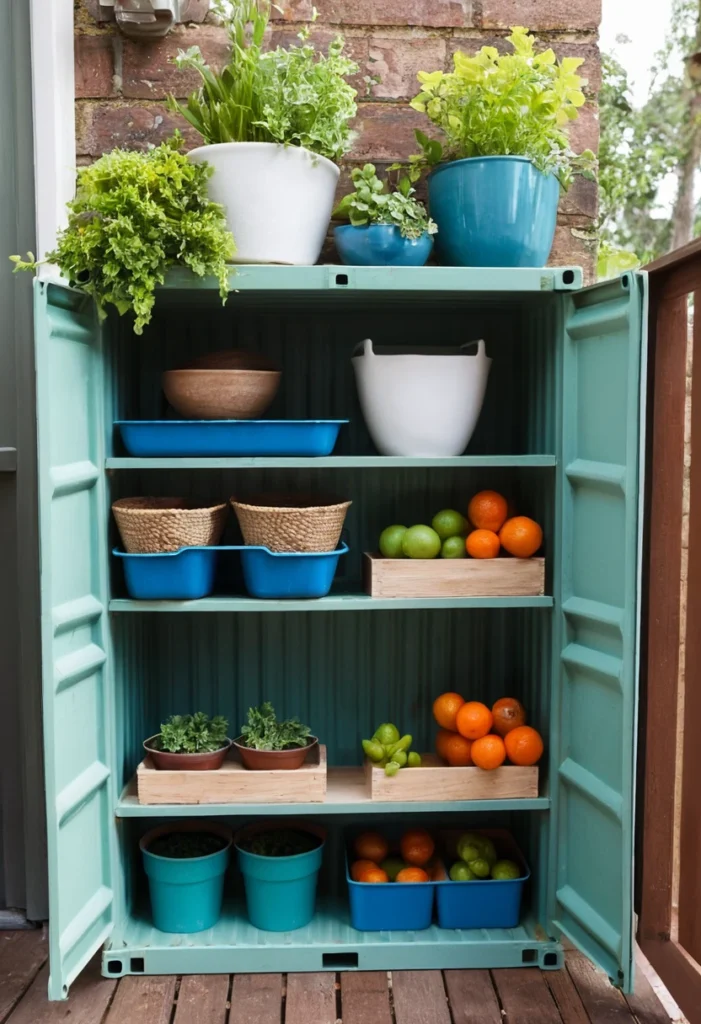
You do not need a large yard to support bees. A balcony, patio, doorstep, or small courtyard can provide useful flowers when containers are planted thoughtfully.
Choose several pots with different flowering periods instead of filling every container with the same plant. Combine compact flowers with herbs and place the containers where they receive appropriate sunlight. Even small spaces can contribute to pollinator habitat when food is available throughout the season.
How to plan a bee-friendly garden layout
Start by observing the space before planting. Note where the sun falls during the morning and afternoon, which areas stay wet or dry, and where wind is strongest. Most flowering plants need good light, while nesting areas may benefit from protection and undisturbed conditions.
Next, divide the garden into simple zones. One area can hold the main flower display, another can contain herbs, and a quieter corner can provide bare soil, stems, leaves, or other nesting materials. Add a shallow water source near flowering plants but avoid placing it where it will constantly collect debris.
Plant in groups rather than creating a collection of isolated individual flowers. Use different heights and textures to make the garden attractive while ensuring that bees can easily reach the flowers. A mixture of trees, shrubs, perennials, annuals, grasses, and natural materials can create a more complete habitat.
What flowers are best for attracting bees?
There is no single best flower for every garden because bee species, climates, and native plants vary by location. However, commonly useful choices include lavender, salvia, cosmos, sunflowers, asters, coneflowers, bellflowers, sage, thyme, and other nectar- and pollen-rich plants suited to your region.
Flower shape also matters. Different bees have different body sizes and feeding abilities, so a diverse collection of flower shapes can support more species. Specialist bees may depend heavily on particular plants, which is another reason diversity is preferable to planting one popular flower everywhere.
How to maintain a pollinator-friendly garden
Good maintenance is mostly about knowing what not to remove. Dead stems can provide nesting sites, fallen leaves can offer shelter, and flowering weeds such as dandelions may provide valuable food.
Water plants according to their needs and improve soil health with organic matter where appropriate. Deadhead selectively rather than removing every fading flower immediately, especially when seeds or late-season resources are useful.
Avoid routine pesticide applications and inspect plants regularly so problems can be addressed early. A slightly relaxed maintenance style can create more habitat without making the entire garden look untidy.
Can a small garden really help bees?
Yes. A small collection of flowering containers, a sunny border, or even a few well-chosen plants can provide food for visiting pollinators. The key is to make limited space productive rather than trying to imitate a large meadow.
Focus on plants that flower at different times, provide a shallow water source, and avoid unnecessary chemical treatments. If several nearby homes also plant pollinator-friendly flowers, the combined habitat can become even more useful.
FAQ
What makes a garden attractive to bees?
A bee-friendly garden provides reliable sources of pollen and nectar, preferably from a variety of flowers that bloom across different seasons. Safe water, nesting areas, shelter, and reduced pesticide use can make the space more valuable.
What flowers attract bees the most?
Popular bee-friendly flowers include lavender, salvia, sunflowers, asters, cosmos, coneflowers, and many native wildflowers. The best choices depend on your local climate and native bee species, so locally adapted plants are a strong starting point.
Should I put a bee hotel in my garden?
A bee hotel can provide nesting opportunities for some cavity-nesting solitary bees, but it should not replace natural habitat. Bare soil, hollow stems, dead wood, and undisturbed areas can support a wider range of species.
Do bees need water in a garden?
Yes, bees may use shallow water sources, especially during hot or dry periods. A shallow dish containing stones or pebbles gives them safe landing points while they drink.
Are pesticides harmful to bees?
Some pesticides can harm bees and other pollinators, particularly when applied to flowering plants that insects are actively visiting. Reducing routine pesticide use and choosing targeted, lower-risk approaches can make a garden safer for pollinators.
Can I attract bees without a large backyard?
Absolutely. Containers, window boxes, small borders, and herb gardens can all provide flowers for bees. Concentrate on diverse plants, overlapping bloom periods, safe water, and pesticide-free maintenance rather than the size of the garden.
Conclusion
Creating a bee-friendly outdoor space does not require an expensive landscape makeover. Start with a few nectar- and pollen-rich plants, add flowers for different seasons, and reserve a small area for natural nesting habitat. A shallow water source, fewer chemicals, and a little less garden cleanup can make the space even more useful.
The best garden is one that works for both people and pollinators. With thoughtful plant choices and simple habitat features, you can create a colorful outdoor space that supports bees while making your garden more lively and rewarding to enjoy.