
Daffodils are cheerful spring-flowering bulbs known for their bright yellow, white, and golden trumpet-shaped blooms. They bring warmth to garden beds, borders, lawns, and containers after the colder months. With the right planting depth, suitable soil, and proper seasonal timing, these flowers can create a beautiful display that returns year after year in the right growing conditions.
Learning How to Plant Daffodil Bulbs for a Golden Spring helps gardeners avoid common problems such as bulbs failing to flower, rotting in wet soil, or producing weak stems. Although daffodils are relatively easy to grow, they perform best when planted at the right time and given enough room to develop strong roots before flowering season.
Whether you want to brighten a small backyard, create a colorful garden border, or grow flowers in decorative pots, daffodils offer plenty of possibilities. This guide covers bulb selection, planting techniques, soil preparation, watering, seasonal care, and practical tips for growing healthy flowers, including considerations for gardeners in warmer regions.
1. Get to Know Daffodils Before Planting
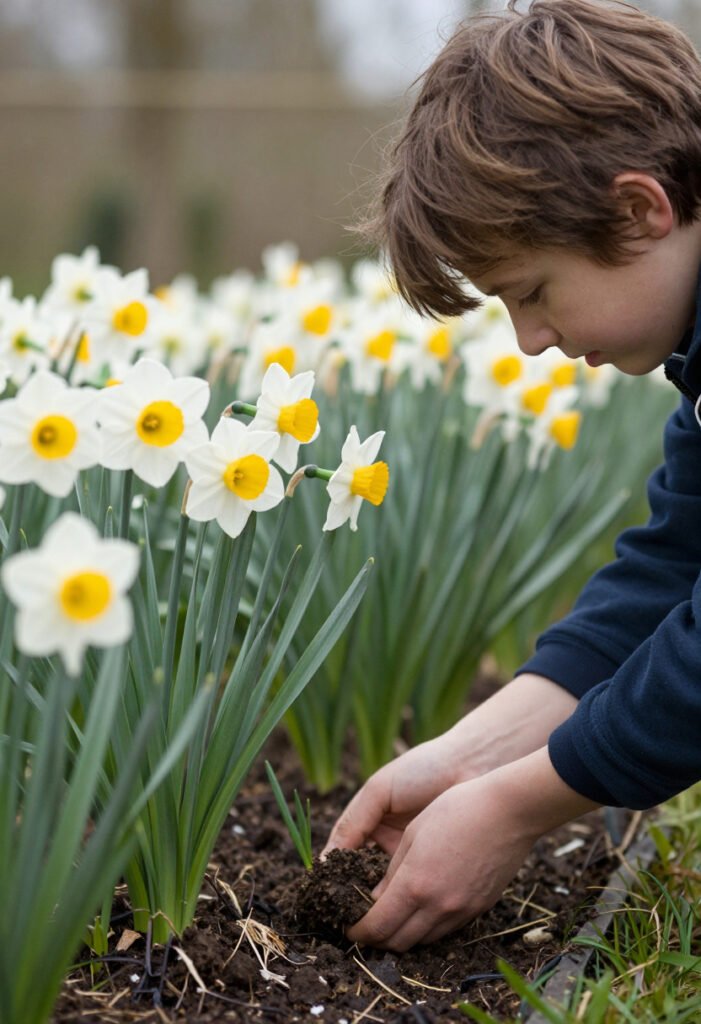
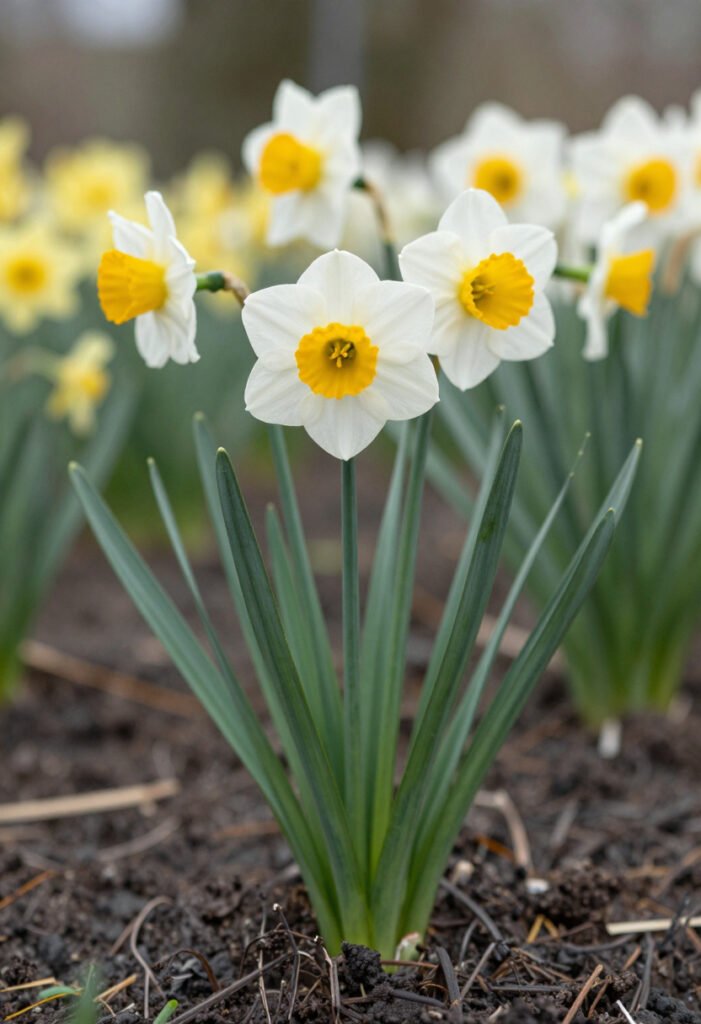
Daffodils belong to the Narcissus genus and are popular spring bulbs because of their distinctive flowers and relatively low maintenance needs. Their blooms may feature a central trumpet, a shallow cup, or multiple smaller flowers, depending on the variety. While golden yellow is the classic color, many varieties have white petals, orange centers, or soft cream shades.
Understanding their natural growth cycle makes planting easier. Daffodil bulbs develop roots, produce leaves and flowers during their growing season, and then gradually enter dormancy as the foliage dies back. The bulb stores energy for future growth, so allowing the leaves to mature naturally is essential if you want the plants to flower again.
Popular Types for a Colorful Garden
Daffodils come in several groups, including trumpet, large-cupped, small-cupped, double, and miniature varieties. Trumpet daffodils create a traditional golden display, while white varieties with orange or yellow centers offer a more subtle appearance. Miniature daffodils are useful for rock gardens, small borders, and containers.
When selecting bulbs, consider the mature height, flowering time, and suitability of the variety for your climate. Early-, mid-, and late-season varieties can extend the flowering period when their growing requirements are compatible. Check the supplier’s information rather than assuming every daffodil variety will perform equally well in your garden.
Why Daffodils Are Worth Growing
Daffodils are attractive to gardeners because many varieties can naturalize in suitable conditions, gradually forming larger clumps over several seasons. They can be planted in groups beneath deciduous trees, along garden paths, or in mixed borders with other spring-flowering plants. Their bright colors also make them useful for creating focal points in otherwise quiet garden areas.
Another benefit is that daffodils are generally less appealing to deer and some other browsing animals than many alternative spring bulbs. However, no plant is completely immune to pests or damage. Daffodils are also toxic if eaten, so keep bulbs and plant parts away from children and pets that might chew them.
2. Choose the Right Planting Time for Your Climate
Planting time strongly affects how well daffodil bulbs establish roots and produce flowers. In regions with cold winters, autumn is usually the best planting season because the bulbs can develop roots before the ground freezes. The exact month depends on local temperatures, but planting after the soil cools and before winter conditions become severe is a useful general guideline.
Warm climates require more careful planning because many traditional daffodil varieties need a period of cool temperatures for reliable flowering. In parts of Pakistan, including Multan, autumn and winter conditions may not provide the same chilling period experienced in colder regions. Gardeners should select varieties suited to their climate and check whether pre-chilled bulbs are recommended.
Planting in Cool-Winter Regions
In cooler areas, plant daffodil bulbs during autumn, ideally several weeks before the ground freezes. This allows the roots to establish while the soil remains workable. Bulbs planted too late may have less time to develop roots, although they may still grow when conditions become favorable in spring.
Avoid planting when the soil is saturated or frozen solid. Choose a dry, workable day and prepare the planting area before placing the bulbs. If autumn temperatures remain unusually warm, waiting for cooler soil can help provide more suitable conditions for root development.
Growing Daffodils in Warmer Regions
In warmer regions, successful flowering depends on choosing suitable varieties and understanding their temperature requirements. Some daffodils are better adapted to mild winters than others, but traditional varieties may flower poorly if they do not receive sufficient chilling. Buying bulbs from a supplier familiar with your region is often the safest starting point.
If you garden in Multan or another area with hot summers and relatively mild winters, ask whether the bulbs have been pre-chilled and whether they are suitable for your local conditions. Follow the supplier’s planting schedule instead of relying entirely on a calendar used in colder countries. Containers may offer more flexibility, but they do not remove the need for suitable temperatures.
3. Select Firm, Healthy Bulbs
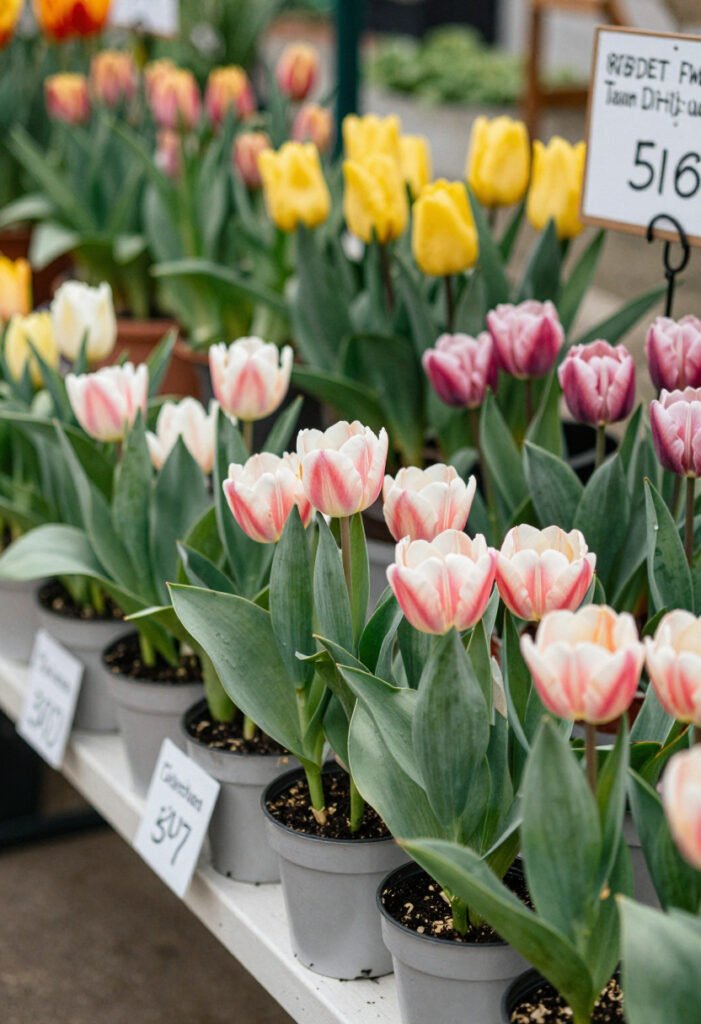
The quality of the bulbs has a major influence on the results you see in spring. Choose bulbs that feel firm and substantial for their size, with dry outer skins and no obvious signs of decay. Avoid bulbs that are soft, badly shriveled, moldy, or damaged, as these may fail to grow or develop disease problems after planting.
Larger, mature bulbs often produce stronger flowers than undersized bulbs, although the variety and storage conditions also matter. Buy from a reputable supplier and check that the bulbs have been stored properly. If you cannot plant them immediately, keep them in a cool, dry, well-ventilated location according to the supplier’s instructions.
Inspecting Bulbs Before They Go Into the Soil
Examine each bulb before planting and discard any that show serious rot or extensive damage. Healthy bulbs should not have a strong unpleasant smell or large soft patches. Small variations in the color of the outer skin are not necessarily a problem, but obvious decay should not be ignored.
Handle bulbs gently to avoid damaging their growing points. Keep them away from excessive moisture and heat during storage. If you are planting a large group, inspect the entire batch rather than assuming every bulb is healthy because it came in the same package.
Buying the Right Bulbs for Your Garden
Think about the garden’s size, color scheme, and climate before purchasing bulbs. Tall varieties can provide structure toward the back of a border, while miniature types work well near the front or in smaller pots. Choosing varieties with different flowering times can also create a display that lasts longer than a single short burst of flowers.
Read the product description for planting depth, flowering period, mature height, and chilling requirements. These details help you select bulbs that suit your garden rather than relying only on photographs. For warm climates, climate suitability is particularly important because an attractive bulb may not flower well without the conditions it needs.
Read Also: Perennial Flowers for Beginners That Come Back Every Year
4. Prepare Soil That Supports Strong Roots
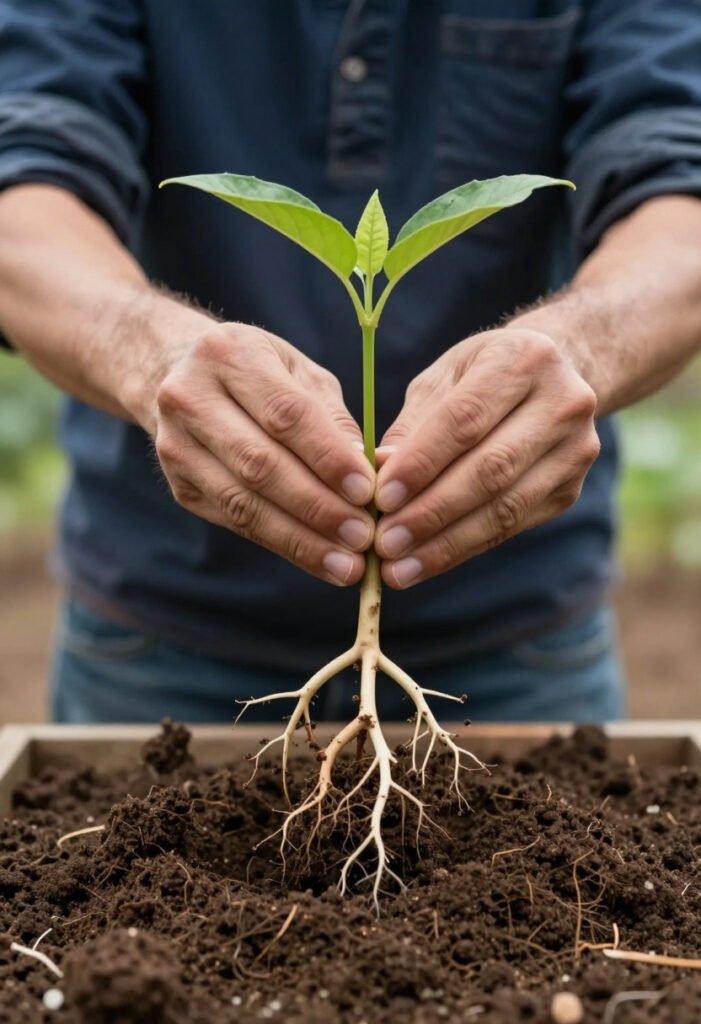
Daffodils grow best in soil that drains well and provides enough nutrients for healthy development. Waterlogged soil can deprive bulbs of oxygen and encourage rot, so drainage should be one of your first considerations. Choose a location where water does not collect after rain or irrigation.
Before planting, remove weeds and loosen compacted soil. Adding mature compost can improve soil structure and provide organic matter, particularly in poor garden soil. Avoid using fresh manure or adding large amounts of fertilizer without a clear need, as excessive nutrients may cause problems rather than improve flowering.
Improving Heavy or Sandy Soil
Heavy clay soil can hold too much water, especially during rainy periods. Incorporate suitable organic matter to improve its structure, or consider raised beds if the site remains waterlogged. A raised planting area can help excess moisture drain away and make it easier to maintain suitable growing conditions.
Very sandy soil may drain quickly and lose moisture and nutrients faster than other soils. Mixing in mature compost can improve moisture retention while supporting soil structure. Whichever soil type you have, aim for a balance that allows water to pass through without leaving the bulbs dry for long periods during active growth.
Checking Drainage Before Planting
A simple way to assess the planting area is to observe it after a period of rain or watering. If water remains standing for a long time, the site may need improvement before you plant. You can also test a small area by moistening the soil and checking whether it remains excessively wet.
Avoid trying to solve persistent drainage problems by placing a layer of gravel at the bottom of an ordinary planting hole. This does not reliably improve drainage through heavy surrounding soil. Correcting the soil structure, using a raised bed, or choosing a better location is usually more effective.
5. Plant Daffodil Bulbs at the Correct Depth
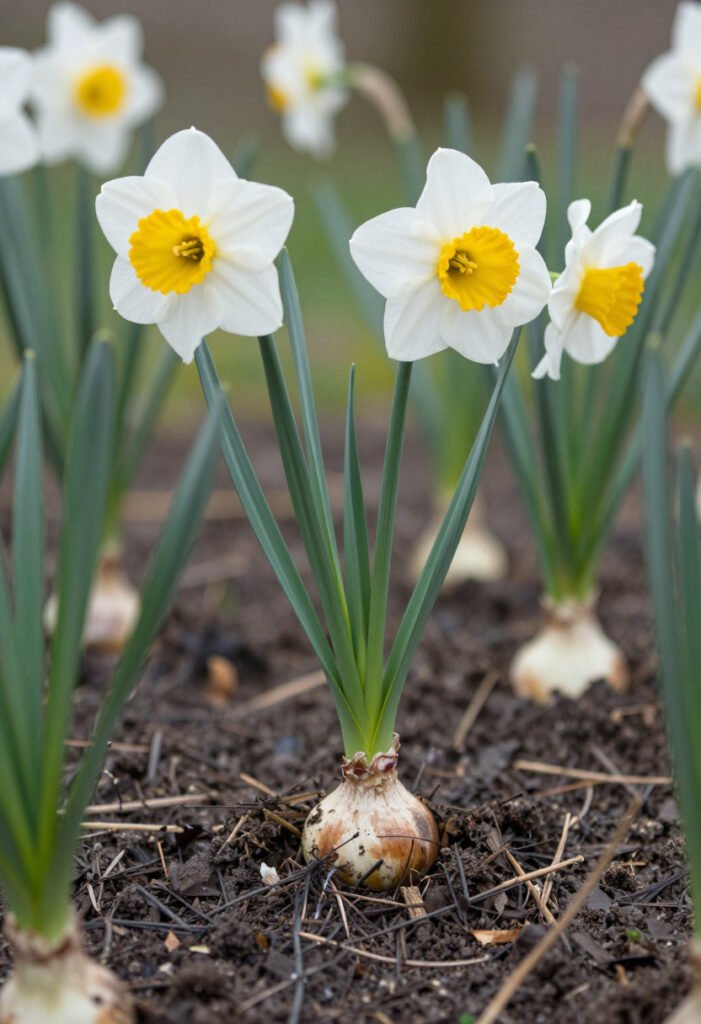
Correct planting depth helps daffodil bulbs develop strong roots and remain stable as they grow. As a general rule, plant most standard daffodil bulbs about 6 inches deep, measured from the bulb’s base to the soil surface, although the ideal depth varies with bulb size and variety. Always check the supplier’s instructions when available.
Spacing is important too. Leave roughly 4–6 inches between standard bulbs, adjusting the distance according to the variety and the fullness you want. Planting in groups usually creates a more natural, attractive display than placing individual bulbs at regular intervals across a large area.
Step-by-Step Planting Method
Follow these steps to establish your daffodils:
- Clear weeds, stones, and debris from the planting area.
- Loosen the soil to the recommended planting depth.
- Dig individual holes or a trench for a group of bulbs.
- Place each bulb with its pointed end facing upward and its root base downward.
- Cover the bulbs with soil and gently firm the surface.
- Water lightly if the soil is dry, allowing excess water to drain away.
Avoid pressing the soil so firmly that it becomes compacted. The bulbs need room for roots to grow into the surrounding ground. If you are planting a large group, arrange the bulbs before covering them so you can check the spacing and overall pattern.
Creating Natural-Looking Groups
For a natural effect, plant daffodils in small clusters rather than perfectly straight rows. Groups of five, seven, or more bulbs can create a fuller appearance, especially when repeated throughout a border or beneath deciduous trees. Varying the spacing slightly can make the display feel less formal.
Before digging, consider how the flowers will look from windows, paths, and seating areas. Taller varieties may be best placed behind shorter spring plants, while miniature varieties can be positioned where their flowers are easy to appreciate. Keep planting arrangements practical enough that you can avoid disturbing the bulbs during later garden maintenance.
6. Grow Daffodils Successfully in Containers
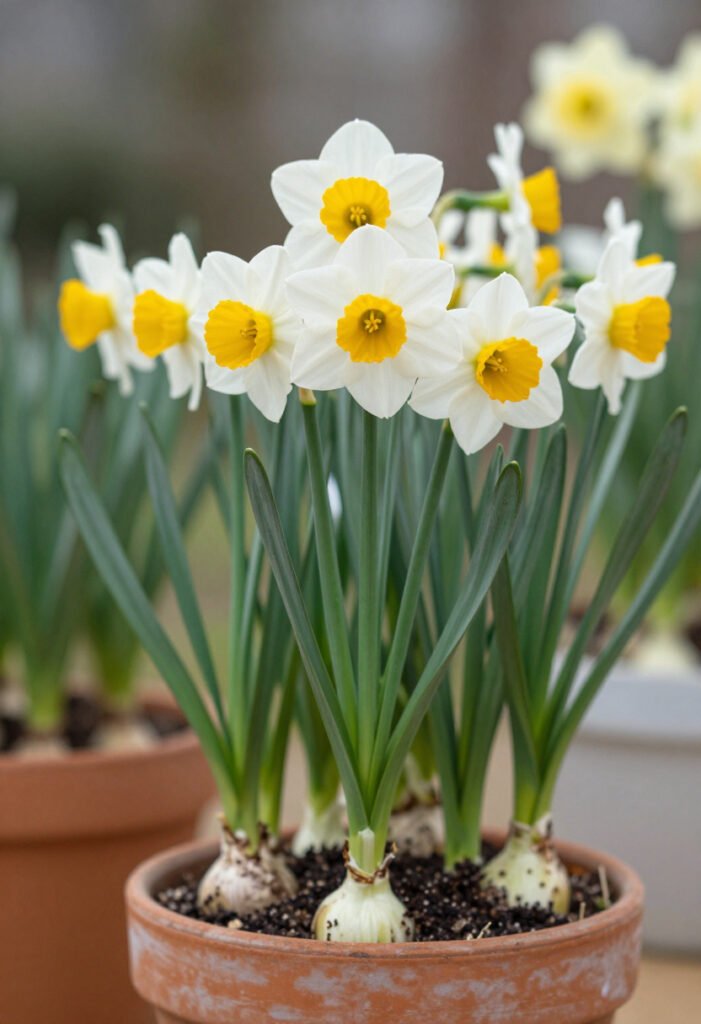
Containers are useful when garden soil drains poorly or when you want flowers on a balcony, patio, doorstep, or small outdoor space. Choose a pot with drainage holes and enough depth for the bulbs and their roots. A container that is too shallow may restrict root development, while one without drainage can hold excess water around the bulbs.
Use a quality potting mix that drains freely and provides moderate moisture retention. Garden soil taken directly from a heavy bed may compact in a pot and restrict airflow. Arrange bulbs close enough to create a pleasing display but not so tightly that they are pressed against each other or the container walls.
Choosing Pots and Arranging Bulbs
Wide containers allow you to plant several bulbs together, creating a colorful focal point. Use a pot that provides enough space for the recommended planting depth and leaves room below the rim for watering. Terracotta, plastic, and other suitable containers can all work, provided excess water can escape.
Plant bulbs with their pointed ends upward and cover them according to their size and the variety’s instructions. If you are combining daffodils with other plants, check that their light, moisture, and temperature requirements are compatible. Overcrowding can reduce airflow and make watering more difficult.
Container Care in Different Climates
Potted bulbs may dry out more quickly than those in the ground, especially in sunny or windy locations. Check the soil regularly and water when needed, rather than following a rigid schedule. At the same time, never leave the pot standing in a saucer full of water for extended periods.
In warm climates, containers can sometimes be moved to a more suitable location as temperatures change. However, moving a pot cannot compensate for a bulb that needs a chilling period it has not received. Choose climate-appropriate bulbs and follow the supplier’s instructions for pre-chilling and planting.
7. Watering and Feeding for Healthy Growth
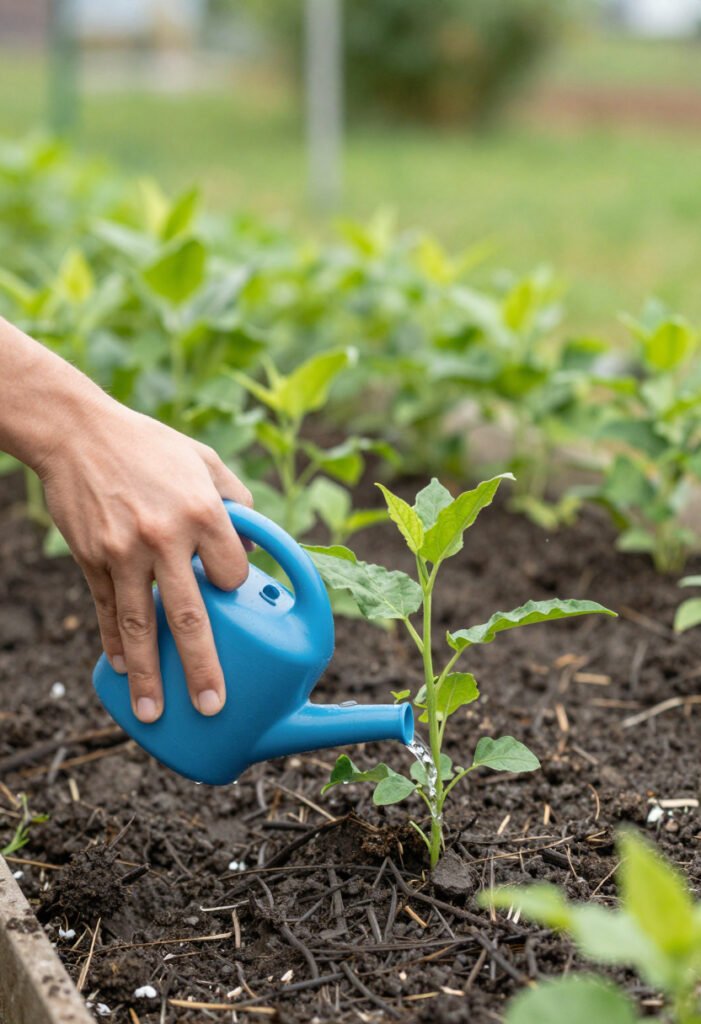
After planting, water daffodil bulbs if the soil is dry, allowing the moisture to settle the soil around them. During active growth, keep the soil moderately moist without making it waterlogged. In regions that receive regular seasonal rainfall, additional watering may be unnecessary for bulbs planted in the ground.
Container-grown daffodils need closer monitoring because potting mix can dry out faster. Check the soil with your finger and water when the upper layer begins to dry, taking the weather into account. Reduce watering as the foliage dies back and the plants enter dormancy.
How to Avoid Overwatering
Too much water is one of the main risks to bulb health. Constantly saturated soil can cause bulbs to rot before shoots emerge or damage roots after growth begins. If a bed stays wet for long periods, improve drainage before planting rather than trying to manage the problem with less frequent watering alone.
During dry weather, water deeply enough to reach the root zone instead of repeatedly wetting only the surface. Check containers to make sure water flows through the drainage holes. Empty standing water from saucers and avoid placing pots in locations where rainwater collects around their bases.
Do Daffodils Need Fertilizer?
Daffodils growing in reasonably fertile soil may need little additional feeding. If the soil is poor, a suitable bulb fertilizer applied according to the label can support healthy growth. Avoid excessive nitrogen, which can encourage leaves without necessarily improving flowers.
Do not put concentrated fertilizer directly against the bulb. If you are unsure whether nutrients are needed, consider the soil’s condition and the plants’ previous performance before applying anything. Weak flowering may be caused by inadequate chilling, unsuitable planting depth, overcrowding, or bulb quality rather than a nutrient deficiency.
8. Maintain the Plants After the Flowers Fade
Daffodil care continues after the bright flowers disappear. Remove faded flower heads if you do not want the plants to put energy into seed production, but leave the green foliage in place. The leaves use sunlight to replenish the bulb, helping it store energy for the next growing season.
Continue normal care while the foliage remains green, adjusting watering to the weather and soil conditions. As the leaves turn yellow and die back naturally, reduce watering and allow the bulbs to enter dormancy. Cutting the leaves off too early can weaken the bulbs and reduce flowering in a future season.
When Should You Remove Daffodil Leaves?
Wait until the foliage has yellowed and withered naturally before removing it. The process may take several weeks after flowering, so the leaves can remain visible after the garden’s main display has faded. Resist the temptation to cut them back immediately just to make the bed look tidy.
If the leaves make the garden look untidy, plant daffodils among perennials that emerge later in the season. Their new growth can help conceal fading foliage without blocking the sunlight the bulbs need. Avoid tying or braiding green leaves, as this can reduce the amount of light they receive.
Encouraging Flowers in Future Seasons
Daffodils can return for several years when their varieties are suited to the climate and their growing conditions remain favorable. Allow the foliage to mature, maintain good drainage, and avoid disturbing the bulbs unnecessarily. If a clump becomes crowded or flowering declines, investigate the conditions before deciding to lift or divide it.
In suitable climates, bulbs can often remain in the ground year-round. In warmer regions, repeat flowering may be less reliable if the bulbs do not receive adequate winter chilling. Climate-appropriate varieties and careful bulb selection are important for maintaining a dependable display.
9. Solve Common Daffodil Growing Problems
Daffodils are generally easy to grow, but problems can still occur. Bulbs may fail to emerge because they were damaged, planted under unsuitable conditions, or affected by rot. Weak growth and small flowers can result from poor bulb quality, insufficient light, overcrowding, or unsuitable temperatures.
Inspect the planting site before making changes. Check whether the soil remains wet, whether the bulbs receive enough sunlight, and whether the variety is appropriate for your region. Identifying the likely cause helps you choose an effective solution instead of applying fertilizer or treatments without understanding the problem.
Why Are My Daffodils Not Flowering?
Daffodils may produce leaves without flowers if the bulbs have not received sufficient chilling, were too small, or were planted in unsuitable conditions. Overcrowded clumps and inadequate light can also contribute to poor flowering. In warmer climates, a lack of suitable winter temperatures is especially important to consider.
Check the variety’s requirements and review how the bulbs were stored before planting. Avoid removing green leaves early, because this can reduce the bulb’s stored energy. If the problem continues, consider choosing a variety better suited to your local conditions.
Preventing Bulb Rot and Pest Damage
Choose firm bulbs, plant them in well-draining soil, and avoid excessive watering. Remove badly rotted bulbs rather than leaving them in the planting area. If you notice unusual discoloration, damaged foliage, or repeated failures, investigate the cause before treating the whole bed.
Daffodil bulbs and other plant parts are toxic if eaten, so handle them sensibly and store unused bulbs away from children and pets. Wash your hands after handling bulbs if you have sensitive skin. For suspected pests or disease, identify the problem and follow the directions on any treatment product you use.
10. Design a Golden Spring Display
Daffodils can transform a garden when they are arranged with color, height, and flowering time in mind. Plant them along pathways, in groups at the front of shrubs, or beneath deciduous trees where sunlight reaches the ground during their growing season. Repeating clusters of the same variety can create a cohesive design across a large area.
You can also combine daffodils with other spring flowers to add variation. Blue grape hyacinths provide a striking color contrast, while selected tulip varieties can introduce additional shapes and heights. Make sure companion plants have compatible growing requirements and will not shade the daffodils during their active growth.
Combining Daffodils With Other Flowers
Yellow daffodils pair beautifully with blue, purple, and white spring flowers. For a softer display, combine cream or white daffodils with pale pink flowers and green foliage. Mixing early-, mid-, and late-season varieties can extend the period when color appears in the garden.
Plan the arrangement around mature plant heights and the view from nearby windows or seating areas. Avoid placing all the tallest flowers at the front of a border, where they may hide shorter plants. A layered arrangement helps each group remain visible and creates a more balanced display.
Making Small Gardens Feel Brighter
Even a small garden can benefit from a few carefully positioned daffodil clusters. Plant bulbs along a narrow path, in a compact raised bed, or in a container near the entrance. A repeated color scheme helps connect separate planting areas and makes a limited space feel more coordinated.
Choose varieties that fit the available depth and width, and avoid overcrowding bulbs simply to create an immediate dense display. Containers can be rearranged to make the most of sunlight and provide seasonal color where needed. With thoughtful placement and proper care, even a modest planting can create a cheerful spring atmosphere.
Frequently Asked Questions
1. What is the best month to plant daffodil bulbs?
In cold-winter regions, autumn is generally the best season, once the soil has cooled but before it freezes. In warm climates, the ideal timing depends on the variety and its chilling requirements, so follow local supplier guidance.
2. How deep should daffodil bulbs be planted?
Most standard daffodil bulbs are planted about 6 inches deep, measured from the bulb’s base to the soil surface. Exact depth depends on bulb size and variety, so check the supplier’s recommendations.
3. Can daffodils grow in warm climates like Pakistan?
Some varieties may grow in warmer regions, but traditional daffodils often need a period of cool temperatures to flower reliably. Choose bulbs suited to your area and ask whether pre-chilled bulbs are appropriate for your conditions.
4. Do daffodils come back every year?
Many daffodil varieties can return for several seasons in suitable climates. Allow their foliage to die back naturally after flowering, provide well-draining soil, and choose varieties that match your local temperature conditions.
5. Should I water daffodil bulbs after planting?
Yes, water after planting if the soil is dry, but do not leave the bulbs in saturated ground. During active growth, maintain moderate moisture and reduce watering as the foliage dies back.
Conclusion
Successful daffodil growing begins with choosing healthy bulbs, understanding local planting conditions, and preparing soil that drains well. Plant bulbs at the recommended depth, provide suitable spacing, and water according to the weather rather than a fixed schedule. After flowering, leave the green foliage intact until it dies back naturally so the bulbs can store energy for future growth.
By following How to Plant Daffodil Bulbs for a Golden Spring, you can plan a brighter, more colorful flower garden while avoiding many common planting mistakes. Start by selecting varieties suited to your climate, especially if your winters are mild, and follow the supplier’s guidance on chilling and planting times. With the right preparation and seasonal care, daffodils can bring cheerful spring color to garden beds, borders, and containers.