
Perennial flowers are plants that live for several years and return season after season under suitable growing conditions. Unlike annual flowers, which usually complete their life cycle in one growing season, many perennials grow new leaves and flowers each year from established roots, crowns, or underground structures. They are an excellent choice for gardeners who want colorful flower beds without replanting every spring.
Choosing Perennial Flowers for Beginners That Come Back Every Year can make gardening easier, more affordable, and more enjoyable. Once established, many perennial plants need less attention than newly planted flowers, although watering, pruning, feeding, and occasional division may still be necessary. The best choices depend on your climate, soil, sunlight, and how much time you want to spend maintaining your garden.
Whether you have a spacious backyard, a small flower border, or a few containers on a patio, perennial flowers can provide lasting beauty. In this guide, you will discover beginner-friendly varieties, learn how to choose plants for your growing conditions, and find practical ways to keep your flowers healthy and blooming for years.
1. Why Perennial Flowers Are a Smart Choice for New Gardeners
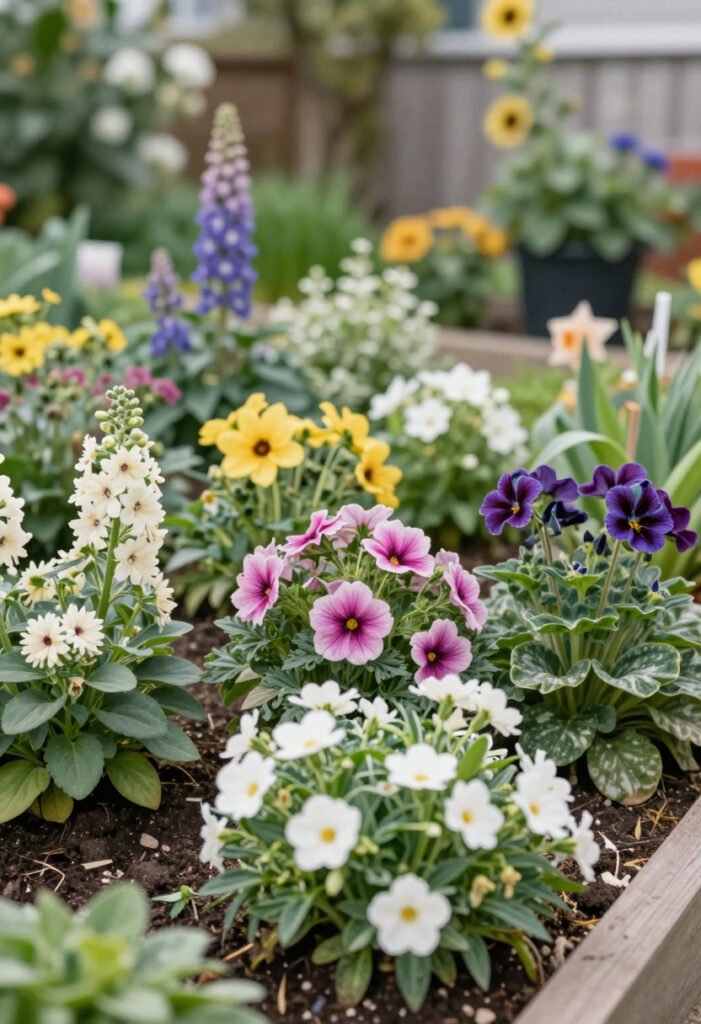
Perennials are popular because they can return for multiple growing seasons without needing to be replanted each year. Once their roots become established, many varieties grow more vigorously and develop larger clumps over time. This makes them useful for filling garden borders, decorating pathways, and creating colorful areas around trees, fences, and outdoor seating spaces.
Although perennials can require more initial planning than annual flowers, they often reward that effort with long-term value. Some varieties spread gradually, while others remain in compact clumps. Selecting plants that suit your available space and local climate helps prevent unnecessary maintenance and makes it easier to build a garden that improves with age.
Benefits of Growing Perennial Flowers
Perennial flowers offer several advantages for beginners:
- Less annual replanting: Many plants return from established roots or crowns.
- Long-term value: Healthy plants may flower for several years with appropriate care.
- More established garden beds: Mature plants can fill spaces and create a fuller appearance.
- Support for pollinators: Many flowering perennials provide nectar or pollen for bees, butterflies, and other beneficial insects.
- Flexible garden designs: Different heights, colors, and flowering periods allow you to create layered displays.
However, not every perennial is maintenance-free. Some need regular division, deadheading, staking, or winter protection. Understanding the needs of each variety before planting helps you enjoy the benefits without creating extra work.
Are Perennials Better Than Annual Flowers?
Neither type is universally better; the right choice depends on your gardening goals. Annual flowers often provide continuous or abundant color during one season, making them useful for temporary displays and changing color schemes. Perennials generally provide longer-term structure and return in suitable conditions, although their flowering periods may be shorter.
Many gardens benefit from combining both. Perennials create a dependable foundation, while annuals fill empty spaces and add extra color between flowering periods. For beginners, starting with a few reliable perennials and adding annual flowers when desired is a practical way to develop gardening skills gradually.
2. Choose Perennials That Match Your Climate
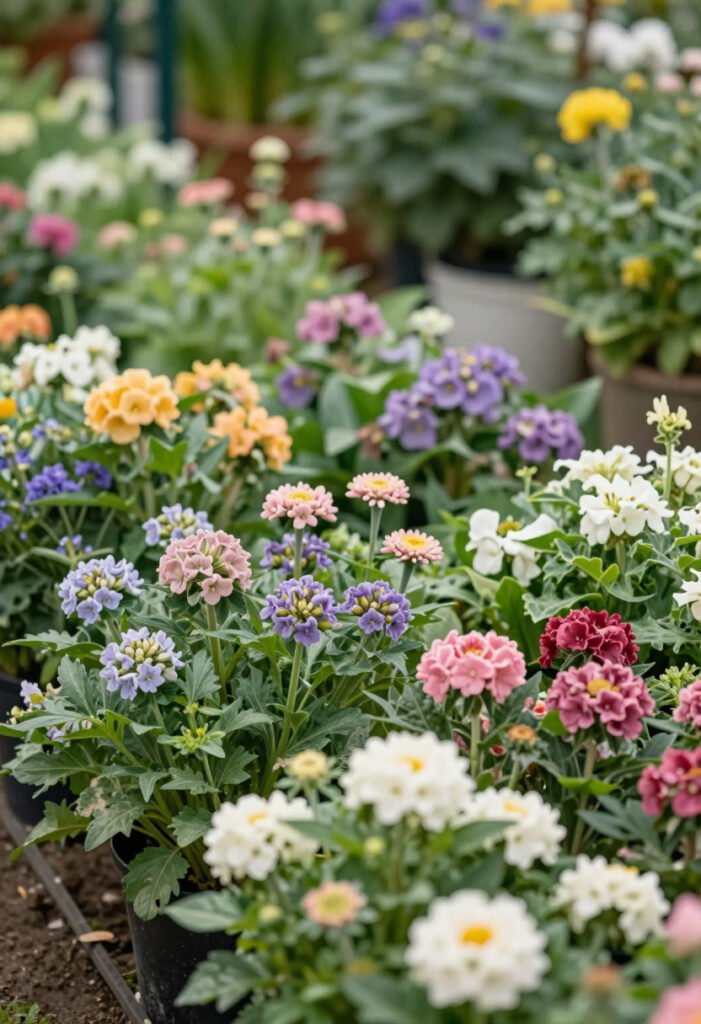
Climate is one of the most important factors when selecting perennial flowers. A plant that survives freezing winters in one region may struggle with intense heat, humidity, or dry soil elsewhere. Before purchasing plants, check their recommended growing zones, temperature tolerance, and water requirements rather than relying on appearance alone.
Gardeners in warm regions, including many parts of Pakistan, should pay particular attention to heat tolerance and summer watering needs. Some familiar garden perennials grow best in cooler conditions, while others tolerate hot weather when given suitable soil and moisture. Local nurseries can often recommend varieties that have already performed well in nearby gardens.
Perennial Flowers for Hot Summers
If your garden experiences very hot summers, look for plants that tolerate heat and, where appropriate, periods of dry weather after establishment. Depending on local conditions, options may include daylilies, gaillardia, coreopsis, and certain salvias. Their performance still depends on the specific variety, drainage, and the amount of sunlight they receive.
In hot climates, planting location can be just as important as variety selection. Morning sunlight with some protection from intense afternoon heat may help plants that struggle during extreme temperatures. Use mulch to reduce moisture loss, water deeply when necessary, and avoid planting delicate varieties in exposed areas simply because they look attractive at the nursery.
Perennials for Cooler or Mild Conditions
In cooler climates, gardeners have a wider range of options that prefer moderate temperatures or benefit from winter dormancy. Coneflowers, garden phlox, peonies, and hardy geraniums can be excellent choices where their temperature and soil requirements are met. Some varieties need a cold winter period to grow and flower reliably.
If your winters are mild, do not assume that every plant described as a perennial in another country will thrive in your garden. Check whether it requires winter chilling, whether it tolerates local summer heat, and whether it can survive your region’s wet or dry season. Matching the plant to the climate is usually easier than trying to recreate unsuitable conditions.
3. Beginner-Friendly Perennials Worth Growing
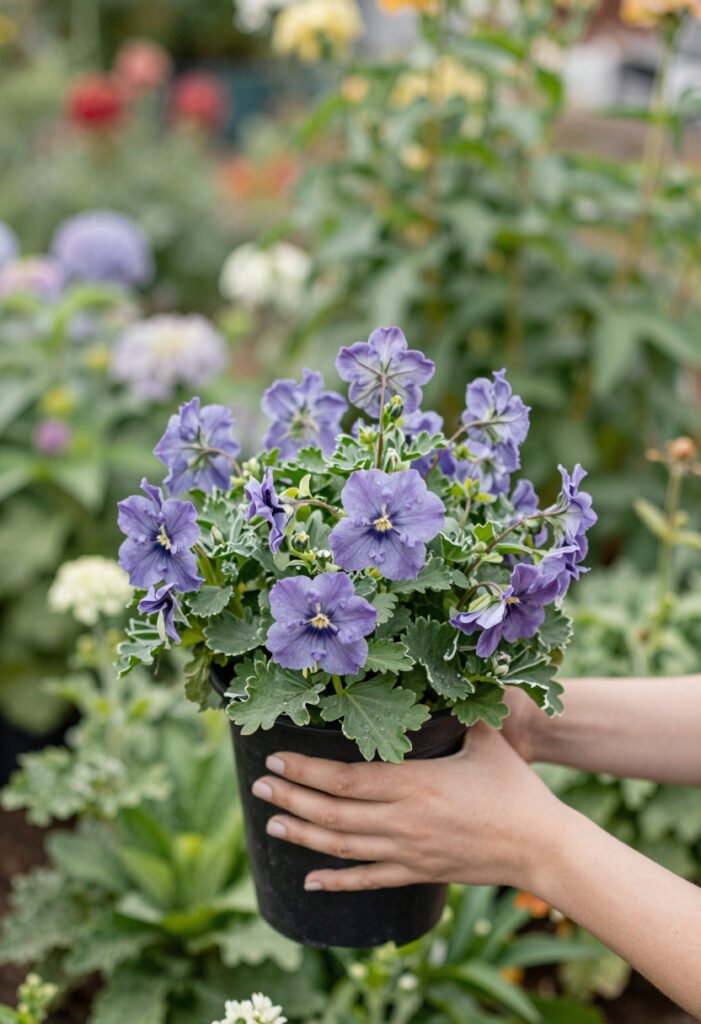
Some perennial flowers are particularly useful for beginners because they grow reliably when planted in suitable conditions and do not require complicated care. Daylilies, coneflowers, black-eyed Susans, and certain salvias are popular choices in climates where they are adapted. Each offers a different combination of color, height, flowering period, and maintenance needs.
Before choosing a variety, consider how much space it will occupy when mature. A small plant in a nursery pot may spread considerably over several years, while a compact variety may stay within a defined area. Reading the plant label and checking its mature size can prevent overcrowding and reduce the need to move plants later.
Daylilies for Colorful, Manageable Flower Beds
Daylilies are known for their grass-like foliage and colorful flowers, which may appear in shades of yellow, orange, red, pink, and other tones. Many varieties grow well in sunny locations and can develop substantial clumps over time. Individual flowers often last only a day, but established plants may produce multiple buds across their flowering period.
Choose a variety suited to your climate and provide soil that drains reasonably well. Water during dry spells, especially while plants are becoming established, and remove spent flower stalks when necessary. Daylilies can spread into larger clumps, so leave enough space for future growth.
Coneflowers and Black-Eyed Susans
Coneflowers, commonly associated with Echinacea, feature prominent central cones surrounded by colorful petals. Black-eyed Susans, often identified as Rudbeckia, produce cheerful daisy-like flowers with dark centers. Both are popular in suitable climates because they can create attractive displays and provide resources for pollinators.
These plants generally prefer a sunny location and well-drained soil, although their exact moisture needs vary by species and variety. Remove faded flowers if you want a tidier appearance, or leave some seed heads for wildlife where appropriate. In climates with extreme summer heat, choose locally suitable varieties and monitor moisture until plants become established.
4. Explore More Flowers That Return Season After Season
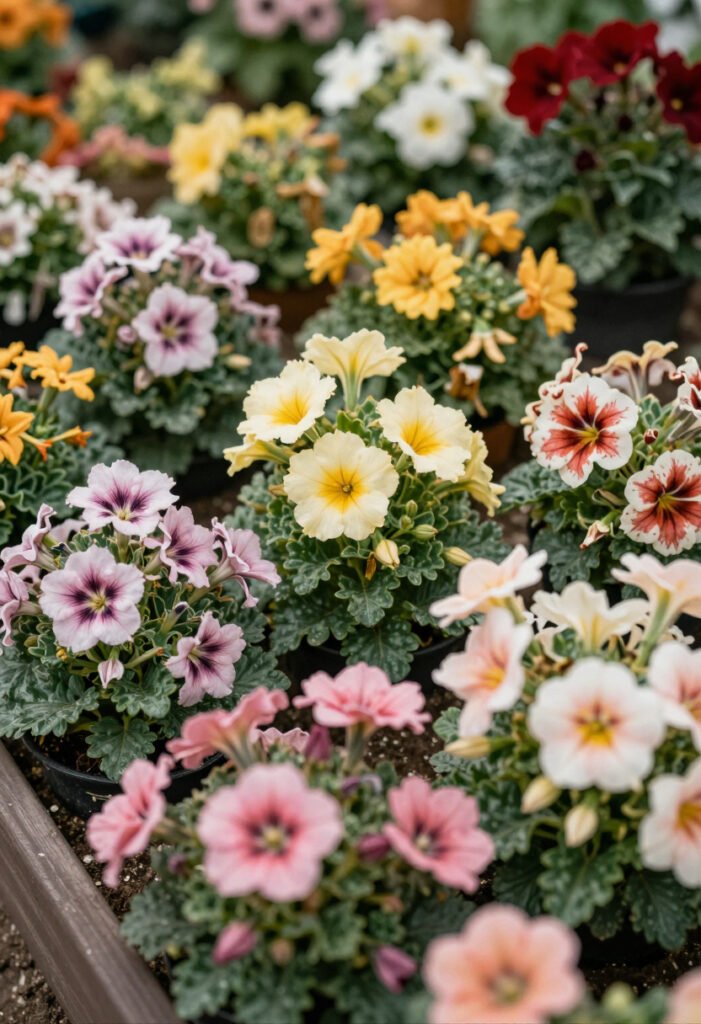
Once you have chosen a few reliable plants, you can introduce additional perennial varieties to create a more diverse garden. Salvia, coreopsis, gaillardia, and hardy geraniums each offer different flower shapes and growth habits. The best choice depends on your local conditions and whether you want compact borders, tall flowering stems, or plants that spread to cover the ground.
Avoid selecting plants based only on flower color or photographs. Two varieties with similar appearances may have very different needs for sunlight, water, and winter temperatures. Check the mature height, spread, flowering season, and expected maintenance before adding each plant to your garden.
Salvia and Coreopsis for Long-Lasting Interest
Many ornamental salvias produce upright flower spikes that attract pollinators and add vertical interest to garden beds. Coreopsis varieties often feature bright, daisy-like flowers and can provide an informal, cheerful appearance. Depending on the species, these plants may tolerate sunny conditions and moderate periods of dryness after establishment.
Choose varieties appropriate for your climate because the salvia and coreopsis groups include plants with different hardiness and moisture needs. Remove damaged growth when necessary, and trim spent flower stems if you want to encourage a neater display. Do not assume that every variety will flower continuously throughout the year.
Gaillardia and Hardy Geraniums
Gaillardia, sometimes called blanket flower, is known for vivid red, orange, and yellow blooms. Many varieties are adapted to sunny locations and well-drained soil, making them useful for informal borders and pollinator-friendly planting areas. Some are relatively short-lived perennials, so their longevity can depend on climate and drainage.
Hardy geraniums, which are different from the common bedding plants often sold as geraniums, can provide attractive foliage and flowers in suitable conditions. Many are useful for filling gaps along borders or around taller plants. Check the species’ sunlight and moisture requirements, since some prefer more shade and moisture than sun-loving gaillardia.
Read Also: Best Flowers for a Cutting Garden All Season Long: Grow Fresh Bouquets From Spring to Fall
5. Find the Right Sunlight and Planting Location
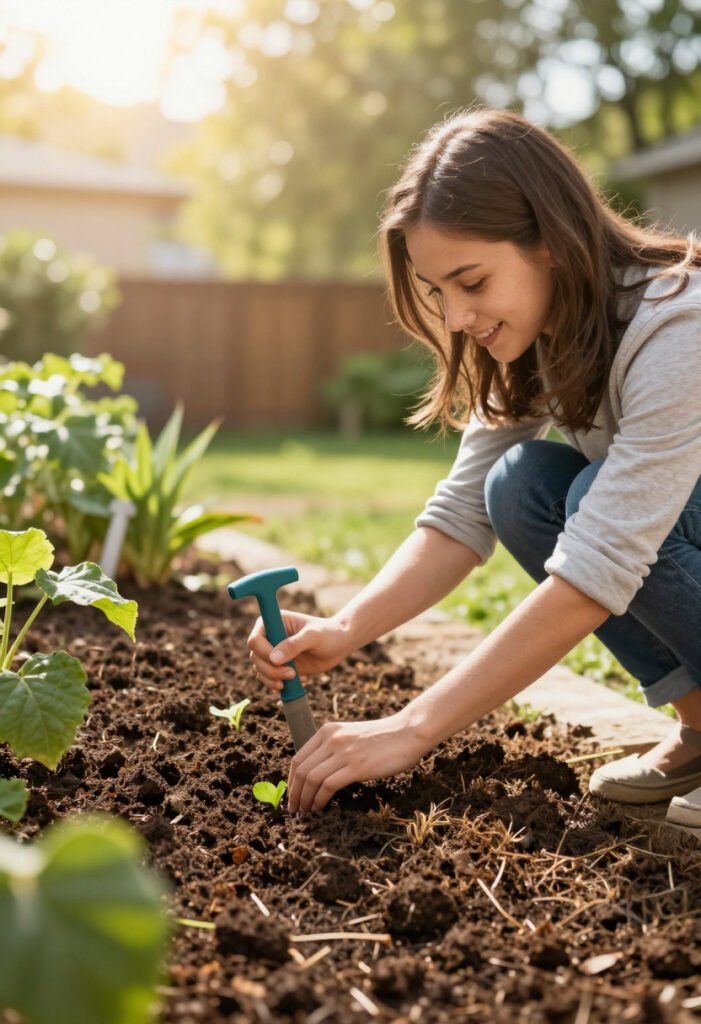
Most flowering perennials perform best when their sunlight needs are matched to the planting site. Many popular varieties need around six or more hours of direct sunlight each day, while others grow better in partial shade. Check the requirements of each plant before deciding where to place it.
Observe your garden throughout the day before planting. A space that looks sunny in the morning may become shaded by trees or buildings later, while a west-facing area may receive intense afternoon heat. Understanding these patterns helps you position plants where they are more likely to grow strongly and flower well.
Full-Sun Locations
Sunny beds are suitable for many flowering perennials, including numerous daylilies, coneflowers, salvias, and gaillardias. These areas can produce abundant blooms when the soil, moisture, and temperature conditions are appropriate. However, full sun in a mild climate can feel very different from full sun in a region with extreme summer heat.
In hot regions, monitor newly planted flowers carefully because intense sunlight can increase water loss and stress young roots. Mulch can help conserve soil moisture, while deep watering encourages roots to grow farther into the ground. If plants repeatedly wilt or develop scorched leaves, consider whether the variety is suitable for that location.
Partial Shade and Protected Areas
Partial shade can benefit perennials that struggle with intense afternoon sun. Locations beneath trees, beside walls, or along the east side of a building may offer useful protection, depending on how much light reaches the plants. Remember that tree roots can compete with flowers for water and nutrients.
Avoid placing shade-loving varieties in deep darkness if they need some direct or bright indirect light to flower. Similarly, sun-loving plants may become leggy and produce fewer blooms in heavily shaded areas. Group plants with similar light requirements together to make care simpler and more consistent.
6. Prepare the Soil Before Planting
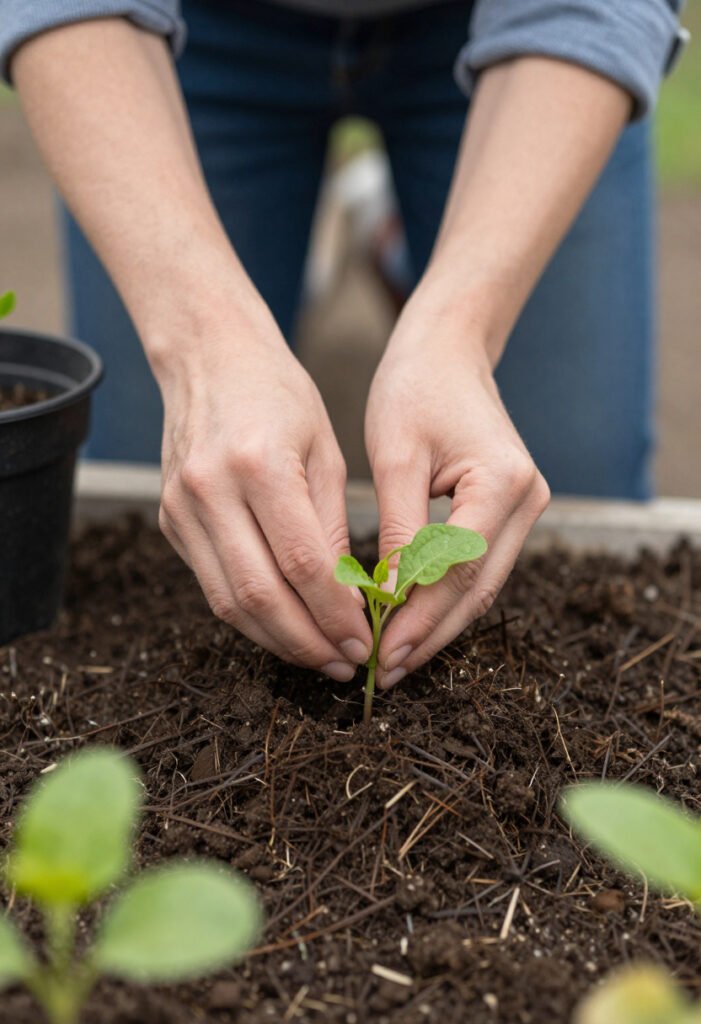
Healthy soil supports strong roots, stable growth, and reliable flowering. Most garden perennials prefer soil that drains well while retaining enough moisture for their roots. Extremely compacted soil can restrict root development, while waterlogged soil may cause root or crown rot in plants that are not adapted to wet conditions.
Before planting, remove weeds and loosen the soil in the area where the roots will grow. Incorporating mature compost can improve soil structure and add organic matter. Avoid adding large quantities of fertilizer without understanding the soil’s needs, because excessive nutrients can encourage leafy growth without improving flowering.
Improve Drainage and Soil Structure
Heavy clay soil can hold water for long periods, particularly after rain or excessive irrigation. Adding suitable organic matter and improving the structure of the planting bed can help, although severely waterlogged areas may need raised beds or a different location. Do not assume that a small amount of sand added to clay will automatically solve the problem.
Sandy soil often drains quickly and may need more organic matter to retain moisture. Mature compost can help improve its water-holding ability while supporting soil life. Check the specific requirements of your chosen plants, since some perennials tolerate dry, sandy soil better than others.
Use Fertilizer Carefully
A perennial planted in reasonably fertile soil may need little additional fertilizer during its first growing season. If growth is poor, consider light levels, drainage, watering, root health, and soil fertility before applying extra nutrients. A soil test can be useful when a garden repeatedly struggles despite appropriate care.
When fertilizer is needed, select a product suitable for flowering plants and follow its label instructions. Avoid applying concentrated fertilizer directly against plant crowns or roots. Excessive feeding is not a substitute for selecting the right perennial or providing suitable growing conditions.
7. Plant Perennials Correctly for Strong Establishment
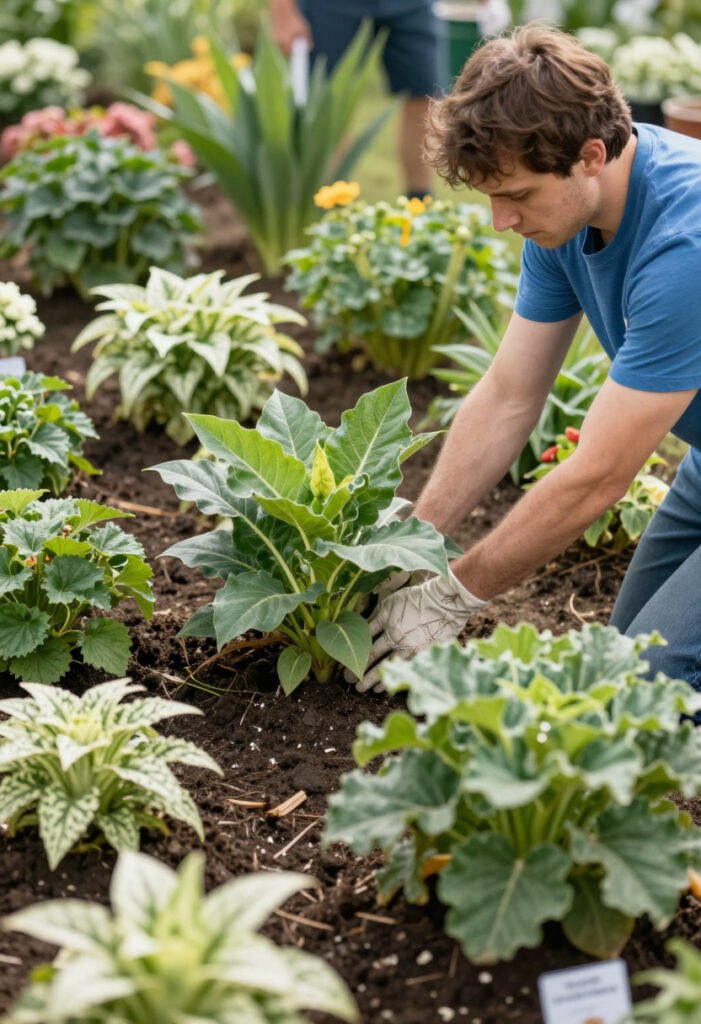
The best planting time depends on the plant species and your local climate. In many temperate regions, spring and early autumn are suitable because temperatures are moderate and roots can establish before extreme weather. In hot climates, planting during a milder period can reduce heat stress, provided the plant’s seasonal requirements are met.
When planting, dig a hole wide enough to accommodate the root ball without bending or tightly packing the roots. Position the plant at approximately the same depth it was growing in its nursery container, unless the plant label recommends otherwise. Fill the hole with soil, firm it gently, and water thoroughly to settle the roots.
Space Plants According to Their Mature Size
New gardeners often place plants too close together because small nursery specimens leave gaps between them. As perennials mature, they may spread into those spaces, so overcrowding can lead to poor airflow and competition for water and nutrients. Check the expected mature width on the label and plan the bed accordingly.
If you want an immediately full appearance, use suitable companion plants or temporary annual flowers to fill some of the open spaces. This allows the perennials to develop without becoming crowded. You can also repeat the same variety in several groups to create a cohesive design while preserving enough room for healthy growth.
Water Newly Planted Flowers Carefully
New perennials need consistent moisture while their roots establish, but the soil should not remain saturated. Water thoroughly after planting and check the soil regularly during the following weeks. The frequency will depend on temperature, rainfall, soil type, plant size, and whether the flowers are growing in containers.
As plants become established, many varieties can tolerate normal fluctuations in moisture better than newly planted specimens. However, drought-tolerant plants may still need watering during prolonged dry spells. Check soil moisture before watering rather than assuming that every plant needs the same amount of water.
8. Keep Perennial Flowers Healthy Throughout the Year
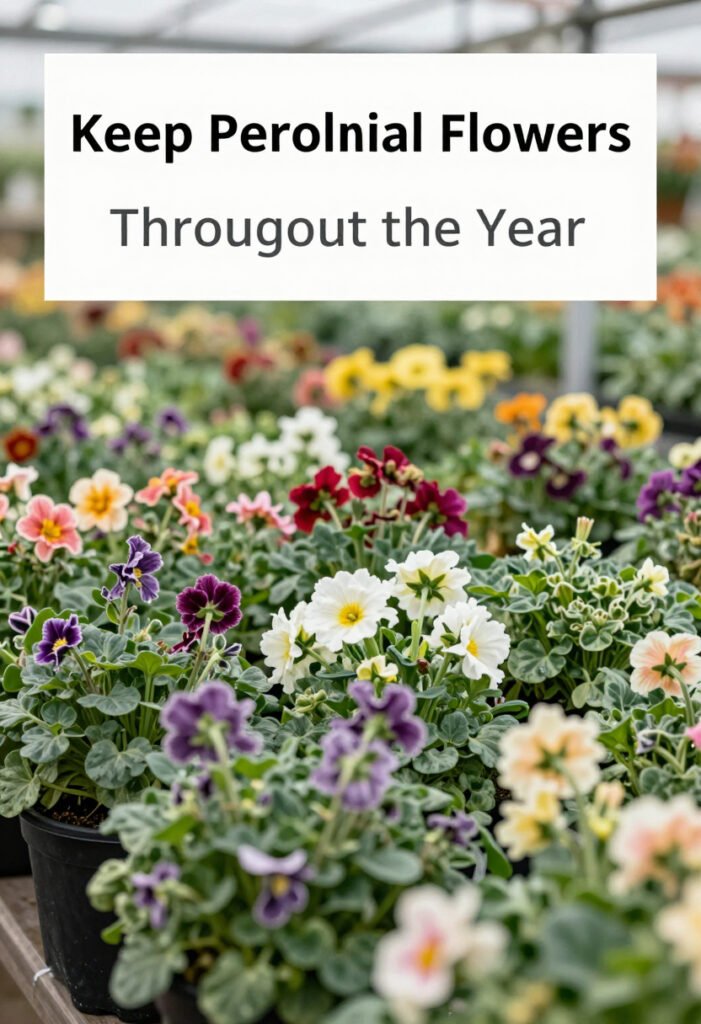
Once your plants are established, routine care can help them remain vigorous and attractive. Remove damaged leaves, watch for unusual growth, and keep weeds from competing with plant roots. A layer of suitable mulch can reduce moisture loss, moderate soil temperatures, and limit weed growth.
Different perennials have different maintenance needs, so avoid applying the same pruning or feeding schedule to every plant. Some benefit from deadheading, while others produce attractive seed heads that can remain through part of the year. Learning the needs of each variety helps you maintain a healthier garden with less unnecessary work.
Deadheading, Pruning, and Division
Deadheading means removing faded flowers, which can improve the appearance of many plants and sometimes encourage additional flowering. It does not guarantee more blooms in every variety, so check the needs of the plants you grow. Remove damaged stems with clean tools and avoid cutting healthy foliage earlier than necessary.
Some perennials become crowded after several years and may benefit from division. Dividing suitable plants can improve their vigor and provide additional plants for other parts of the garden. The correct timing varies by species, so research the plant before lifting or separating its roots.
Protecting Plants During Seasonal Changes
Perennials respond differently to winter, summer heat, and periods of drought. Some die back above ground during dormancy and return from their roots when conditions improve, while others remain evergreen in mild climates. Do not assume a plant is dead simply because its foliage has disappeared during its normal dormant period.
In regions with hot summers, use mulch and appropriate watering to help protect shallow roots from heat stress. In colder climates, follow the plant’s recommendations for winter protection and avoid cutting back every variety at the same time. Good seasonal care helps plants survive changes in temperature and return when growing conditions become favorable.
9. Design a Perennial Garden That Improves With Time
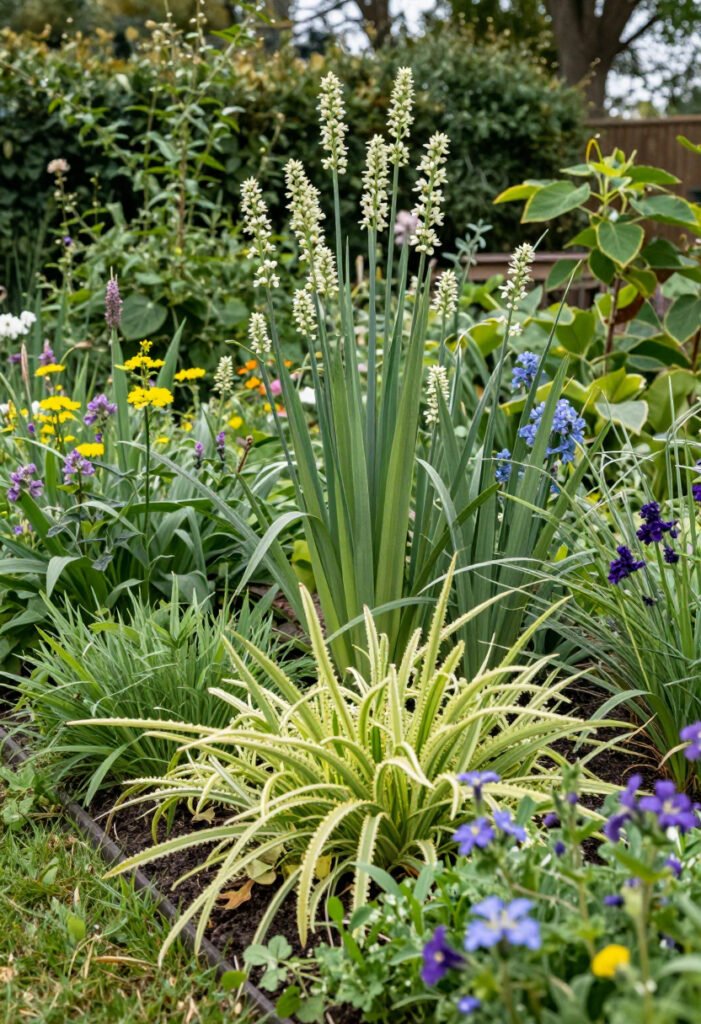
A perennial garden can be designed around flower color, height, texture, or flowering season. Taller varieties often work well toward the back of a border, while compact flowers can be placed near the front. Repeating the same plants in different areas creates a visual connection and makes the garden feel more organized.
Try to include plants that flower at different times rather than choosing everything for a single week of color. Early-, mid-, and late-season varieties can help extend the garden’s display. Foliage shape also matters: combining upright leaves, rounded clumps, and fine-textured foliage adds interest even when some plants are not flowering.
Create Color Combinations That Work Together
A garden can feel calm and coordinated when it uses a limited palette, such as purple, white, and pink. Yellow and orange flowers create a brighter, warmer effect, especially when paired with green foliage. You can also use complementary colors to make particular flowers stand out.
Before planting, arrange the pots on the ground to test different combinations. This lets you see how the heights and colors work together without digging unnecessary holes. Consider how the plants will look when mature, not just how they appear in their nursery pots.
Add Perennials to Small Gardens and Containers
Perennials can work in small gardens when you choose varieties with compact growth habits. A narrow border, raised bed, or group of suitable containers can support a combination of flowering plants and attractive foliage. Containers should have drainage holes and enough room for the mature root systems of the chosen varieties.
Container-grown perennials generally need closer monitoring than plants growing in the ground because their soil can dry out more quickly. Choose plants suited to the available sunlight and protect the containers from conditions that are too hot or cold for their varieties. With appropriate care, even a small patio can become a colorful, long-lasting flower display.
10. Avoid Common Mistakes When Growing Perennials
One common mistake is choosing plants because they look beautiful at a nursery without checking their climate requirements. Another is planting flowers in soil that stays too wet or placing sun-loving varieties in deep shade. These errors can cause weak growth, fewer flowers, or plant loss even when watering and feeding seem adequate.
A better approach is to start with a small number of suitable plants and learn their needs before expanding the garden. Read plant labels, check mature sizes, and observe how your garden responds to seasonal changes. Keeping simple notes about planting dates, flowering periods, and watering can help you make better decisions in future seasons.
Don’t Overwater or Overfeed
More water and fertilizer do not automatically produce healthier flowers. Overwatering can damage roots, especially in poorly drained soil, while excessive fertilizer may encourage unbalanced growth. Check the soil and the plant’s condition before changing your routine.
If leaves turn yellow or flowers fail to appear, investigate the likely cause instead of immediately adding fertilizer. The problem may relate to drainage, temperature, light, pests, or the plant’s natural growth cycle. Correcting the underlying issue is usually more effective than repeatedly applying products.
Start With a Manageable Number of Varieties
Growing too many unfamiliar plants at once can make it difficult to understand their individual needs. Beginners often find it easier to start with three to five varieties that suit the garden’s conditions. Once these plants become established, additional flowers can be introduced gradually.
Choose a mixture of colors, heights, and flowering periods to keep the garden interesting without making maintenance complicated. As you gain experience, you can experiment with less familiar varieties and more detailed planting designs. A successful perennial garden develops over time rather than needing to be completed in a single season.
Frequently Asked Questions
1. What are the easiest perennial flowers for beginners?
Daylilies, coneflowers, black-eyed Susans, and suitable salvias are popular beginner-friendly options where they are adapted to the climate. Choose varieties based on your sunlight, soil, temperature, and watering conditions.
2. Do perennial flowers really come back every year?
Many perennials return for several growing seasons when their climate and care requirements are met. Some die back during dormancy and regrow from their roots, while others remain evergreen. Not every perennial is long-lived, so lifespan varies by species and growing conditions.
3. When is the best time to plant perennial flowers?
Spring and early autumn are suitable for many perennials in temperate climates because temperatures are often moderate. In hot regions, planting during a cooler period can reduce stress. Always consider the specific plant’s seasonal requirements and local weather.
4. Can perennial flowers grow in hot climates like Pakistan?
Yes, many perennial flowers can grow in warm regions, but variety selection is essential. Look for plants that tolerate local summer temperatures and check their sunlight and water requirements. Local nurseries can help identify varieties that perform well in your area.
5. How do I keep perennial flowers blooming for longer?
Choose varieties with different flowering periods, provide appropriate sunlight and moisture, and remove faded flowers when suitable for the plant. Healthy soil and proper spacing also support growth, although no single care method can make every perennial flower continuously.
Conclusion
Perennial flowers offer a practical way to create a garden that returns with color and texture over multiple growing seasons. By selecting suitable varieties, preparing well-drained soil, providing the right sunlight, and watering carefully during establishment, beginners can avoid many common problems. Remember that different perennials have different needs, so matching plants to your climate is more important than choosing a variety simply because it looks attractive.
Start your garden with a few reliable Perennial Flowers for Beginners That Come Back Every Year, then expand as you learn what grows best in your space. Keep track of flowering times, allow plants enough room to mature, and provide seasonal care when needed. With thoughtful choices and steady attention, your flower garden can become more established, colorful, and rewarding with every passing year.