
A cutting garden is a dedicated space where you grow flowers specifically for harvesting and arranging indoors. Choosing the Best Flowers for a Cutting Garden All Season Long helps you enjoy fresh bouquets from the first blooms of spring through the final colorful days of autumn. With the right combination of annuals, perennials, bulbs, and foliage plants, even a small garden can provide a steady supply of beautiful stems.
Have you ever admired a bouquet at home only to wish you could recreate it with flowers from your own backyard? A cutting garden makes that possible while giving you more control over colors, fragrances, flower sizes, and arrangement styles. Instead of buying fresh flowers regularly, you can harvest them whenever your garden is producing, often encouraging certain plants to create even more blooms.
In this guide, you will discover which flowers are worth growing, when they typically bloom, and how to combine varieties for a longer harvest season. You will also learn practical planting, cutting, watering, and maintenance techniques that help keep your flowers productive. Whether you have raised beds, a traditional garden, or a few containers, these ideas can help you build a productive cutting garden suited to your local climate.
Why a Cutting Garden Benefits From Different Flower Varieties
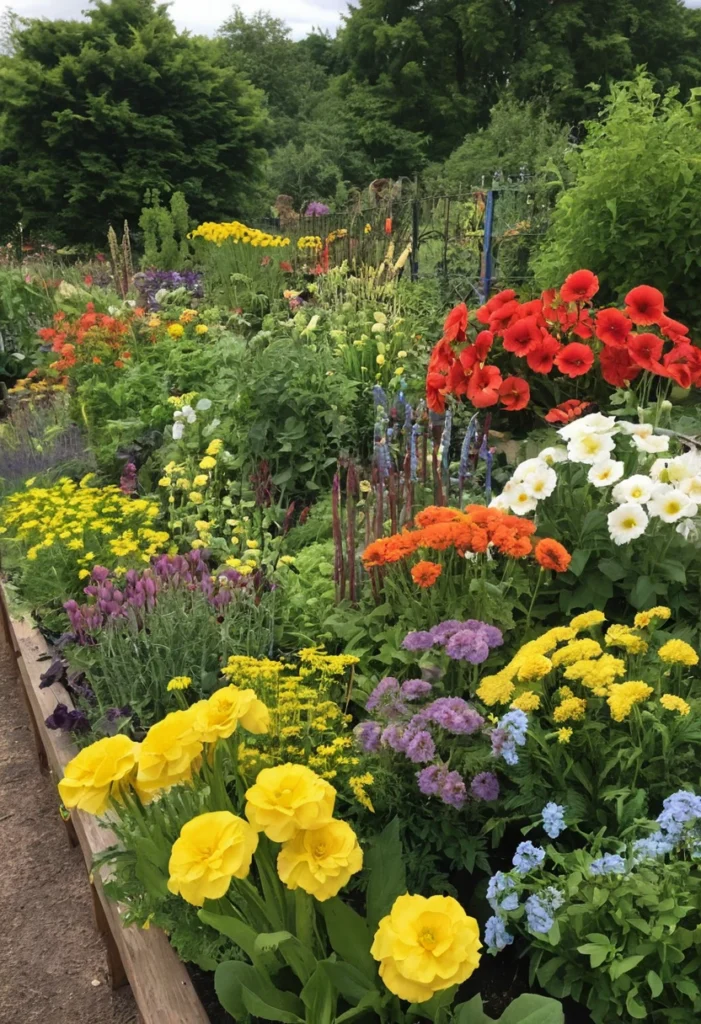
Growing several types of flowers is the easiest way to avoid a garden that blooms beautifully for only a few weeks. Some plants flower early in the year, while others thrive during summer heat or continue producing blossoms into autumn. Combining these different growth habits creates a more dependable supply of cut flowers and gives you more variety when arranging bouquets.
The Best Flowers for a Cutting Garden All Season Long should also serve different purposes in an arrangement. Large focal flowers add visual impact, smaller blooms fill empty spaces, and airy flowers provide movement. Long stems make arranging easier, while fragrant varieties add another layer of enjoyment. By choosing plants with different colors, shapes, and flowering periods, you can create bouquets that look interesting without relying on one flower alone.
When planning your garden, consider including:
- Focal flowers: Zinnias, dahlias, sunflowers, and peonies.
- Filler flowers: Sweet alyssum, feverfew, and baby’s breath.
- Airy flowers: Cosmos and ammi.
- Spikes and vertical accents: Snapdragons, larkspur, and salvia.
- Foliage: Basil, eucalyptus where suitable, and ornamental grasses.
This combination provides a useful foundation for arrangements throughout the growing season.
Spring Flowers That Start the Cutting Season Early
Spring is an excellent time to harvest flowers that grow from bulbs, cool-season annuals, and established perennials. Depending on your climate, tulips, daffodils, ranunculus, anemones, and snapdragons can supply some of the earliest stems. These flowers bring fresh colors to the garden before many heat-loving annuals begin producing heavily.
The Best Flowers for a Cutting Garden All Season Long include varieties that can tolerate your area’s spring temperatures. In colder climates, some cool-season flowers may need protection from late frosts. In warmer regions, spring planting and flowering may begin much earlier, and heat-sensitive varieties may finish quickly as temperatures rise. Always use local planting calendars rather than relying on one universal planting date.
Consider these spring favorites:
- Tulips: Classic flowers with elegant stems and a wide range of colors.
- Ranunculus: Layered blooms that resemble small roses.
- Anemones: Distinctive flowers with dark centers and bright petals.
- Snapdragons: Upright flower spikes that add height and structure.
- Sweet peas: Fragrant climbing flowers that work beautifully in delicate arrangements.
Many spring bulbs need planting in autumn to flower the following spring, although requirements vary by species and climate. Plan ahead so these early blooms are ready when the cutting season begins.
Summer Annuals That Produce Bouquets for Weeks
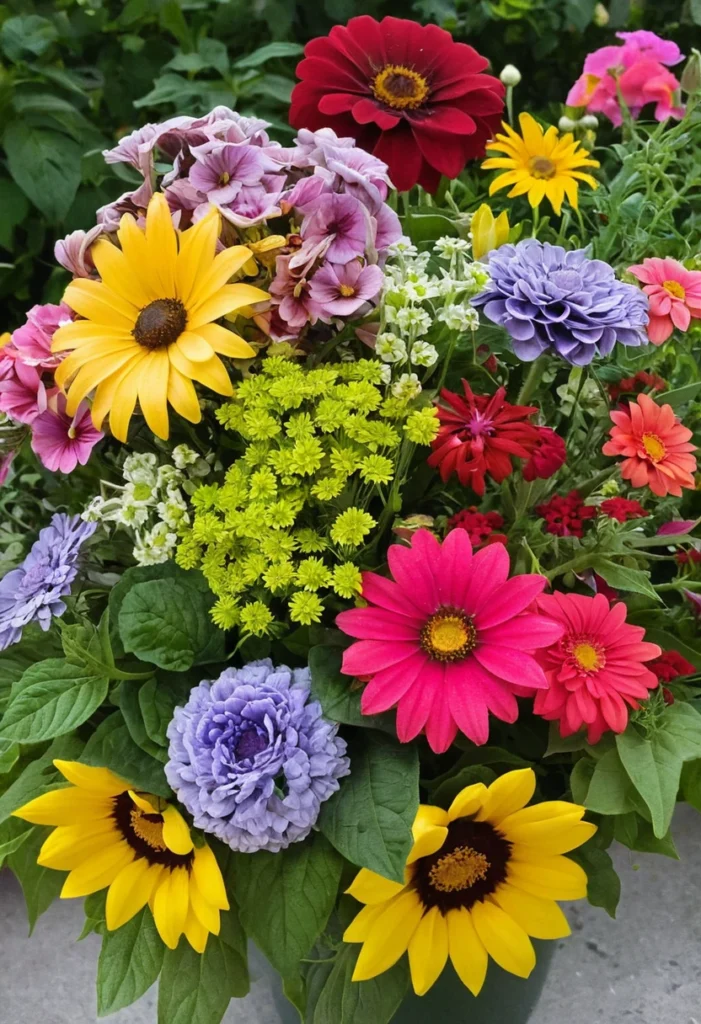
Summer is often the most productive period for a cutting garden because warm-weather annuals can produce flowers continuously when they receive suitable sunlight, water, and regular harvesting. Zinnias, cosmos, marigolds, and celosia are popular choices for their range of colors and relatively straightforward care. Many are especially useful for beginner gardeners who want plenty of flowers without complicated maintenance.
Among the Best Flowers for a Cutting Garden All Season Long, zinnias deserve particular attention because many varieties produce abundant stems throughout summer. Cosmos offer a lighter, more informal appearance, while celosia contributes unusual textures. Marigolds add warm shades of yellow and orange, and some varieties have a strong fragrance. Choose cultivars bred for cutting when possible, since they may offer longer stems and more suitable flower forms.
For a productive summer bed, try planting:
- Zinnias: Choose branching varieties for repeated harvests.
- Cosmos: Grow them for delicate foliage and open, daisy-like flowers.
- Celosia: Add colorful plumes or crested blooms for texture.
- Marigolds: Use them to bring bright color to mixed bouquets.
- Sunflowers: Select branching varieties if you want multiple stems from one plant.
Sow or plant in succession when appropriate for your climate. Rather than planting every seed at once, stagger some sowings so younger plants can begin flowering as earlier plants slow down.
Read Also: Vegetable Garden Layout Ideas That Boost Your Harvest
Dahlias and Other Flowers for Late-Summer Color
Dahlias are valuable cutting-garden plants because they offer an impressive range of colors, flower shapes, and sizes. Depending on the cultivar and growing conditions, plants can continue blooming from summer into autumn. Regular harvesting and removal of faded flowers often encourage further production, although the timing and amount of flowering depend on the variety and climate.
Other useful late-season flowers include asters, chrysanthemums, rudbeckia, and certain varieties of ornamental grasses. These plants help maintain color as early summer flowers begin to fade. If you are selecting the Best Flowers for a Cutting Garden All Season Long, consider not only when each variety starts flowering but also how long it may remain productive under your local weather conditions.
Dahlias need fertile, well-drained soil and consistent moisture without waterlogged roots. Tall varieties may require staking, especially in exposed locations. In climates with cold winters, dahlia tubers may need to be lifted and stored after frost, while in warmer regions they may remain in the ground under suitable conditions. Check the needs of your chosen cultivar before planting.
Perennial Flowers That Return With Reliable Blooms
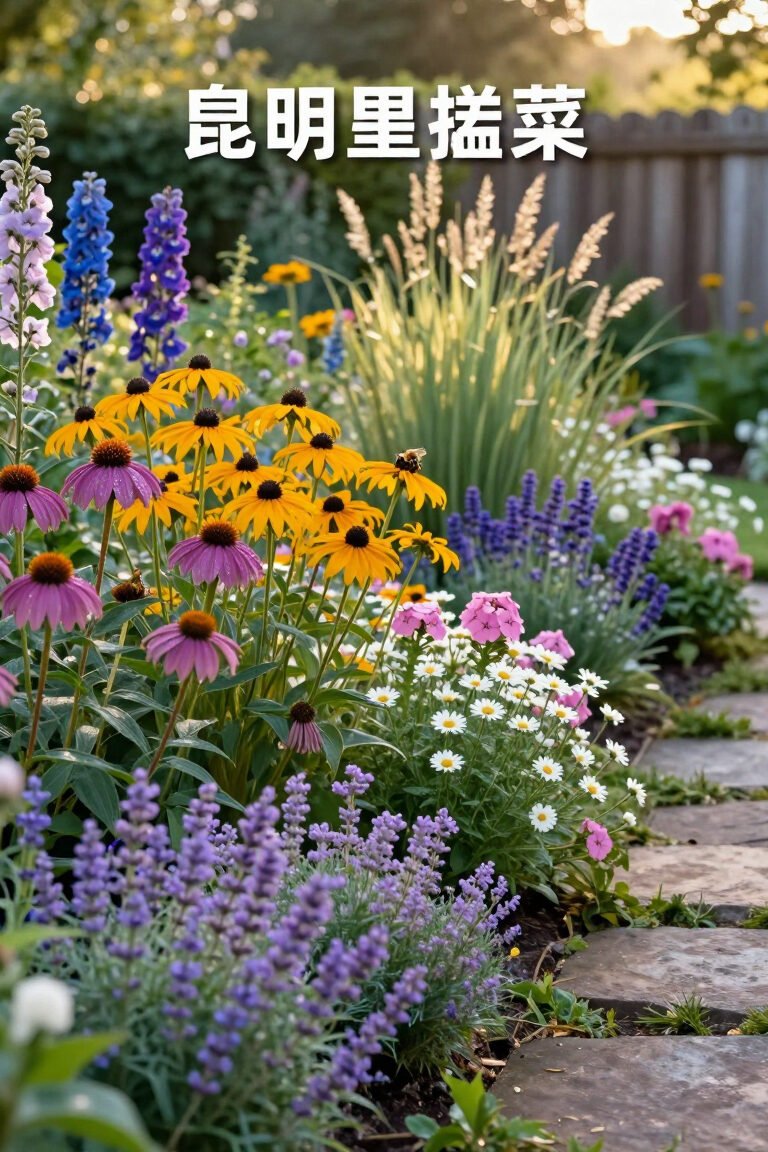
Perennials are useful because they return year after year when grown in suitable conditions. They can reduce the need to replant the entire garden each season and provide dependable stems once established. Depending on the region, good choices include peonies, coneflowers, yarrow, garden phlox, and certain varieties of perennial salvia.
However, perennial plants do not all flower at the same time or produce the same quantity of cut stems. Peonies generally provide a relatively brief but spectacular spring or early-summer display, while coneflowers and yarrow may flower over a longer period. When choosing the Best Flowers for a Cutting Garden All Season Long, combine perennials with annuals instead of expecting one perennial to supply flowers continuously.
Useful perennial options include:
- Peonies: Large, romantic blooms with a strong seasonal presence.
- Yarrow: Flat flower clusters that work as fillers and can dry well.
- Coneflowers: Distinctive central cones and daisy-like petals.
- Garden phlox: Fragrant flower clusters in suitable climates.
- Perennial salvia: Upright spikes that add vertical interest.
Research the mature size and flowering period of each perennial before planting. Some spread over time, so leave enough space for healthy growth and good air circulation.
Flowers That Keep Producing After You Cut Them
Some flowers respond to regular harvesting by producing additional stems. Zinnias, cosmos, snapdragons, and many branching annuals can continue flowering when they receive adequate light, water, nutrients, and suitable temperatures. Removing spent blooms before plants invest too much energy in seed production can also help extend the display for certain varieties.
The Best Flowers for a Cutting Garden All Season Long are often those that provide repeated harvests rather than a single flush of flowers. Still, cutting does not guarantee continuous production. Plants can slow down during extreme heat, drought, disease pressure, or the natural end of their growing cycle. Monitor each variety and adjust harvesting according to its growth habit.
Follow these practical harvesting tips:
- Cut stems during the cool part of the morning when possible.
- Use clean, sharp snips to reduce crushing and tissue damage.
- Harvest stems with firm, healthy growth and suitable flower maturity.
- Remove foliage that would sit below the waterline in a vase.
- Place stems in clean water promptly after cutting.
For branching flowers, cut above a healthy leaf node when appropriate. This can encourage side shoots to develop and provide additional stems. Avoid removing too much foliage at once, especially from young or stressed plants.
How to Arrange Planting Times for a Longer Harvest
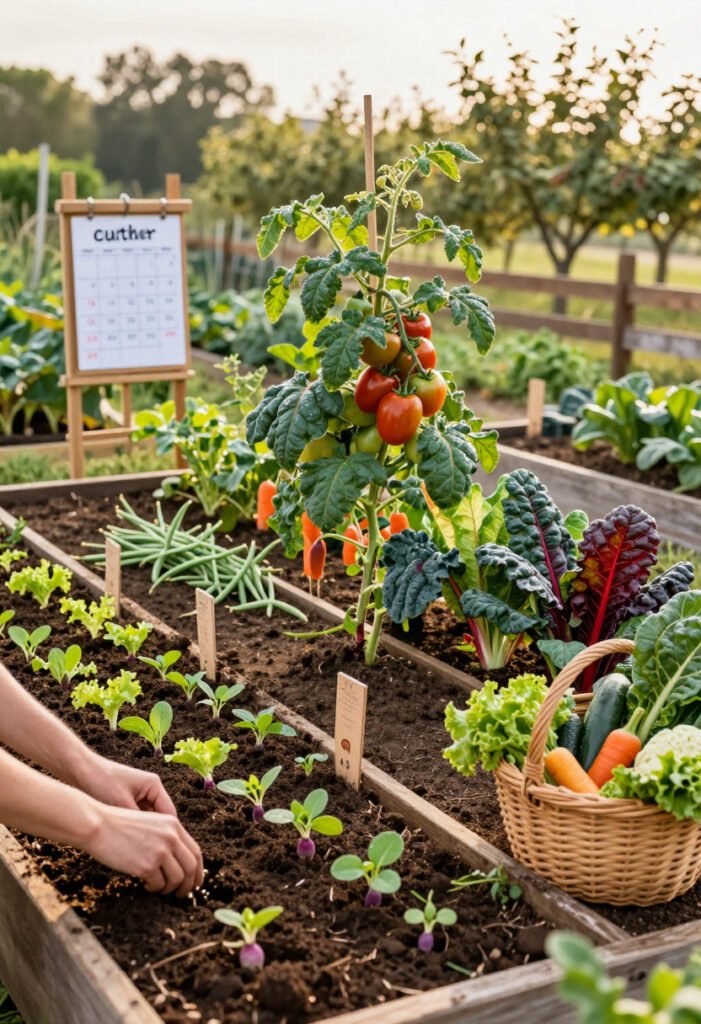
A productive cutting garden begins with a simple flowering calendar. List the varieties you want to grow and note their typical planting periods, flowering windows, and temperature preferences. This helps you identify gaps, such as a period between spring bulbs fading and summer annuals reaching maturity. Filling those gaps is more effective than growing a large number of varieties that all flower at the same time.
To get the most from the Best Flowers for a Cutting Garden All Season Long, use succession planting for suitable annuals. Sow small batches of fast-growing flowers at intervals recommended for your region instead of relying on one large sowing. Some varieties may stop producing in intense heat, so a later sowing may need to wait until temperatures become favorable again. Local seed packets and extension-service guidance can help you determine appropriate timing.
A simple seasonal plan might look like this:
- Early spring: Tulips, ranunculus, anemones, and cool-season annuals.
- Late spring: Snapdragons, sweet peas, and early perennial flowers.
- Summer: Zinnias, cosmos, celosia, and sunflowers.
- Late summer: Dahlias, asters, and continuing annuals.
- Autumn: Chrysanthemums and other varieties suited to cooler weather.
These periods are general guidelines rather than fixed dates. Your climate, elevation, first and last frost dates, and local growing conditions will determine the actual schedule.
Prepare the Growing Space for Strong Stems
Most cutting flowers perform best in a location that receives plenty of sunlight, although individual plants have different needs. Many popular annuals prefer six or more hours of direct sun each day. Good air circulation is also important because crowded plants and persistently damp foliage can increase the risk of fungal diseases.
Before planting the Best Flowers for a Cutting Garden All Season Long, examine your soil’s drainage and fertility. Many flowers grow well in reasonably fertile soil that retains some moisture but does not remain waterlogged. Incorporating mature compost can improve soil structure, but excessive fertilizer, especially high-nitrogen products, may encourage leafy growth at the expense of flowers in some plants. A soil test can help you make more informed amendments.
Use these preparation steps:
- Remove weeds and debris from the planting area.
- Loosen compacted soil without working it when excessively wet.
- Add compost if needed to improve soil structure.
- Arrange taller varieties where they will not shade shorter plants.
- Leave adequate spacing based on mature plant size and airflow needs.
Raised beds can make planting and harvesting easier, particularly where native soil drains poorly. Containers are also suitable for compact varieties, provided they have drainage holes and enough room for root development.
Watering, Feeding, and Everyday Flower Care
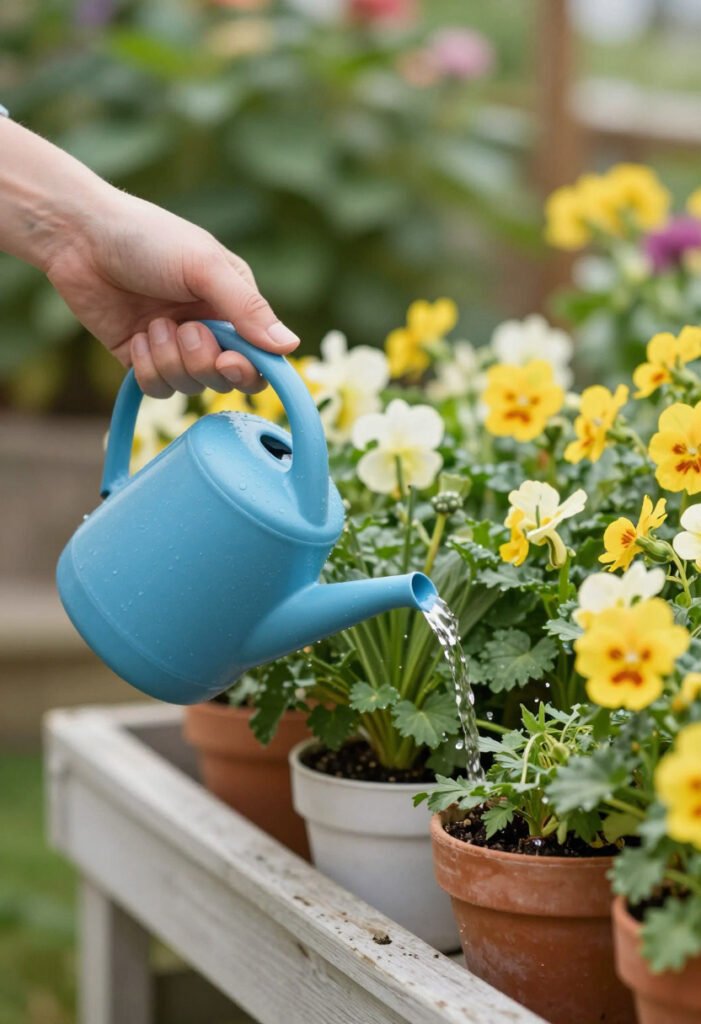
Consistent care helps flowers maintain healthy growth during their productive period. Water deeply enough to moisten the root zone, then adjust frequency according to weather, soil type, container size, and plant needs. Containers may dry out much faster than garden beds, particularly in hot or windy conditions. Watering near the soil surface rather than repeatedly wetting leaves can help reduce some disease problems.
The Best Flowers for a Cutting Garden All Season Long will not all need identical care. Newly planted seedlings need careful monitoring while their roots establish, whereas established plants may tolerate brief periods of less frequent watering depending on the species. Apply fertilizer according to soil conditions and the requirements of each plant, avoiding excessive feeding that may produce weak stems or abundant foliage with fewer blooms.
Regular maintenance should include checking for pests, removing damaged leaves, supporting tall plants, and harvesting flowers at the appropriate stage. Inspect the undersides of leaves for aphids, mites, or other common pests before problems spread. If you notice an issue, identify the pest before choosing a treatment, and follow the product label carefully if you use a garden pesticide.
Frequently Asked Questions
What are the best flowers for a cutting garden for beginners?
Zinnias, cosmos, sunflowers, and marigolds are often good starting choices because many varieties are relatively easy to grow and provide colorful summer blooms. Choose varieties suited to your climate and available sunlight.
How do I keep a cutting garden blooming all season?
Combine spring bulbs, cool-season flowers, summer annuals, and late-season varieties. Succession-sow suitable annuals, harvest regularly, provide consistent moisture, and select plants with different flowering periods.
How many hours of sunlight does a cutting garden need?
Many popular cutting flowers grow best with six or more hours of direct sunlight daily. However, sunlight requirements vary, so check the needs of each species and provide partial shade where appropriate.
Should I cut flowers in the morning or evening?
Morning is often a good time because plants may be well hydrated after the cooler night. Use clean tools and place stems in water promptly. Avoid harvesting from wilted or severely heat-stressed plants when possible.
Can I grow cutting flowers in pots?
Yes. Compact zinnias, dwarf sunflowers, some cosmos, and other container-suitable varieties can grow in pots with drainage holes. Choose containers large enough for the plants’ roots and monitor moisture more frequently than you would in garden beds.
Conclusion
Growing the Best Flowers for a Cutting Garden All Season Long is about combining varieties with different flowering periods, growth habits, and uses in arrangements. Spring bulbs, summer annuals, productive dahlias, and dependable perennials can work together to provide a succession of fresh stems. With suitable soil, enough sunlight, thoughtful planting times, and regular harvesting, your garden can become a practical source of flowers for everyday bouquets and special occasions.
Start with a manageable selection of flowers that suit your climate, then add varieties as you learn which ones thrive in your space. Keep a simple record of planting dates, flowering times, and harvest results so you can improve your plan each year. For more gardening inspiration and practical planting advice, explore GreenNestHubs.com and build a cutting garden that brings color and fresh flowers into your home throughout the growing season.