
Want a container garden filled with colorful spring flowers? Planting spring bulbs in containers lets you grow tulips, daffodils, crocuses, and hyacinths in a small space.
With the bulb layering method, you can plant different varieties at different depths to create a beautiful display. The key is choosing compatible bulbs, using well-drained potting mix, and protecting containers during winter.
What Is Bulb Layering, and How Does It Work?
Bulb layering, also called bulb lasagna planting, means placing different types of flower bulbs at different depths in one container. Larger or deeper-planted bulbs go lower, while smaller bulbs grow closer to the surface.
This method makes good use of limited space and can extend the flowering season. For the best results, choose varieties with compatible growing needs and different bloom times.
Benefits of Layering Spring Bulbs in Containers
- More flowers in less space: Grow several varieties in one pot.
- Longer seasonal color: Combine early-, mid-, and late-spring bloomers.
- Flexible garden design: Place containers on patios, porches, balconies, and entryways.
- Easy seasonal decorating: Match flower colors with planters and outdoor accents.
Is Bulb Lasagna Suitable for Beginners?
Yes. You need a container with drainage holes, quality potting mix, suitable bulbs, and a little planning. Following the recommended planting depths for each variety makes the process easier.
When to Plant Spring Bulbs in Containers in the USA
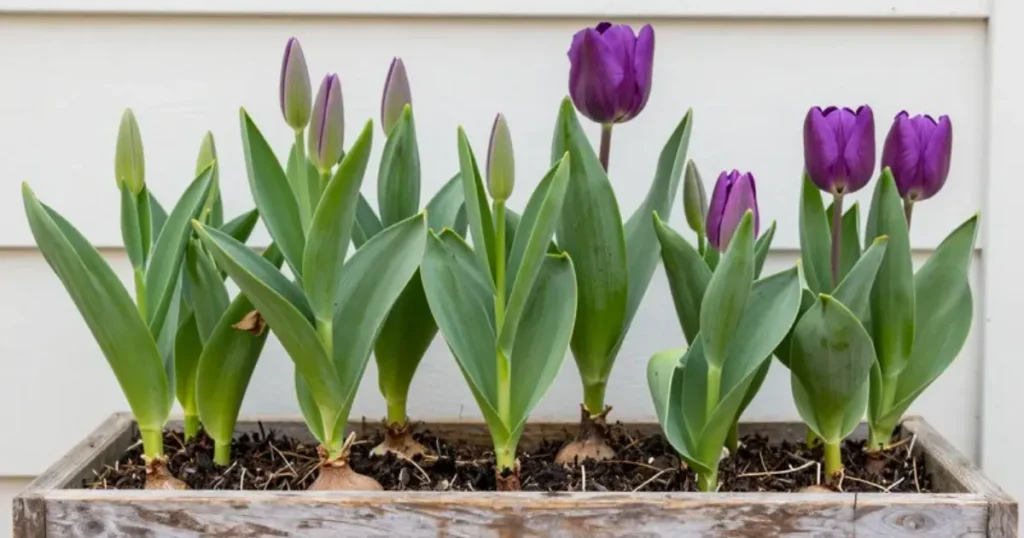
Most hardy spring-flowering bulbs, including many tulips, daffodils, and hyacinths, are planted in fall for flowers the following spring. Plant after summer heat begins to ease, but early enough for the bulbs to establish roots before the ground freezes.
The exact timing depends on your location and the bulb variety. Check your local university extension service for recommendations suited to your climate.
Best Planting Time by USDA Hardiness Zone
- Colder northern regions: Plant in early to mid-fall, allowing time for root growth before severe freezing.
- Mid-Atlantic and Midwest: Fall is generally suitable, with timing adjusted to local conditions.
- Warmer southern regions: Check the variety’s chilling needs and local planting recommendations before choosing bulbs.
These are general guidelines, not fixed dates. Your local climate and the supplier’s planting instructions should determine the final timing.
Can You Plant Spring Bulbs in Pots in Spring?
You can plant bulbs in spring, but results depend on their condition and chilling needs. Bulbs that have already received the required cold period may flower sooner than bulbs planted without adequate chilling.
For the best chance of a full display next spring, plant suitable hardy bulbs in fall. If you missed the planting window, consider nursery-grown flowering bulbs for immediate color.
Best Spring Bulbs for Layering in Containers
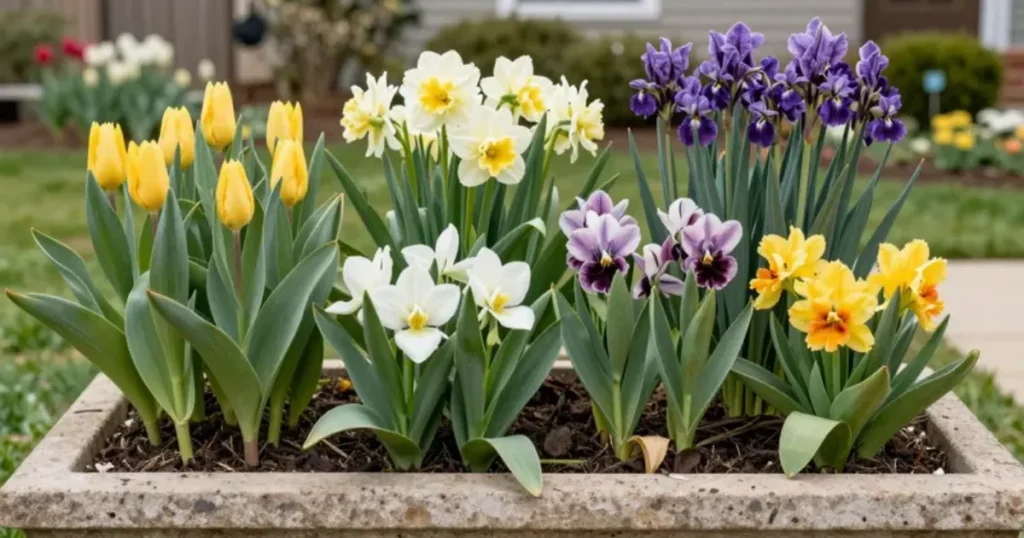
Choose bulbs that suit your container’s depth, your climate, and your preferred color scheme. Combining varieties with different flowering periods can create a display that changes throughout spring.
Tulips
Tulips provide bold colors and upright flowers. Choose varieties with suitable planting depths and flowering periods for your container plan.
Daffodils
Daffodils bring bright yellow or white flowers. Compact varieties are useful in smaller planters, while larger types need more room.
Hyacinths
Hyacinths add dense flower clusters and fragrance. Their colors work well in coordinated or contrasting container displays.
Crocuses
Crocuses often bloom early and work well in the upper layers of suitable containers. Their small flowers add color around larger blooms.
Grape Hyacinths
Also called Muscari, these small bulbs produce compact flower spikes. They can fill gaps between larger flowers when planted at an appropriate depth.
How to Choose Bulbs That Bloom at Different Times
Check the expected flowering period on each bulb package. Early-, mid-, and late-spring varieties can extend the display, although actual bloom times depend on weather, cultivar, and local conditions.
Avoid choosing bulbs by color alone. They also need compatible chilling requirements, moisture levels, sunlight, and planting depths.
Read Also: Houston’s Premiere Garden Center & Plant Nursery: Your Complete Guide
Choose the Right Container, Soil, and Gardening Supplies
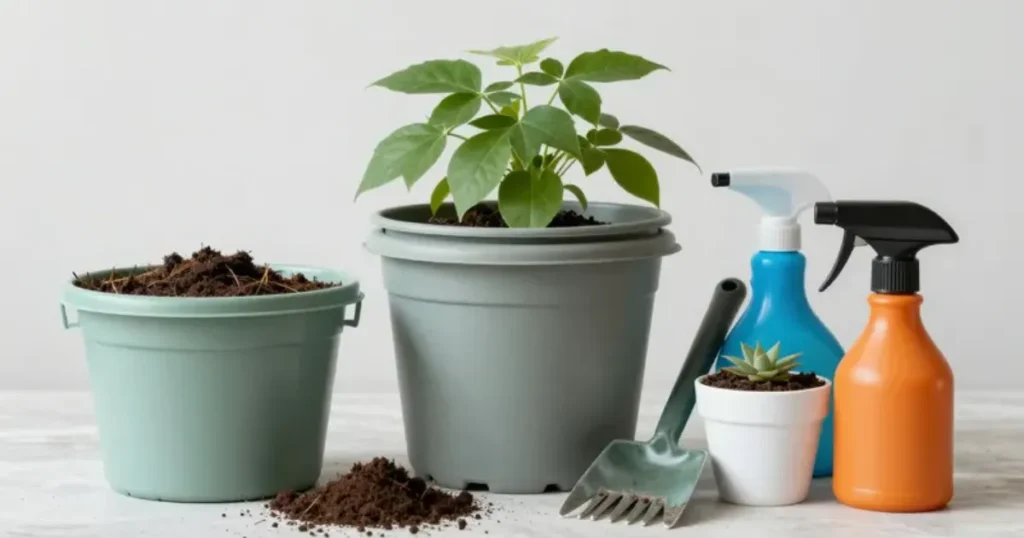
A successful spring bulb container garden starts with a suitable pot. Select one that is deep enough for your chosen layers and wide enough to hold the bulbs without forcing them together.
Use a quality, well-draining potting mix rather than dense garden soil. Containers drain and dry differently from garden beds, so check moisture more often during changing weather.
What Size Pot Is Best for Layering Spring Bulbs?
Choose a deep pot that can accommodate the required soil depth below, between, and above the bulb layers. A large container is usually more practical for three layers than a shallow bowl.
Allow for root growth and the final height of the flowers. A wide, stable base also helps prevent tall flowering stems from making the container top-heavy.
Best Container Materials for Outdoor Bulbs
- Terracotta: Classic appearance, but it can dry quickly and may crack in freezing weather.
- Plastic: Lightweight and easy to move, though it may offer less insulation.
- Glazed ceramic: Decorative and often heavy; confirm that the pot is frost-resistant.
- Wood: Natural-looking, but it must withstand moisture and outdoor conditions.
Choose a weather-resistant material that suits your climate and the location where the pot will spend winter.
Why Drainage Holes Matter
Drainage holes allow excess water to escape and reduce the risk of bulb rot. Never use a sealed decorative pot as the only growing container unless it has proper drainage.
A layer of gravel at the bottom does not replace drainage holes. It also reduces the space available for potting mix.
How to Plant Spring Bulbs in Containers Step by Step
The bulb lasagna method works best when you plan the layers before adding soil. Check each bulb’s planting instructions first because depths and spacing vary by variety.
Step 1: Inspect the Bulbs and Prepare the Container
Choose firm bulbs without obvious soft spots, rot, or mold. Clean the container and make sure its drainage holes are open.
Step 2: Add the First Layer of Potting Mix
Fill the bottom with enough mix to place the deepest bulbs at their recommended depth. Leave room for the remaining layers.
Step 3: Plant the Deepest Bulbs
Position larger bulbs according to their planting instructions, usually with the pointed growing tip facing upward and the root plate downward.
Step 4: Cover the First Layer
Add potting mix to the depth needed for the next layer. Avoid pressing the soil so firmly that it becomes compacted.
Step 5: Add the Middle and Upper Layers
Arrange the remaining bulbs at their appropriate depths. Keep bulbs close enough for a full display, but avoid forcing them to touch.
Step 6: Fill, Water, and Label
Finish with potting mix, leaving a small gap below the rim for watering. Water thoroughly and allow excess water to drain. Label the varieties and planting date.
How Deep Should You Plant Bulbs in Containers?
A common rule for many spring bulbs is to plant them at a depth of about two to three times the bulb’s height, measured from the bulb’s base to the soil surface.
For example, Iowa State University Extension gives typical garden depths of 6–8 inches for larger tulips, daffodils, and hyacinths, and 3–4 inches for smaller crocuses and snowdrops.
Container layering can require adjustments because the pot has limited depth. Follow the bulb supplier’s instructions and make sure the container provides enough room for every layer and its roots.
Spring Bulb Layering Chart
| Bulb | Typical garden depth | Suggested role |
|---|---|---|
| Tulips | 6–8 inches | Deep layer |
| Daffodils | 6–8 inches for many large varieties | Deep layer |
| Hyacinths | Around 6 inches for many varieties | Deep or middle layer |
| Crocuses | 3–4 inches | Upper layer |
| Grape hyacinths | Around 3–4 inches | Upper layer |
These are general garden-depth references, not universal container measurements. Check the exact variety’s instructions before planting.
Best Spring Bulb Combinations for Continuous Blooms
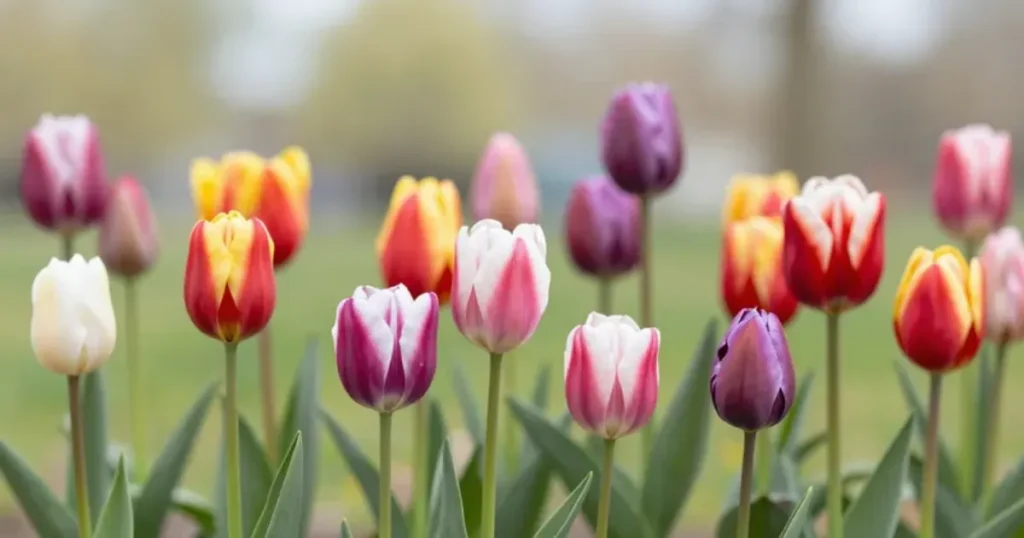
A well-planned container can deliver several weeks of interest. The trick is to choose varieties that flower at different times while sharing suitable growing conditions.
Early, Mid-, and Late-Spring Bulb Combination
Try an early-flowering crocus, a midseason daffodil, and a later-flowering tulip. Place each at the depth recommended for its variety and choose cultivars whose expected flowering periods overlap or follow one another.
This combination creates changes in color and height as spring progresses. It cannot guarantee continuous flowers because temperature and weather affect bloom timing.
Pink, Purple, and White Spring Bulb Container
Combine pink tulips, purple grape hyacinths, and white daffodils for a balanced color scheme. Choose varieties with compatible depths and flowering periods instead of relying on color alone.
A neutral planter can make the flowers stand out. A glazed blue or white pot can also complement purple and pink blooms.
A Fragrant Spring Bulb Container
Hyacinths are a useful choice when fragrance is a priority. Combine them with compatible tulips or daffodils, checking the expected bloom periods and growing needs of each variety.
Place the container near an entrance or seating area where the scent can be enjoyed. Avoid placing it where strong winds or excessive heat will quickly dry the potting mix.
Compact Bulb Lasagna for Small Patios
Use miniature daffodils, crocuses, and compact tulips in a deep container that suits their planting requirements. Small varieties can provide a full display without overwhelming a balcony or doorstep.
For narrow spaces, choose a stable pot and avoid placing heavy containers where they could fall or block a walkway.
Creative Container Ideas for a Beautiful Spring Garden
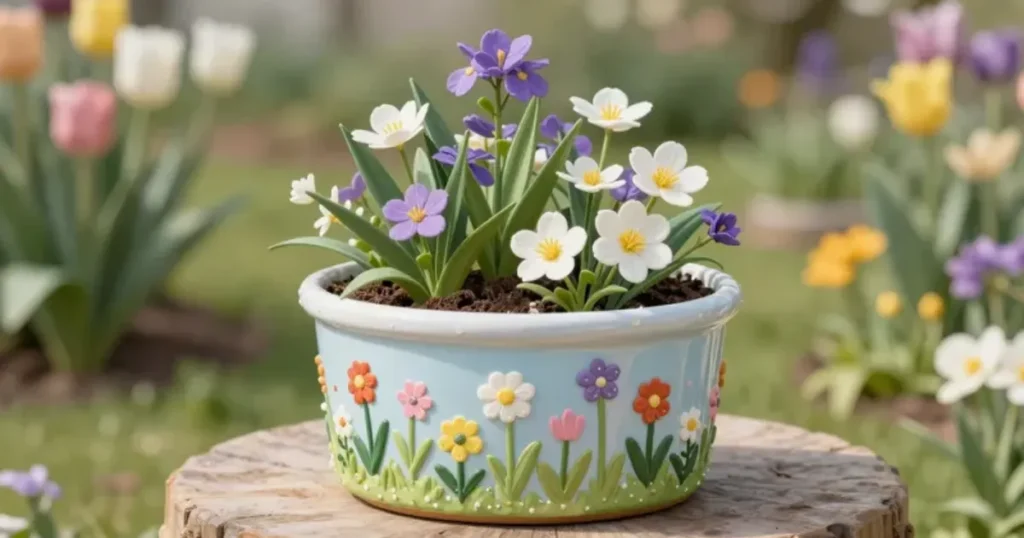
Spring flowers can become a focal point when you pair them with attractive planters and thoughtful outdoor styling. Garden décor should complement the flowers without blocking sunlight, crowding the container, or making watering difficult.
Garden retailers such as Gardeners Supply, HenFeathers, VivaTerra, and Tropical Expressions offer different sources of inspiration for outdoor accents, nature-inspired ornaments, planters, and decorative greenery.
Use Decorative Pots and Planters
Choose terracotta, glazed ceramic, or weather-resistant planters that match your outdoor space. Grouping containers of different heights can create depth while keeping each pot accessible for watering.
Add Garden Sculptures, Stakes, or Wind Chimes
A small sculpture, decorative stake, or wind chime can add personality to a spring display. Place ornaments where they will not shade emerging shoots or damage the bulbs.
Style Containers on Porches, Steps, and Balconies
Place layered bulb containers near entrances, along suitable steps, or beside outdoor seating. Check that the surface can support their weight and that drainage water will not create a slippery walkway.
Try Quirky Garden Décor Without Harming the Plants
Use playful planters, vintage-style containers designed for planting, or weather-resistant garden art. For natural-looking inspiration, browse the garden décor collections at VivaTerra and HenFeathers.
Decorative containers still need drainage, suitable growing space, and safe materials. Avoid objects that trap water around bulbs or have sharp edges where people walk.
How to Care for Layered Bulbs During Winter and Spring
Container bulbs need regular checks because pots can become colder, warmer, or drier than the surrounding garden soil. Good winter bulb care helps protect roots and supports healthy spring growth.
Watering Spring Bulbs in Containers
Water after planting to settle the potting mix and encourage root growth. During winter, check the soil periodically and water when needed, avoiding both prolonged dryness and waterlogged conditions.
Rainfall may provide enough moisture in some locations. Containers under roof overhangs often need closer attention because they receive less natural rain.
Protecting Bulbs from Freezing Temperatures
Roots in containers have less insulation than roots planted in the ground. In very cold climates, move pots to a sheltered, unheated location or use other locally recommended winter protection.
Do not assume every bulb can tolerate the same temperature. Follow variety-specific chilling and cold-protection advice, and avoid bringing hardy bulbs into a warm room too early.
Sunlight and Container Placement
Many spring bulbs flower best with several hours of sunlight. The University of Maryland Extension recommends at least five to six hours of direct sunlight for many bulbs.
Choose a position that suits your selected varieties. Monitor containers as the season changes, especially when nearby trees begin to leaf out.
Protecting Bulbs from Squirrels and Other Pests
Squirrels may dig into freshly planted containers. A securely fitted protective mesh can discourage digging while still allowing shoots to emerge when removed at the appropriate time.
Inspect pots regularly for damaged bulbs, standing water, and signs of pests. Avoid using unsafe chemicals or loose materials that could harm pets and wildlife.
What to Do When Shoots Appear
Move containers into suitable light as growth begins, if they were stored in a sheltered place. Keep the mix evenly moist without leaving the pot sitting in water.
Protect new shoots from severe cold when needed. Do not force dormant hardy bulbs into warm indoor conditions before they have received the chilling required by their variety.
What to Do After Spring Bulbs Finish Blooming
Remove faded flowers if you want to prevent seed production, but leave healthy green foliage in place. The leaves help replenish the bulb’s energy for a future growing season.
Once the foliage yellows naturally, remove it and decide whether to store, reuse, or plant the bulbs elsewhere. Some hybrid tulips flower less reliably in later years, while many daffodils can return under suitable conditions.
Common Mistakes to Avoid When Planting Spring Bulbs in Pots
Small mistakes can affect flowering, root growth, and bulb health. Check the following points before putting your container outside for winter.
| Common mistake | How to avoid it |
|---|---|
| Using a pot without drainage | Choose a container with open drainage holes. |
| Planting bulbs too deeply or too shallowly | Follow the recommended depth for each variety. |
| Mixing incompatible bulbs | Check chilling, moisture, light, and flowering needs. |
| Overwatering during dormancy | Check soil moisture and allow excess water to drain. |
| Using a container that is too shallow | Measure the space needed for all layers before planting. |
| Moving bulbs into warmth too early | Provide the required chilling period before forcing growth. |
| Cutting green leaves after flowering | Wait until the foliage yellows naturally. |
How Can You Fix a Container That Is Not Flowering?
First, check whether the bulbs received the required chilling period. Insufficient cold exposure, excess moisture, unsuitable planting depth, and poor bulb quality can all affect flowering.
If the bulbs produce leaves but no flowers, review their growing instructions before adding fertilizer. More fertilizer will not correct every cause of poor flowering.
FAQ’s
What Are Some Good Things to Decorate My Garden?
Planters, birdbaths, garden sculptures, decorative stakes, trellises, and wind chimes can add interest to a garden. Choose weather-resistant pieces that complement your flowers and leave enough space for plants to grow.
What Can I Put in My Garden to Make It Look Nice?
Start with colorful flowers, healthy plants, and a few coordinated containers. Layered spring bulbs, tidy pathways, varied plant heights, and simple outdoor accents can create an attractive display without overcrowding the space.
What Are Some Quirky Garden Decor Ideas?
Try unusual planters, colorful garden stakes, whimsical sculptures, vintage-style watering cans used as decorative pieces, or creative container groupings. Make sure any repurposed planter has suitable drainage and is safe for growing plants.
What Is Garden Decor Called?
Garden décor is also called garden ornaments, garden art, outdoor accents, or landscape accessories. These terms cover decorative objects such as sculptures, planters, wind chimes, and other features that add visual interest to outdoor spaces.
Conclusion: Enjoy a Colorful Spring Container Garden
Learning how to plant spring bulbs in containers is a simple way to bring seasonal color to a patio, porch, or small garden. Choose compatible bulbs, layer them at suitable depths, provide good drainage, and protect the pot during winter.
With thoughtful planning and a few well-chosen decorative accents, you can enjoy a container that changes beautifully as spring unfolds.