
Metal raised garden beds are popular among US gardeners because they are durable, attractive, and resistant to rot. However, rust can become a problem when protective coatings wear away or metal stays exposed to moisture.
Understanding the causes of corrosion, choosing the right material, and following simple maintenance steps can help your garden bed last longer.
Do Metal Raised Garden Beds Rust?
Yes, metal raised garden beds can rust, especially when made from untreated steel. Galvanized and powder-coated steel offer better protection, but their coatings can eventually deteriorate.
Scratches, moisture, poor drainage, and damaged edges can expose the underlying metal and encourage corrosion.
Does Galvanized Steel Rust Over Time?
Yes. Galvanized steel has a zinc coating that protects the underlying steel. However, prolonged moisture, salt exposure, and coating damage can reduce this protection.
Can Corrugated Metal Raised Garden Beds Rust?
Yes. Corrugated steel can rust when its protective coating becomes damaged. Pay particular attention to cut edges, seams, screws, and corners.
Read Also: How to Plant Spring Bulbs in Containers: Easy Layering Tips for Beautiful Spring Blooms
What Causes Rust Problems in Metal Raised Garden Beds?
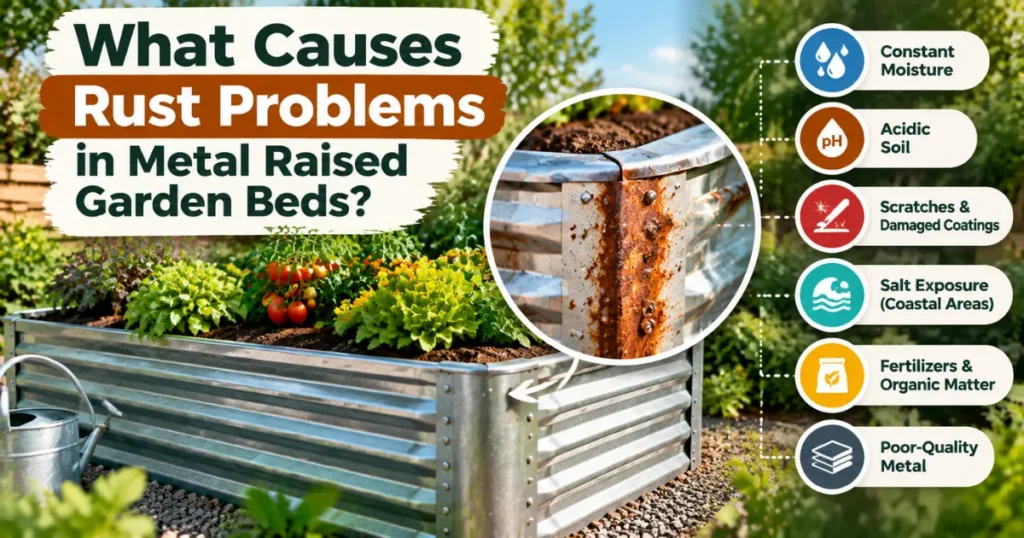
Several environmental and material-related factors can accelerate corrosion.
Constant Moisture and Poor Drainage
Waterlogged soil and standing water increase moisture exposure. Proper drainage helps reduce unnecessary contact between water and metal surfaces.
Soil pH and Acidity
Highly acidic soil can increase zinc release from galvanized coatings. Test your soil before adding amendments.
Scratches and Damaged Coatings
Gardening tools, sharp objects, and careless installation can damage protective finishes, exposing steel to moisture and oxygen.
Salt and Fertilizer Exposure
Coastal air contains salt that can accelerate corrosion. Concentrated fertilizer residues may also affect metal surfaces.
Poor-Quality Metal
Thin panels, weak protective coatings, and low-quality fasteners can increase the risk of premature deterioration.
Where Does Rust Usually Start on Metal Raised Garden Beds?
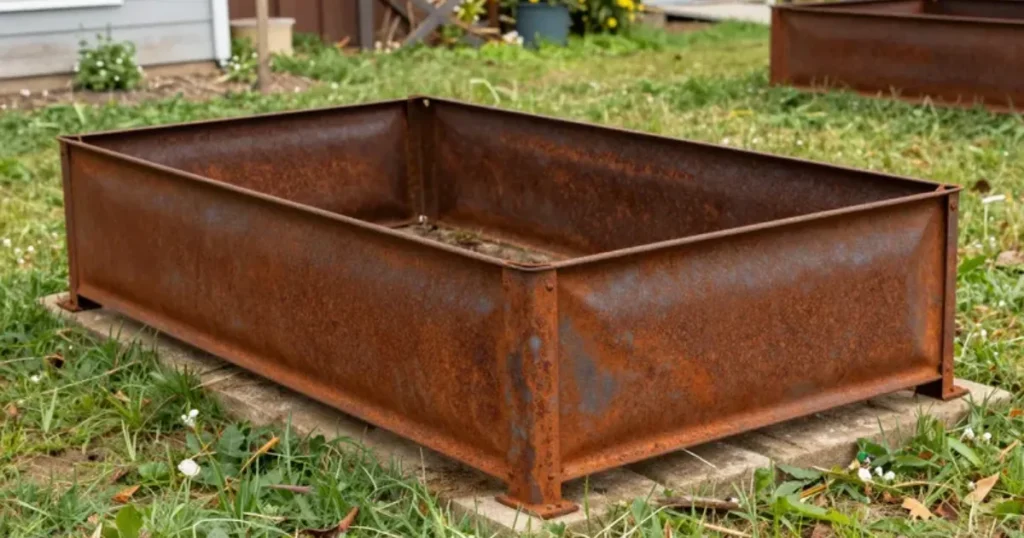
Rust commonly develops in areas where moisture collects or protective coatings are damaged.
- Bottom edges: Repeated contact with damp soil.
- Screws and bolts: Damaged coatings and incompatible metals.
- Cut edges: Exposed steel after cutting or drilling.
- Panel seams: Trapped moisture and organic debris.
- Outside walls: Rainwater, sprinklers, and humid air.
Inspect these areas regularly to identify corrosion early.
Best Types of Metal for Raised Garden Beds
Different metals offer different levels of corrosion resistance, durability, and maintenance requirements.
Galvanized Steel
Galvanized steel is a popular choice because its zinc coating protects against corrosion. It offers good strength and affordability for residential vegetable gardens.
Powder-Coated Steel
Powder-coated steel provides an additional protective finish and different color options. However, scratches and chipped areas can expose the underlying steel.
Aluminum
Aluminum naturally resists ordinary iron rust. It is lightweight and suitable for gardeners who prioritize corrosion resistance, although thinner panels may require additional support.
Corten Steel
Corten steel develops a reddish-brown protective patina. It offers a distinctive appearance but may cause rust staining and is less suitable for constantly wet environments.
Metal Raised Garden Beds vs. Wood: Which Is Better?
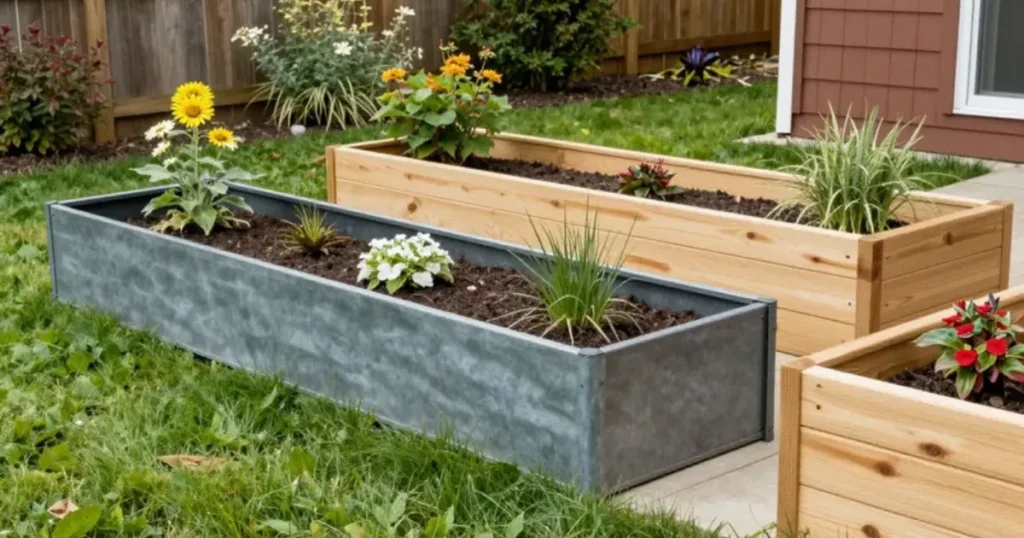
Both materials have advantages. The best option depends on your budget, climate, and maintenance preferences.
| Feature | Metal Beds | Wood Beds |
|---|---|---|
| Rot resistance | Excellent | Varies |
| Rust | Possible with steel | Not applicable |
| Maintenance | Coating inspections | Rot inspections |
| Durability | Depends on metal quality | Depends on wood type |
| Heat transfer | Higher | Lower |
| Appearance | Modern | Natural |
Metal beds resist rot and termites, while cedar and redwood offer natural decay resistance. Metal is suitable for gardeners seeking durability, whereas wood works well for those who prefer a traditional appearance.
Are Metal Raised Garden Beds Safe for Vegetables?
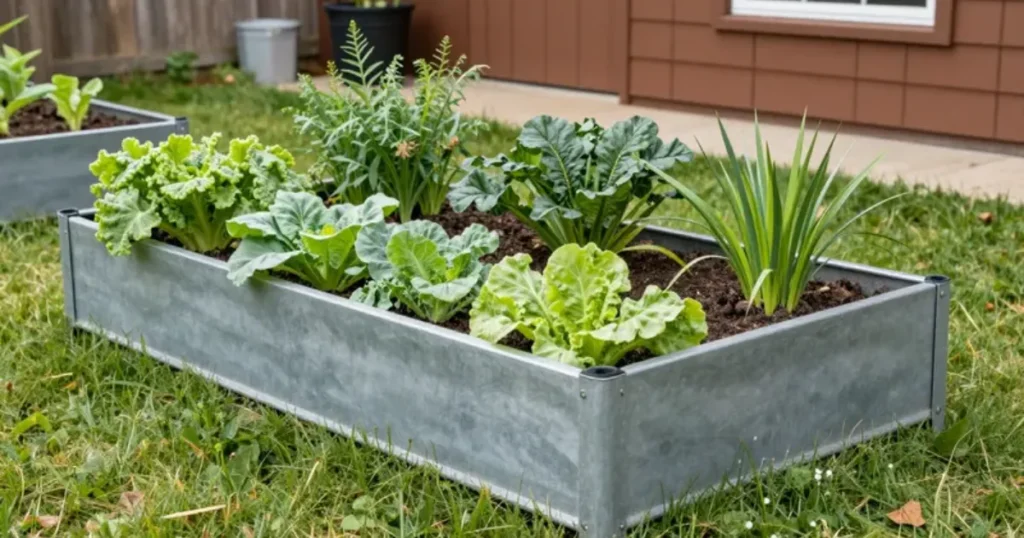
Generally, modern galvanized steel beds designed for gardening are suitable for growing vegetables. Their zinc coating protects the underlying steel, although small amounts of zinc may enter the soil over time.
Highly acidic soil can increase zinc availability. The University of Maryland Extension recommends understanding soil pH when using galvanized materials.
Avoid unidentified industrial scrap and old metal roofing with unknown coatings or contamination history.
Should You Line a Metal Raised Garden Bed?
A suitable liner can reduce direct soil contact with metal. However, it should not block drainage or trap water against the panels.
How to Prevent Rust on Metal Raised Garden Beds
A few simple precautions can help protect your investment.
Choose Quality Materials
Look for galvanized steel, aluminum, or properly coated steel with clear material specifications.
Ensure Proper Drainage
Install beds on suitable ground and avoid locations where rainwater collects.
Maintain Healthy Soil pH
Test soil periodically and avoid unnecessary acidic amendments.
Protect Metal Coatings
Avoid scratching panels with gardening tools. Repair damaged finishes using manufacturer-approved products.
Use Compatible Fasteners
Choose suitable galvanized or stainless steel hardware to reduce corrosion around connections.
Control Irrigation
Drip irrigation directs water toward plant roots and reduces repeated wetting of metal walls.
How to Fix Rust on Metal Raised Garden Beds
Small surface rust spots may be repairable if the metal remains structurally sound.
- Inspect the damage: Check whether rust is superficial or has penetrated the metal.
- Clean the surface: Remove loose dirt and debris.
- Remove loose rust: Use an appropriate hand brush.
- Apply suitable treatment: Choose a product compatible with the metal and soil-contact requirements.
- Restore protection: Use a manufacturer-approved coating and allow it to cure fully.
When should you replace a metal garden bed? Replace it when corrosion creates holes, weakens panels, or damages important structural connections.
How Long Do Metal Raised Garden Beds Last?
Their lifespan depends on metal quality, coating thickness, soil conditions, drainage, and climate.
Galvanized steel can provide many years of service when properly maintained. However, there is no guaranteed lifespan for every product.
Check for deep rust, holes, loose fasteners, and bent panels during regular inspections.
How Climate Affects Metal Raised Garden Bed Rust Problems
Different US climates create different corrosion risks.
- Hot and dry regions: Irrigation and repeated wetting can damage coatings.
- Humid regions: Frequent moisture increases corrosion risk.
- Cold regions: Snow and ice can leave metal surfaces wet for extended periods.
- Coastal regions: Salt exposure can accelerate corrosion.
Choose materials according to your local weather conditions.
Do Metal Raised Garden Beds Get Too Hot?
Metal heats up faster than wood in direct sunlight. However, the temperature of the metal wall is not the same as the temperature of the entire soil bed.
Use organic mulch, consistent watering, lighter-colored finishes, and afternoon shade when needed to protect plant roots during hot weather.
What to Check Before Buying Rust-Resistant Metal Raised Garden Beds
Consider these important features before purchasing:
- Metal type: Galvanized steel or aluminum.
- Panel thickness: Check actual thickness rather than relying only on gauge numbers.
- Protective coating: Look for clear coating specifications.
- Corner support: Choose reinforced corners and crossbars.
- Safe edges: Look for folded or protected metal edges.
- Warranty: Check corrosion coverage and exclusions.
These details can make a significant difference in long-term performance.
DIY Metal Raised Garden Beds: Important Considerations
You can build a raised bed using galvanized corrugated steel panels, suitable framing, and compatible fasteners.
Measure the space, prepare the ground, assemble the panels, and install proper corner supports. Protect cut edges and avoid damaging the zinc coating during construction.
Never leave sharp metal edges exposed, and make sure the finished structure can support the pressure of wet soil.
Metal Raised Garden Bed Maintenance Checklist
| Maintenance Task | Frequency |
|---|---|
| Inspect rust spots | Every few months |
| Check drainage | During wet seasons |
| Test soil pH | Periodically |
| Inspect screws and joints | Spring and fall |
| Check protective coatings | As needed |
| Remove accumulated debris | As needed |
FAQ’s
What Are the Downsides of Metal Raised Beds?
Metal beds can rust, heat up in direct sunlight, and develop sharp edges or bent panels. Quality materials and proper installation help reduce these problems.
Is It Better to Have Metal or Wood Raised Garden Beds?
Metal is better for resistance to rot and termites. Wood offers a natural appearance and transfers less heat. Your choice depends on budget, climate, and maintenance preferences.
Are Metal Raised Beds Any Good?
Yes. They are durable, attractive, and suitable for growing vegetables, herbs, and flowers when made from appropriate materials.
What Is the Best Metal for Raised Garden Beds?
Galvanized steel is a popular affordable option. Aluminum is an excellent choice when rust resistance is the main priority.
Conclusion
Yes, metal raised garden beds are a practical choice for many gardeners. Galvanized steel offers a good balance of durability and affordability, while aluminum provides excellent resistance to ordinary iron rust.
Choose quality materials, maintain proper drainage, and inspect protective coatings regularly to reduce rust problems and extend the bed’s useful life.