
A beautiful backyard does not need to be large, expensive, or professionally designed. Backyard Garden Ideas to Transform Any Outdoor Space focus on making the most of what you already have, whether that means a small patio, a narrow side yard, a grassy lawn, or a spacious outdoor area. With thoughtful plant choices, creative layouts, and a few practical improvements, almost any backyard can become a more inviting place to relax and enjoy nature.
Have you ever looked at your backyard and felt that something was missing, even though you had plenty of space to work with? Perhaps the lawn feels plain, the corners remain unused, or the outdoor area lacks privacy and personality. The good news is that you do not need to start with a complete renovation. Simple changes, such as adding container plants, creating a cozy seating corner, or introducing colorful flowers, can make a noticeable difference.
In this guide, you will discover Backyard Garden Ideas to Transform Any Outdoor Space, with inspiration for different budgets, garden sizes, and personal styles. You will also learn how to select suitable plants, organize outdoor zones, improve privacy, and maintain your garden throughout the seasons so that your backyard remains attractive and functional.
1. Create a Colorful Flower Garden for Instant Appeal
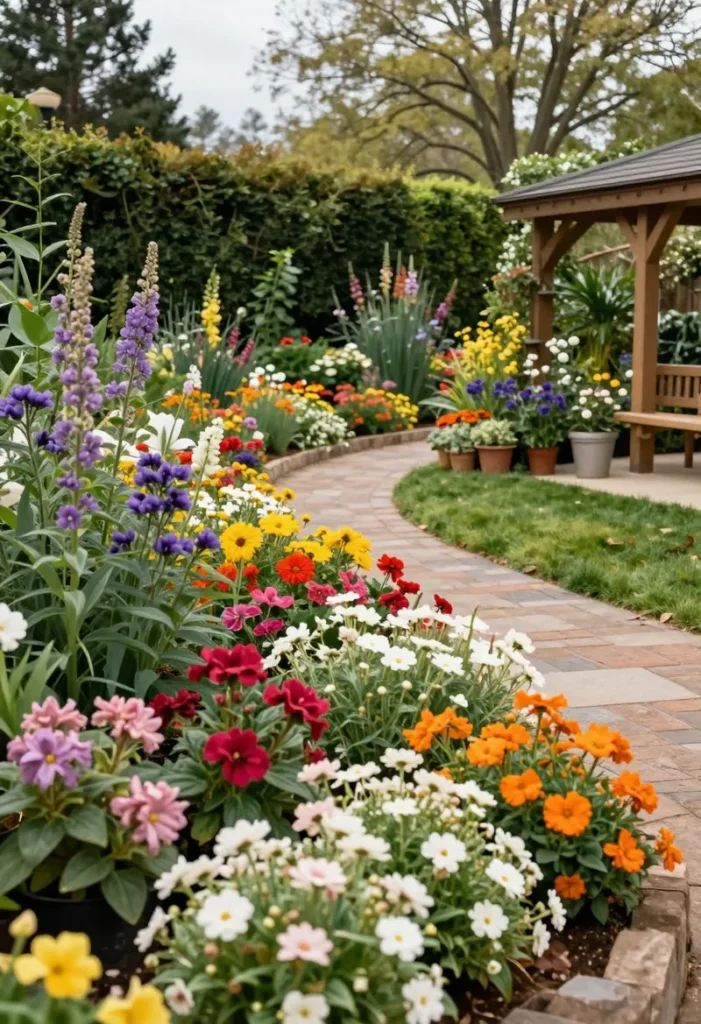
One of the easiest Backyard Garden Ideas to Transform Any Outdoor Space is to introduce a flower garden filled with different colors, textures, and heights. Flowers bring life to plain lawns, soften hard edges, and make outdoor areas feel more welcoming. You can create a curved flower bed along a fence, plant flowers around a tree, or dedicate one sunny corner to a mixture of seasonal blooms. Choose a color palette, such as pink and white, purple and yellow, or warm orange and red, to give the garden a coordinated appearance.
Select flowers according to your local climate, available sunlight, and soil conditions. Marigolds, zinnias, petunias, and sunflowers are useful options for many sunny gardens, while impatiens and begonias can suit certain shaded locations. Check the growing requirements of each variety before planting, as not every flower thrives in the same environment. Combining plants with different flowering periods can also help keep your backyard attractive across multiple seasons.
- For a cottage look: Mix flowering plants with informal shapes and soft colors.
- For a modern garden: Use repeating groups of a few flower varieties.
- For a pollinator-friendly space: Include suitable nectar-producing flowers that attract bees and butterflies.
- For low maintenance: Choose locally adapted plants that need less watering once established.
2. Turn a Small Backyard Into a Green Retreat
Small outdoor spaces can become beautiful gardens when every area has a purpose. Instead of filling the entire yard with pots and decorations, concentrate greenery along the edges and keep the center relatively open. Vertical planters, wall-mounted containers, hanging baskets, and narrow raised beds allow you to grow plants without sacrificing valuable floor space. A compact bench placed beside leafy plants can create a relaxing retreat without making the backyard feel crowded.
Visual simplicity is especially important in a small garden. Repeating the same pots, using a limited range of materials, and choosing plants with complementary foliage can make the space feel organized. Light-colored paving and strategically placed mirrors designed for outdoor use may also help create a sense of openness. Avoid placing oversized furniture in narrow areas, and leave enough room to move comfortably between seating, planting beds, and doors.
3. Build Raised Garden Beds for Vegetables and Herbs
Raised beds are practical Backyard Garden Ideas to Transform Any Outdoor Space because they create clearly defined planting areas and can make gardening easier to manage. They are especially useful when the existing ground is compacted, difficult to work, or unsuitable for particular crops. Fill your beds with an appropriate growing medium and choose a location that receives enough sunlight for the plants you intend to grow. Most fruiting vegetables, including tomatoes and peppers, perform best with several hours of direct sunlight each day.
You can grow vegetables, culinary herbs, or a combination of both in a productive backyard garden. Basil, coriander, mint, lettuce, radishes, and leafy greens can be suitable choices depending on the season and climate. Keep plants with similar water and sunlight requirements together, and avoid overcrowding them because good airflow helps reduce some common plant diseases. If space is limited, arrange crops in blocks rather than long rows to make efficient use of the bed.
For a productive layout, consider these combinations:
- Kitchen herb bed: Basil, parsley, coriander, and thyme.
- Salad garden: Lettuce, radishes, spring onions, and suitable leafy greens.
- Summer vegetable bed: Tomatoes, peppers, and compatible companion plants.
- Pollinator border: Flowering plants near vegetable beds to provide additional habitat for beneficial insects.
Remember that some herbs, particularly mint, spread aggressively. Grow them in separate containers if you want to keep them from taking over neighboring plants.
Read Also: Small Garden Ideas That Maximize Every Inch
4. Design a Cozy Outdoor Seating Area
A garden becomes more useful when it offers a comfortable place to spend time. An outdoor seating area can turn an ordinary backyard into a spot for morning coffee, family conversations, reading, or evening relaxation. You do not need a large patio to achieve this effect. Two weather-resistant chairs, a small table, and several attractive planters can establish a pleasant seating corner in even a modest garden.
Position the seating where it makes the most sense for your daily routine. A shady corner may be ideal in a hot climate, while a sunny area could be more comfortable in cooler weather. Add outdoor cushions made from weather-resistant materials, and consider a pergola, umbrella, or shade sail if the area receives intense sunlight. Keep furniture away from obstructed walkways, and choose materials that can withstand your local rain, humidity, heat, and seasonal conditions.
5. Add Garden Pathways for Structure and Character
Garden paths help connect different parts of a backyard while giving the landscape a more intentional design. A simple walkway made from stepping stones, gravel, bricks, or pavers can lead visitors toward a seating area, flower bed, or vegetable patch. Paths are also useful for preventing unnecessary foot traffic across lawns and planting beds. Their shape influences the overall atmosphere: straight paths tend to look formal, while gentle curves can make a garden feel relaxed and natural.
Choose pathway materials according to their maintenance requirements, safety, and suitability for your climate. Gravel is often relatively affordable and easy to install, while pavers provide a more solid surface for regular use. Stepping stones can work well in informal gardens, provided they are stable and placed at comfortable walking distances. Make sure the path drains properly and does not become slippery when wet. If you plan to use a wheelbarrow or move garden equipment frequently, provide enough width for comfortable access.
6. Use Vertical Gardening to Make the Most of Limited Space
Vertical gardening is an excellent solution when you want more greenery but have little room for traditional planting beds. Trellises, wall-mounted planters, sturdy plant stands, and purpose-built vertical systems allow you to grow upward rather than outward. Climbing plants can soften fences and plain walls, while trailing plants add movement to balconies, patios, and raised structures. A well-designed vertical display can also create a focal point without taking up much ground space.
Before installing vertical planters, check that the wall or support can safely hold their combined weight, particularly after watering. Choose plants that suit the available light and account for how quickly they grow. Climbing beans, peas, and some flowering vines may work on appropriate supports, while compact herbs and leafy plants can thrive in suitable containers. Water vertical gardens carefully because smaller containers often dry out faster than garden beds, especially during hot weather.
7. Improve Privacy With Plants and Natural Screens
Privacy can make a backyard feel like a personal sanctuary, particularly when neighboring windows, fences, or nearby buildings overlook the space. Instead of relying entirely on solid barriers, consider combining plants with trellises, outdoor screens, or existing fencing. Tall ornamental grasses, suitable shrubs, and climbing vines can soften boundaries while creating a greener appearance. The best choice depends on how much privacy you need, how quickly you want it, and the space available for mature plants.
Think about the mature height and spread of each plant before purchasing it. Fast-growing species may offer quicker screening, but they can require frequent pruning or become difficult to manage if planted too close to buildings. Select non-invasive varieties that are suitable for your region, and check whether roots could interfere with paving or underground utilities. For year-round privacy, evergreen plants may be useful where the local climate supports them. A combination of different heights can create a more natural screen than a single uniform row.
8. Add Lighting and Water Features for Evening Atmosphere
Outdoor lighting can make a backyard more enjoyable after sunset while improving visibility along frequently used routes. Solar stake lights, low-voltage pathway fixtures, wall lights, and string lights can all contribute to a welcoming atmosphere. Use lighting to highlight selected features, such as a beautiful tree, a flower bed, or an outdoor dining area, rather than illuminating every corner equally. Soft, well-positioned lighting usually creates a more relaxing setting than excessive brightness.
A small water feature can introduce another layer of interest through movement and sound. Depending on your budget, you might choose a compact fountain, a container water garden, or a professionally installed pond. Consider cleaning requirements, water use, electrical safety, and the needs of children and pets before making your choice. In warm climates, water features may require more frequent attention to evaporation and algae. If you prefer a simpler approach, a decorative bowl planted with suitable moisture-loving plants can provide a similar visual focal point without a complicated installation.
9. Choose Low-Maintenance Plants and Sustainable Materials
A beautiful garden should fit your lifestyle rather than become a constant source of work. If you have limited time for maintenance, choose plants suited to your local climate and soil, group them according to their watering needs, and use mulch where appropriate to help conserve soil moisture. Perennials that return year after year can reduce the need for repeated planting, while well-adapted shrubs can provide structure with less seasonal effort. However, low-maintenance does not mean maintenance-free; even resilient plants need occasional monitoring, pruning, and watering.
Sustainable gardening choices can also reduce waste and make routine care more efficient. Composting suitable kitchen scraps and garden waste creates a useful soil amendment, while collecting rainwater can supplement irrigation where permitted and practical. Reusing safe, durable materials for edging and containers may help control project costs. Avoid using treated or contaminated materials in vegetable beds, and never assume that every household waste product is appropriate for composting. Small, consistent improvements often provide more lasting benefits than expensive decorative additions.
10. Plan Your Backyard Makeover Around Your Budget
You do not need to complete every improvement at once. Start by deciding what you want your backyard to do: provide a place to relax, grow fresh vegetables, entertain guests, offer privacy, or simply look more attractive. Measure the available space, observe sunlight throughout the day, and identify drainage or soil problems before buying materials. A simple plan helps you prioritize improvements and prevents unnecessary purchases that may not suit the finished garden.
Begin with a few high-impact changes, then expand when your budget allows. For example, you might first tidy existing beds, add mulch, and plant a small selection of flowers. Later, you could introduce seating, install a pathway, or build raised beds. Compare the long-term costs of different materials, including replacement, maintenance, and water use. A carefully planned garden with a few well-chosen features can look more cohesive than a larger space filled with unrelated decorations.
Frequently Asked Questions
1. How can I make my backyard garden look beautiful on a budget?
Start by cleaning existing planting areas, rearranging pots, adding affordable seasonal flowers, and defining beds with simple edging. Reuse suitable containers and introduce improvements gradually instead of renovating everything at once.
2. What are the best plants for a low-maintenance backyard garden?
Locally adapted perennials, suitable ornamental grasses, and climate-appropriate shrubs can be good choices. The best plants depend on sunlight, soil, rainfall, and temperature, so check local growing recommendations before planting.
3. How do I make a small backyard look bigger?
Keep the central area open, use vertical planters, create a clear pathway, and repeat a limited selection of colors and materials. Compact furniture and planting along the boundaries can also make the space feel less crowded.
4. What can I put in my backyard besides grass?
You can add raised vegetable beds, flower borders, container gardens, gravel paths, seating areas, trellises, or a small water feature. Choose additions that suit your space, budget, and maintenance preferences.
5. How do I maintain a backyard garden throughout the year?
Adjust watering and planting to the season, remove weeds, inspect plants for pests, replenish mulch when needed, and prune according to each plant’s requirements. Seasonal care will vary with your local climate and the types of plants you grow.
Conclusion
The most successful Backyard Garden Ideas to Transform Any Outdoor Space combine visual appeal with practical design. Colorful flower beds, productive raised planters, inviting seating, well-planned pathways, vertical greenery, and thoughtful lighting can all improve an outdoor area without requiring a complete renovation. By choosing suitable plants and materials, you can create a backyard that reflects your style while supporting your everyday needs.
Start with one manageable project and build from there. Whether you have a tiny courtyard or a spacious lawn, observe your growing conditions, set a realistic budget, and focus on improvements that you will genuinely enjoy using. Explore more gardening inspiration and practical plant-care advice at GreenNestHubs as you turn your outdoor space into a greener, more comfortable place to spend time.