
There’s a specific kind of joy in snipping fresh basil for dinner from a plant you grew yourself, instead of buying a wilted plastic clamshell from the grocery store. And here’s the good news: herbs are one of the most forgiving places to start if you’ve never grown anything in your life.
Unlike finicky ornamentals or high-maintenance vegetables, most herbs genuinely want to be low-effort. They tolerate average soil, irregular watering, and beginner mistakes better than almost anything else you could plant. The real challenge isn’t keeping them alive it’s figuring out which setup actually fits your space, your sunlight, and how much time you realistically want to spend on upkeep.
They’re also inexpensive to start. A packet of seeds or a small seedling costs a few dollars, and within weeks you’re harvesting something you’d otherwise be paying a premium for at the store. And because herbs are grown for their leaves rather than a single harvest moment (like a tomato or a melon), you get to interact with them constantly snipping, smelling, cooking which makes the whole process far more rewarding for a first-time grower.
15 Herb Garden Ideas for Beginners
The Classic Windowsill Herb Garden
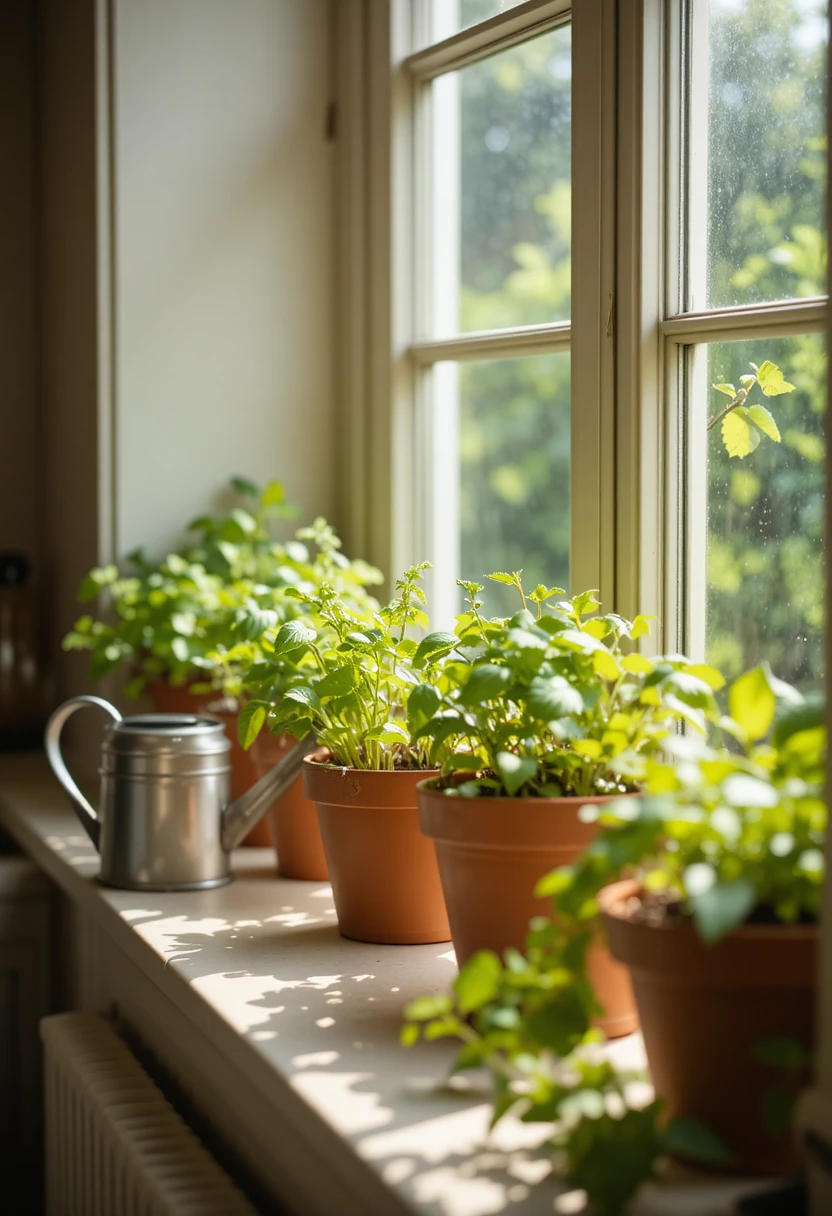
If you only try one idea from this list, make it this one. A row of small pots on a sunny kitchen windowsill is the lowest-commitment way to start growing herbs, and it puts your ingredients exactly where you’ll use them — a few steps from the stove.
Best herbs for a windowsill: basil, chives, parsley, and thyme all handle container life indoors well, as long as the window gets several hours of direct light.
Beginner tip: South- or west-facing windows generally provide the most consistent light for indoor herb pots.
Terracotta Pots by the Kitchen Door
Take the windowsill idea outside. A cluster of terracotta pots planted with your most-used cooking herbs and placed right outside your kitchen door means you can snip fresh ingredients mid-recipe without ever leaving the house barefoot in the rain.
Terracotta is a great material choice here specifically because it’s porous, which helps soil dry out between waterings exactly what most herbs prefer.
A Dedicated Raised Bed Herb Garden
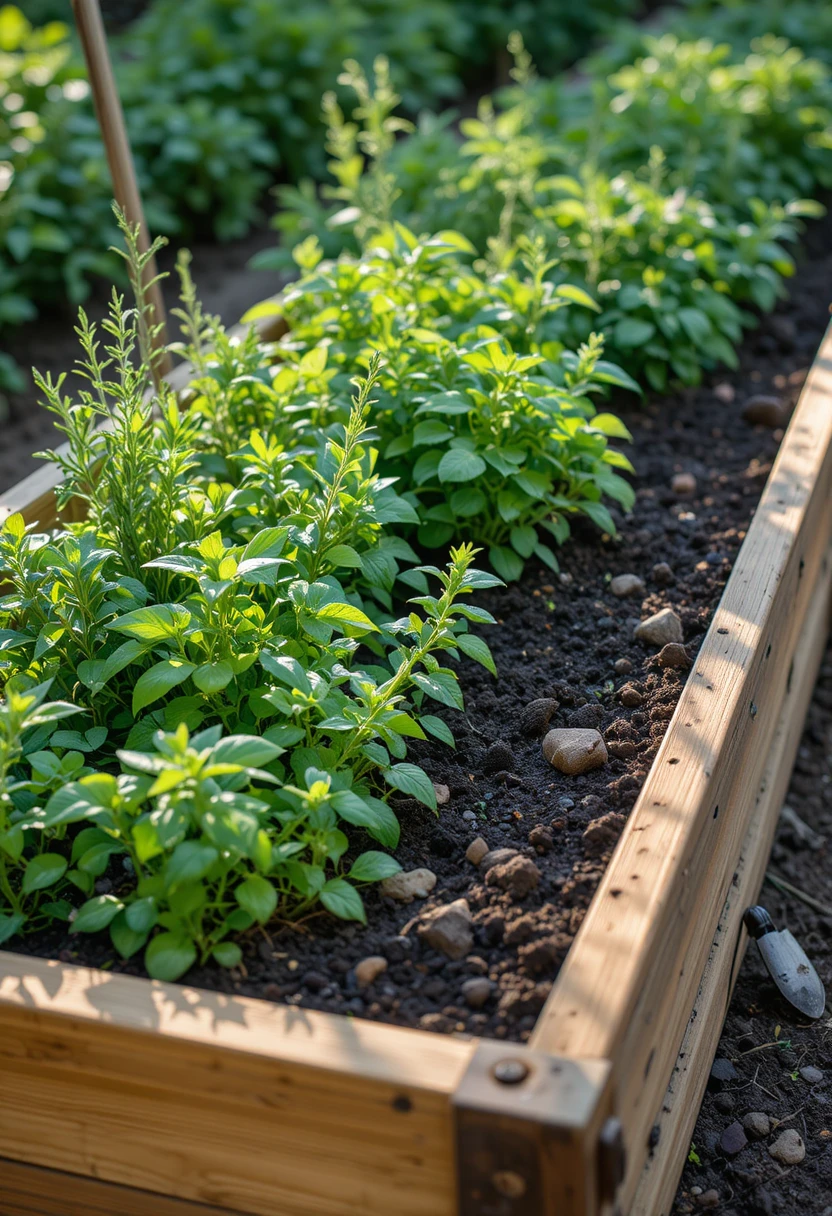
If you have even a small patch of yard, a raised bed gives you full control over soil quality, drainage, and organization, without fighting whatever native soil you happen to have. Raised beds also warm up faster in spring, which means an earlier start to your growing season.
Read Also: 13+ Garden Fence Decor Ideas to Turn a Boring Boundary Into Your Yard’s Best Feature
A Vertical Wall-Mounted Herb Garden
Short on ground space? Grow up instead of out. A vertical herb garden whether it’s a purpose-built wall planter, a repurposed pallet, or a series of mounted pockets lets you fit a surprising number of herbs into a few square feet of wall or fence space.
This is one of the best small-space herb garden ideas for patios, balconies, or narrow side yards where a traditional bed simply won’t fit.
Hanging Basket Herbs
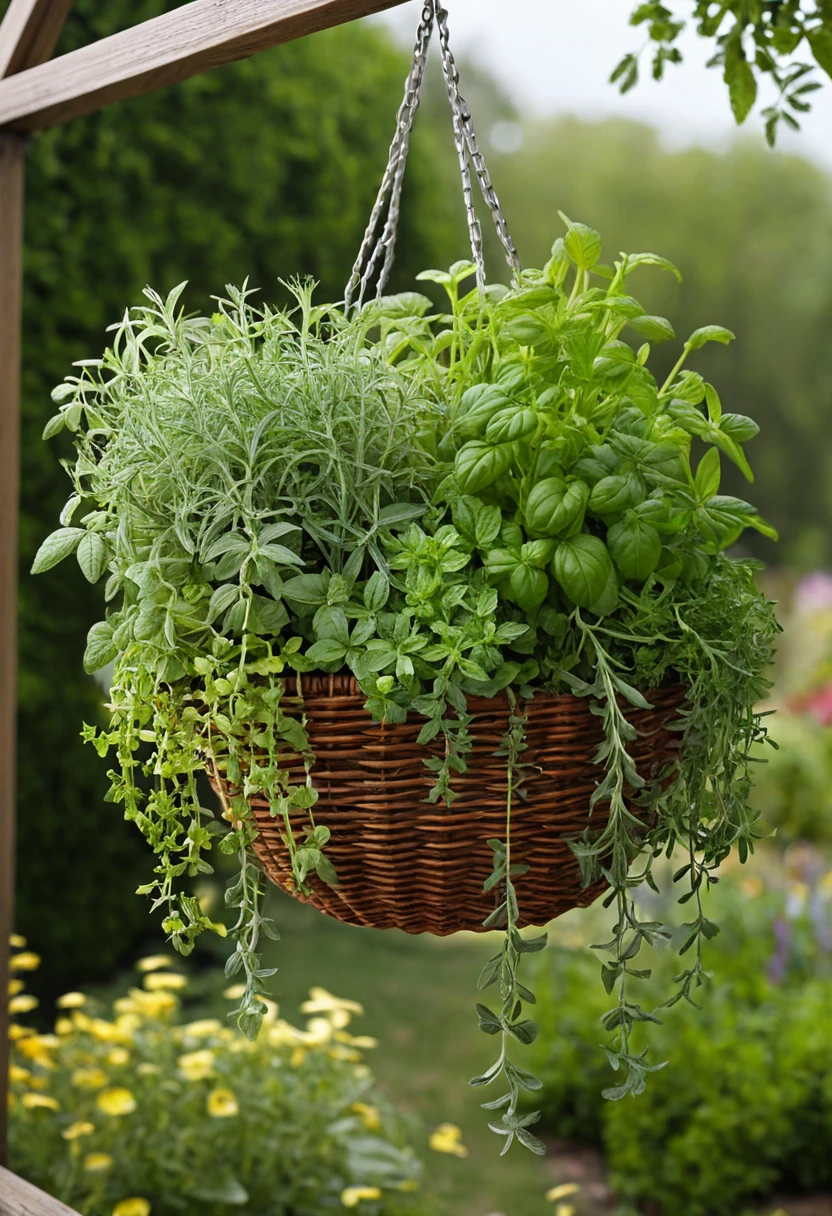
Hanging baskets aren’t just for flowers. Trailing or bushy herbs like oregano, thyme, and rosemary do well in hanging containers, and lifting them off the ground frees up patio or porch floor space while adding visual interest at eye level.
Bonus: hanging baskets are easy to move to chase the sun throughout the day, which is especially handy if your outdoor space gets uneven light.
An Herb Spiral
An herb spiral is a raised, spiral-shaped mound of soil that creates multiple microclimates in a single small footprint the top of the spiral drains fast and stays drier (perfect for Mediterranean herbs like rosemary and thyme), while the base holds more moisture (better suited to herbs like mint or parsley).
It’s a slightly more involved build than a basic container garden, but it’s a striking centerpiece and an efficient way to grow a wide variety of herbs with very different needs in one compact space.
A Rosemary Hedge Border
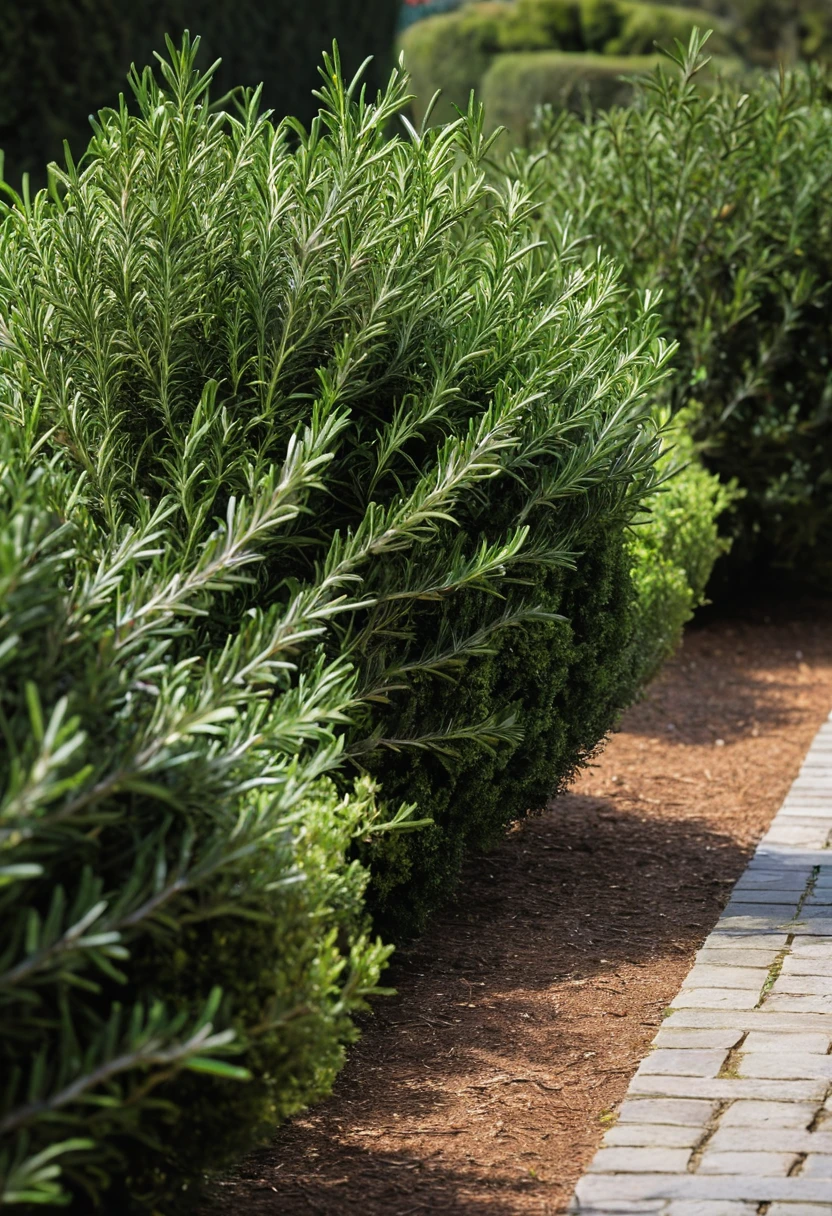
Rosemary isn’t just a kitchen herb planted in a row, it doubles as a fragrant, evergreen border for flower beds, walkways, or patios. It fills in nicely over a season or two, tolerates dry conditions well once established, and gives you a constant supply of rosemary sprigs without dedicating a whole separate bed to it.
This is a great dual-purpose idea if you already have flower beds and want to add function without sacrificing the look.
A Companion Herb-and-Vegetable Garden
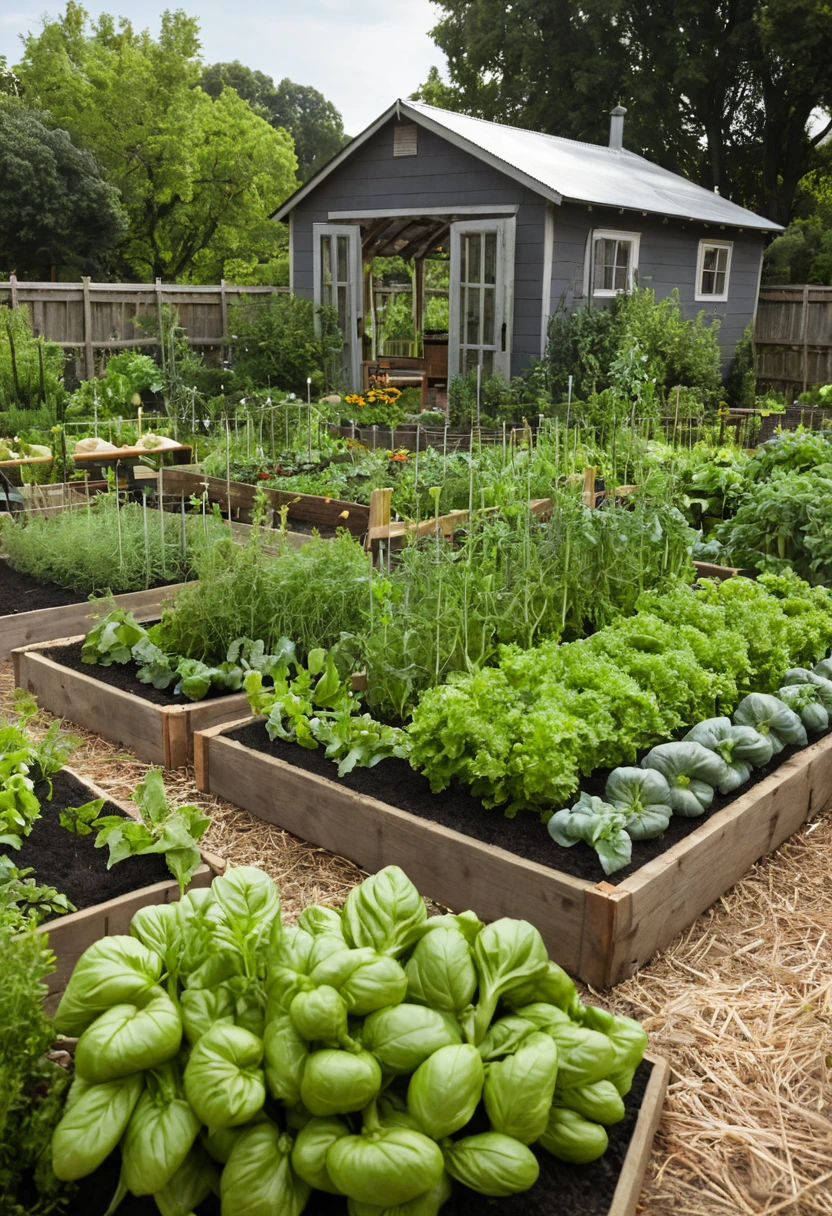
Herbs and vegetables are natural garden partners. Tuck basil in among your tomatoes, or plant parsley and dill at the back of a vegetable bed, and you get the practical benefit of some herbs helping repel certain pests while making the most of your existing garden space.
This is an especially good option if you already grow vegetables and don’t want to carve out an entirely separate herb section.
A Window Box Herb Garden
A window box mounted just below an outdoor window is a great middle ground between a windowsill pot and a full raised bed. It gives you more planting room than a single pot, stays close to the kitchen, and adds a charming, cottage-style look to the outside of the house.
Choose a mix of upright herbs (like thyme or chives) and a trailing variety or two (like creeping rosemary) to fill out the edges.
A Dedicated Container for Mint (and Other Spreaders)
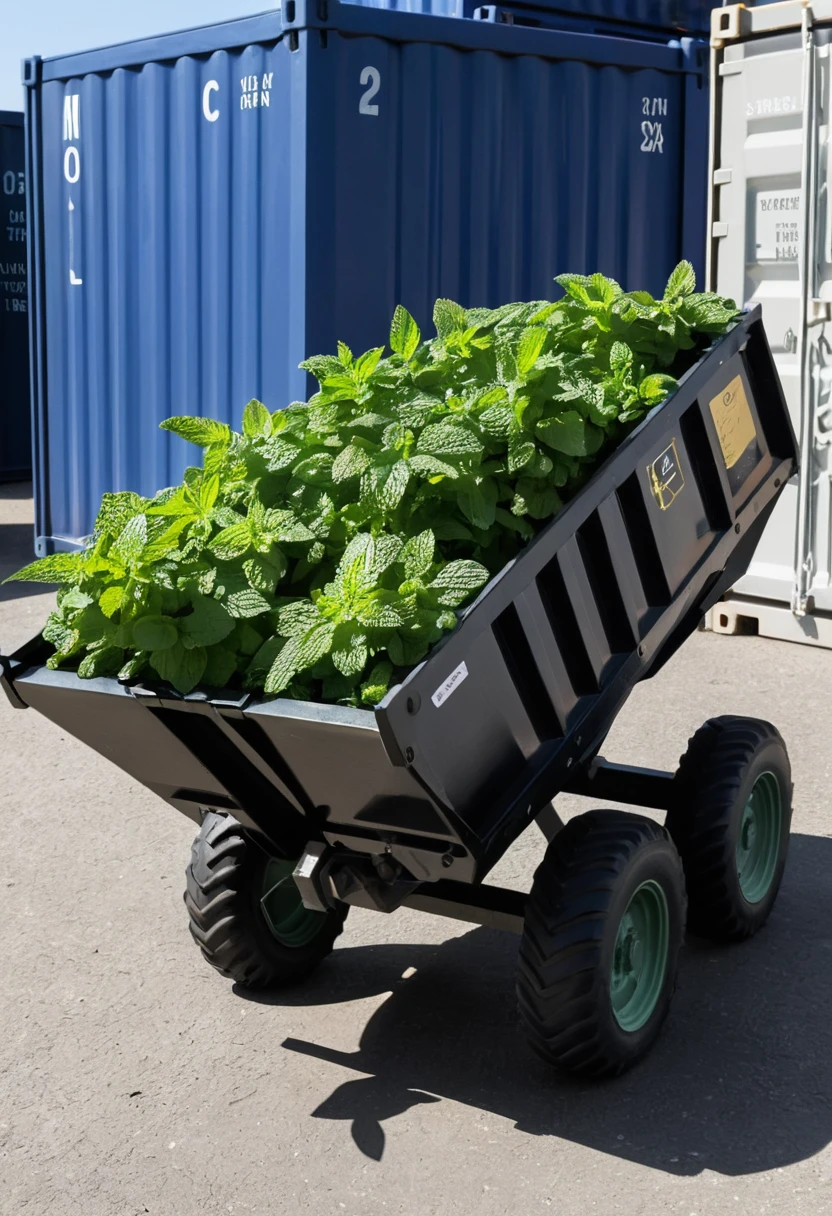
Here’s a mistake almost every beginner makes at least once: planting mint directly in the ground. Mint spreads aggressively through underground runners and can quickly take over an entire bed if left unchecked.
The fix: always grow mint (and similarly aggressive spreaders like tarragon or lemon balm) in its own container, even if the rest of your herb garden is planted directly in the ground. This keeps its enthusiasm contained to one pot instead of your whole yard.
A Themed “Pizza Garden”
A fun, beginner-friendly project: dedicate one small bed or a large container to exactly the herbs you’d want on a homemade pizza basil, oregano, thyme, and a small pepper or tomato plant if you have room. It’s an easy way to give your herb garden a clear purpose and makes the whole project more motivating, especially if you’re gardening with kids.
A Tea Herb Garden
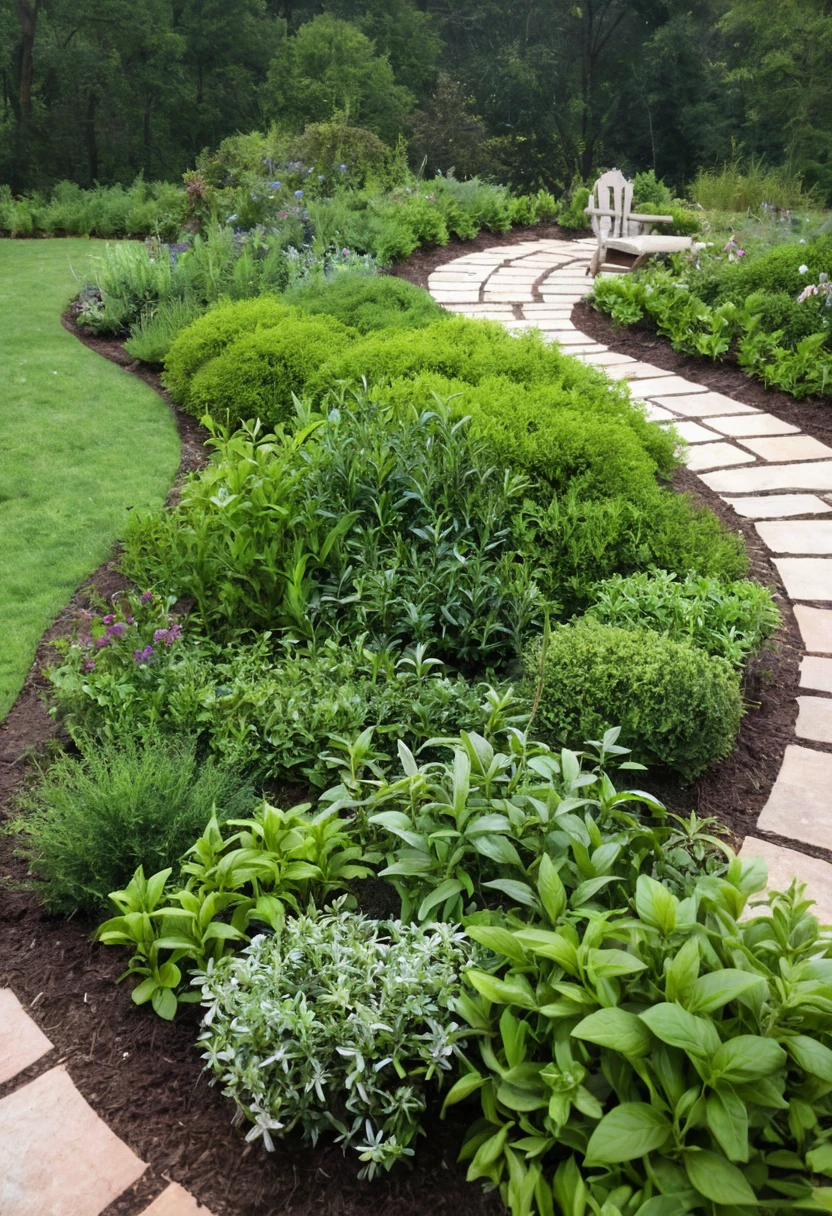
If you’re a tea drinker, build a small bed or container garden specifically around tea-friendly herbs: mint, chamomile, and lemon balm are all easy to grow and make for genuinely delicious homemade tea blends. Since mint and lemon balm both spread aggressively, keep them in their own containers within the tea garden rather than planting everything together in open ground.
A Pollinator-Friendly Herb Garden
Many herbs double as excellent pollinator plants once they flower. Letting a few plants — like bee balm, lavender, or oregano — bloom rather than constantly trimming them back creates a small pollinator haven right in your herb garden, while still giving you plenty of leaves to harvest along the way.
This is a nice option if you want your herb garden to support the broader garden ecosystem, not just your kitchen.
An Indoor Grow-Light Herb Shelf
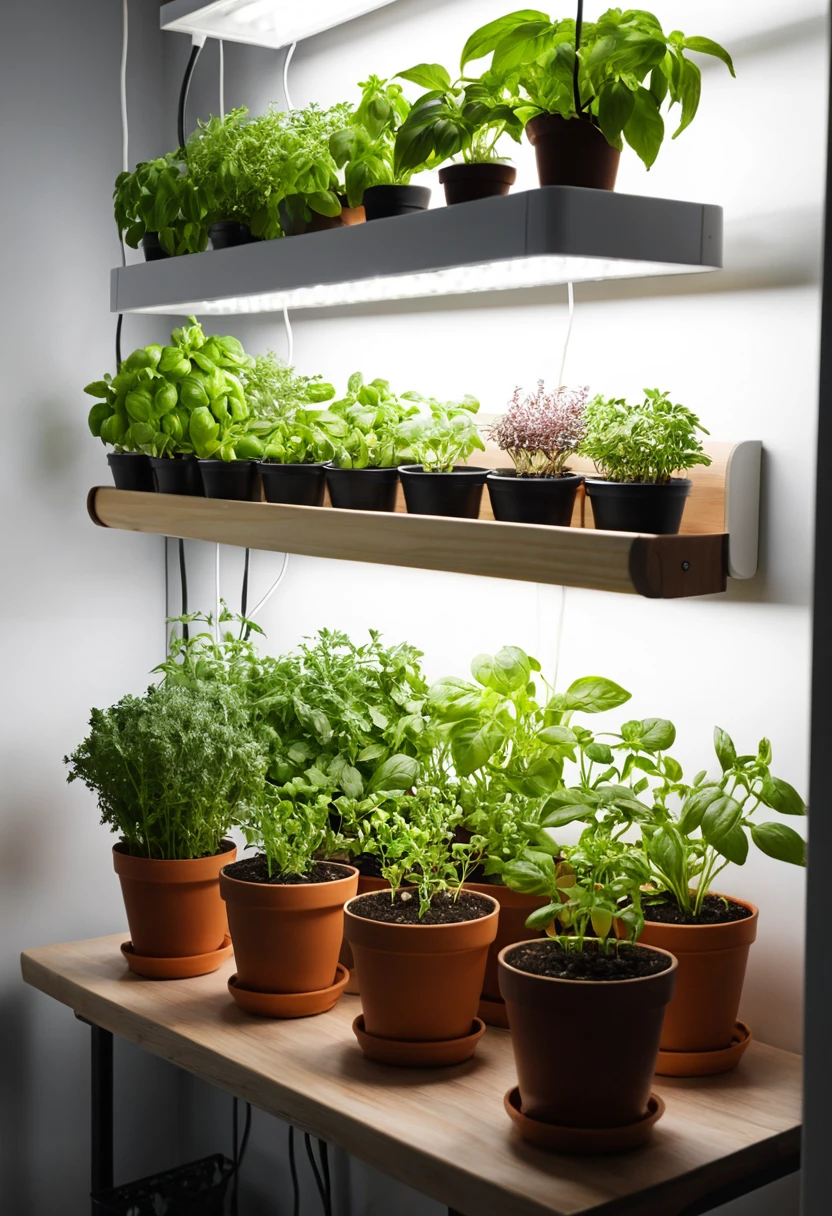
If your home doesn’t get much direct sunlight, or you want fresh herbs through the darker winter months, a small shelf fitted with a grow light solves the problem entirely. Treat your indoor herbs like houseplants, keep the light on a timer for consistency, and you can harvest basil and parsley in January just as easily as in July.
This is a great next step once you’ve outgrown a basic windowsill setup and want more control over your herbs’ growing conditions.
Repurposed Container Herb Gardens
You don’t need matching planters from a garden center to get started. Buckets, wooden crates, old teacups, and even mason jars all work as herb containers, as long as you add drainage holes if they don’t already have any. This is one of the most budget-friendly and personality-filled ways to start an herb garden, and it’s a great weekend project if you already have containers sitting around unused.
Frequently Asked Questions
What are the easiest herbs to grow for a total beginner?
Basil, chives, mint (in its own container), parsley, and thyme are all considered especially forgiving for new gardeners, tolerating a range of light and watering conditions without much fuss.
Can I grow herbs indoors year-round?
Yes, especially with a sunny south- or west-facing window, or a small grow light setup if natural light is limited. Treat indoor herbs much like houseplants, with consistent light and careful attention to not overwatering.
Do herbs need a lot of space to grow?
Not at all. Many of the ideas on this list windowsill pots, vertical planters, hanging baskets — are specifically designed for small spaces like apartments, balconies, or narrow side yards.
Why shouldn’t I plant mint in the ground with my other herbs?
Mint spreads aggressively through underground runners and can quickly crowd out neighboring plants. Keeping it in its own container, even within a larger herb garden, prevents it from taking over the whole bed.
How often should I water my herb garden?
It varies by herb, but as a general rule, most herbs prefer the soil to dry out somewhat between waterings rather than staying constantly moist. Mediterranean herbs like rosemary and thyme are especially prone to problems from overwatering.
Final Thoughts
Starting an herb garden doesn’t require a big yard, a greenhouse, or years of gardening experience it just requires picking the setup that actually fits your space and your habits. A few pots on a windowsill can be just as rewarding as a full raised bed, especially when you’re harvesting fresh basil for dinner within weeks of planting.